
79 open source boards using the RT9080-33GJ5
Real designs built with the RT9080-33GJ5, from public GitHub projects: a quick way to see how others power, decouple and connect it. Each board comes with its KiCad files, full parts list and a render — and you can simulate its firmware on HardLabs.
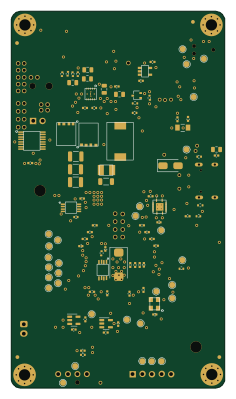 ESP32
Bitaxe
skot
56.5 × 99.8 mm86 parts4LCERN-OHL-S-2.01.4k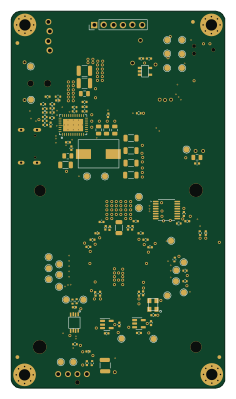 ESP32
BitaxeGamma
bitaxeorg
56.5 × 99.8 mm90 parts4LCERN-OHL-S-2.0430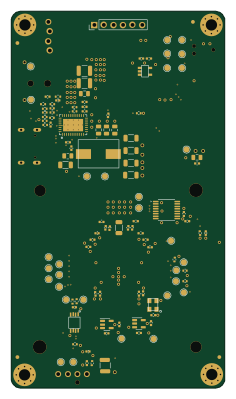 ESP32
BitaxeSupra
56.5 × 99.8 mm89 parts4LCERN-OHL-S-2.034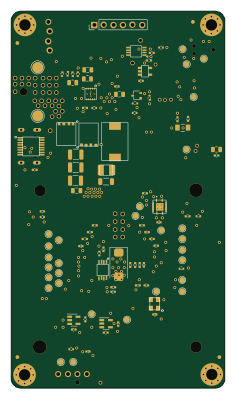 ESP32
BitaxeUltra
56.5 × 99.8 mm85 parts4LCERN-OHL-S-2.025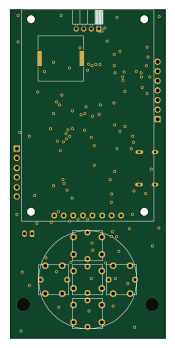 ESP32
Dif pressure meter
ardiloot
41 × 87 mm66 parts2LMIT23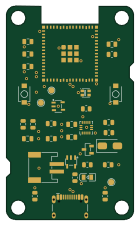 ESP32
Wakeboard
alexspurling
33.6 × 56.4 mm32 parts2LNo license21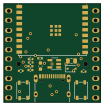 ESP32
ESP32-C3-DevBoard
21km43
25.4 × 26 mm15 parts2LNo license21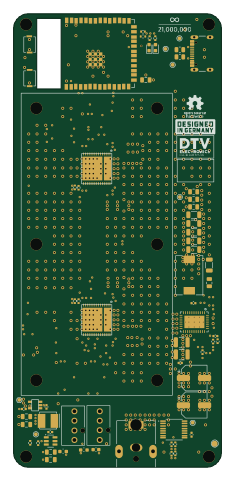 ESP32
BitForge-Nano
WantClueTechnologies
55 × 120 mm183 parts6LCERN-OHL-S-2.015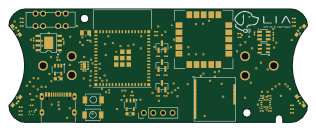 ESP32
LIA
JGAguado
79 × 30 mm66 parts2LCC-BY-NC-4.015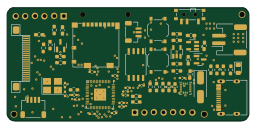 RP2040/RP2350
Luluu
fu5ha
64 × 30 mm57 parts4LNo license9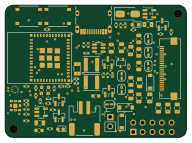 ESP32
Lowpower epaper thermometer
antoinecellerier
48 × 35 mm75 parts2LGPL-3.08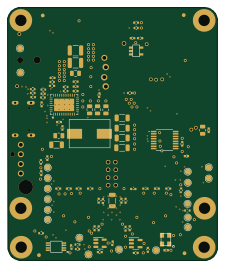 ESP32
Bittyaxe
BeeEvolved
55.5 × 66.9 mm85 parts4LCERN-OHL-S-2.07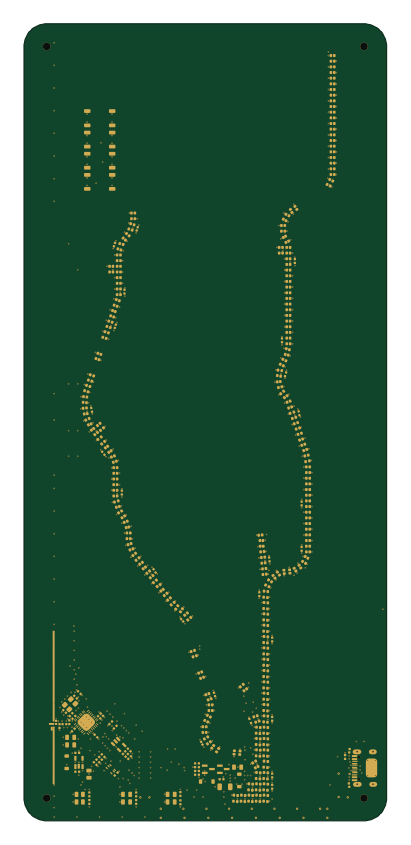 ESP32
Wellington-Live-Train-Map
CDFER
96 × 211 mm225 parts2LGPL-3.06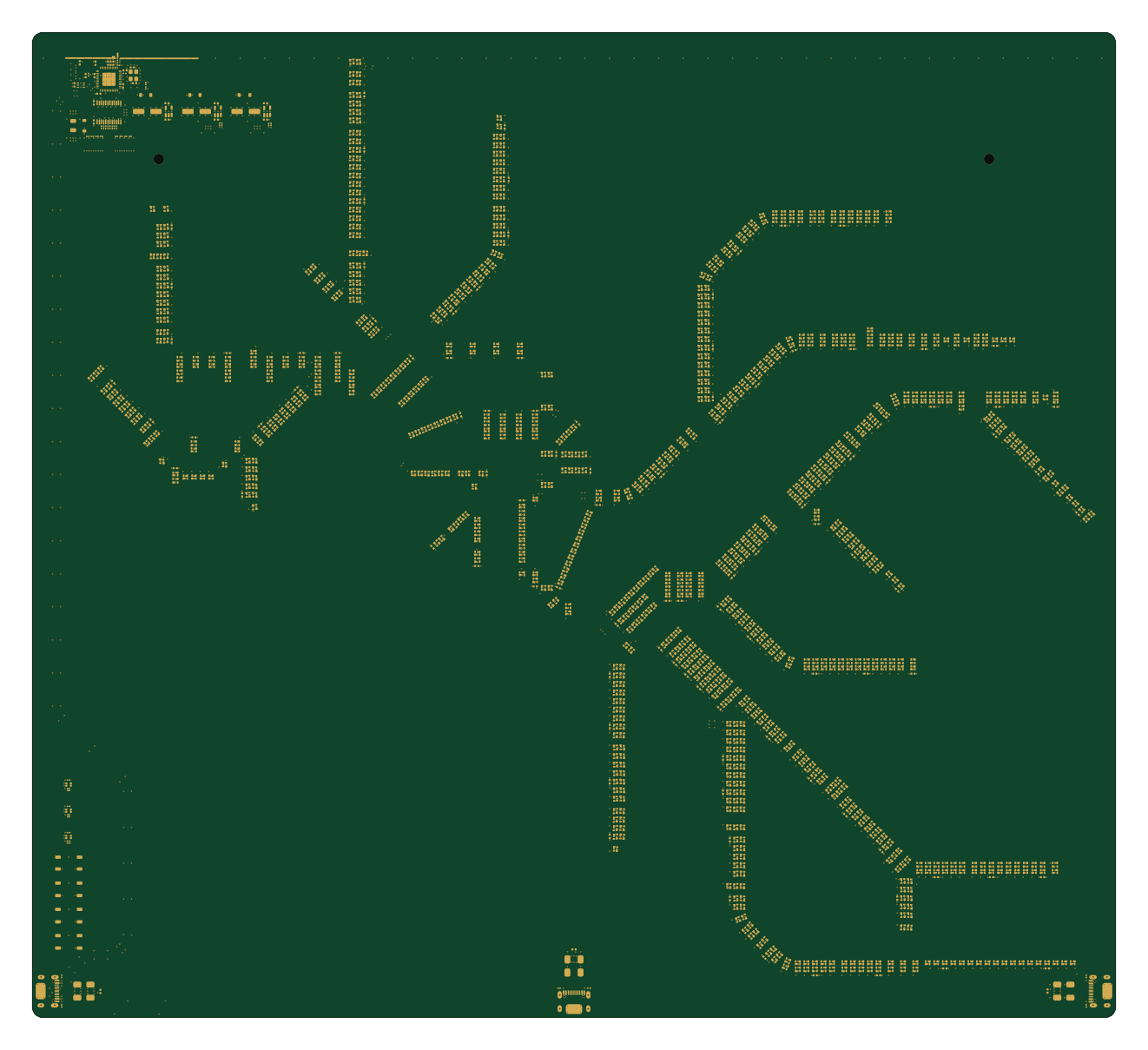 ESP32
Melbourne-Live-Train-Map
330 × 300 mm1240 parts2LGPL-3.05 RISC-V
WCH-LinkE-Mini
38.1 × 15.2 mm35 parts2LMIT5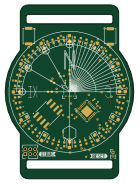 AVR/Arduino
Hourglass reva
geschmit
34 × 45.9 mm93 parts4LApache-2.04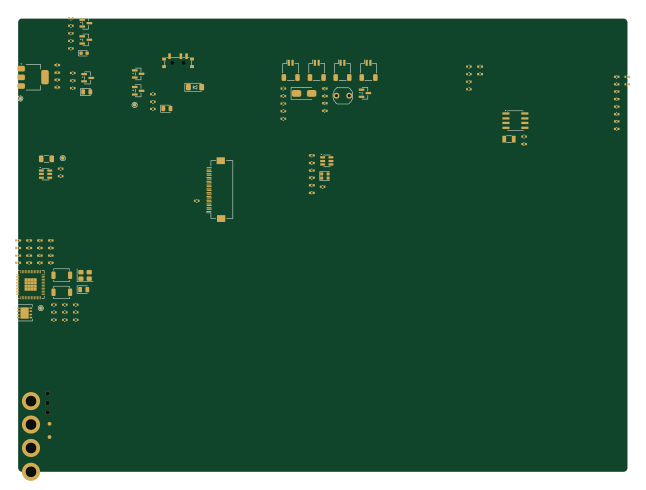 RP2040/RP2350
Clock module v2.0
MitchellStride
161.2 × 119.9 mm107 parts4LNo license3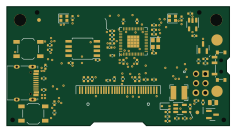 RP2040/RP2350
Hello-My-Name-Is-PCB-Badge
59 × 31.5 mm75 parts2LCERN-OHL-S-2.03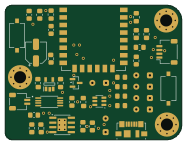 ESP8266
TWIN NODE2
MAATHES-THILAK-K
46.6 × 35.5 mm41 parts2LApache-2.03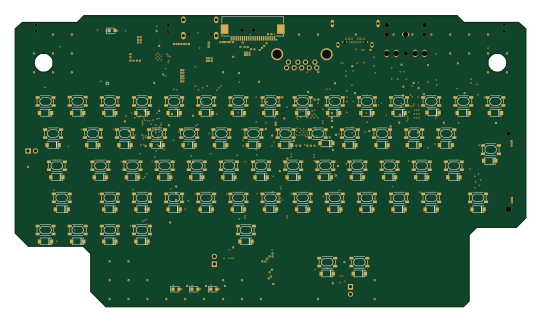 RP2040/RP2350
PortaRe0
0Re0-8192
135 × 77 mm349 parts6LNo license2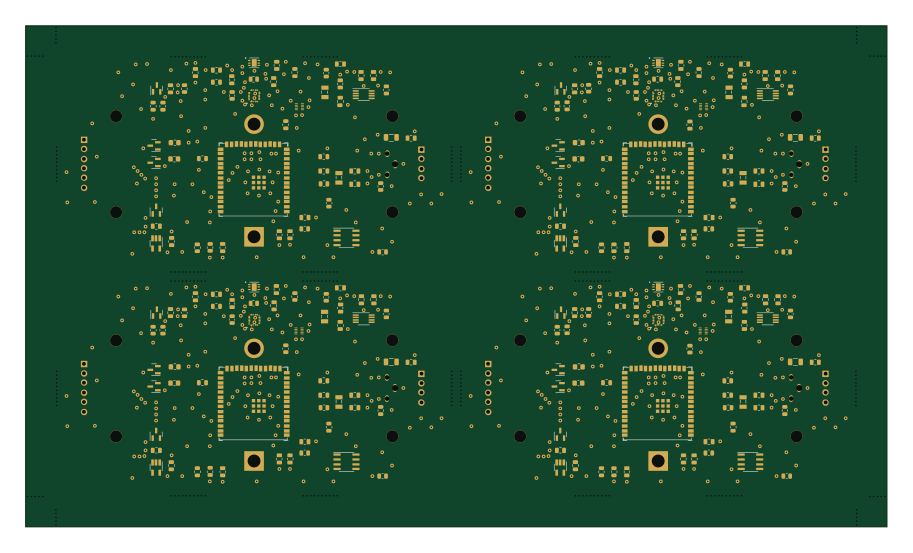 ESP32
Panel
YDrip
227.8 × 132.5 mm345 parts4LCERN-OHL-W-2.02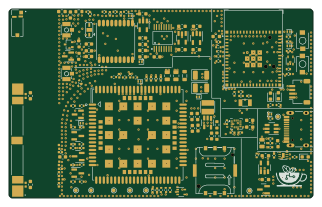 ESP32
Bwlc1a
teapotlaboratories
80.5 × 50 mm155 parts4LMIT2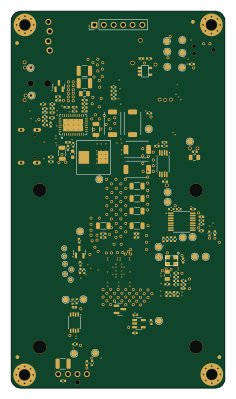 ESP32
BitshokaNini V1.1
kuenrg153
56.5 × 99.8 mm115 parts4LGPL-3.02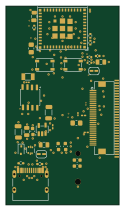 ESP32
Grupparbete-IoT25S
rt-rtos
30 × 52.7 mm41 parts4LNo license2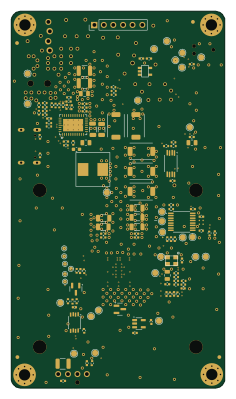 ESP32
BitshokaNini V1.2
56.5 × 99.8 mm110 parts4LGPL-3.01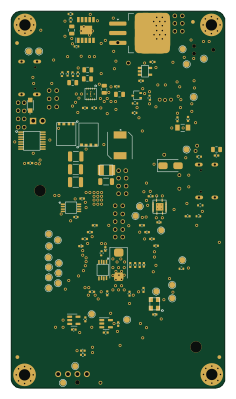 ESP32
MakerAxe lite
makingdevices
56.5 × 99.8 mm97 parts2LNo license1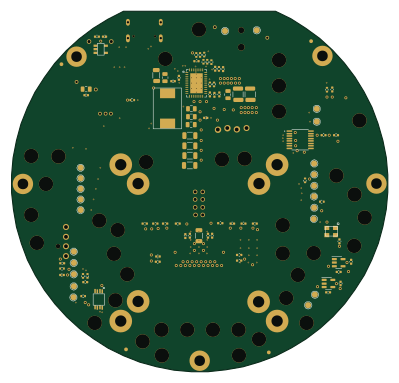 ESP32
Hashdisk
99.6 × 95.4 mm86 parts4LCERN-OHL-S-2.01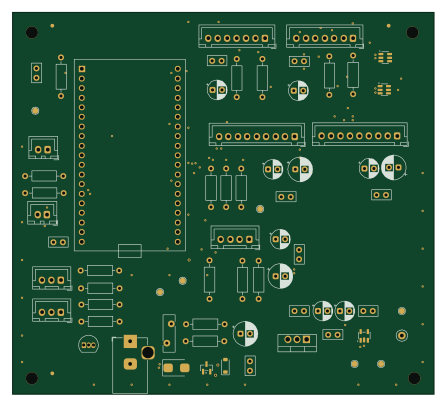 ESP32
MaChip
brgyplrm
111.5 × 101 mm62 parts2LNo license1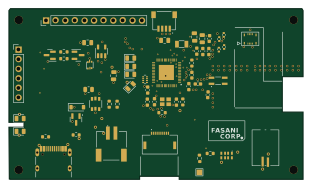 ESP32
S3 SHARP LCD Controller
martinberlin
77.9 × 45.2 mm60 parts4LMIT1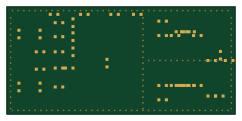 ESP32
Lexicon hardware
superlexicon
60.4 × 28.4 mm39 parts6LNo license1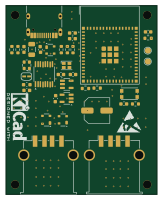 ESP32
Dude dirty usb disconnect
ldab
40 × 50 mm36 parts2LWTFPL1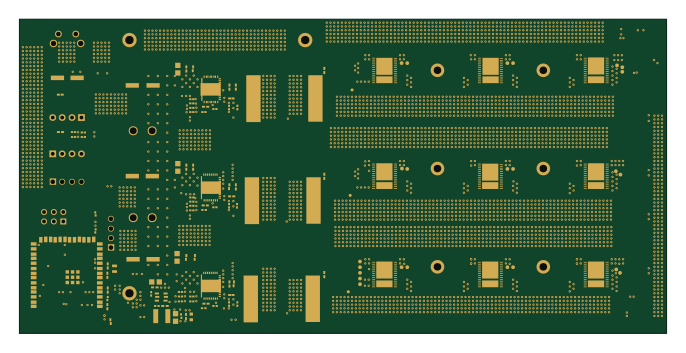 ESP32
OpenSourcedMiners
Luckst4r
171.1 × 83.1 mm378 parts6LCERN-OHL-S-2.00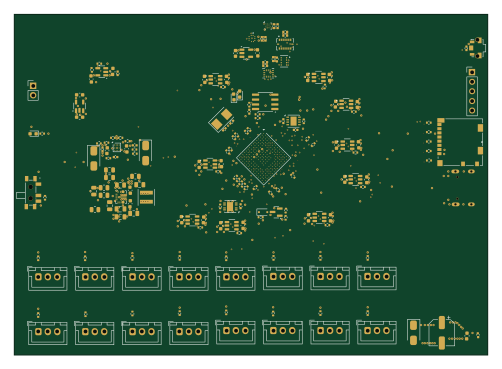 STM32
Pcb mantis
si-nalsal
125.2 × 90 mm277 parts6LCERN-OHL-S-2.00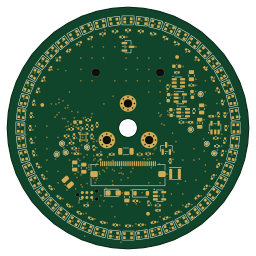 Nordic nRF
Dial me spinner main
tyevco
64 × 64 mm187 parts4LNo license0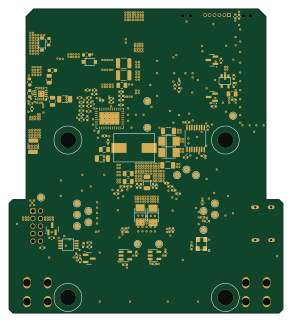 ESP32
Bitair mainboard
heatbitinc
72.5 × 80.5 mm138 parts4LCERN-OHL-S-2.00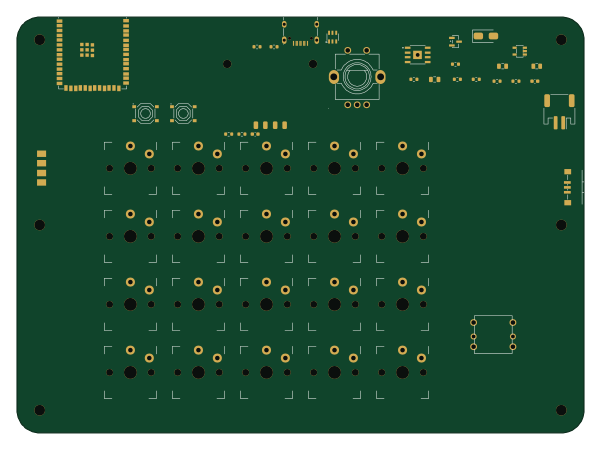 ESP32
Agentdeck
Brillar0101
150 × 110 mm119 parts2LMIT0
How designs wire the RT9080-33GJ5
Read from the KiCad layouts of 57 open source designs, one per repository: what each pin of the RT9080-33GJ5 connects to, and the resistors, capacitors and other passives placed on it.
- The VOUT pin has a decoupling capacitor on 50 of 56 designs, most often 1 µF (then 10 µF).
- The VIN pin has a decoupling capacitor on 49 of 57 designs, most often 1 µF (then 10 µF).
- The EN pin is tied to 5V on 40 of 56 designs (a signal on 16).
| Pin | Connected to | Parts on the pin |
|---|---|---|
| VINpin 1 | Connected to: 5V 81% · a signal 18% |
|
| GNDpin 2 | Connected to: GND 95% | — |
| ENpin 3 | Connected to: 5V 71% · a signal 29% | — |
| NCpin 4 | Connected to: Not connected 95% | — |
| VOUTpin 5 | Connected to: 3.3V 89% |
|
Connections count pins, parts count designs; values in brackets are how many parts had that value. Designs read include Bitaxe by skot, BitaxeGamma by bitaxeorg, BitaxeSupra by bitaxeorg and BitaxeUltra by bitaxeorg.
The RT9080-33GJ5 in open source designs
The gallery holds 79 open source boards using the RT9080-33GJ5 from 61 GitHub repositories; a typical one measures about 56.5 × 64 mm and carries around 84 components.
61% use four copper layers or more, and 67% carry an open source license.
The most starred is Bitaxe by skot.
Parts used alongside the RT9080-33GJ5
Microcontrollers on boards using the RT9080-33GJ5
What boards using the RT9080-33GJ5 are built for
RT9080-33GJ5: common questions
Where can I find a RT9080-33GJ5 reference design?
Each of the 79 boards on this page is a real design using the RT9080-33GJ5. Open one to see how it is wired up, with the full BOM, a render of the layout and links to its KiCad files.
What decoupling capacitors do designs use on the RT9080-33GJ5 VOUT pin?
The VOUT pin has a decoupling capacitor on 50 of 56 designs, most often 1 µF (then 10 µF). Counted from the KiCad layouts of 57 open source designs using the RT9080-33GJ5.
What decoupling capacitors do designs use on the RT9080-33GJ5 VIN pin?
The VIN pin has a decoupling capacitor on 49 of 57 designs, most often 1 µF (then 10 µF). Counted from the KiCad layouts of 57 open source designs using the RT9080-33GJ5.
How is the RT9080-33GJ5 EN pin connected?
The EN pin is tied to 5V on 40 of 56 designs (a signal on 16). Counted from the KiCad layouts of 57 open source designs using the RT9080-33GJ5.
What parts are used alongside the RT9080-33GJ5?
The EMC2101, ESP32-S3-WROOM-1, 25MHZ, MCP1824T-0802E and TPS546D24ARVFR appear in the most repositories here.
Which microcontrollers do boards using the RT9080-33GJ5 use?
Most are built on ESP32 (49), RP2040/RP2350 (15), STM32 (4) and ESP8266 (3).
How big is a typical board using the RT9080-33GJ5?
The median is 56.5 × 64 mm, and 39% are two-layer designs.
What is the most popular open source board using the RT9080-33GJ5?
By GitHub stars, Bitaxe by skot, with 1,375 stars.
Can I simulate one of these boards using the RT9080-33GJ5 before building it?
Yes. HardLabs turns a board's netlist and BOM into a working simulation, so you can boot and test firmware against it with no hardware on your desk.