
66 open source boards using the W25Q16JVUXIQ TR
Real designs built with the W25Q16JVUXIQ TR, from public GitHub projects: a quick way to see how others power, decouple and connect it. Each board comes with its KiCad files, full parts list and a render — and you can simulate its firmware on HardLabs.
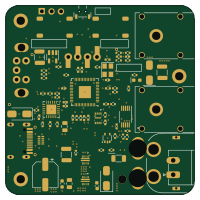 RP2040/RP2350
PocketPD HW
CentyLab
50 × 50 mm81 parts2LCC-BY-SA-4.0196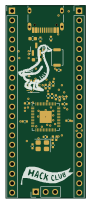 RP2040/RP2350
Build a devboard
KaiPereira
21 × 51 mm33 parts2LNo license73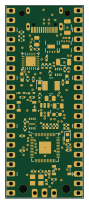 RP2040/RP2350
PicoPD Pro
20.5 × 50.8 mm61 parts4LNo license40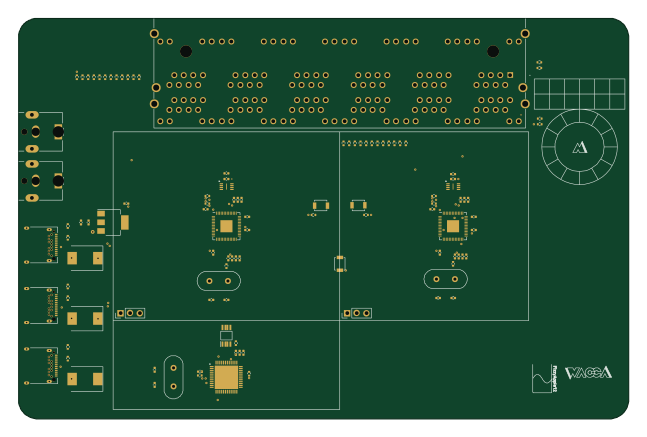 RP2040/RP2350
Wacca Protocol Translator
FizzyApple12
161.5 × 106 mm108 parts2LNo license32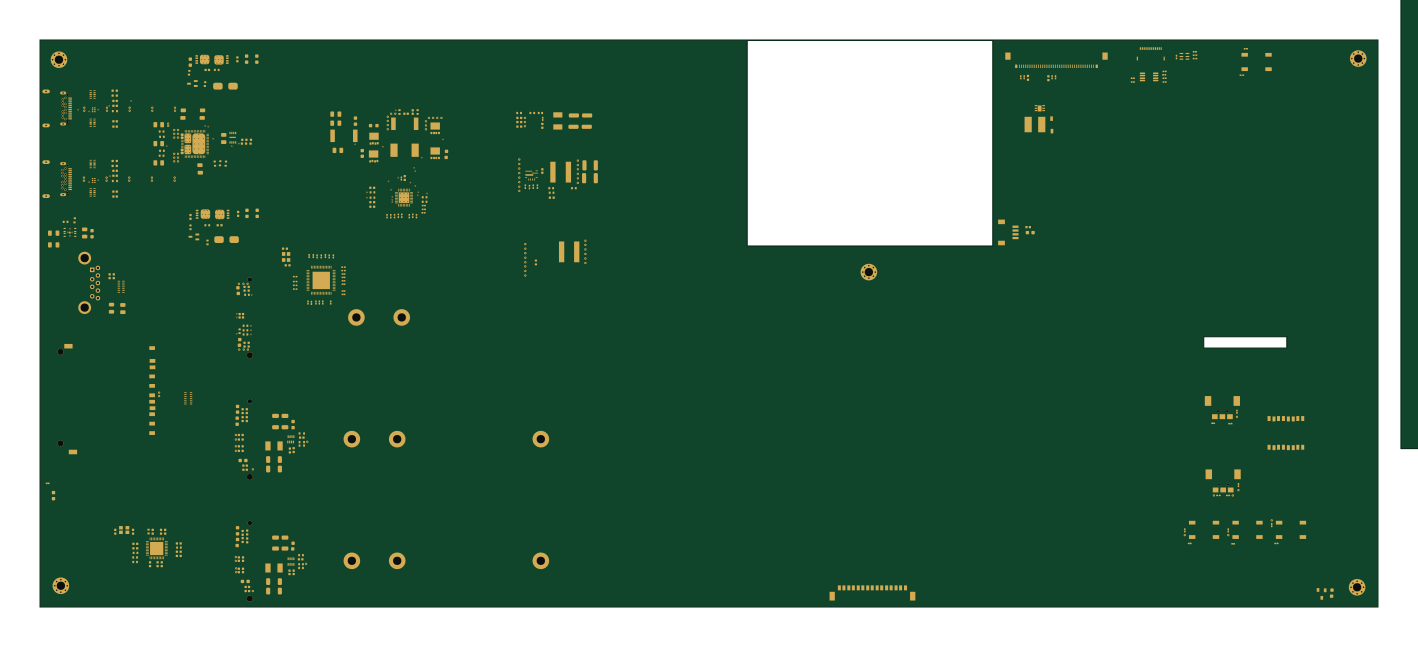 STM32
Barebones
nzevh
354 × 150 mm1026 parts8LCERN-OHL-S-2.019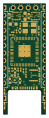 RP2040/RP2350
Picoamp
sctanf
11 × 29.2 mm38 parts2LCERN-OHL-P-2.015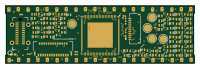 FPGA
Board gw1 40
andrastantos
50 × 15.2 mm197 parts4LNo license6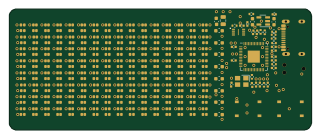 RP2040/RP2350
Muek-TGLBoard
Beo-Coder
80 × 32 mm175 parts2LNo license3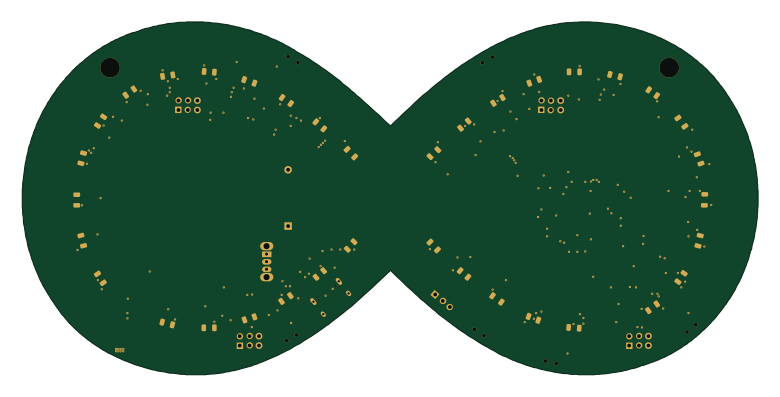 RP2040/RP2350
DC32 CHV Badge Board
car-hacking-village
194.6 × 93.3 mm150 parts4LNo license2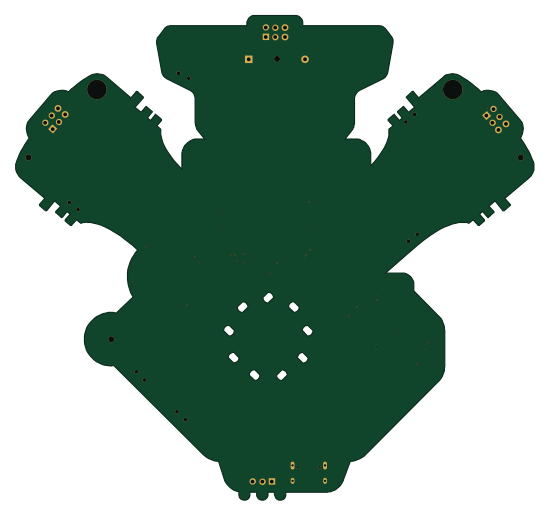 RP2040/RP2350
CHV badge board
linted
137.3 × 128.4 mm100 parts2LNo license2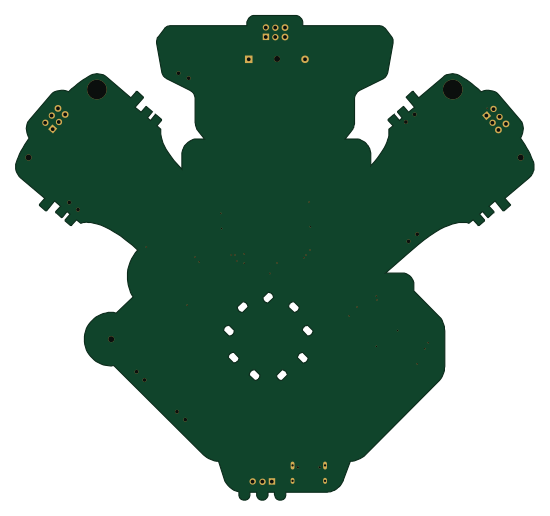 RP2040/RP2350
DC31 CHV Badge Board
137.3 × 128.4 mm100 parts2LNo license2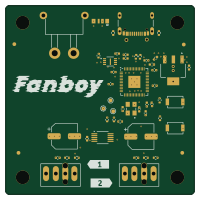 RP2040/RP2350
Fanboy
skot
50 × 50 mm47 parts6LCERN-OHL-S-2.02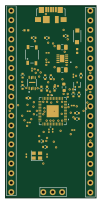
Pico board
nwasr
24 × 51 mm46 parts2LNo license2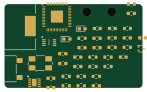 RP2040/RP2350
Pcb custom simm-40-rp2040
shishir-dey
36.6 × 22.2 mm41 parts2LMIT2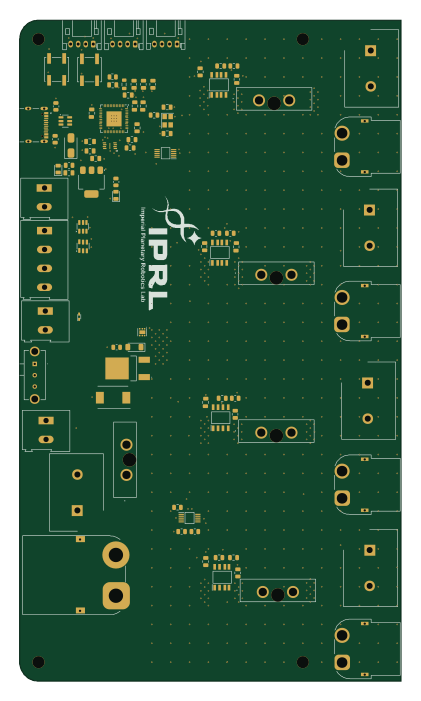 ESP32
Power
ICRS
101 × 175 mm91 parts4LNo license1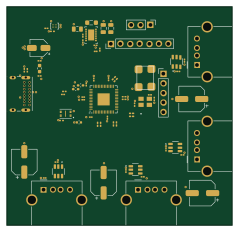 RP2040/RP2350
Crossfire mk1
lightsource-nz
59.6 × 57.8 mm73 parts2LNo license1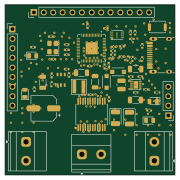 RP2040/RP2350
Rukus
Hung-Chi970104
45 × 45 mm67 parts2LNo license1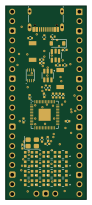 RP2040/RP2350
Picov
vibsthebot
21.3 × 51.3 mm50 parts2LNo license1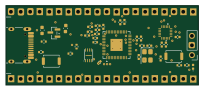 RP2040/RP2350
Fredboard
Thebucket-ops
51 × 21 mm41 parts2LMIT1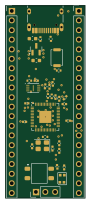 RP2040/RP2350
Krackboard
kusuta012
21 × 51 mm37 parts2LMIT1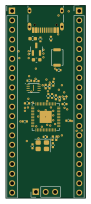 RP2040/RP2350
BXB Devboard
Az154za
21 × 51 mm33 parts2LNo license1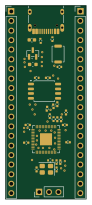 RP2040/RP2350
Devboard
NZ-2011
21.3 × 51.2 mm33 parts2LNo license1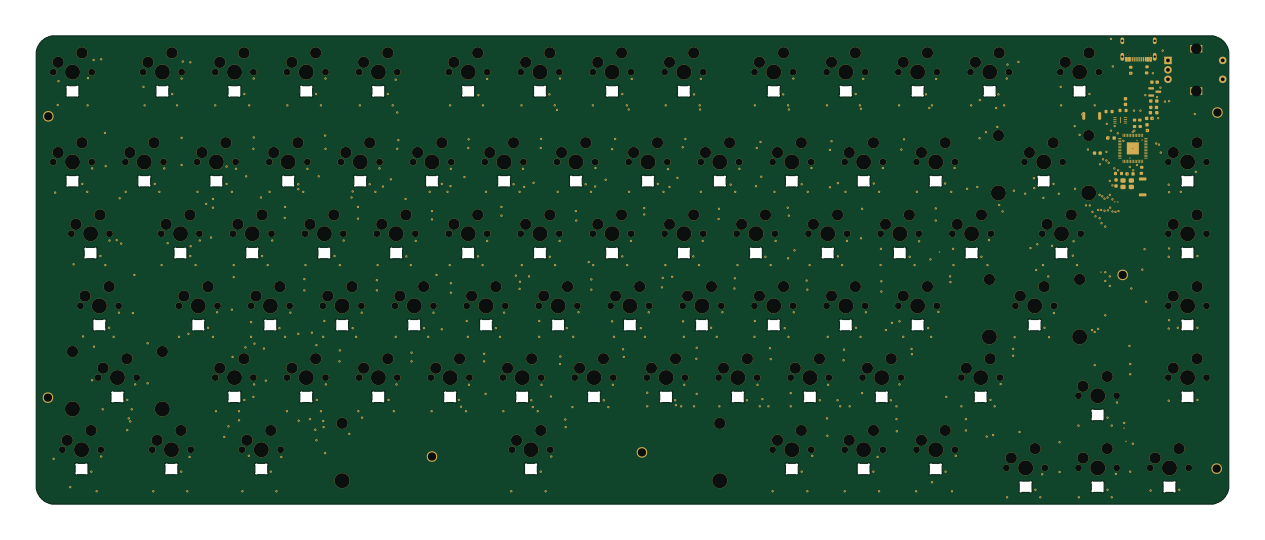 RP2040/RP2350
Keyboard75
shreejita56
315.9 × 124.1 mm360 parts2LNo license0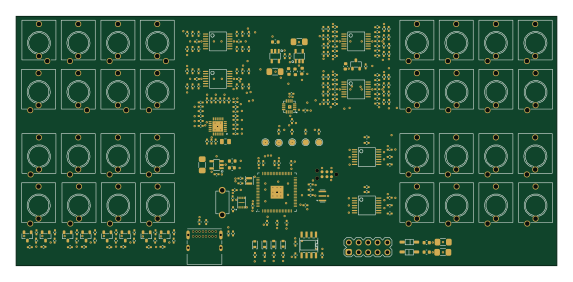 RP2040/RP2350
Amhraic
CiaranJRogers
143 × 65.9 mm267 parts2LNo license0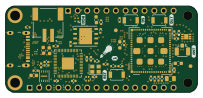 Nordic nRF
Nrf9151-tracker
chgpalmer
50.8 × 22.9 mm96 parts4LNo license0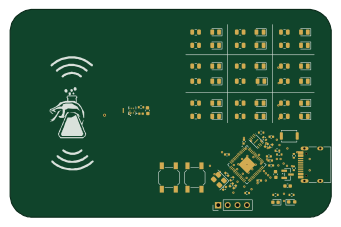 RP2040/RP2350
Tic tac toe business card
85 × 55 mm77 parts2LNo license0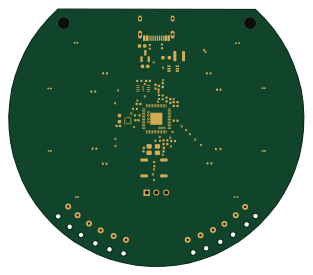 RP2040/RP2350
Eimer
AndrewJ-25
78 × 68 mm66 parts2LMIT0 RP2040/RP2350
Gesture recognition-APDS9500
Circuit-Digest
25.7 × 14.6 mm54 parts2LNo license0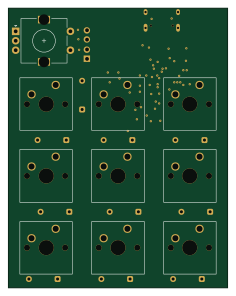 RP2040/RP2350
OMEGA-1.2
Shubhkr08
58 × 74 mm51 parts2LNo license0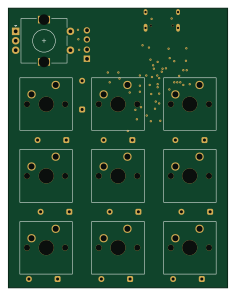 RP2040/RP2350
Omega
58 × 74 mm51 parts2LNo license0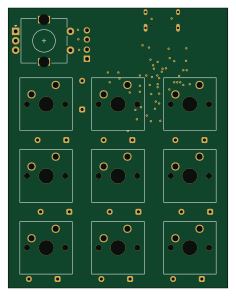 RP2040/RP2350
OMEGA--1.2
adirock09
58 × 74 mm51 parts2LNo license0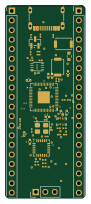 RP2040/RP2350
Hybrid-Pico
shourya2007mittal-hub
21 × 51 mm50 parts2LNo license0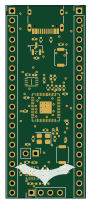 RP2040/RP2350
Custom-RP2040-based-Devboard
hashim-cpro
21 × 51 mm49 parts2LNo license0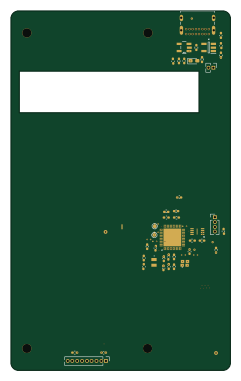 Nordic nRF
Multi-NFC
PrinceYadav78
58 × 95 mm43 parts4LMIT0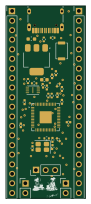 RP2040/RP2350
Devboard-Rp2040-
Magnu-Shaak
21 × 51 mm35 parts2LMIT0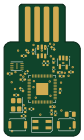 RP2040/RP2350
Mage
vmshade
20.3 × 35 mm33 parts2LNo license0
How designs wire the W25Q16JVUXIQ TR
Read from the KiCad layouts of 47 open source designs, one per repository: what each pin of the W25Q16JVUXIQ TR connects to, and the resistors, capacitors and other passives placed on it.
- The VCC pin has a decoupling capacitor on 45 of 47 designs, most often 100 nF (then 10 µF).
- The CS pin has a pull-up to 3.3V on 37 of 47 designs, most often 10 kΩ.
- The CS pin has a series resistor on 37 of 47 designs, most often 1 kΩ.
- The EP pin is left unconnected on 30 of 45 designs (GND on 15).
| Pin | Connected to | Parts on the pin |
|---|---|---|
| CSpin 1 | Connected to: The microcontroller 89% |
|
| GNDpin 4 | Connected to: GND 98% | — |
| VCCpin 8 | Connected to: 3.3V 91% |
|
| EPpin 9 | Connected to: Not connected 67% · GND 33% | — |
5 more pins vary from design to design. Connections count pins, parts count designs; values in brackets are how many parts had that value. Designs read include Gamepad Left by tschicki, PocketPD HW by CentyLab, Build a devboard by KaiPereira and PicoPD Pro by CentyLab.
The W25Q16JVUXIQ TR in open source designs
The gallery holds 66 open source boards using the W25Q16JVUXIQ TR from 47 GitHub repositories; a typical one measures about 44.5 × 51 mm and carries around 75 components.
61% are two-layer designs, the rest use four layers or more, and 38% carry an open source license.
The most starred is Gamepad Right by tschicki.
Parts used alongside the W25Q16JVUXIQ TR
Microcontrollers on boards using the W25Q16JVUXIQ TR
What boards using the W25Q16JVUXIQ TR are built for
W25Q16JVUXIQ TR: common questions
Where can I find a W25Q16JVUXIQ TR reference design?
Each of the 66 boards on this page is a real design using the W25Q16JVUXIQ TR. Open one to see how it is wired up, with the full BOM, a render of the layout and links to its KiCad files.
What decoupling capacitors do designs use on the W25Q16JVUXIQ TR VCC pin?
The VCC pin has a decoupling capacitor on 45 of 47 designs, most often 100 nF (then 10 µF). Counted from the KiCad layouts of 47 open source designs using the W25Q16JVUXIQ TR.
What pull-up resistor is used on the W25Q16JVUXIQ TR CS pin?
The CS pin has a pull-up to 3.3V on 37 of 47 designs, most often 10 kΩ. Counted from the KiCad layouts of 47 open source designs using the W25Q16JVUXIQ TR.
How is the W25Q16JVUXIQ TR EP pin connected?
The EP pin is left unconnected on 30 of 45 designs (GND on 15). Counted from the KiCad layouts of 47 open source designs using the W25Q16JVUXIQ TR.
What parts are used alongside the W25Q16JVUXIQ TR?
The RP2040, MCP1700x-330xxTT, USBLC6-2SC6, AP2112K-3.3 and AP2204K-3.3 appear in the most repositories here.
Which microcontrollers do boards using the W25Q16JVUXIQ TR use?
Most are built on RP2040/RP2350 (52), FPGA (6), ESP32 (4) and Nordic nRF (2).
How big is a typical board using the W25Q16JVUXIQ TR?
The median is 44.5 × 51 mm, and 61% are two-layer designs.
What is the most popular open source board using the W25Q16JVUXIQ TR?
By GitHub stars, Gamepad Right by tschicki, with 202 stars.
Can I simulate one of these boards using the W25Q16JVUXIQ TR before building it?
Yes. HardLabs turns a board's netlist and BOM into a working simulation, so you can boot and test firmware against it with no hardware on your desk.