
42 open source boards using the ATmega328PB-A
Real designs built with the ATmega328PB-A, from public GitHub projects: a quick way to see how others power, decouple and connect it. Each board comes with its KiCad files, full parts list and a render — and you can simulate its firmware on HardLabs.
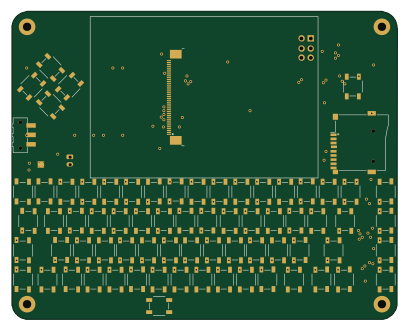 RP2040/RP2350
C64pico
silvervest
102 × 81.5 mm93 parts2LCERN-OHL-S-2.087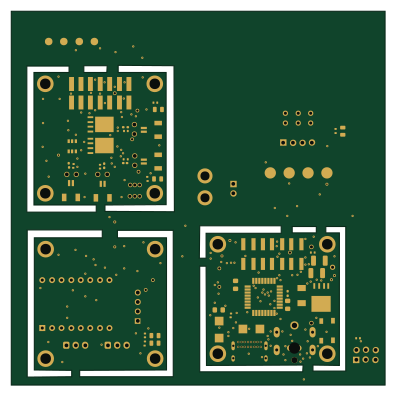 AVR/Arduino
2nd mainboard
Fiberprinter
99 × 99 mm110 parts2LNo license4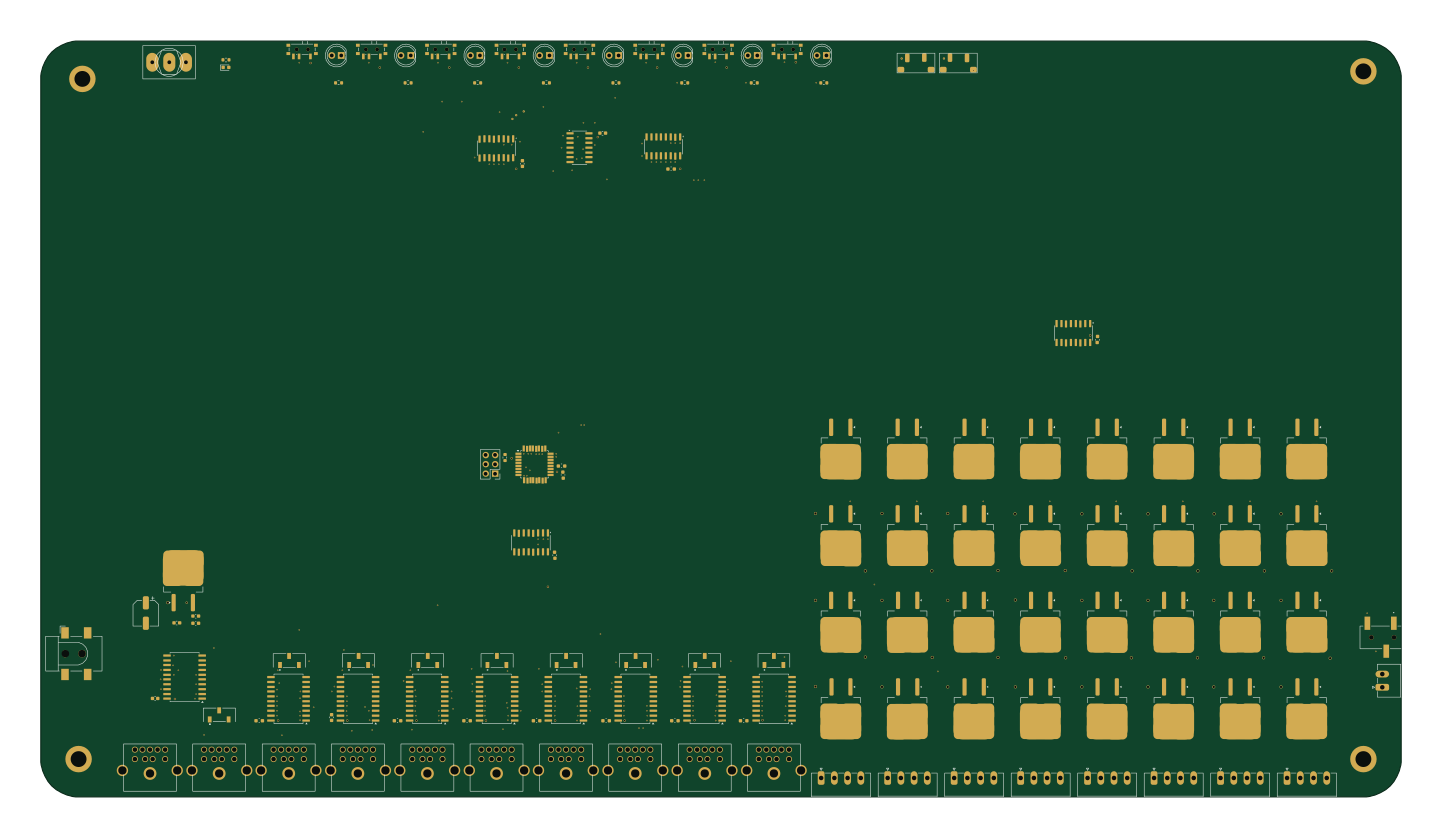 AVR/Arduino
Rgb switcher
michaelobed
360 × 200 mm129 parts4LMIT3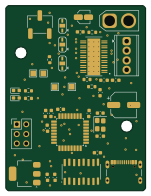 AVR/Arduino
LockLoop
rmingon
37 × 49 mm34 parts2LCERN-OHL-P-2.03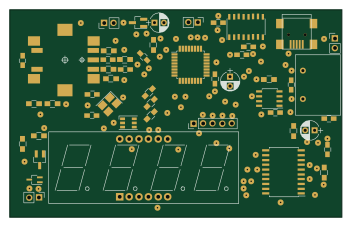 AVR/Arduino
Nespole
coddingtonbear
87.9 × 54.9 mm50 parts2LNo license2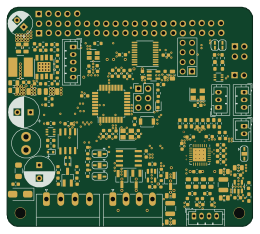 AVR/Arduino
Control panel
lucanastasio
65 × 58 mm158 parts2LNo license1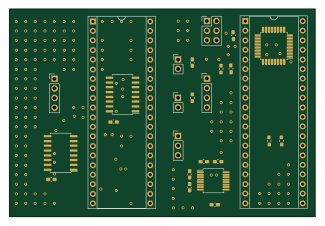 AVR/Arduino
Tuner
dl9lj
81 × 55 mm26 parts2LMIT1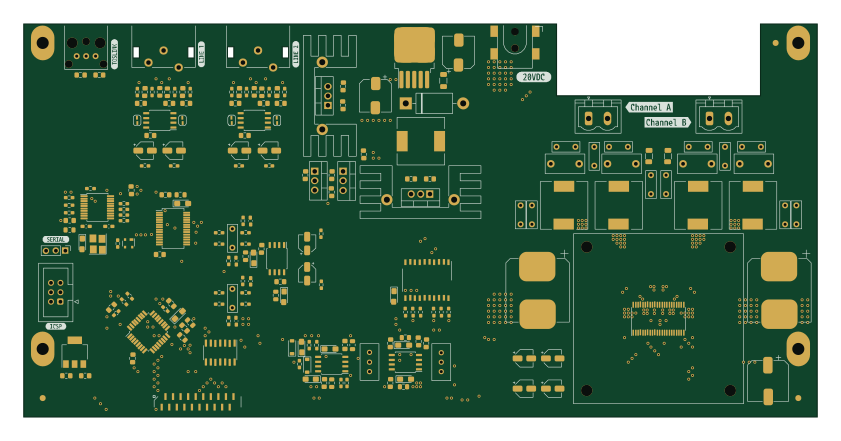 AVR/Arduino
AmplifierBoard
dangrie158
210 × 104 mm225 parts2LMIT0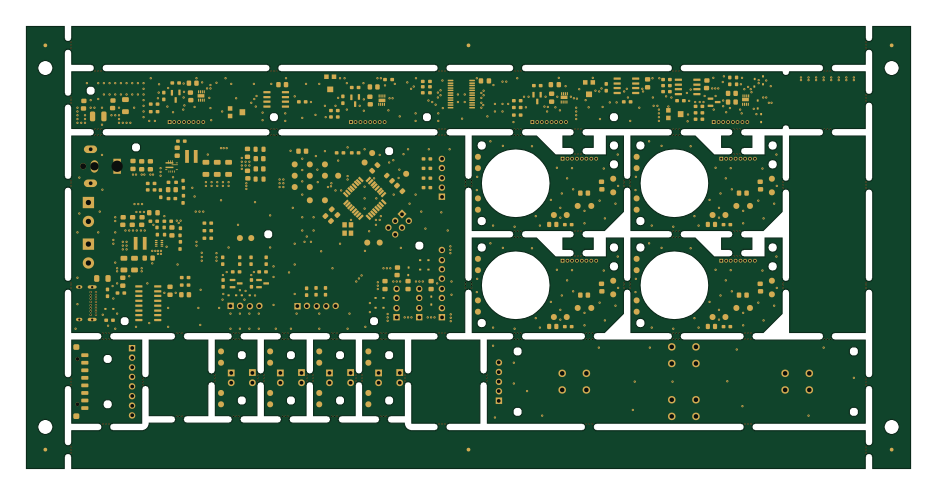 AVR/Arduino
Pillex main
xPiTi
234 × 117 mm209 parts2LNo license0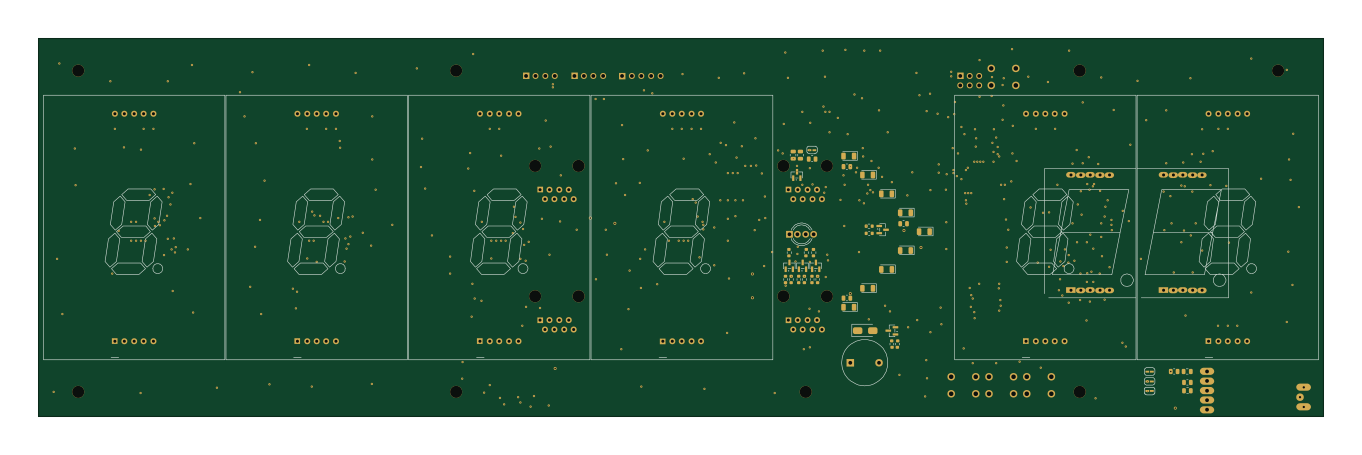 AVR/Arduino
Queue-Local-Display-ATmega328PB
ByNS-KARACA
340 × 100 mm188 parts2LNo license0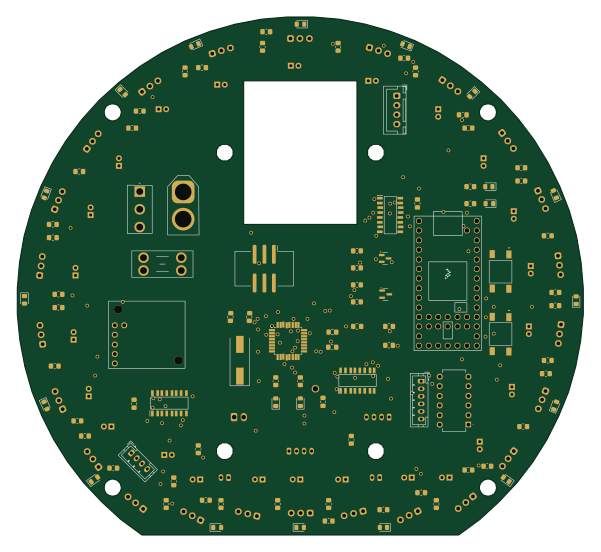 NXP
Main (Teensy)
marc-cr1810
149.9 × 137.1 mm158 parts2LNo license0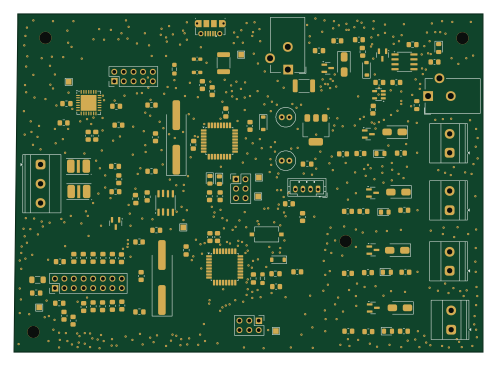 AVR/Arduino
ATmega328 control Board
olexsu
124 × 89.4 mm129 parts4LMIT0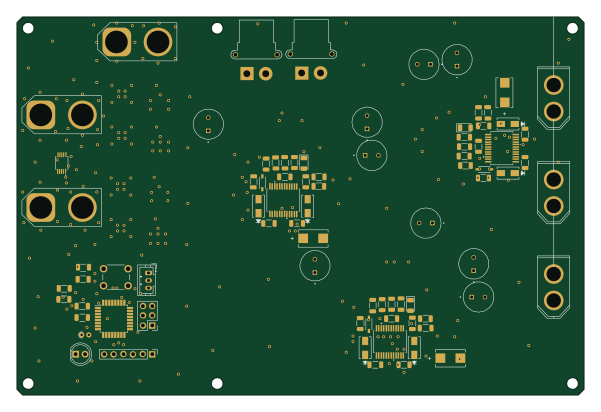 AVR/Arduino
Prototype Senior Design A
Kenkneeshio
150 × 100 mm124 parts2LNo license0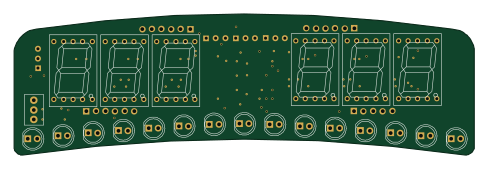 AVR/Arduino
DisplayBoard2025
papurika37
121.7 × 37.4 mm85 parts2LNo license0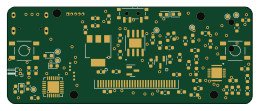 AVR/Arduino
PORTABLE-ECG
jeis-aj
64.8 × 25.5 mm80 parts2LMIT0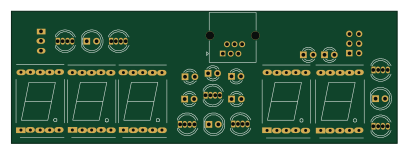 AVR/Arduino
DisplayBoard2026
KUBTSSAvionics
101.9 × 34.9 mm78 parts2LNo license0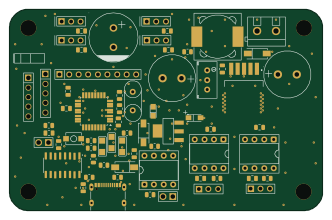 AVR/Arduino
ServoBoard
jeffrey500
82.8 × 53.3 mm66 parts2LNo license0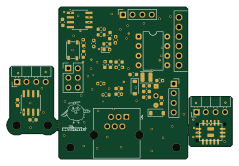 AVR/Arduino
PitotBoard2026
59.7 × 40.2 mm61 parts2LNo license0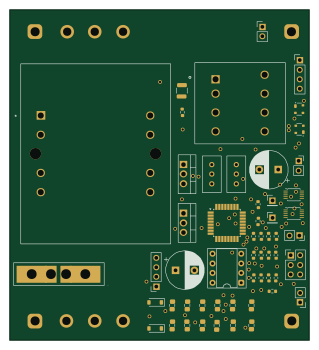 AVR/Arduino
Final Board v3D
Petros-Kapetanios
79.3 × 87.5 mm59 parts4LNo license0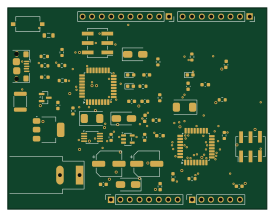 AVR/Arduino
Custom-Arduiono-Board
marrynrv
68.6 × 53.3 mm57 parts2LNo license0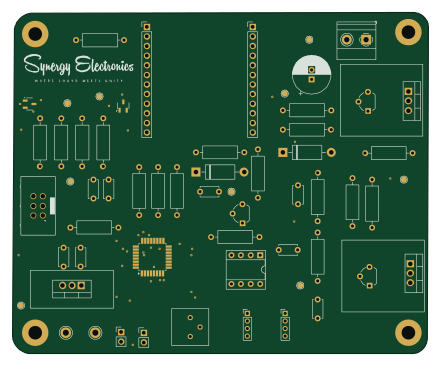 AVR/Arduino
Senior design
rociolopez-ee
110 × 90.2 mm51 parts4LNo license0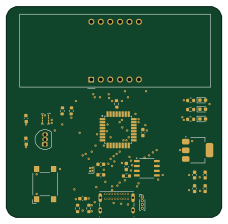 AVR/Arduino
DL-FinalProject
adbik4
57 × 55.8 mm33 parts2LNo license0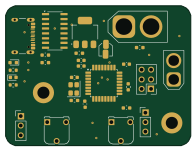 AVR/Arduino
Servo controller
49 × 37 mm29 parts2LNo license0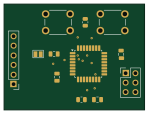 AVR/Arduino
ATMEGA328PB-minimal
TechnikWeber
37.3 × 28 mm11 parts2LMIT0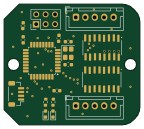 AVR/Arduino
Camera stabilization hardware
36 × 32 mm18 parts2LNo license10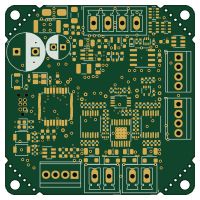 AVR/Arduino
Swing
50 × 50 mm146 parts4LNo license1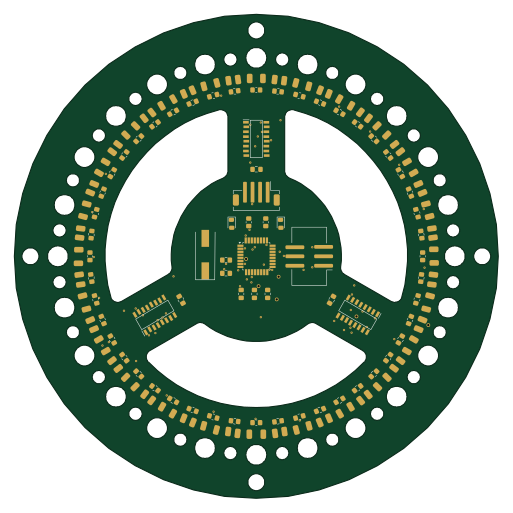 AVR/Arduino
Lightsensor
128 × 128 mm115 parts2LNo license0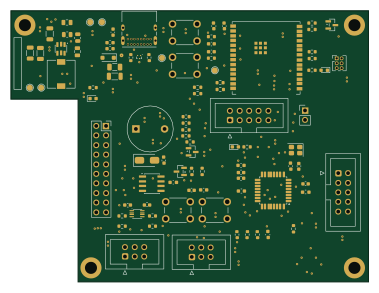 ESP32
IoT Logger C
WestianPKl
94.7 × 71.8 mm97 parts2LNo license0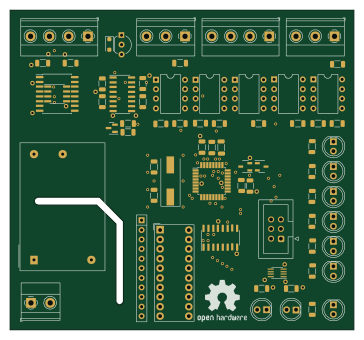 AVR/Arduino
UFH Process Computer - CPU
csdexter
90.9 × 84.6 mm69 parts2LGPL-3.00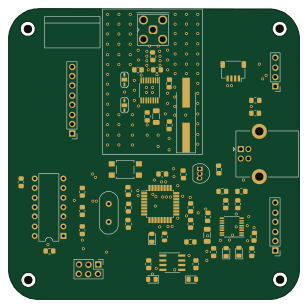 AVR/Arduino
Elektroniikkapaja vastaanotin
ripaskajaska
77 × 77 mm58 parts2LNo license0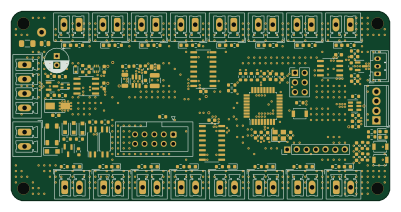 AVR/Arduino
Heating controller
100 × 50 mm145 parts2LNo license1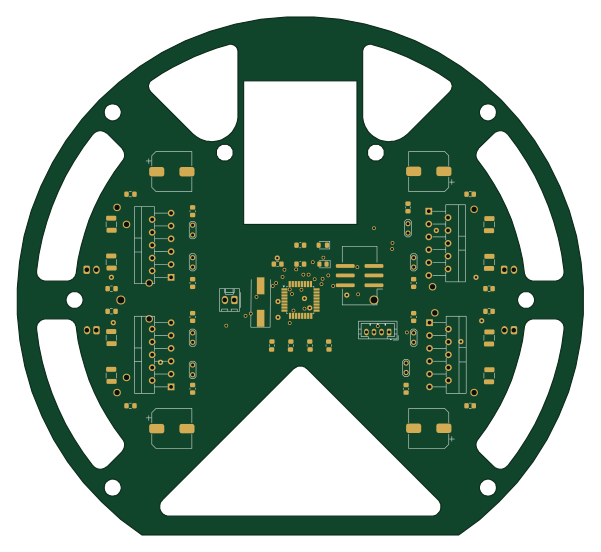 AVR/Arduino
Motor
149.9 × 137.1 mm58 parts2LNo license0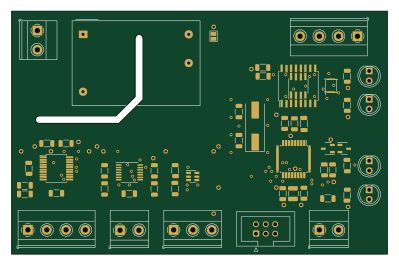 AVR/Arduino
Valhalla UFH Sensor (SMT)
99.6 × 64.3 mm53 parts2LGPL-3.00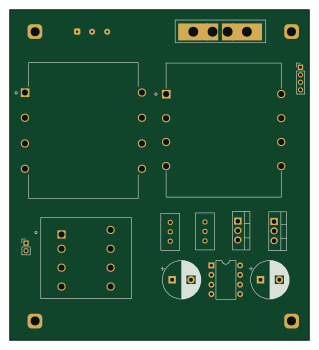 AVR/Arduino
Final Board v3-triple transformer
79.3 × 87.5 mm52 parts2LNo license0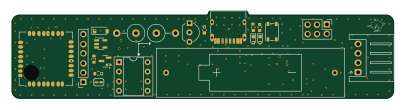 AVR/Arduino
PowerMeter2025
101.3 × 23.1 mm52 parts2LNo license0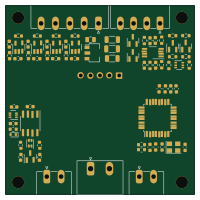 AVR/Arduino
Room hub
50 × 50 mm121 parts2LNo license1
How designs wire the ATmega328PB-A
Read from the KiCad layouts of 30 open source designs, one per repository: what each pin of the ATmega328PB-A connects to, and the resistors, capacitors and other passives placed on it.
- The XTAL1/PB6 pin has a crystal on 20 of 30 designs, most often 16 MHz (then 7.3728 MHz).
- The XTAL2/PB7 pin has a crystal on 20 of 30 designs, most often 16 MHz (then 7.3728 MHz).
- The VCC pin has a decoupling capacitor on 19 of 30 designs, most often 100 nF (then 1 µF).
- The RESET/PC6 pin has a pull-up to 5V on 19 of 30 designs, most often 10 kΩ (then 4.7 kΩ).
| Pin | Connected to | Parts on the pin |
|---|---|---|
| VCCpin 4 | Connected to: 5V 77% · a signal 23% |
|
| GNDpin 5, 21 | Connected to: GND 97% | — |
| XTAL1/PB6pin 7 | Connected to: Signal 87% |
|
| XTAL2/PB7pin 8 | Connected to: Signal 87% |
|
| AVCCpin 18 | Connected to: 5V 57% · a signal 37% |
|
| PE2pin 19 | Connected to: Not connected 63% · a signal 33% | — |
| AREFpin 20 | Connected to: Signal 60% · not connected 37% |
|
| PE3pin 22 | Connected to: Not connected 60% · a signal 37% | — |
| RESET/PC6pin 29 | Connected to: A connector 73% |
|
22 more pins vary from design to design. Connections count pins, parts count designs; values in brackets are how many parts had that value. Designs read include C64pico by silvervest, Psu monitor by dragonlock2, Camera stabilization hardware by rmingon and 2nd mainboard pcb by Fiberprinter.
The ATmega328PB-A in open source designs
The gallery holds 42 open source boards using the ATmega328PB-A from 30 GitHub repositories; a typical one measures about 85.4 × 55.4 mm and carries around 68 components.
88% are two-layer designs, the rest use four layers or more, and 26% carry an open source license.
The most starred is C64pico by silvervest.
Parts used alongside the ATmega328PB-A
Microcontrollers on boards using the ATmega328PB-A
What boards using the ATmega328PB-A are built for
ATmega328PB-A: common questions
Where can I find a ATmega328PB-A reference design?
Each of the 42 boards on this page is a real design using the ATmega328PB-A. Open one to see how it is wired up, with the full BOM, a render of the layout and links to its KiCad files.
How is the ATmega328PB-A XTAL1/PB6 pin connected?
The XTAL1/PB6 pin has a crystal on 20 of 30 designs, most often 16 MHz (then 7.3728 MHz). Counted from the KiCad layouts of 30 open source designs using the ATmega328PB-A.
How is the ATmega328PB-A XTAL2/PB7 pin connected?
The XTAL2/PB7 pin has a crystal on 20 of 30 designs, most often 16 MHz (then 7.3728 MHz). Counted from the KiCad layouts of 30 open source designs using the ATmega328PB-A.
What decoupling capacitors do designs use on the ATmega328PB-A VCC pin?
The VCC pin has a decoupling capacitor on 19 of 30 designs, most often 100 nF (then 1 µF). Counted from the KiCad layouts of 30 open source designs using the ATmega328PB-A.
What parts are used alongside the ATmega328PB-A?
The CH340C, MCP25625-x-SS, 74HC595, 74HC595_Driver0 and 74HC595_Driver1 appear in the most repositories here.
Which microcontrollers do boards using the ATmega328PB-A use?
Most are built on AVR/Arduino (38), ESP32 (2), NXP (1) and RP2040/RP2350 (1).
How big is a typical board using the ATmega328PB-A?
The median is 85.4 × 55.4 mm, and 88% are two-layer designs.
What is the most popular open source board using the ATmega328PB-A?
By GitHub stars, C64pico by silvervest, with 87 stars.
Can I simulate one of these boards using the ATmega328PB-A before building it?
Yes. HardLabs turns a board's netlist and BOM into a working simulation, so you can boot and test firmware against it with no hardware on your desk.