
164 open source boards using the CH340G
Real designs built with the CH340G, from public GitHub projects: a quick way to see how others power, decouple and connect it. Each board comes with its KiCad files, full parts list and a render — and you can simulate its firmware on HardLabs.
 AVR/Arduino
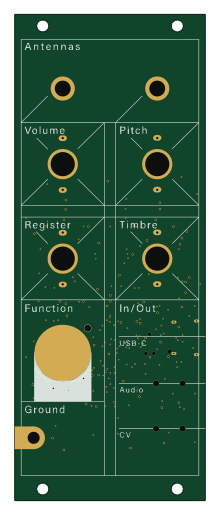
OpenThereminV4
GaudiLabs
50.5 × 128.5 mm97 parts2LGPL-3.0238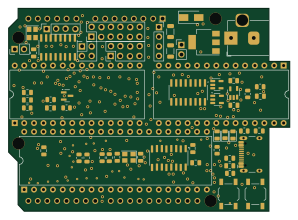
65uino
AndersBNielsen
74.4 × 53.6 mm80 parts2LCustom license165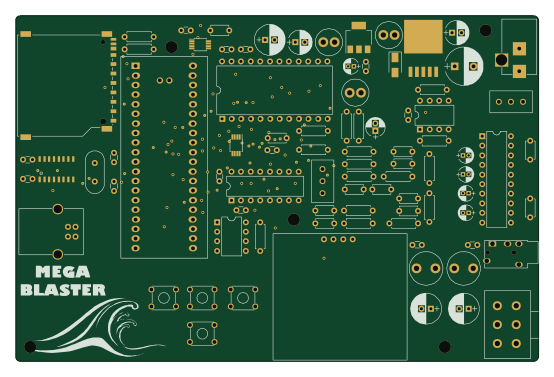
STM32 VGM Player YM2612 SN76489
AidanHockey5
138.4 × 91.4 mm84 parts2LAGPL-3.0117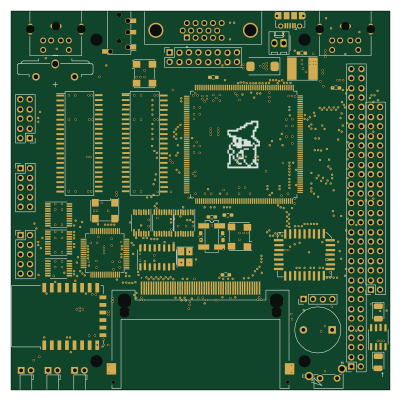 ESP8266
PC-KHARON-386-MAIN
UzixLS
100 × 100 mm157 parts4LCC-BY-SA-4.0111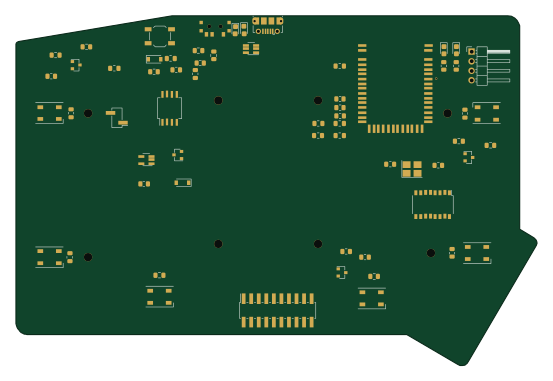
ErgoTravel
jpconstantineau
137.9 × 92.7 mm63 parts2LBSD-3-Clause100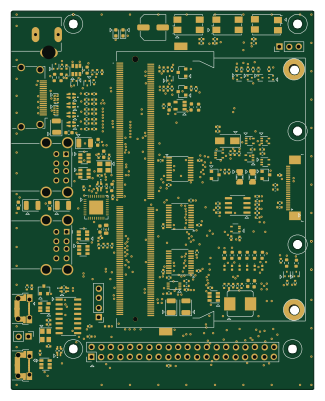
My jetson nano baseboard
NVIDIA-AI-IOT
80 × 100 mm232 parts4LCustom license91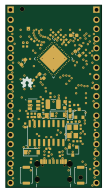 RP2040/RP2350
ESP32-Devkit-Type-C
TobleMiner
25.3 × 48.2 mm54 parts2LMIT91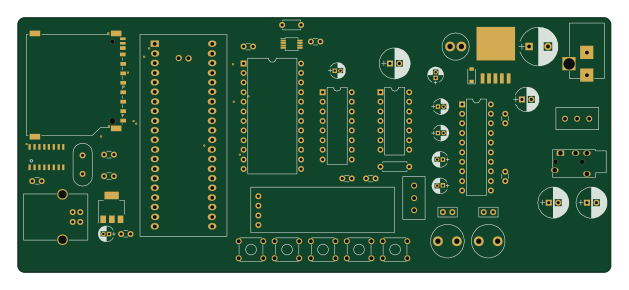
YM2151 VGM STM32
156.9 × 67.3 mm52 parts2LAGPL-3.081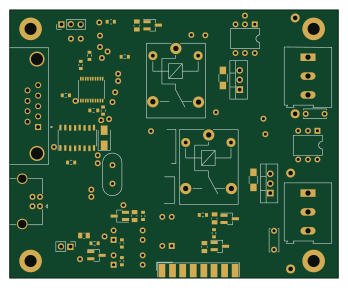 STM32
Socket
eddyem
87 × 71 mm84 parts2LNo license80 ESP32
D4 small
unsurv
32 × 45 mm53 parts4LGPL-3.073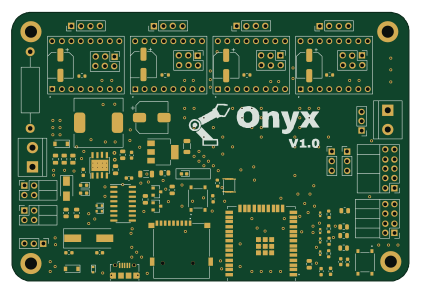 ESP32
Onyx-Stepper-Motherboard
CuriousMotor
105.2 × 71.1 mm90 parts2LMIT56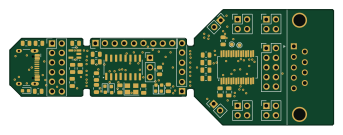
Universal-Serial-Adapter
85.6 × 30.5 mm42 parts2LCC-BY-SA-4.047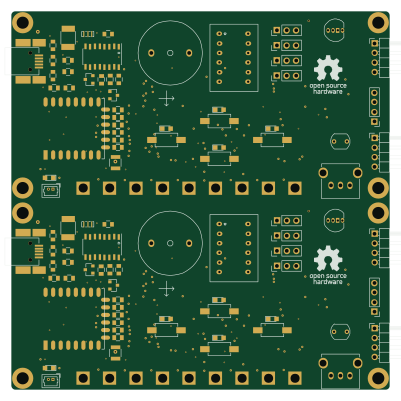 ESP8266
Wifi PB panel
AntonioMR
100 × 100 mm162 parts2LNo license29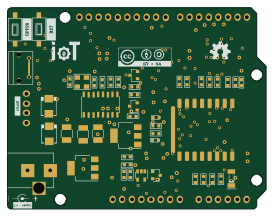 ESP8266
Iot wifi uno hw
iotmakervn
68.5 × 53.3 mm48 parts2LNo license26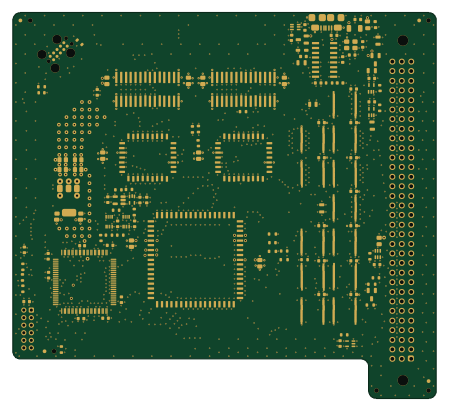
WarpSE
garrettsworkshop
112.1 × 102.1 mm140 parts4LNo license25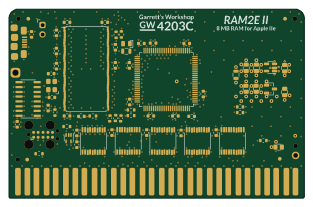 FPGA
RAM2E
78.2 × 50 mm75 parts4LCustom license25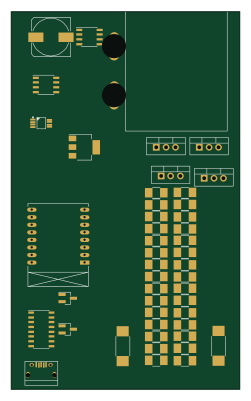
Opensolar
junglejim8
60.5 × 100 mm147 parts2LNo license23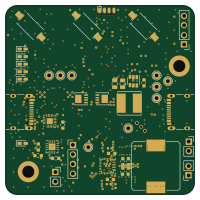 STM32
Ferret
fullyautomated
50 × 50 mm116 parts4LNo license20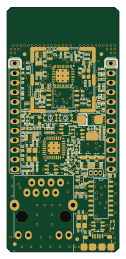 ESP32
Iot esp eth com
uysan
29.5 × 64.5 mm146 parts4LCERN-OHL-P-2.019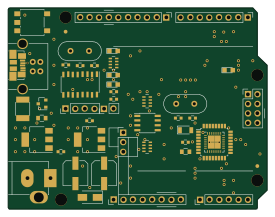 STM32
Sduino uno
roybaer
68.6 × 53.3 mm45 parts2LNo license18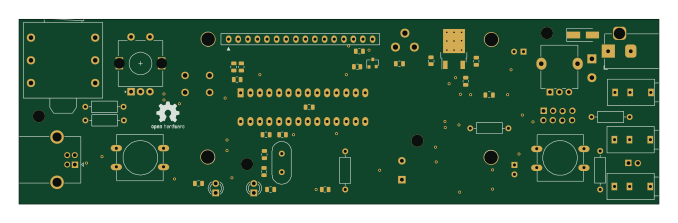 PIC
Usb morse keyer
dilshan
169.4 × 48.8 mm79 parts2LMIT17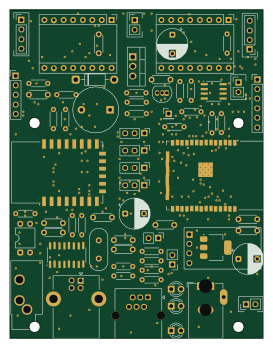 ESP32
OnStep-JUWEI-17
satakagi
67 × 87 mm72 parts2LGPL-3.017 ESP32
Colors of italy
valerionew
94 parts2LNo license16- schematic only · 6 partsESP8266
Epaper
6 partsNo license16 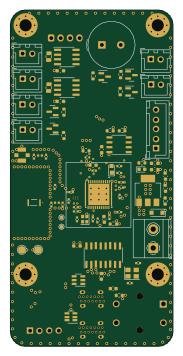 STM32
SmartReflow
walclu
43 × 89 mm88 parts4LNo license15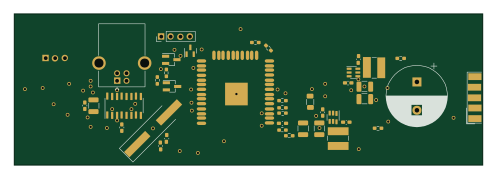 ESP32
A3 8p redFIS
tothpetiszilard
124 × 40 mm77 parts2LAGPL-3.015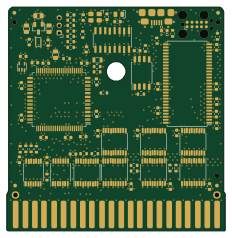 FPGA
GW4302
57.9 × 59.4 mm95 parts4LCustom license12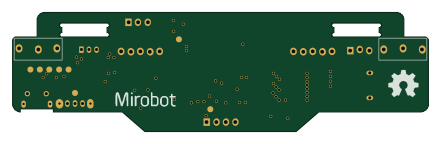 ESP8266
Mirobot
mirobot
110 × 31.5 mm42 parts2LNo license12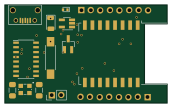
Cheddar
tperale
43 × 26 mm23 parts2LCC-BY-SA-4.010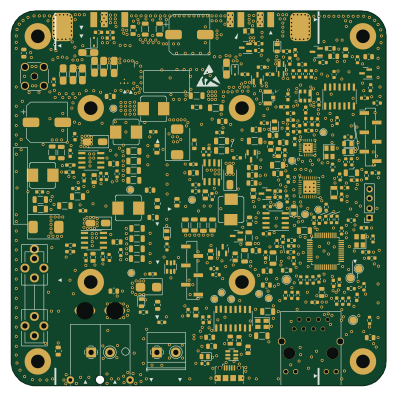 STM32
Scoms tacnpr
partio-scout
99.1 × 99.1 mm279 parts4LTAPR-OHL-1.09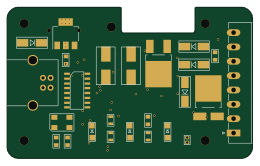 ESP8266
Wifi2can
zhangxuhong1024
65 × 40 mm55 parts2LNo license9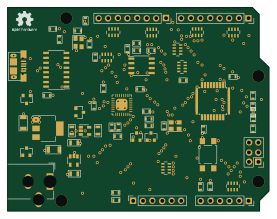 AVR/Arduino
Gelatino board
bru4bas
69 × 53.8 mm69 parts2LGPL-2.08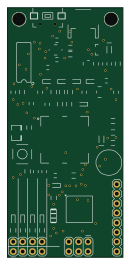 AVR/Arduino
GeoFence
sparkfunX
30.5 × 66 mm60 partsNo license8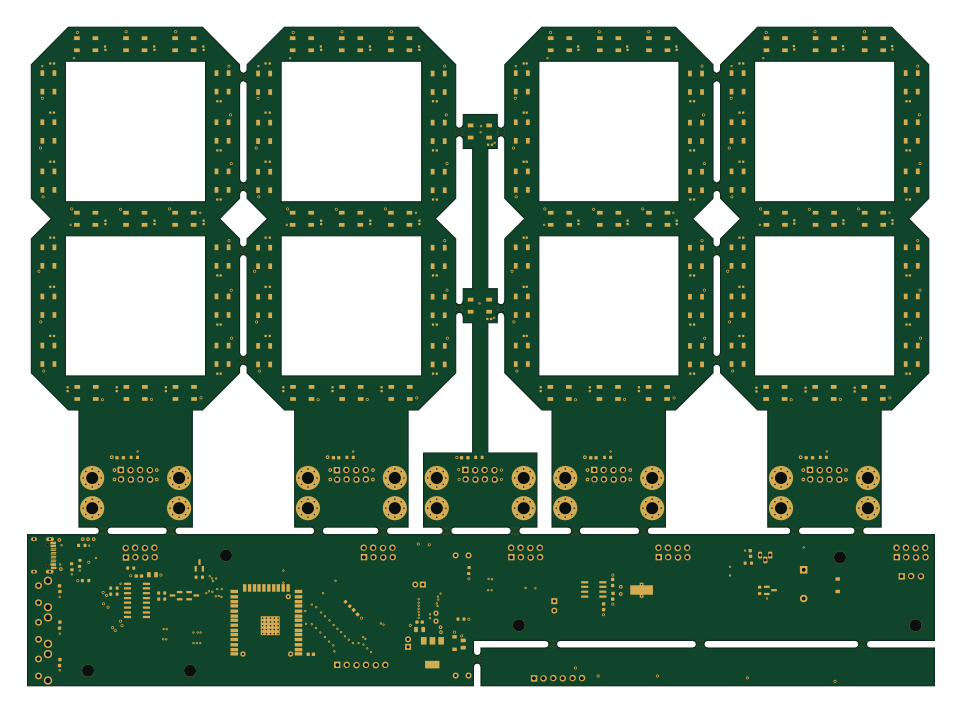 ESP32
Final H00 panelicad
Vedatori
240 × 174.3 mm86 parts2LNo license7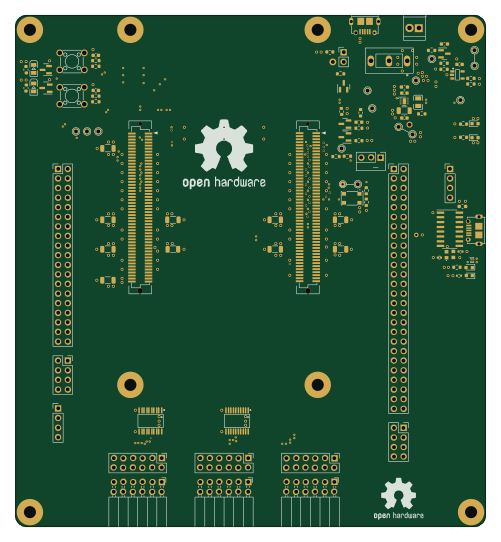
MicroZed carrier board
viktor-nikolov
124.5 × 135.4 mm76 parts6LCC0-1.07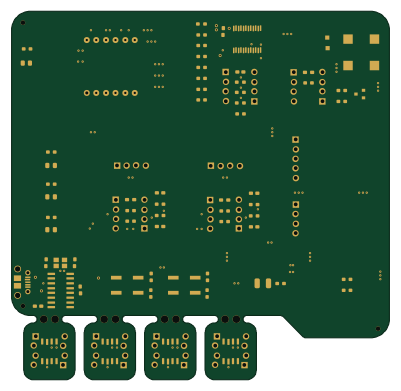
MC5000 DevKit
RickP
100 × 97.5 mm77 parts2LGPL-3.06
How designs wire the CH340G
Read from the KiCad layouts of 131 open source designs, one per repository: what each pin of the CH340G connects to, and the resistors, capacitors and other passives placed on it.
- The XI pin has a crystal on 106 of 131 designs, most often 12 MHz.
- The XO pin has a crystal on 106 of 131 designs, most often 12 MHz.
- The XO pin has a capacitor to GND on 104 of 131 designs, most often 22 pF (then 33 pF).
- The XI pin has a capacitor to GND on 103 of 131 designs, most often 22 pF (then 33 pF).
| Pin | Connected to | Parts on the pin |
|---|---|---|
| GNDpin 1 | Connected to: GND 98% | — |
| TXDpin 2 | Connected to: The microcontroller 38%, a connector 24% |
|
| RXDpin 3 | Connected to: The microcontroller 41%, a connector 27% |
|
| V3pin 4 | Connected to: 3.3V 49% · a signal 47% |
|
| XIpin 7 | Connected to: Signal 89% |
|
| XOpin 8 | Connected to: Signal 85% |
|
| CTSpin 9 | Connected to: Not connected 79% · a signal 17% | — |
| DSRpin 10 | Connected to: Not connected 85% | — |
| RIpin 11 | Connected to: Not connected 85% | — |
| DCDpin 12 | Connected to: Not connected 85% | — |
| RTSpin 14 | Connected to: Not connected 57% · a signal 43% |
|
| R232pin 15 | Connected to: Not connected 91% | — |
| VCCpin 16 | Connected to: 3.3V 85% |
|
3 more pins vary from design to design. Connections count pins, parts count designs; values in brackets are how many parts had that value. Designs read include Rnvm lisa by jaromir-sukuba, OpenThereminV4 by GaudiLabs, 65uino by AndersBNielsen and STM32 VGM Player YM2612 SN76489 by AidanHockey5.
The CH340G in open source designs
The gallery holds 164 open source boards using the CH340G from 133 GitHub repositories; a typical one measures about 75 × 60.1 mm and carries around 62 components.
79% are two-layer designs, the rest use four layers or more, and 42% carry an open source license.
The most starred is Rnvm lisa by jaromir-sukuba.
Parts used alongside the CH340G
Microcontrollers on boards using the CH340G
What boards using the CH340G are built for
CH340G: common questions
Where can I find a CH340G reference design?
Each of the 164 boards on this page is a real design using the CH340G. Open one to see how it is wired up, with the full BOM, a render of the layout and links to its KiCad files.
How is the CH340G XI pin connected?
The XI pin has a crystal on 106 of 131 designs, most often 12 MHz. Counted from the KiCad layouts of 131 open source designs using the CH340G.
How is the CH340G XO pin connected?
The XO pin has a crystal on 106 of 131 designs, most often 12 MHz. Counted from the KiCad layouts of 131 open source designs using the CH340G.
How is the CH340G R232 pin connected?
The R232 pin is left unconnected on 118 of 130 designs (GND on 7, a signal on 4). Counted from the KiCad layouts of 131 open source designs using the CH340G.
What parts are used alongside the CH340G?
The AMS1117-3.3, ATMEGA328P-AU, AMS1117-5.0, ESP32-WROOM-32 and USBLC6-2SC6 appear in the most repositories here.
Which microcontrollers do boards using the CH340G use?
Most are built on AVR/Arduino (43), ESP32 (35), STM32 (17) and ESP8266 (17).
How big is a typical board using the CH340G?
The median is 75 × 60.1 mm, and 79% are two-layer designs.
What is the most popular open source board using the CH340G?
By GitHub stars, Rnvm lisa by jaromir-sukuba, with 459 stars.
Can I simulate one of these boards using the CH340G before building it?
Yes. HardLabs turns a board's netlist and BOM into a working simulation, so you can boot and test firmware against it with no hardware on your desk.