
248 open source boards using the ATMEGA328P-AU
Real designs built with the ATMEGA328P-AU, from public GitHub projects: a quick way to see how others power, decouple and connect it. Each board comes with its KiCad files, full parts list and a render — and you can simulate its firmware on HardLabs.
 AVR/Arduino
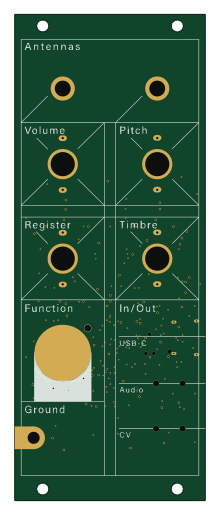
OpenThereminV4
GaudiLabs
50.5 × 128.5 mm97 parts2LGPL-3.0238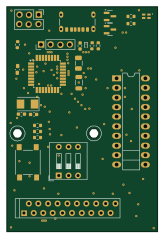 AVR/Arduino
Ram Tester
tops4u
39.8 × 59.4 mm35 parts2LGPL-3.0117 AVR/Arduino
Capacitive soil moisture sensor
RonMcKay
185.3 × 23 mm18 parts2LNo license88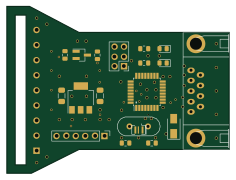 AVR/Arduino
OpenPSX2AmigaPadAdapter
SukkoPera
58.9 × 44.2 mm42 parts2LCustom license69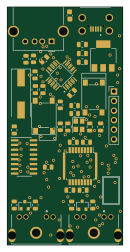 AVR/Arduino
Adbuino
akuker
30.5 × 63 mm43 parts2LGPL-2.060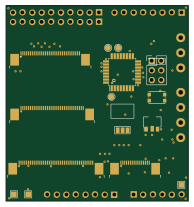 AVR/Arduino
GBAHD Shield
gbaHD
48.3 × 51.8 mm34 parts2LCC-BY-NC-4.053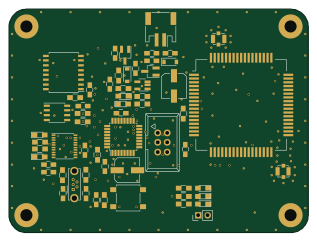 AVR/Arduino
Gpstracker
blemasle
79.3 × 59.2 mm65 parts2LMIT33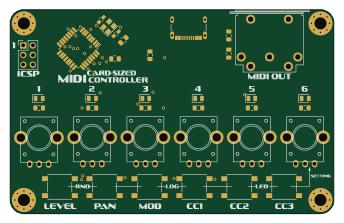 AVR/Arduino
Card-Sized-Midi-Controller
sensai7
85.7 × 54 mm35 parts2LGPL-3.030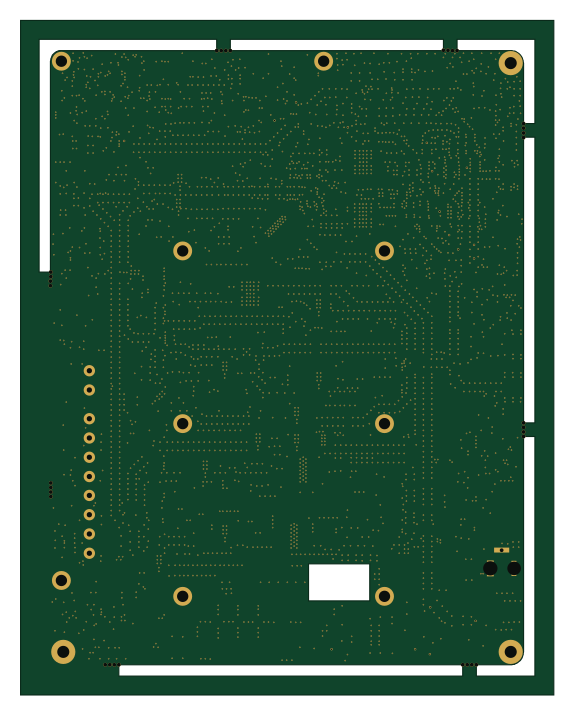 AVR/Arduino
LimeRFE
myriadrf
141.1 × 178.5 mm1325 partsNo license28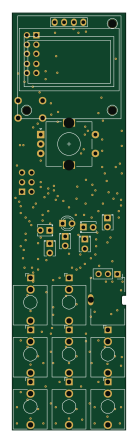 AVR/Arduino
Main
johannesstrueber
30 × 110.5 mm49 parts2LCC-BY-NC-4.028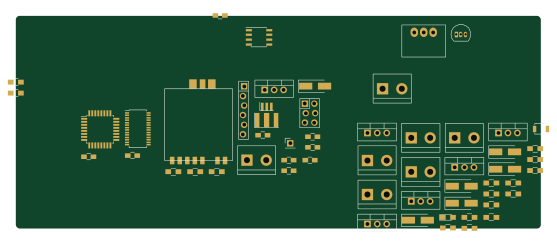 AVR/Arduino
HB-LC-Dim6PWM-CV
stan23
139 × 56.3 mm57 parts2LCC-BY-NC-4.021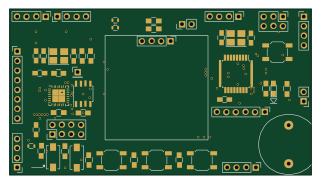 ESP8266
OpenCritter DevKit1
SuperMechaCow
80 × 44 mm52 parts2LMIT20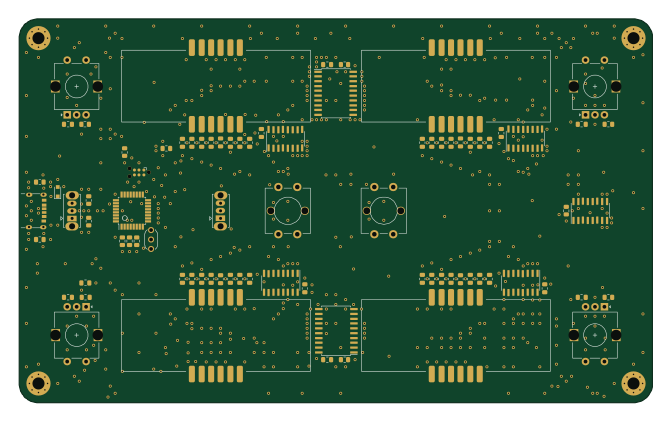 AVR/Arduino
Mtg life counter
mprosk
167.6 × 101.6 mm85 parts2LCERN-OHL-S-2.019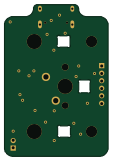 AVR/Arduino
ISOlation
str-dst
27.5 × 40.3 mm20 parts2LNo license18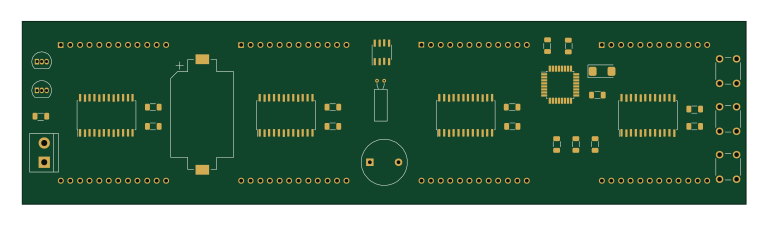 AVR/Arduino
Matrixclock gnm-19881-bsg
WiseLord
191.8 × 48.4 mm35 parts2LNo license16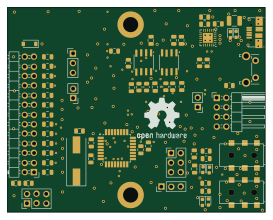 AVR/Arduino
Stepcraft-GRBLizer
eflukx
68 × 54 mm69 parts2LNo license15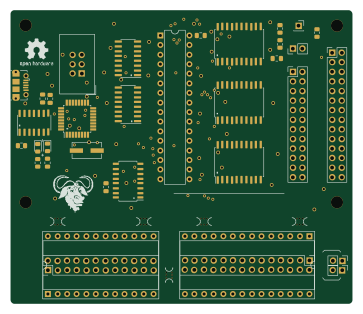 AVR/Arduino
Emurom
jtsiomb
90.6 × 77.8 mm48 parts2LCC-BY-SA-4.015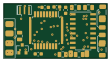 AVR/Arduino
FRReceiverLVH
shaise
27.5 × 14.5 mm33 parts4LGPL-3.013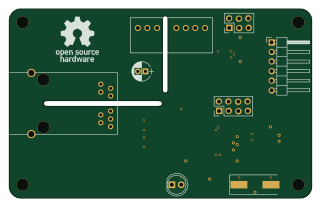 AVR/Arduino
FanController
newAM
80 × 50 mm48 parts2LMIT12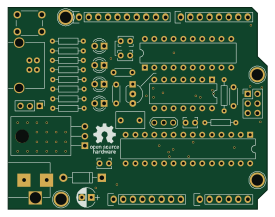 AVR/Arduino
Arduino
aspro648
68.6 × 53.3 mm43 parts2LNo license12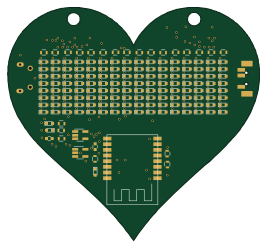 AVR/Arduino
Hearty-LED-Necklace-Badge
niteshkadyan
66.7 × 61.7 mm173 parts2LMIT10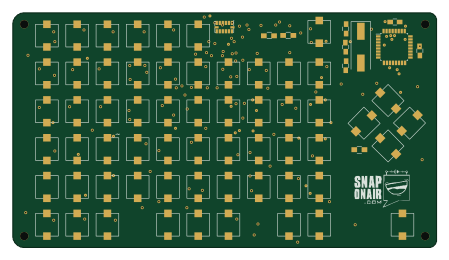 AVR/Arduino
Atmega328kb
ccadic
112 × 62 mm74 parts2LNo license10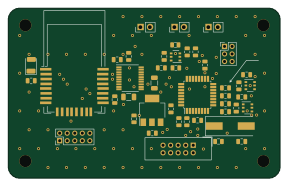 AVR/Arduino
TionO2-ZigBee
kvazimoda24
72 × 45 mm44 parts2LNo license10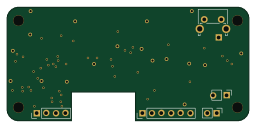 AVR/Arduino
Bell-Boy
BBUK
64 × 30 mm31 parts2LTAPR-OHL-1.010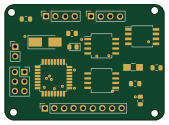 AVR/Arduino
Arduino Battery Powered clone with extended EEPROM and clock
Ikarthikmb
42.2 × 30.5 mm17 parts2LNo license9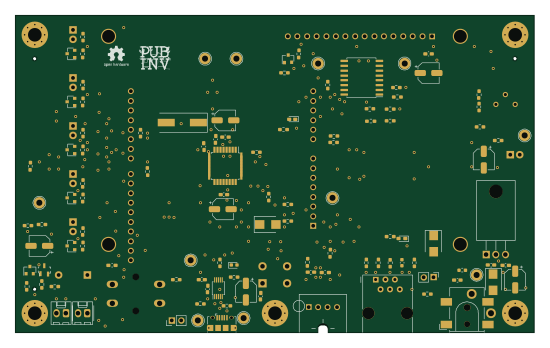 AVR/Arduino
GeneralPurposeAlarmDevice
PubInv
137.2 × 83.8 mm132 parts2LAGPL-3.07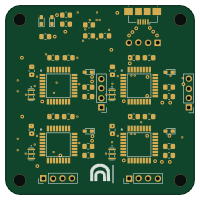 AVR/Arduino
DUINO
elVucko
50 × 50 mm87 parts4LMIT7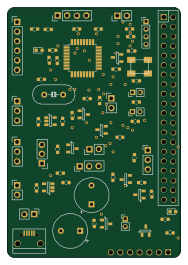 AVR/Arduino
NoPour
plertvilai
45.7 × 66 mm68 parts2LMIT7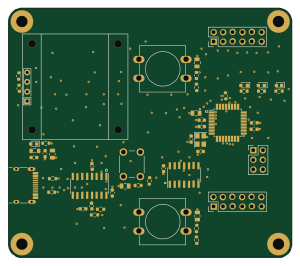 AVR/Arduino
Protoino01
hwreverse
75 × 66 mm52 parts2LBSD-3-Clause7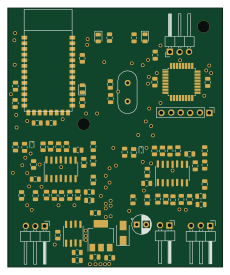 AVR/Arduino
Muscle imbalance detection
leikoilja
56.8 × 68.6 mm82 parts2LMIT6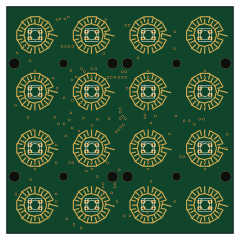 AVR/Arduino
Mokaboard
troisiemetype
60 × 60 mm52 parts2LNo license6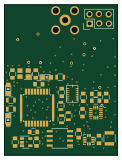 AVR/Arduino
Flight computer
wFairmanOlin
30 × 40 mm36 parts2LNo license6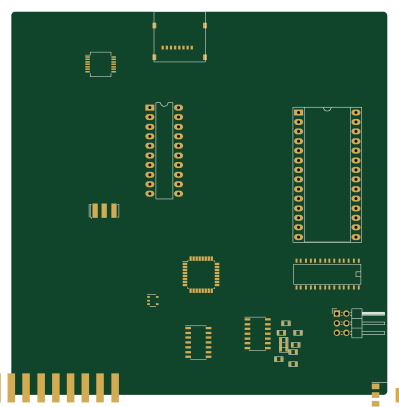 AVR/Arduino
Videopaccart
bwack
99.6 × 101.5 mm23 parts2LNo license6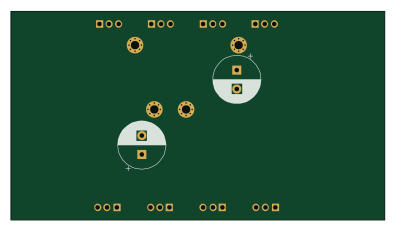 AVR/Arduino
Dual h bridge
jayanta525
98.8 × 55.1 mm98 parts2LMIT5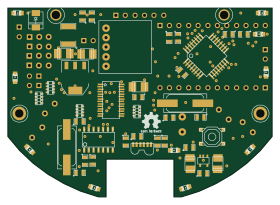 AVR/Arduino
Cosmoneer-Proto
cosmospioneering
70 × 50 mm71 parts4LNo license5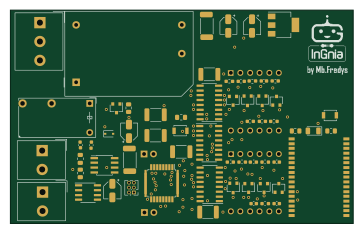 AVR/Arduino
PCB-Temperature-Controller
MbFredys
90.8 × 56.5 mm68 parts2LCERN-OHL-W-2.05
How designs wire the ATMEGA328P-AU
Read from the KiCad layouts of 173 open source designs, one per repository: what each pin of the ATMEGA328P-AU connects to, and the resistors, capacitors and other passives placed on it.
- The RESET/PC6 pin has a pull-up to 5V on 148 of 168 designs, most often 10 kΩ (then 1 kΩ).
- The XTAL1/PB6 pin has a crystal on 135 of 173 designs, most often 16 MHz (then 8 MHz).
- The XTAL2/PB7 pin has a crystal on 135 of 173 designs, most often 16 MHz (then 8 MHz).
- The AREF pin has a capacitor to GND on 116 of 170 designs, most often 100 nF (then 10 µF).
| Pin | Connected to | Parts on the pin |
|---|---|---|
| GNDpin 3, 5, 21 | Connected to: GND 97% | — |
| VCCpin 4, 6 | Connected to: 5V 90% |
|
| XTAL1/PB6pin 7 | Connected to: Signal 87% |
|
| XTAL2/PB7pin 8 | Connected to: Signal 88% |
|
| AVCCpin 18 | Connected to: 5V 88% |
|
| ADC6pin 19 | Connected to: Not connected 79% · a signal 19% | — |
| AREFpin 20 | Connected to: Signal 64% · not connected 23% |
|
| ADC7pin 22 | Connected to: Not connected 77% · a signal 20% | — |
| PC4pin 27 | Connected to: A connector 46% · not connected 26% |
|
| PC5pin 28 | Connected to: A connector 45% · not connected 26% |
|
| RESET/PC6pin 29 | Connected to: A connector 85% |
|
18 more pins vary from design to design. Connections count pins, parts count designs; values in brackets are how many parts had that value. Designs read include OpenThereminV4 by GaudiLabs, Ram Tester by tops4u, Capacitive soil moisture sensor by RonMcKay and Bldc controller by rjwalters.
The ATMEGA328P-AU in open source designs
The gallery holds 248 open source boards using the ATMEGA328P-AU from 176 GitHub repositories; a typical one measures about 63.8 × 51.1 mm and carries around 42 components.
82% are two-layer designs, the rest use four layers or more, and 40% carry an open source license.
The most starred is OpenThereminV4 by GaudiLabs.
Parts used alongside the ATMEGA328P-AU
Microcontrollers on boards using the ATMEGA328P-AU
What boards using the ATMEGA328P-AU are built for
ATMEGA328P-AU: common questions
Where can I find a ATMEGA328P-AU reference design?
Each of the 248 boards on this page is a real design using the ATMEGA328P-AU. Open one to see how it is wired up, with the full BOM, a render of the layout and links to its KiCad files.
What pull-up resistor is used on the ATMEGA328P-AU RESET/PC6 pin?
The RESET/PC6 pin has a pull-up to 5V on 148 of 168 designs, most often 10 kΩ (then 1 kΩ). Counted from the KiCad layouts of 173 open source designs using the ATMEGA328P-AU.
How is the ATMEGA328P-AU XTAL1/PB6 pin connected?
The XTAL1/PB6 pin has a crystal on 135 of 173 designs, most often 16 MHz (then 8 MHz). Counted from the KiCad layouts of 173 open source designs using the ATMEGA328P-AU.
How is the ATMEGA328P-AU XTAL2/PB7 pin connected?
The XTAL2/PB7 pin has a crystal on 135 of 173 designs, most often 16 MHz (then 8 MHz). Counted from the KiCad layouts of 173 open source designs using the ATMEGA328P-AU.
What parts are used alongside the ATMEGA328P-AU?
The 24LC1025, DS1337S_, AMS1117-3.3, CH340G and AMS1117-5.0 appear in the most repositories here.
Which microcontrollers do boards using the ATMEGA328P-AU use?
Most are built on AVR/Arduino (237), ESP8266 (5), ESP32 (4) and Raspberry Pi (1).
How big is a typical board using the ATMEGA328P-AU?
The median is 63.8 × 51.1 mm, and 82% are two-layer designs.
What is the most popular open source board using the ATMEGA328P-AU?
By GitHub stars, OpenThereminV4 by GaudiLabs, with 238 stars.
Can I simulate one of these boards using the ATMEGA328P-AU before building it?
Yes. HardLabs turns a board's netlist and BOM into a working simulation, so you can boot and test firmware against it with no hardware on your desk.