
27 open source boards using the FT231XQ
Real designs built with the FT231XQ, from public GitHub projects: a quick way to see how others power, decouple and connect it. Each board comes with its KiCad files, full parts list and a render — and you can simulate its firmware on HardLabs.
 FPGA
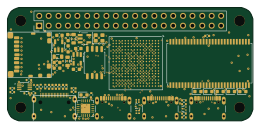
Icepi zero
cheyao
65 × 30 mm143 parts4LSHL-2.1865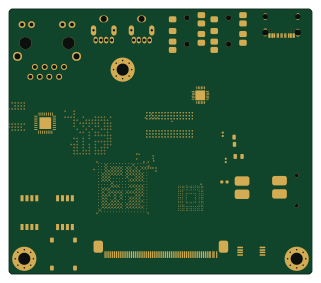
IMX6 Demo Board from REF
ts-manuel
80 × 70 mm465 parts6LGPL-3.010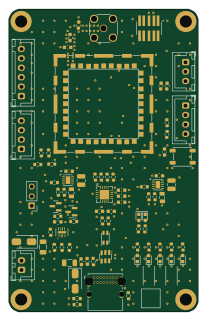
ARGOS DEMO
CNES
50 × 80 mm85 parts4LCERN-OHL-S-2.06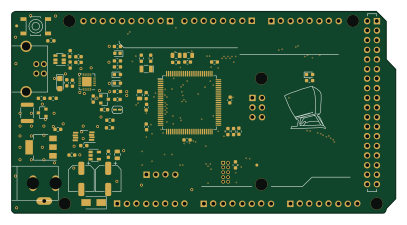 Microchip SAM
Mega
fortytwosystems
101.5 × 53.3 mm73 parts2LGPL-3.04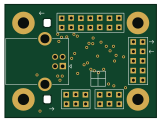
USB232R02
mlab-modules
40.1 × 30 mm21 parts2LGPL-3.03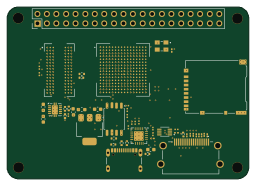 FPGA
Minty-FPGA
techn1-cal
64 × 45.5 mm115 parts6LNo license2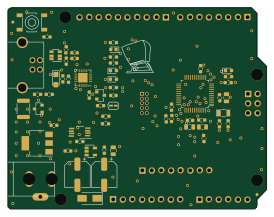 Microchip SAM
Uno
68.5 × 53.3 mm66 parts2LGPL-3.02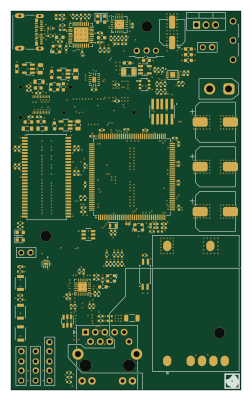 STM32
Fpga mocap
TobiasJaeggi
60.6 × 100 mm188 parts6LGPL-3.01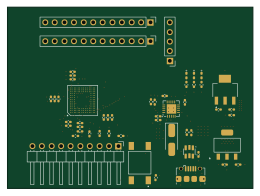 FPGA
MachXO2-KiCad-Board
jay-waghmare
65 × 48 mm52 parts4LMIT1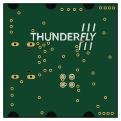
TFUSBSERIAL01
ThunderFly-aerospace
30 × 30 mm33 parts2LGPL-3.01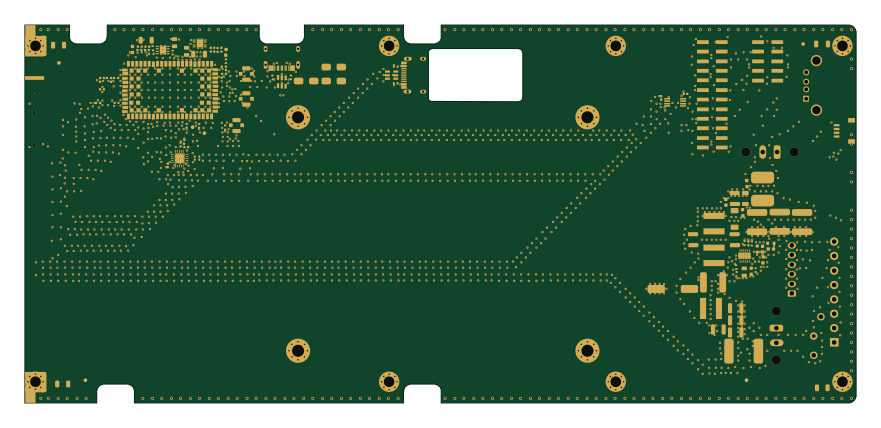
Template 6U220mm PSU+SBC
PTrUNB
220 × 100 mm174 parts4LNo license0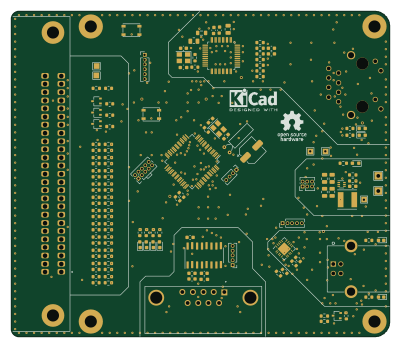 STM32
Keithley 615 Interface Board
farlepet
100 × 86 mm169 parts2LMIT0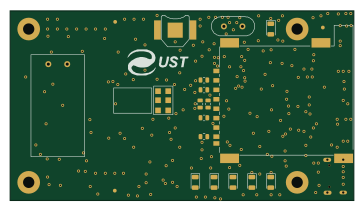 AVR/Arduino
USTSIPIN02
ust-modules
90.9 × 50.3 mm153 parts4LGPL-3.00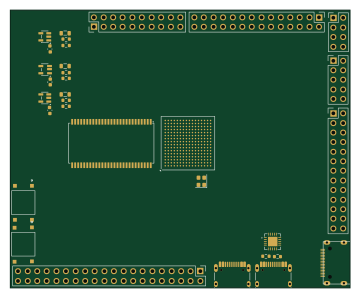 FPGA
Icepi zero
zOnlyKroks
89.8 × 73.5 mm131 parts4LCC0-1.00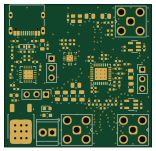 AVR/Arduino
Synthesizer-VHF
wa1hco
39 × 37.7 mm83 parts4LGPL-3.00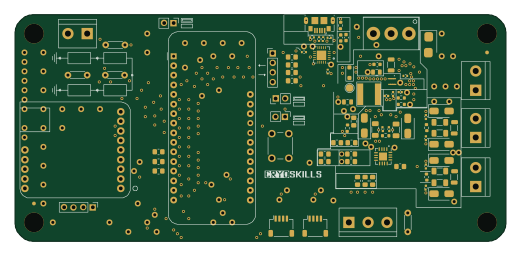
Sensor kit
cryoskills
130 × 60 mm78 parts2LCERN-OHL-P-2.00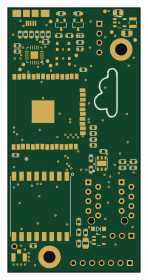 ESP32
Openair2
OpenAirCgn
35 × 70 mm69 parts2LNo license0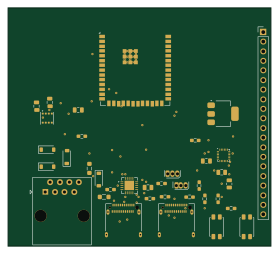 ESP32
Cloudboard rev1
goog-yaml
69.5 × 63 mm37 parts6LNo license0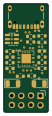
Psx usb
ashlynblack
11.8 × 28.8 mm19 parts2LNo license0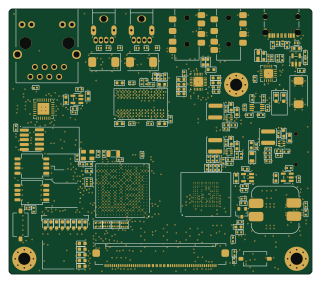
I.MX6 Demo Board
80 × 70 mm455 parts6LGPL-3.010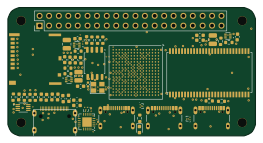 FPGA
Anice
hackclub
65.6 × 34 mm91 parts4LNo license2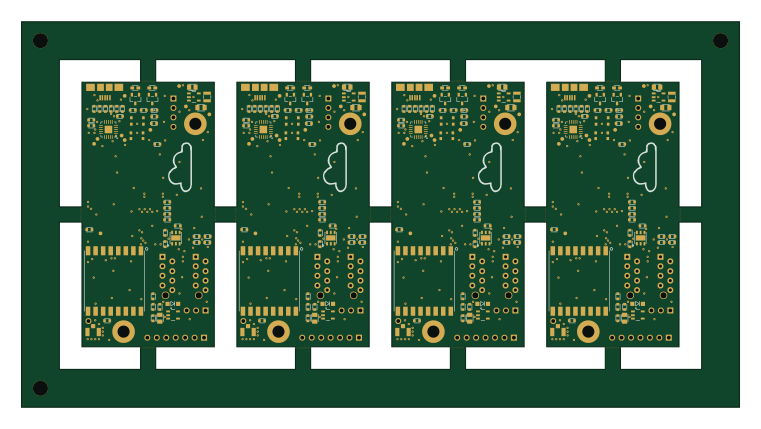
Openair2-panelized
190 × 102 mm68 parts2LNo license0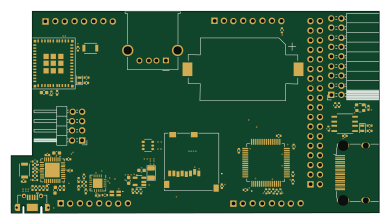 ESP32
AddOnTemplate
logisim-evolution
97.4 × 53.4 mm84 parts2LMIT18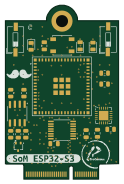 ESP32
SoM V2
robotique-udes
30 × 46.1 mm44 parts4LGPL-2.01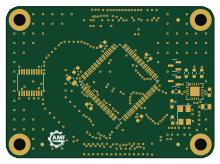 AVR/Arduino
PRODIGY-ATMEGA2560
mark69163
55 × 40 mm22 parts4LNo license0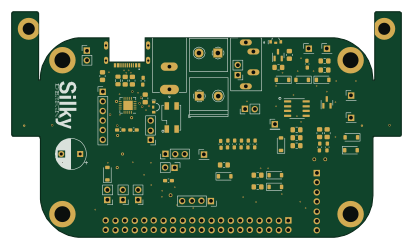
MuKOB / RPi / USB - K&S IF MkV
MorseKOB
103 × 59.6 mm59 parts2LMIT0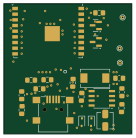 ESP32
Esp wroom-2-carrier board
cpeniche
33.8 × 34.4 mm31 parts4LNo license0
How designs wire the FT231XQ
Read from the KiCad layouts of 25 open source designs, one per repository: what each pin of the FT231XQ connects to, and the resistors, capacitors and other passives placed on it.
- The 3V3OUT pin has a capacitor to GND on 22 of 25 designs, most often 100 nF (then 220 nF).
- The VCCIO pin has a capacitor to GND on 22 of 25 designs, most often 100 nF (then 220 nF).
- The VCC pin has a decoupling capacitor on 19 of 25 designs, most often 100 nF (then 4.7 µF).
- The USBDP pin has a series resistor on 18 of 25 designs, most often 27 Ω (then 22 Ω).
| Pin | Connected to | Parts on the pin |
|---|---|---|
| RIpin 2 | Connected to: Not connected 68% · a signal 32% | — |
| GNDpin 3, 13, 21 | Connected to: GND 99% | — |
| DSRpin 4 | Connected to: Not connected 60% · a signal 40% | — |
| DCDpin 5 | Connected to: Not connected 64% · a signal 36% | — |
| CBUS2pin 7 | Connected to: Signal 52% · not connected 48% |
|
| USBDPpin 8 | Connected to: Signal 100% |
|
| USBDMpin 9 | Connected to: Signal 100% |
|
| 3V3OUTpin 10 | Connected to: Signal 64% · 3.3V 32% |
|
| RESETpin 11 | Connected to: Signal 72% · 3.3V 20% |
|
| VCCpin 12 | Connected to: 5V 84% · a signal 16% |
|
| CBUS0pin 15 | Connected to: Not connected 80% · a signal 16% | — |
| CBUS3pin 16 | Connected to: Not connected 80% · a signal 20% | — |
| DTRpin 18 | Connected to: Signal 72% · not connected 28% |
|
| VCCIOpin 20 | Connected to: Signal 56% · 3.3V 40% |
|
5 more pins vary from design to design. Connections count pins, parts count designs; values in brackets are how many parts had that value. Designs read include Icepi zero by cheyao, AddOnTemplate by logisim-evolution, I.MX6 Demo Board by ts-manuel and ARGOS DEMO by CNES.
The FT231XQ in open source designs
The gallery holds 27 open source boards using the FT231XQ from 25 GitHub repositories; a typical one measures about 65.6 × 53.3 mm and carries around 78 components.
59% use four copper layers or more, and 63% carry an open source license.
The most starred is Icepi zero by cheyao.
Parts used alongside the FT231XQ
Microcontrollers on boards using the FT231XQ
What boards using the FT231XQ are built for
FT231XQ: common questions
Where can I find a FT231XQ reference design?
Each of the 27 boards on this page is a real design using the FT231XQ. Open one to see how it is wired up, with the full BOM, a render of the layout and links to its KiCad files.
How is the FT231XQ 3V3OUT pin connected?
The 3V3OUT pin has a capacitor to GND on 22 of 25 designs, most often 100 nF (then 220 nF). Counted from the KiCad layouts of 25 open source designs using the FT231XQ.
How is the FT231XQ VCCIO pin connected?
The VCCIO pin has a capacitor to GND on 22 of 25 designs, most often 100 nF (then 220 nF). Counted from the KiCad layouts of 25 open source designs using the FT231XQ.
What decoupling capacitors do designs use on the FT231XQ VCC pin?
The VCC pin has a decoupling capacitor on 19 of 25 designs, most often 100 nF (then 4.7 µF). Counted from the KiCad layouts of 25 open source designs using the FT231XQ.
What parts are used alongside the FT231XQ?
The USBLC6-2SC6, W25Q128JVS, AMS1117-3.3, AP2281-3WG-7 and ECP5-CABGA256 appear in the most repositories here.
Which microcontrollers do boards using the FT231XQ use?
Most are built on ESP32 (5), FPGA (5), AVR/Arduino (3) and Microchip SAM (2).
How big is a typical board using the FT231XQ?
The median is 65.6 × 53.3 mm, and 41% are two-layer designs.
What is the most popular open source board using the FT231XQ?
By GitHub stars, Icepi zero by cheyao, with 865 stars.
Can I simulate one of these boards using the FT231XQ before building it?
Yes. HardLabs turns a board's netlist and BOM into a working simulation, so you can boot and test firmware against it with no hardware on your desk.