
22 open source boards using the W25Q256JVEIQ
Real designs built with the W25Q256JVEIQ, from public GitHub projects: a quick way to see how others power, decouple and connect it. Each board comes with its KiCad files, full parts list and a render — and you can simulate its firmware on HardLabs.
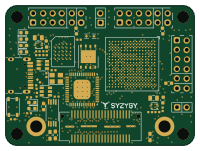 FPGA
ECPBreaker
gregdavill
50 × 37 mm117 parts6LNo license178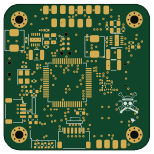 STM32
STM32F7 FC
rishikesh2715
38.5 × 38.5 mm127 parts8LMIT56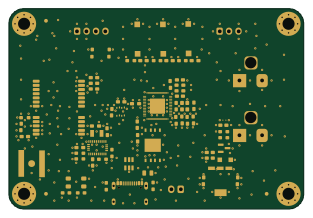 ESP32
Core System 2026
MarsRoverUdeGSpace
78 × 53 mm78 parts4LMIT2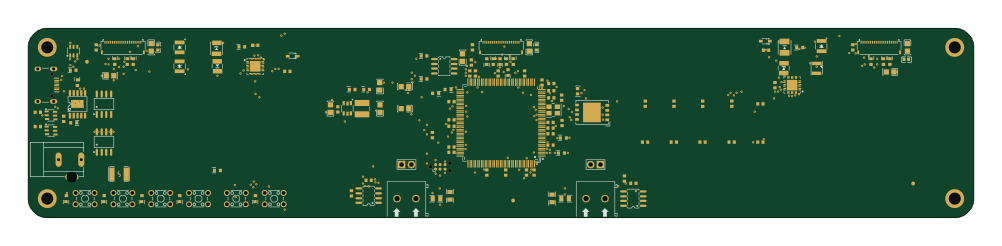 STM32
ProPrj New Project 2026-07-15 23-14-34 2026-07-27
kms254
250 × 50 mm142 parts4LNo license1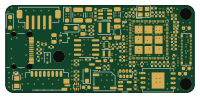 ESP32
Dpf load monitor wide
v-cu
50 × 23 mm106 parts6LCC-BY-NC-4.01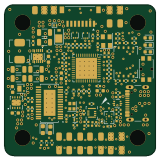 STM32
Atmos fc
cypamigon
40 × 40 mm101 parts4LMIT1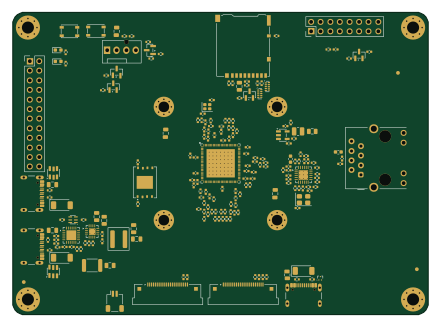 ESP32
Esp32-p4
Andreuxxx1977
110 × 80 mm221 parts4LCERN-OHL-P-2.00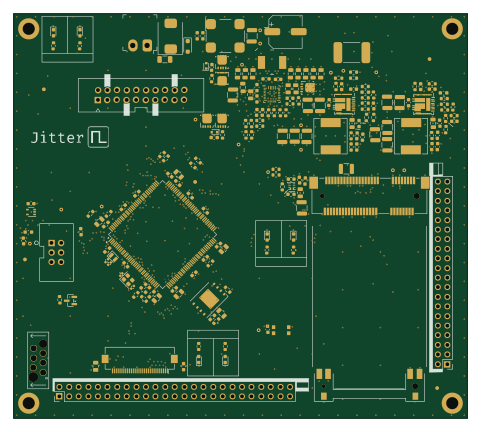 STM32
SL23 modem tester
JitterCompany
120 × 107 mm195 parts4LMIT0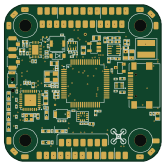 STM32
ZenFly F71
LongDo1902
41.5 × 41.5 mm171 parts4LNo license0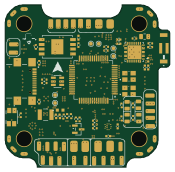 STM32
MagnumFC
poojithas956
43.6 × 43 mm129 parts6LMIT0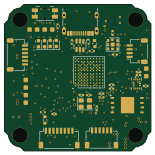 STM32
EuroFly
GigelBosket
38.6 × 38.6 mm99 parts4LCERN-OHL-P-2.00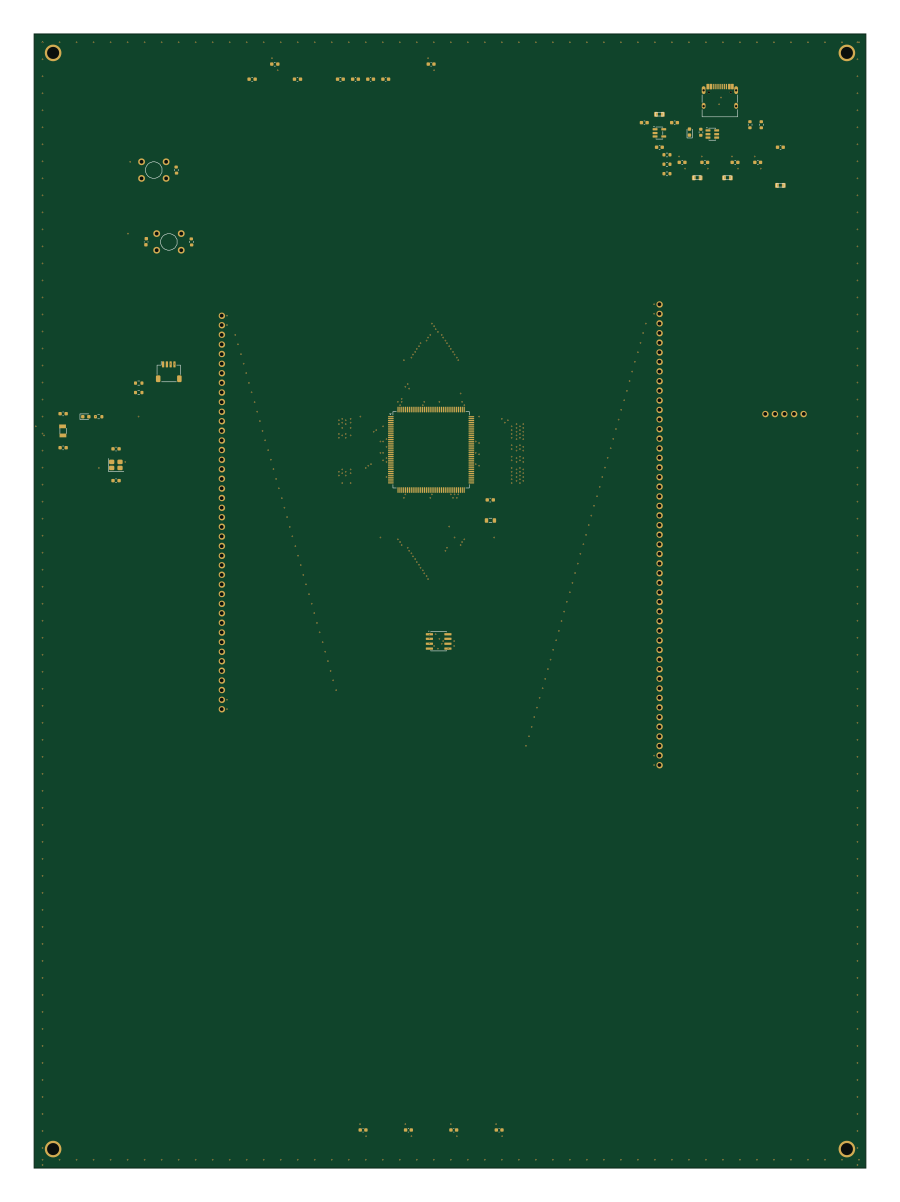 STM32
ACH-STM32-U5G9
Pablojosep
220 × 300 mm57 parts4LNo license0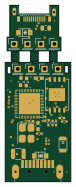 ESP32
Rubber ducky
TomasD-git
17.3 × 46.7 mm47 parts4LGPL-3.00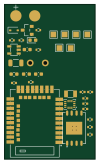
Contapassi-V1
daniele-boerio
24 × 41 mm27 parts4LNo license0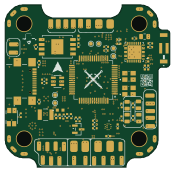 ESP32
VENDETTAFC
Caped-Crussader
43.6 × 43 mm129 parts6LCERN-OHL-S-2.028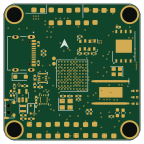 STM32
NewSkyF7-Air
kuku-199
36 × 36 mm145 parts4LApache-2.010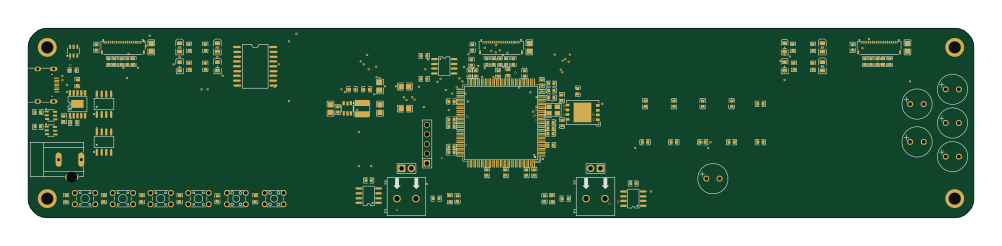 STM32
Board3-routed
250 × 50 mm140 parts4LNo license1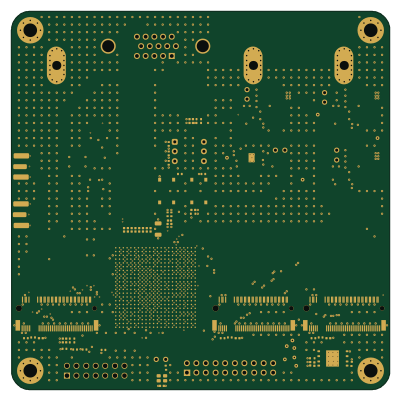 FPGA
Tracker tx fpga
AntonSievering
100 × 100 mm224 parts6LNo license0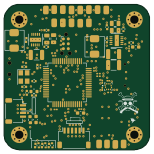 STM32
Flight Controller
38.5 × 38.5 mm127 parts8LNo license0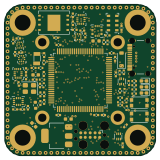 STM32
Stigma core board
tudsat-rocket
40 × 40 mm85 parts4LNo license0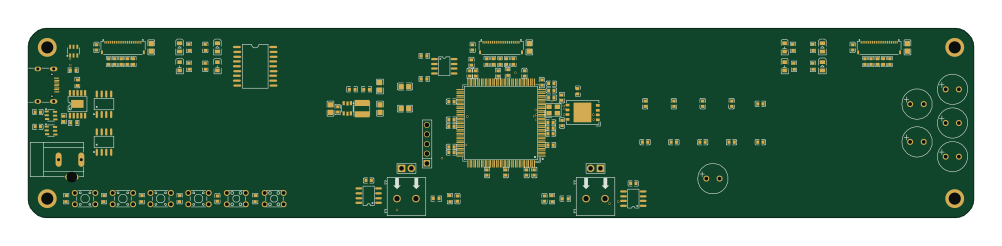 STM32
Board3-stripped
250 × 50 mm140 parts4LNo license1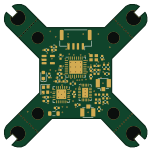 ESP8266
Single radio
37.7 × 37.7 mm43 parts4LNo license0
How designs wire the W25Q256JVEIQ
Read from the KiCad layouts of 18 open source designs, one per repository: what each pin of the W25Q256JVEIQ connects to, and the resistors, capacitors and other passives placed on it.
- The VCC pin has a decoupling capacitor on 17 of 18 designs, most often 100 nF (then 1 µF).
- The IO3 pin has a pull-up to 3.3V on 11 of 18 designs, most often 10 kΩ (then 0 Ω).
- The CS pin has a pull-up to 3.3V on 10 of 18 designs, most often 10 kΩ (then 4.7 kΩ).
- The WP/IO2 pin has a pull-up to 3.3V on 10 of 18 designs, most often 10 kΩ (then 0 Ω).
| Pin | Connected to | Parts on the pin |
|---|---|---|
| CSpin 1 | Connected to: The microcontroller 89% |
|
| WP/IO2pin 3 | Connected to: The microcontroller 33% |
|
| GNDpin 4 | Connected to: GND 100% | — |
| IO3pin 7 | Connected to: The microcontroller 33% |
|
| VCCpin 8 | Connected to: 3.3V 89% |
|
| EPpin 9 | Connected to: GND 87% | — |
3 more pins vary from design to design. Connections count pins, parts count designs; values in brackets are how many parts had that value. Designs read include ECPBreaker by gregdavill, STM32F7 FC by rishikesh2715, VENDETTAFC by Caped-Crussader and NewSkyF7-Air by kuku-199.
The W25Q256JVEIQ in open source designs
The gallery holds 22 open source boards using the W25Q256JVEIQ from 18 GitHub repositories; a typical one measures about 43.6 × 42.3 mm and carries around 127 components.
100% use four copper layers or more, and 45% carry an open source license.
The most starred is ECPBreaker by gregdavill.
Parts used alongside the W25Q256JVEIQ
What boards using the W25Q256JVEIQ are built for
W25Q256JVEIQ: common questions
Where can I find a W25Q256JVEIQ reference design?
Each of the 22 boards on this page is a real design using the W25Q256JVEIQ. Open one to see how it is wired up, with the full BOM, a render of the layout and links to its KiCad files.
What decoupling capacitors do designs use on the W25Q256JVEIQ VCC pin?
The VCC pin has a decoupling capacitor on 17 of 18 designs, most often 100 nF (then 1 µF). Counted from the KiCad layouts of 18 open source designs using the W25Q256JVEIQ.
What pull-up resistor is used on the W25Q256JVEIQ IO3 pin?
The IO3 pin has a pull-up to 3.3V on 11 of 18 designs, most often 10 kΩ (then 0 Ω). Counted from the KiCad layouts of 18 open source designs using the W25Q256JVEIQ.
What pull-up resistor is used on the W25Q256JVEIQ CS pin?
The CS pin has a pull-up to 3.3V on 10 of 18 designs, most often 10 kΩ (then 4.7 kΩ). Counted from the KiCad layouts of 18 open source designs using the W25Q256JVEIQ.
What parts are used alongside the W25Q256JVEIQ?
The ICM-42688-P, AT7456E, USBLC6-2SC6, BMP388 and STM32F722RET6 appear in the most repositories here.
Which microcontrollers do boards using the W25Q256JVEIQ use?
Most are built on STM32 (13), ESP32 (5), FPGA (2) and ESP8266 (1).
How big is a typical board using the W25Q256JVEIQ?
The median is 43.6 × 42.3 mm, and 0% are two-layer designs.
What is the most popular open source board using the W25Q256JVEIQ?
By GitHub stars, ECPBreaker by gregdavill, with 178 stars.
Can I simulate one of these boards using the W25Q256JVEIQ before building it?
Yes. HardLabs turns a board's netlist and BOM into a working simulation, so you can boot and test firmware against it with no hardware on your desk.