
76 open source boards using the ESP32-C3
Real designs built with the ESP32-C3, from public GitHub projects: a quick way to see how others power, decouple and connect it. Each board comes with its KiCad files, full parts list and a render — and you can simulate its firmware on HardLabs.
 ESP32
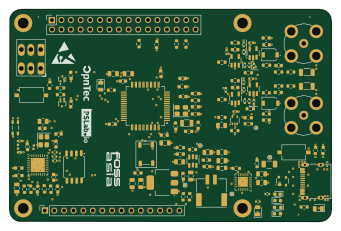
Pslab mini hardware
fossasia
85 × 56 mm154 parts4LApache-2.01.2k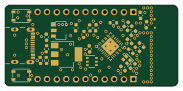 ESP32
Esp32-c3
TadeasFrycak
45.7 × 21.3 mm32 parts2LGPL-3.017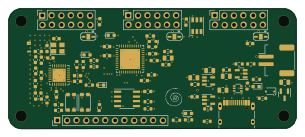 ESP32
ESP32C3 FPGA
emeb
76.2 × 31.8 mm85 parts4LMIT16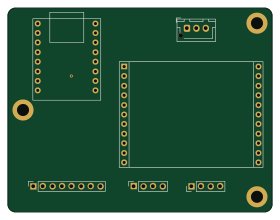 ESP32
MLSinglePendulum
MagdiLaoun
70 × 54 mm6 parts2LNo license12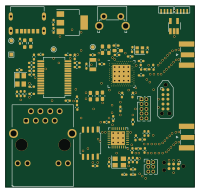 ESP32
HexGateway
gblach
50 × 48 mm83 parts2LNo license10 ESP32
Badge-2025
endsummercamp
8.8 × 11.7 mm105 parts2LNo license9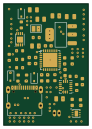 ESP32
Wristwearable
wlatif-cmyk
22.4 × 32.2 mm39 parts4LNo license8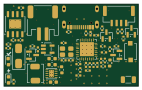 ESP32
Esp32-c3-iot sensor board
Ans1S
35.4 × 21.6 mm57 parts4LMIT6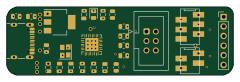 ESP32
Hw-USB-I2C
burgrp
60 × 18 mm26 parts2LNo license6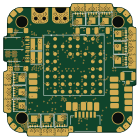 ESP32
OpenAIO
OpenDrone-hw
35 × 35 mm244 parts8LCERN-OHL-S-2.05 ESP32
Esplog hv
VladimirP1
16.6 × 11.8 mm25 parts2LNo license5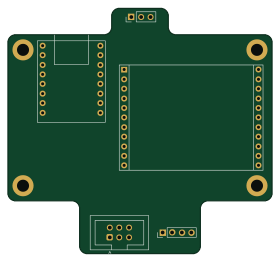 ESP32
MLDoublePendulum
70 × 65 mm5 parts2LNo license5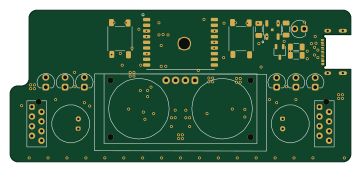 ESP32
RUBY
GemsErasmusPlus
90 × 40 mm69 parts2LCC-BY-SA-4.03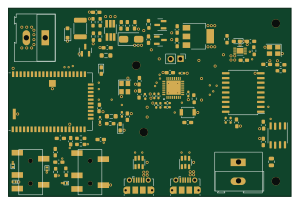 ESP32
E9X-CAN-BT
Christian-Ristevski
74.8 × 49.8 mm88 parts2LNo license2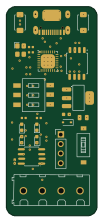 ESP32
Hvac emulator
mkannanidris
24 × 55.4 mm66 parts4LNo license2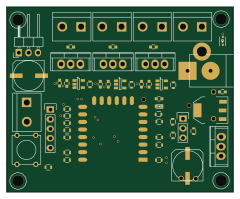 ESP32
Ledboard
ohaut
60 × 49 mm57 parts2LNo license2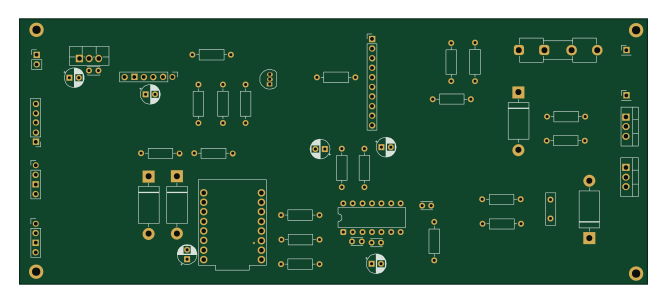 ESP32
Dc load
Fyfar
166.4 × 70.3 mm50 parts2LNo license2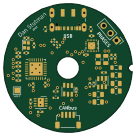 ESP32
Moco
dstutman
34 × 34 mm48 parts2LNo license2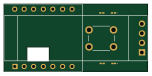 ESP32
Dining-Buddy
jackshisd
38 × 17.8 mm7 parts2LNo license2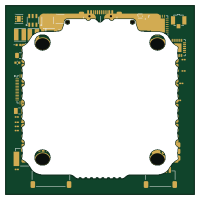 ESP32
DrikrAIO
tetraethylmethane
50 × 50 mm339 parts6LNo license1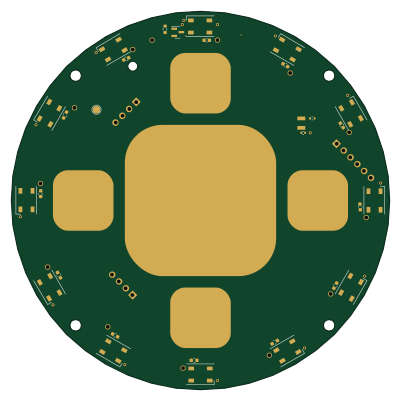 ESP32
Universal module
renata7zemanova
100 × 100 mm113 parts2LNo license1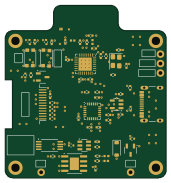 ESP32
Esp32c3-smart board
petrovgp
42.6 × 45.7 mm64 parts4LNo license1 ESP32
NorthernStudios-RX-Micro-ELRS-Receiver-2.4GHz
uzzambutt
18.2 × 24.1 mm46 parts4LNo license1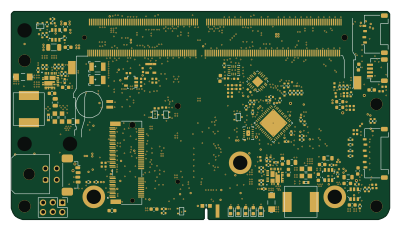 ESP32
Capable jetson carrier
CapableRobot
100 × 55 mm344 parts6LApache-2.00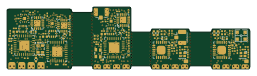 ESP32
OpenRX-all
yasir-shahzad
64.2 × 16.3 mm240 parts6LCERN-OHL-S-2.00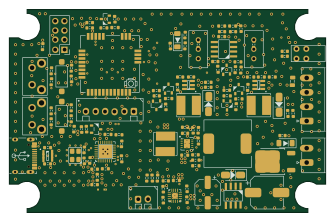 ESP32
Node Analog
maivananh111
83.7 × 53.7 mm130 parts2LNo license0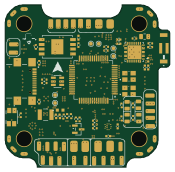 STM32
MagnumFC
poojithas956
43.6 × 43 mm129 parts6LMIT0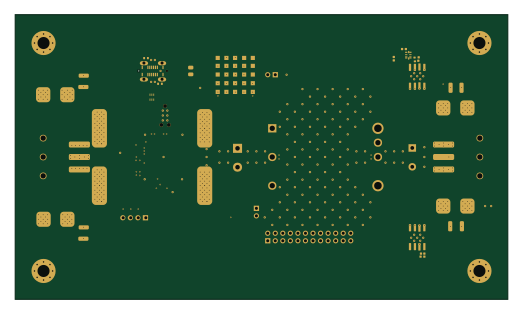 ESP32
Phq u
illdefined
130.4 × 75.4 mm127 parts4LCERN-OHL-S-2.00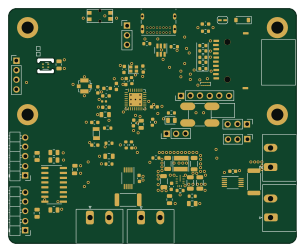 ESP32
Esp32 sensor board
benvonhandorf
76 × 62 mm86 parts4LMIT0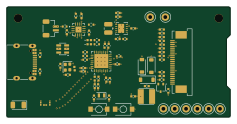 ESP32
ESP32-Eink
Outdatedcandy92
59.2 × 29.2 mm81 parts4LCERN-OHL-W-2.00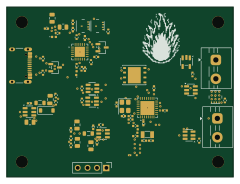 ESP32
Hotplate
Keyaan-07
60 × 45 mm74 parts4LMIT0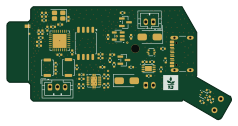 ESP32
ESP32-C3-Low-Power-IoT-Plant-Node
mohamed-sebbar
59.5 × 29.9 mm65 parts4LCERN-OHL-W-2.00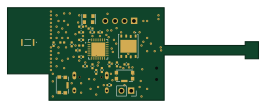 ESP32
Wireless-Environmental-Parameter-Transmitter
tomasikjulia-code
66.5 × 24.5 mm54 parts4LNo license0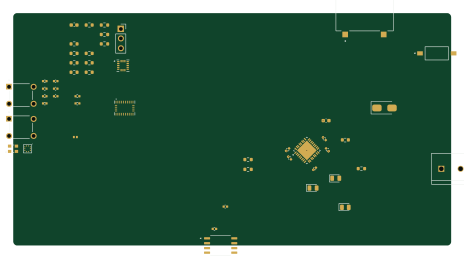 ESP32
Notahawk
bimmui
115.9 × 61.5 mm50 parts2LNo license0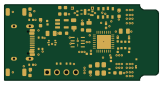 ESP32
Esp32c3
souptik-samanta
40.8 × 20 mm47 parts4LNo license0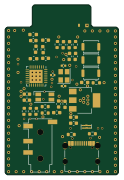 ESP32
PowerMeter
dianventer
30 × 45 mm42 parts4LNo license0
How designs wire the ESP32-C3
Read from the KiCad layouts of 55 open source designs, one per repository: what each pin of the ESP32-C3 connects to, and the resistors, capacitors and other passives placed on it.
- The VDD3P3 pins have a decoupling capacitor on 39 of 55 designs, most often 100 nF (then 1 µF).
- The VDDA pins have a decoupling capacitor on 36 of 43 designs, most often 100 nF (then 1 µF).
- The VDD3P3_CPU pin has a decoupling capacitor on 35 of 46 designs, most often 100 nF (then 1 µF).
- The VDD3P3_RTC pin has a decoupling capacitor on 34 of 47 designs, most often 100 nF (then 1 µF).
| Pin | Connected to | Parts on the pin |
|---|---|---|
| LNA_INpin 1 | Connected to: Signal 58% · not connected 29% |
|
| VDD3P3pin 2, 3 | Connected to: 3.3V 47% · a signal 45% |
|
| GPIO2pin 6 | Connected to: A connector 24% · not connected 26% |
|
| CHIP_ENpin 7 | Connected to: A connector 21% · not connected 17% |
|
| VDD3P3_RTCpin 11 | Connected to: 3.3V 68% |
|
| GPIO8pin 14 | Connected to: Signal 74% · not connected 17% |
|
| GPIO9/BOOTpin 15 | Connected to: Signal 83% · not connected 17% |
|
| VDD3P3_CPUpin 17 | Connected to: 3.3V 70% · a signal 20% |
|
| VDD_SPI/GPIO11pin 18 | Connected to: 3.3V 43% · not connected 24% · a signal 30% |
|
| SPIHD/GPIO12pin 19 | Connected to: Not connected 70% · a signal 22% | — |
| SPIWP/GPIO13pin 20 | Connected to: Not connected 67% · a signal 33% | — |
| SPICS0/GPIO14pin 21 | Connected to: Not connected 67% · a signal 33% | — |
| SPICLK/GPIO15pin 22 | Connected to: Not connected 67% · a signal 33% | — |
| SPID/GPIO16pin 23 | Connected to: Not connected 64% · a signal 33% | — |
| SPIQ/GPIO17pin 24 | Connected to: Not connected 69% · a signal 29% | — |
| XTAL_Npin 29 | Connected to: Signal 79% · not connected 21% |
|
| XTAL_Ppin 30 | Connected to: Signal 88% |
|
| VDDApin 31, 32 | Connected to: 3.3V 78% · a signal 16% |
|
| GNDpin 33 | Connected to: GND 97% | — |
12 more pins vary from design to design. Connections count pins, parts count designs; values in brackets are how many parts had that value. Designs read include Pslab mini hardware by fossasia, VENDETTAFC by Caped-Crussader, Tux v02 by tux-friend and Esp32-c3 by TadeasFrycak.
The ESP32-C3 in open source designs
The gallery holds 76 open source boards using the ESP32-C3 from 56 GitHub repositories; a typical one measures about 43.6 × 40 mm and carries around 52 components.
51% use four copper layers or more, and 42% carry an open source license.
The most starred is Pslab mini hardware by fossasia.
Parts used alongside the ESP32-C3
What boards using the ESP32-C3 are built for
ESP32-C3: common questions
Where can I find a ESP32-C3 reference design?
Each of the 76 boards on this page is a real design using the ESP32-C3. Open one to see how it is wired up, with the full BOM, a render of the layout and links to its KiCad files.
What decoupling capacitors do designs use on the ESP32-C3 VDD3P3 pin?
The VDD3P3 pins have a decoupling capacitor on 39 of 55 designs, most often 100 nF (then 1 µF). Counted from the KiCad layouts of 55 open source designs using the ESP32-C3.
What decoupling capacitors do designs use on the ESP32-C3 VDDA pin?
The VDDA pins have a decoupling capacitor on 36 of 43 designs, most often 100 nF (then 1 µF). Counted from the KiCad layouts of 55 open source designs using the ESP32-C3.
What decoupling capacitors do designs use on the ESP32-C3 VDD3P3_CPU pin?
The VDD3P3_CPU pin has a decoupling capacitor on 35 of 46 designs, most often 100 nF (then 1 µF). Counted from the KiCad layouts of 55 open source designs using the ESP32-C3.
What parts are used alongside the ESP32-C3?
The USBLC6-2SC6, AMS1117-3.3, SPX3819M5-L-3-3, BMI270 and LR1121IMLTRT appear in the most repositories here.
Which microcontrollers do boards using the ESP32-C3 use?
Most are built on ESP32 (75) and STM32 (1).
How big is a typical board using the ESP32-C3?
The median is 43.6 × 40 mm, and 49% are two-layer designs.
What is the most popular open source board using the ESP32-C3?
By GitHub stars, Pslab mini hardware by fossasia, with 1,227 stars.
Can I simulate one of these boards using the ESP32-C3 before building it?
Yes. HardLabs turns a board's netlist and BOM into a working simulation, so you can boot and test firmware against it with no hardware on your desk.