
46 open source boards using the ATMEGA328PB-AU
Real designs built with the ATMEGA328PB-AU, from public GitHub projects: a quick way to see how others power, decouple and connect it. Each board comes with its KiCad files, full parts list and a render — and you can simulate its firmware on HardLabs.
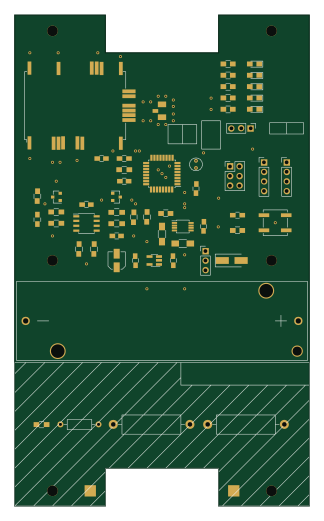 AVR/Arduino
Lofence
kiu
78 × 130 mm57 parts2LMIT141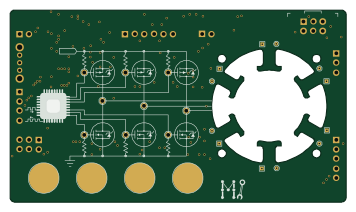 AVR/Arduino
Brushless-Motor-Biz-Card
ageppert
88.9 × 50.8 mm70 parts2LMIT38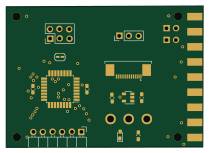 AVR/Arduino
PS2PSP
orangeglo
52.1 × 37.4 mm20 parts2LGPL-3.038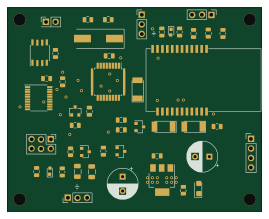 AVR/Arduino
Jeep canbus
latonita
67.3 × 54 mm48 parts2LMIT30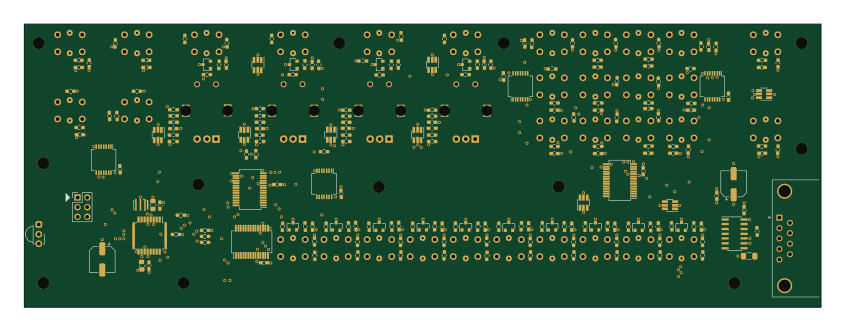 AVR/Arduino
Bkm-10rlternative
skumlos
210.8 × 74.9 mm244 parts4LNo license15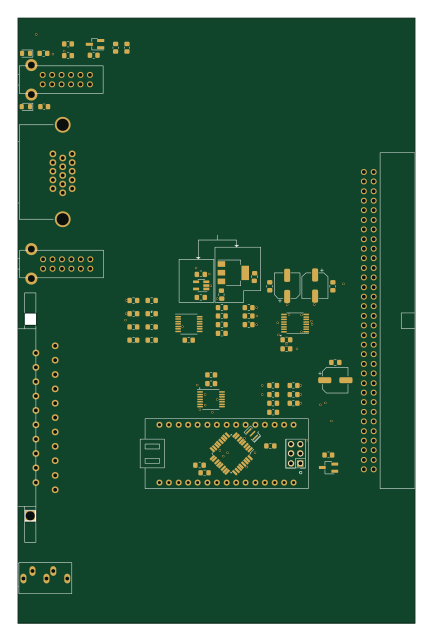 AVR/Arduino
Bkm-129x scart vga
105 × 160 mm67 parts2LNo license15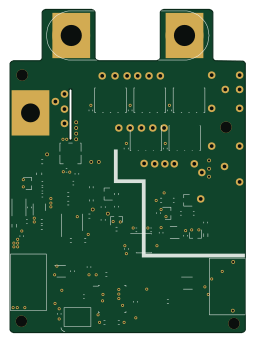 AVR/Arduino
ARDUINO BMS - Protection Board
simple-ee
62.3 × 85.5 mm97 partsMIT7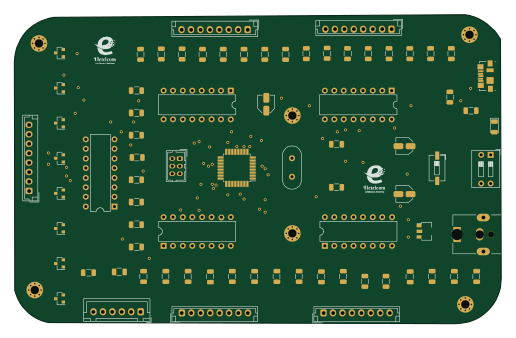 AVR/Arduino
MATRIX PROJECT
AronAyub
128.8 × 81.8 mm77 parts2LNo license6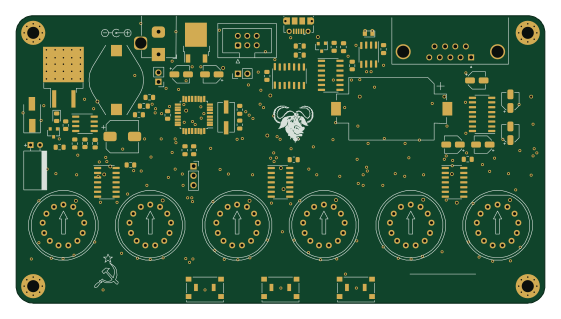 AVR/Arduino
Nixiedisp
jtsiomb
140 × 76.1 mm224 parts2LGPL-3.03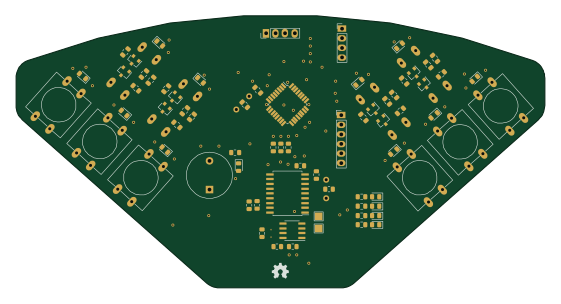 AVR/Arduino
MSWI19
ZeniteSolar
140 × 72.1 mm147 parts2LGPL-3.03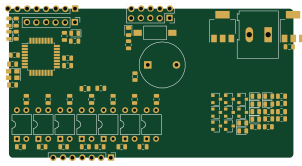 AVR/Arduino
Lcd monitor
lcdporto
75.4 × 39.5 mm74 parts2LNo license3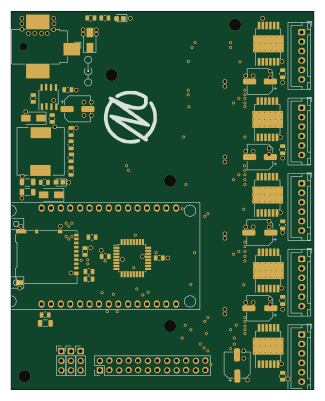 ESP32
ESPMaslowController
InvncibiltyCloak
80 × 100 mm56 parts2LCC-BY-SA-4.03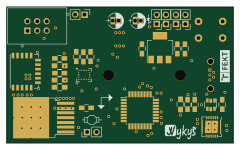 AVR/Arduino
Vut arcar
wykys
60 × 36 mm53 parts2LMIT3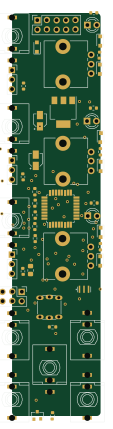 AVR/Arduino
TR v0.1
razvysme
23.6 × 107 mm50 parts2LCC0-1.03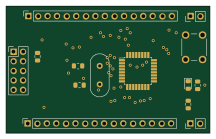 AVR/Arduino
Atmega328PB minimal board
jovan3
54 × 33.7 mm13 parts2LNo license3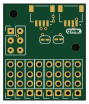 AVR/Arduino
BSED
RCMgames
21.6 × 25.4 mm11 parts2LMIT3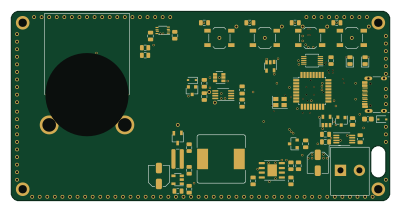 AVR/Arduino
Power Supply
adsehgal
100 × 50 mm94 parts2LNo license2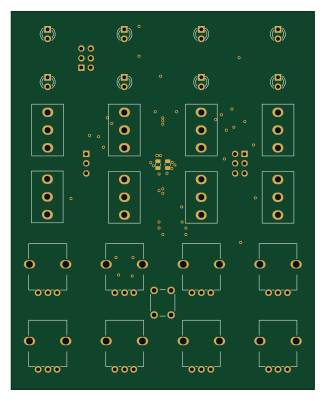 AVR/Arduino
SubSequence
marangisto
80.3 × 100 mm52 parts2LMIT2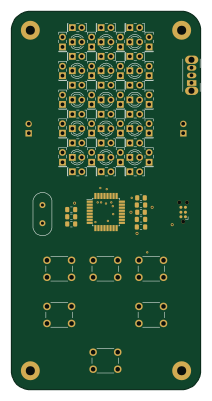 AVR/Arduino
LedMatrixGame
hotkeysoft
50 × 100 mm72 parts2LMIT1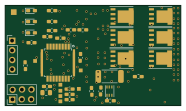 AVR/Arduino
Bldc driver
acshi
46.5 × 26.5 mm67 parts4LNo license1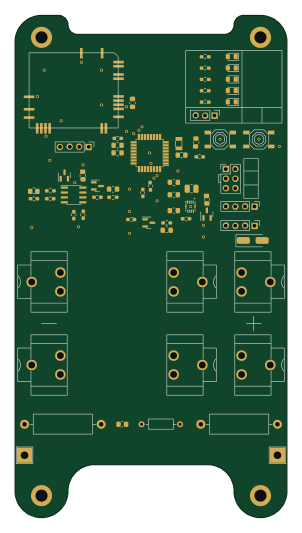 AVR/Arduino
LoFence Hardware
Alex9779
72 × 133 mm56 parts2LMIT1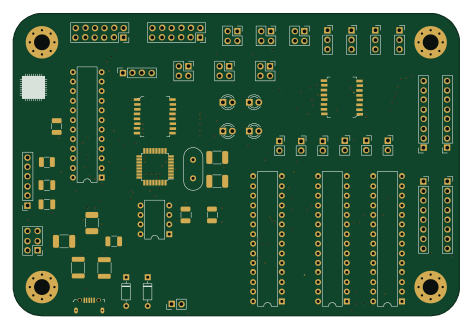 AVR/Arduino
Switch Panel
Plasmarobo
118.1 × 80 mm55 parts2LCC-BY-NC-4.01 AVR/Arduino
Arm interface board mirrored
Roboy
189.6 × 14.6 mm49 parts2LNo license1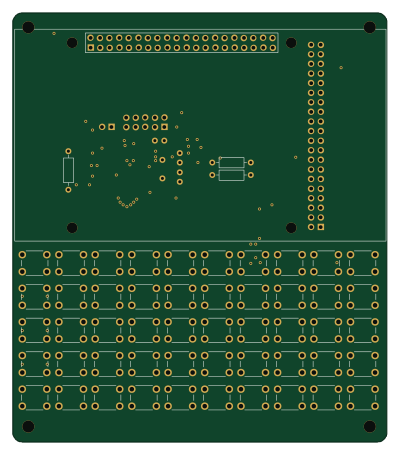 AVR/Arduino
Rpi ibex hyperpixel
99.1 × 113.5 mm32 parts2LGPL-3.01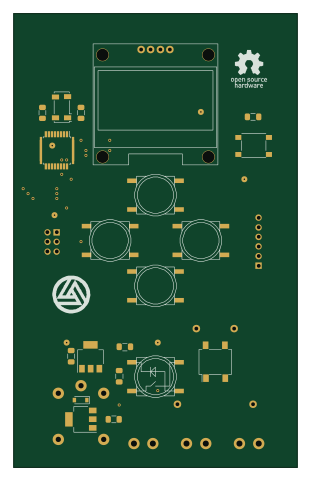 AVR/Arduino
Grinder timer
Clewsy
75 × 120 mm31 parts2LMIT1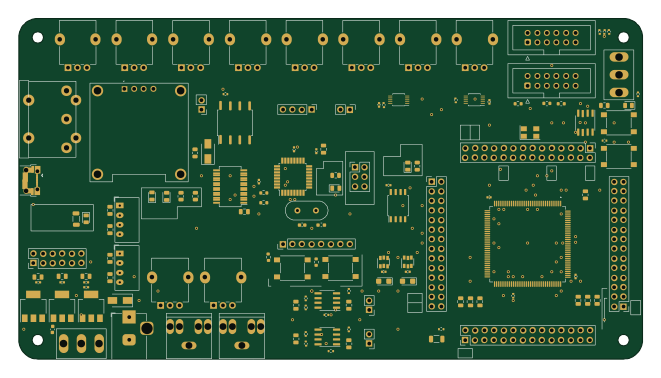 AVR/Arduino
Digital synth
giacomogramaglia
165 × 90.1 mm135 parts2LNo license0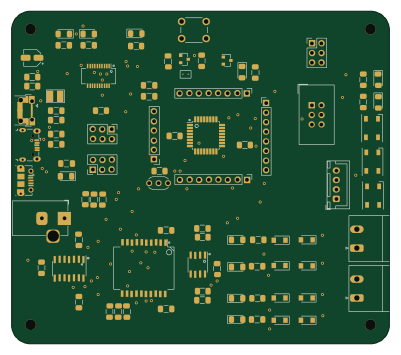 AVR/Arduino
Arduino DCC++
danielvilas
100 × 88 mm89 parts2LMIT0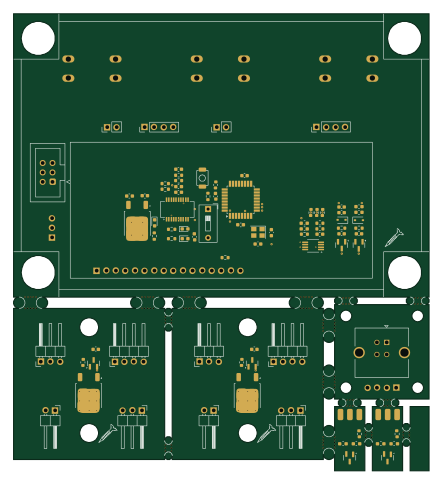 AVR/Arduino
Panel
Telekomak
110 × 121 mm79 parts2LNo license0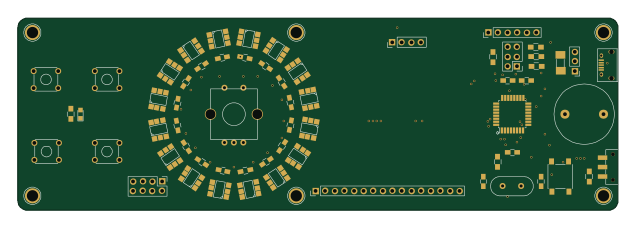 AVR/Arduino
Sit stand
moonfall
158.8 × 50.8 mm63 parts2LNo license0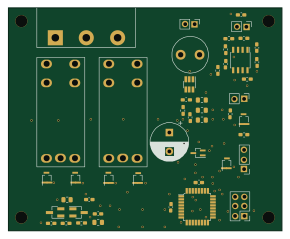 AVR/Arduino
Home automation
72.4 × 58.9 mm48 parts2LNo license0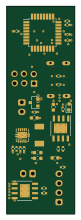 AVR/Arduino
Climate control
oskarengdahl
18 × 55 mm35 parts2LMIT0 AVR/Arduino
PartyTorch
cobieke-1
20 × 20 mm23 parts2LNo license0 AVR/Arduino
Badge ICA2026
natpoor
19.5 × 4.1 mm16 parts2LNo license0 AVR/Arduino
TR v0.1 backup
25.8 × 107.1 mm50 parts2LCC0-1.03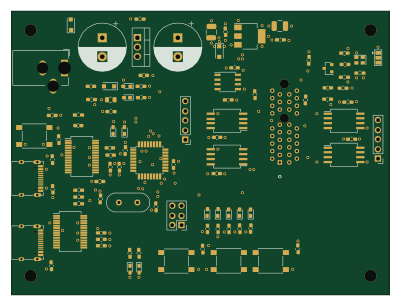 AVR/Arduino
RadioDev
tmolteno
100 × 75 mm99 parts4LGPL-3.01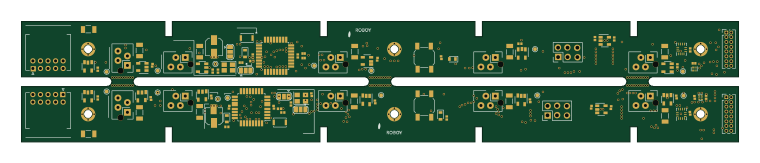 AVR/Arduino
Arm interface board panel
189.6 × 31.8 mm49 parts2LNo license1
How designs wire the ATMEGA328PB-AU
Read from the KiCad layouts of 38 open source designs, one per repository: what each pin of the ATMEGA328PB-AU connects to, and the resistors, capacitors and other passives placed on it.
- The VCC pin has a decoupling capacitor on 26 of 38 designs, most often 100 nF (then 1 µF).
- The AVCC pin has a decoupling capacitor on 26 of 38 designs, most often 100 nF (then 10 µF).
- The RESET/PC6 pin has a pull-up to 5V on 26 of 37 designs, most often 10 kΩ (then 100 kΩ).
- The XTAL1/PB6 pin has a crystal on 25 of 38 designs, most often 16 MHz (then 8 MHz).
| Pin | Connected to | Parts on the pin |
|---|---|---|
| VCCpin 4 | Connected to: 5V 89% |
|
| GNDpin 5, 21 | Connected to: GND 97% | — |
| XTAL1/PB6pin 7 | Connected to: Signal 84% · not connected 16% |
|
| XTAL2/PB7pin 8 | Connected to: Signal 82% · not connected 18% |
|
| AVCCpin 18 | Connected to: 5V 82% |
|
| AREFpin 20 | Connected to: Signal 50% · not connected 32% |
|
| RESET/PC6pin 29 | Connected to: A connector 73% |
|
24 more pins vary from design to design. Connections count pins, parts count designs; values in brackets are how many parts had that value. Designs read include Lofence by kiu, Brushless-Motor-Biz-Card by ageppert, PS2PSP by orangeglo and Jeep canbus by latonita.
The ATMEGA328PB-AU in open source designs
The gallery holds 46 open source boards using the ATMEGA328PB-AU from 39 GitHub repositories; a typical one measures about 76.7 × 57 mm and carries around 56 components.
91% are two-layer designs, the rest use four layers or more, and 54% carry an open source license.
The most starred is Lofence by kiu.
Parts used alongside the ATMEGA328PB-AU
Microcontrollers on boards using the ATMEGA328PB-AU
What boards using the ATMEGA328PB-AU are built for
ATMEGA328PB-AU: common questions
Where can I find a ATMEGA328PB-AU reference design?
Each of the 46 boards on this page is a real design using the ATMEGA328PB-AU. Open one to see how it is wired up, with the full BOM, a render of the layout and links to its KiCad files.
What decoupling capacitors do designs use on the ATMEGA328PB-AU VCC pin?
The VCC pin has a decoupling capacitor on 26 of 38 designs, most often 100 nF (then 1 µF). Counted from the KiCad layouts of 38 open source designs using the ATMEGA328PB-AU.
What decoupling capacitors do designs use on the ATMEGA328PB-AU AVCC pin?
The AVCC pin has a decoupling capacitor on 26 of 38 designs, most often 100 nF (then 10 µF). Counted from the KiCad layouts of 38 open source designs using the ATMEGA328PB-AU.
What pull-up resistor is used on the ATMEGA328PB-AU RESET/PC6 pin?
The RESET/PC6 pin has a pull-up to 5V on 26 of 37 designs, most often 10 kΩ (then 100 kΩ). Counted from the KiCad layouts of 38 open source designs using the ATMEGA328PB-AU.
What parts are used alongside the ATMEGA328PB-AU?
The MIC5504-3.3YM5, AMS1117-5.0, AP1117-50, FT232RL and LM1117-3.3 appear in the most repositories here.
Which microcontrollers do boards using the ATMEGA328PB-AU use?
Most are built on AVR/Arduino (45) and ESP32 (1).
How big is a typical board using the ATMEGA328PB-AU?
The median is 76.7 × 57 mm, and 91% are two-layer designs.
What is the most popular open source board using the ATMEGA328PB-AU?
By GitHub stars, Lofence by kiu, with 141 stars.
Can I simulate one of these boards using the ATMEGA328PB-AU before building it?
Yes. HardLabs turns a board's netlist and BOM into a working simulation, so you can boot and test firmware against it with no hardware on your desk.