
16 open source boards using the FT232RL
Real designs built with the FT232RL, from public GitHub projects: a quick way to see how others power, decouple and connect it. Each board comes with its KiCad files, full parts list and a render — and you can simulate its firmware on HardLabs.
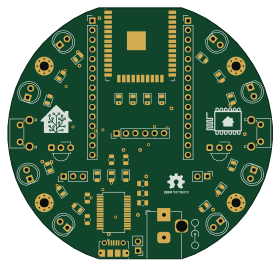 ESP32
ESP32KbxIRBlaster
kbx81
69.9 × 66.5 mm86 parts2LCC-BY-SA-4.056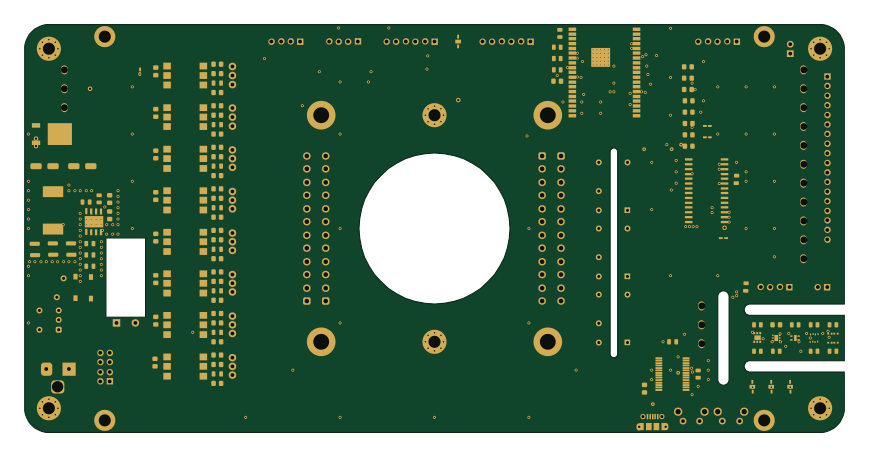 ESP32
ESP32ClimateSprinklerController
217 × 108 mm189 parts2LNo license54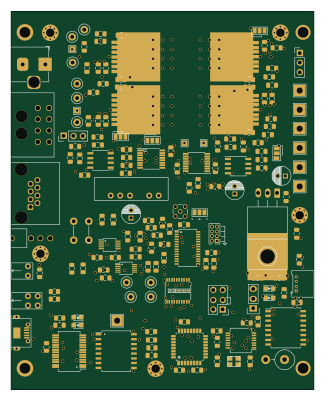 AVR/Arduino
DigitalTemperatureController
charlesbaynham
80 × 100 mm163 parts4LNo license14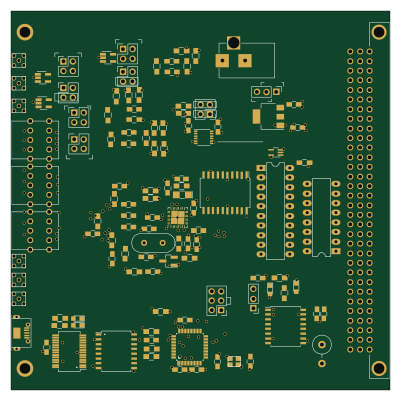 AVR/Arduino
GP22 RF Photon Correllation
100 × 100 mm116 parts4LNo license11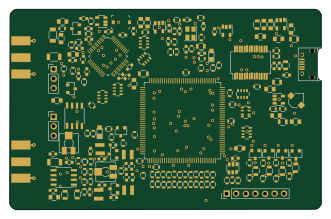
Osa103k
k3it
82.6 × 53 mm267 parts2LNo license6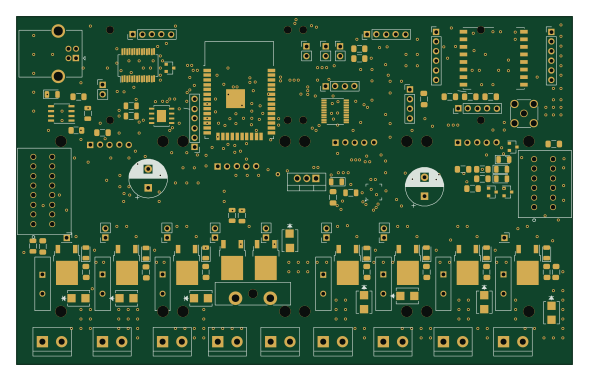 ESP32
ESP32Vandal
blinken
147 × 92 mm213 parts2LGPL-3.06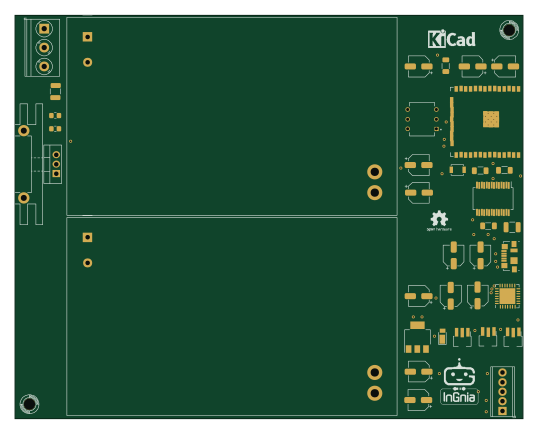 ESP32
ESP32PCB-LEDs-Controller
MbFredys
134.4 × 106.7 mm36 parts2LCERN-OHL-W-2.05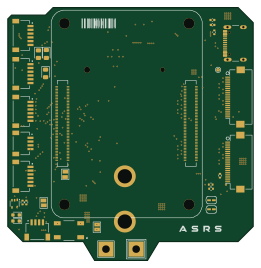
Specter
zenos01
65 × 67 mm72 parts4LNo license4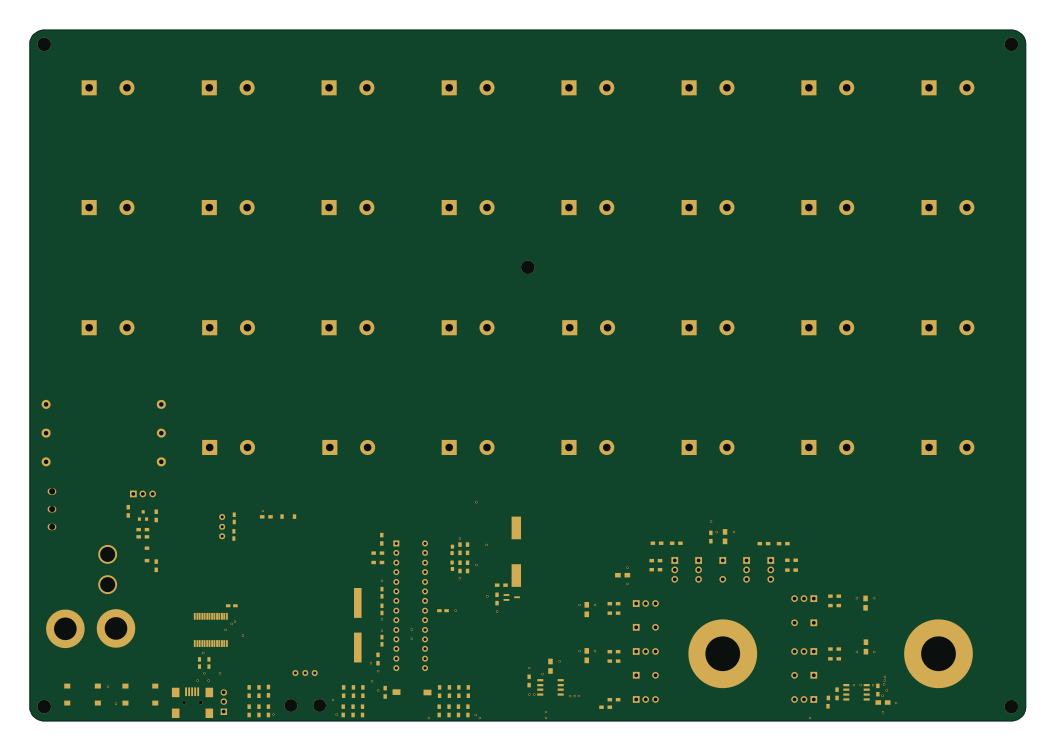 AVR/Arduino
Spot Welder Hardware
andrewvh4
263.7 × 182.9 mm150 parts2LNo license0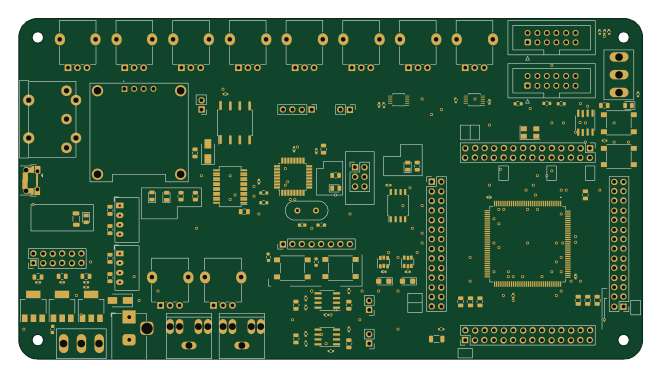 AVR/Arduino
Digital synth
giacomogramaglia
165 × 90.1 mm135 parts2LNo license0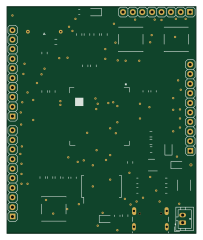
HW-RAK3172-EaseBoard
J-Rios
50 × 60 mm46 parts2LNo license0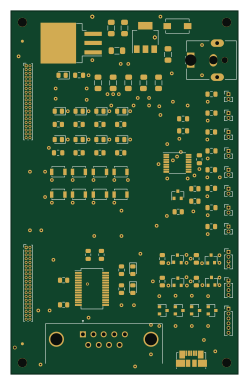
PBC TP Final - Tarjeta Expación GEO HCAL
brengi
60 × 96 mm141 parts2LNo license7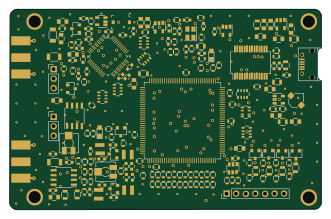
Osa103k backup
82.6 × 53 mm267 parts2LNo license6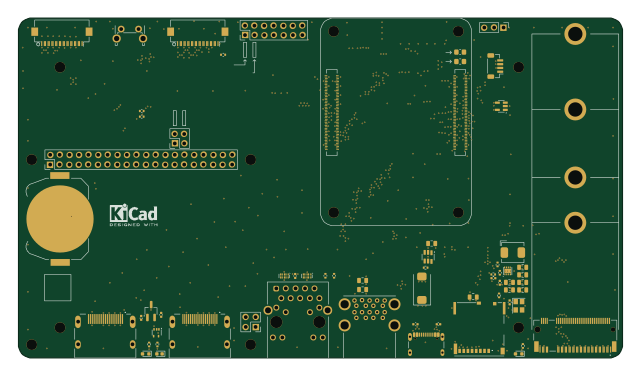 Raspberry Pi
CM5IO
160 × 90 mm62 parts4LNo license4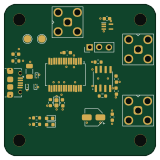
Timer usb board v0 2
miniscope
40 × 40 mm29 parts4LCERN-OHL-S-2.02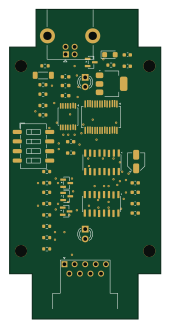
JCMuac
stonedDiscord
40 × 82 mm42 parts2LBSD-2-Clause4
The FT232RL in open source designs
The gallery holds 16 open source boards using the FT232RL from 14 GitHub repositories; a typical one measures about 82.6 × 90 mm and carries around 126 components.
69% are two-layer designs, the rest use four layers or more, and 31% carry an open source license.
The most starred is KbxIRBlaster by kbx81.
Parts used alongside the FT232RL
Microcontrollers on boards using the FT232RL
What boards using the FT232RL are built for
FT232RL: common questions
Where can I find a FT232RL reference design?
Each of the 16 boards on this page is a real design using the FT232RL. Open one to see how it is wired up, with the full BOM, a render of the layout and links to its KiCad files.
What parts are used alongside the FT232RL?
The ATMEGA328P-A, ESP32-WROOM-32 and ISO7242 appear in the most repositories here.
Which microcontrollers do boards using the FT232RL use?
Most are built on AVR/Arduino (4), ESP32 (4) and Raspberry Pi (1).
How big is a typical board using the FT232RL?
The median is 82.6 × 90 mm, and 69% are two-layer designs.
What is the most popular open source board using the FT232RL?
By GitHub stars, KbxIRBlaster by kbx81, with 56 stars.
Can I simulate one of these boards using the FT232RL before building it?
Yes. HardLabs turns a board's netlist and BOM into a working simulation, so you can boot and test firmware against it with no hardware on your desk.