
55 open source boards using the CH343P
Real designs built with the CH343P, from public GitHub projects: a quick way to see how others power, decouple and connect it. Each board comes with its KiCad files, full parts list and a render — and you can simulate its firmware on HardLabs.
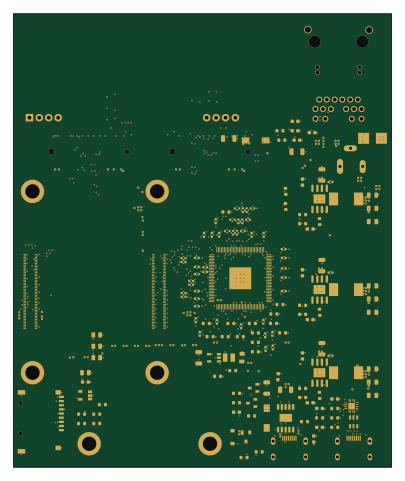
Astra piNas
jlcjak
100 × 120 mm176 parts6LNo license29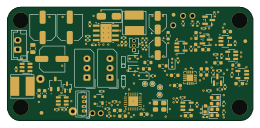
Grippette - USB hub and Dynamixel device
pollen-robotics
65 × 30 mm113 parts4LApache-2.010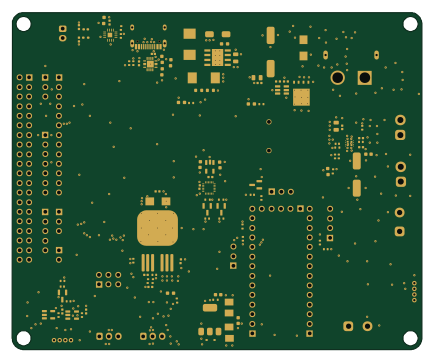
MARS Dev Board
innate-inc
108.4 × 89.2 mm126 parts6LCERN-OHL-S-2.08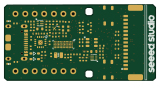
Grove - Vision AI Module V2
hephaestushex
40 × 20 mm112 parts4LNo license5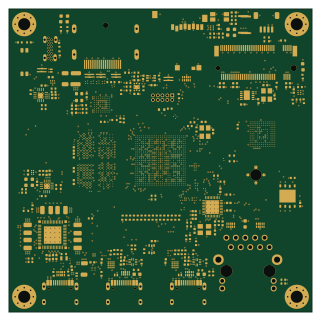
Qsbc
qfreiman
80 × 80 mm409 parts8LGPL-3.03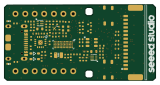
Grove - Vision AI Module V2
dhirptl
40 × 20 mm112 parts4LMIT3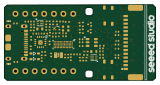
Grove - Vision AI Module V2
Videocraft10
40 × 20 mm112 parts4LMIT2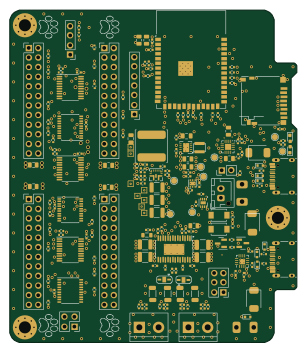 ESP32
Hoerbaer
drachosaurus
76 × 88 mm195 parts4LNo license1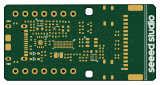
Grove - Vision AI Module V2
sinismylastname
40 × 20 mm112 parts4LNo license1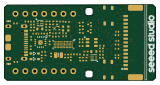
Grove - Vision AI Module V2
feastorg
40 × 20 mm112 parts4LCC0-1.01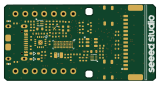
Grove - Vision AI Module V2
GrussmayerLab
40 × 20 mm112 parts4LNo license1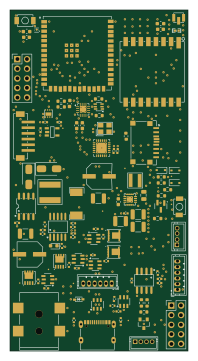 ESP32
IoT-NG
William2R
46.9 × 90 mm110 parts4LMIT1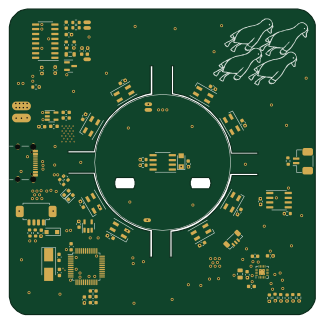 STM32
FOC Control Boards
coopjz
81 × 80.9 mm106 parts4LMIT1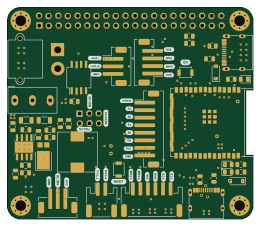 ESP32
Seebum
peedrooh
65 × 56 mm91 parts4LNo license1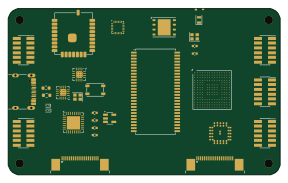 STM32
Nes shell
TheBadZhang
72 × 44 mm54 parts6LNo license1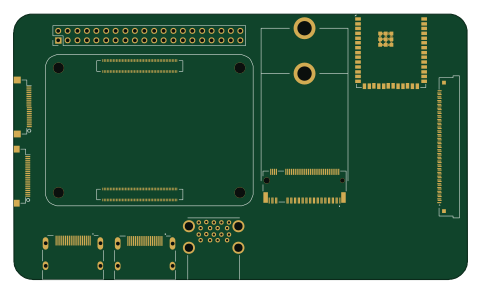 ESP32
Felső panel
NBence0
120.1 × 70.2 mm274 parts6LNo license0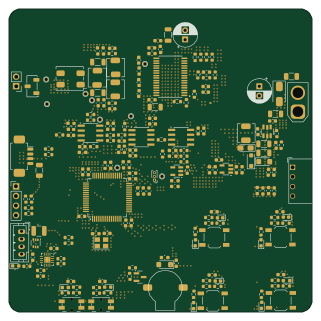 STM32
Underwater-Communication
Frrrrrrrrrank
80 × 80 mm211 parts4LNo license0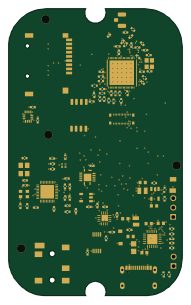 ESP32
Q2-v2
0x616c6f6e
46 × 76 mm192 parts6LNo license0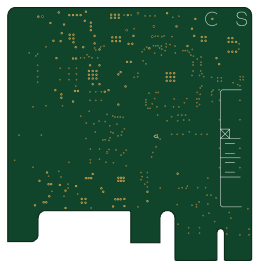 ESP32
ExoAnchor P4 V2.4A6
wxffxx
64.5 × 67 mm190 parts6LMIT0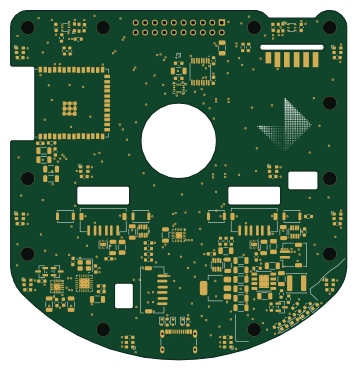 ESP32
Kabot
kabot-io
89 × 92.5 mm137 parts2LCC-BY-NC-4.00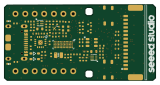
Grove - Vision AI Module V2
realBoltDev
40 × 20 mm112 parts4LNo license0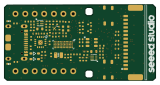
Grove - Vision AI Module V2
AM1NOM
40 × 20 mm112 parts4LMIT0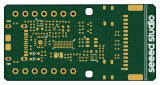
Grove - Vision AI Module V2
DwayneCrous
40 × 20 mm112 parts4LNo license0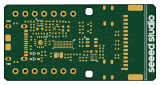
Grove - Vision AI Module V2
Efe-Cal
40 × 20 mm112 parts4LNo license0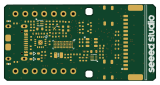
Grove - Vision AI Module V2
Hasona57
40 × 20 mm112 parts4LNo license0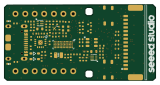
Grove - Vision AI Module V2
ishan211
40 × 20 mm112 parts4LNo license0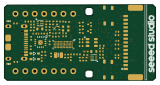
Grove - Vision AI Module V2
joshujo
40 × 20 mm112 parts4LNo license0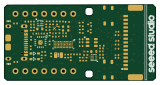
Grove - Vision AI Module V2
Kareem993-cmd
40 × 20 mm112 parts4LNo license0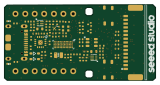
Grove - Vision AI Module V2
newtontriumphant
40 × 20 mm112 parts4LNo license0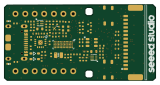
Grove - Vision AI Module V2
obobed
40 × 20 mm112 parts4LGPL-3.00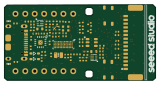
Grove - Vision AI Module V2
Protract-123
40 × 20 mm112 parts4LNo license0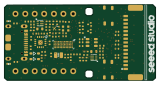
Grove - Vision AI Module V2
samanbeer
40 × 20 mm112 parts4LNo license0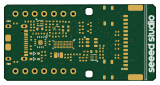
Grove - Vision AI Module V2
tomonoriyamazaki
40 × 20 mm112 parts4LNo license0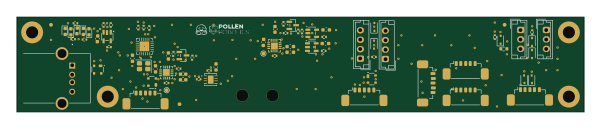
Elec Maroilles
150 × 25 mm75 parts4LApache-2.00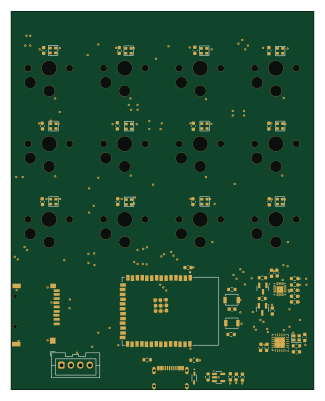 ESP32
Macro keyboard
drfhaust
80 × 100 mm74 parts2LNo license0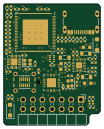 AVR/Arduino
Linux soc
NEOgHacking
25.5 × 32 mm73 parts4LNo license0
How designs wire the CH343P
Read from the KiCad layouts of 49 open source designs, one per repository: what each pin of the CH343P connects to, and the resistors, capacitors and other passives placed on it.
- The V3 pin has a capacitor to GND on 48 of 49 designs, most often 100 nF (then 1 µF).
- The VIO pin has a capacitor to GND on 47 of 49 designs, most often 100 nF (then 1 µF).
- The VDD5 pin has a decoupling capacitor on 47 of 49 designs, most often 100 nF (then 1 µF).
- The VBUS pin has a decoupling capacitor on 44 of 49 designs, most often 100 nF (then 1 µF).
| Pin | Connected to | Parts on the pin |
|---|---|---|
| VIOpin 1 | Connected to: Signal 57% · 3.3V 43% |
|
| GNDpin 2 | Connected to: GND 100% | — |
| VDD5pin 3 | Connected to: VBUS 90% |
|
| V3pin 6 | Connected to: Signal 84% · 3.3V 16% |
|
| VBUSpin 9 | Connected to: VBUS 90% |
|
| ACTpin 10 | Connected to: Not connected 92% | — |
| DCDpin 11 | Connected to: Not connected 100% | — |
| DTRpin 12 | Connected to: Not connected 71% · a signal 29% | — |
| RTSpin 13 | Connected to: Signal 82% · not connected 18% |
|
| DSRpin 14 | Connected to: Not connected 100% | — |
| CTSpin 15 | Connected to: Not connected 96% | — |
| RIpin 16 | Connected to: Not connected 100% | — |
| EPADpin 17 | Connected to: GND 98% | — |
4 more pins vary from design to design. Connections count pins, parts count designs; values in brackets are how many parts had that value. Designs read include Frank next by rh1tech, Astra piNas by jlcjak, Fmc sdram by chipsalliance and Grove - Vision AI Module V2 by Josephrp.
The CH343P in open source designs
The gallery holds 55 open source boards using the CH343P from 50 GitHub repositories; a typical one measures about 43 × 34.9 mm and carries around 112 components.
85% use four copper layers or more, and 42% carry an open source license.
The most starred is Frank next by rh1tech.
Parts used alongside the CH343P
Microcontrollers on boards using the CH343P
What boards using the CH343P are built for
CH343P: common questions
Where can I find a CH343P reference design?
Each of the 55 boards on this page is a real design using the CH343P. Open one to see how it is wired up, with the full BOM, a render of the layout and links to its KiCad files.
How is the CH343P V3 pin connected?
The V3 pin has a capacitor to GND on 48 of 49 designs, most often 100 nF (then 1 µF). Counted from the KiCad layouts of 49 open source designs using the CH343P.
How is the CH343P VIO pin connected?
The VIO pin has a capacitor to GND on 47 of 49 designs, most often 100 nF (then 1 µF). Counted from the KiCad layouts of 49 open source designs using the CH343P.
What decoupling capacitors do designs use on the CH343P VDD5 pin?
The VDD5 pin has a decoupling capacitor on 47 of 49 designs, most often 100 nF (then 1 µF). Counted from the KiCad layouts of 49 open source designs using the CH343P.
What parts are used alongside the CH343P?
The HX6538, SY80004DQD, W25Q128JWSIQ, WR0331-18FF4R and CH334F appear in the most repositories here.
Which microcontrollers do boards using the CH343P use?
Most are built on ESP32 (18), RP2040/RP2350 (3), STM32 (3) and AVR/Arduino (1).
How big is a typical board using the CH343P?
The median is 43 × 34.9 mm, and 15% are two-layer designs.
What is the most popular open source board using the CH343P?
By GitHub stars, Frank next by rh1tech, with 65 stars.
Can I simulate one of these boards using the CH343P before building it?
Yes. HardLabs turns a board's netlist and BOM into a working simulation, so you can boot and test firmware against it with no hardware on your desk.