
34 open source boards using the LM321
Real designs built with the LM321, from public GitHub projects: a quick way to see how others power, decouple and connect it. Each board comes with its KiCad files, full parts list and a render — and you can simulate its firmware on HardLabs.
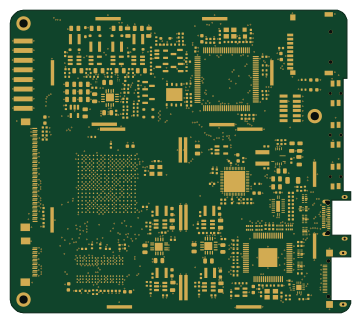 STM32
Glider
Modos-Labs
90 × 80 mm356 parts4LCERN-OHL-S-2.02.7k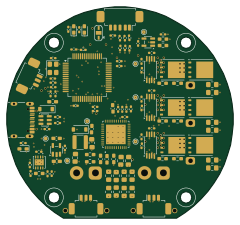 STM32
Sf motion
sirojudinMunir
60 × 56 mm123 parts2LMIT95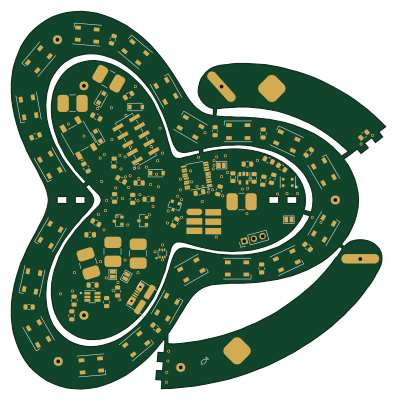 STM32
Tensigral lamp
cnlohr
99 × 99.8 mm83 parts2LMIT13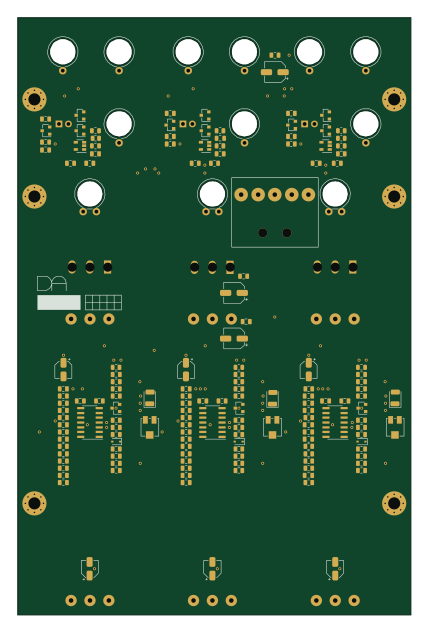
230D
DunningtonAudio
104 × 158 mm176 parts2LGPL-3.07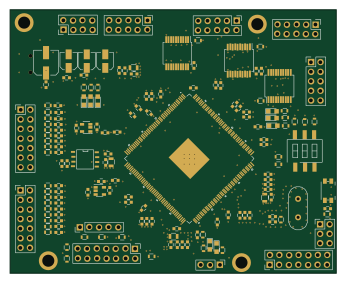
TMS320F28377S-
LE-TOM
86.4 × 69.9 mm172 parts3LNo license6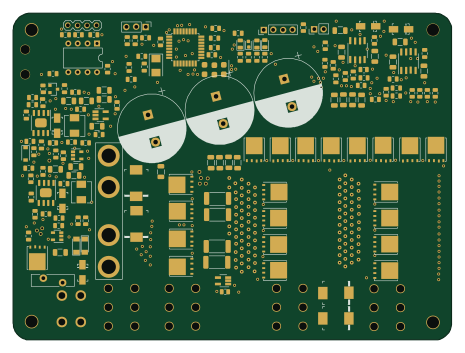 AVR/Arduino
Highpower controller
pypilot
116 × 86.4 mm168 parts4LNo license3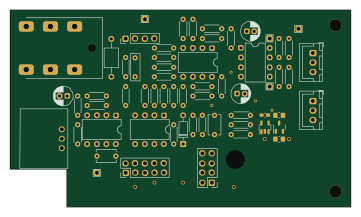
XPS:Channel
yu2924
90 × 52 mm65 parts2LCC0-1.03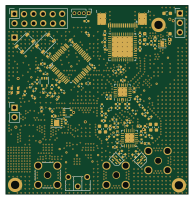 STM32
RFB
Penta0308
48.2 × 50 mm226 parts6LNo license2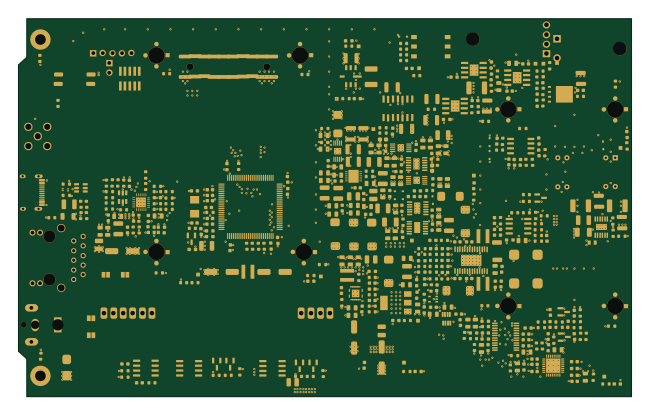 STM32
Kirdy
sinara-hw
162.3 × 100 mm494 parts4LNo license1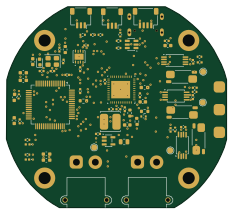 STM32
Tripod-FOC
GoTouchGra55
58.2 × 53.1 mm126 parts4LMIT1 Nordic nRF
Skulljack
ultimaterobotics
40 × 34.6 mm66 parts2LMIT1 STM32
Payload V01
space-technologies-at-california
90.2 × 95.9 mm47 parts2LNo license1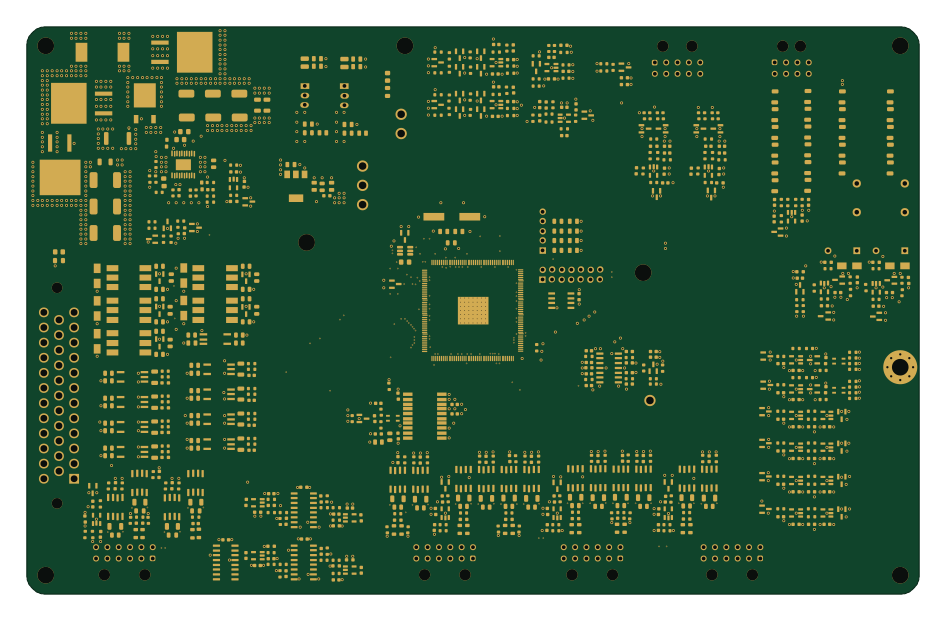
EVD80 MCU
Alexandr-Filatov
236 × 150 mm746 parts6LNo license0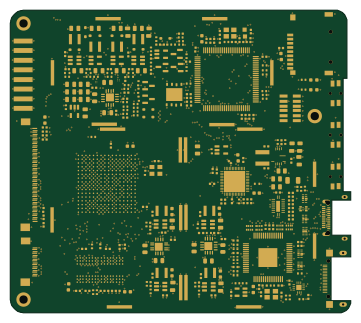 STM32
Glider
pdyxs
90 × 80 mm356 parts4LCERN-OHL-S-2.00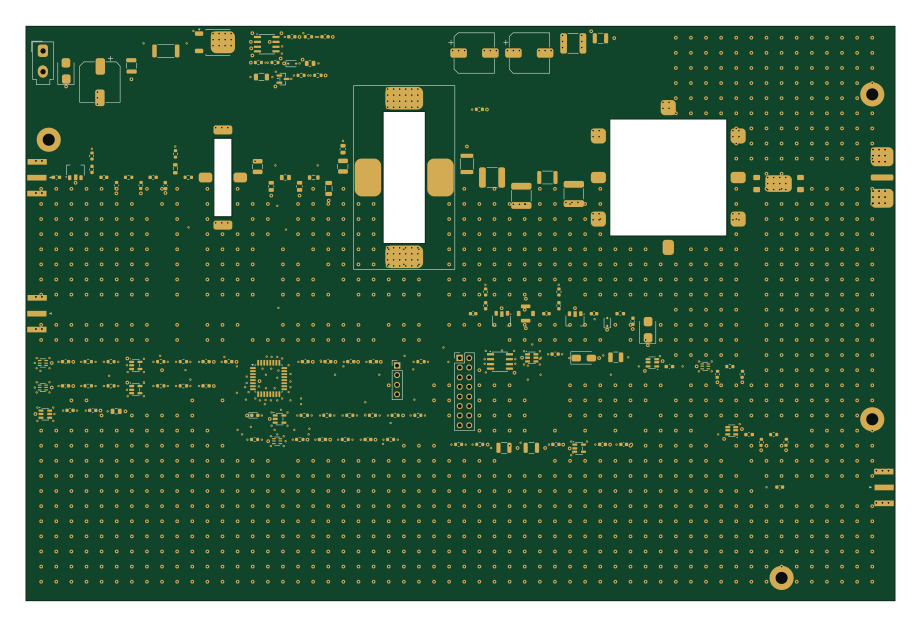 STM32
SENTINEL-UHF T/R Module, 420-450 MHz, 300 W
ajisrawi
230 × 152 mm140 parts4LNo license0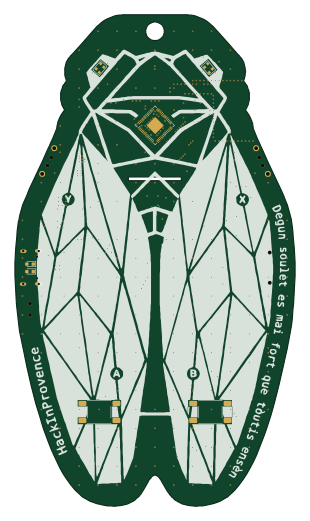 RP2040/RP2350
HIP SecSea
cchaloin
74.1 × 130 mm121 parts4LNo license0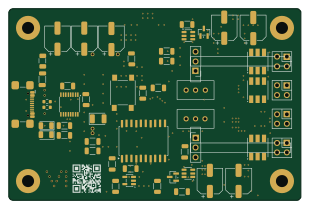 AVR/Arduino
Pdb
0x007E
77.5 × 50.8 mm110 parts2LCC-BY-NC-4.00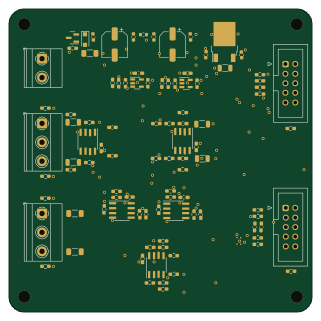
Digital tone
barrybridges68
80 × 80 mm96 parts2LGPL-3.00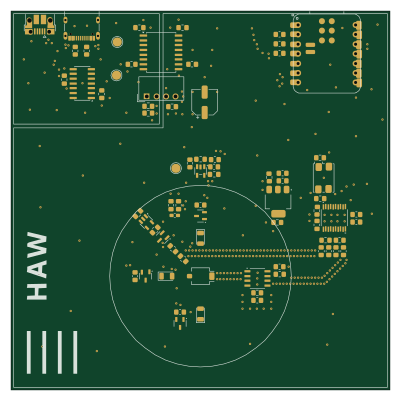 ESP32
Reflectometer
FynnK
100 × 100 mm70 parts4LNo license0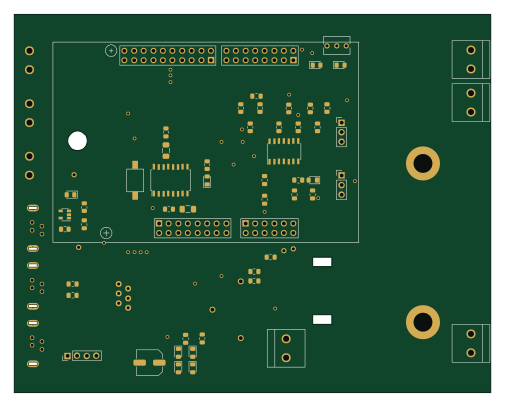
Project - VRMS
lnls-sirius
126 × 100 mm60 parts2LNo license0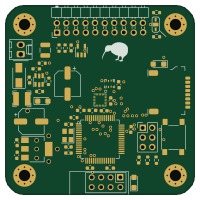 STM32
Rc helicopter mainboard
ikajdan
50 × 50 mm49 parts2LCERN-OHL-P-2.00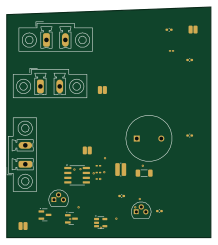
CLASSD-AMP
PanditAdityaJi
54 × 61 mm25 parts2LNo license0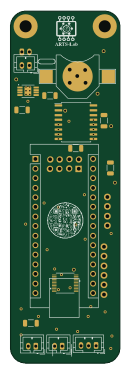 AVR/Arduino
Smart penetrometer.kicad pro
ARTS-Laboratory
29 × 93.3 mm32 parts4LCC-BY-SA-4.06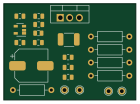
Discharge
m24h
35 × 25.5 mm22 parts2LApache-2.06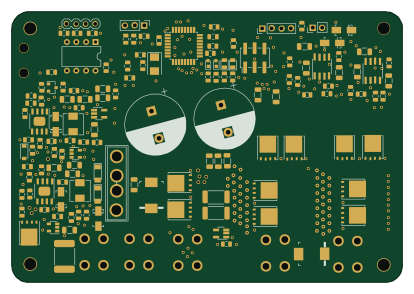 AVR/Arduino
Midpower controller
103.4 × 71.6 mm142 parts4LNo license3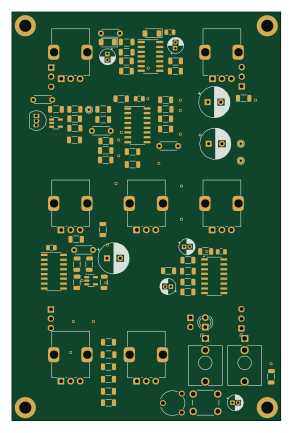
Syntom
Bad-Dog-Designs
71 × 108 mm93 parts2LGPL-2.014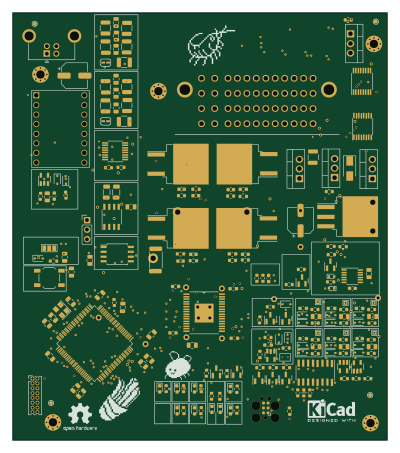 STM32
UEFI
Churrosoft
99 × 113 mm228 parts4LCERN-OHL-S-2.08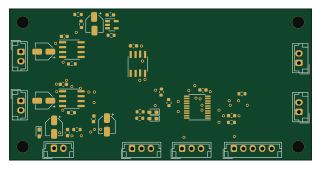
Digital volume
80 × 40 mm41 parts2LGPL-3.00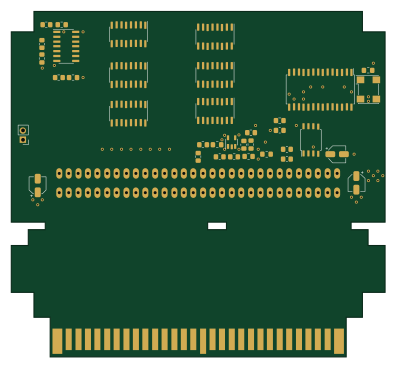
EPSM-Famicom blank
Perkka2
99 × 91.5 mm39 parts2LCustom license76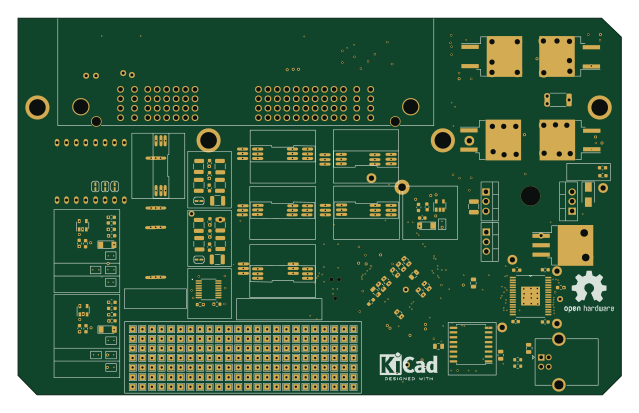 STM32
STM32F rev3
159.6 × 99.6 mm171 parts4LCERN-OHL-S-2.08
SMD Pneu
AndrewHauck
5.8 × 5.9 mm3 parts2LNo license4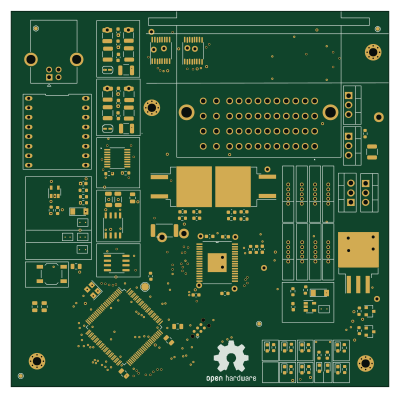 STM32
ΜEFI rev2
99.9 × 99.3 mm151 parts4LCERN-OHL-S-2.08
Kinky lynx
tpcarlson
40.3 × 128.5 mm129 parts2LNo license106
Sensors V2
15 × 11 mm12 parts2LCERN-OHL-S-2.08
How designs wire the LM321
Read from the KiCad layouts of 29 open source designs, one per repository: what each pin of the LM321 connects to, and the resistors, capacitors and other passives placed on it.
- The V- pin is tied to GND on 21 of 29 designs (-12V on 4, a signal on 3).
- The + pin has a series resistor on 15 of 29 designs, most often 100 kΩ (then 10 kΩ).
- The - pin has a series resistor on 15 of 29 designs, most often 10 kΩ (then 4.7 kΩ).
- Pin 4 has a series resistor on 15 of 29 designs, most often 1 kΩ (then 0 Ω).
| Pin | Connected to | Parts on the pin |
|---|---|---|
| +pin 1 | Connected to: Signal 86% |
|
| V-pin 2 | Connected to: GND 72% | — |
| -pin 3 | Connected to: Signal 86% |
|
| Pin 4 | Connected to: Signal 93% |
|
| V+pin 5 | Connected to: 5V 79% · a signal 17% |
|
Connections count pins, parts count designs; values in brackets are how many parts had that value. Designs read include Glider by Modos-Labs, Kinky lynx by tpcarlson, Sf motion by sirojudinMunir and EPSM-Famicom blank by Perkka2.
The LM321 in open source designs
The gallery holds 34 open source boards using the LM321 from 29 GitHub repositories; a typical one measures about 88.2 × 83.2 mm and carries around 116 components.
53% are two-layer designs, the rest use four layers or more, and 53% carry an open source license.
The most starred is Glider by Modos-Labs.
Parts used alongside the LM321
Microcontrollers on boards using the LM321
What boards using the LM321 are built for
LM321: common questions
Where can I find a LM321 reference design?
Each of the 34 boards on this page is a real design using the LM321. Open one to see how it is wired up, with the full BOM, a render of the layout and links to its KiCad files.
How is the LM321 V- pin connected?
The V- pin is tied to GND on 21 of 29 designs (-12V on 4, a signal on 3). Counted from the KiCad layouts of 29 open source designs using the LM321.
What resistor goes on the LM321 + pin?
The + pin has a series resistor on 15 of 29 designs, most often 100 kΩ (then 10 kΩ). Counted from the KiCad layouts of 29 open source designs using the LM321.
What resistor goes on the LM321 - pin?
The - pin has a series resistor on 15 of 29 designs, most often 10 kΩ (then 4.7 kΩ). Counted from the KiCad layouts of 29 open source designs using the LM321.
What parts are used alongside the LM321?
The 74HC123, ADV7611, AS5047D, CBTL02043A and FUSB302BMPX appear in the most repositories here.
Which microcontrollers do boards using the LM321 use?
Most are built on STM32 (13), AVR/Arduino (4), ESP32 (1) and Nordic nRF (1).
How big is a typical board using the LM321?
The median is 88.2 × 83.2 mm, and 53% are two-layer designs.
What is the most popular open source board using the LM321?
By GitHub stars, Glider by Modos-Labs, with 2,676 stars.
Can I simulate one of these boards using the LM321 before building it?
Yes. HardLabs turns a board's netlist and BOM into a working simulation, so you can boot and test firmware against it with no hardware on your desk.