
35 open source boards using the LP2985-33DBVR
Real designs built with the LP2985-33DBVR, from public GitHub projects: a quick way to see how others power, decouple and connect it. Each board comes with its KiCad files, full parts list and a render — and you can simulate its firmware on HardLabs.
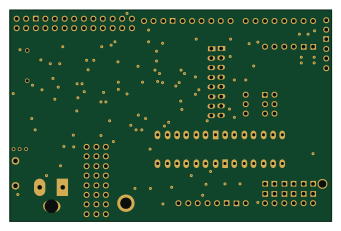 AVR/Arduino
Alamode
wyolum
85.1 × 55.9 mm75 partsNo license35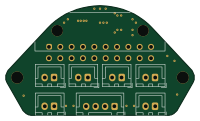
Toolhead
skuep
49.8 × 29 mm17 parts2LGPL-3.028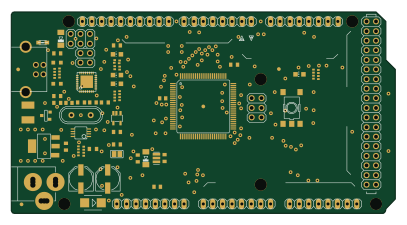 AVR/Arduino
Arduino MEGA 2560-Rev3
bobc
101.6 × 53.3 mm69 partsNo license22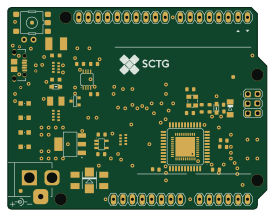 AVR/Arduino
Leonardo
eltorio
68.6 × 53.3 mm56 parts2LCC-BY-SA-4.021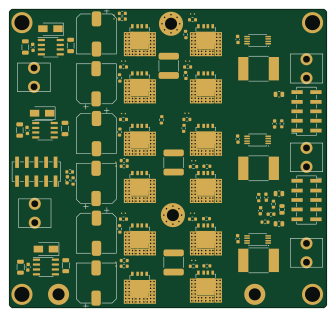 STM32
Unimoc jacobi
Tecnologic
84 × 79 mm229 parts4LGPL-3.04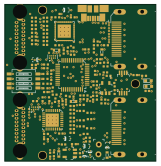 Silicon Labs
Video signal booster board
timvideos
40 × 41.5 mm128 parts4LApache-2.03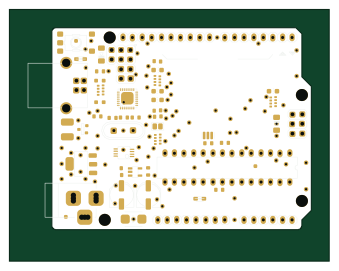 AVR/Arduino
UNO-TH Rev3e
humancomputerintegration
84.5 × 66.5 mm118 parts2LGPL-3.03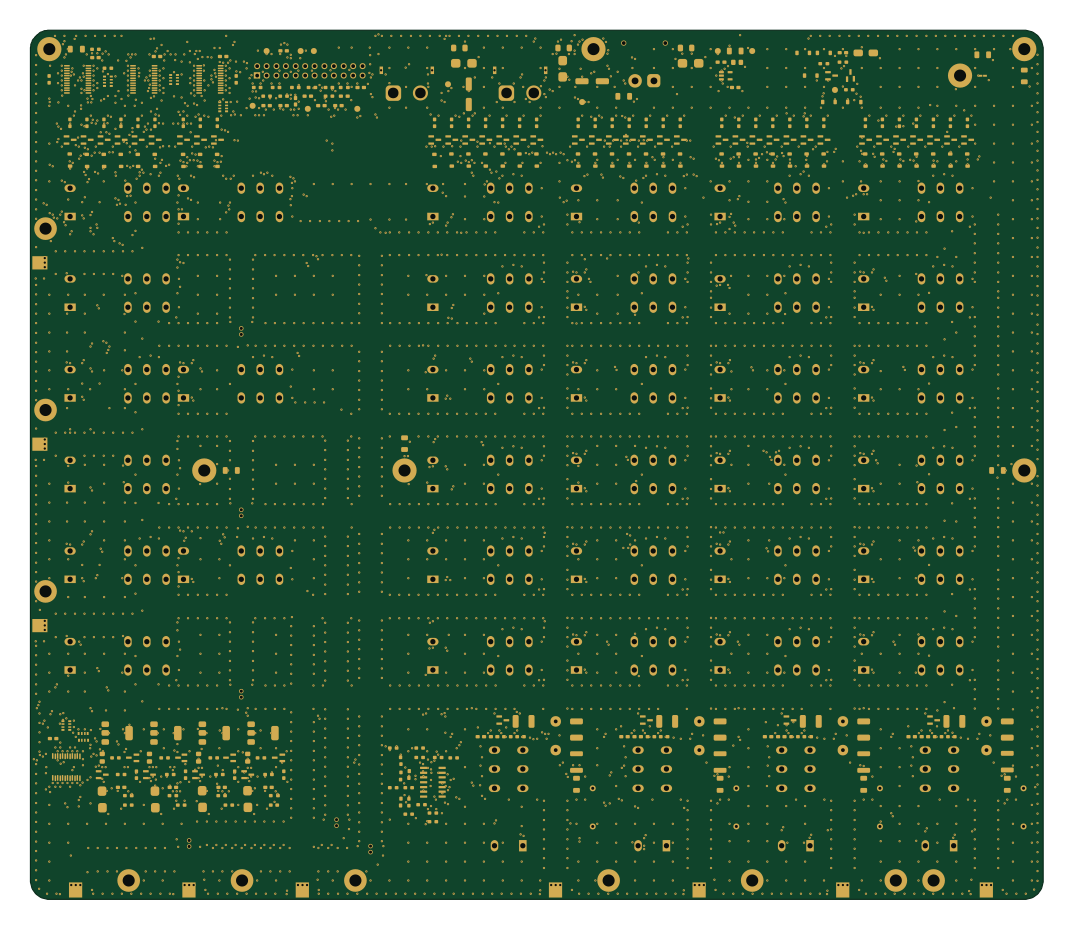
Shack Relay Matrix rev C: RF board
PE1RGU
268 × 230 mm337 parts6LCERN-OHL-S-2.02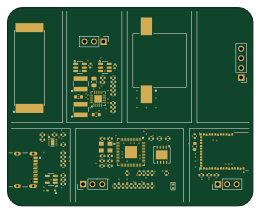 RP2040/RP2350
TemperatureSensor
PolygonHJ
65 × 52.5 mm78 parts4LMIT2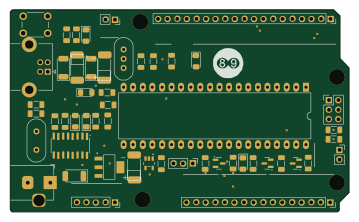 AVR/Arduino
Ardui89 Cinque Uno
Cyrillinux
89.7 × 53.5 mm52 parts2LNo license2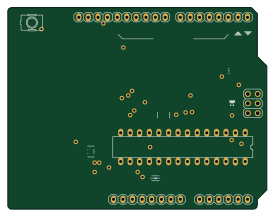 AVR/Arduino
Arduino-Compatible-Board
ercanersoy
68.6 × 53.3 mm48 partsCC-BY-SA-4.02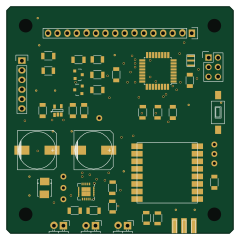 AVR/Arduino
Solar lora
mattvenn
60 × 60 mm45 parts2LNo license2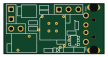 STM32
Fst-01
vinaebizs
26.5 × 13.2 mm22 partsNo license1 STM32
Fst-01
green-codes
21.2 × 12.6 mm16 partsNo license1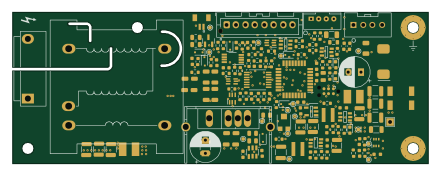 STM32
OpenExcimer-Hardware
OSLUV
110 × 40 mm138 parts4LCERN-OHL-S-2.00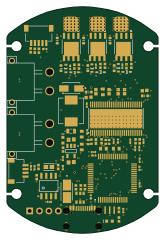 STM32
Stm8-bootloader extended
niksrajendra
40 × 60 mm131 parts2LNo license0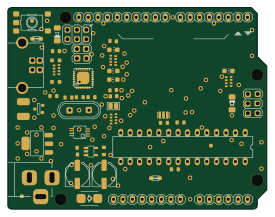 AVR/Arduino
UNO-TH Rev3e
lusmdl
68.6 × 53.3 mm120 parts2LMIT0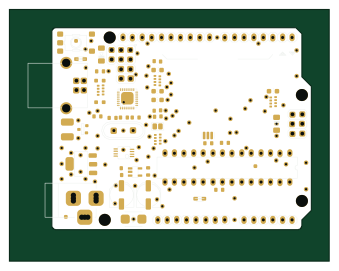 AVR/Arduino
UNO-TH Rev3e
Human-Computer-Integration-Lab
84.5 × 66.5 mm118 parts2LNo license0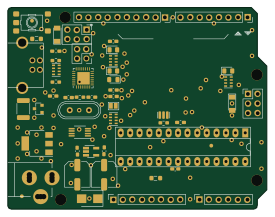 AVR/Arduino
UNO-TH Rev3e
NadjB
68.6 × 53.3 mm111 parts2LNo license0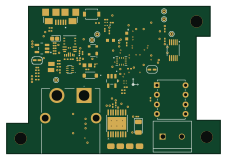
Betr kicad resources
TheUnknownAlias
56.6 × 39 mm85 parts4LCustom license0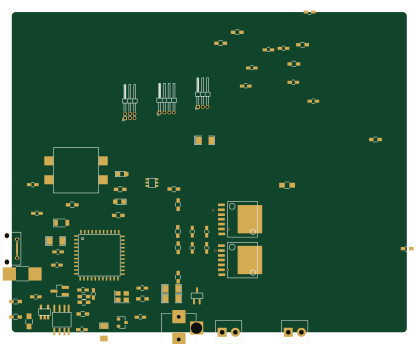 AVR/Arduino
Patriot Companion
dmiracle
104.7 × 84.8 mm82 parts2LNo license0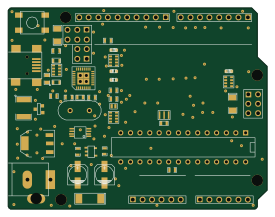 AVR/Arduino
Kicaduino
jasiek
68.6 × 53.3 mm51 parts2LNo license0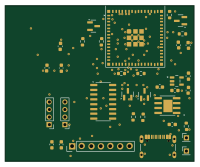 ESP32
Home health care
nguyen-van-phuong-19
50 × 41.3 mm49 parts4LNo license0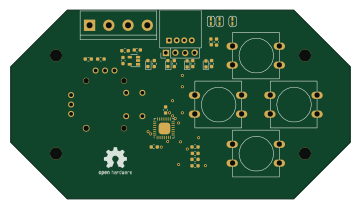 AVR/Arduino
WiredController
asukiaaa
90 × 50 mm35 parts2LNo license0- schematic only · 17 parts
ATSMiniBT
funk222
17 partsNo license0 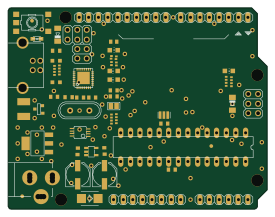 AVR/Arduino
Arduino Uno Rev3-02-TH
68.6 × 53.3 mm57 partsNo license22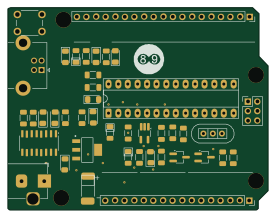 AVR/Arduino
Ardui89 UNO
68.8 × 53.5 mm41 parts2LNo license2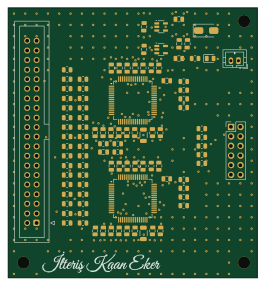
Eeg ads1299
kaanpars
66 × 71.5 mm100 parts4LGPL-3.00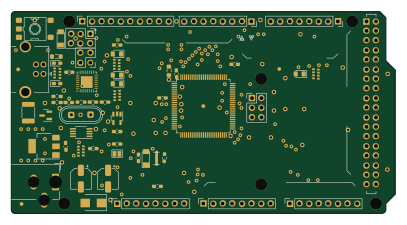 AVR/Arduino
MEGA2560 Rev3e
101.6 × 53.3 mm60 parts2LNo license0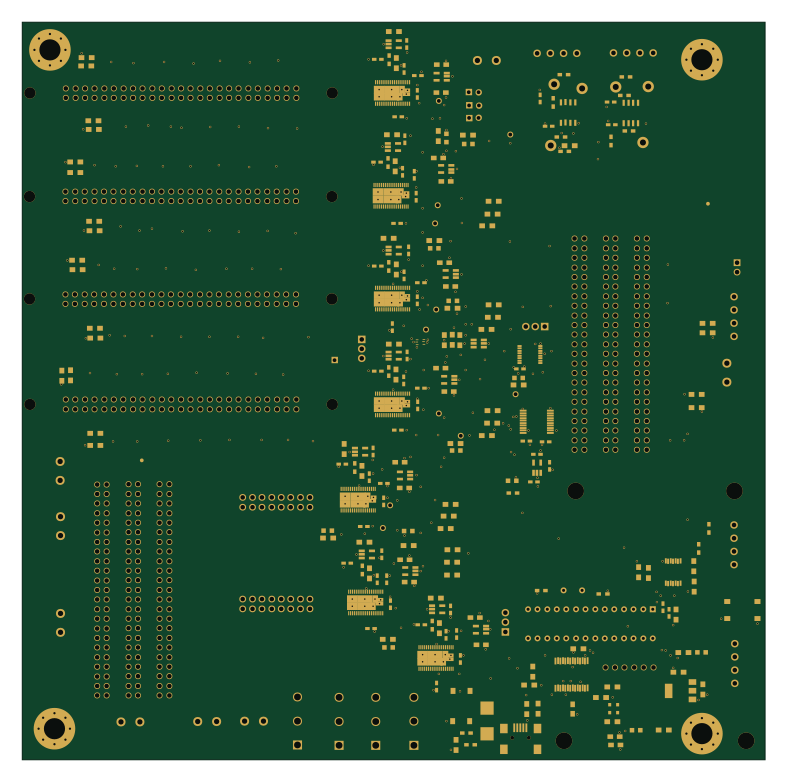 AVR/Arduino
Motherboard
ParadigmHyperloop
196.4 × 195.1 mm262 parts2LCustom license11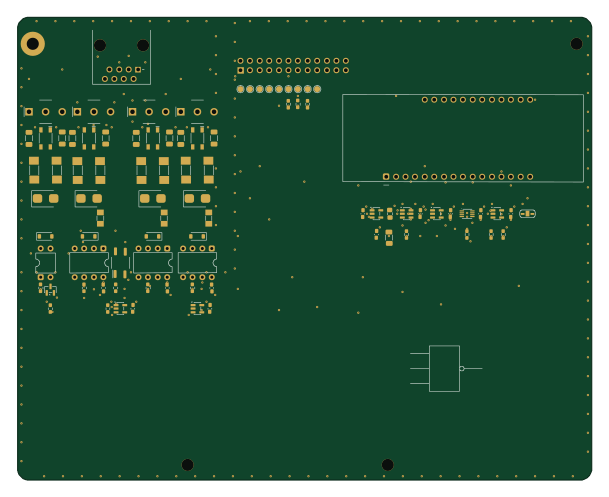 ESP32
Shack Relay Matrix rev C: controller board
152 × 122.5 mm79 parts4LCERN-OHL-S-2.02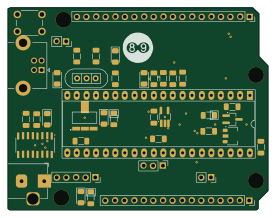 AVR/Arduino
Ardui89 UNO 5X
68.8 × 53.5 mm40 parts2LNo license2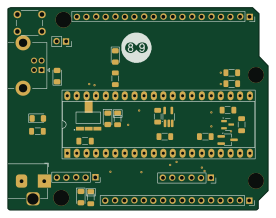 AVR/Arduino
Ardui89 UNO 32X
68.8 × 53.5 mm30 parts2LNo license2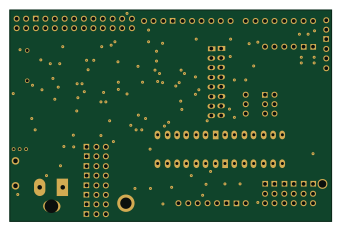 AVR/Arduino
ALaMode v3
85.1 × 55.9 mm76 partsNo license1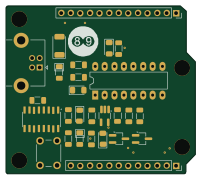 AVR/Arduino
Ardui89 MINI
50.2 × 44.5 mm27 parts2LNo license2
How designs wire the LP2985-33DBVR
Read from the KiCad layouts of 27 open source designs, one per repository: what each pin of the LP2985-33DBVR connects to, and the resistors, capacitors and other passives placed on it.
- The VOUT pin has a decoupling capacitor on 24 of 26 designs, most often 1 µF (then 100 nF).
- The VIN pin has a decoupling capacitor on 23 of 27 designs, most often 100 nF (then 1 µF).
- The ON/OFF pin is tied to 5V on 20 of 27 designs (a signal on 7).
- The BP pin has a capacitor to GND on 15 of 26 designs, most often 10 nF.
| Pin | Connected to | Parts on the pin |
|---|---|---|
| VINpin 1 | Connected to: 5V 70% · a signal 26% |
|
| GNDpin 2 | Connected to: GND 93% | — |
| ON/OFFpin 3 | Connected to: 5V 74% · a signal 26% | — |
| BPpin 4 | Connected to: Signal 58% · not connected 42% |
|
| VOUTpin 5 | Connected to: 3.3V 92% |
|
Connections count pins, parts count designs; values in brackets are how many parts had that value. Designs read include Alamode by wyolum, Toolhead PCB by skuep, Arduino MEGA 2560-Rev3 by bobc and Leonardo by eltorio.
The LP2985-33DBVR in open source designs
The gallery holds 35 open source boards using the LP2985-33DBVR from 28 GitHub repositories; a typical one measures about 68.7 × 53.3 mm and carries around 69 components.
67% are two-layer designs, the rest use four layers or more, and 34% carry an open source license.
The most starred is Alamode by wyolum.
Parts used alongside the LP2985-33DBVR
Microcontrollers on boards using the LP2985-33DBVR
What boards using the LP2985-33DBVR are built for
LP2985-33DBVR: common questions
Where can I find a LP2985-33DBVR reference design?
Each of the 35 boards on this page is a real design using the LP2985-33DBVR. Open one to see how it is wired up, with the full BOM, a render of the layout and links to its KiCad files.
What decoupling capacitors do designs use on the LP2985-33DBVR VOUT pin?
The VOUT pin has a decoupling capacitor on 24 of 26 designs, most often 1 µF (then 100 nF). Counted from the KiCad layouts of 27 open source designs using the LP2985-33DBVR.
What decoupling capacitors do designs use on the LP2985-33DBVR VIN pin?
The VIN pin has a decoupling capacitor on 23 of 27 designs, most often 100 nF (then 1 µF). Counted from the KiCad layouts of 27 open source designs using the LP2985-33DBVR.
How is the LP2985-33DBVR ON/OFF pin connected?
The ON/OFF pin is tied to 5V on 20 of 27 designs (a signal on 7). Counted from the KiCad layouts of 27 open source designs using the LP2985-33DBVR.
What parts are used alongside the LP2985-33DBVR?
The NCP1117ST50T3G, ATMEGA16U2-MU(R), LMV358IDGKR, 74HC125 and ATMEGA16U2-MU appear in the most repositories here.
Which microcontrollers do boards using the LP2985-33DBVR use?
Most are built on AVR/Arduino (21), STM32 (5), ESP32 (2) and RP2040/RP2350 (1).
How big is a typical board using the LP2985-33DBVR?
The median is 68.7 × 53.3 mm, and 67% are two-layer designs.
What is the most popular open source board using the LP2985-33DBVR?
By GitHub stars, Alamode by wyolum, with 35 stars.
Can I simulate one of these boards using the LP2985-33DBVR before building it?
Yes. HardLabs turns a board's netlist and BOM into a working simulation, so you can boot and test firmware against it with no hardware on your desk.