
102 open source boards using the TPS7A2033PDBVR
Real designs built with the TPS7A2033PDBVR, from public GitHub projects: a quick way to see how others power, decouple and connect it. Each board comes with its KiCad files, full parts list and a render — and you can simulate its firmware on HardLabs.
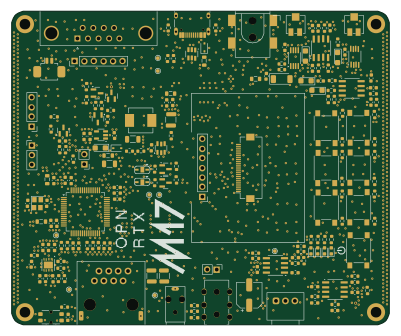 STM32
Module17
M17-Project
100 × 83 mm186 parts4LCERN-OHL-W-2.0129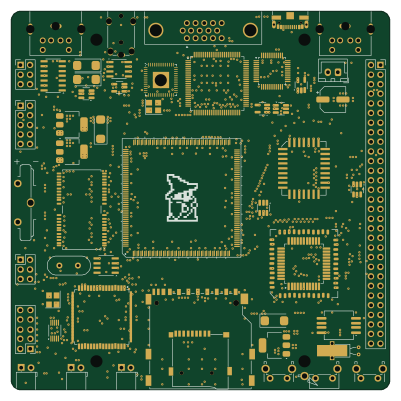 AVR/Arduino
ZXEVO.1010
UzixLS
100 × 100 mm242 parts2LNo license24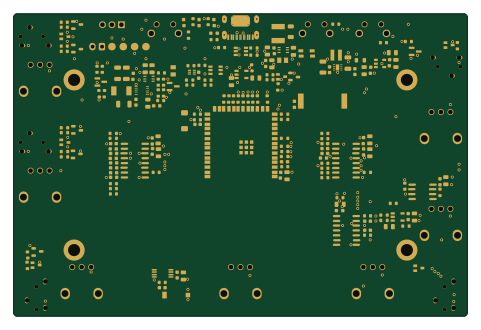 ESP32
Spikeling
OpenSourceNeuro
120 × 80 mm211 parts2LGPL-3.021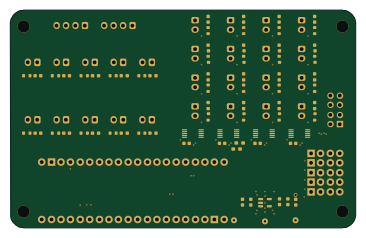 STM32
ThermEX26
comradef191
91.4 × 57.5 mm104 parts2LCERN-OHL-S-2.017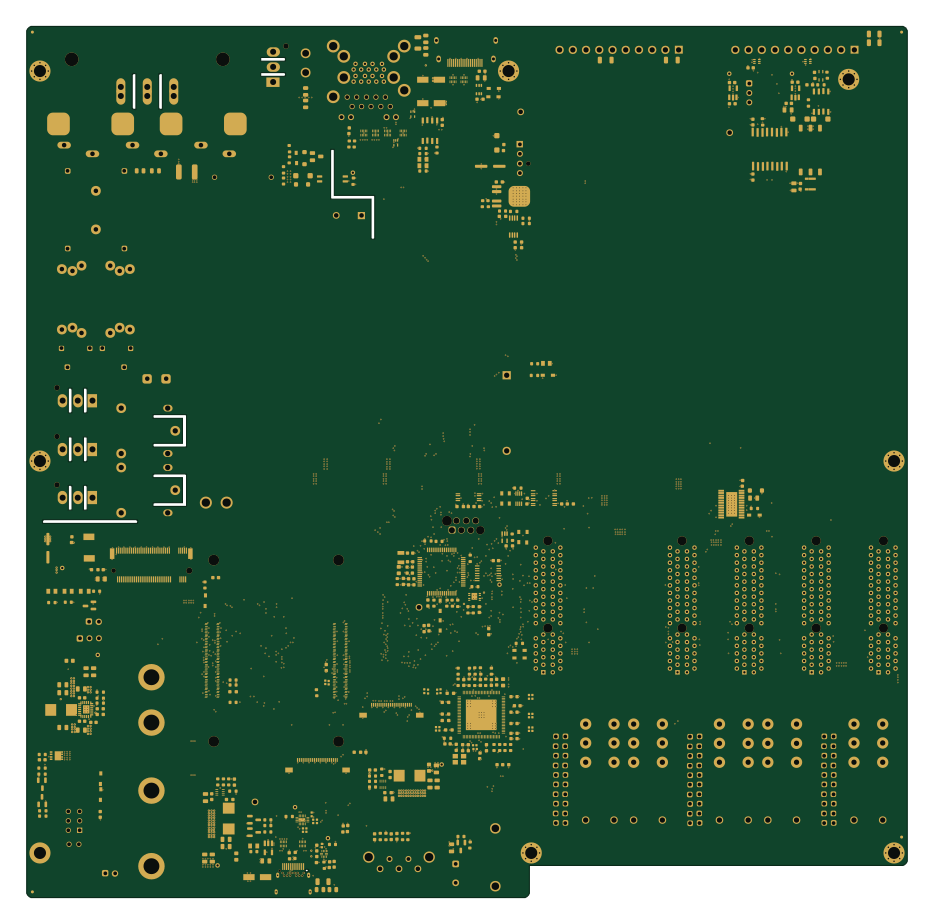 STM32
BB3plus mainboard
eez-open
233 × 230.5 mm353 parts4LTAPR-OHL-1.012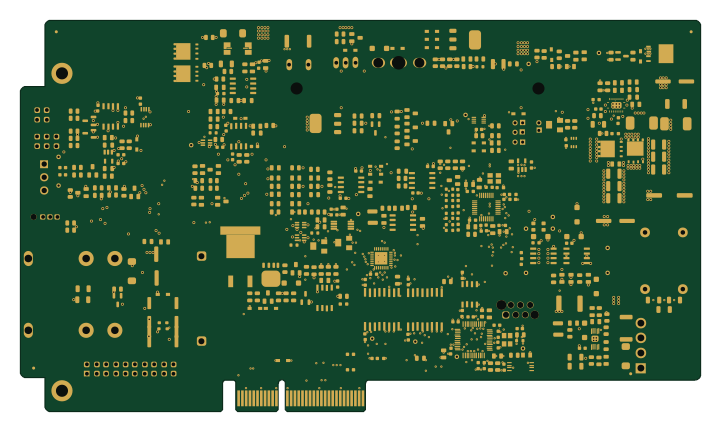 STM32
EEZ DIB DCP405plus
180 × 103.5 mm361 parts4LTAPR-OHL-1.011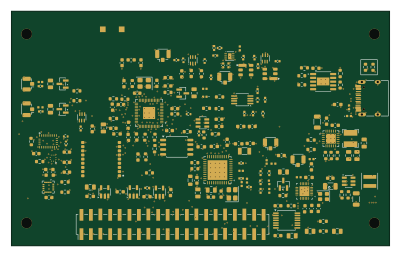 RP2040/RP2350
Expansion board v4
naizhao
100 × 62 mm213 parts6LMIT11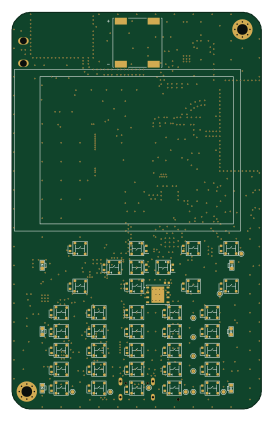 RP2040/RP2350
MokyaLora
tengigabytes
66 × 105 mm328 parts6LCustom license7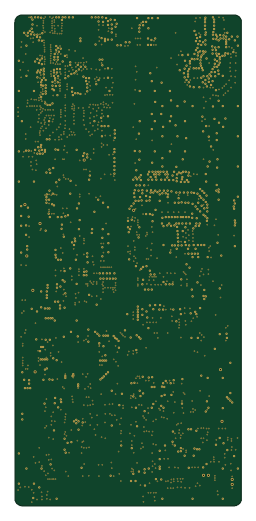 ESP32
Parsnip
LimesKey
60 × 130 mm400 parts4LCC-BY-NC-4.04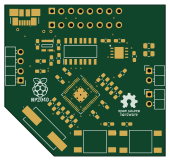 RP2040/RP2350
A500-USB-Keyboard-Adapter-JLC
wiretap-retro
42.5 × 40 mm42 parts4LNo license4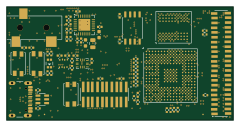
Hw udsp card
crsknr
60 × 30 mm211 parts6LGPL-3.02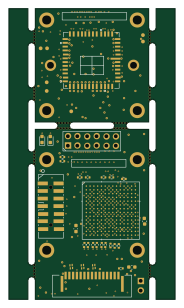 FPGA
Sensor mipi
ryuz
44 × 77 mm197 parts4LNo license2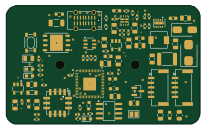 RP2040/RP2350
RP2350
engelberd
51.4 × 31.4 mm85 parts4LNo license2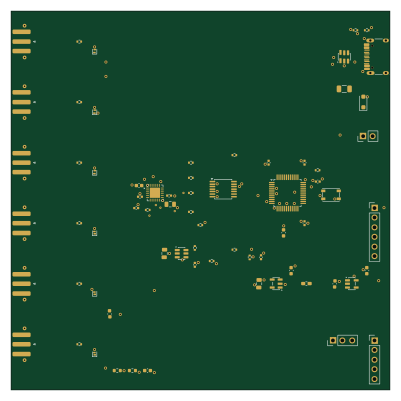 STM32
Pcap04-capacitance readout
NautyXie
100 × 100 mm69 parts4LMIT2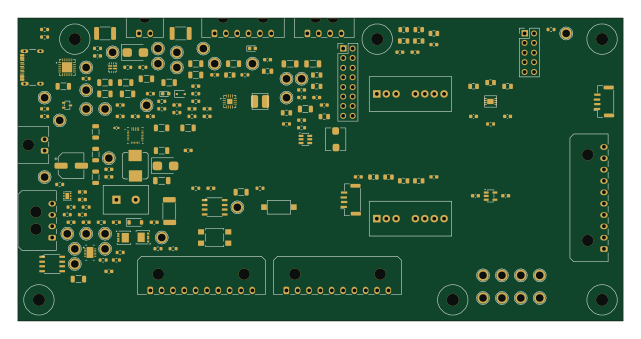
R3 power
druzvv-hash
160 × 80 mm156 parts4LNo license1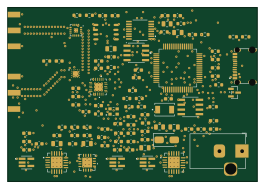
K band fmcw radar
HearnChristian
66 × 46 mm99 parts4LNo license1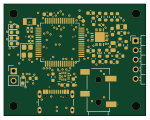 STM32
HM-Collector-Rev2
konstantinosfragkoulis
37.5 × 29.5 mm87 parts4LMIT1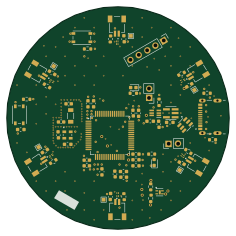 STM32
Capacitance
ihsan92UM
58.8 × 58.8 mm69 parts4LNo license1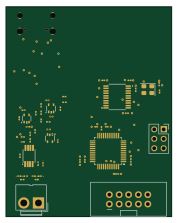 STM32
Axon
paulodietricheng
43.9 × 55.6 mm67 parts4LNo license1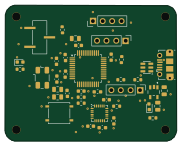 STM32
VibrationMonitor-MPU6050
AnooshZ
45.4 × 36 mm40 parts2LMIT1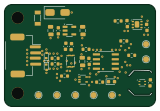 STM32
Sensor board voc temp
adamvirovecz
40 × 27 mm30 parts2LMIT1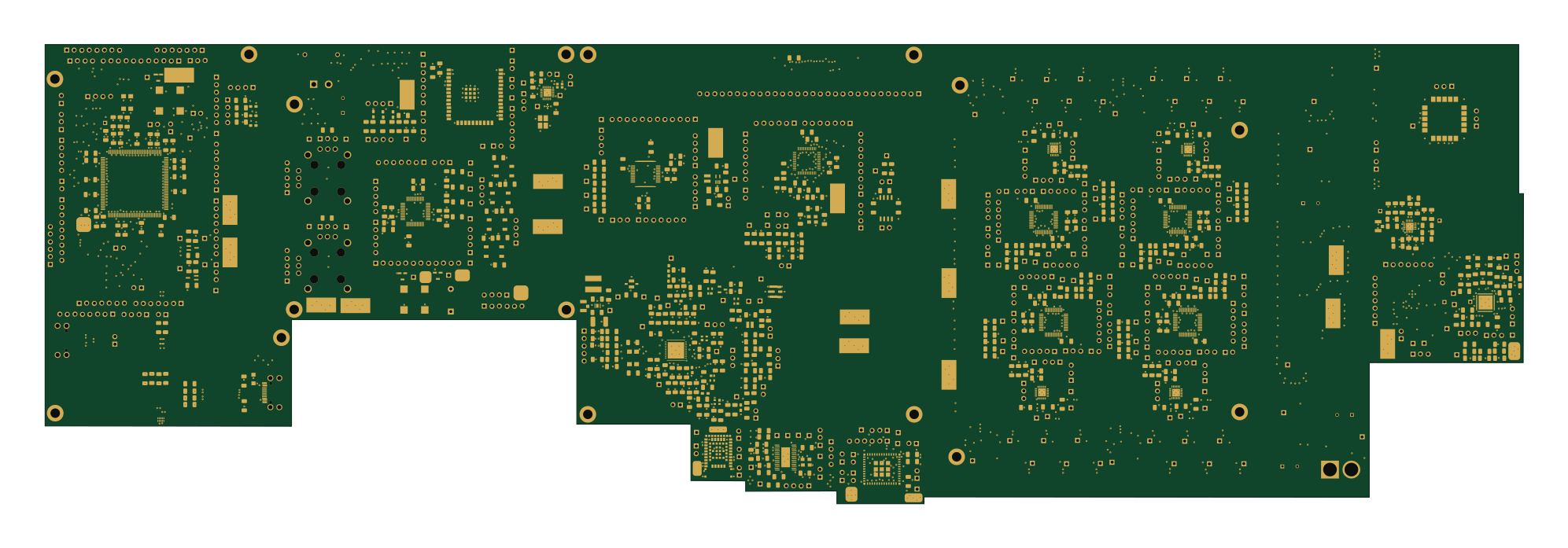 ESP32
OpenSourceDrone
CGainsWorks
497.4 × 154.7 mm1182 parts6LNo license0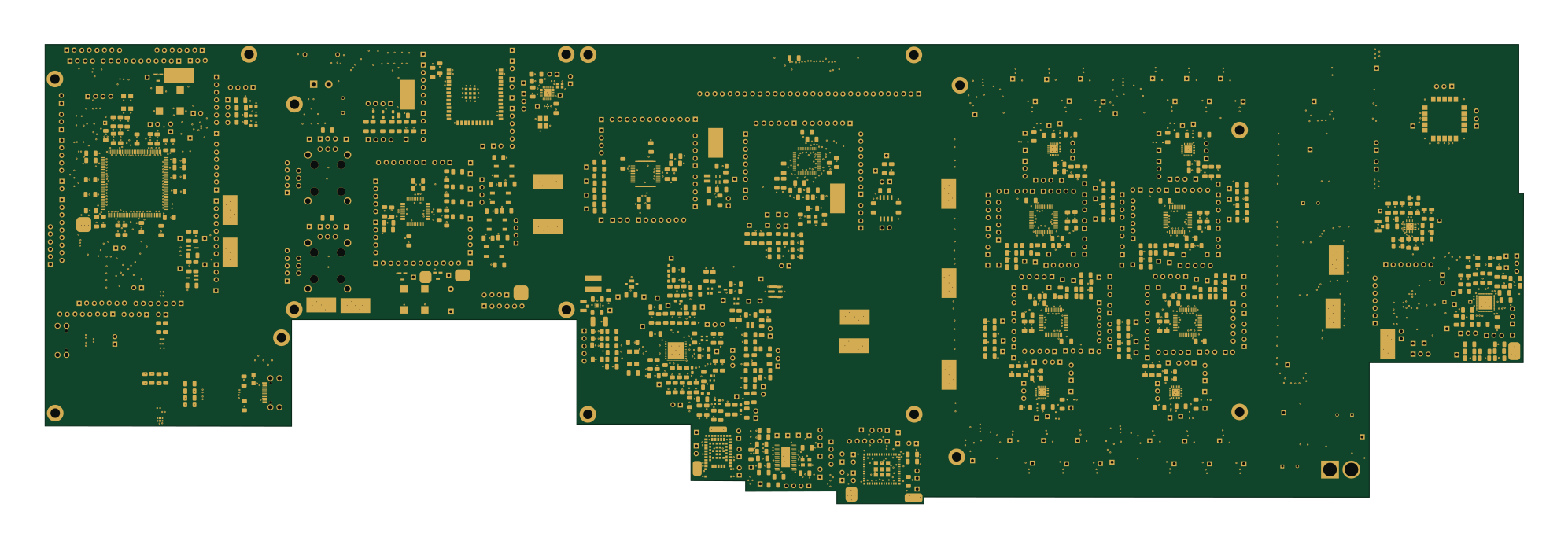 ESP32
Emb drone flight stack
497.4 × 154.7 mm1182 parts6LNo license0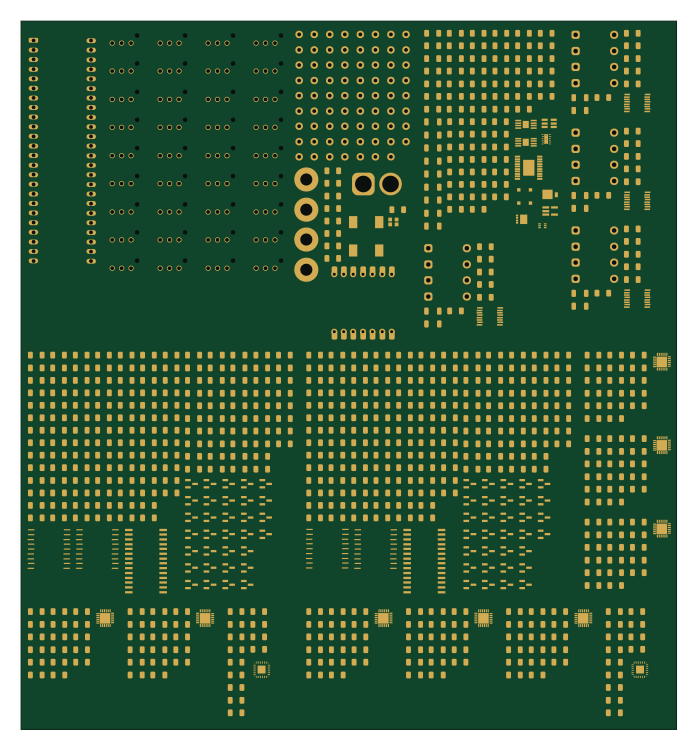 ESP32
Audio mixer
21bsirota
173.5 × 187.5 mm788 parts4LNo license0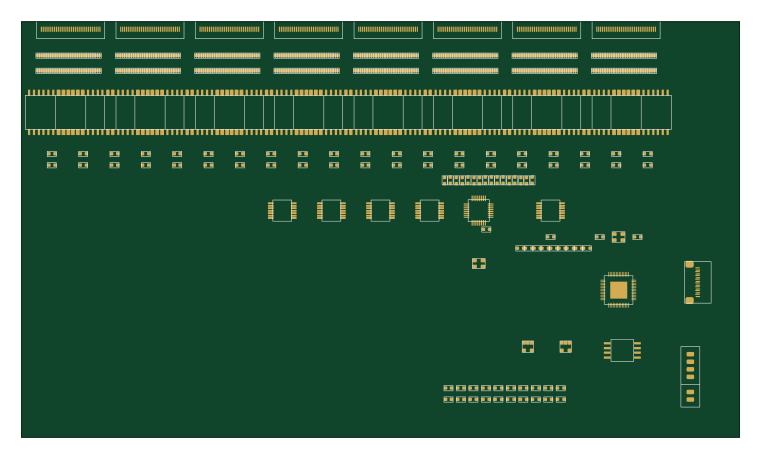 RP2040/RP2350
Nbfm1-open bci
C31N
190 × 110 mm640 parts4LNo license0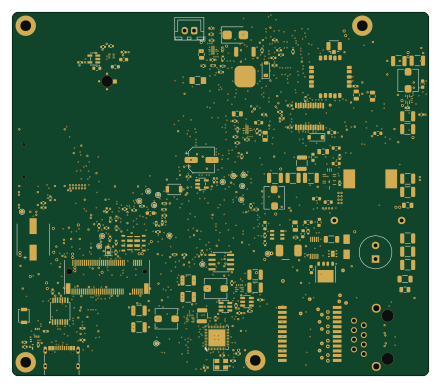 ESP32
Assembly preview
ripclap
110 × 96 mm423 parts6LCERN-OHL-P-2.00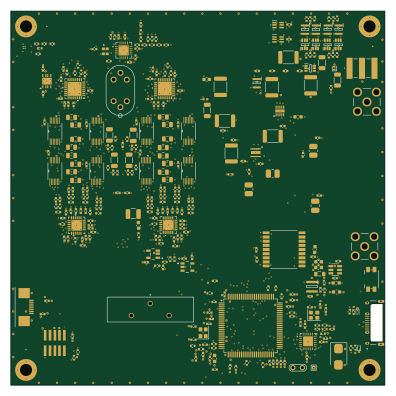 STM32
NexRx
alanmimms
99 × 99 mm356 parts6LMIT0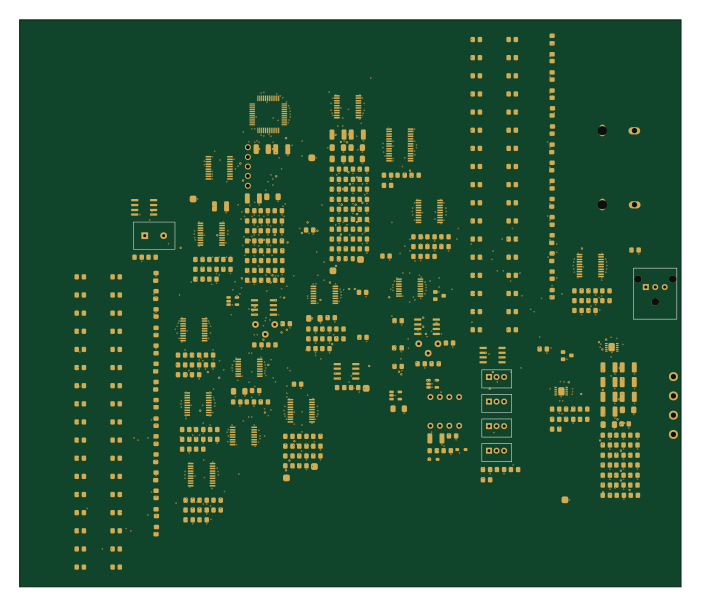 Microchip SAM
SINGLE BOARD
k16shikano
175 × 150 mm349 parts6LNo license0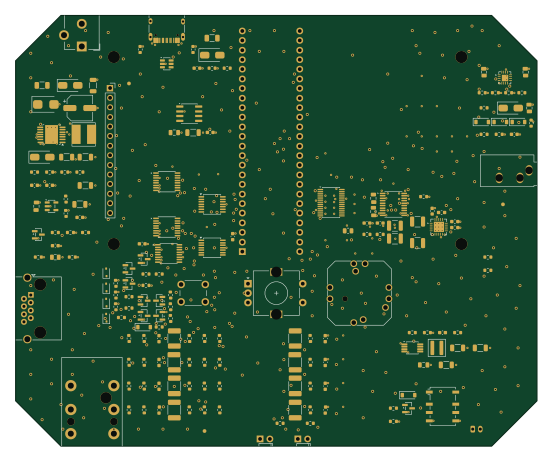 NXP
Quad Preamp and 4-Channel Ambisonic Recorder
jdg511
138 × 114 mm298 parts4LNo license0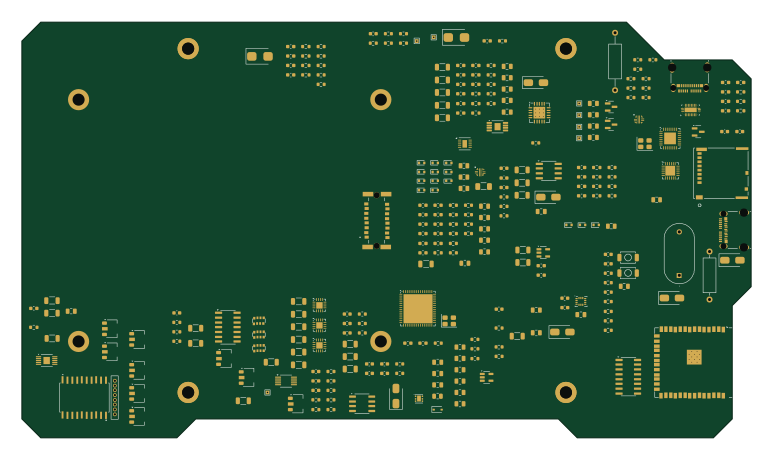 ESP32
Magnetometer node mainboard
Benjamin-girard-1
193 × 110 mm297 parts2LNo license0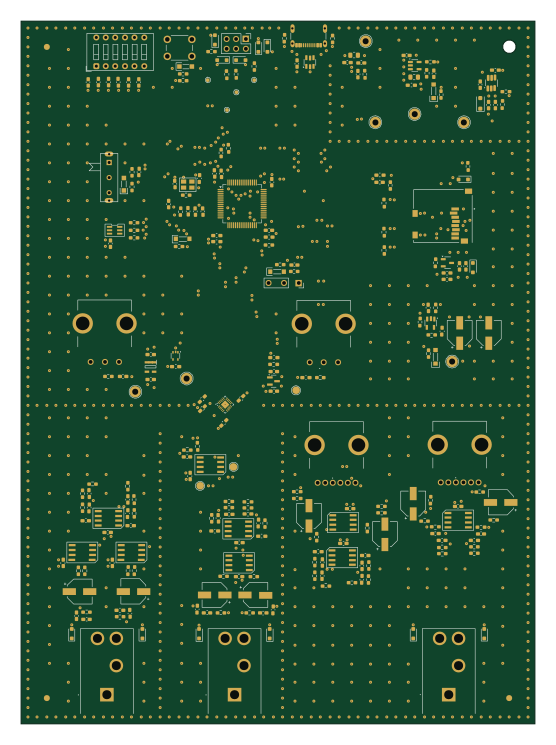 STM32
Audio-DSP-Guitar-Pedal
Jonkaphi
136 × 186 mm260 parts4LNo license0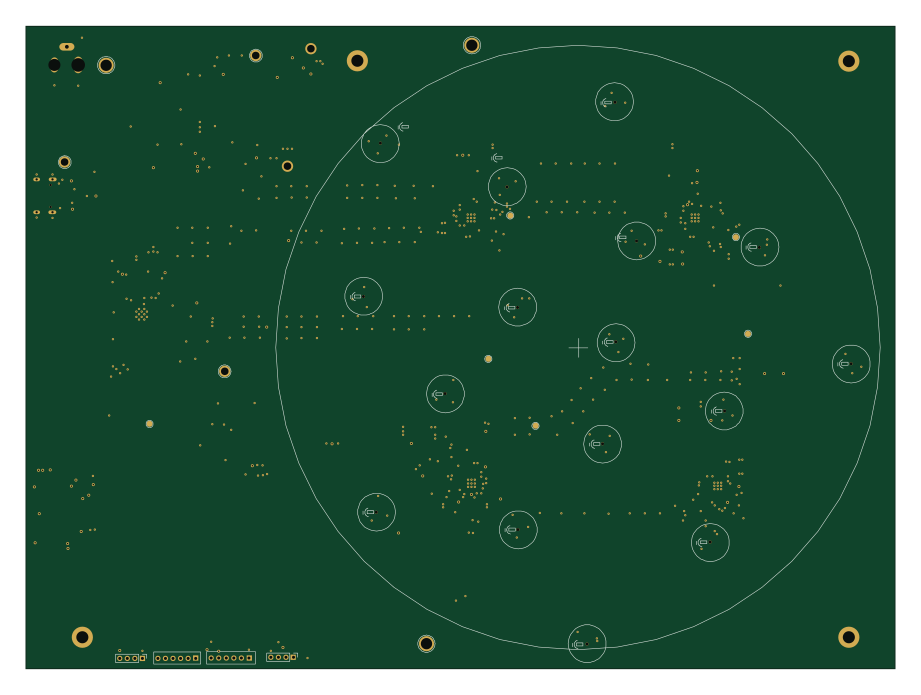 ESP32
Ssl16-acoustic camera
shakursiam
230 × 170 mm195 parts4LNo license0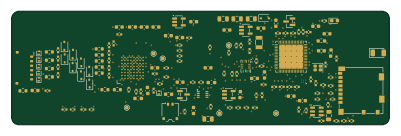 STM32
Bat trial tracks only
vexpaer
100 × 30 mm159 parts4LCERN-OHL-S-2.00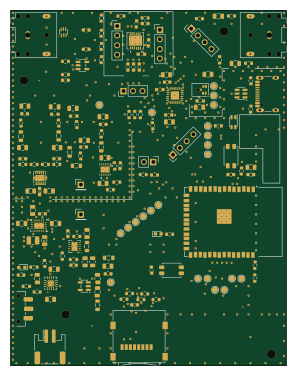 ESP32
WirelessBERA
NathansLab
73 × 94 mm153 parts4LNo license0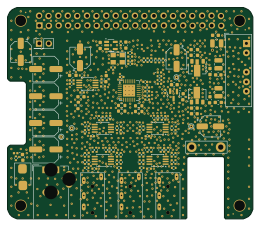
Lightsabre dac
Darmur
65 × 56 mm137 parts4LCC0-1.00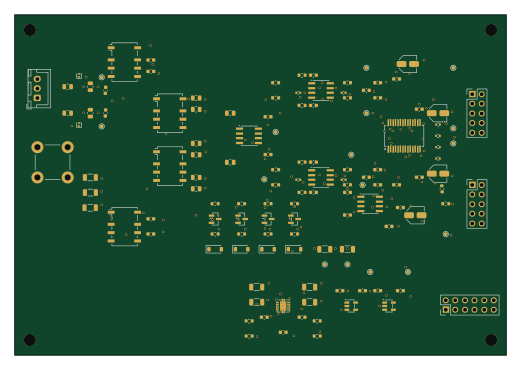
Phono adc eval
birdybro
130 × 90 mm119 parts4LGPL-3.00
How designs wire the TPS7A2033PDBVR
Read from the KiCad layouts of 56 open source designs, one per repository: what each pin of the TPS7A2033PDBVR connects to, and the resistors, capacitors and other passives placed on it.
- The NC_4 pin is left unconnected on 49 of 56 designs (GND on 5, a signal on 2).
- The OUT_5 pin is tied to 3.3V on 44 of 56 designs (a signal on 12).
- The IN_1 pin is tied to 5V on 42 of 56 designs (a signal on 14).
- The EN_3 pin is tied to 5V on 38 of 56 designs (not connected on 2, a signal on 16).
| Pin | Connected to | Parts on the pin |
|---|---|---|
| IN_1pin 1 | Connected to: 5V 75% · a signal 25% | — |
| GNDpin 2 | Connected to: GND 98% | — |
| EN_3pin 3 | Connected to: 5V 68% · a signal 29% | — |
| NC_4pin 4 | Connected to: Not connected 88% | — |
| OUT_5pin 5 | Connected to: 3.3V 79% · a signal 21% | — |
Connections count pins, parts count designs; values in brackets are how many parts had that value. Designs read include Module17 by M17-Project, ZXEVO.1010 by UzixLS, Spikeling by OpenSourceNeuro and HostBoard by comradef191.
The TPS7A2033PDBVR in open source designs
The gallery holds 102 open source boards using the TPS7A2033PDBVR from 61 GitHub repositories; a typical one measures about 100 × 86.3 mm and carries around 159 components.
84% use four copper layers or more, and 41% carry an open source license.
The most starred is Module17 by M17-Project.
Parts used alongside the TPS7A2033PDBVR
Microcontrollers on boards using the TPS7A2033PDBVR
What boards using the TPS7A2033PDBVR are built for
TPS7A2033PDBVR: common questions
Where can I find a TPS7A2033PDBVR reference design?
Each of the 102 boards on this page is a real design using the TPS7A2033PDBVR. Open one to see how it is wired up, with the full BOM, a render of the layout and links to its KiCad files.
How is the TPS7A2033PDBVR NC_4 pin connected?
The NC_4 pin is left unconnected on 49 of 56 designs (GND on 5, a signal on 2). Counted from the KiCad layouts of 56 open source designs using the TPS7A2033PDBVR.
How is the TPS7A2033PDBVR OUT_5 pin connected?
The OUT_5 pin is tied to 3.3V on 44 of 56 designs (a signal on 12). Counted from the KiCad layouts of 56 open source designs using the TPS7A2033PDBVR.
How is the TPS7A2033PDBVR IN_1 pin connected?
The IN_1 pin is tied to 5V on 42 of 56 designs (a signal on 14). Counted from the KiCad layouts of 56 open source designs using the TPS7A2033PDBVR.
What parts are used alongside the TPS7A2033PDBVR?
The USBLC6-2SC6, TPS22918DBVR, AP2112K-3.3TRG1, ICM-42688-P and SN74AHCT1G125DBVR appear in the most repositories here.
Which microcontrollers do boards using the TPS7A2033PDBVR use?
Most are built on STM32 (26), ESP32 (17), NXP (12) and RP2040/RP2350 (6).
How big is a typical board using the TPS7A2033PDBVR?
The median is 100 × 86.3 mm, and 16% are two-layer designs.
What is the most popular open source board using the TPS7A2033PDBVR?
By GitHub stars, Module17 by M17-Project, with 129 stars.
Can I simulate one of these boards using the TPS7A2033PDBVR before building it?
Yes. HardLabs turns a board's netlist and BOM into a working simulation, so you can boot and test firmware against it with no hardware on your desk.