
137 open source boards using the ATmega32U4-AU
Real designs built with the ATmega32U4-AU, from public GitHub projects: a quick way to see how others power, decouple and connect it. Each board comes with its KiCad files, full parts list and a render — and you can simulate its firmware on HardLabs.
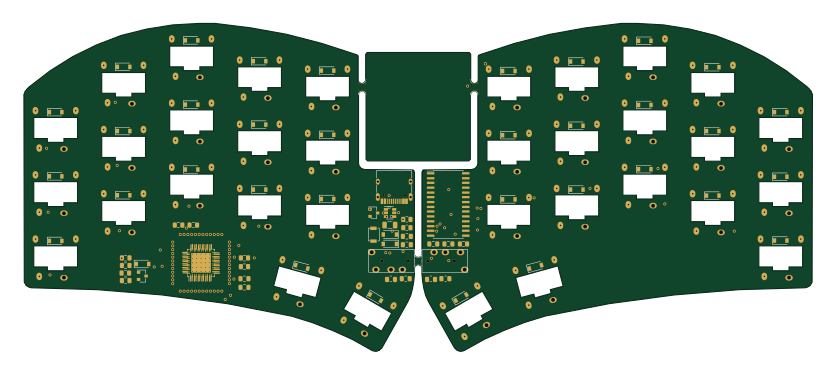 STM32
Ferris
pierrechevalier83
208.8 × 86.8 mm102 parts2LSHL-2.11.3k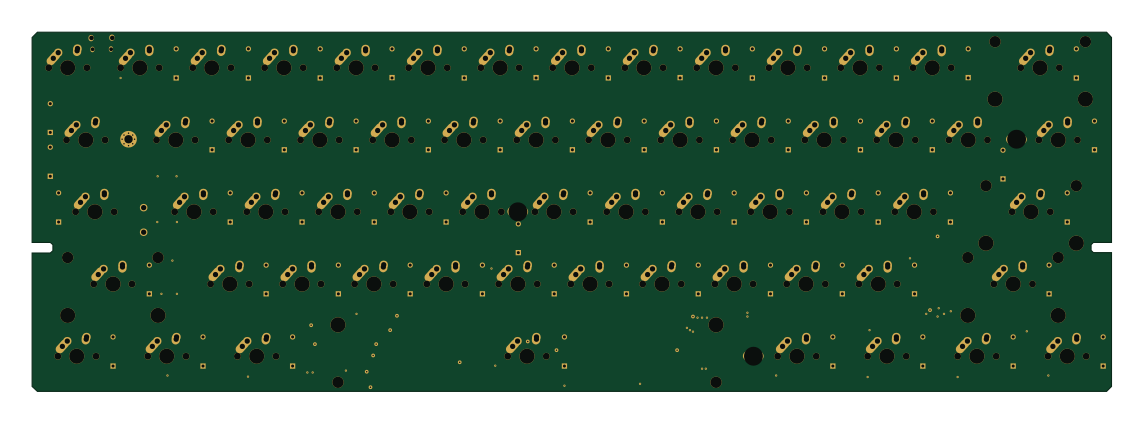 AVR/Arduino
REVIUNG61
gtips
285.5 × 95 mm142 parts2LMIT516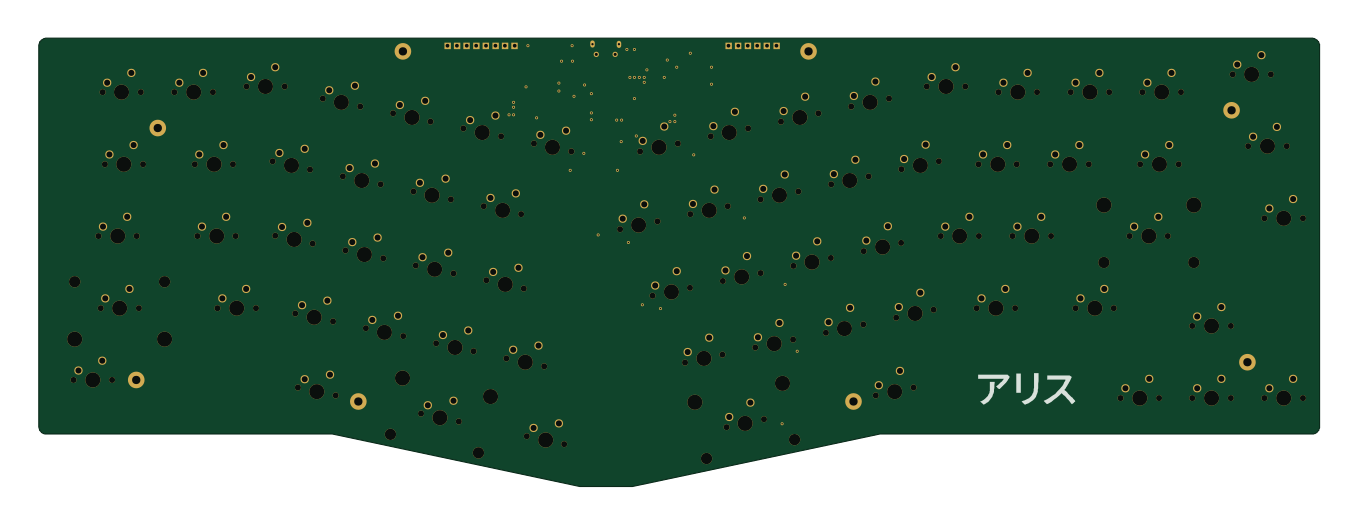 AVR/Arduino
Arisu
FateNozomi
339.1 × 118.7 mm156 parts2LMIT282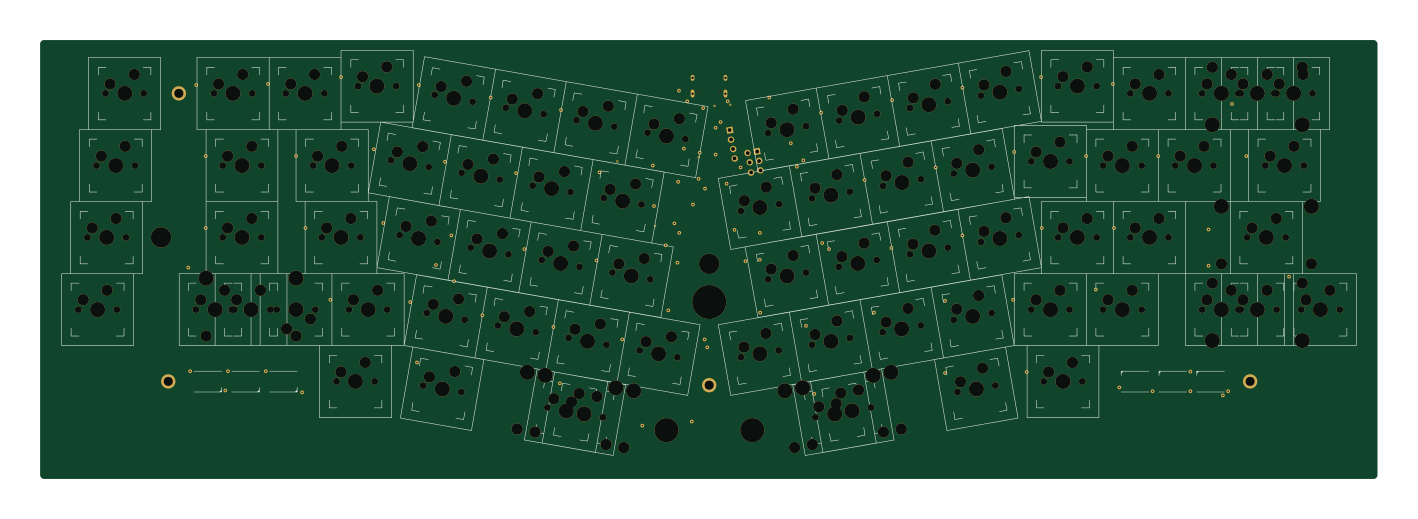 AVR/Arduino
BMEK Hotswap
Bemeier
353.8 × 116.1 mm188 partsNo license211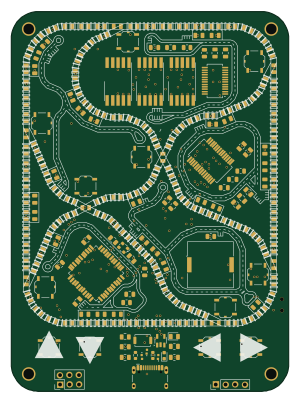 AVR/Arduino
Light-Rail
nonik0
73.4 × 100.5 mm209 parts4LNo license79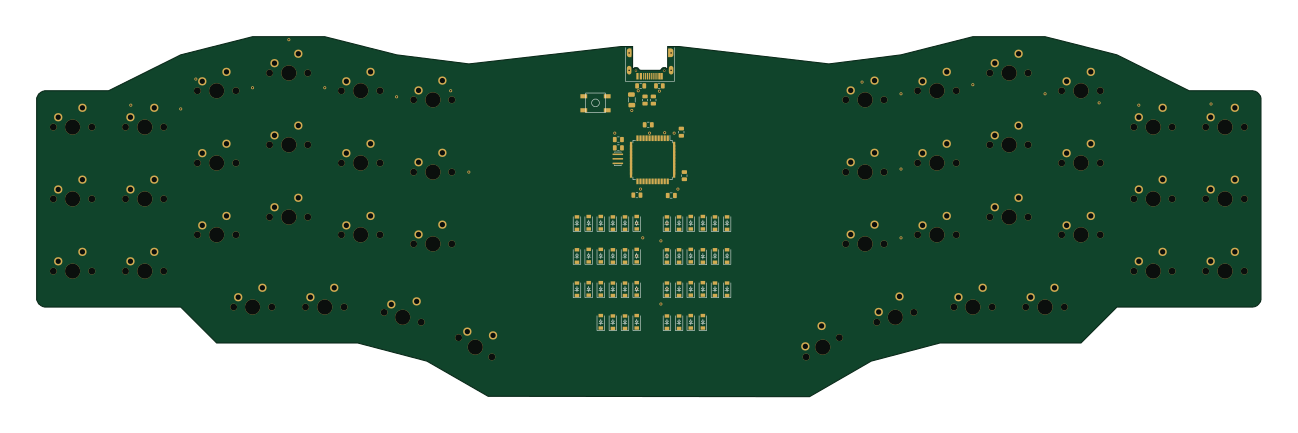 AVR/Arduino
UnSplit
swiftrax
323.9 × 95.1 mm104 parts2LGPL-2.068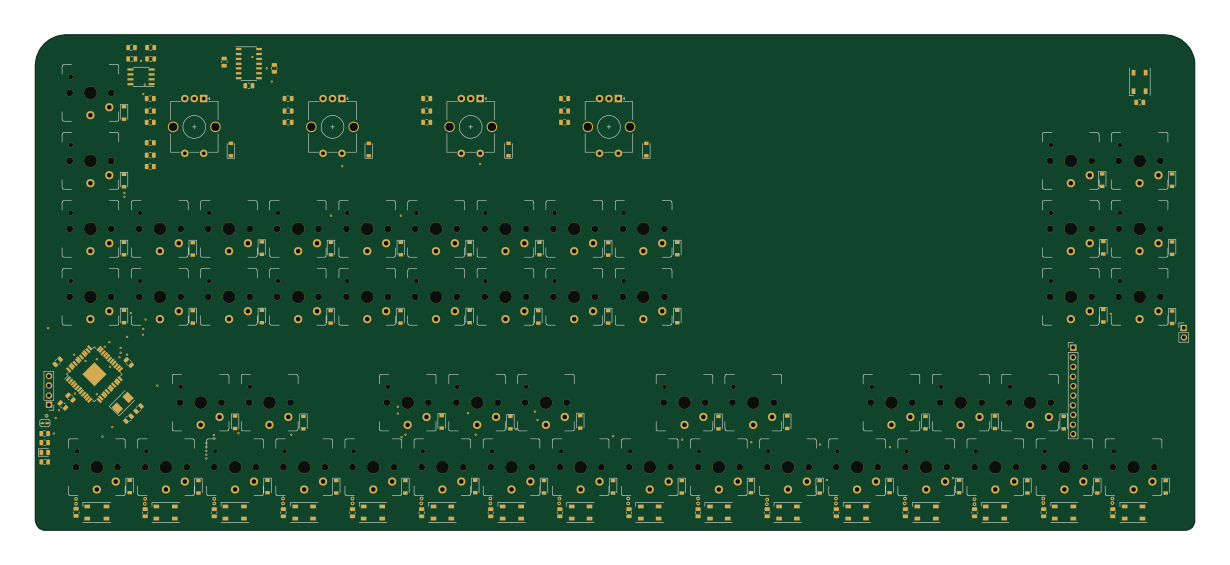 AVR/Arduino
OTTOtact
cester-ino
307 × 131.2 mm224 parts2LGPL-3.049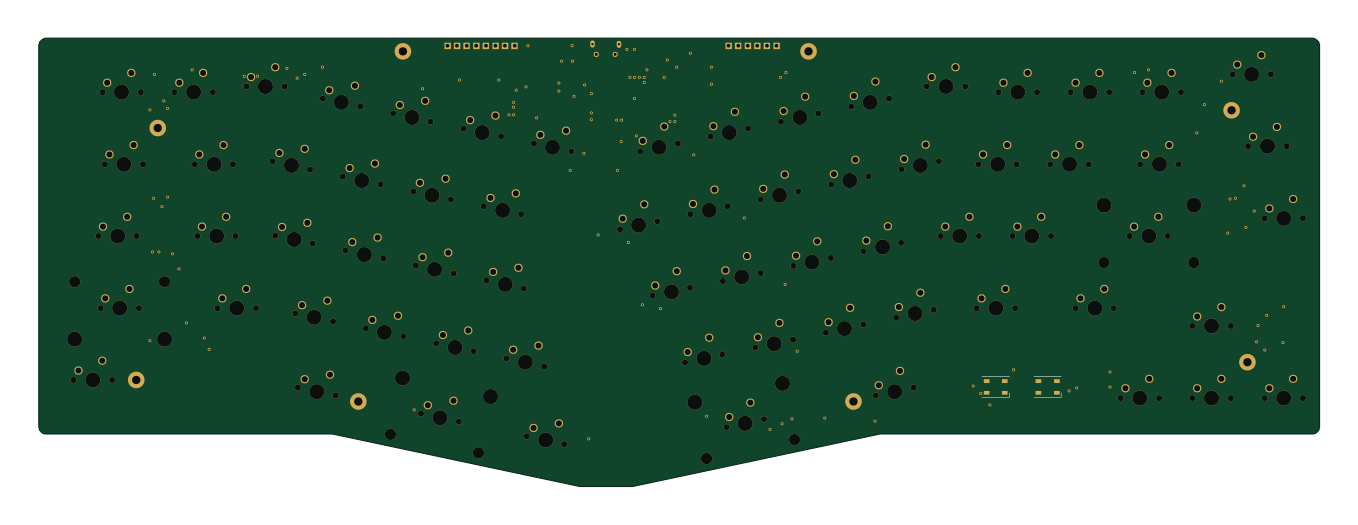 AVR/Arduino
Arisu
doughnut923
339.1 × 118.7 mm183 parts2LMIT36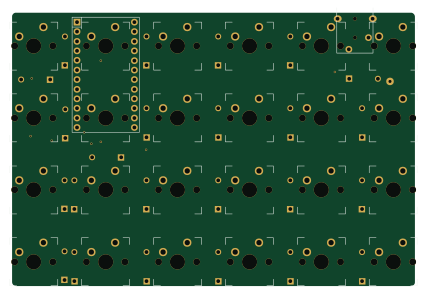 AVR/Arduino
Split pcb throughole
climbalima
106.7 × 72.4 mm50 parts2LNo license33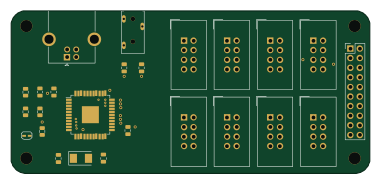 AVR/Arduino
Main board
95 × 43 mm24 parts2LGPL-3.031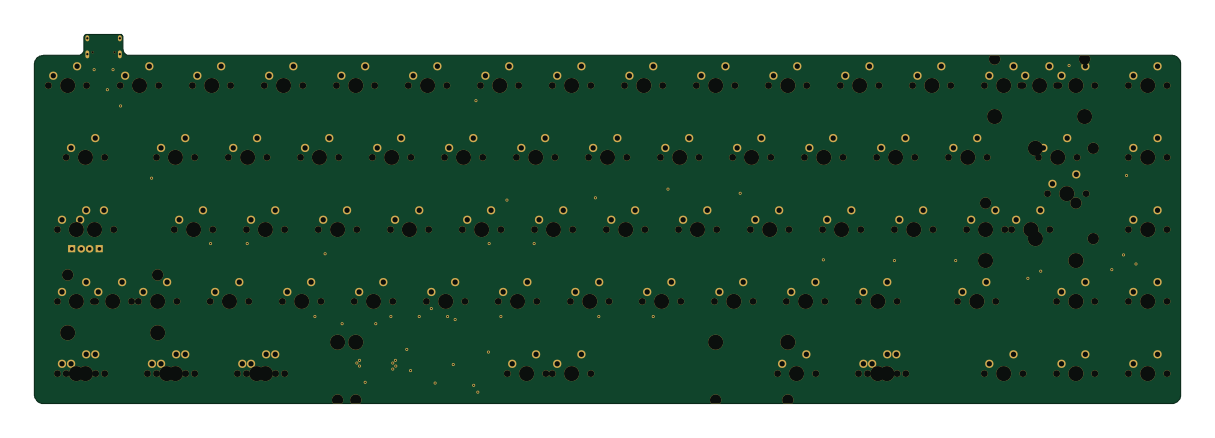 AVR/Arduino
67mk E
str-dst
303.2 × 97.6 mm134 parts2LCC-BY-NC-4.029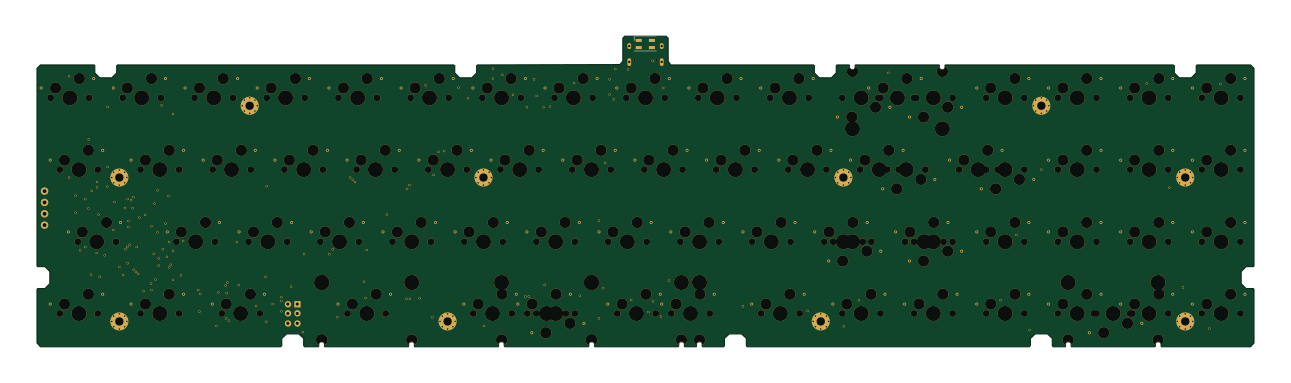 AVR/Arduino
Lyra alpha
PiKeeb
322.3 × 82.1 mm165 parts2LCustom license24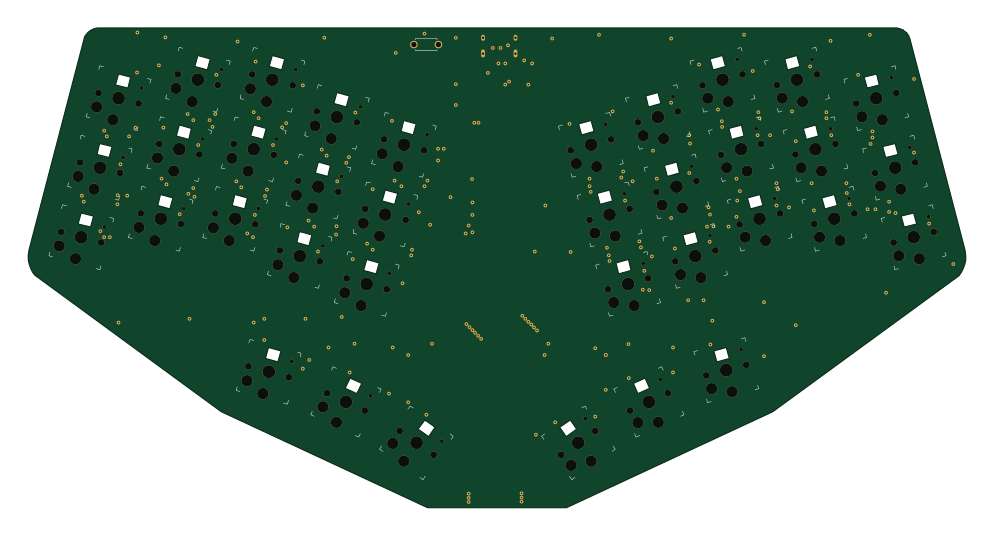 AVR/Arduino
Euclid36
sadekbaroudi
248.2 × 127 mm130 parts2LNo license24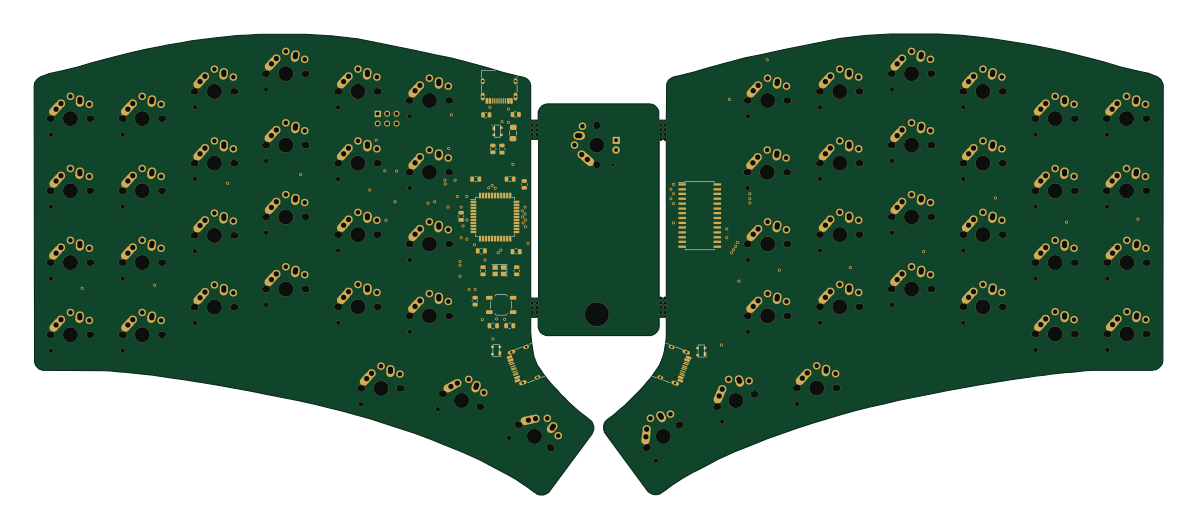 AVR/Arduino
Ursa minor keyboard
markstory
298.8 × 122.1 mm134 parts2LCC-BY-NC-4.023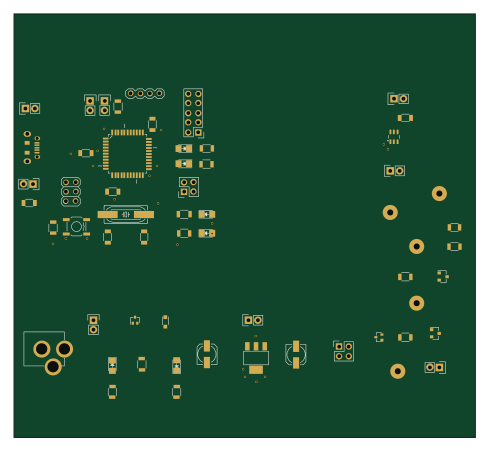 AVR/Arduino
RetroPie Power Board v1a
baldengineer
122 × 112 mm59 parts2LNo license21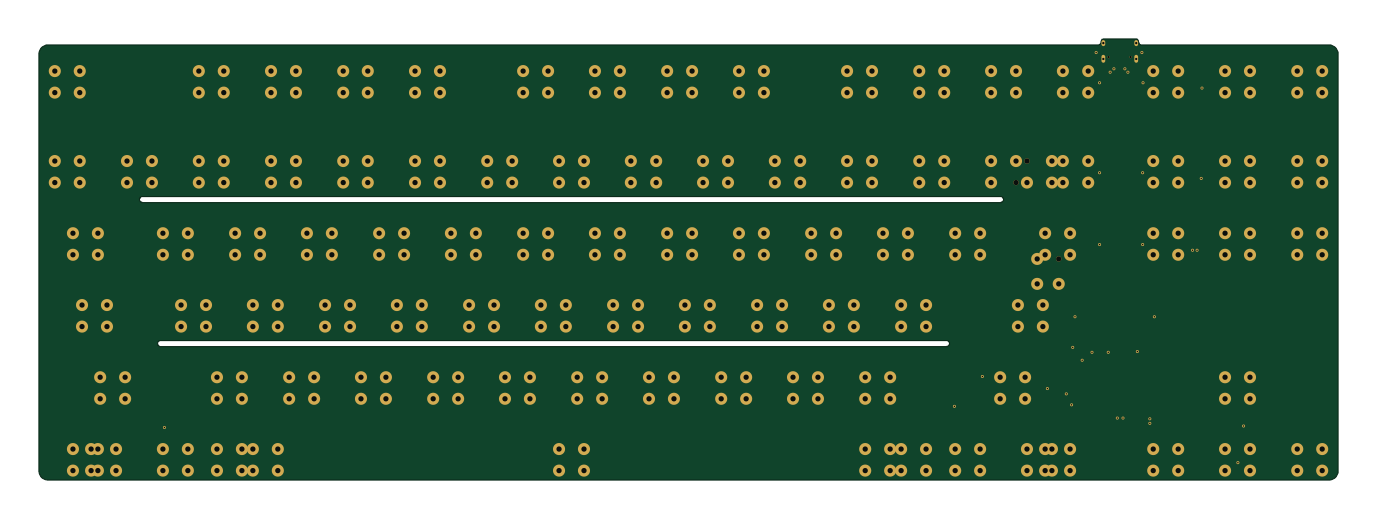 AVR/Arduino
Celestine
ai03-2725
343.7 × 116.7 mm199 parts2LAGPL-3.019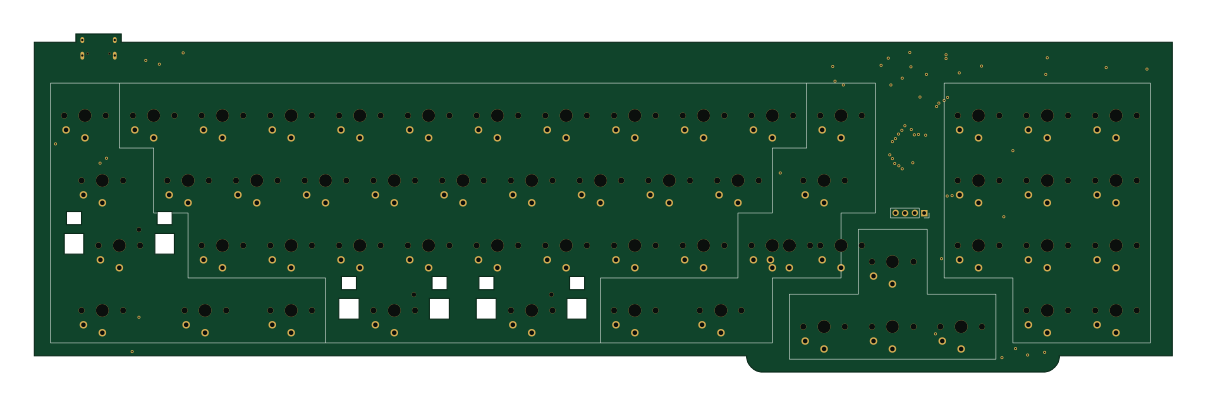 AVR/Arduino
Chocolatebar
misonoworks
301.3 × 89.5 mm155 parts2LAGPL-3.016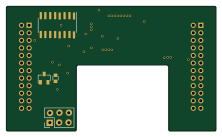 AVR/Arduino
Code
evyd13
55.5 × 33 mm29 parts2LCC-BY-SA-4.016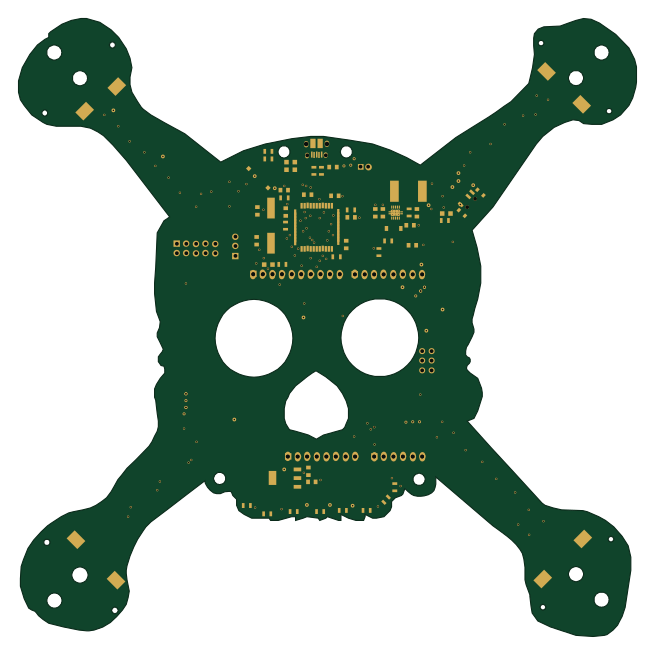 AVR/Arduino
Skull badge
b1uN7
163.5 × 163.5 mm101 parts2LNo license15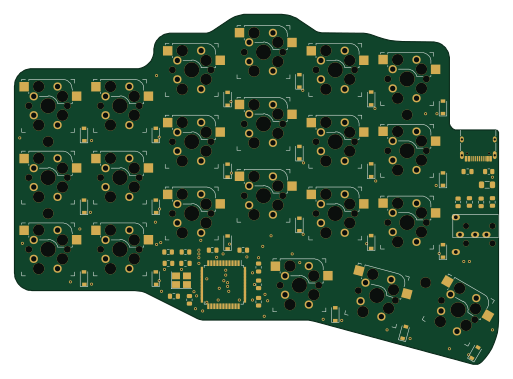 AVR/Arduino
Phase
mjpauly
128 × 92.6 mm66 parts2LNo license15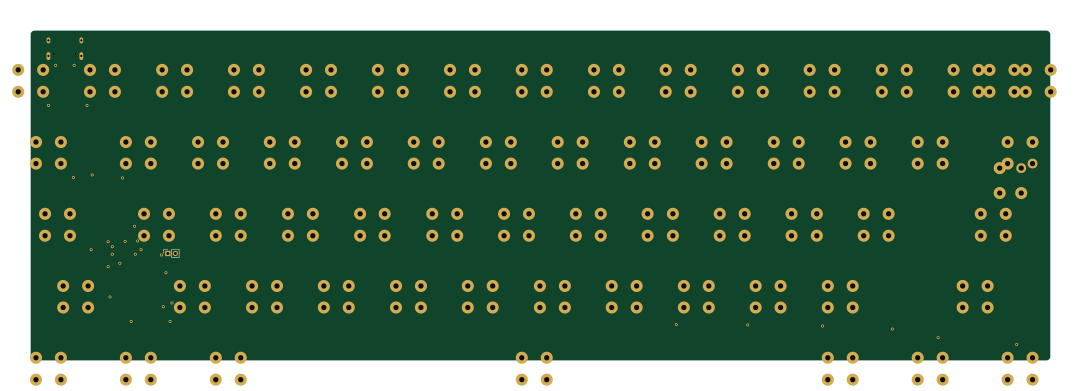 AVR/Arduino
Squid60
Alasofia
269.9 × 87.3 mm143 parts2LCC-BY-NC-4.014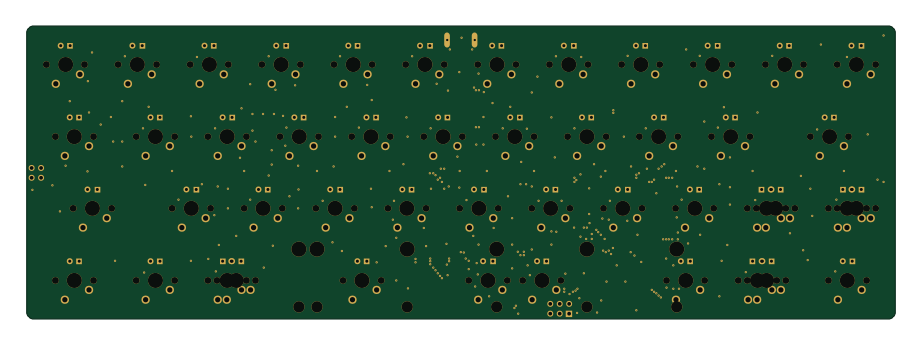 Nordic nRF
Jalapeno
GeeWizWow
230.1 × 77.6 mm184 parts2LCC-BY-NC-4.013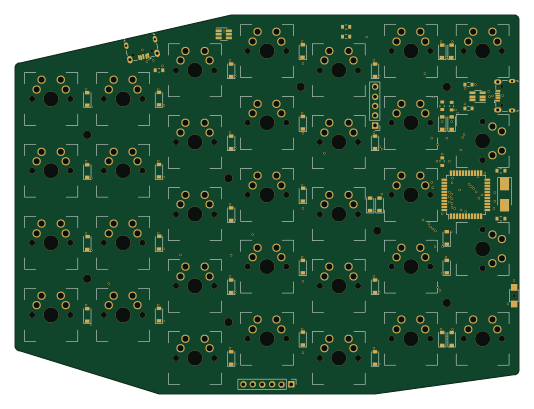 AVR/Arduino
Splitty ergonomic keyboard
schodet
133.4 × 100.3 mm89 parts2LMIT13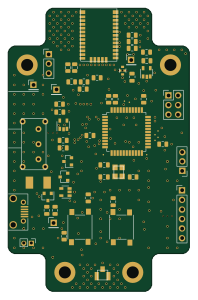 AVR/Arduino
Ttntrackernode
ttnmapper
48 × 75 mm82 parts2LNo license13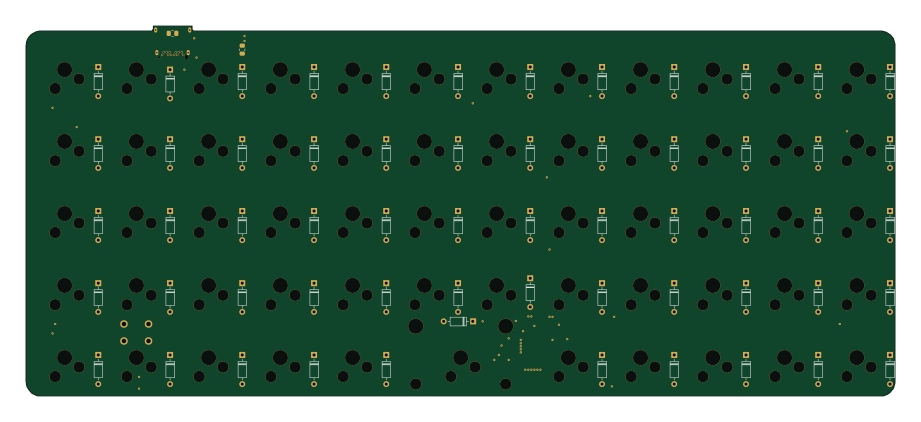 AVR/Arduino
Phoebe Keyboard
Maxr1998
229.9 × 97.8 mm153 parts2LNo license12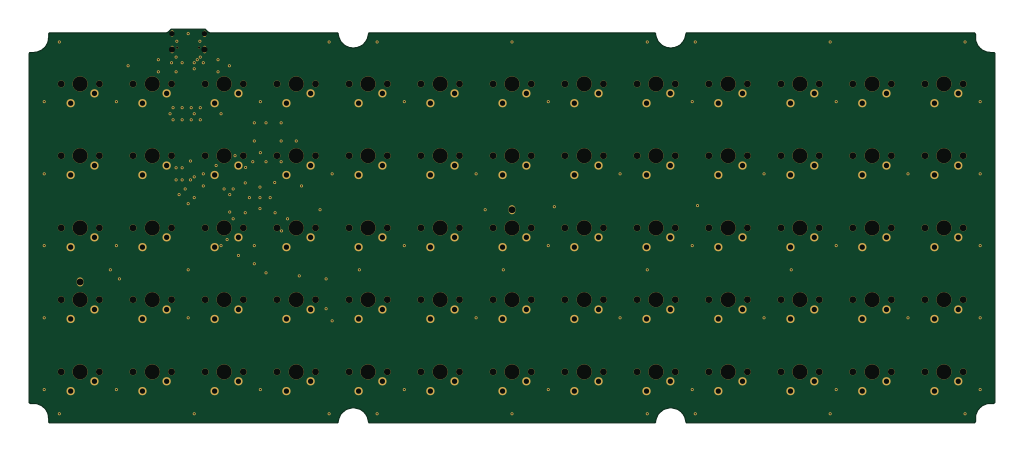 AVR/Arduino
Okey65
kiks64
255.7 × 104.3 mm154 parts2LNo license11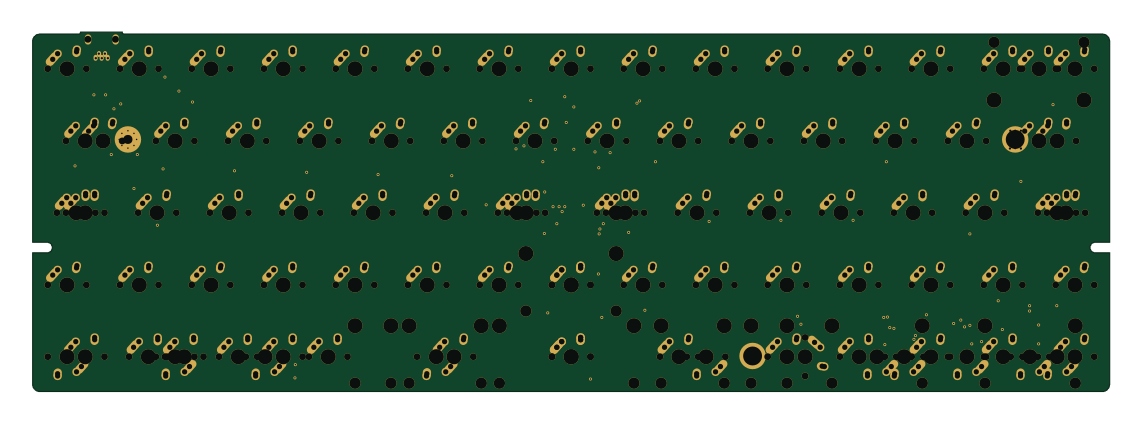 AVR/Arduino
Katana60
rominronin
285 × 95.1 mm180 parts2LNo license10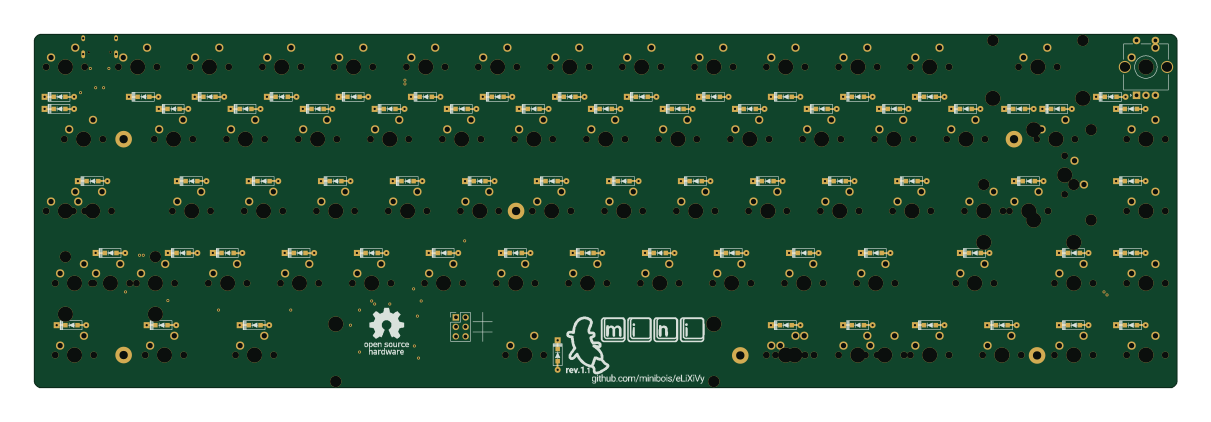 AVR/Arduino
ELiXiVy
minibois
302.2 × 93.5 mm166 parts2LNo license10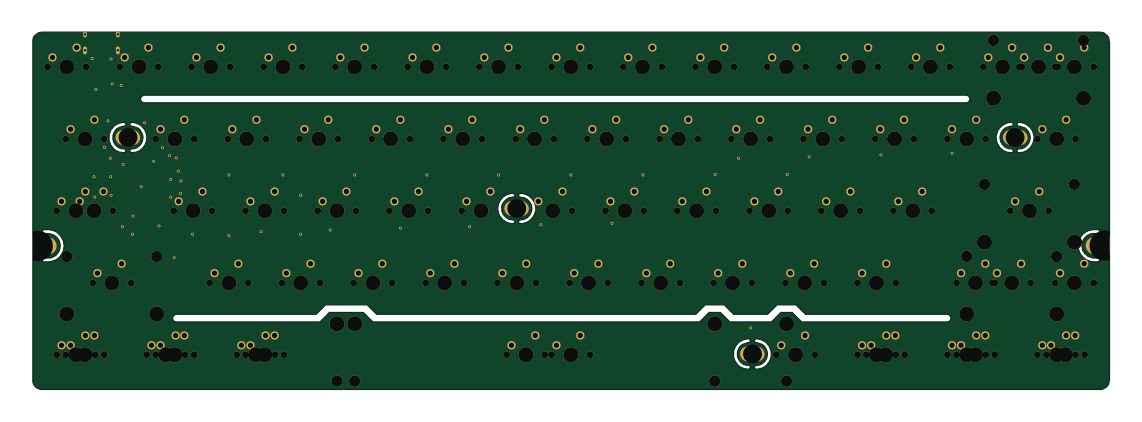 AVR/Arduino
Nodu
285 × 94.6 mm128 parts2LCC0-1.010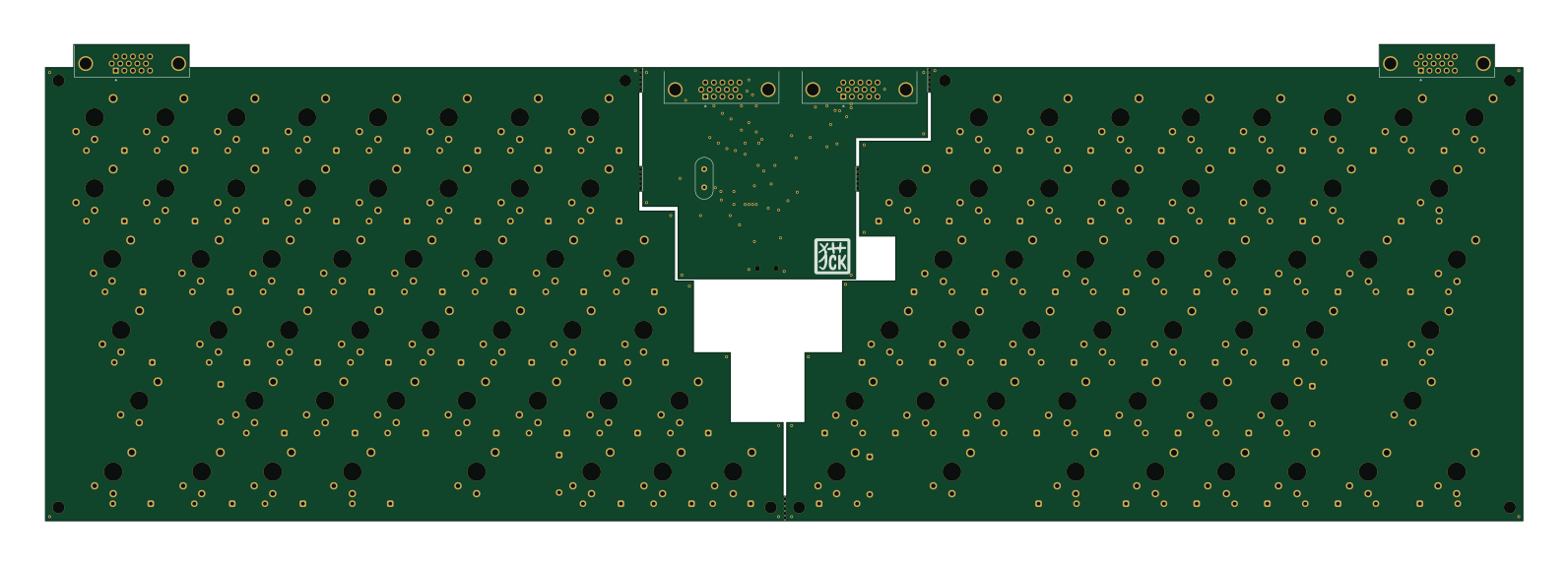 AVR/Arduino
K8split
Ckath
397.3 × 128.1 mm212 parts2LMIT9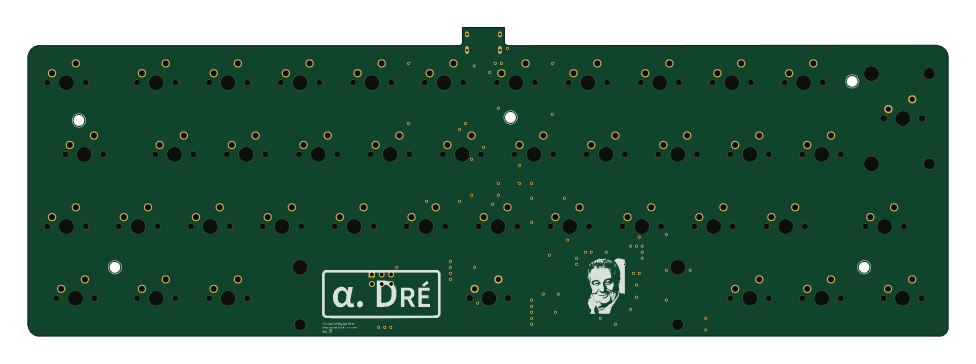 AVR/Arduino
Alpha dre
AntoineAndre
243.7 × 81.8 mm105 parts2LGPL-3.09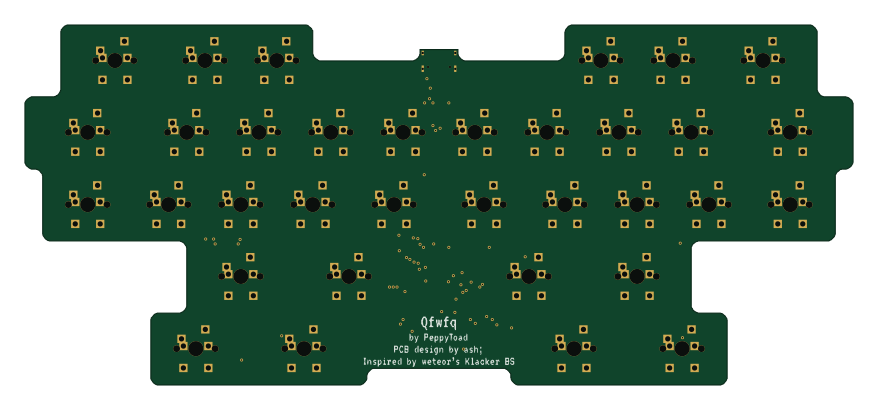 AVR/Arduino
Qfwfq
ASH-ART
219.1 × 95.3 mm89 parts2LGPL-3.08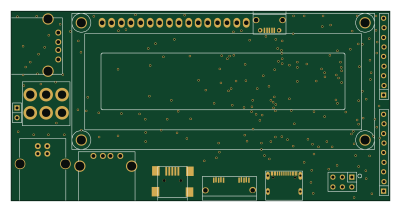 AVR/Arduino
USBcablecracker
szdiy
100 × 50 mm56 parts2LCC-BY-SA-4.08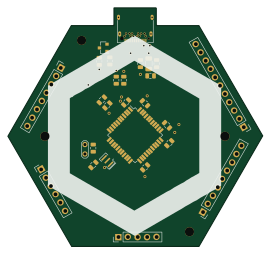 AVR/Arduino
J0xx mainboard
jakobkg
67.5 × 63.2 mm27 parts2LNo license8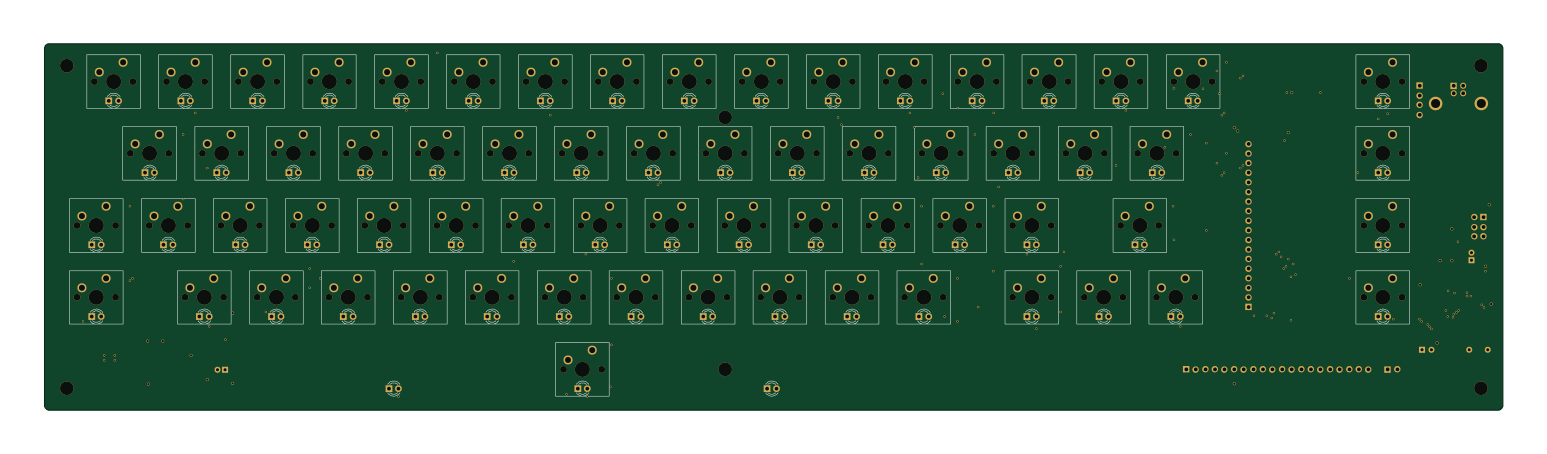 AVR/Arduino
MechBoard16
SukkoPera
386.1 × 97 mm247 parts2LNo license6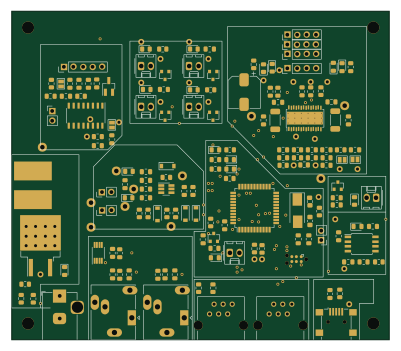 AVR/Arduino
Bertha main
Hackuarium
100 × 87 mm155 parts2LNo license6
How designs wire the ATmega32U4-AU
Read from the KiCad layouts of 111 open source designs, one per repository: what each pin of the ATmega32U4-AU connects to, and the resistors, capacitors and other passives placed on it.
- The XTAL2 pin has a crystal on 105 of 109 designs, most often 16 MHz (then 8 MHz).
- The XTAL1 pin has a crystal on 105 of 108 designs, most often 16 MHz (then 8 MHz).
- The XTAL2 pin has a capacitor to GND on 99 of 109 designs, most often 22 pF (then 18 pF).
- The XTAL1 pin has a capacitor to GND on 99 of 108 designs, most often 22 pF (then 18 pF).
| Pin | Connected to | Parts on the pin |
|---|---|---|
| UVCCpin 2 | Connected to: 5V 89% |
|
| D-pin 3 | Connected to: Signal 97% |
|
| D+pin 4 | Connected to: Signal 96% |
|
| UGNDpin 5 | Connected to: GND 94% | — |
| UCAPpin 6 | Connected to: Signal 93% |
|
| VBUSpin 7 | Connected to: 5V 89% | — |
| RESETpin 13 | Connected to: A connector 60% |
|
| VCCpin 14, 34 | Connected to: 5V 97% |
|
| GNDpin 15, 23, 35, 43 | Connected to: GND 98% | — |
| XTAL2pin 16 | Connected to: Signal 98% |
|
| XTAL1pin 17 | Connected to: Signal 99% |
|
| AVCCpin 24, 44 | Connected to: 5V 94% |
|
| HWB/PE2pin 33 | Connected to: Signal 80% |
|
| AREFpin 42 | Connected to: Not connected 52% · a signal 37% |
|
25 more pins vary from design to design. Connections count pins, parts count designs; values in brackets are how many parts had that value. Designs read include Ferris by pierrechevalier83, REVIUNG33 by gtips, Arisu pcb by FateNozomi and BMEK Hotswap by Bemeier.
The ATmega32U4-AU in open source designs
The gallery holds 137 open source boards using the ATmega32U4-AU from 112 GitHub repositories; a typical one measures about 201.9 × 94.2 mm and carries around 92 components.
96% are two-layer designs, the rest use four layers or more, and 36% carry an open source license.
The most starred is Ferris by pierrechevalier83.
Parts used alongside the ATmega32U4-AU
Microcontrollers on boards using the ATmega32U4-AU
What boards using the ATmega32U4-AU are built for
ATmega32U4-AU: common questions
Where can I find a ATmega32U4-AU reference design?
Each of the 137 boards on this page is a real design using the ATmega32U4-AU. Open one to see how it is wired up, with the full BOM, a render of the layout and links to its KiCad files.
How is the ATmega32U4-AU XTAL2 pin connected?
The XTAL2 pin has a crystal on 105 of 109 designs, most often 16 MHz (then 8 MHz). Counted from the KiCad layouts of 111 open source designs using the ATmega32U4-AU.
How is the ATmega32U4-AU XTAL1 pin connected?
The XTAL1 pin has a crystal on 105 of 108 designs, most often 16 MHz (then 8 MHz). Counted from the KiCad layouts of 111 open source designs using the ATmega32U4-AU.
What resistor goes on the ATmega32U4-AU D- pin?
The D- pin has a series resistor on 98 of 111 designs, most often 22 Ω (then 220 Ω). Counted from the KiCad layouts of 111 open source designs using the ATmega32U4-AU.
What parts are used alongside the ATmega32U4-AU?
The USBLC6-2SC6, PRTR5V0U2X, SRV05-4, LIS3DH and 24LC256 appear in the most repositories here.
Which microcontrollers do boards using the ATmega32U4-AU use?
Most are built on AVR/Arduino (135), Nordic nRF (1) and STM32 (1).
How big is a typical board using the ATmega32U4-AU?
The median is 201.9 × 94.2 mm, and 96% are two-layer designs.
What is the most popular open source board using the ATmega32U4-AU?
By GitHub stars, Ferris by pierrechevalier83, with 1,271 stars.
Can I simulate one of these boards using the ATmega32U4-AU before building it?
Yes. HardLabs turns a board's netlist and BOM into a working simulation, so you can boot and test firmware against it with no hardware on your desk.