
44 open source boards using the ATMEGA32U4-MU
Real designs built with the ATMEGA32U4-MU, from public GitHub projects: a quick way to see how others power, decouple and connect it. Each board comes with its KiCad files, full parts list and a render — and you can simulate its firmware on HardLabs.
 AVR/Arduino
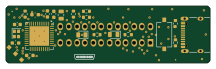
UsbGpib
xyphro
54 × 15 mm21 parts2LMIT690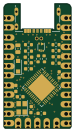 AVR/Arduino
Goldfish
staticintlucas
17.8 × 33 mm26 parts2LNo license220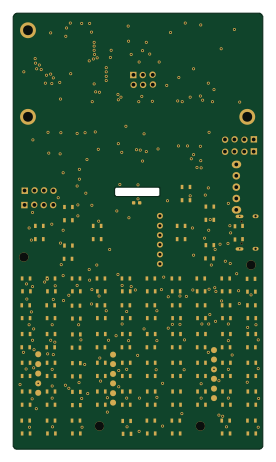 AVR/Arduino
Sharpikeebo
ccadic
66 × 115.3 mm190 parts4LNo license142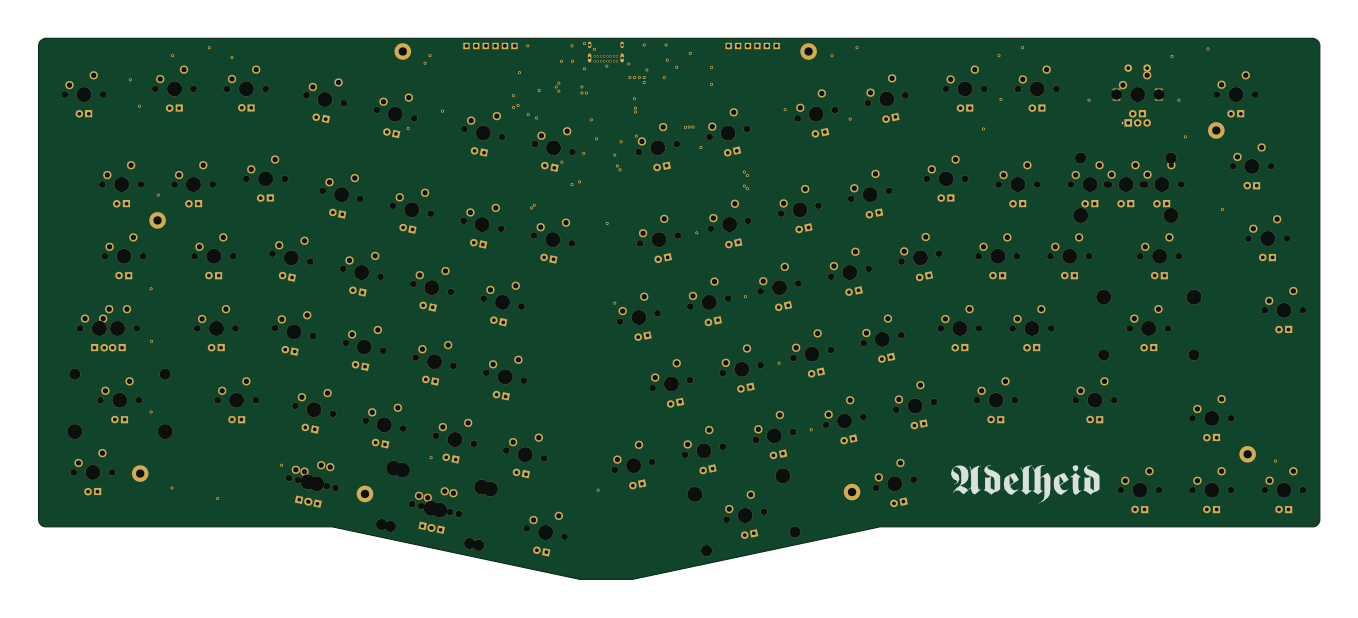 AVR/Arduino
Adelheid Plus
Skycode22
339.1 × 143.2 mm322 parts2LNo license132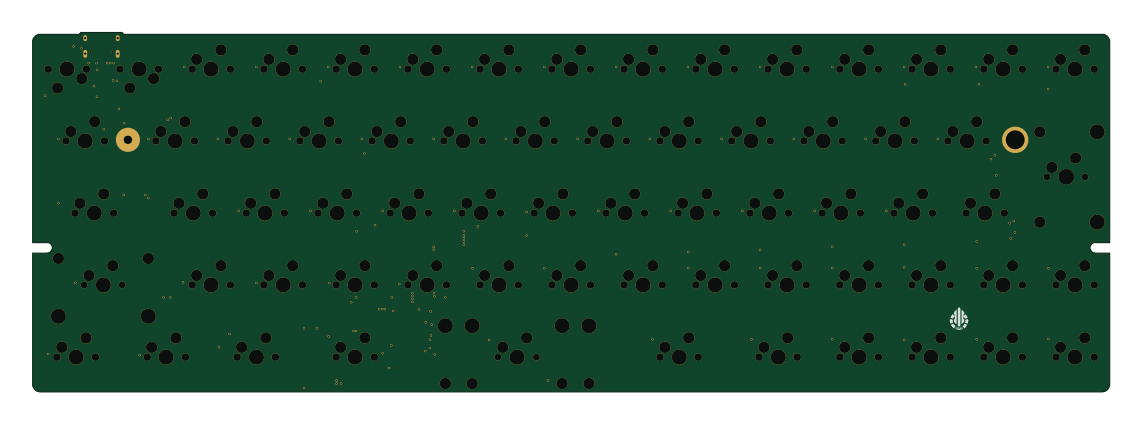 AVR/Arduino
J67G
Salicylic-acid3
285 × 95.1 mm156 parts2LMIT51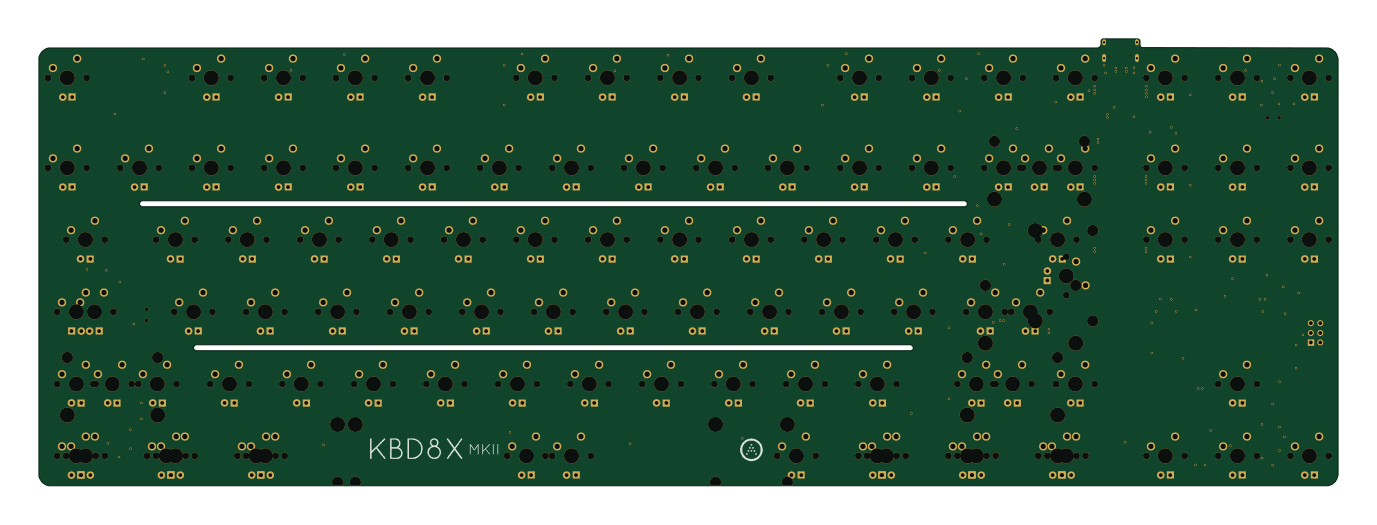 AVR/Arduino
KBD8X-MKII
ai03-2725
343.7 × 118.3 mm342 parts2LCC-BY-NC-4.044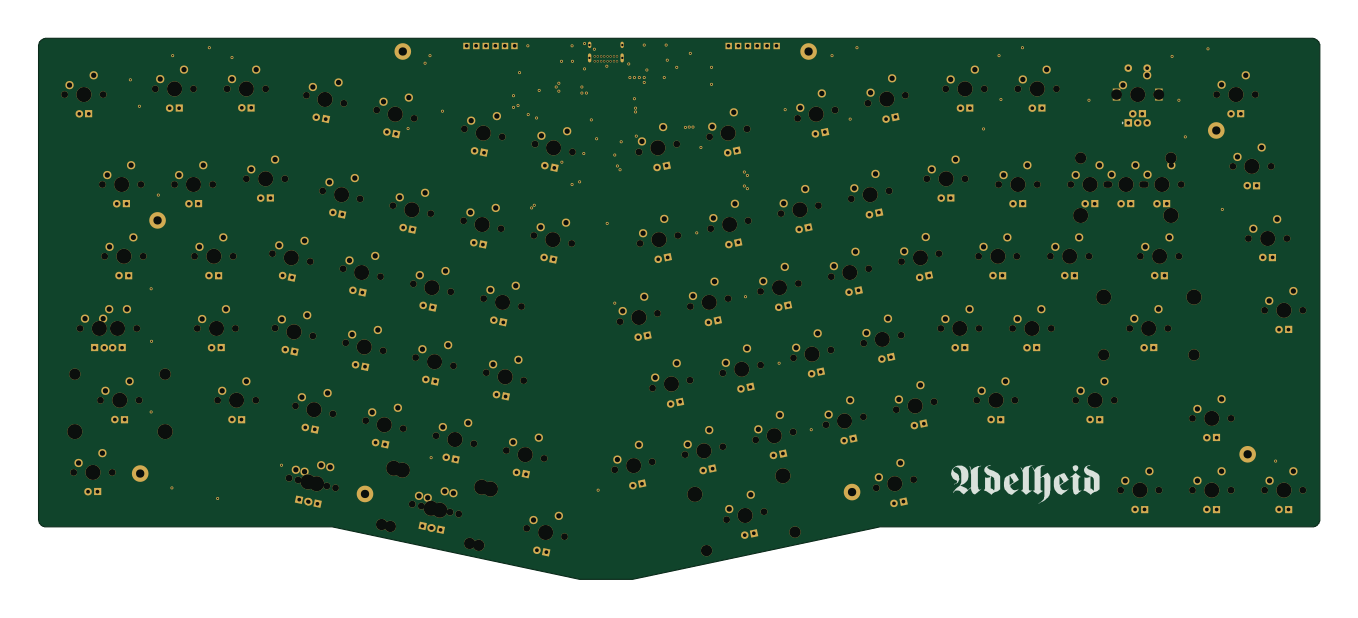 AVR/Arduino
Adelheid plus
dcpedit
339.1 × 143.2 mm322 parts2LMIT28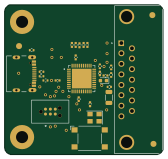 AVR/Arduino
SidewinderToUSBV2
Kreeblah
41.9 × 39.6 mm27 parts2LCC-BY-SA-4.028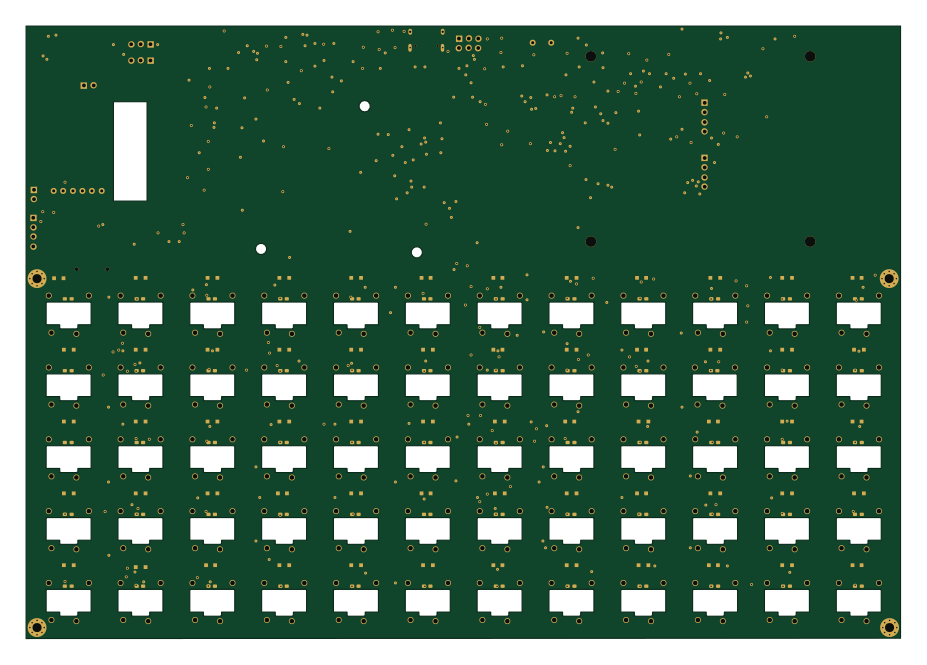 AVR/Arduino
88RPI
231.3 × 162 mm160 parts2LNo license27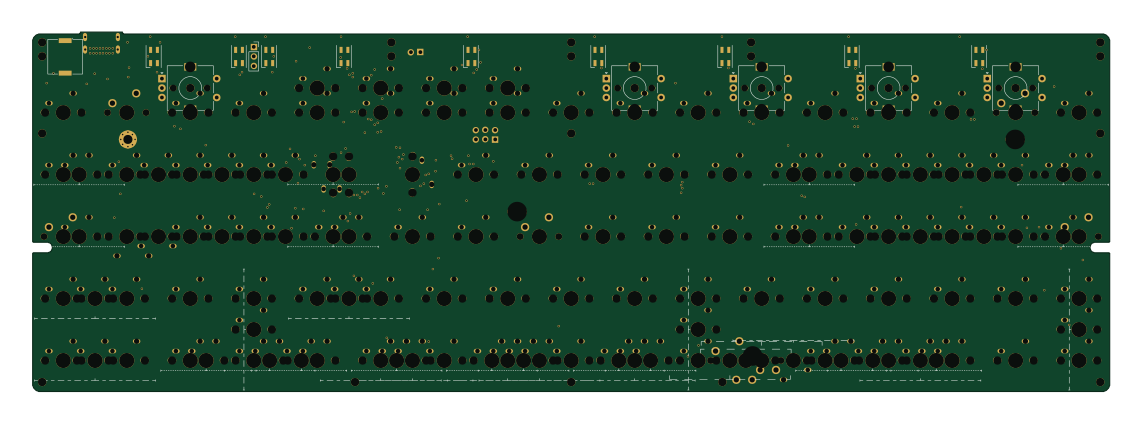 AVR/Arduino
Unison
jpskenn
285 × 95.1 mm281 parts2LMIT23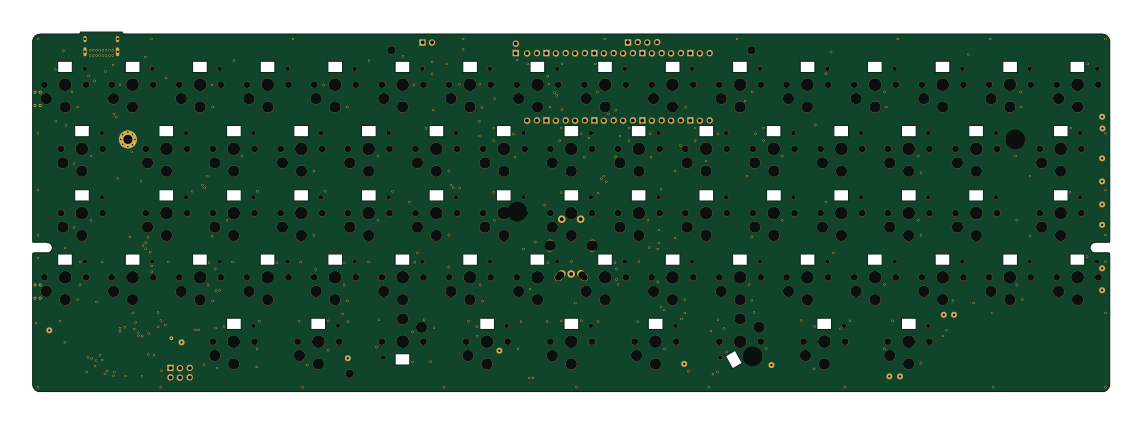 RP2040/RP2350
Nora
285 × 95.1 mm272 parts2LMIT12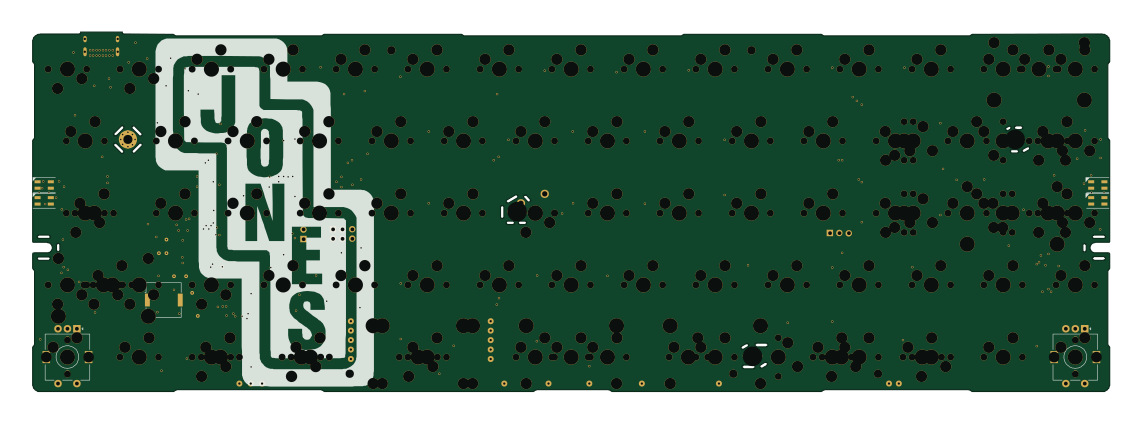 AVR/Arduino
Jones
285 × 95.1 mm211 parts2LMIT12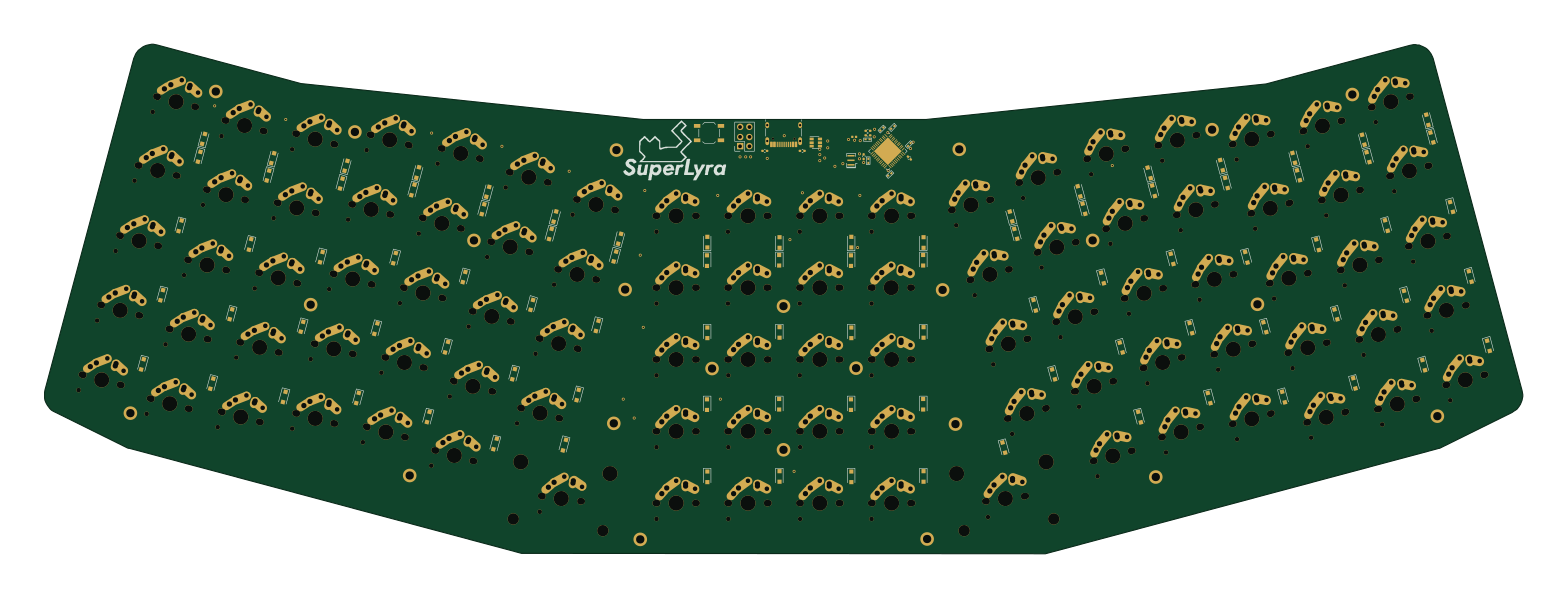 AVR/Arduino
Superlyra
Malevolti
391.1 × 134.8 mm199 parts2LGPL-3.012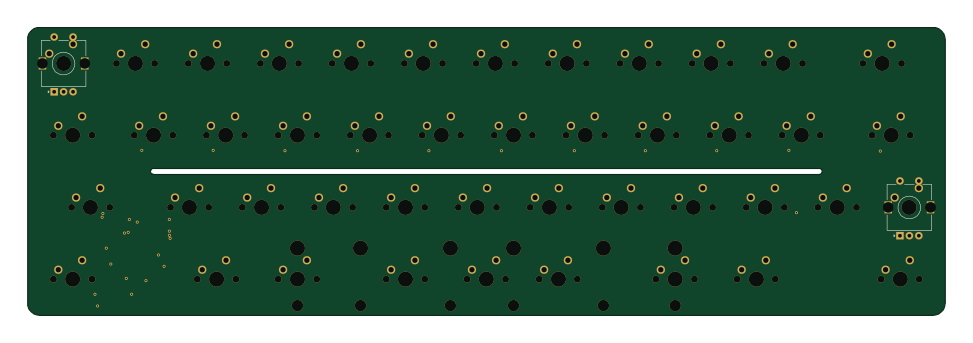 AVR/Arduino
Pegasus
melonbred
242.9 × 76.2 mm109 parts2LMIT8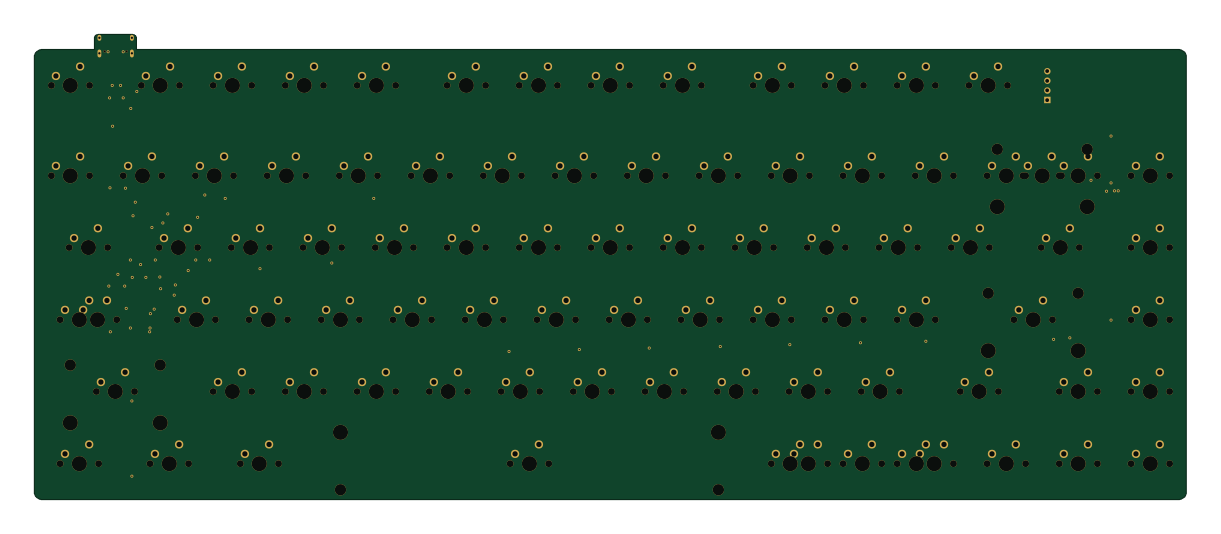 AVR/Arduino
Koalafications
swiftrax
304.8 × 123 mm186 parts2LCC0-1.07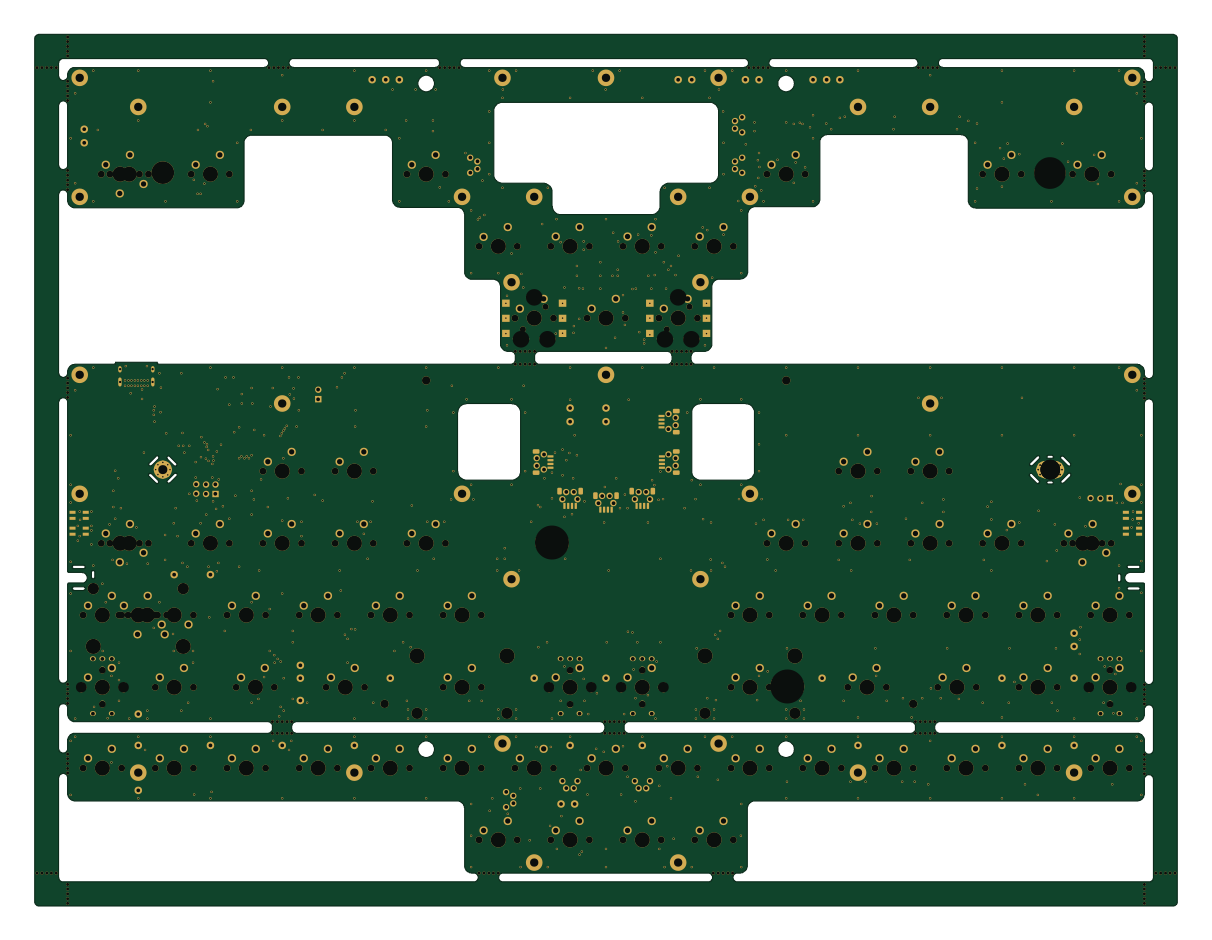 AVR/Arduino
Sandy 3in1
302.5 × 230.7 mm241 parts2LMIT5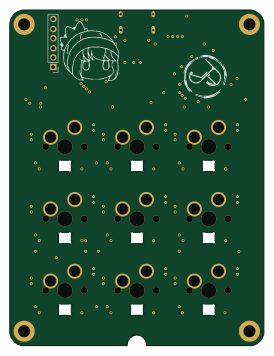 AVR/Arduino
Ai03-macropad
Forge-Media
67.3 × 88.9 mm73 parts2LNo license5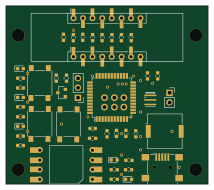 AVR/Arduino
Pcb smd
rapidalarm
53.3 × 47 mm46 parts2LNo license3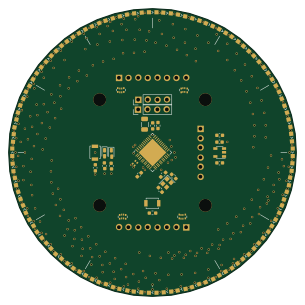 AVR/Arduino
Precision
kwan3217
76.2 × 76.2 mm156 parts2LGPL-2.02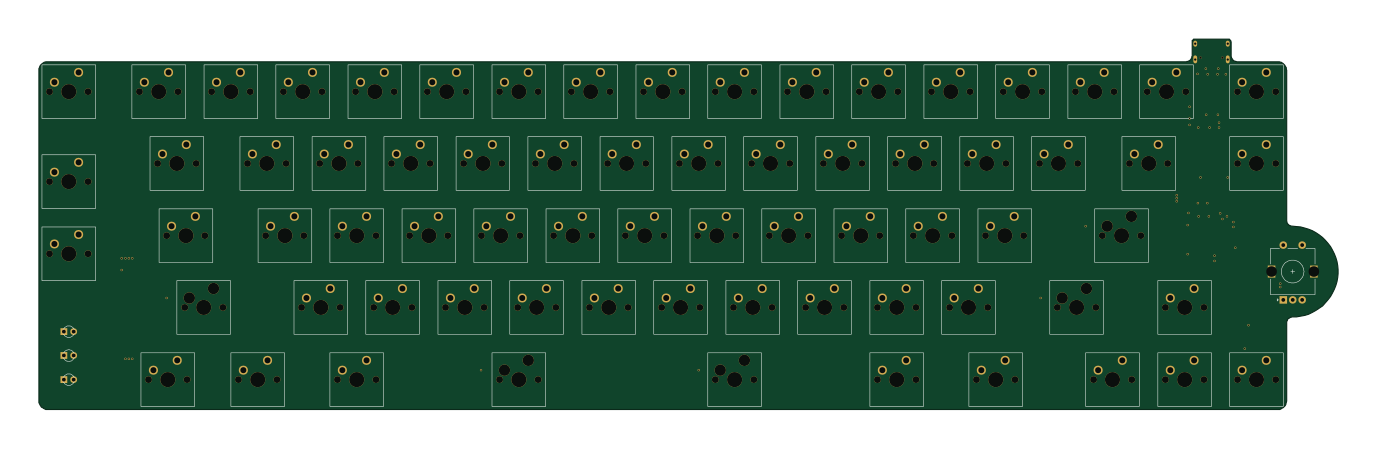 AVR/Arduino
CL70
Clein-KR
343.8 × 98.1 mm211 parts2LCC-BY-NC-4.01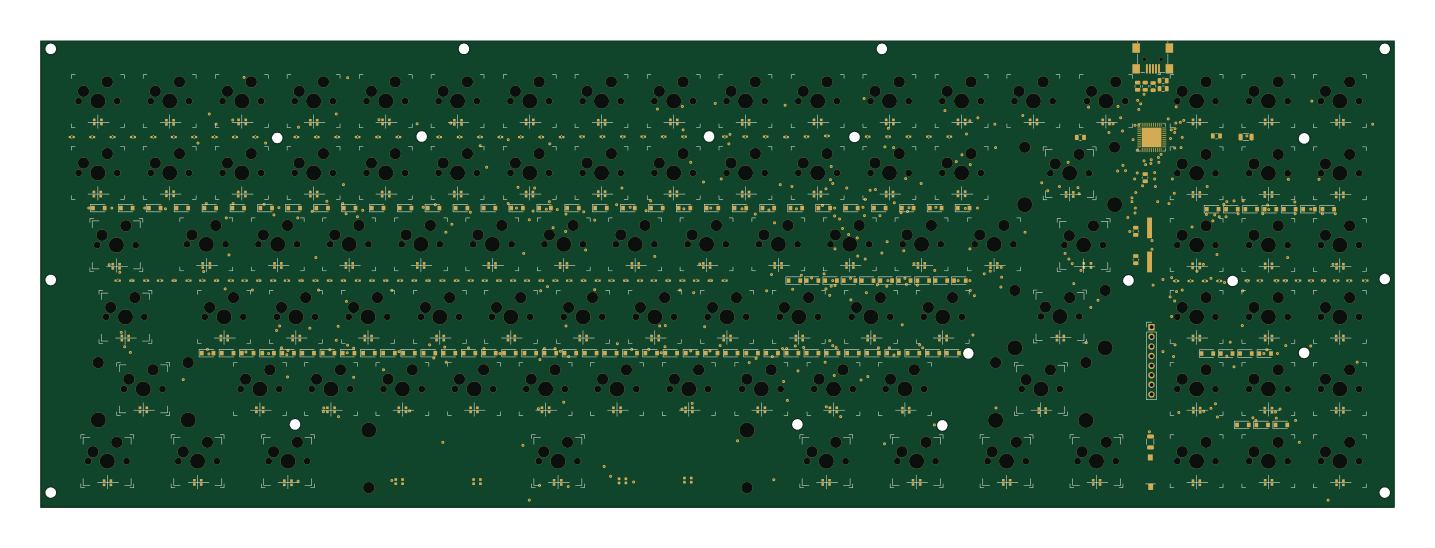 AVR/Arduino
Lo-Key
chgray
358.3 × 123.4 mm401 parts2LNo license0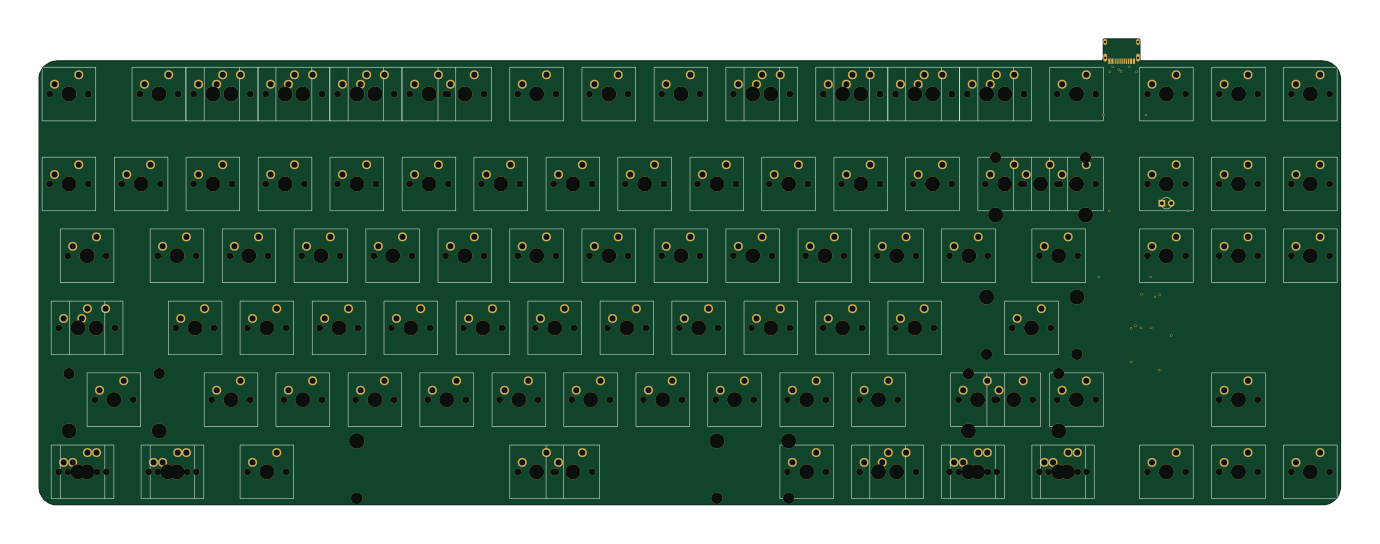 AVR/Arduino
Galatea Old Type 6u
344.5 × 123.3 mm218 parts2LCC-BY-NC-4.00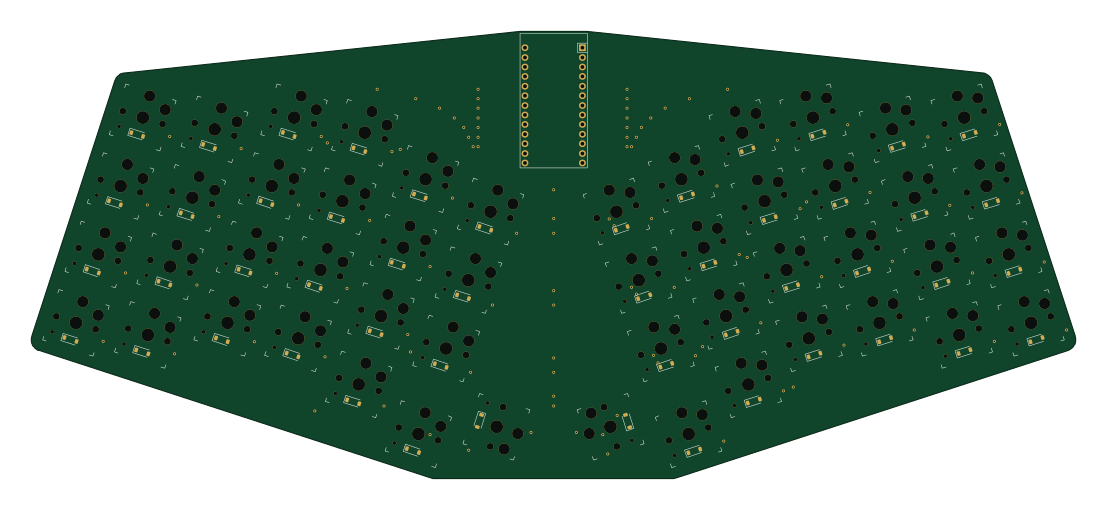 AVR/Arduino
Tenet
spilliams
276.3 × 118.4 mm101 parts2LUnlicense0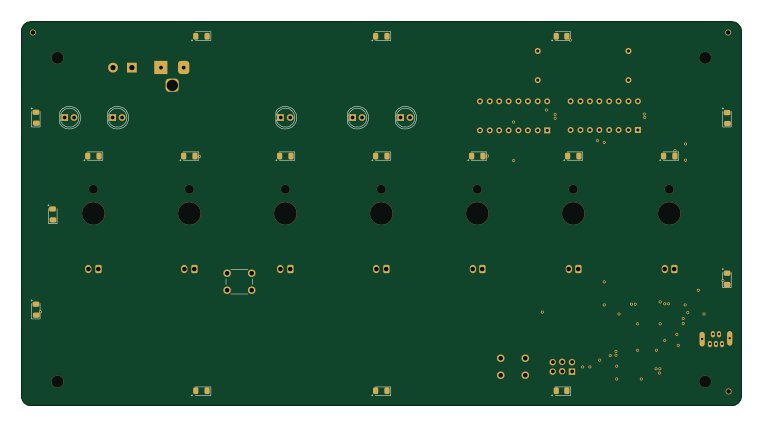 AVR/Arduino
TBM930 De ice panel
neilenns
190.5 × 101.6 mm79 parts2LMIT0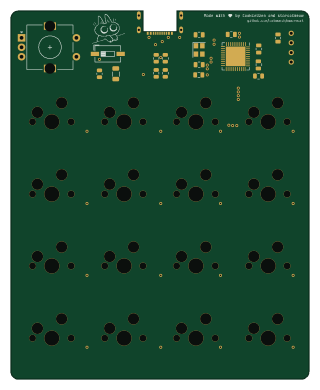 AVR/Arduino
Macrocat
catmunch
78.7 × 97.3 mm52 parts2LMIT0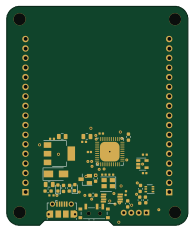 AVR/Arduino
LeonardoBB
asukiaaa
48 × 58 mm40 parts2LNo license0 AVR/Arduino
Atmega32u4 breakout
everyday-dev
20 × 50.5 mm33 parts2LCC-BY-SA-4.00 AVR/Arduino
Calcwriter logic
kaemori
27.3 × 37.3 mm33 parts2LMIT0 AVR/Arduino
Dropin
Spaceboards
234 × 68 mm115 parts2LCERN-OHL-W-2.0144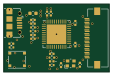 AVR/Arduino
Keyboard
RasmusB
28 × 18 mm27 parts2LNo license56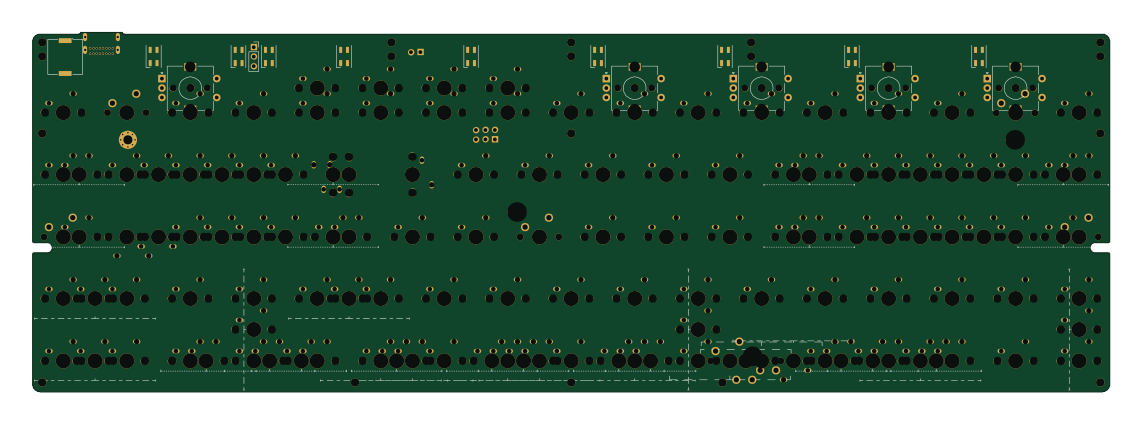 AVR/Arduino
Unison Plate Mid
285 × 95.1 mm281 parts2LMIT23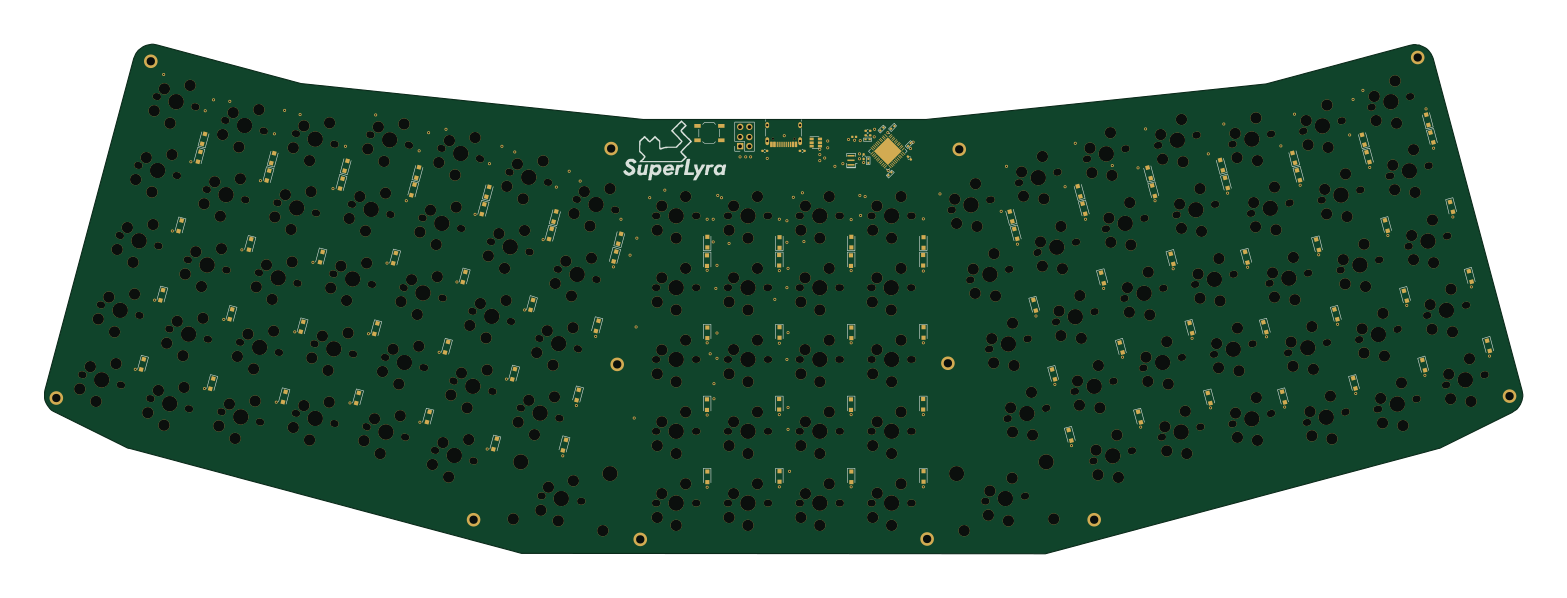 AVR/Arduino
Superlyra hs
391.1 × 134.8 mm199 parts2LGPL-3.012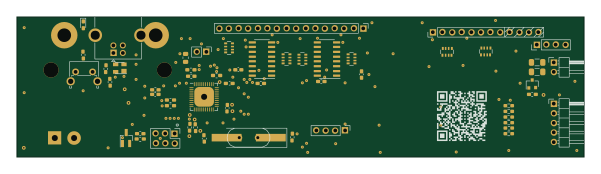 AVR/Arduino
Model-M-USB-v4
mschwingen
150 × 37 mm58 parts2LNo license10 AVR/Arduino
Keyvilboard2.0
RedBulletTooling
37 × 17.6 mm33 parts2LApache-2.06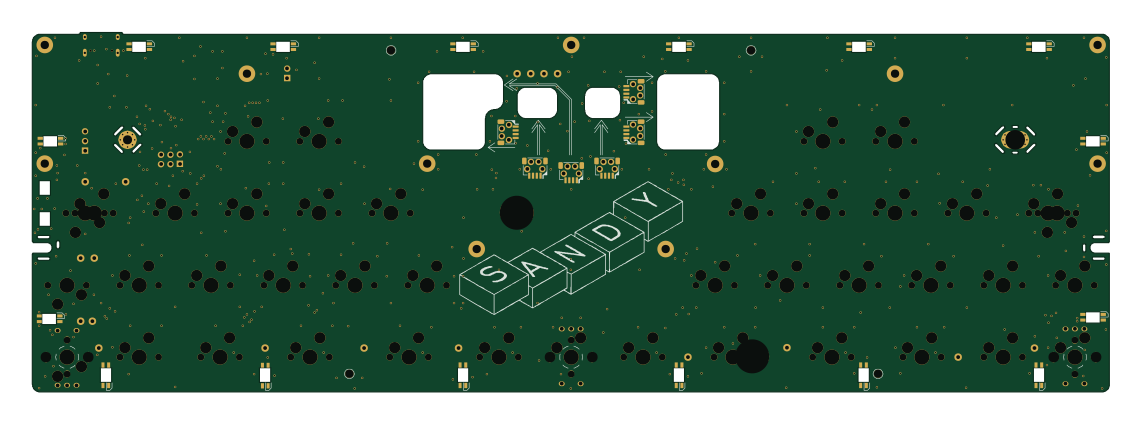 AVR/Arduino
Sandy Base
285 × 95.1 mm153 parts2LMIT5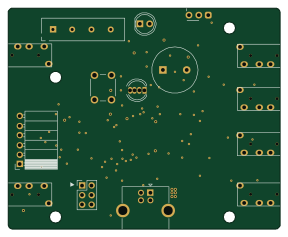 AVR/Arduino
Atmega32u4 hub pcb 1 3
Accessible-AAC
71.9 × 58.4 mm65 parts2LNo license3
How designs wire the ATMEGA32U4-MU
Read from the KiCad layouts of 38 open source designs, one per repository: what each pin of the ATMEGA32U4-MU connects to, and the resistors, capacitors and other passives placed on it.
- The XTAL1 pin has a crystal on 35 of 38 designs, most often 16 MHz (then 8 MHz).
- The XTAL2 pin has a crystal on 34 of 38 designs, most often 16 MHz (then 8 MHz).
- The UCAP pin has a capacitor to GND on 33 of 38 designs, most often 1 µF (then 100 nF).
- The D- pin has a series resistor on 31 of 38 designs, most often 22 Ω.
| Pin | Connected to | Parts on the pin |
|---|---|---|
| UVCCpin 2 | Connected to: 5V 76% · a signal 16% |
|
| D-pin 3 | Connected to: Signal 97% |
|
| D+pin 4 | Connected to: Signal 95% |
|
| UGNDpin 5 | Connected to: GND 97% | — |
| UCAPpin 6 | Connected to: Signal 92% |
|
| VBUSpin 7 | Connected to: 5V 84% · a signal 16% |
|
| RESETpin 13 | Connected to: A connector 61% |
|
| VCCpin 14, 34 | Connected to: 5V 89% |
|
| GNDpin 15, 23, 35, 43, 45 | Connected to: GND 96% | — |
| XTAL2pin 16 | Connected to: Signal 100% |
|
| XTAL1pin 17 | Connected to: Signal 97% |
|
| AVCCpin 24, 44 | Connected to: 5V 85% |
|
| HWB/PE2pin 33 | Connected to: Signal 81% |
|
| AREFpin 42 | Connected to: Not connected 69% · a signal 25% | — |
25 more pins vary from design to design. Connections count pins, parts count designs; values in brackets are how many parts had that value. Designs read include UsbGpib by xyphro, Goldfish by staticintlucas, Dropin by Spaceboards and Sharpikeebo by ccadic.
The ATMEGA32U4-MU in open source designs
The gallery holds 44 open source boards using the ATMEGA32U4-MU from 38 GitHub repositories; a typical one measures about 135 × 92 mm and carries around 105 components.
93% are two-layer designs, the rest use four layers or more, and 59% carry an open source license.
The most starred is UsbGpib by xyphro.
Parts used alongside the ATMEGA32U4-MU
Microcontrollers on boards using the ATMEGA32U4-MU
What boards using the ATMEGA32U4-MU are built for
ATMEGA32U4-MU: common questions
Where can I find a ATMEGA32U4-MU reference design?
Each of the 44 boards on this page is a real design using the ATMEGA32U4-MU. Open one to see how it is wired up, with the full BOM, a render of the layout and links to its KiCad files.
How is the ATMEGA32U4-MU XTAL1 pin connected?
The XTAL1 pin has a crystal on 35 of 38 designs, most often 16 MHz (then 8 MHz). Counted from the KiCad layouts of 38 open source designs using the ATMEGA32U4-MU.
How is the ATMEGA32U4-MU XTAL2 pin connected?
The XTAL2 pin has a crystal on 34 of 38 designs, most often 16 MHz (then 8 MHz). Counted from the KiCad layouts of 38 open source designs using the ATMEGA32U4-MU.
How is the ATMEGA32U4-MU UCAP pin connected?
The UCAP pin has a capacitor to GND on 33 of 38 designs, most often 1 µF (then 100 nF). Counted from the KiCad layouts of 38 open source designs using the ATMEGA32U4-MU.
What parts are used alongside the ATMEGA32U4-MU?
The PRTR5V0U2X, 24LC64, ALS-PT19-315C, AP2112K-3.3 and Charger2A appear in the most repositories here.
Which microcontrollers do boards using the ATMEGA32U4-MU use?
Most are built on AVR/Arduino (43) and RP2040/RP2350 (1).
How big is a typical board using the ATMEGA32U4-MU?
The median is 135 × 92 mm, and 93% are two-layer designs.
What is the most popular open source board using the ATMEGA32U4-MU?
By GitHub stars, UsbGpib by xyphro, with 690 stars.
Can I simulate one of these boards using the ATMEGA32U4-MU before building it?
Yes. HardLabs turns a board's netlist and BOM into a working simulation, so you can boot and test firmware against it with no hardware on your desk.