
109 open source boards using the ESP32-S3
Real designs built with the ESP32-S3, from public GitHub projects: a quick way to see how others power, decouple and connect it. Each board comes with its KiCad files, full parts list and a render — and you can simulate its firmware on HardLabs.
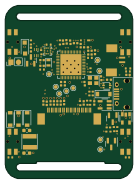 ESP32
Watchy hardware
sqfmi
33.8 × 46 mm75 parts4LMIT226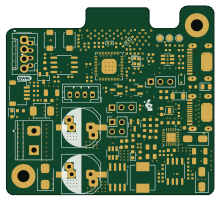 ESP32
OSSM ALT SERVO V3 4
jollydodo
55 × 50 mm120 parts4LCustom license31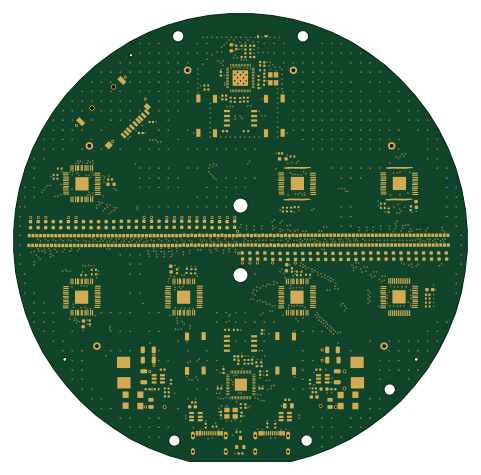 RP2040/RP2350
RD56
lhm0
120 × 118.5 mm263 parts4LCC-BY-NC-4.025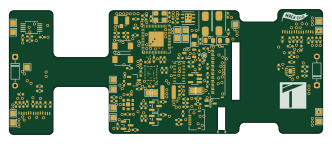 ESP32
Triangulate-ES 01-Watch
sandgum
82.8 × 33 mm125 parts4LNo license22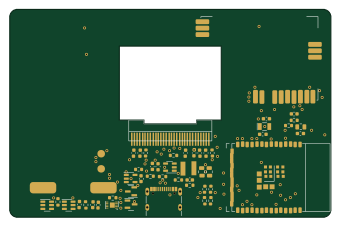 ESP32
Main board
card-io-ecg
85 × 55 mm51 parts4LNo license22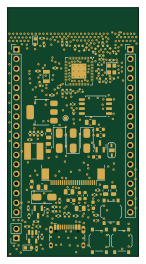 ESP32
Ducky board-ESP32-S3-with-1.52-inch e paper display
MakersFunDuck
34.8 × 65.9 mm95 parts2LGPL-3.018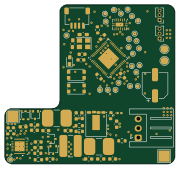 ESP32
Esp32-s3 single motor & battery controller
techy-robot
44.9 × 42 mm101 parts4LCERN-OHL-S-2.012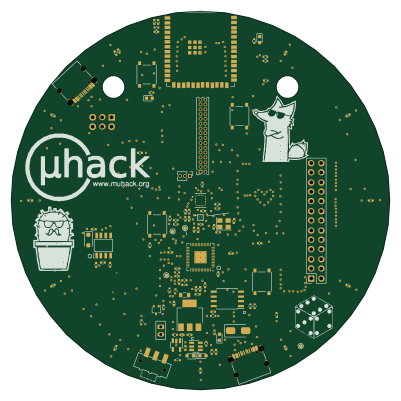 RP2040/RP2350
MuHack-Badge
MrMoDDoM
100 × 100 mm117 parts2LAGPL-3.08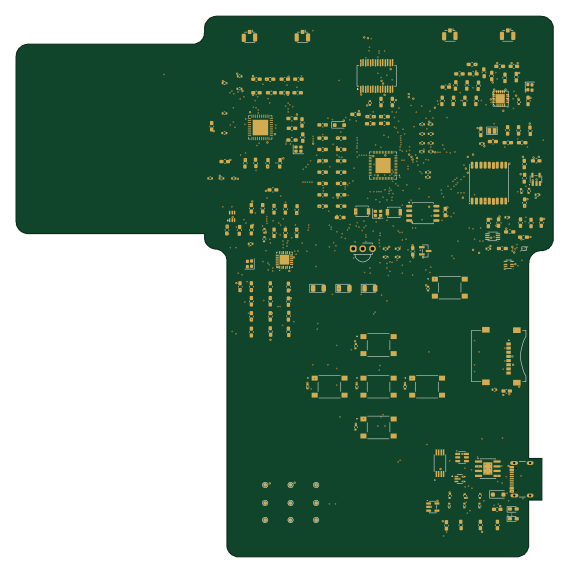 ESP32
Black-Flipper
Broccoliux
142.1 × 143 mm206 parts4LNo license7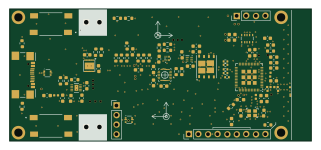 ESP32
Synchronisation-Wand
YuxuanHan0326
80 × 35 mm90 parts4LApache-2.06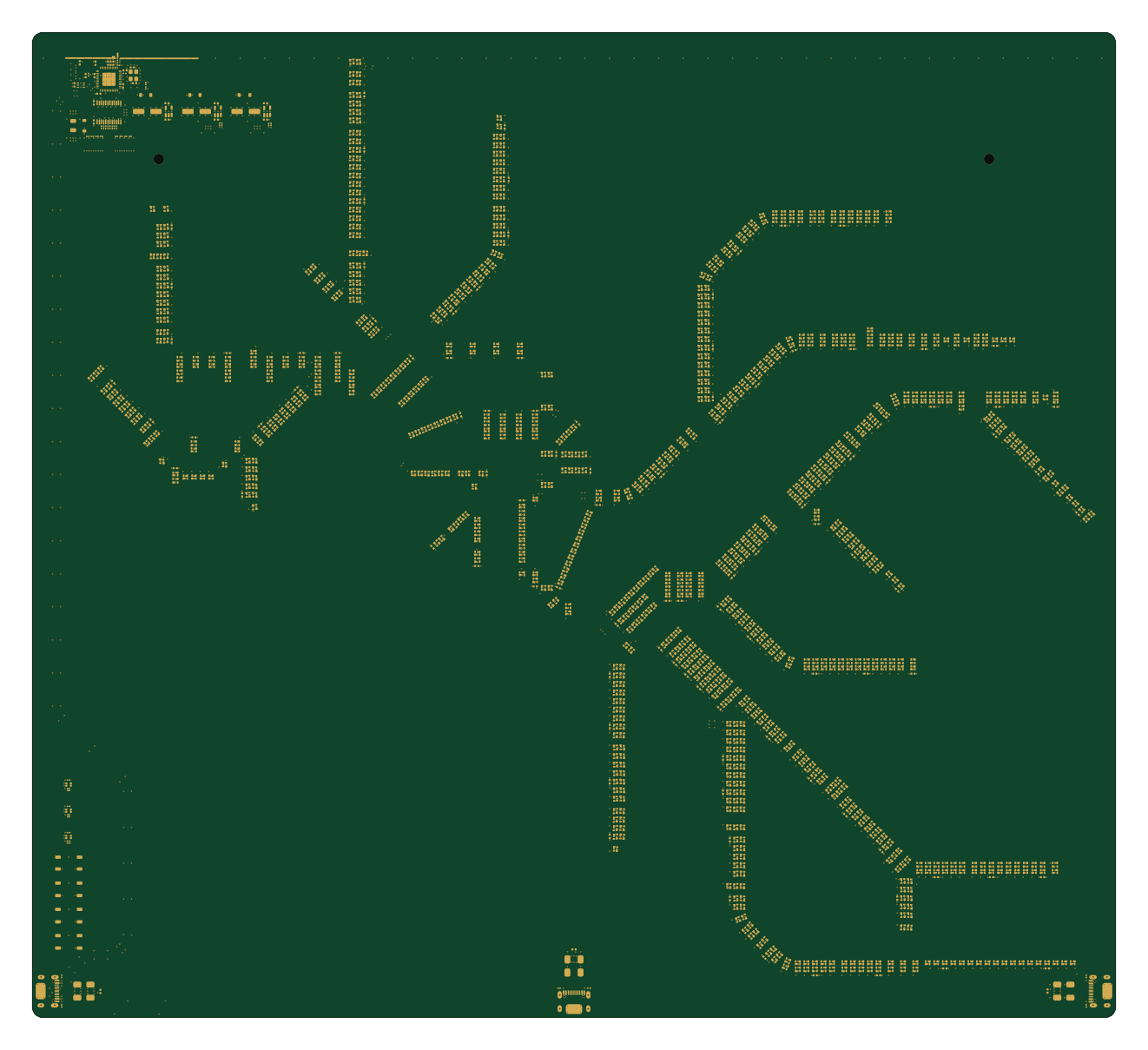 ESP32
Melbourne-Live-Train-Map
CDFER
330 × 300 mm1240 parts2LGPL-3.05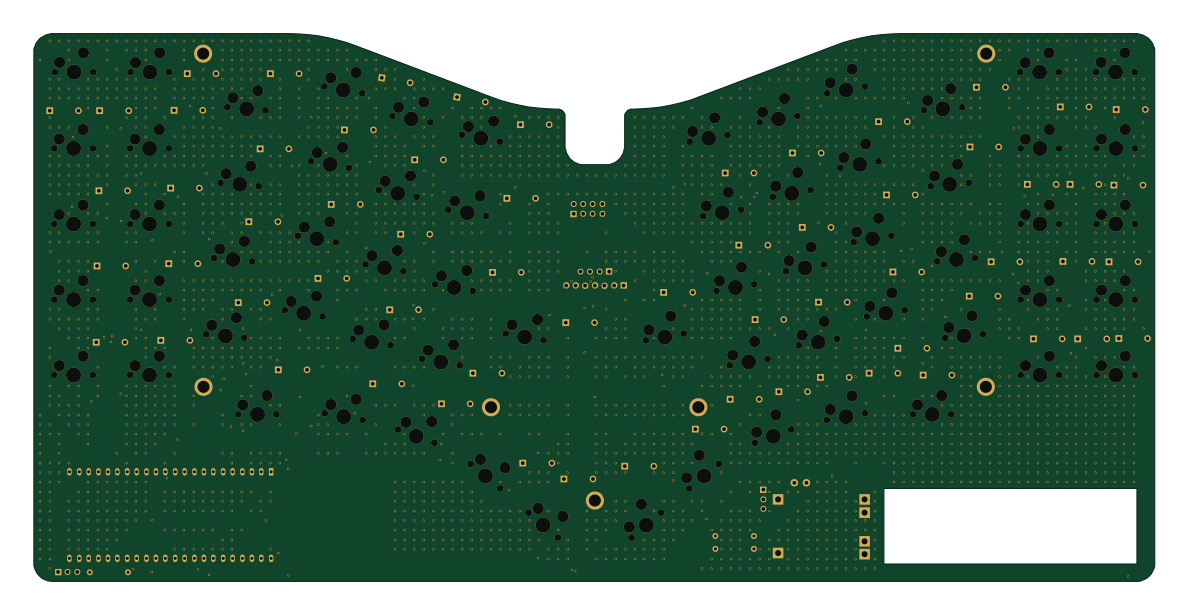 ESP32
KaSe
mornepousse
296.8 × 145 mm155 parts2LNo license4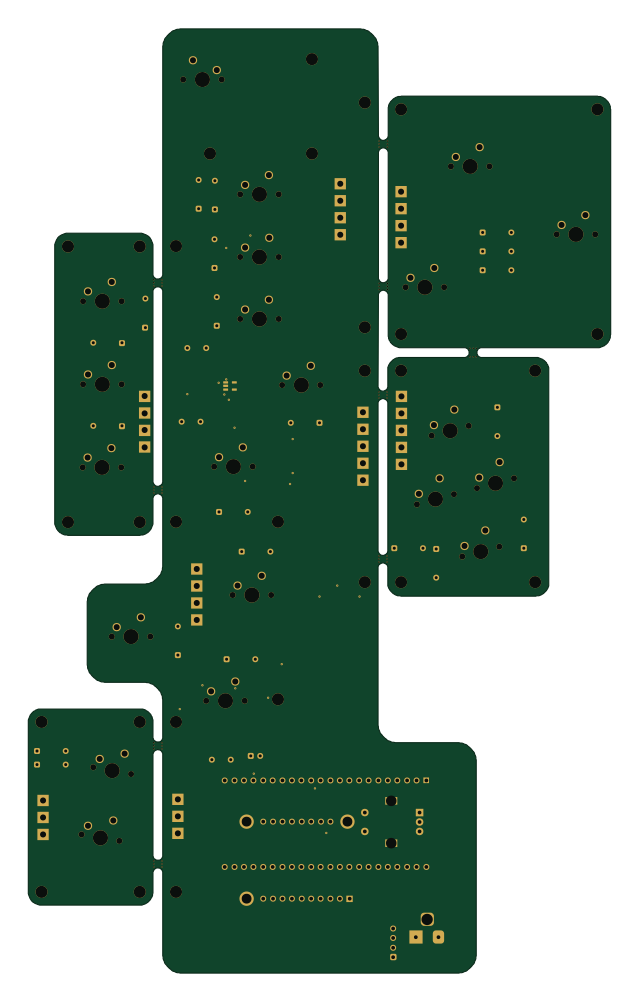 ESP32
STARLITE PRODUCTION
AndrewJ-25
154.2 × 250 mm62 parts2LNo license3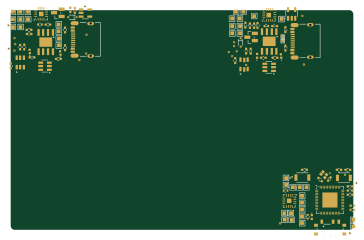 ESP32
HearingAid ESP
AveryLion03
90.8 × 58.2 mm44 parts2LNo license3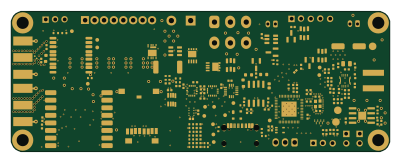 ESP32
PickleRick
icl-rocketry
100 × 37 mm196 parts6LMIT2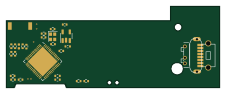 ESP32
TheSchaetzler
theBrutzler
56.5 × 21.5 mm56 parts2LNo license2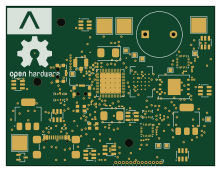 ESP32
Project Skyfall
Melih2123
55.3 × 42.3 mm51 parts4LNo license2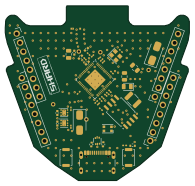 ESP32
Shard
Ender878
48.8 × 46.3 mm50 parts4LMIT2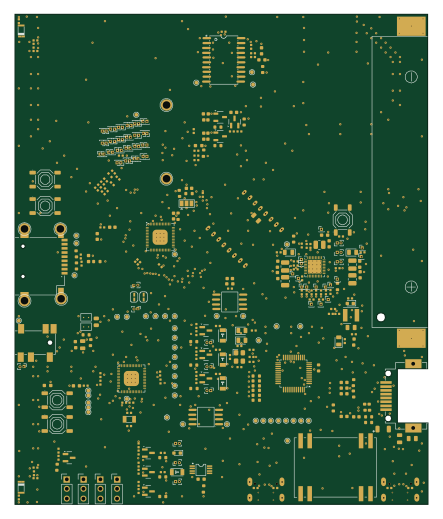 ESP32
ESP32S3 Audio Cam POE
jharvey
109.4 × 129.7 mm320 parts4LMIT1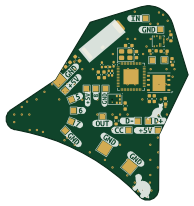 ESP32
Pcb a rev3
TheStaticTurtle
48.1 × 51.4 mm316 parts4LMIT1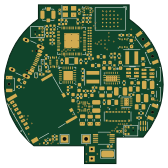 ESP32
Watch
dezash123
42 × 42 mm179 parts6LNo license1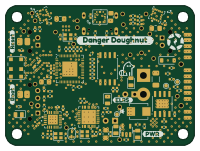 ESP32
DangerDoughnut
gavin4d
50 × 37 mm152 parts4LNo license1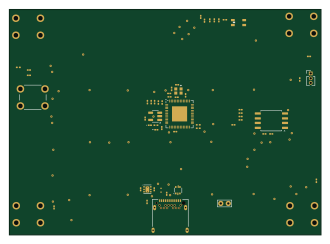 ESP32
Pixel click
Lee34667
82.4 × 59.6 mm130 parts4LNo license1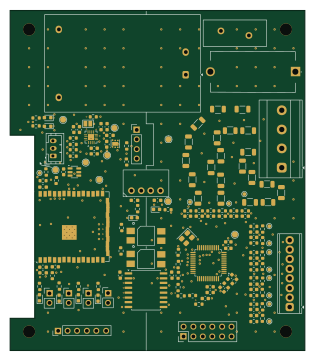 ESP32
Smart-Meter
hupfer21
78 × 90 mm129 parts2LNo license1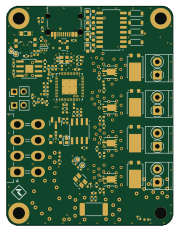 ESP32
Ricardo-FlintandSteel
44 × 58 mm127 parts4LMIT1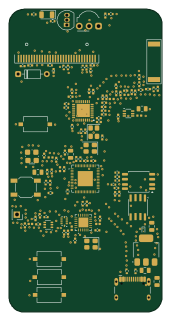 ESP32
Null
jadenvv
40.5 × 80.2 mm121 parts4LNo license1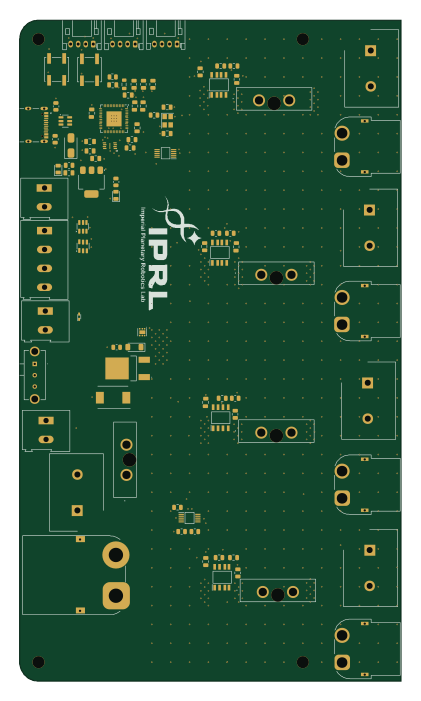 ESP32
Power
ICRS
101 × 175 mm91 parts4LNo license1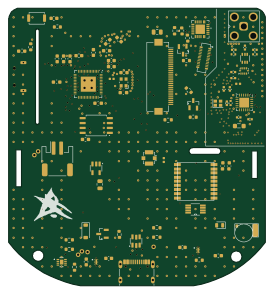 ESP32
Messenger
nickzentmayer
68 × 73.5 mm89 parts4LNo license1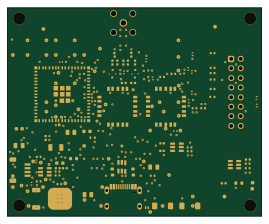 ESP32
Isno super v1.0
Isno-Open
67.3 × 55.2 mm81 parts4LCERN-OHL-S-2.01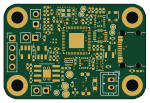 ESP32
Altimeter
37.5 × 25 mm80 parts4LNo license1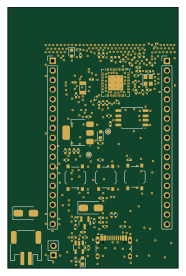 ESP32
BreatheTrack
n1vaan
45.1 × 68.9 mm75 parts4LNo license1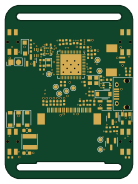 ESP32
TinyBot32
ZhaoXingPeng
33.8 × 46 mm75 parts4LMIT1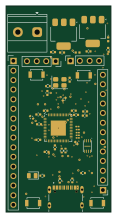 ESP32
CForge
SamhithPola2025
27.7 × 54.5 mm49 parts2LMIT1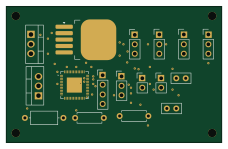 ESP32
Project-Apex part-1-electronics
VoxyX2
57 × 36 mm17 parts2LNo license1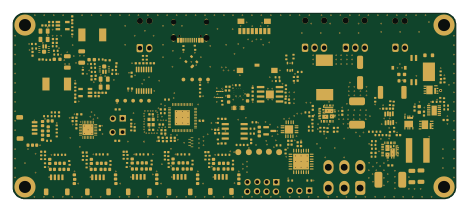 ESP32
Ricardo-Stark
117 × 49 mm298 parts6LNo license0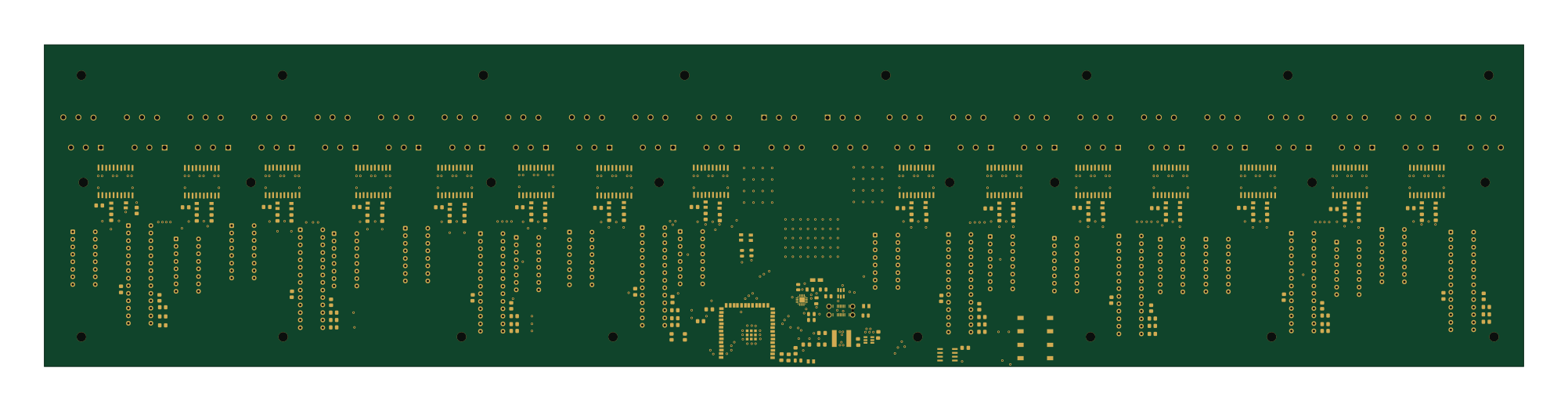 ESP32
Ekspander 100x i2c
kanaboid
500 × 108.8 mm264 parts4LNo license0
How designs wire the ESP32-S3
Read from the KiCad layouts of 79 open source designs, one per repository: what each pin of the ESP32-S3 connects to, and the resistors, capacitors and other passives placed on it.
- The VDD3P3 pins have a decoupling capacitor on 62 of 79 designs, most often 100 nF (then 10 µF).
- The CHIP_PU pin has a pull-up to 3.3V on 59 of 77 designs, most often 10 kΩ (then 5.1 kΩ).
- The XTAL_N pin has a crystal on 57 of 63 designs, most often 40 MHz.
- The XTAL_N pin has a capacitor to GND on 55 of 63 designs, most often 12 pF (then 11 pF).
| Pin | Connected to | Parts on the pin |
|---|---|---|
| LNA_INpin 1 | Connected to: Signal 57% · not connected 25% · GND 15% |
|
| VDD3P3pin 2, 3 | Connected to: 3.3V 48% · a signal 46% |
|
| CHIP_PUpin 4 | Connected to: A connector 21% |
|
| GPIO0pin 5 | Connected to: A connector 27% |
|
| VDD3P3_RTCpin 20 | Connected to: 3.3V 82% |
|
| GPIO19/USB_D-pin 25 | Connected to: A connector 37% · not connected 17% |
|
| GPIO20/USB_D+pin 26 | Connected to: A connector 37% |
|
| SPICS1pin 28 | Connected to: Not connected 71% · a signal 29% | — |
| VDD_SPIpin 29 | Connected to: VDD_SPI 64% · not connected 23% |
|
| SPIHDpin 30 | Connected to: Signal 54% · not connected 46% |
|
| SPIWPpin 31 | Connected to: Signal 55% · not connected 45% |
|
| SPICLKpin 33 | Connected to: Signal 57% · not connected 43% |
|
| SPIQpin 34 | Connected to: Signal 59% · not connected 41% |
|
| SPIDpin 35 | Connected to: Signal 57% · not connected 43% |
|
| VDD3P3_CPUpin 46 | Connected to: 3.3V 97% |
|
| U0TXDpin 49 | Connected to: Signal 66% · not connected 32% |
|
| XTAL_Npin 53 | Connected to: Signal 94% |
|
| XTAL_Ppin 54 | Connected to: Signal 95% |
|
| VDDApin 55, 56 | Connected to: 3.3V 97% |
|
| GNDpin 57 | Connected to: GND 98% | — |
35 more pins vary from design to design. Connections count pins, parts count designs; values in brackets are how many parts had that value. Designs read include Watchy hardware by sqfmi, S3-27-epaper touch by martinberlin, Brakechopper v1 1 by jollydodo and RD56 by lhm0.
The ESP32-S3 in open source designs
The gallery holds 109 open source boards using the ESP32-S3 from 87 GitHub repositories; a typical one measures about 56.7 × 55.1 mm and carries around 73 components.
66% use four copper layers or more, and 27% carry an open source license.
The most starred is Watchy hardware by sqfmi.
Parts used alongside the ESP32-S3
Microcontrollers on boards using the ESP32-S3
What boards using the ESP32-S3 are built for
ESP32-S3: common questions
Where can I find a ESP32-S3 reference design?
Each of the 109 boards on this page is a real design using the ESP32-S3. Open one to see how it is wired up, with the full BOM, a render of the layout and links to its KiCad files.
What decoupling capacitors do designs use on the ESP32-S3 VDD3P3 pin?
The VDD3P3 pins have a decoupling capacitor on 62 of 79 designs, most often 100 nF (then 10 µF). Counted from the KiCad layouts of 79 open source designs using the ESP32-S3.
What pull-up resistor is used on the ESP32-S3 CHIP_PU pin?
The CHIP_PU pin has a pull-up to 3.3V on 59 of 77 designs, most often 10 kΩ (then 5.1 kΩ). Counted from the KiCad layouts of 79 open source designs using the ESP32-S3.
How is the ESP32-S3 XTAL_N pin connected?
The XTAL_N pin has a crystal on 57 of 63 designs, most often 40 MHz. Counted from the KiCad layouts of 79 open source designs using the ESP32-S3.
What parts are used alongside the ESP32-S3?
The W25Q128JVS, AMS1117-3.3, MCP73831-2-OT, MAX77827AEFD+T and SN65HVD230 appear in the most repositories here.
Which microcontrollers do boards using the ESP32-S3 use?
Most are built on ESP32 (104), RP2040/RP2350 (4) and AVR/Arduino (1).
How big is a typical board using the ESP32-S3?
The median is 56.7 × 55.1 mm, and 34% are two-layer designs.
What is the most popular open source board using the ESP32-S3?
By GitHub stars, Watchy hardware by sqfmi, with 226 stars.
Can I simulate one of these boards using the ESP32-S3 before building it?
Yes. HardLabs turns a board's netlist and BOM into a working simulation, so you can boot and test firmware against it with no hardware on your desk.