
43 open source boards using the ISO1050DUB
Real designs built with the ISO1050DUB, from public GitHub projects: a quick way to see how others power, decouple and connect it. Each board comes with its KiCad files, full parts list and a render — and you can simulate its firmware on HardLabs.
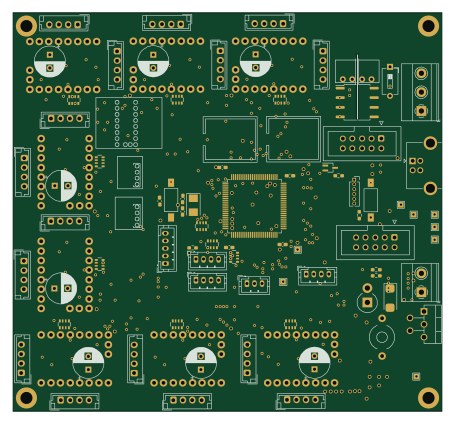 STM32
Multistepper
eddyem
113.5 × 105.5 mm234 parts4LNo license208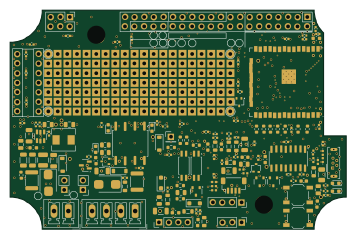 ESP32
SH-ESP32
hatlabs
89 × 58 mm172 parts4LCC-BY-4.049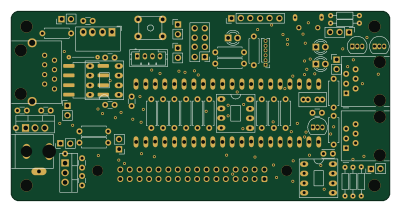
C6021light
GBert
100 × 50 mm74 parts2LNo license36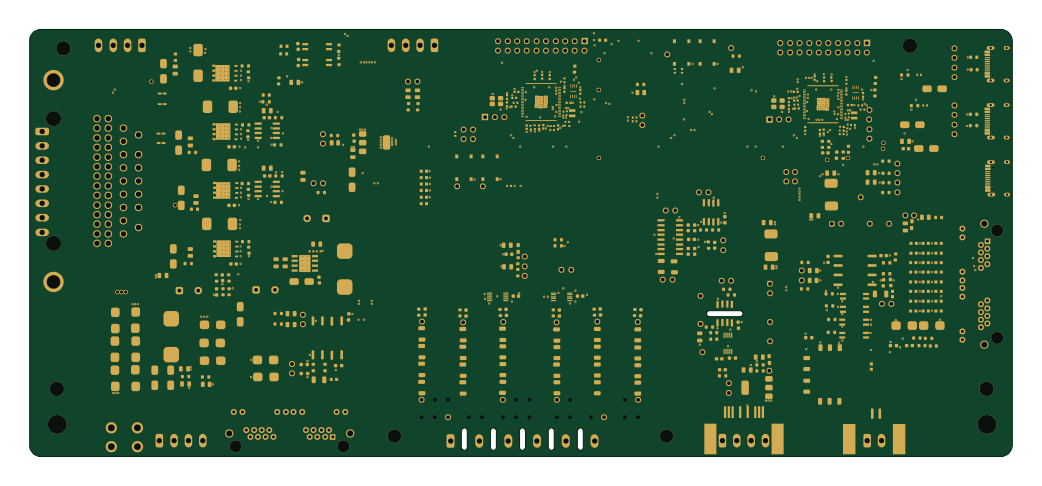 RP2040/RP2350
CellKeeper
cellkeeper-bms
260 × 113 mm405 parts4LGPL-3.011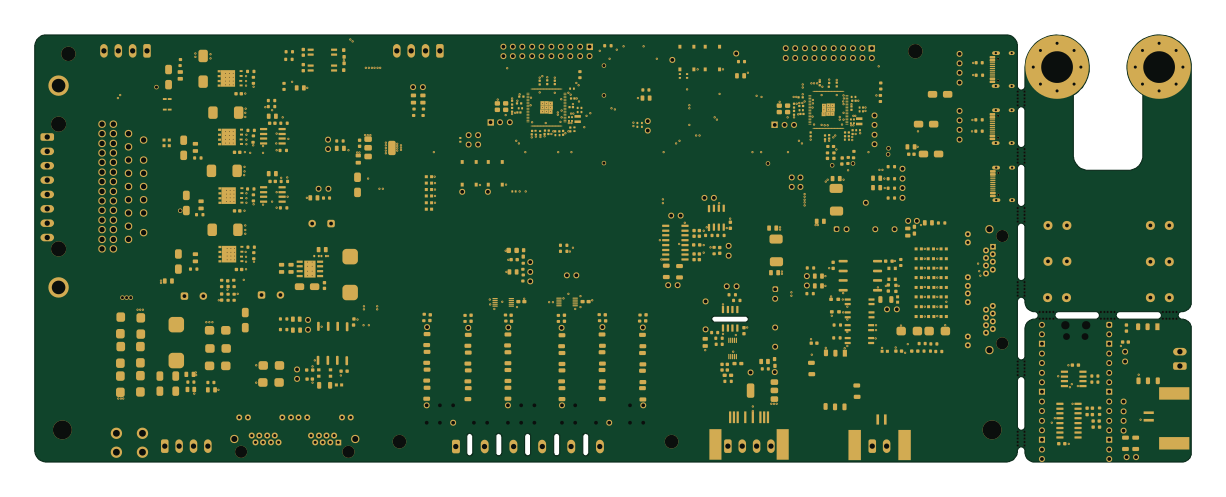 RP2040/RP2350
CellKeeper-BMS
clowrey
306 × 113 mm423 parts4LGPL-3.09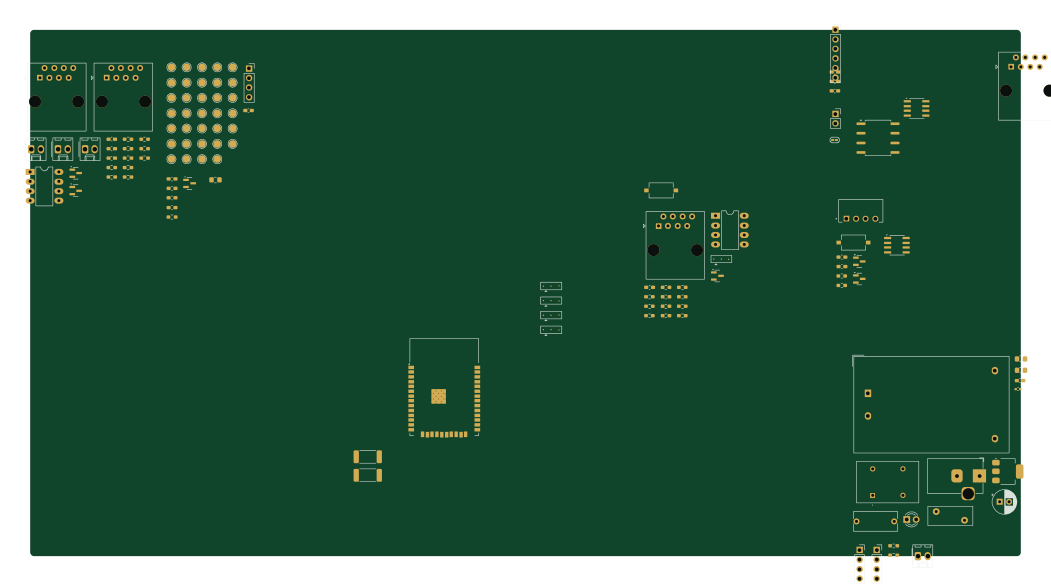 ESP32
ESp32-DEVKIT-DATALOGGER
Zektopic
262.2 × 139.3 mm84 parts2LNo license7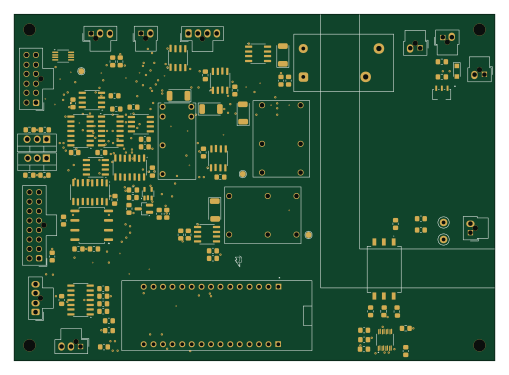
Accumulator Board
formulaslug
127 × 91.5 mm102 parts2LNo license5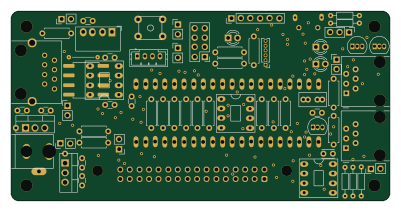
C6021light
deltaphi
100 × 50 mm74 parts2LGPL-3.05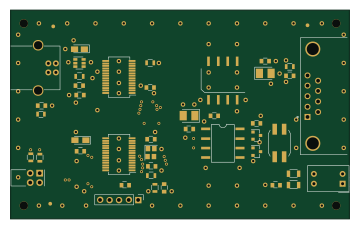 PIC
Pican usb
marcinbor85
89.8 × 55.3 mm42 parts2LGPL-3.04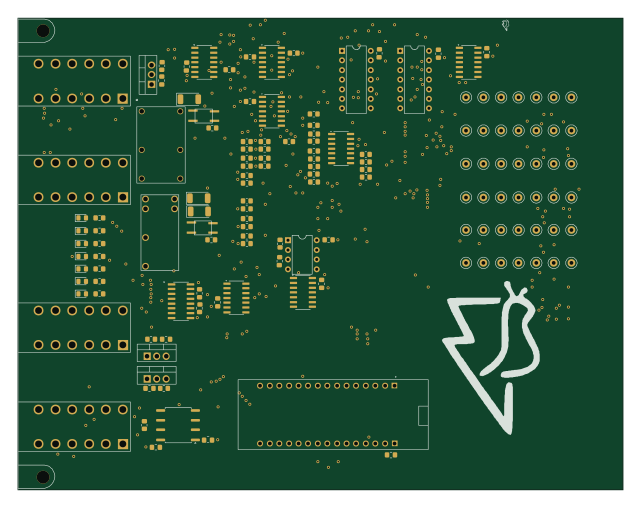
BSPD +
160 × 124.7 mm137 parts2LNo license2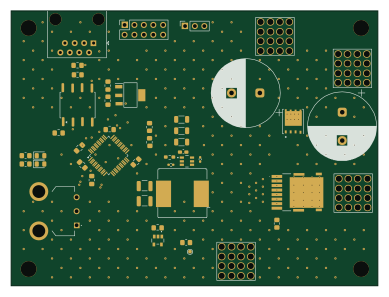 STM32
Simple brushed
ill-ev-concept
97 × 72.8 mm46 parts2LNo license2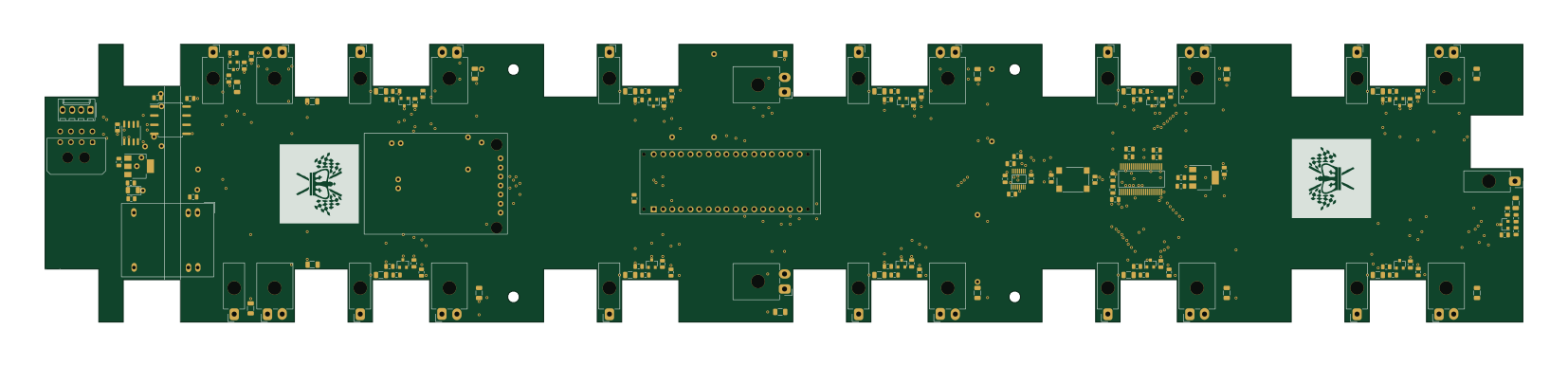 AVR/Arduino
Slave Board
columbia-fsae
412.7 × 77.5 mm148 parts2LNo license1- schematic only · 38 parts
Epicura spec
manasXP
38 partsNo license1 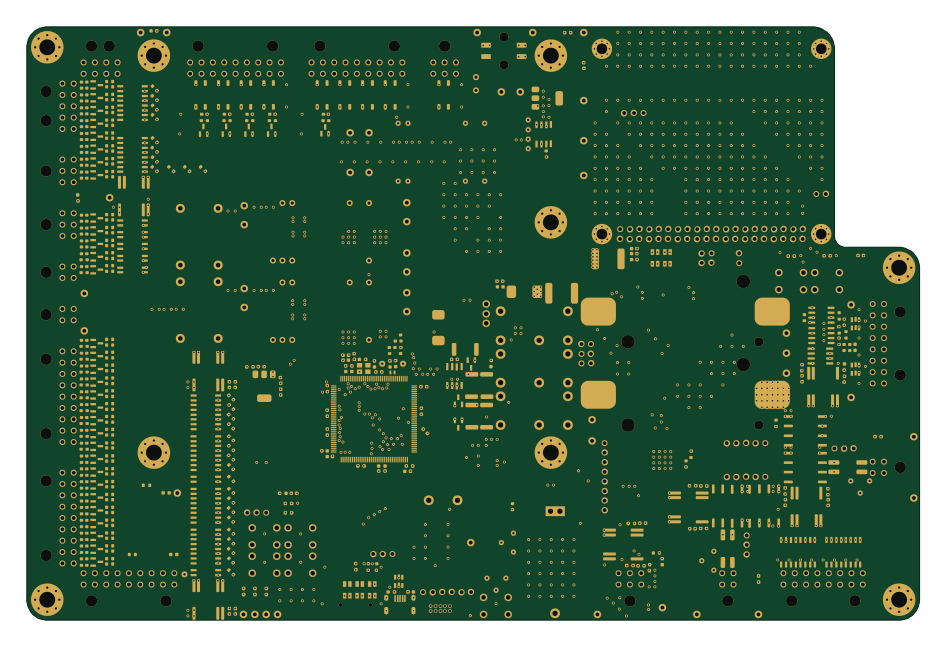 STM32
Impeller18
buglalis
236.1 × 156.9 mm750 parts4LNo license0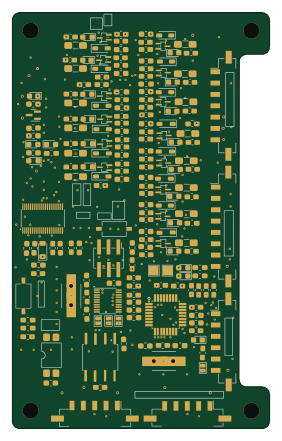 AVR/Arduino
AMS SLAVE TEST
HKUST-Red-Bird-Racing-EVRT
68 × 110 mm191 parts2LNo license0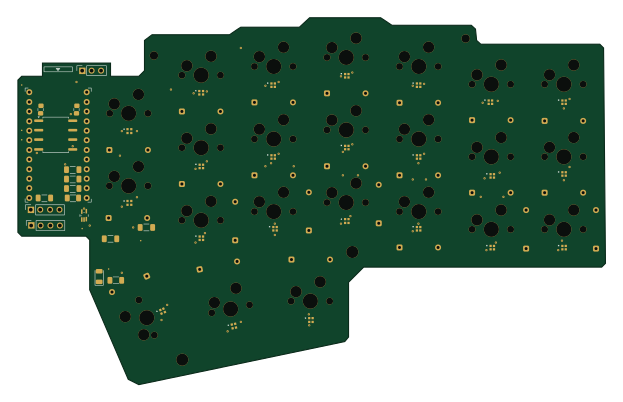
Stensgrind
Deltaphish
155.5 × 97.1 mm176 parts4LMIT0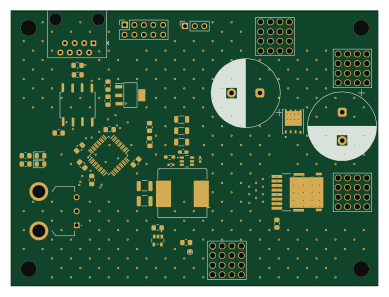 STM32
EVC
97 × 72.8 mm46 parts2LMIT0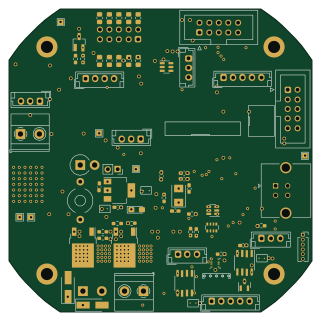 STM32
Nitrogen
80 × 80 mm136 parts4LNo license208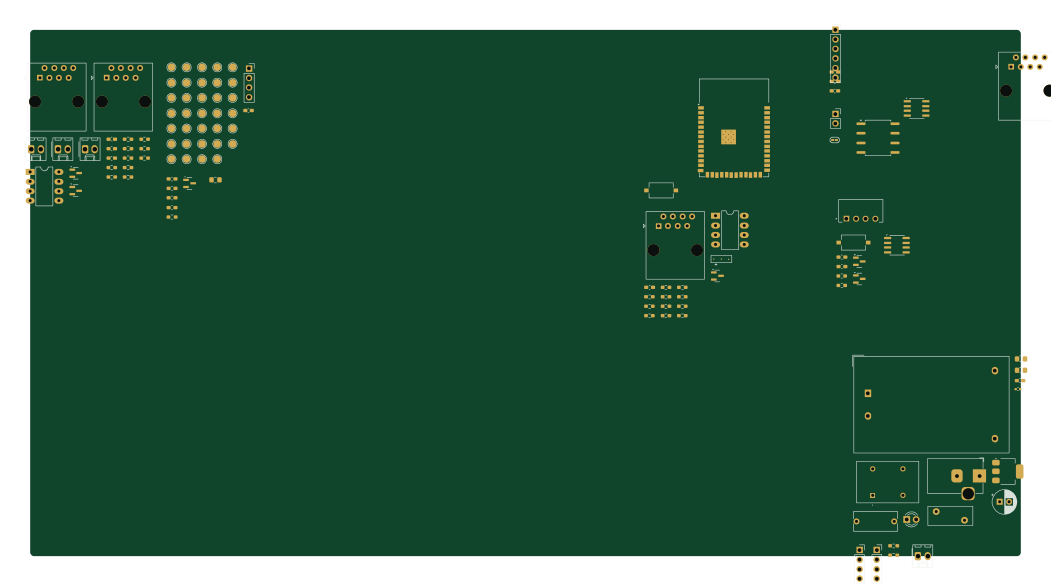 ESP32
ESP32-S3-MINI-DEVKIT-DATALOGGER
262.2 × 139.3 mm82 parts2LNo license7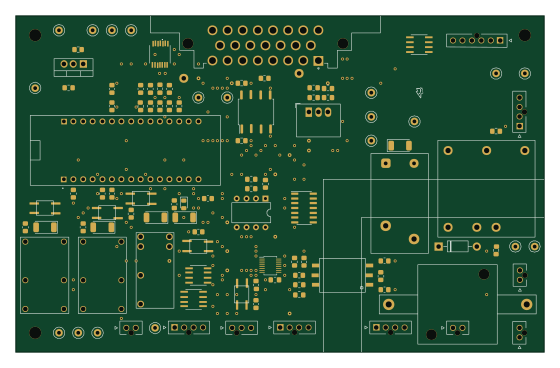
Accumulator Board
139.7 × 88.9 mm105 parts2LNo license2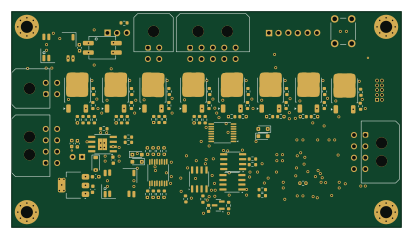 STM32
BMS
103 × 57 mm192 parts4LNo license0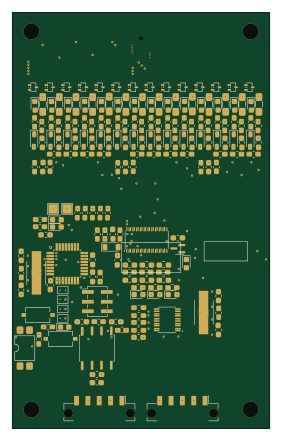 AVR/Arduino
AMS slave
68 × 110 mm189 parts2LNo license0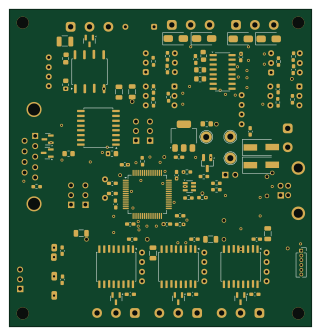 STM32
Many485
80 × 84 mm107 parts2LNo license208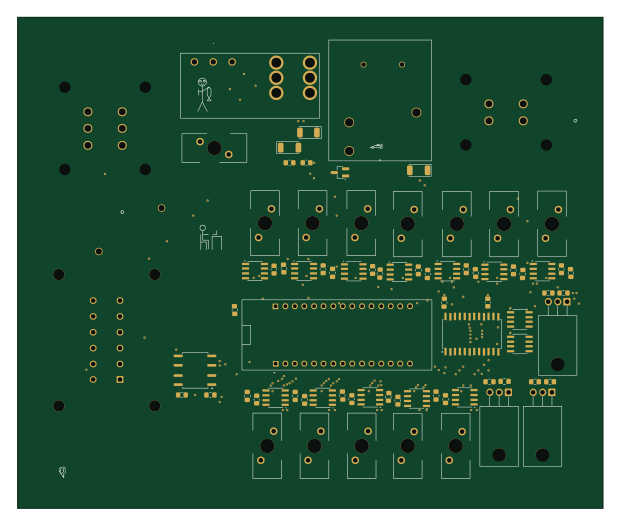
Power DIstrobution Board
155 × 130 mm79 parts2LNo license5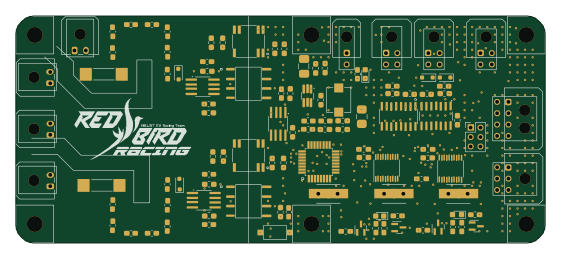 AVR/Arduino
BDUCU
140 × 60 mm169 parts2LNo license0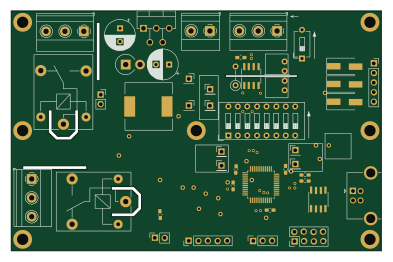 STM32
Stm32
98 × 63.5 mm98 parts2LNo license208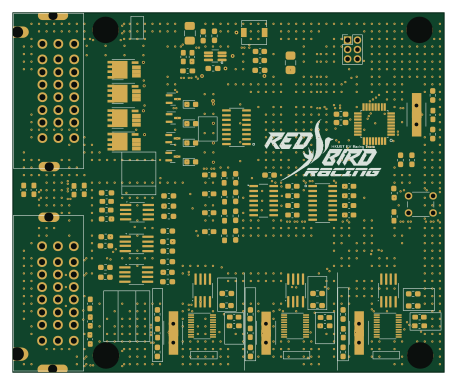 AVR/Arduino
VCU V3.3
114 × 95 mm145 parts2LNo license0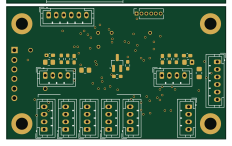 STM32
Mainboard
58 × 35 mm86 parts2LNo license208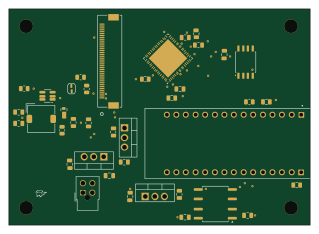
Dash
79.5 × 57 mm38 parts2LNo license5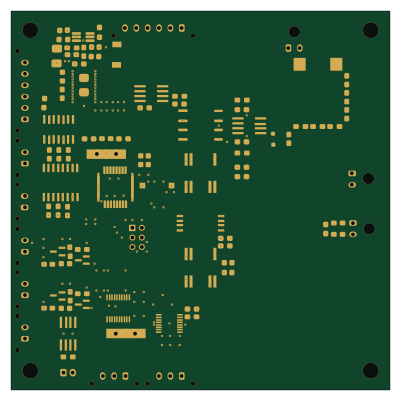 AVR/Arduino
Charger
100 × 100 mm126 parts2LNo license0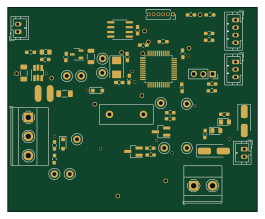 STM32
Windshield
66 × 54 mm86 parts2LNo license208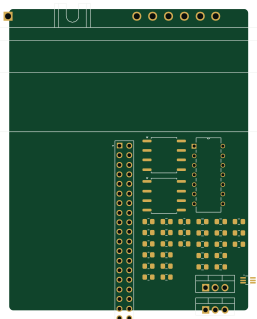
ETC
63.3 × 79.8 mm36 parts2LNo license5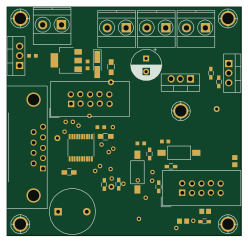 STM32
Chiller control
62 × 60.5 mm69 parts2LNo license208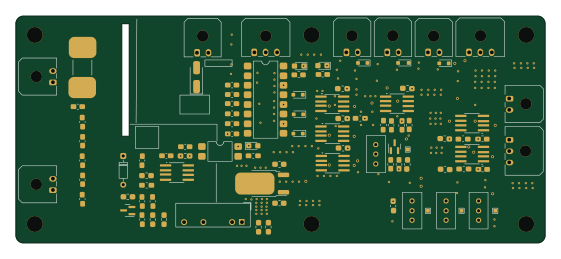 AVR/Arduino
TSALG ACCUM V2
140 × 60 mm88 parts2LNo license0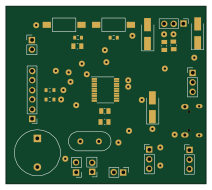 STM32
Servo control
53 × 47 mm59 parts2LNo license208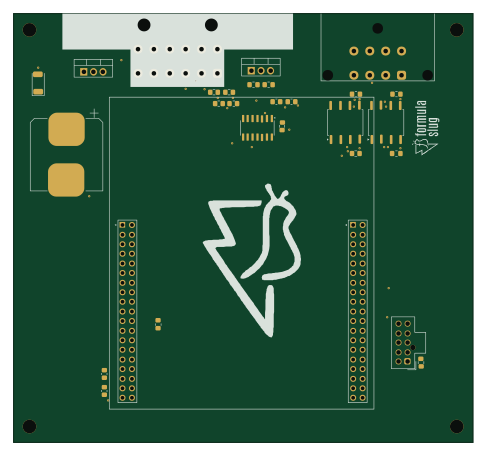
Telemetry Board
121.5 × 113.4 mm28 parts2LNo license5
How designs wire the ISO1050DUB
Read from the KiCad layouts of 16 open source designs, one per repository: what each pin of the ISO1050DUB connects to, and the resistors, capacitors and other passives placed on it.
- The VCC1 pin has a decoupling capacitor on 15 of 16 designs, most often 100 nF (then 47 µF).
- The CANL pin has a series resistor on 8 of 16 designs, most often 120 Ω (then 240 Ω).
- The VCC2 pin has a capacitor to GND on 8 of 16 designs, most often 100 nF.
- The CANH pin has a series resistor on 7 of 16 designs, most often 120 Ω.
| Pin | Connected to | Parts on the pin |
|---|---|---|
| VCC1pin 1 | Connected to: 3.3V 88% |
|
| GND1pin 4 | Connected to: GND 94% | — |
| GND2pin 5 | Connected to: GND 56% · a signal 38% |
|
| CANLpin 6 | Connected to: A connector 69% |
|
| CANHpin 7 | Connected to: A connector 69% |
|
| VCC2pin 8 | Connected to: 5V 50% · a signal 50% |
|
2 more pins vary from design to design. Connections count pins, parts count designs; values in brackets are how many parts had that value. Designs read include Chiller control by eddyem, SH-ESP32 by hatlabs, C6021light by GBert and CellKeeper by cellkeeper-bms.
The ISO1050DUB in open source designs
The gallery holds 43 open source boards using the ISO1050DUB from 17 GitHub repositories; a typical one measures about 100 × 77.5 mm and carries around 86 components.
81% are two-layer designs, the rest use four layers or more, and 16% carry an open source license.
The most starred is Multistepper by eddyem.
Parts used alongside the ISO1050DUB
Microcontrollers on boards using the ISO1050DUB
What boards using the ISO1050DUB are built for
ISO1050DUB: common questions
Where can I find a ISO1050DUB reference design?
Each of the 43 boards on this page is a real design using the ISO1050DUB. Open one to see how it is wired up, with the full BOM, a render of the layout and links to its KiCad files.
What decoupling capacitors do designs use on the ISO1050DUB VCC1 pin?
The VCC1 pin has a decoupling capacitor on 15 of 16 designs, most often 100 nF (then 47 µF). Counted from the KiCad layouts of 16 open source designs using the ISO1050DUB.
What resistor goes on the ISO1050DUB CANL pin?
The CANL pin has a series resistor on 8 of 16 designs, most often 120 Ω (then 240 Ω). Counted from the KiCad layouts of 16 open source designs using the ISO1050DUB.
How is the ISO1050DUB VCC2 pin connected?
The VCC2 pin has a capacitor to GND on 8 of 16 designs, most often 100 nF. Counted from the KiCad layouts of 16 open source designs using the ISO1050DUB.
What parts are used alongside the ISO1050DUB?
The USBLC6-2SC6, CH340C, LM393, 74HC4051 and ADS1115 appear in the most repositories here.
Which microcontrollers do boards using the ISO1050DUB use?
Most are built on STM32 (15), AVR/Arduino (8), ESP32 (3) and RP2040/RP2350 (2).
How big is a typical board using the ISO1050DUB?
The median is 100 × 77.5 mm, and 81% are two-layer designs.
What is the most popular open source board using the ISO1050DUB?
By GitHub stars, Multistepper by eddyem, with 208 stars.
Can I simulate one of these boards using the ISO1050DUB before building it?
Yes. HardLabs turns a board's netlist and BOM into a working simulation, so you can boot and test firmware against it with no hardware on your desk.