
34 open source boards using the MPU6050
Real designs built with the MPU6050, from public GitHub projects: a quick way to see how others power, decouple and connect it. Each board comes with its KiCad files, full parts list and a render — and you can simulate its firmware on HardLabs.
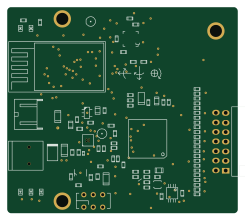
Brainboard wearable v2
gskelly
61.1 × 54.6 mm134 partsNo license21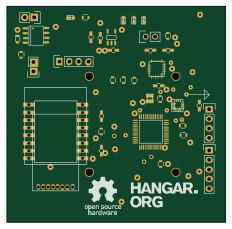 STM32
Cjmcu2
aeracoop
57.8 × 57.2 mm62 parts2LGPL-3.09- schematic only · 9 partsSTM32
MetaForge
FidelOdok
9 partsApache-2.08 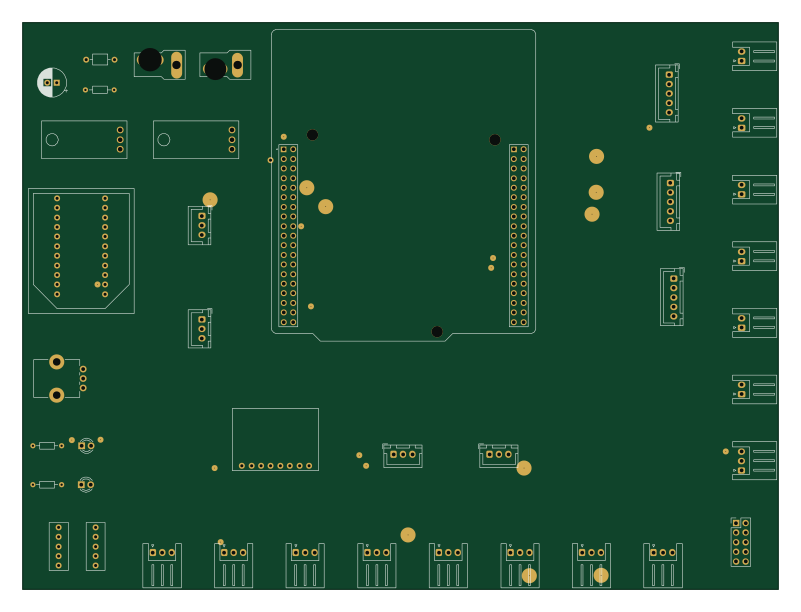
2022NHK Include
nalinally
200 × 150 mm40 parts2LNo license6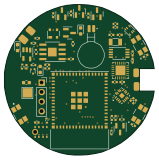 ESP32
Nebula
Thecactusman0
39.7 × 39.9 mm59 parts2LNo license4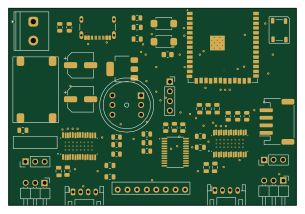 ESP32
MIPI Robot Nextgen
hminhphi
76 × 52 mm51 parts2LNo license2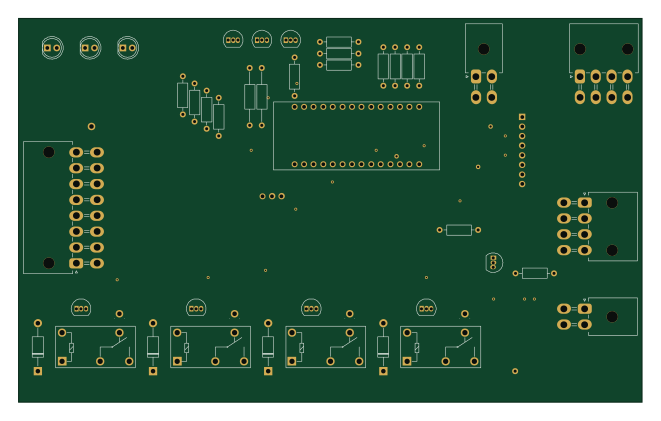
Umptysquatch X Electronics
scts-engineering
165.1 × 101.6 mm40 parts2LNo license1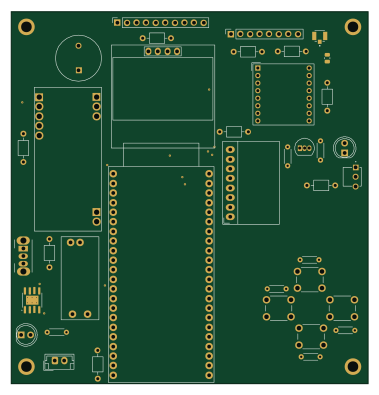 ESP32
Kraky
thesh4dows
94.5 × 98.5 mm38 parts4LGPL-3.01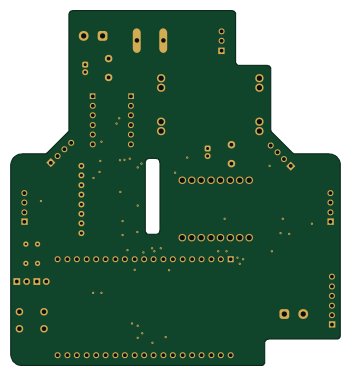 ESP32
WRO FE 2026 FoxRobotics
Nakashima26
87.2 × 93.9 mm20 parts2LMIT1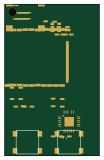 ESP32
Imu midi controller
fouiorqwe
25 × 40 mm19 parts2LMIT1- schematic only · 27 partsESP32
Flathead robot
michaelsumin78-hue
27 partsNo license1 - schematic only · 7 partsAVR/Arduino
EIDEv3
mobiluckvn
7 partsNo license1 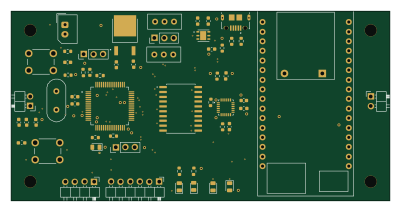 STM32
Stm32 balancingRobot
JwAhn0830
100 × 50 mm64 parts4LNo license0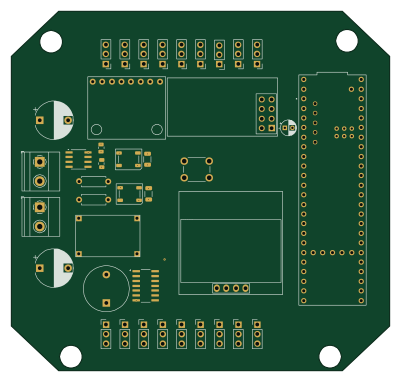 NXP
Hexapod
GreatMesa
100 × 95 mm36 parts4LNo license0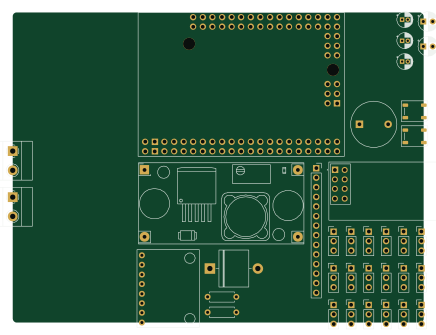 AVR/Arduino
Hexapod
108.8 × 82.1 mm36 parts4LNo license0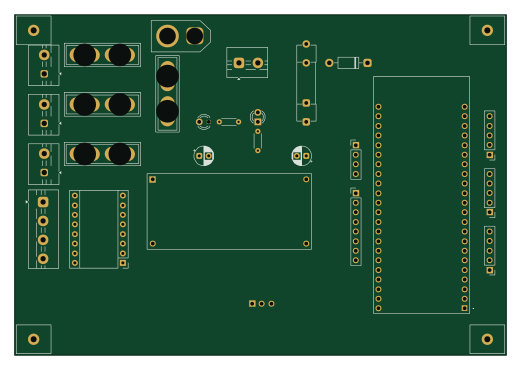 ESP32
ROV-1
IslamHUFE
130 × 90 mm27 parts2LNo license0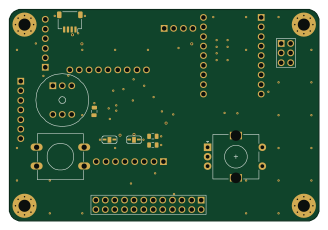 ESP32
Samplooler mini
willbearfruits
82 × 56 mm18 parts2LGPL-3.00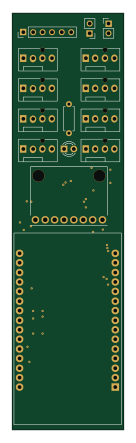 ESP32
Cortex controller
rubaiyat666
29.5 × 110.5 mm15 parts2LMIT0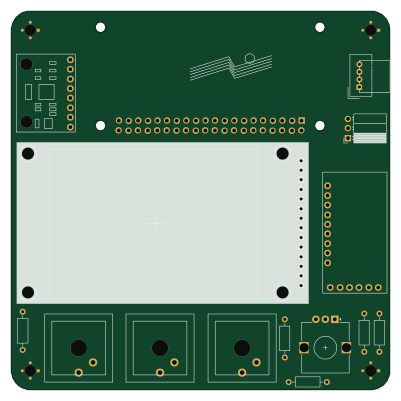 Raspberry Pi
Osga shield
kurogedelic
100 × 100 mm15 parts2LNo license0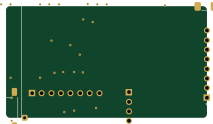 RP2040/RP2350
ShakeMe
ahmadjamal789
53.1 × 29.5 mm9 parts2LNo license0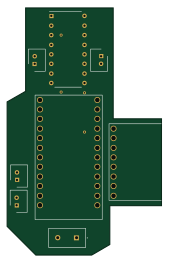
Reaction wheel 2
JourdanThomas
40.9 × 65.5 mm8 parts2LNo license0- schematic only · 53 partsSTM32
JB-Micro-Wheeled leg-Robot
baijiazheng
53 partsNo license0 - schematic only · 18 parts
Enhanced edr
kartiknagare33
18 partsMIT0 - schematic only · 16 partsAVR/Arduino
CircuitRust
NTDD-code
16 partsMIT0 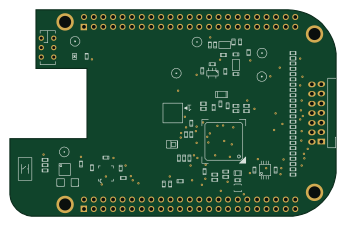
Brainboardv2
86.4 × 54.6 mm105 partsNo license21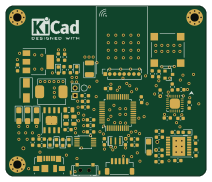 STM32
Project stander elec
Yongxin-Lu
53 × 45 mm71 parts2LNo license3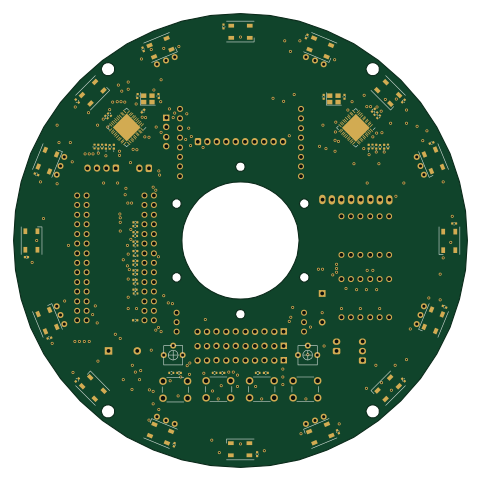 AVR/Arduino
Main board Teensy
MUNAKATA-EPC
120 × 120 mm110 parts2LNo license2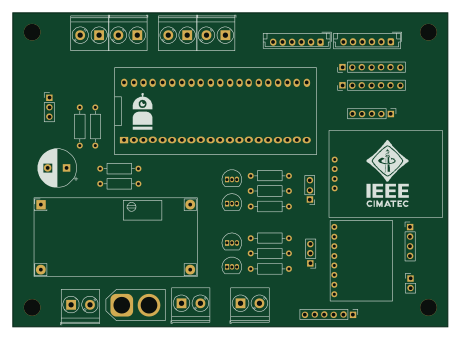
D3 Board
rascimatec
115 × 83 mm38 parts2LNo license0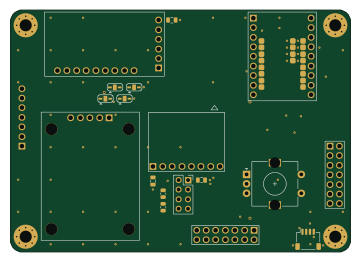 ESP32
Samplooler stack bottom
90 × 64 mm15 parts2LGPL-3.00
Reaction wheel
41.9 × 38.4 mm7 parts2LNo license0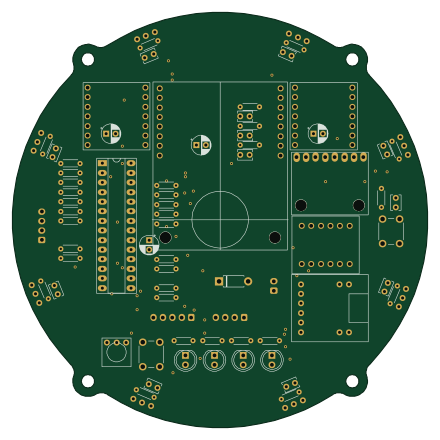 PIC
Main board
109.9 × 109.9 mm75 parts2LNo license2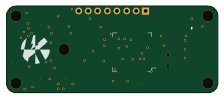 NXP
Rocketometer6050
kwan3217
55.9 × 22.9 mm72 partsGPL-2.02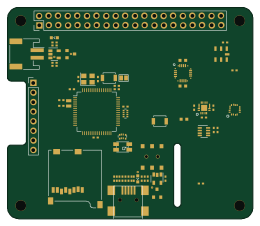 NXP
Loginator pihat
65 × 56 mm65 parts2LGPL-2.02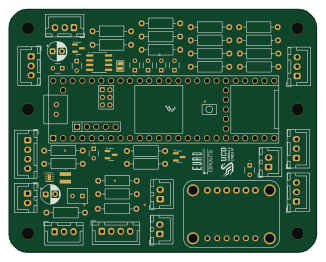 NXP
Breakout
UCDFS
81.4 × 64.3 mm52 parts2LNo license0
How designs wire the MPU6050
Read from the KiCad layouts of 22 open source designs, one per repository: what each pin of the MPU6050 connects to, and the resistors, capacitors and other passives placed on it.
- The XCL pin is left unconnected on 20 of 22 designs (a signal on 2).
- The XDA pin is left unconnected on 19 of 22 designs (a signal on 3).
- The AD0 pins is left unconnected on 70% of them (GND on 7, a signal on 2).
- The REGOUT pin has a capacitor to GND on 6 of 8 designs, most often 100 nF.
| Pin | Connected to | Parts on the pin |
|---|---|---|
| GNDpin 2, 18 | Connected to: GND 66% · not connected 34% | — |
| SCLpin 3, 23 | Connected to: The microcontroller 38%, a connector 21% · not connected 28% |
|
| SDApin 4, 24 | Connected to: The microcontroller 38%, a connector 21% · not connected 28% |
|
| XDApin 5 | Connected to: Not connected 86% | — |
| XCLpin 6 | Connected to: Not connected 91% | — |
| AD0pin 7, 9 | Connected to: Not connected 70% · GND 23% | — |
| REGOUTpin 10 | Connected to: Signal 75% · not connected 25% |
|
| FYSNCpin 11 | Connected to: GND 75% · not connected 25% | — |
| VDDpin 13 | Connected to: 3.3V 100% |
|
| NC14pin 14 | Connected to: Not connected 100% | — |
| NC15pin 15 | Connected to: Not connected 100% | — |
| NC16pin 16 | Connected to: Not connected 100% | — |
| NC17pin 17 | Connected to: Not connected 100% | — |
| RESVpin 19, 21 | Connected to: Not connected 86% | — |
| CPOUTpin 20 | Connected to: Signal 86% |
|
| CLKOUTpin 22 | Connected to: Not connected 100% | — |
2 more pins vary from design to design. Connections count pins, parts count designs; values in brackets are how many parts had that value. Designs read include Brainboard wearable v2 by gskelly, Cjmcu2 by aeracoop, 2022NHK Include by nalinally and Nebula by Thecactusman0.
The MPU6050 in open source designs
The gallery holds 34 open source boards using the MPU6050 from 29 GitHub repositories; a typical one measures about 84.2 × 64.2 mm and carries around 37 components.
84% are two-layer designs, the rest use four layers or more, and 35% carry an open source license.
The most starred is Brainboard wearable v2 by gskelly.
Parts used alongside the MPU6050
Microcontrollers on boards using the MPU6050
What boards using the MPU6050 are built for
MPU6050: common questions
Where can I find a MPU6050 reference design?
Each of the 34 boards on this page is a real design using the MPU6050. Open one to see how it is wired up, with the full BOM, a render of the layout and links to its KiCad files.
How is the MPU6050 XCL pin connected?
The XCL pin is left unconnected on 20 of 22 designs (a signal on 2). Counted from the KiCad layouts of 22 open source designs using the MPU6050.
How is the MPU6050 XDA pin connected?
The XDA pin is left unconnected on 19 of 22 designs (a signal on 3). Counted from the KiCad layouts of 22 open source designs using the MPU6050.
How is the MPU6050 AD0 pin connected?
The AD0 pins is left unconnected on 70% of them (GND on 7, a signal on 2). Counted from the KiCad layouts of 22 open source designs using the MPU6050.
What parts are used alongside the MPU6050?
The AMS1117-3.3, INMP441, A4988, HMC5883L and LM2596 appear in the most repositories here.
Which microcontrollers do boards using the MPU6050 use?
Most are built on ESP32 (10), STM32 (5), NXP (4) and AVR/Arduino (4).
How big is a typical board using the MPU6050?
The median is 84.2 × 64.2 mm, and 84% are two-layer designs.
What is the most popular open source board using the MPU6050?
By GitHub stars, Brainboard wearable v2 by gskelly, with 21 stars.
Can I simulate one of these boards using the MPU6050 before building it?
Yes. HardLabs turns a board's netlist and BOM into a working simulation, so you can boot and test firmware against it with no hardware on your desk.