
37 open source boards using the TCAN332DR
Real designs built with the TCAN332DR, from public GitHub projects: a quick way to see how others power, decouple and connect it. Each board comes with its KiCad files, full parts list and a render — and you can simulate its firmware on HardLabs.
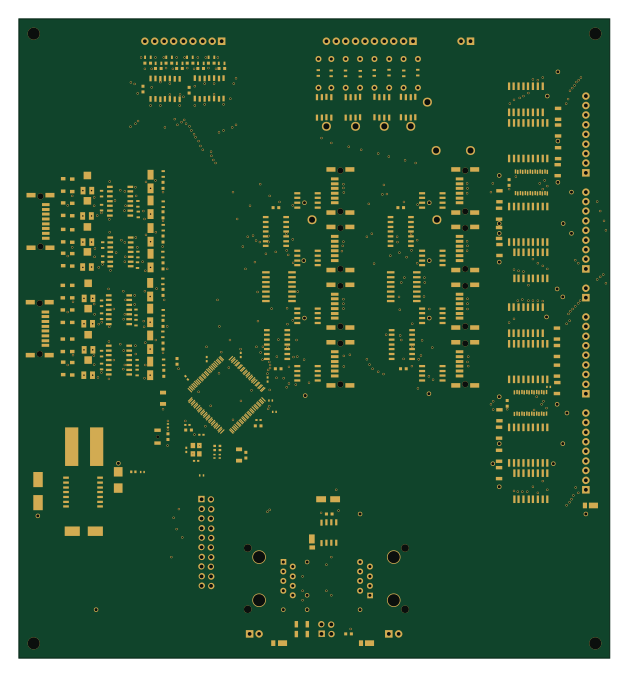 NXP
LPC176x MultiFunction
RobertPHeller
156.2 × 168.9 mm223 parts2LCC-BY-4.024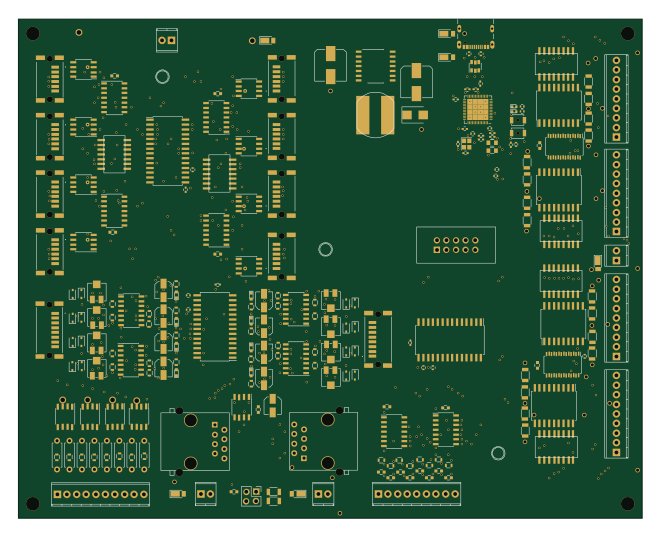 ESP32
ESP32-S3-MegaMultiFunction
165.1 × 132.1 mm238 parts2LCC-BY-4.03 ESP32
ESP32-D0WD-V3-ControlStand-V0-0
34.5 × 23.1 mm166 parts2LGPL-3.03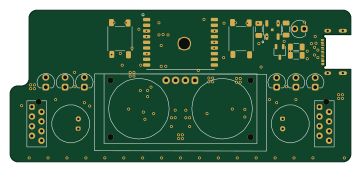 ESP32
RUBY
GemsErasmusPlus
90 × 40 mm69 parts2LCC-BY-SA-4.03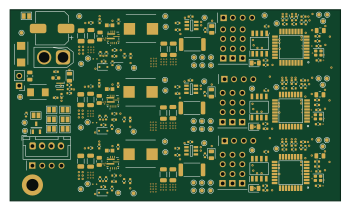 STM32
Side board
AndreiVladescu
87.5 × 50.6 mm227 parts4LCERN-OHL-S-2.00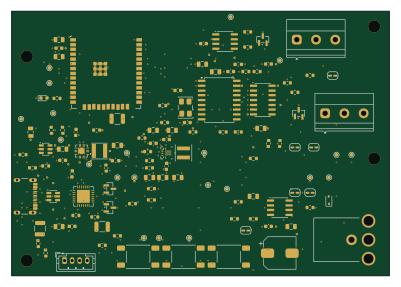 ESP32
A3-control center
Axsel
100 × 70 mm109 parts4LNo license0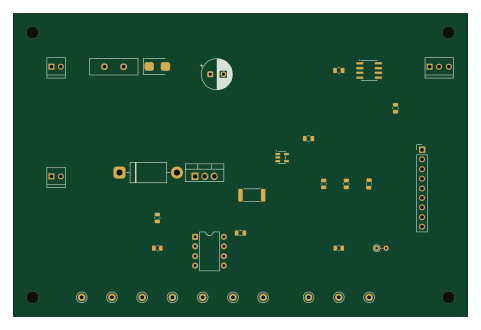
Industrial can sensor node
abdullah-EE
120 × 80 mm34 parts2LNo license0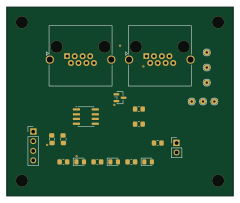
LCC Interface
honzup
60 × 50 mm17 parts2LCERN-OHL-P-2.00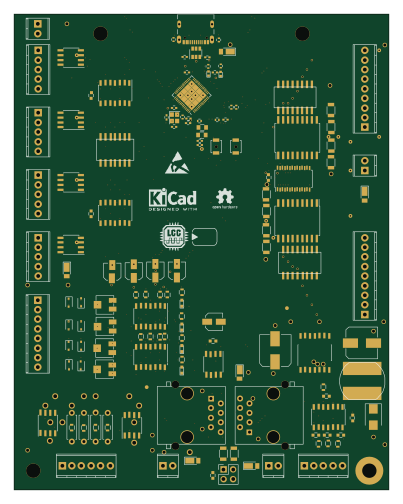 ESP32
ESP32-S3-MultiFunction
99.1 × 125.7 mm141 parts2LCC-BY-4.03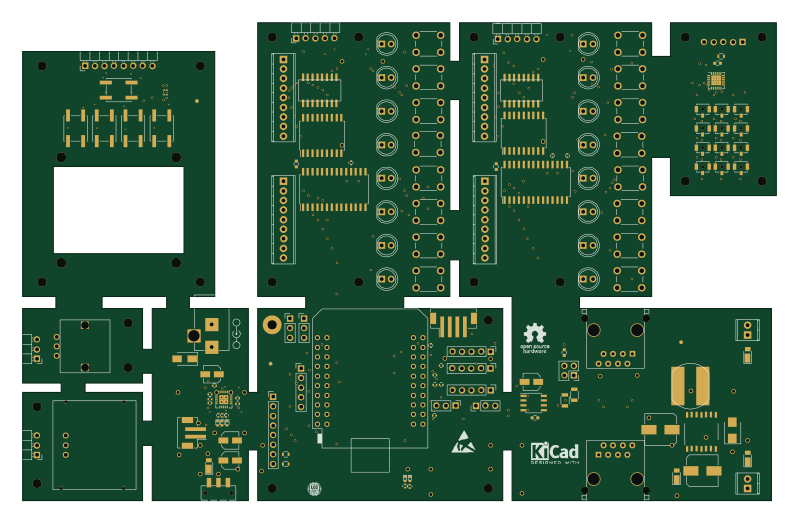 ESP32
ESP32-T7S3-ControlStand
199.4 × 126.4 mm139 parts2LGPL-3.03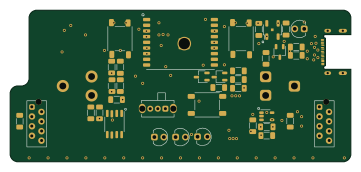 ESP32
EMERALD
90 × 40 mm68 parts2LCC-BY-SA-4.03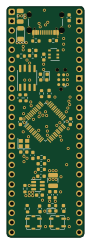 STM32
STM32F042C6T Dev Board
psas
20.3 × 61 mm43 parts4LNo license0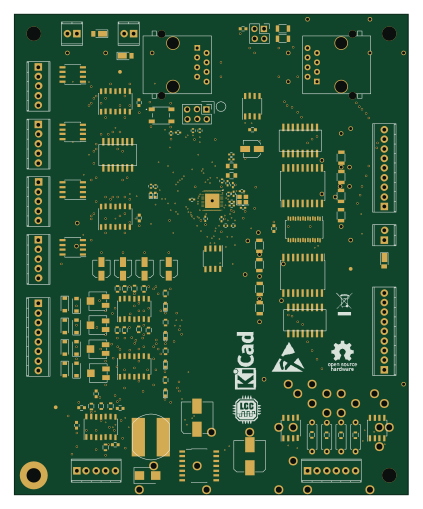 ESP32
ESP32-D0WD-V3-MultiFunction
104.1 × 127 mm137 parts2LCC-BY-4.03
ESP32ControlStand
47.6 × 41.9 mm101 parts2LGPL-3.03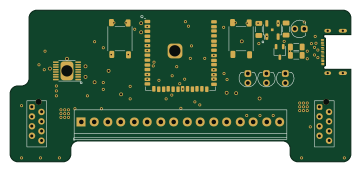 ESP32
DIAMOND
90 × 40 mm46 parts2LCC-BY-SA-4.03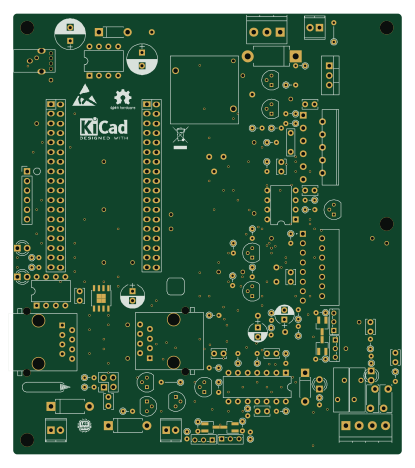
PocketBeagleCommandStation
102.9 × 116.7 mm112 parts2LCC-BY-4.00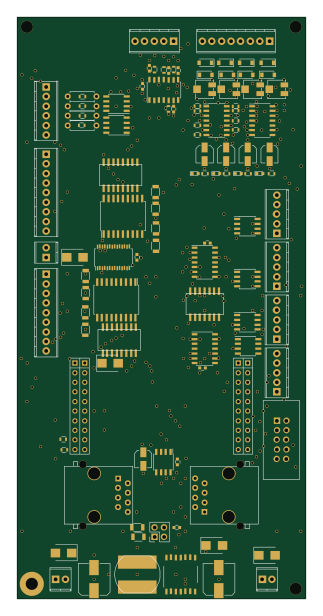
TivaMultiFunctionBoard
76.2 × 153.7 mm114 parts2LCC-BY-4.024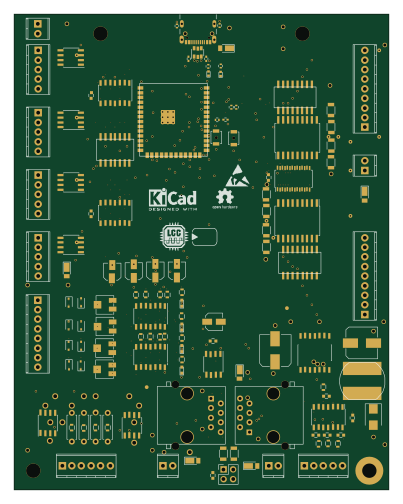 ESP32
ESP32-S3-MultiFunction wroom
99.1 × 125.7 mm127 parts2LCC-BY-4.03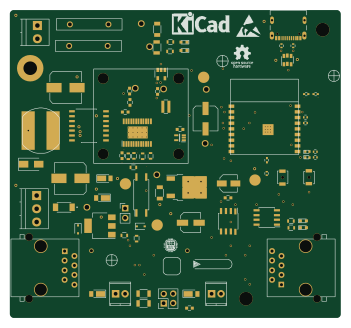 ESP32
ESP32-C3-Booster
87.6 × 81.5 mm80 parts2LCC-BY-4.00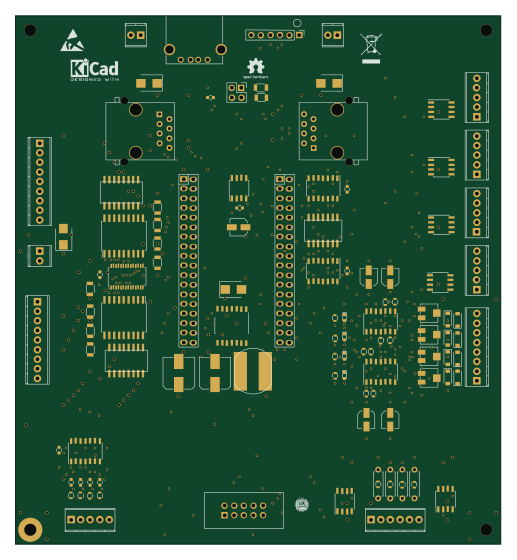
PocketBeagleMultifuntion
128.3 × 139.7 mm111 parts2LCC-BY-4.024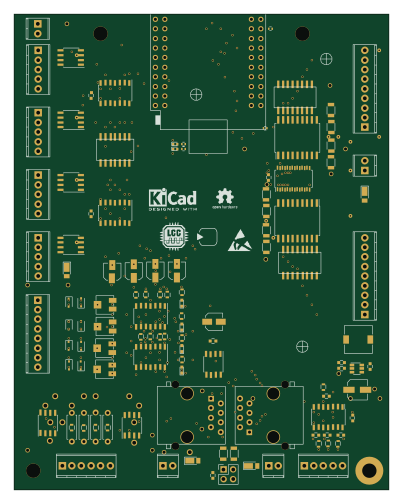 ESP32
ESP32-T7S3-MultiFunction
99.1 × 125.7 mm116 parts2LCC-BY-4.03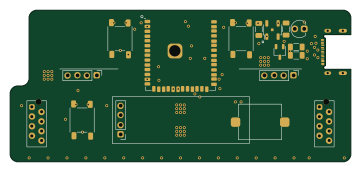 ESP32
SAPPHIRE
90 × 40 mm36 parts2LCC-BY-SA-4.03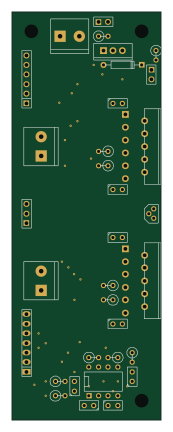
BBBCommandStation
39.4 × 108 mm68 parts2LCC-BY-4.00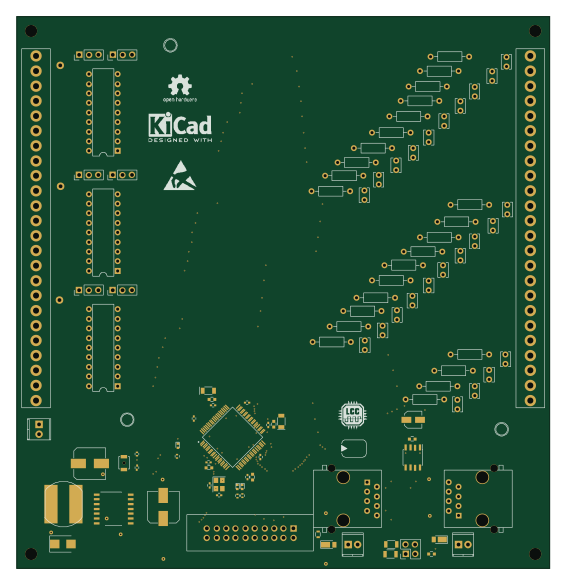 NXP
LPC1758-MultiIOBoard
141 × 146.1 mm106 parts2LCC-BY-4.024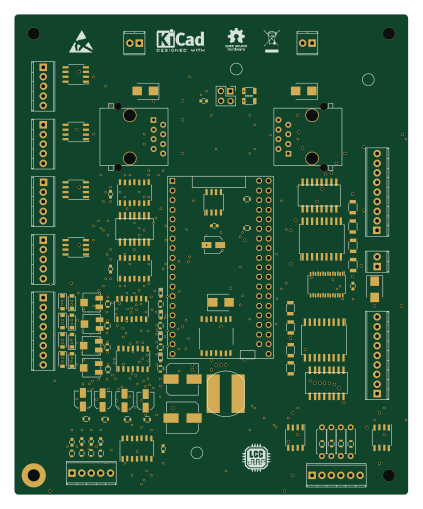 ESP32
ESP32-MultiFunction
104.1 × 127 mm109 parts2LCC-BY-4.03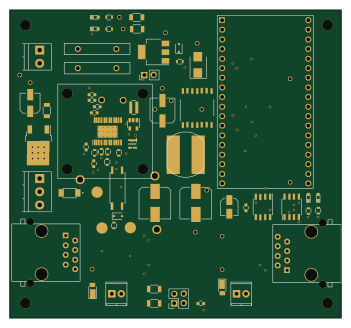
TTGO-T1-Booster
87.6 × 81.5 mm62 parts2LCC-BY-4.00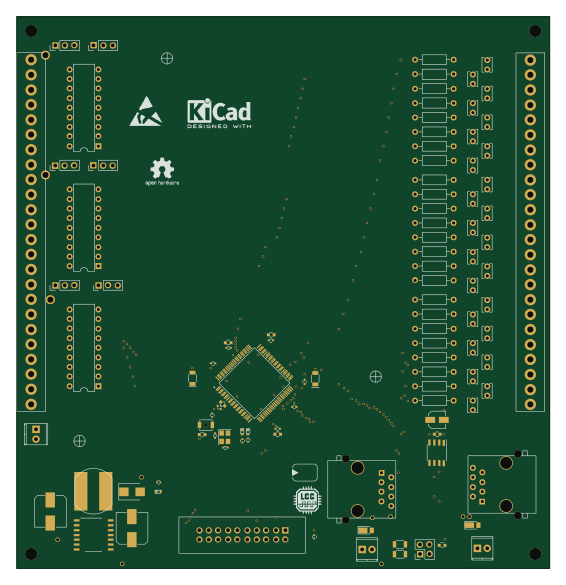 NXP
LPC1768-MultiIOBoard
141 × 146.1 mm106 parts2LCC-BY-4.024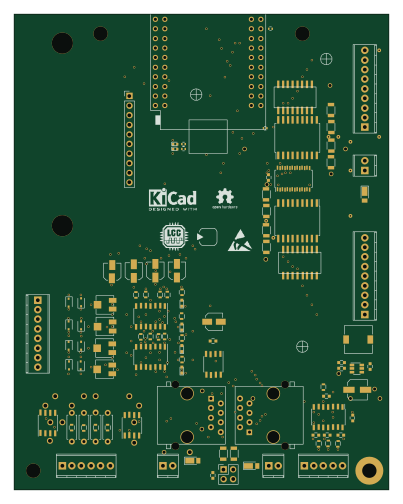 ESP32
ESP32-T7S3-MultiFunctionUniversalTurnout
99.1 × 125.7 mm102 parts2LCC-BY-4.03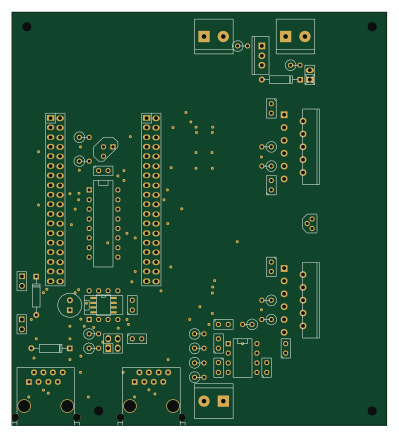
PBCommandStation
99.1 × 109.2 mm50 parts2LCC-BY-4.00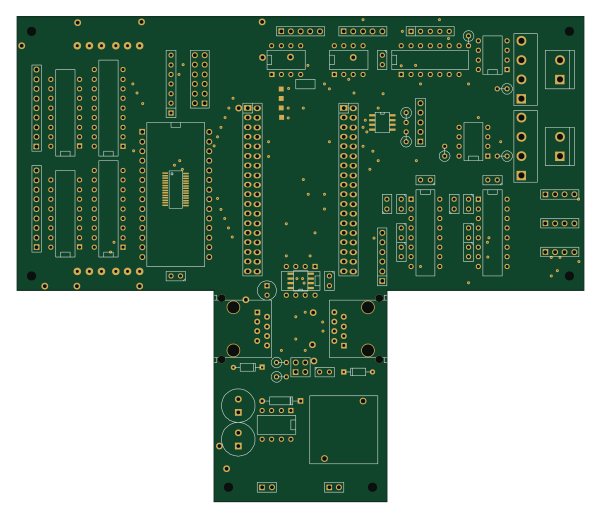
PocketBeaglePWMHalfSiding+ABSSlave
149.9 × 128.3 mm75 parts2LCC-BY-4.024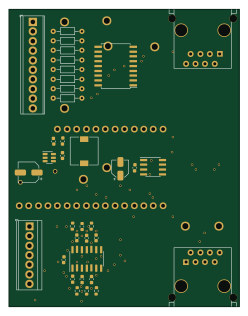 ESP32
ESP32-Feather-6B6L-SMD
61 × 78.7 mm37 parts2LCC-BY-4.03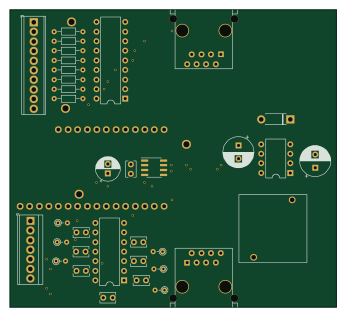 ESP32
ESP32-Feather-6B6L
86.4 × 78.7 mm36 parts2LCC-BY-4.03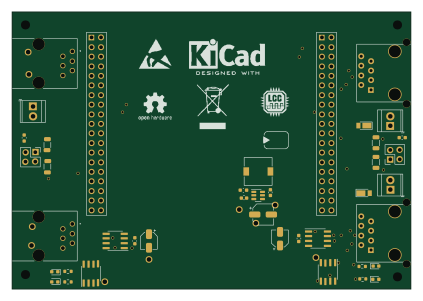
STM32F767ZI LCC PNET Router
105.6 × 73.3 mm41 parts2LCC-BY-4.024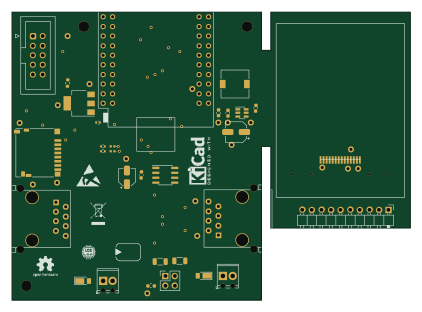 ESP32
ESP32-T7S3-TextDisplaySign
105.4 × 76.2 mm32 parts2LCC-BY-4.03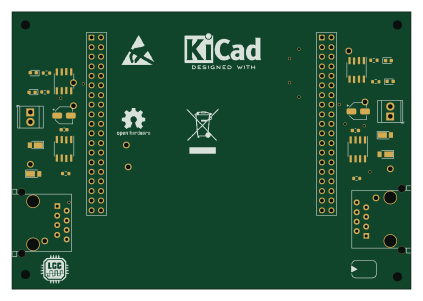
STM32F767ZI LCC Repeater
105.6 × 73.3 mm28 parts2LCC-BY-4.024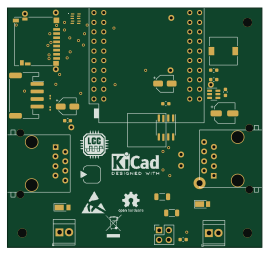 ESP32
T7S3-MiniDisplay
67.3 × 63.5 mm21 parts2LCC-BY-4.03
How designs wire the TCAN332DR
Read from the KiCad layouts of 10 open source designs, one per repository: what each pin of the TCAN332DR connects to, and the resistors, capacitors and other passives placed on it.
- The CANH pin has a series resistor on 9 of 10 designs, most often 120 Ω (then 0 Ω).
- The VCC pin has a decoupling capacitor on 8 of 10 designs, most often 100 nF (then 1 µF).
- The CANL pin has a series resistor on 7 of 10 designs, most often 120 Ω (then 0 Ω).
| Pin | Connected to | Parts on the pin |
|---|---|---|
| GNDpin 2 | Connected to: GND 90% | — |
| VCCpin 3 | Connected to: 3.3V 100% |
|
| NCpin 5, 8 | Connected to: Not connected 90% | — |
| CANLpin 6 | Connected to: A connector 80% |
|
| CANHpin 7 | Connected to: A connector 80% |
|
2 more pins vary from design to design. Connections count pins, parts count designs; values in brackets are how many parts had that value. Designs read include LCCCANCape by RobertPHeller, DIAMOND by GemsErasmusPlus, ESP32-D0WD-V3-ControlStand-V0-0 by RobertPHeller and ESP32-D0WD-V3-MultiFunction by RobertPHeller.
The TCAN332DR in open source designs
The gallery holds 37 open source boards using the TCAN332DR from 10 GitHub repositories; a typical one measures about 99.1 × 81.5 mm and carries around 80 components.
92% are two-layer designs, the rest use four layers or more, and 92% carry an open source license.
The most starred is LPC176x MultiFunction by RobertPHeller.
Parts used alongside the TCAN332DR
What boards using the TCAN332DR are built for
TCAN332DR: common questions
Where can I find a TCAN332DR reference design?
Each of the 37 boards on this page is a real design using the TCAN332DR. Open one to see how it is wired up, with the full BOM, a render of the layout and links to its KiCad files.
What resistor goes on the TCAN332DR CANH pin?
The CANH pin has a series resistor on 9 of 10 designs, most often 120 Ω (then 0 Ω). Counted from the KiCad layouts of 10 open source designs using the TCAN332DR.
What decoupling capacitors do designs use on the TCAN332DR VCC pin?
The VCC pin has a decoupling capacitor on 8 of 10 designs, most often 100 nF (then 1 µF). Counted from the KiCad layouts of 10 open source designs using the TCAN332DR.
What resistor goes on the TCAN332DR CANL pin?
The CANL pin has a series resistor on 7 of 10 designs, most often 120 Ω (then 0 Ω). Counted from the KiCad layouts of 10 open source designs using the TCAN332DR.
What parts are used alongside the TCAN332DR?
The LM2574N-5.0, USBLC6-2SC6, LM339, SN65HVD233-HT and 74HCT00 appear in the most repositories here.
Which microcontrollers do boards using the TCAN332DR use?
Most are built on ESP32 (19), NXP (3) and STM32 (2).
How big is a typical board using the TCAN332DR?
The median is 99.1 × 81.5 mm, and 92% are two-layer designs.
What is the most popular open source board using the TCAN332DR?
By GitHub stars, LPC176x MultiFunction by RobertPHeller, with 24 stars.
Can I simulate one of these boards using the TCAN332DR before building it?
Yes. HardLabs turns a board's netlist and BOM into a working simulation, so you can boot and test firmware against it with no hardware on your desk.