
37 open source boards using the AP63205
Real designs built with the AP63205, from public GitHub projects: a quick way to see how others power, decouple and connect it. Each board comes with its KiCad files, full parts list and a render — and you can simulate its firmware on HardLabs.
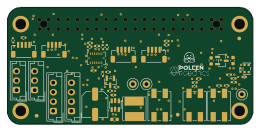
Elec RPI Robot HAT
pollen-robotics
65 × 30.9 mm122 parts4LApache-2.0108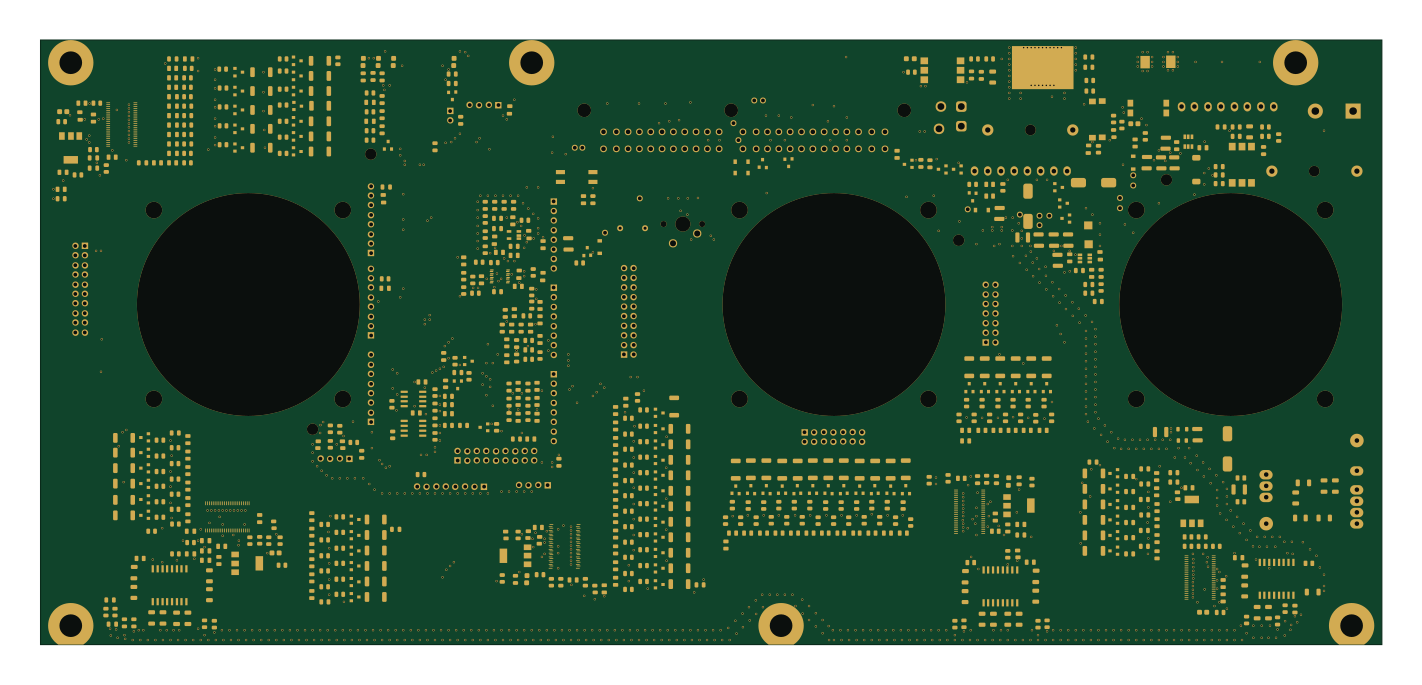
LiBCM
doppelhub
355 × 160 mm706 parts4LCC-BY-SA-4.025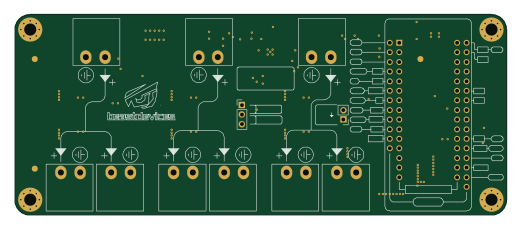 AVR/Arduino
TougherPowerMonitor-HW
ahillbom
130 × 53 mm75 parts2LMIT18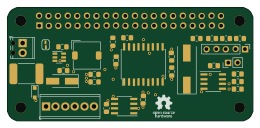 Raspberry Pi
Canhat
onitake
65 × 30 mm37 parts2LCERN-OHL-1.214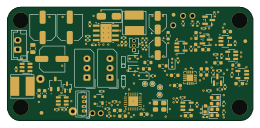
Grippette - USB hub and Dynamixel device
65 × 30 mm113 parts4LApache-2.010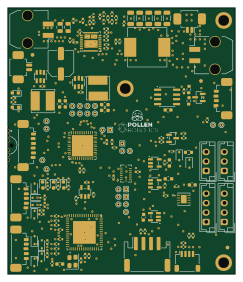 STM32
Elec Anything2EtherCAT
60 × 70.3 mm200 parts4LApache-2.04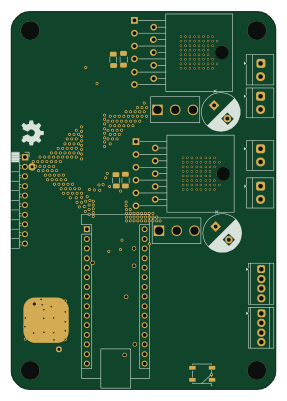 AVR/Arduino
Slice DCMT
feastorg
70 × 100 mm32 parts2LGPL-3.01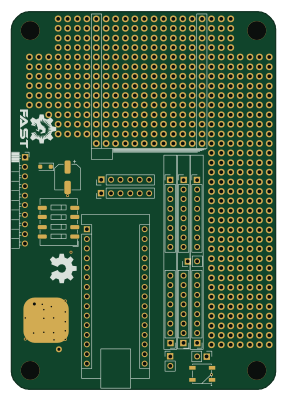 AVR/Arduino
Slice PRTO THTA S2L
70 × 100 mm25 parts2LGPL-3.01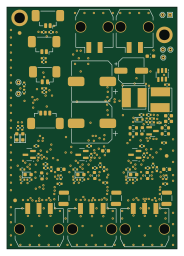 RP2040/RP2350
Elec Ventouse 3d
45 × 64 mm132 parts4LApache-2.00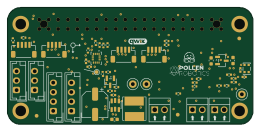
Indieduck
armature-ai-labs
65 × 30.9 mm125 parts4LApache-2.00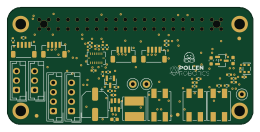
Microduck project
Ngalalalekhaaa
65 × 30.9 mm122 parts4LNo license0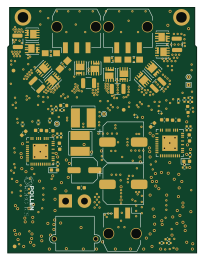
Elec Ventouse 2d
50 × 65 mm121 parts4LApache-2.00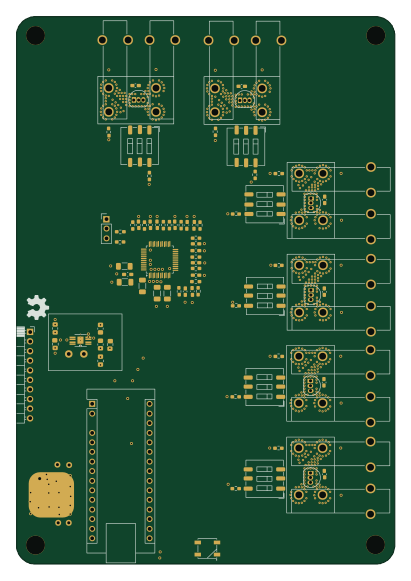 AVR/Arduino
Slice THMX
100.1 × 144.9 mm117 parts4LGPL-3.00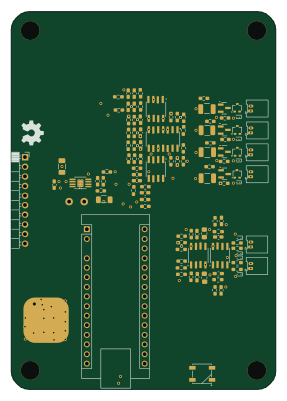 AVR/Arduino
Slice LEPD
70 × 100 mm117 parts2LGPL-3.00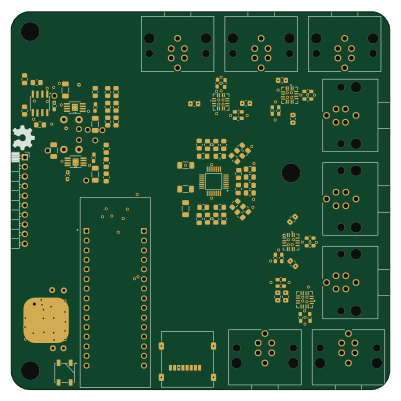
Slice FPSG
100.1 × 100 mm100 parts4LGPL-3.00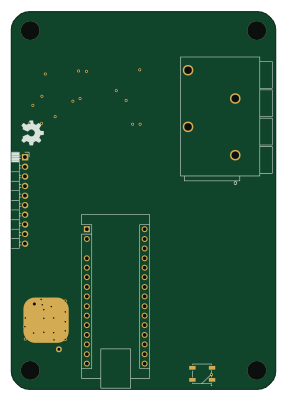 AVR/Arduino
Slice VCDC
70 × 100 mm49 parts2LGPL-3.00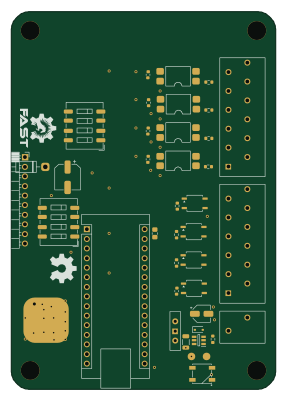 AVR/Arduino
Slice IOCT
70 × 100 mm46 parts2LGPL-3.00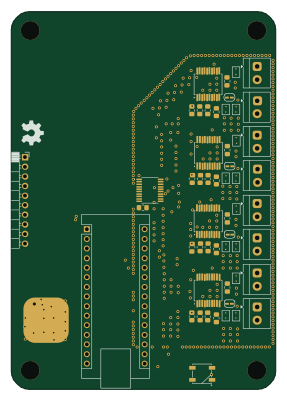 AVR/Arduino
Slice RTDM
70 × 100 mm44 parts2LGPL-3.00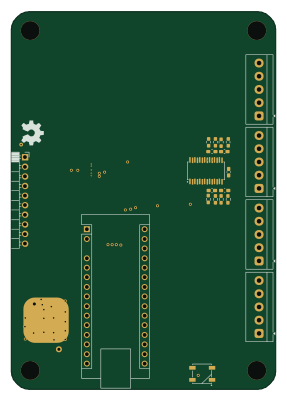 AVR/Arduino
BREAD Slice
70 × 100 mm35 parts2LGPL-3.00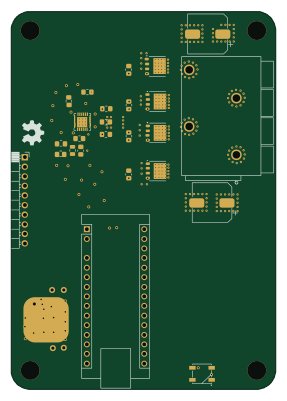 AVR/Arduino
Slice GDHB
70 × 100 mm32 parts4LGPL-3.00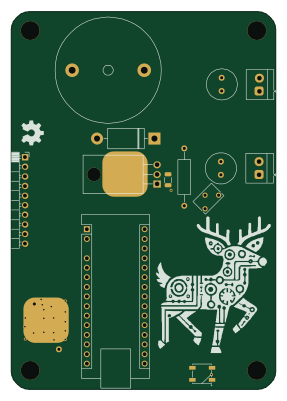 AVR/Arduino
Slice BUCK
70 × 100 mm21 parts2LGPL-3.00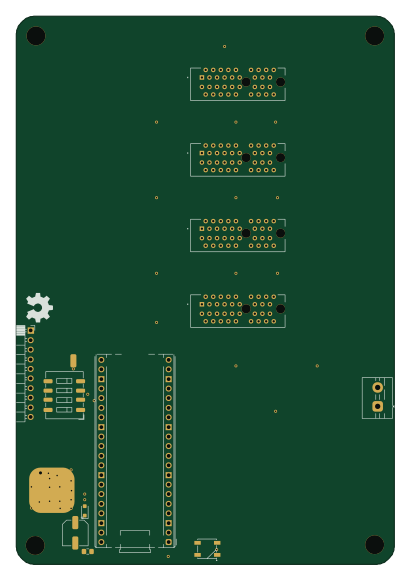 RP2040/RP2350
Slice STPC
100 × 145 mm19 parts4LGPL-3.00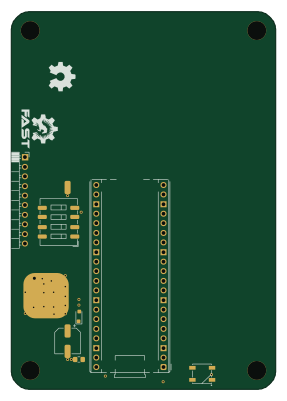 RP2040/RP2350
Slice TEMP PICO S2L-r1
70 × 100 mm14 parts2LGPL-3.00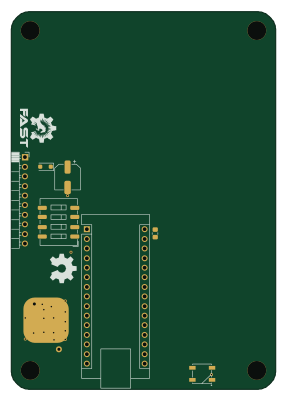 AVR/Arduino
Slice IOAC
70 × 100 mm14 parts2LGPL-3.00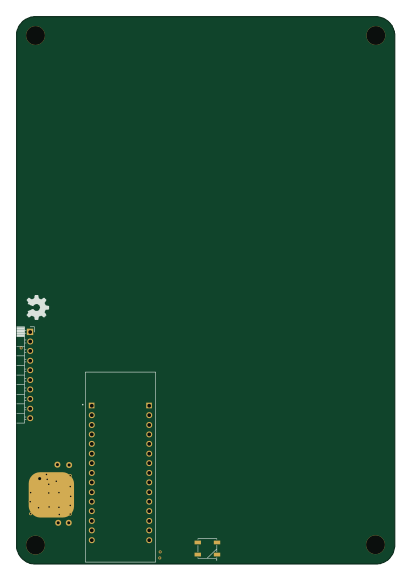
Slice TEMP NUCL L4L-r1
100.1 × 144.9 mm10 parts4LGPL-3.00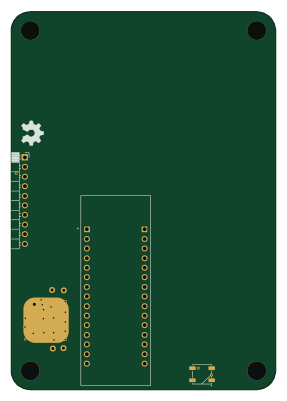
Slice TEMP NUCL S4L-r1
70 × 100 mm10 parts4LGPL-3.00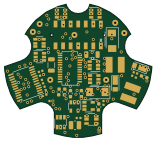
Maka BMS
ocean-discovery-league
39 × 35.2 mm95 parts4LNo license0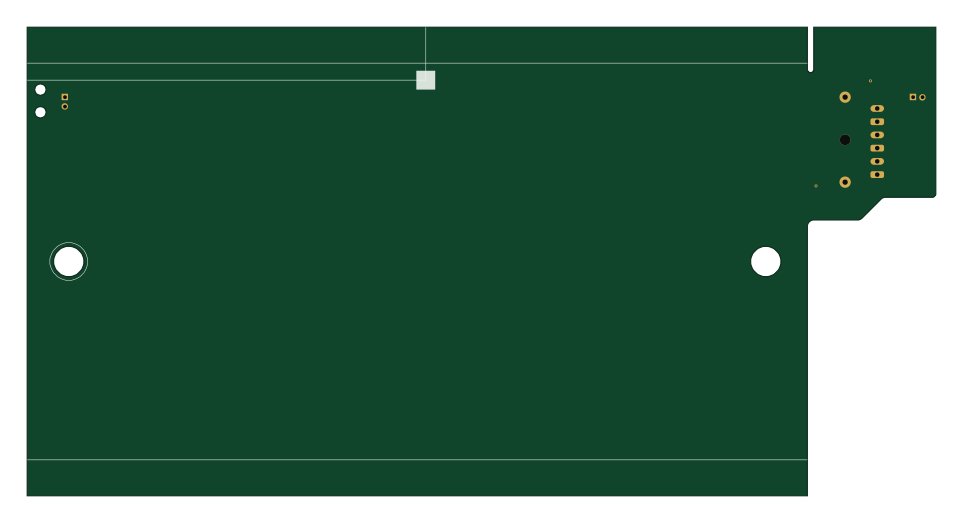
5AhG3-12S
240.5 × 124 mm129 parts2LCC-BY-SA-4.025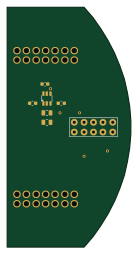
Robotiq wrist coupling
RemkoPr
32.8 × 63.5 mm28 parts2LNo license2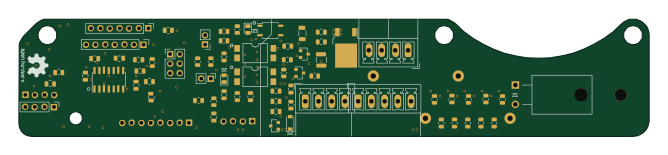
LiBCM-Daughterboard
166.8 × 31 mm73 parts4LCC-BY-SA-4.025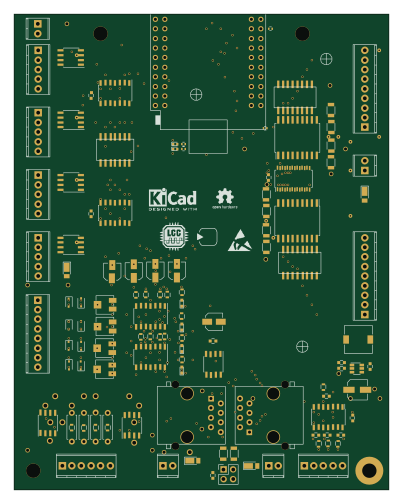 ESP32
ESP32-T7S3-MultiFunction
RobertPHeller
99.1 × 125.7 mm116 parts2LCC-BY-4.03
UHP1500FanControl
190 × 11 mm17 parts2LCC-BY-SA-4.025
LiBCM-Flash
22 × 18 mm9 parts4LCC-BY-SA-4.025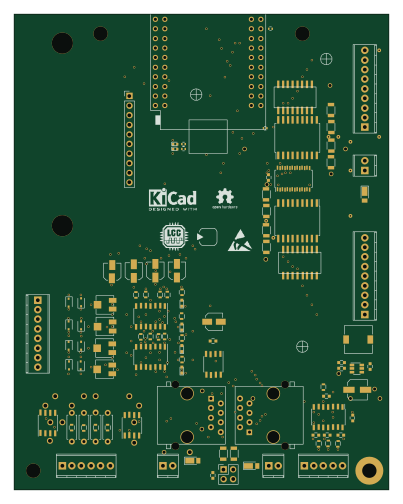 ESP32
ESP32-T7S3-MultiFunctionUniversalTurnout
99.1 × 125.7 mm102 parts2LCC-BY-4.03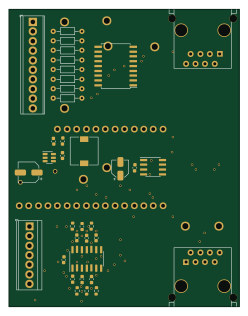 ESP32
ESP32-Feather-6B6L-SMD
61 × 78.7 mm37 parts2LCC-BY-4.03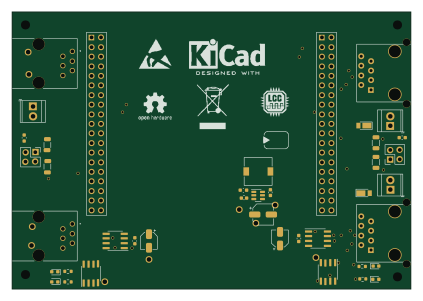
STM32F767ZI LCC PNET Router
105.6 × 73.3 mm41 parts2LCC-BY-4.024
How designs wire the AP63205
Read from the KiCad layouts of 30 open source designs, one per repository: what each pin of the AP63205 connects to, and the resistors, capacitors and other passives placed on it.
- The SW pin has a series capacitor on 29 of 29 designs, most often 100 nF.
- The SW pin has a inductor on 29 of 29 designs, most often 4.7 µH (then 6.8 µH).
- The BST pin has a series capacitor on 29 of 29 designs, most often 100 nF.
- The VIN pin has a decoupling capacitor on 26 of 30 designs, most often 10 µF (then 22 µF).
| Pin | Connected to | Parts on the pin |
|---|---|---|
| FBpin 1 | Connected to: 5V 77% · a signal 23% |
|
| ENpin 2 | Connected to: 12V 83% | — |
| VINpin 3 | Connected to: 12V 83% · a signal 17% |
|
| GNDpin 4 | Connected to: GND 97% | — |
| SWpin 5 | Connected to: Signal 100% |
|
| BSTpin 6 | Connected to: Signal 100% |
|
Connections count pins, parts count designs; values in brackets are how many parts had that value. Designs read include Elec RPI Robot HAT by pollen-robotics, 5AhG3-12S by doppelhub, STM32F767ZI LCC PNET Router by RobertPHeller and TougherPowerMonitor-HW by ahillbom.
The AP63205 in open source designs
The gallery holds 37 open source boards using the AP63205 from 30 GitHub repositories; a typical one measures about 70 × 100 mm and carries around 46 components.
54% are two-layer designs, the rest use four layers or more, and 92% carry an open source license.
The most starred is Elec RPI Robot HAT by pollen-robotics.
Parts used alongside the AP63205
Microcontrollers on boards using the AP63205
What boards using the AP63205 are built for
AP63205: common questions
Where can I find a AP63205 reference design?
Each of the 37 boards on this page is a real design using the AP63205. Open one to see how it is wired up, with the full BOM, a render of the layout and links to its KiCad files.
How is the AP63205 SW pin connected?
The SW pin has a series capacitor on 29 of 29 designs, most often 100 nF. Counted from the KiCad layouts of 30 open source designs using the AP63205.
How is the AP63205 BST pin connected?
The BST pin has a series capacitor on 29 of 29 designs, most often 100 nF. Counted from the KiCad layouts of 30 open source designs using the AP63205.
What decoupling capacitors do designs use on the AP63205 VIN pin?
The VIN pin has a decoupling capacitor on 26 of 30 designs, most often 10 µF (then 22 µF). Counted from the KiCad layouts of 30 open source designs using the AP63205.
What parts are used alongside the AP63205?
The Arduino_Nano_v3.x, SN74LVC1G125DBV, SN74LVC1G126DBVR, 74LVC1G08 and LM5050-1 appear in the most repositories here.
Which microcontrollers do boards using the AP63205 use?
Most are built on AVR/Arduino (12), ESP32 (4), RP2040/RP2350 (3) and Raspberry Pi (1).
How big is a typical board using the AP63205?
The median is 70 × 100 mm, and 54% are two-layer designs.
What is the most popular open source board using the AP63205?
By GitHub stars, Elec RPI Robot HAT by pollen-robotics, with 108 stars.
Can I simulate one of these boards using the AP63205 before building it?
Yes. HardLabs turns a board's netlist and BOM into a working simulation, so you can boot and test firmware against it with no hardware on your desk.