
70 open source boards using the TPD4E05U06DQAR
Real designs built with the TPD4E05U06DQAR, from public GitHub projects: a quick way to see how others power, decouple and connect it. Each board comes with its KiCad files, full parts list and a render — and you can simulate its firmware on HardLabs.
 RP2040/RP2350
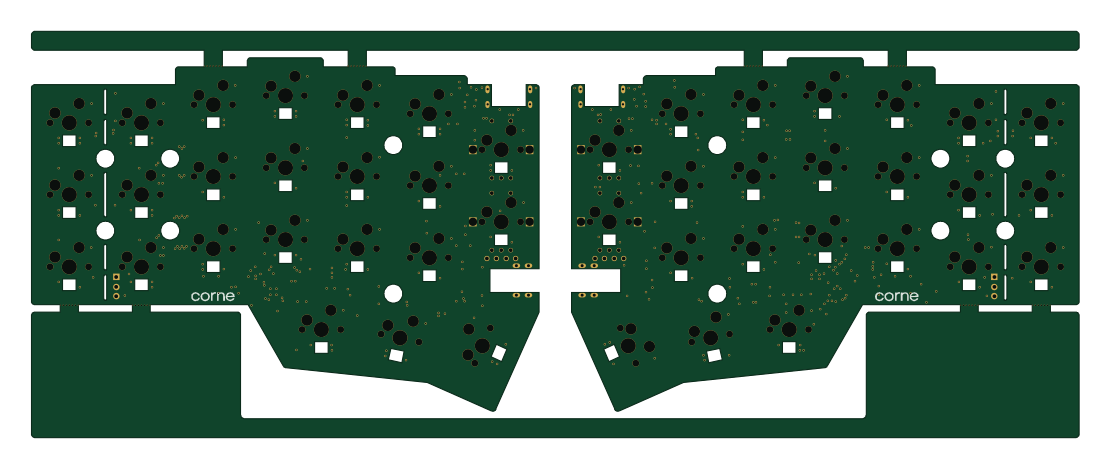
Corne cherry
foostan
277.2 × 107.5 mm164 parts2LCC-BY-4.07.7k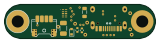
UDB-S
Unified-Daughterboard
40 × 9 mm8 parts4LMIT82
UDB-C-EZM
18 × 16.5 mm7 parts4LMIT46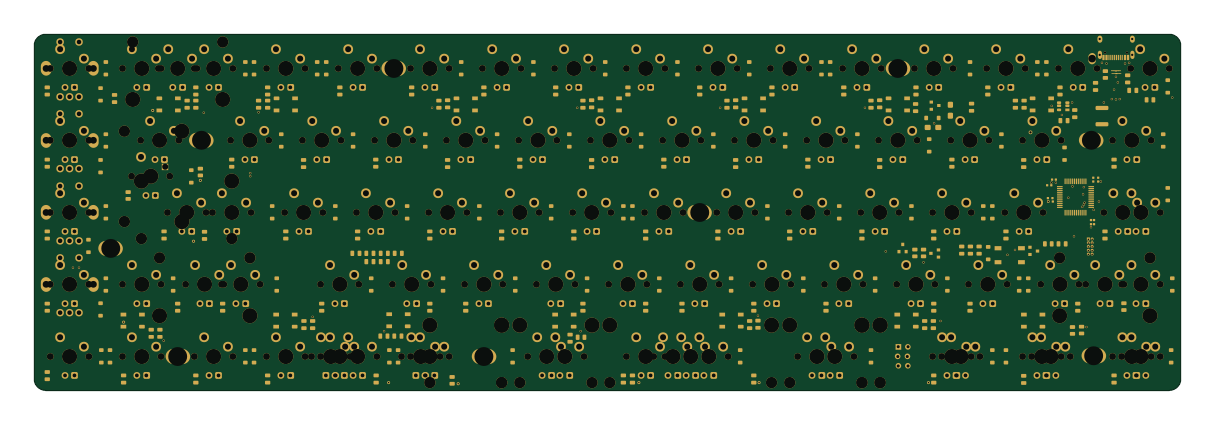 STM32
Anticheww
AcheronProject
303.2 × 94.2 mm419 parts2LCustom license25 AVR/Arduino
Dynamis
bbrfkr
9.1 × 18.3 mm198 parts2LMIT24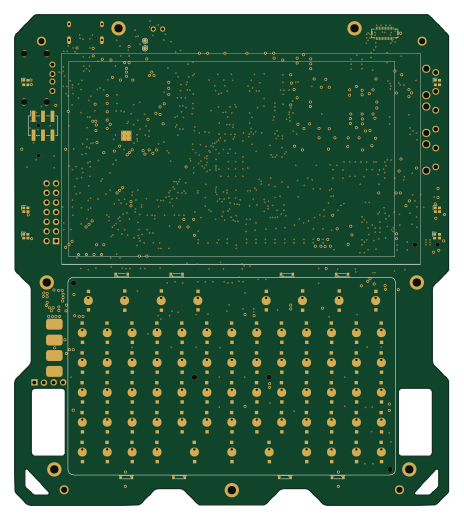 ESP32
Tanmatsu hardware
Nicolai-Electronics
114.9 × 129.9 mm320 parts4LCERN-OHL-P-2.09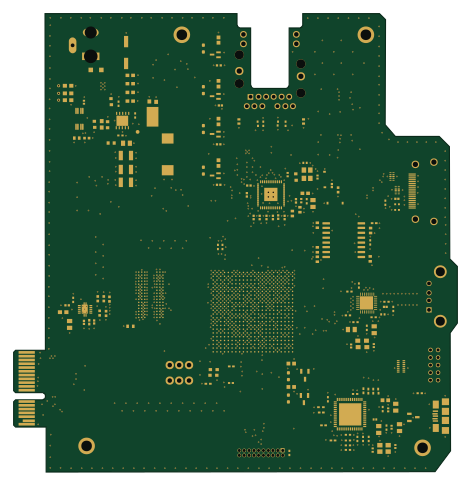 FPGA
Artix-7-FPGA-Dev-Board
LZajmi
117.3 × 121.3 mm360 parts8LCustom license3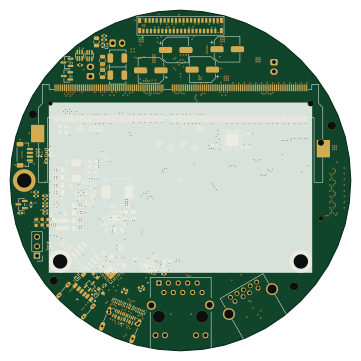
Base board
GeniePod
90 × 90 mm216 parts6LCERN-OHL-S-2.02 RP2040/RP2350
Corne
DaneEvans
33.4 × 4.4 mm190 parts2LCC-BY-4.02 ESP32
OpenKVM
gigi74168
45 × 45 mm178 parts4LCustom license2
Apw meister
skot
16 × 35 mm46 parts6LNo license2 RP2040/RP2350
002 Sensor PI RS485 board
w4iei
413.7 × 35 mm276 parts2LBSD-3-Clause1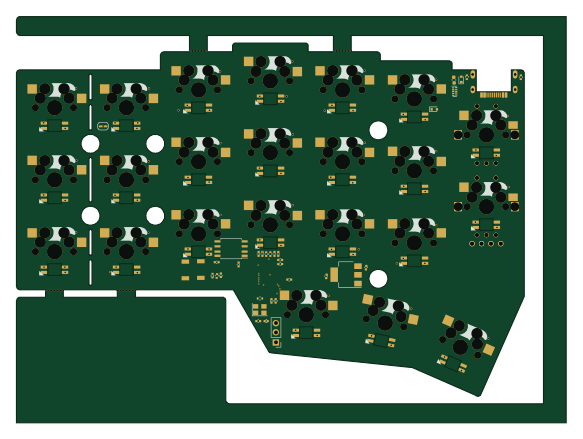 RP2040/RP2350
Corne cherry
yangxing844
145.5 × 107.5 mm204 parts4LNo license1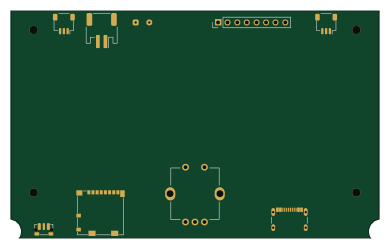 STM32
Stm32-epaper
Mlynn217
97.4 × 60 mm142 parts4LNo license1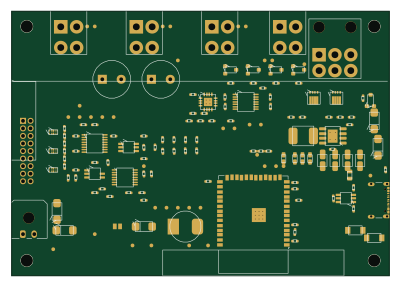 ESP32
Chainaxe
johnny9
100 × 70 mm109 parts4LCERN-OHL-S-2.01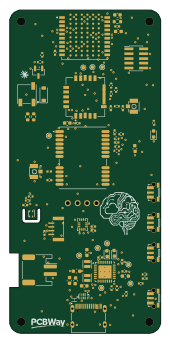 Nordic nRF
LM20MeshNode
cvaldess
40 × 85.7 mm75 parts4LCERN-OHL-S-2.01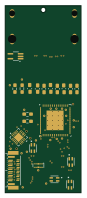
Bifrost
YashKarthik
20 × 49.4 mm59 parts4LNo license1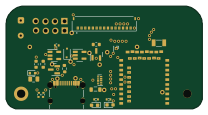
Schiffre nrf
Bemeier
52 × 27.3 mm24 parts2LMIT1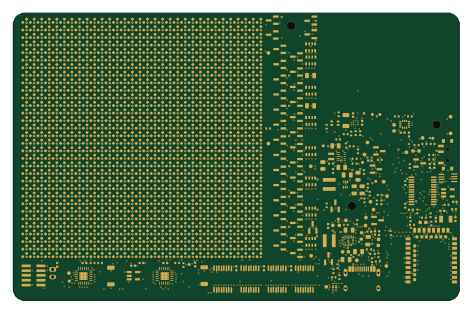
Pixel-Badge
zgeez
118 × 76 mm1202 parts4LMIT0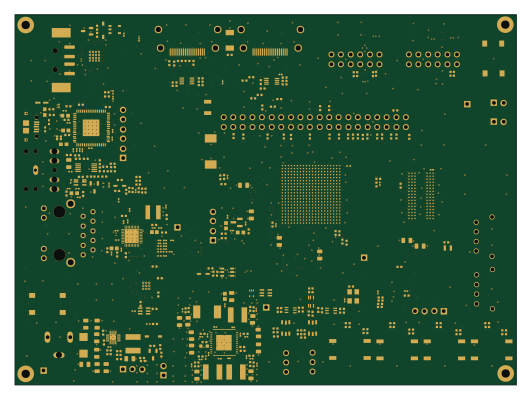 FPGA
FPGA-Board
AbdulAjadi1
132.6 × 97.9 mm569 parts8LNo license0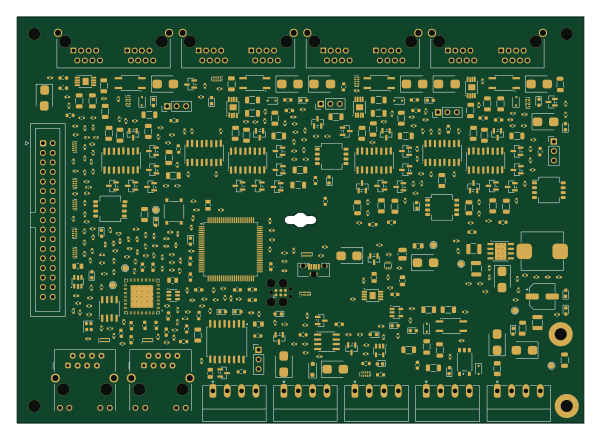 STM32
Bornier
bornier-dev
150 × 107.5 mm506 parts4LNo license0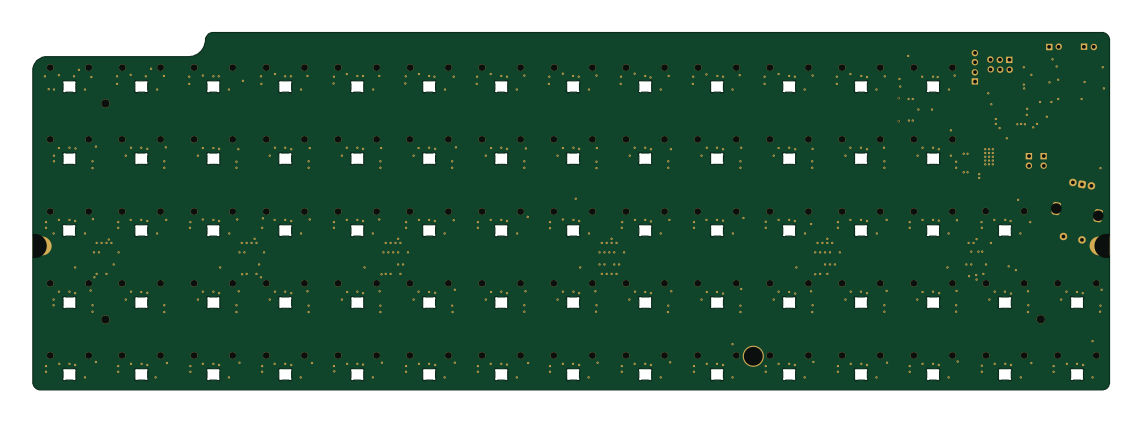 STM32
KHEops70
mgsg
285 × 94.6 mm477 parts4LGPL-3.00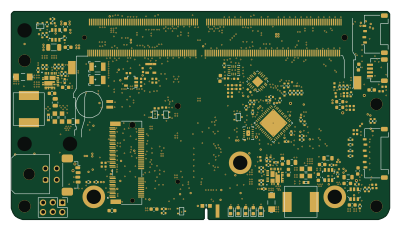 ESP32
Capable jetson carrier
CapableRobot
100 × 55 mm344 parts6LApache-2.00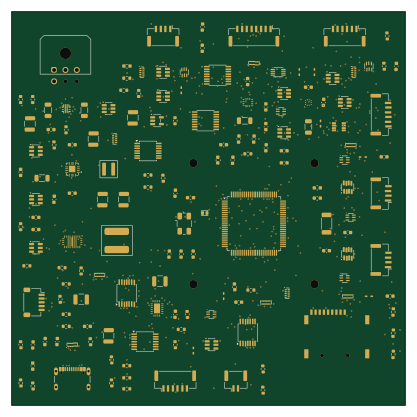 STM32
Flight-Controller-V1
desanv01
104 × 104 mm310 parts6LCustom license0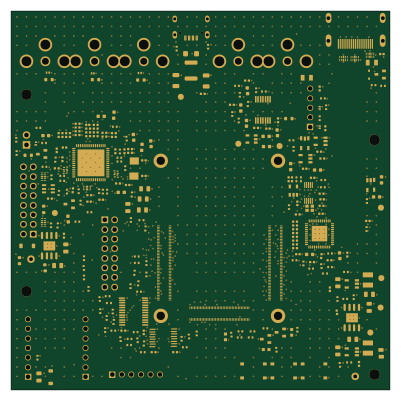
Av board cb
bryfur
100 × 100 mm300 parts4LNo license0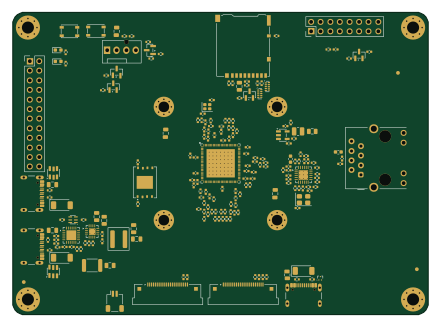 ESP32
Esp32-p4
Andreuxxx1977
110 × 80 mm221 parts4LCERN-OHL-P-2.00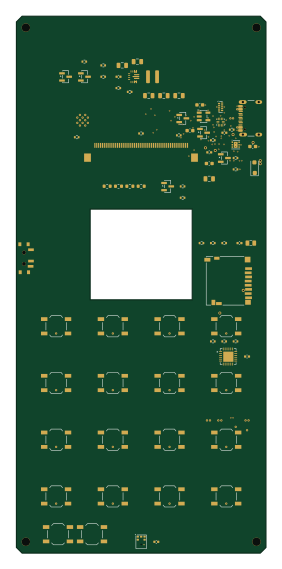 ESP32
Handset
JeremyLakeyJr
66 × 142 mm217 parts4LNo license0 STM32
SCO68R
scottcjx
190 parts2LGPL-3.00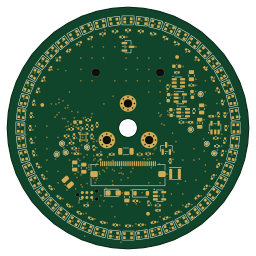 Nordic nRF
Dial me spinner main
tyevco
64 × 64 mm187 parts4LNo license0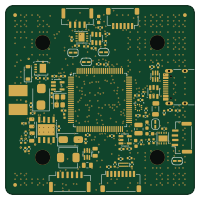 STM32
Fc h743
dvntekim
50 × 50 mm178 parts6LNo license0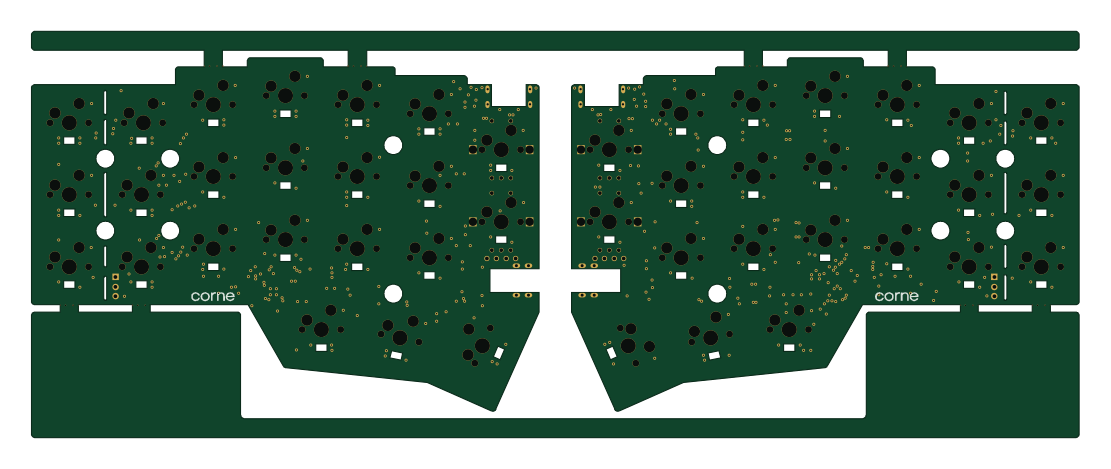 RP2040/RP2350
Corne cherry
waseemR02
277.2 × 107.5 mm172 parts2LCC-BY-4.00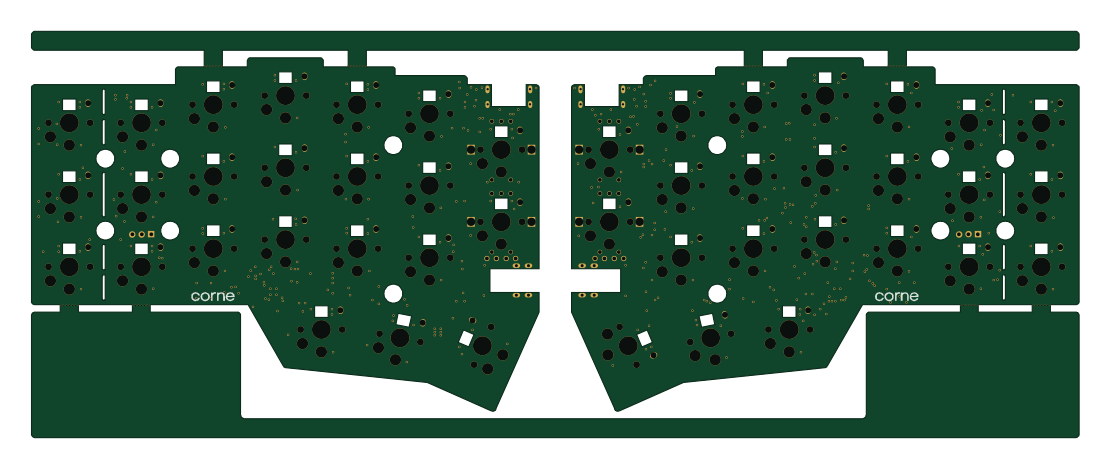 RP2040/RP2350
Kustom keyboard
jhynes94
277.2 × 107.5 mm164 parts2LNo license0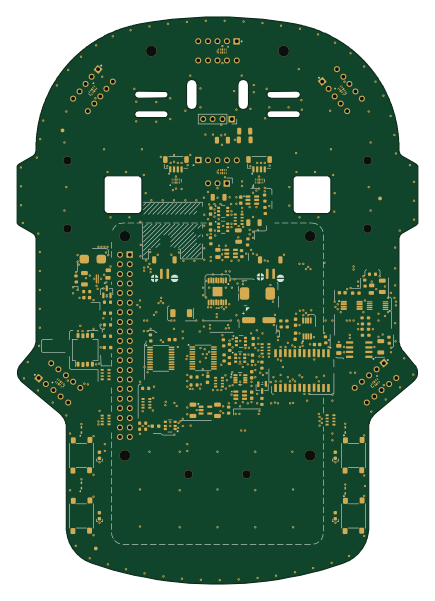 STM32
Keel
BisocMOrg
106 × 150 mm147 parts6LMIT0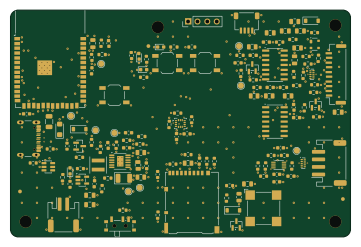 ESP32
Ataxia-Monitor
Sajeevanveeriah
90 × 60 mm138 parts4LUnlicense0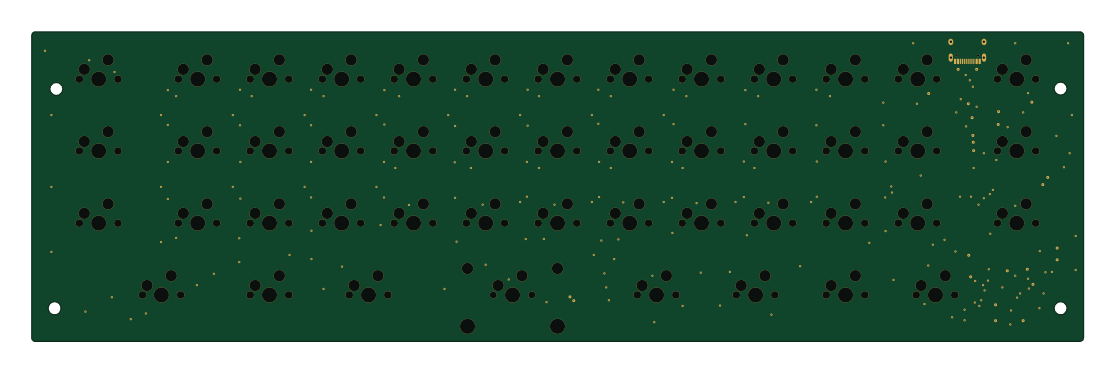 AVR/Arduino
Sherie
flora495
278.3 × 81.9 mm117 parts2LNo license0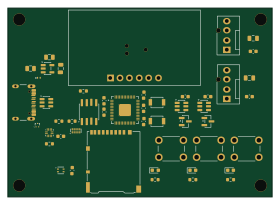 RP2040/RP2350
Aerosense-2f r001-placement
IgorCulafic
70 × 50 mm92 parts2LAGPL-3.00
How designs wire the TPD4E05U06DQAR
Read from the KiCad layouts of 47 open source designs, one per repository: what each pin of the TPD4E05U06DQAR connects to, and the resistors, capacitors and other passives placed on it.
- The D1+ pin has a series resistor on 22 of 47 designs, most often 27 Ω (then 22 Ω).
- The D1- pin has a series resistor on 22 of 47 designs, most often 27 Ω (then 22 Ω).
- The D2- pin has a series resistor on 20 of 47 designs, most often 27 Ω (then 0 Ω).
| Pin | Connected to | Parts on the pin |
|---|---|---|
| D1+pin 1 | Connected to: A connector 91%, the microcontroller 21% |
|
| D1-pin 2 | Connected to: A connector 91% |
|
| GNDpin 3, 8 | Connected to: GND 98% | — |
| D2+pin 4 | Connected to: A connector 83% |
|
| D2-pin 5 | Connected to: A connector 81% |
|
1 more pin varies from design to design. Connections count pins, parts count designs; values in brackets are how many parts had that value. Designs read include Corne cherry by foostan, UDB-S by Unified-Daughterboard, UDB-C-EZM by Unified-Daughterboard and Anticheww by AcheronProject.
The TPD4E05U06DQAR in open source designs
The gallery holds 70 open source boards using the TPD4E05U06DQAR from 48 GitHub repositories; a typical one measures about 70 × 55 mm and carries around 136 components.
52% use four copper layers or more, and 63% carry an open source license.
The most starred is Corne chocolate by foostan.
Parts used alongside the TPD4E05U06DQAR
Microcontrollers on boards using the TPD4E05U06DQAR
What boards using the TPD4E05U06DQAR are built for
TPD4E05U06DQAR: common questions
Where can I find a TPD4E05U06DQAR reference design?
Each of the 70 boards on this page is a real design using the TPD4E05U06DQAR. Open one to see how it is wired up, with the full BOM, a render of the layout and links to its KiCad files.
What resistor goes on the TPD4E05U06DQAR D1+ pin?
The D1+ pin has a series resistor on 22 of 47 designs, most often 27 Ω (then 22 Ω). Counted from the KiCad layouts of 47 open source designs using the TPD4E05U06DQAR.
What resistor goes on the TPD4E05U06DQAR D1- pin?
The D1- pin has a series resistor on 22 of 47 designs, most often 27 Ω (then 22 Ω). Counted from the KiCad layouts of 47 open source designs using the TPD4E05U06DQAR.
What resistor goes on the TPD4E05U06DQAR D2- pin?
The D2- pin has a series resistor on 20 of 47 designs, most often 27 Ω (then 0 Ω). Counted from the KiCad layouts of 47 open source designs using the TPD4E05U06DQAR.
What parts are used alongside the TPD4E05U06DQAR?
The USBLC6-2SC6, W25Q128JVSIQ, RP2040, NCP1117LPST33T3G and TLV62569DBVR appear in the most repositories here.
Which microcontrollers do boards using the TPD4E05U06DQAR use?
Most are built on RP2040/RP2350 (24), ESP32 (11), STM32 (10) and AVR/Arduino (2).
How big is a typical board using the TPD4E05U06DQAR?
The median is 70 × 55 mm, and 48% are two-layer designs.
What is the most popular open source board using the TPD4E05U06DQAR?
By GitHub stars, Corne chocolate by foostan, with 7,725 stars.
Can I simulate one of these boards using the TPD4E05U06DQAR before building it?
Yes. HardLabs turns a board's netlist and BOM into a working simulation, so you can boot and test firmware against it with no hardware on your desk.