
60 open source boards using the TPS2553DBVR
Real designs built with the TPS2553DBVR, from public GitHub projects: a quick way to see how others power, decouple and connect it. Each board comes with its KiCad files, full parts list and a render — and you can simulate its firmware on HardLabs.
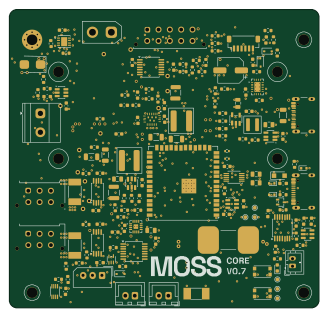 ESP32
Moss
metrox-eth
82 × 79 mm208 parts4LApache-2.0116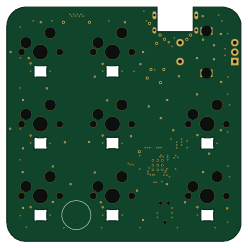 RP2040/RP2350
Pcb
0xCB-dev
62 × 62 mm114 parts4LCustom license61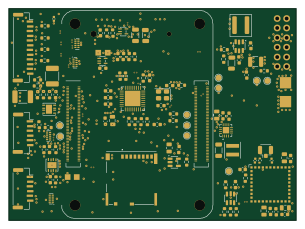 Raspberry Pi
Mesh radio-Halow-LoRa
ties1887
76 × 56 mm112 parts6LCC-BY-NC-4.039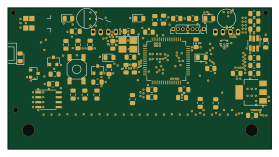 STM32
Overnumpad controller 1xb
purdeaandrei
69.6 × 37.3 mm65 parts2LCERN-OHL-P-2.027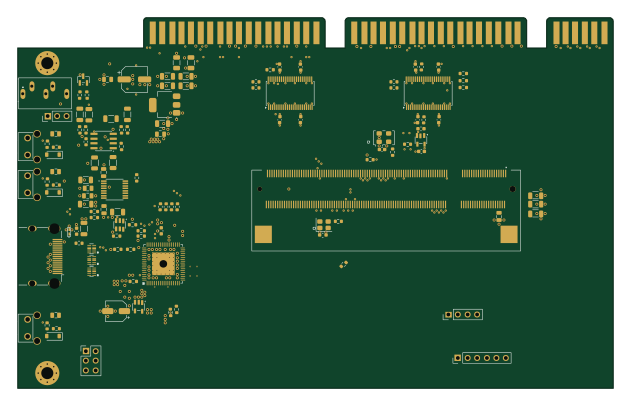
BeamBender-BigBox
kavanoz64
157.5 × 98 mm158 parts4LNo license8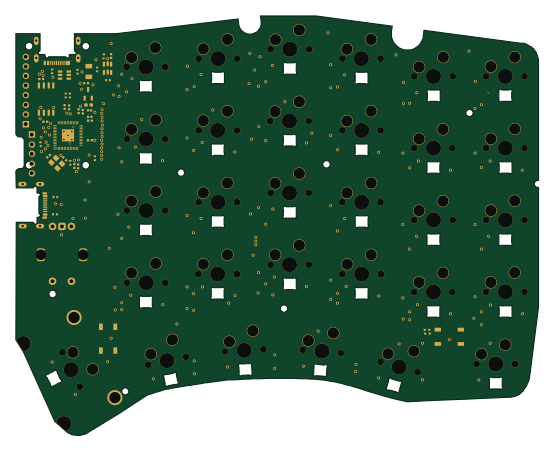 RP2040/RP2350
Chastity
brad-za
138.3 × 111 mm336 parts2LNo license4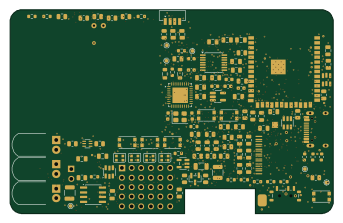 ESP32
PocketLab-Card
 Jebroa77485.6 × 54 mm250 parts4LNo license2
 RP2040/RP2350
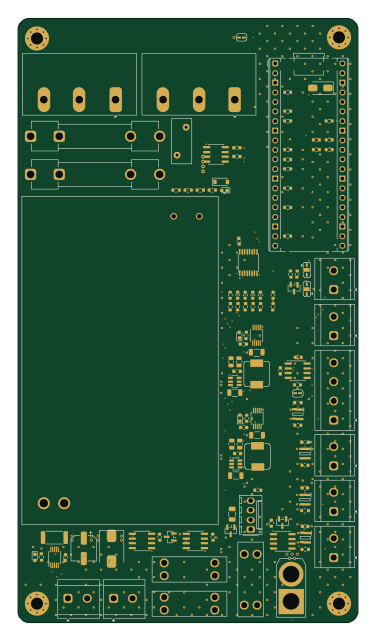
Tool power supply
UBC-Hacker-Fab
90 × 160 mm121 parts4LNo license1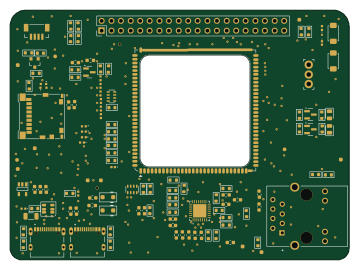
LuckFox-Core3506-Carrier
Rufilla
89.7 × 66 mm117 parts4LApache-2.01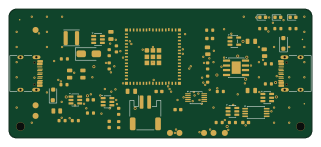 ESP32
Dji fcc esp32
nikolaus018
80 × 34 mm56 parts2LMIT1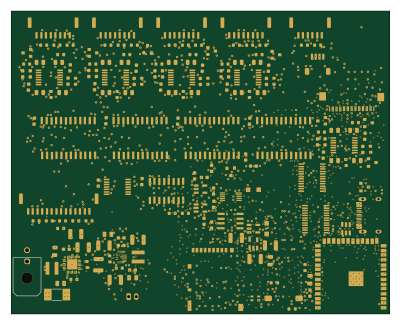 ESP32
Glove v4-routing candidate
latintzar
100 × 80 mm561 parts8LMIT0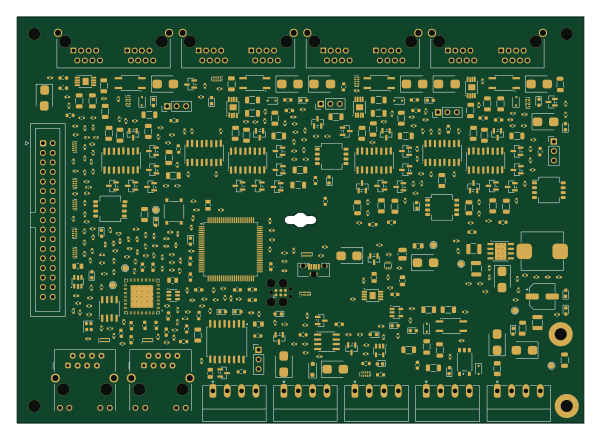 STM32
Bornier
bornier-dev
150 × 107.5 mm506 parts4LNo license0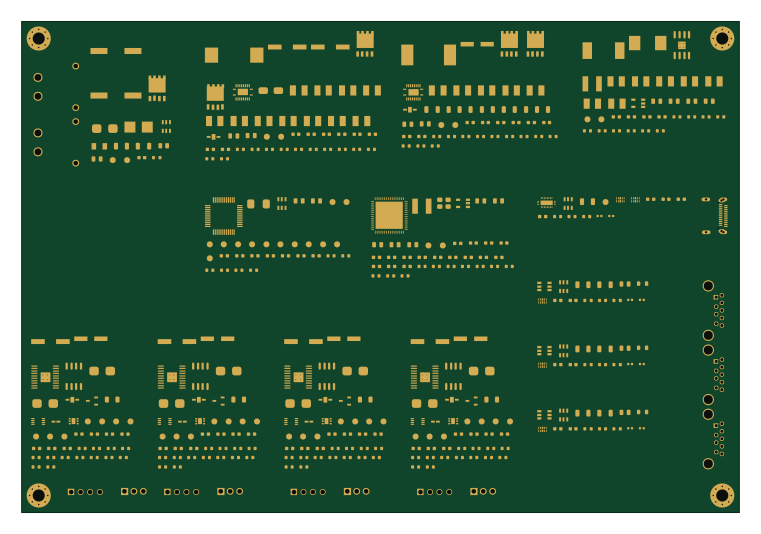
Robothardware
des256
190 × 130 mm364 parts4LNo license0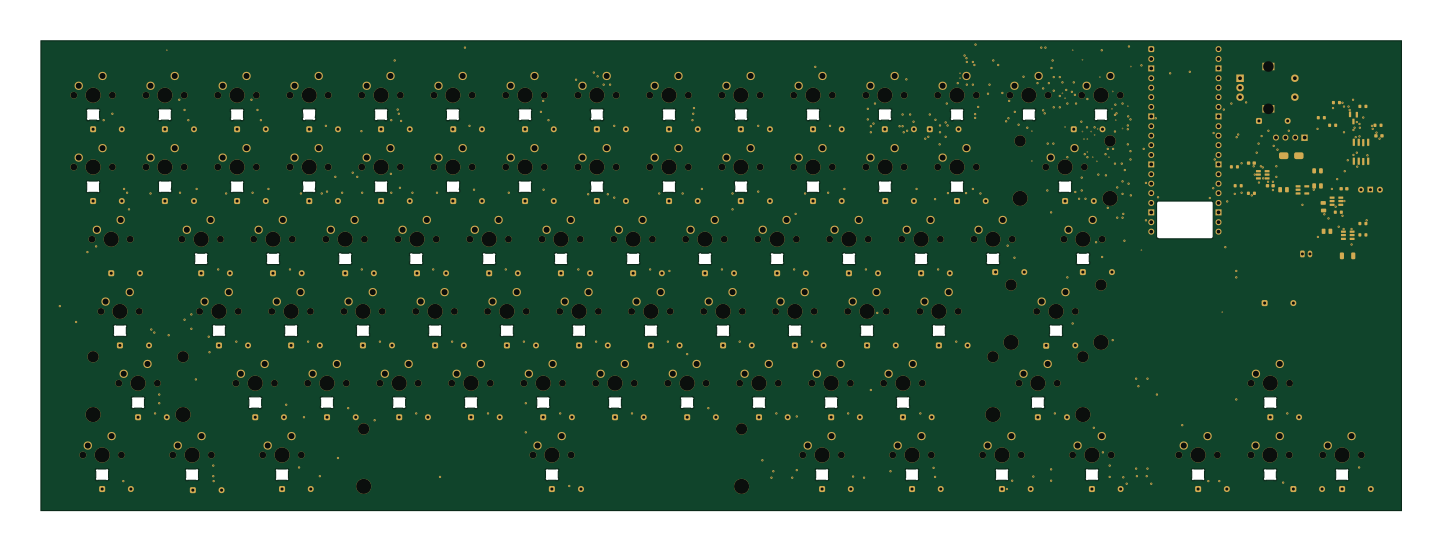 RP2040/RP2350
Keyboard
Catsarepro21
360 × 124.3 mm357 parts2LNo license0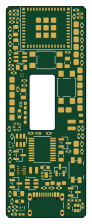 ESP32
Candidate
earlynerd
21 × 55.9 mm261 parts4LNo license0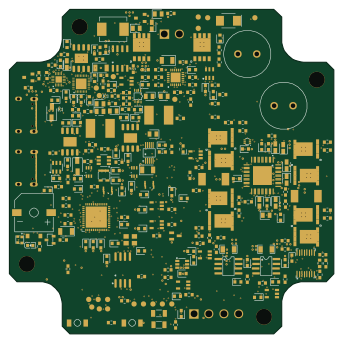 STM32
Pd1180-epr
techmannih
85.9 × 85.9 mm255 parts4LNo license0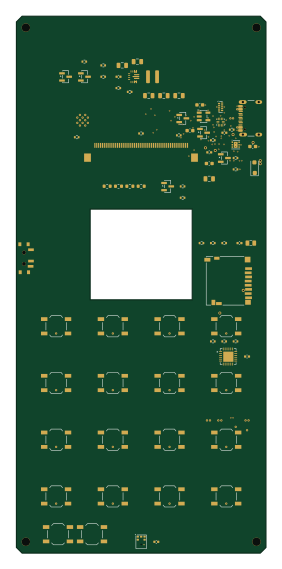 ESP32
Handset
JeremyLakeyJr
66 × 142 mm217 parts4LNo license0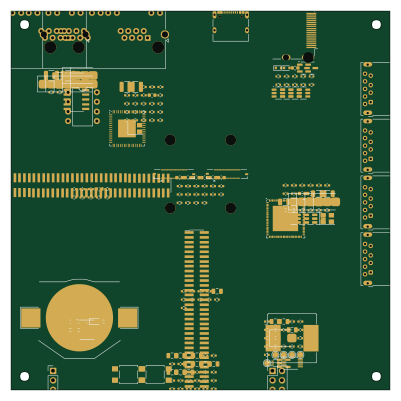 Raspberry Pi
Node pad v1
Sami9889
100 × 100 mm209 parts4LCERN-OHL-P-2.00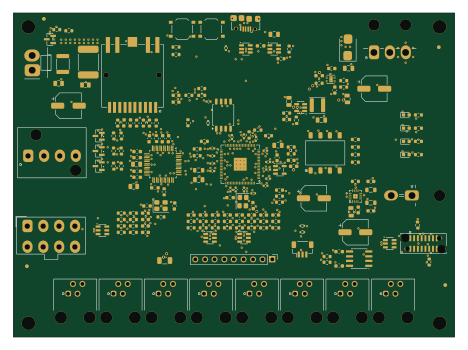 RP2040/RP2350
Skeeball premium re
mikenemat
116.7 × 85.7 mm208 parts4LNo license0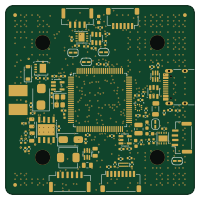 STM32
Fc h743
dvntekim
50 × 50 mm178 parts6LNo license0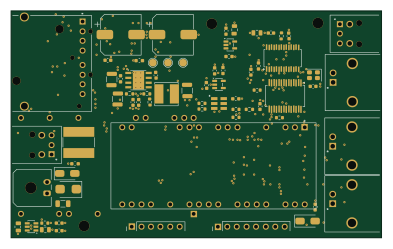 ESP32
MOST25-to-AUDIO
Oleg-mk
98 × 60 mm174 parts4LCERN-OHL-S-2.00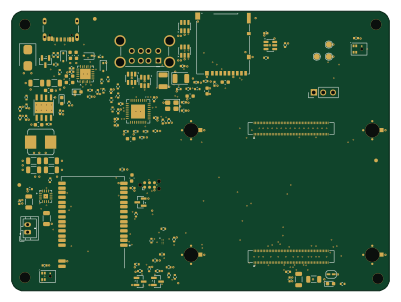 Raspberry Pi
Fable sbc test
geilevideossos-gamedev
100 × 74 mm138 parts4LGPL-3.00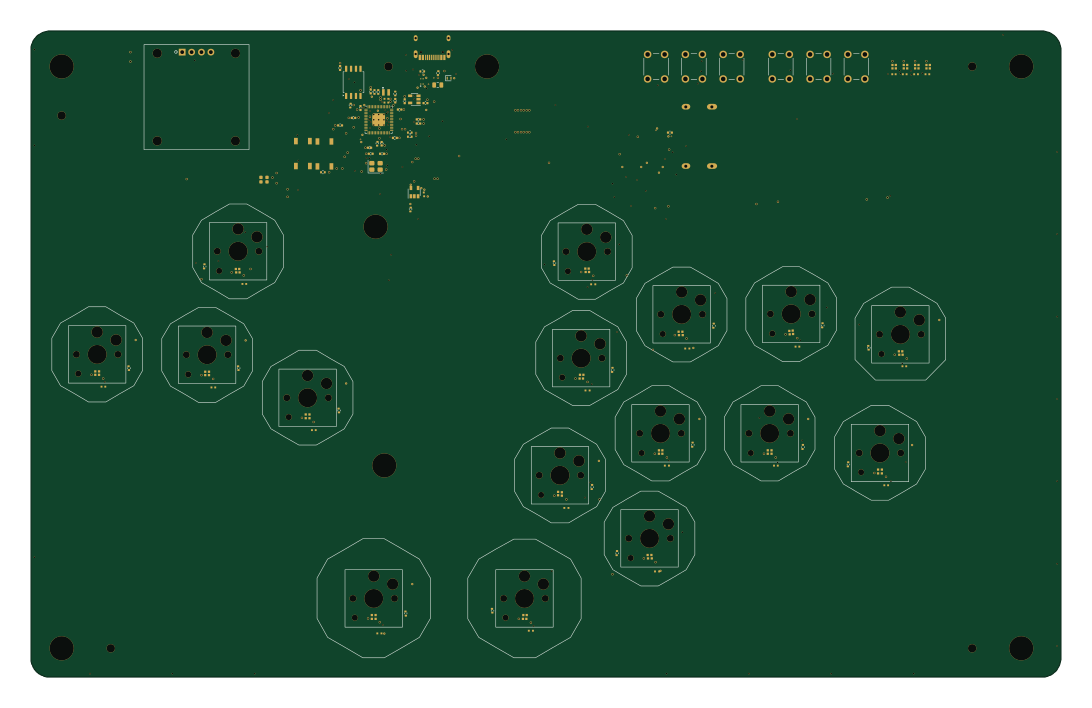 RP2040/RP2350
Project A
zephris
272.6 × 171 mm112 parts4LGPL-2.00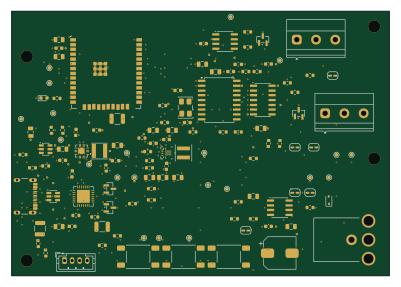 ESP32
A3-control center
Axsel
100 × 70 mm109 parts4LNo license0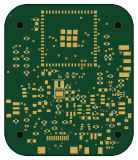 ESP32
Smartwatch
CopperPilot
34 × 40 mm107 parts2LCERN-OHL-S-2.00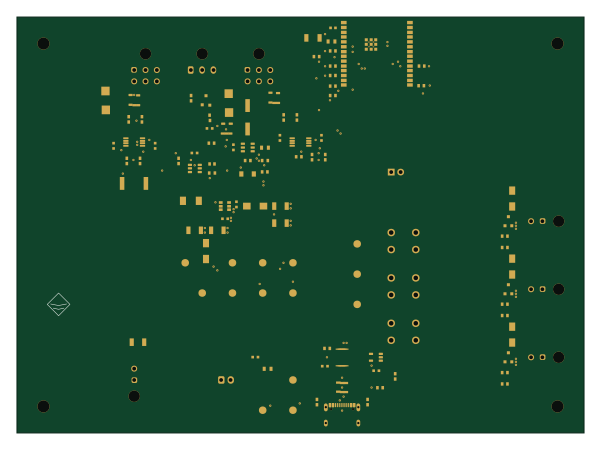 ESP32
Controller
micthiesen
150 × 110 mm99 parts4LNo license0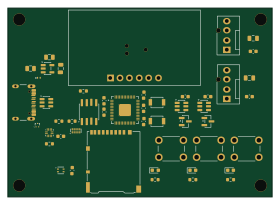 RP2040/RP2350
Aerosense-2f r001-placement
IgorCulafic
70 × 50 mm92 parts2LAGPL-3.00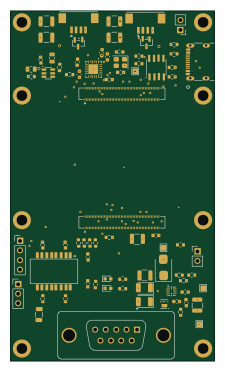 Raspberry Pi
Timepix RSS
Grim-Raid
54 × 92.8 mm83 parts4LNo license0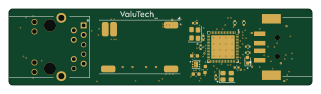
VatPoeToUsb
sire234
80 × 20 mm76 parts6LNo license0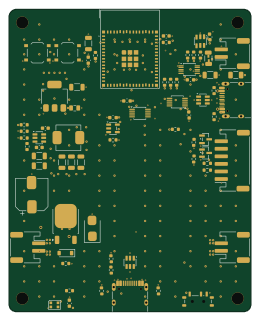 ESP32
Bay node
kartben
64 × 80 mm74 parts4LApache-2.00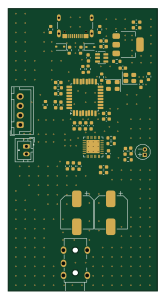 Microchip SAM
Wm8978
SmallCoral
39.5 × 74.8 mm54 parts2LNo license0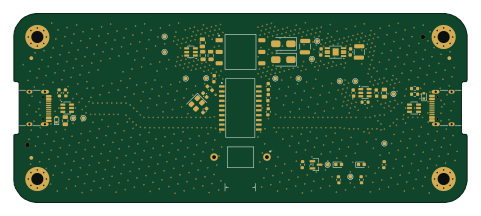
ADuM4165 USB Isolator
alxgmpr
120 × 50 mm41 parts4LNo license0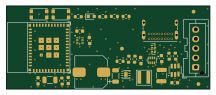 ESP32
SerialTap
tfindlay-au
54 × 22 mm33 parts4LCERN-OHL-P-2.00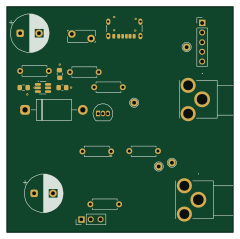
Linktovideo
danielboston38
59.9 × 59.7 mm20 parts2LCERN-OHL-S-2.00- schematic only · 121 parts
Lobo Sat EPS V1
jwerzowa
121 partsNo license0 - schematic only · 41 parts
24v esp32-greenhouse controller kicad
SpeedUp-Tech
41 partsCERN-OHL-P-2.00
How designs wire the TPS2553DBVR
Read from the KiCad layouts of 36 open source designs, one per repository: what each pin of the TPS2553DBVR connects to, and the resistors, capacitors and other passives placed on it.
- The ILIM_5 pin has a resistor to GND on 31 of 35 designs, most often 100 kΩ (then 60.4 kΩ).
- The OUT_6 pin has a capacitor to GND on 28 of 35 designs, most often 100 nF (then 10 µF).
- The IN_1 pin is tied to 5V on 22 of 36 designs (a signal on 12).
- The FAULT_4 pin has a pull-up to 3.3V on 15 of 35 designs, most often 10 kΩ (then 100 kΩ).
| Pin | Connected to | Parts on the pin |
|---|---|---|
| IN_1pin 1 | Connected to: 5V 61% · a signal 33% | — |
| GND_2pin 2 | Connected to: GND 94% | — |
| EN_3pin 3 | Connected to: Signal 78% · 5V 22% |
|
| FAULT_4pin 4 | Connected to: The microcontroller 26% · not connected 29% |
|
| ILIM_5pin 5 | Connected to: Signal 94% |
|
| OUT_6pin 6 | Connected to: Signal 57% · 5V 43% |
|
Connections count pins, parts count designs; values in brackets are how many parts had that value. Designs read include Moss by metrox-eth, 1337-v4.0 by 0xCB-dev, Mesh radio-Halow-LoRa by ties1887 and Overnumpad controller 1xb by purdeaandrei.
The TPS2553DBVR in open source designs
The gallery holds 60 open source boards using the TPS2553DBVR from 39 GitHub repositories; a typical one measures about 82 × 62 mm and carries around 111 components.
56% use four copper layers or more, and 47% carry an open source license.
The most starred is Moss by metrox-eth.
Parts used alongside the TPS2553DBVR
Microcontrollers on boards using the TPS2553DBVR
What boards using the TPS2553DBVR are built for
TPS2553DBVR: common questions
Where can I find a TPS2553DBVR reference design?
Each of the 60 boards on this page is a real design using the TPS2553DBVR. Open one to see how it is wired up, with the full BOM, a render of the layout and links to its KiCad files.
What resistor goes on the TPS2553DBVR ILIM_5 pin?
The ILIM_5 pin has a resistor to GND on 31 of 35 designs, most often 100 kΩ (then 60.4 kΩ). Counted from the KiCad layouts of 36 open source designs using the TPS2553DBVR.
How is the TPS2553DBVR OUT_6 pin connected?
The OUT_6 pin has a capacitor to GND on 28 of 35 designs, most often 100 nF (then 10 µF). Counted from the KiCad layouts of 36 open source designs using the TPS2553DBVR.
How is the TPS2553DBVR IN_1 pin connected?
The IN_1 pin is tied to 5V on 22 of 36 designs (a signal on 12). Counted from the KiCad layouts of 36 open source designs using the TPS2553DBVR.
What parts are used alongside the TPS2553DBVR?
The USBLC6-2SC6, TPS22918DBVR, TPS63070RNMR, TLV62569DBVR and TPD4E05U06DQAR appear in the most repositories here.
Which microcontrollers do boards using the TPS2553DBVR use?
Most are built on ESP32 (20), RP2040/RP2350 (19), STM32 (5) and Raspberry Pi (4).
How big is a typical board using the TPS2553DBVR?
The median is 82 × 62 mm, and 44% are two-layer designs.
What is the most popular open source board using the TPS2553DBVR?
By GitHub stars, Moss by metrox-eth, with 116 stars.
Can I simulate one of these boards using the TPS2553DBVR before building it?
Yes. HardLabs turns a board's netlist and BOM into a working simulation, so you can boot and test firmware against it with no hardware on your desk.