
56 open source boards using the TPS2121RUXR
Real designs built with the TPS2121RUXR, from public GitHub projects: a quick way to see how others power, decouple and connect it. Each board comes with its KiCad files, full parts list and a render — and you can simulate its firmware on HardLabs.
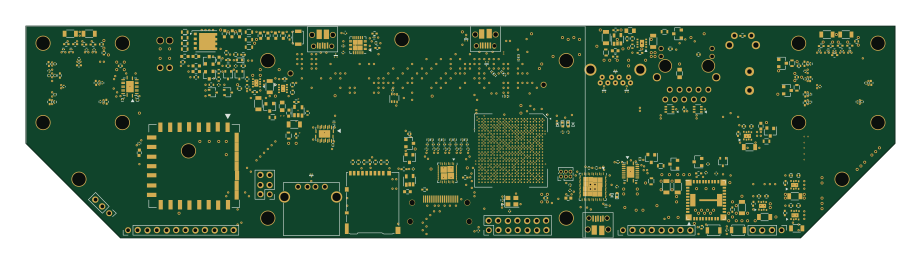 STM32
Ovc
osrf
230 × 56 mm379 parts6LApache-2.0207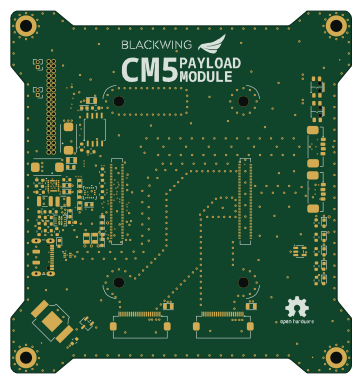 Raspberry Pi
Blackwing cm5-payload v1
nihil-space
90.2 × 95.9 mm88 parts6LCERN-OHL-S-2.026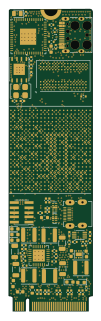 FPGA
M.2-FPGA-Accelerator
KaiPereira
22 × 80 mm276 parts6LNo license25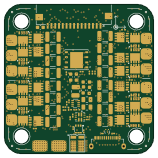 ESP32
P4eregrine
anticitizn
39.5 × 39.5 mm314 parts6LNo license15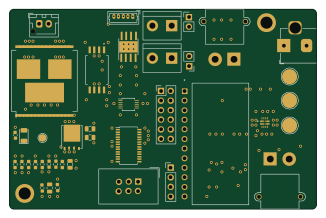
Robocar pinky
arkorobotics
81.3 × 52.8 mm83 parts4LNo license12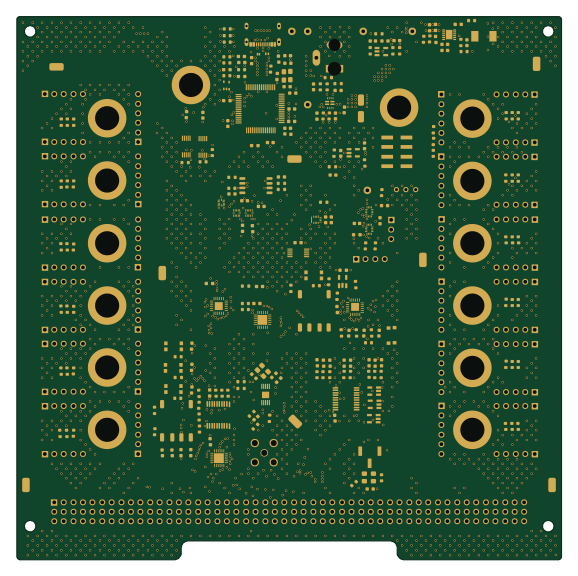
Main board
esl-epfl
144.3 × 143.8 mm253 parts4LNo license11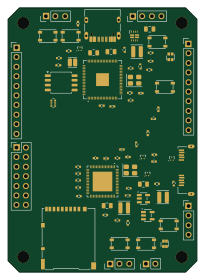 RP2040/RP2350
Rp569
kelu124
50 × 70 mm142 parts4LNo license3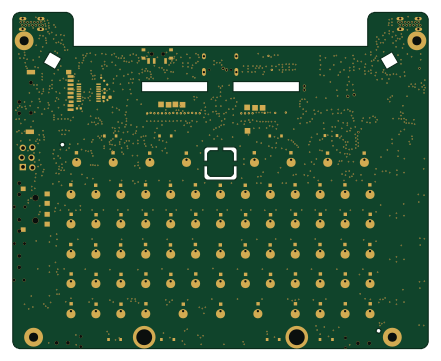 RP2040/RP2350
Bottom board palmtop
ZeroPhone
110 × 89 mm327 parts2LCERN-OHL-S-2.02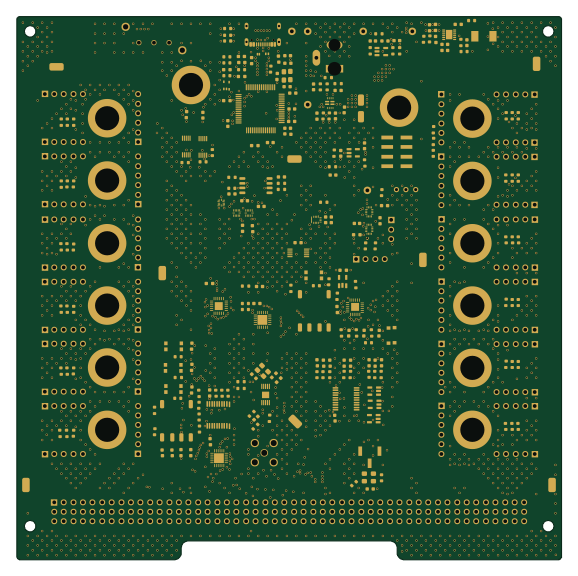
Main board
144.3 × 143.8 mm259 parts4LNo license2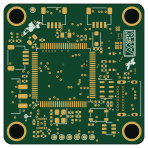 STM32
Fpv drone
AQUA-Warrior
37 × 37 mm106 parts4LCC-BY-SA-4.02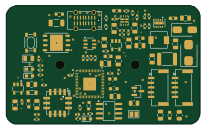 RP2040/RP2350
RP2350
engelberd
51.4 × 31.4 mm85 parts4LNo license2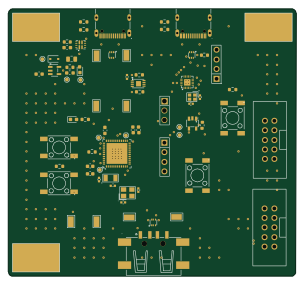 RISC-V
Usb sp dev
Ismael034
76.1 × 70.7 mm71 parts4LMIT2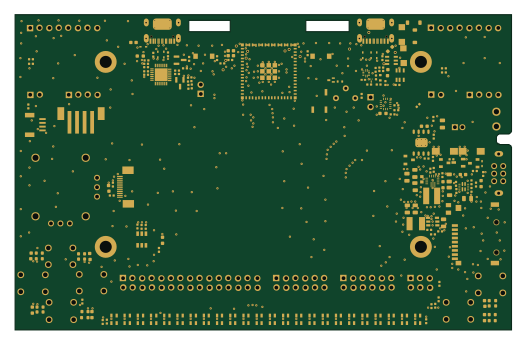 ESP32
E badge
BYU-I-eBadge
131.5 × 83.5 mm207 parts2LMIT1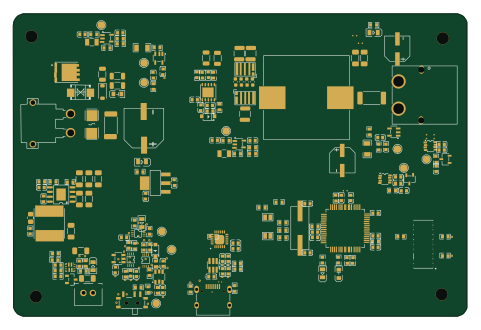
Gan buck converter
HexaGaN-org
120 × 80 mm184 parts4LNo license1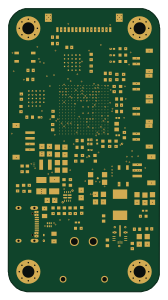 STM32
Aero32
Kiya86
40 × 75 mm161 parts6LNo license1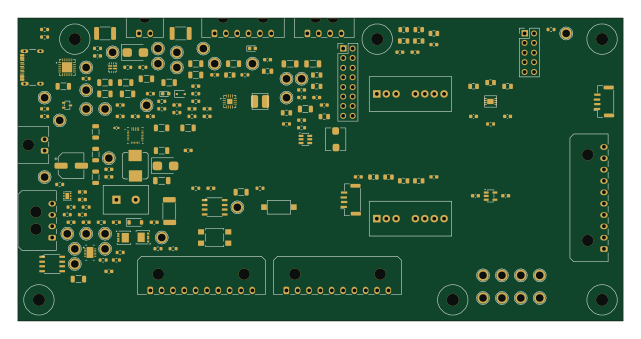
R3 power
druzvv-hash
160 × 80 mm156 parts4LNo license1- schematic only · 53 parts
Andromeda-V3.2
StudentOrganisationForAerospaceResearch
53 partsNo license1 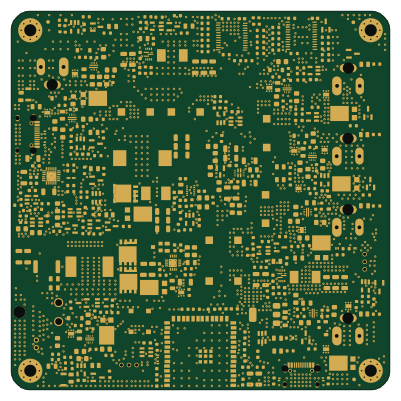 ESP32
Tankervision pdb
ikeefe12
100 × 100 mm444 parts4LNo license0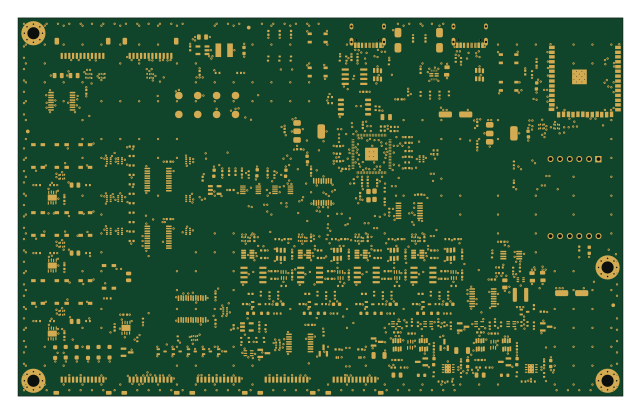 RP2040/RP2350
Buslab
tombueng
160 × 100 mm414 parts6LCustom license0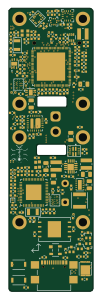 ESP32
Tinker mantis
Tinkerbug-Robotics
22.4 × 75 mm264 parts8LGPL-3.00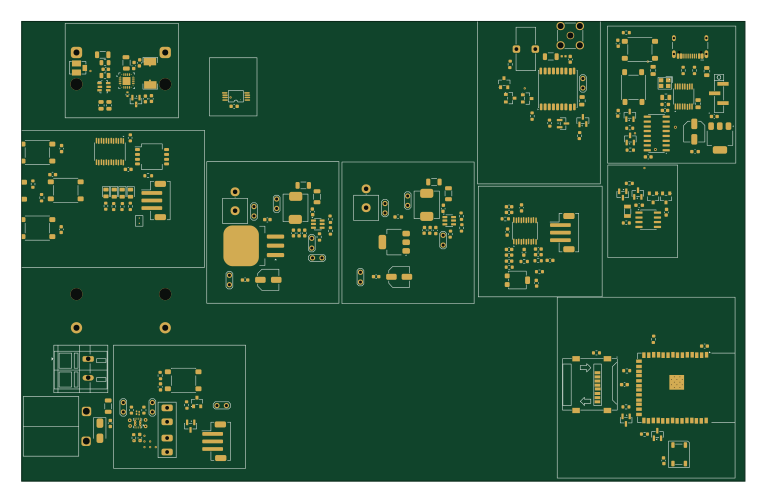 ESP32
Kicad foxhunt batterytest
gx1400
191.5 × 121.8 mm253 parts4LNo license0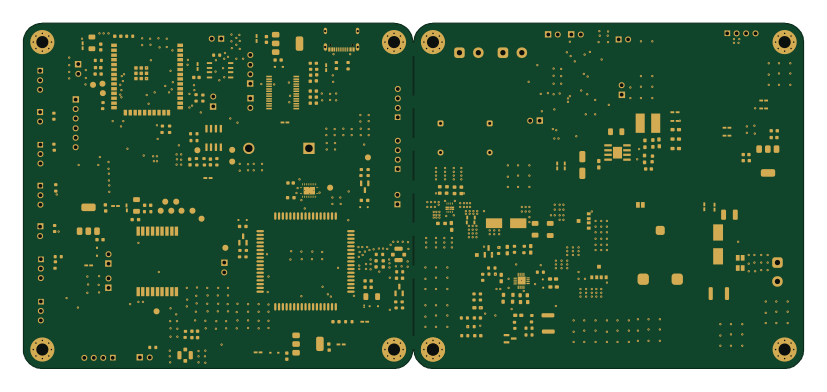 ESP32
AWS PROJECT
marydovika
206.3 × 91.3 mm207 parts2LNo license0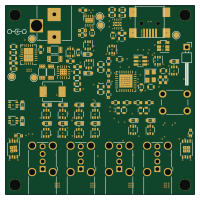
USB Hub
drewsum
50 × 50 mm200 parts4LGPL-3.00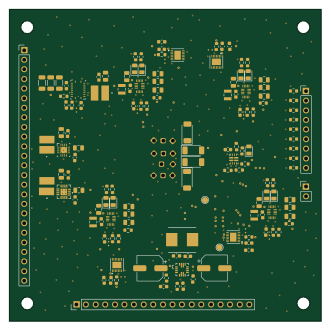
PVDX-EPS V1
BrownSpaceEngineering
82.5 × 82.5 mm185 parts2LNo license0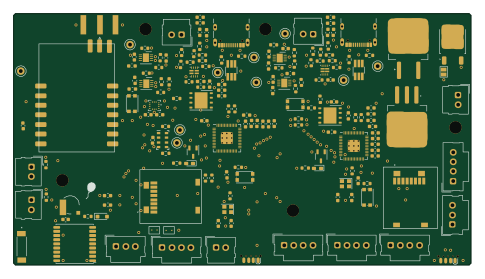 RP2040/RP2350
Main board
UMDBPP
121 × 66.5 mm179 parts4LNo license0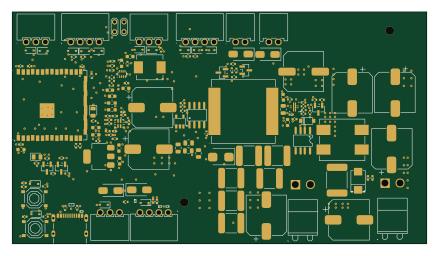 ESP32
ESP32-controlled peltier controller-CE-pre certified untested
manhoosbilli1
109.5 × 61.1 mm161 parts4LNo license0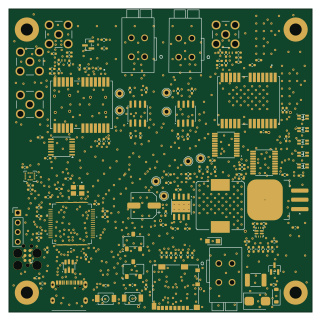 STM32
ANUFS-Telemetry
chithigun23
80 × 80 mm157 parts4LNo license0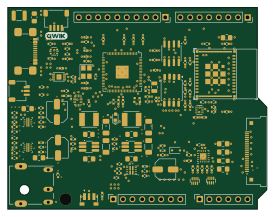 RP2040/RP2350
Phyduino pico2
perc-sw
68.6 × 53.3 mm152 parts4LGPL-3.00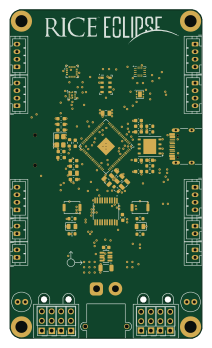 RP2040/RP2350
Version2
rice-eclipse
50.8 × 87 mm130 parts4LNo license0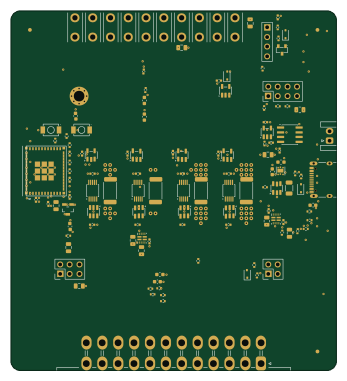 ESP32
Atx-24pin rev3-candidate
nathanfraske
86 × 95 mm126 parts6LApache-2.00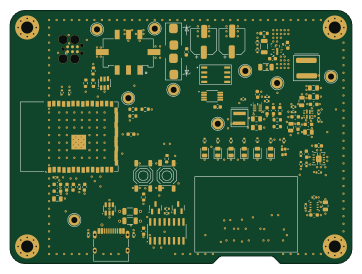 ESP32
AS 4
beaked99
90.5 × 67 mm126 parts4LNo license0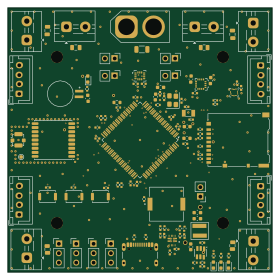 STM32
Flight controller
someonelse20
70 × 70 mm116 parts4LNo license0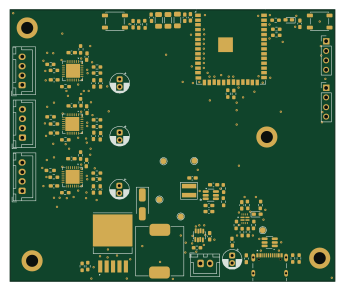 ESP32
StartrackerOrion-Hardware
NBER08
86.1 × 71.9 mm96 parts4LMIT0
UBITz-Dock-Power-Impl
dumaiss
1.3 × 1.7 mm90 parts2LSHL-2.10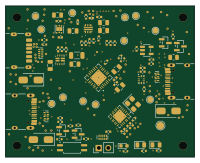
Usb c one
fgihl
50 × 40 mm83 parts4LNo license0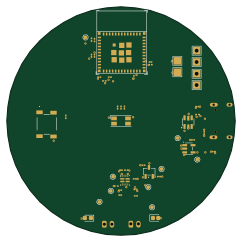 ESP32
Safestep
8-BitLab
60.4 × 60.4 mm45 parts2LNo license0
How designs wire the TPS2121RUXR
Read from the KiCad layouts of 40 open source designs, one per repository: what each pin of the TPS2121RUXR connects to, and the resistors, capacitors and other passives placed on it.
- The ILM_10 pin has a resistor to GND on 38 of 40 designs, most often 100 kΩ (then 21.5 kΩ).
- The SS_11 pin has a capacitor to GND on 38 of 40 designs, most often 100 nF (then 1 µF).
- The IN2_2 pin is tied to VBUS on 28 of 40 designs (a signal on 12).
- The OV2_4 pin has a resistor to GND on 23 of 40 designs, most often 5 kΩ (then 10 kΩ).
| Pin | Connected to | Parts on the pin |
|---|---|---|
| OUT_1pin 1 | Connected to: 5V 60% · a signal 40% | — |
| IN2_2pin 2 | Connected to: VBUS 70% · a signal 30% | — |
| CP2_3pin 3 | Connected to: GND 60% · a signal 35% |
|
| OV2_4pin 4 | Connected to: Signal 65% · GND 35% |
|
| OV1_5pin 5 | Connected to: Signal 65% · GND 35% |
|
| PR1_6pin 6 | Connected to: Signal 63% · GND 38% |
|
| IN1_7pin 7 | Connected to: VBUS 63% · a signal 38% | — |
| OUT_8pin 8 | Connected to: 5V 60% · a signal 40% | — |
| ILM_10pin 10 | Connected to: Signal 100% |
|
| SS_11pin 11 | Connected to: Signal 98% |
|
| GND_12pin 12 | Connected to: GND 95% | — |
1 more pin varies from design to design. Connections count pins, parts count designs; values in brackets are how many parts had that value. Designs read include Ovc by osrf, Blackwing cm5-payload v1 by nihil-space, M.2-FPGA-Accelerator by KaiPereira and P4eregrine by anticitizn.
The TPS2121RUXR in open source designs
The gallery holds 56 open source boards using the TPS2121RUXR from 42 GitHub repositories; a typical one measures about 81.9 × 70 mm and carries around 144 components.
85% use four copper layers or more, and 41% carry an open source license.
The most starred is Ovc by osrf.
Parts used alongside the TPS2121RUXR
Microcontrollers on boards using the TPS2121RUXR
What boards using the TPS2121RUXR are built for
TPS2121RUXR: common questions
Where can I find a TPS2121RUXR reference design?
Each of the 56 boards on this page is a real design using the TPS2121RUXR. Open one to see how it is wired up, with the full BOM, a render of the layout and links to its KiCad files.
What resistor goes on the TPS2121RUXR ILM_10 pin?
The ILM_10 pin has a resistor to GND on 38 of 40 designs, most often 100 kΩ (then 21.5 kΩ). Counted from the KiCad layouts of 40 open source designs using the TPS2121RUXR.
How is the TPS2121RUXR SS_11 pin connected?
The SS_11 pin has a capacitor to GND on 38 of 40 designs, most often 100 nF (then 1 µF). Counted from the KiCad layouts of 40 open source designs using the TPS2121RUXR.
How is the TPS2121RUXR IN2_2 pin connected?
The IN2_2 pin is tied to VBUS on 28 of 40 designs (a signal on 12). Counted from the KiCad layouts of 40 open source designs using the TPS2121RUXR.
What parts are used alongside the TPS2121RUXR?
The USBLC6-2SC6, W25Q128JVSIQ, STUSB4500QTR, 24AA02E-OT and 74AHC1G04 appear in the most repositories here.
Which microcontrollers do boards using the TPS2121RUXR use?
Most are built on ESP32 (17), RP2040/RP2350 (8), STM32 (6) and FPGA (2).
How big is a typical board using the TPS2121RUXR?
The median is 81.9 × 70 mm, and 15% are two-layer designs.
What is the most popular open source board using the TPS2121RUXR?
By GitHub stars, Ovc by osrf, with 207 stars.
Can I simulate one of these boards using the TPS2121RUXR before building it?
Yes. HardLabs turns a board's netlist and BOM into a working simulation, so you can boot and test firmware against it with no hardware on your desk.