
28 open source boards using the FT2232H
Real designs built with the FT2232H, from public GitHub projects: a quick way to see how others power, decouple and connect it. Each board comes with its KiCad files, full parts list and a render — and you can simulate its firmware on HardLabs.
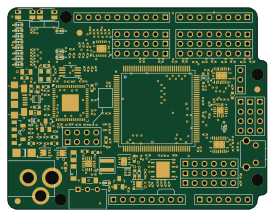 FPGA
Icezum
FPGAwars
68.6 × 53.3 mm208 parts4LGPL-3.0356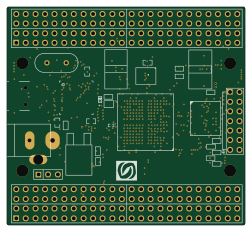 FPGA
Saturn
numato
62.8 × 57.5 mm151 partsNo license143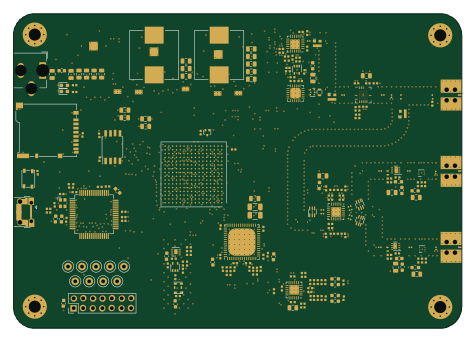 FPGA
Fmcw
matthuszagh
118.6 × 83.2 mm432 parts4LApache-2.066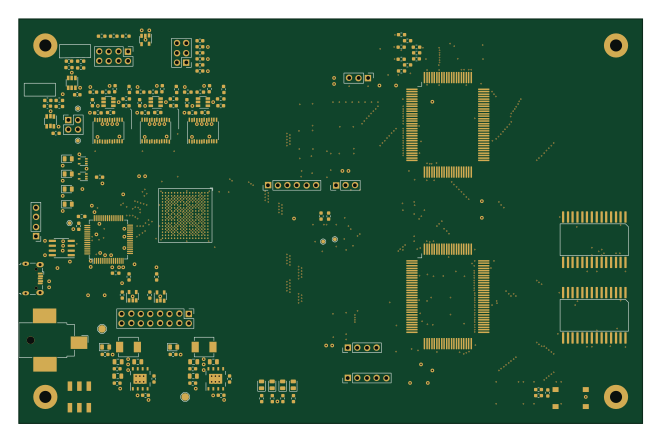 FPGA
Spla
khaydarian
165 × 107 mm252 parts4LNo license32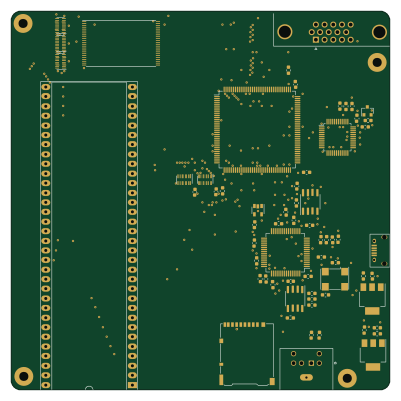 FPGA
M68k
annoyatron255
100 × 100 mm105 parts2LNo license24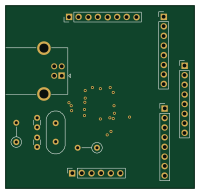
Test subdir
INTI-CMNB
49.8 × 48.2 mm12 parts4LBSD-3-Clause24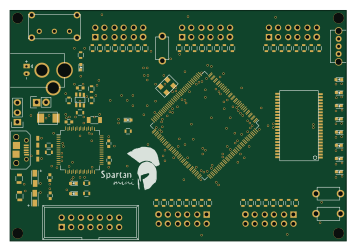
Spartan6Dev
jonthomasson
89 × 61 mm180 parts4LNo license17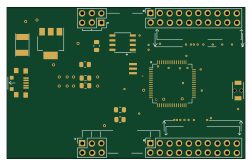
Ft2232h
Xarlan
63 × 40 mm39 parts2LMPL-2.05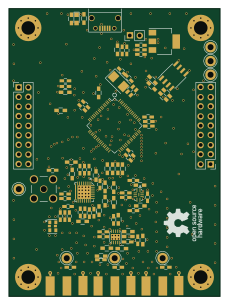
Rev3
Fifty-Nine
55.9 × 76.2 mm98 parts4LCERN-OHL-1.24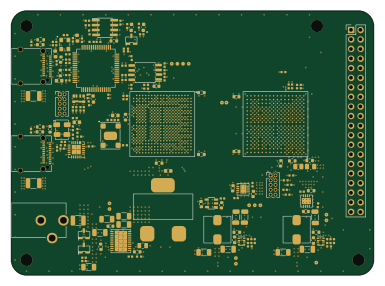 FPGA
Tedium X8
jboone
96 × 70 mm279 parts4LBSD-3-Clause3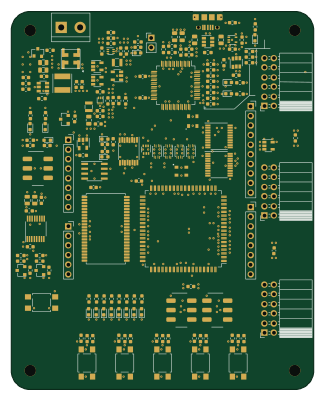 FPGA
Iceduino
RubenVoell
80 × 100 mm241 parts4LCERN-OHL-1.23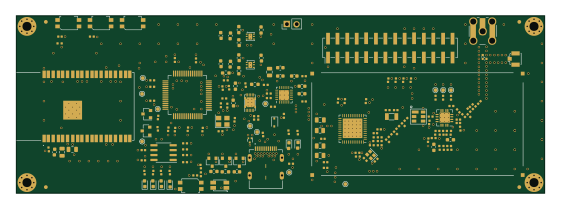 ESP32
Turpial hardware
btcven
140 × 47 mm177 parts4LCERN-OHL-W-2.03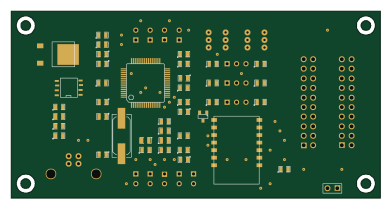 ESP8266
Esp03-usb jtag
jcmvbkbc
97.8 × 49.5 mm58 parts2LNo license3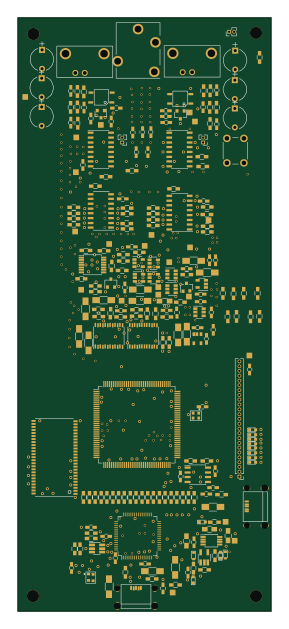 FPGA
ICE40hxk4 dev board
smartbench
67 × 157 mm379 parts4LNo license2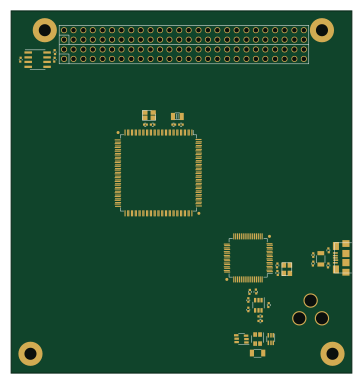 STM32
Hyperion
AerodyneLabs
90.2 × 95.9 mm72 parts4LNo license1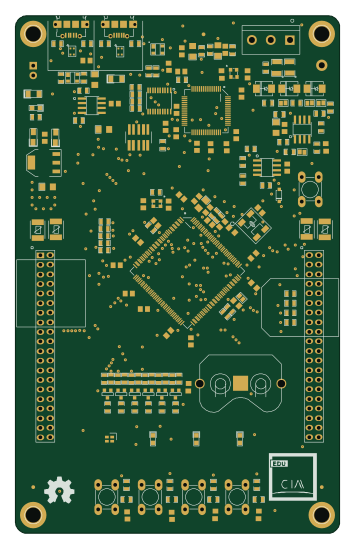 NXP
Edu ciaa nxp
AndyPecotche
85.8 × 137 mm183 parts2LNo license0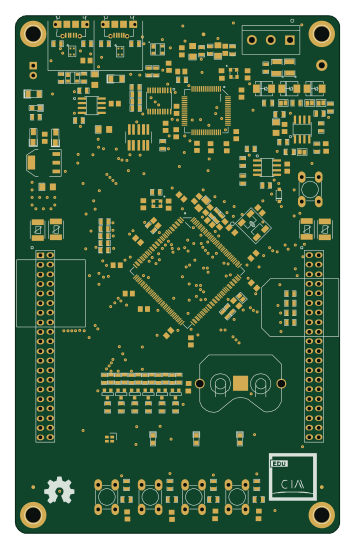 NXP
Edu ciaa nxp micropython
lmtreser
85.8 × 137 mm183 parts2LMIT0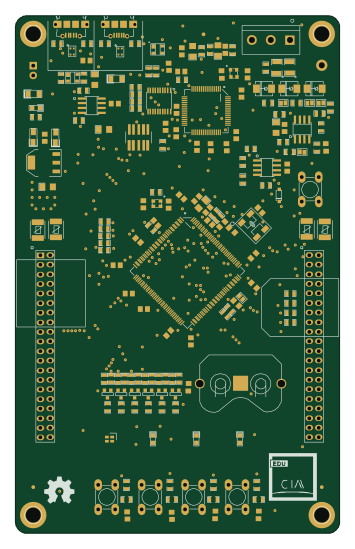 NXP
Edu ciaa nxp
85.8 × 137 mm183 parts2LBSD-3-Clause0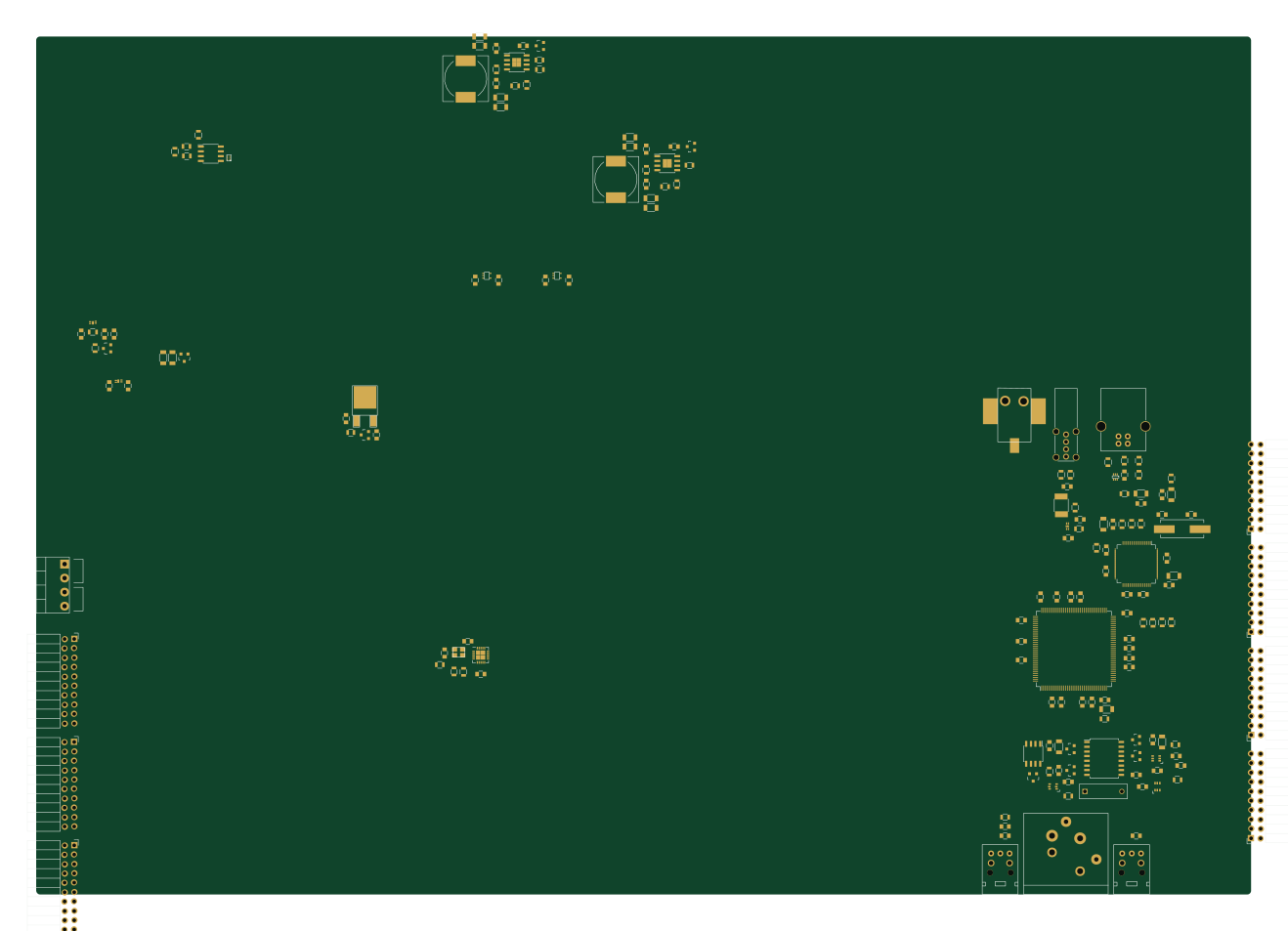 FPGA
Wiggleport
gitter-badger
329 × 232.4 mm173 parts2LMIT0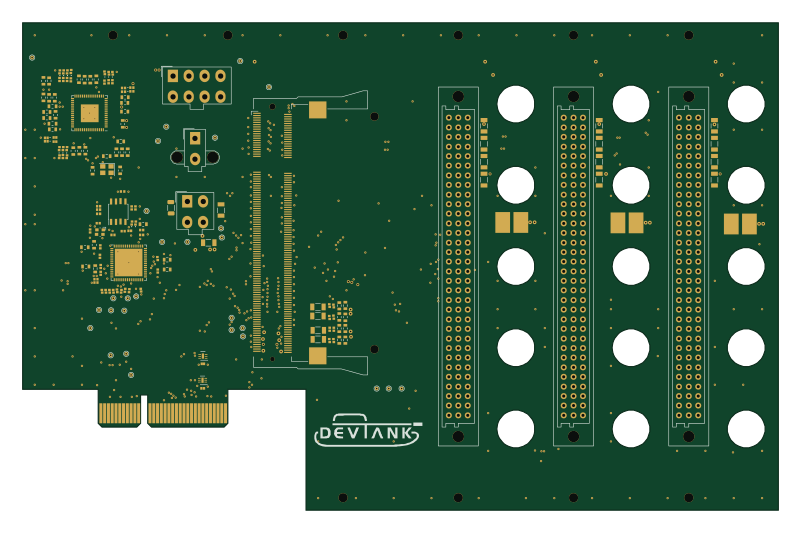 Raspberry Pi
Kicad hiltop 63hp backplane
devtank-ltd
200 × 129 mm161 parts6LCERN-OHL-W-2.00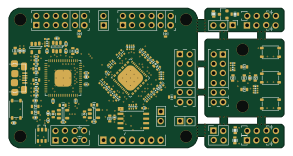 FPGA
ICEBreaker
frohro
73 × 37 mm133 parts4LNo license0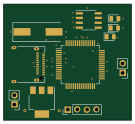
JTAG-RS232-Programmer
ME-IRL
33.8 × 30.7 mm38 parts2LGPL-3.00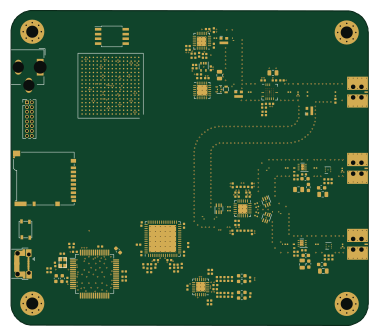 FPGA
Fmcw nightly
94.6 × 83.4 mm424 parts4LApache-2.066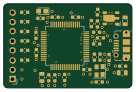
Ft2232h ice40
jkiv
34 × 22.4 mm35 parts4LCC-BY-NC-4.05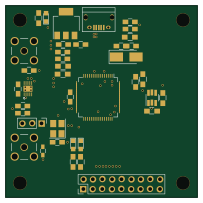
Wavegen
50.8 × 50.8 mm49 parts2LCERN-OHL-1.24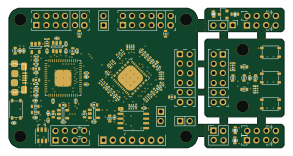 FPGA
ICEBreaker
m0-hassan
73 × 37 mm133 parts4LNo license0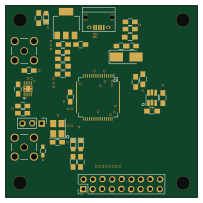
Waveform generator rev1
50.8 × 50.8 mm49 parts2LCERN-OHL-1.24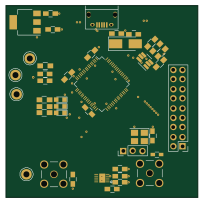
Wavegen alt
50.8 × 50.8 mm49 parts2LCERN-OHL-1.24
How designs wire the FT2232H
Read from the KiCad layouts of 24 open source designs, one per repository: what each pin of the FT2232H connects to, and the resistors, capacitors and other passives placed on it.
- The REF pin has a resistor to GND on 24 of 24 designs, most often 12 kΩ (then 10 kΩ).
- The VPHY pin has a capacitor to GND on 23 of 24 designs, most often 100 nF (then 4.7 µF).
- The VPLL pin has a capacitor to GND on 23 of 24 designs, most often 100 nF (then 4.7 µF).
- The RESET# pin has a pull-up to 3.3V on 23 of 24 designs, most often 1 kΩ (then 10 kΩ).
| Pin | Connected to | Parts on the pin |
|---|---|---|
| GNDpin 1, 5, 11, 15, 25, 35, 47, 51 | Connected to: GND 100% | — |
| OSCIpin 2 | Connected to: Signal 100% |
|
| OSCOpin 3 | Connected to: Signal 63% · not connected 38% |
|
| VPHYpin 4 | Connected to: Signal 79% · 3.3V 21% |
|
| REFpin 6 | Connected to: Signal 100% |
|
| VPLLpin 9 | Connected to: Signal 79% · 3.3V 21% |
|
| AGNDpin 10 | Connected to: GND 100% | — |
| VCOREpin 12, 37, 64 | Connected to: 1.8V 63% · a signal 33% |
|
| TESTpin 13 | Connected to: GND 100% | — |
| RESET#pin 14 | Connected to: Signal 100% |
|
| VCCIOpin 20, 31, 42, 56 | Connected to: 3.3V 92% |
|
| ADBUS5pin 22 | Connected to: Not connected 75% · a signal 25% | — |
| ACBUS0pin 26 | Connected to: Not connected 63% · a signal 38% | — |
| ACBUS1pin 27 | Connected to: Not connected 63% · a signal 38% | — |
| ACBUS2pin 28 | Connected to: Not connected 63% · a signal 38% | — |
| ACBUS3pin 29 | Connected to: Not connected 67% · a signal 33% | — |
| ACBUS4pin 30 | Connected to: Not connected 71% · a signal 29% | — |
| ACBUS5pin 32 | Connected to: Not connected 75% · a signal 25% | — |
| ACBUS6pin 33 | Connected to: Not connected 75% · a signal 25% | — |
| ACBUS7pin 34 | Connected to: Not connected 83% · a signal 17% | — |
| SUSPEND#pin 36 | Connected to: Not connected 83% · a signal 17% | — |
| BDBUS7pin 46 | Connected to: Not connected 67% · a signal 33% | — |
| BCBUS0pin 48 | Connected to: Not connected 63% · a signal 38% | — |
| VREGOUTpin 49 | Connected to: 1.8V 63% · a signal 33% |
|
| VREGINpin 50 | Connected to: 3.3V 96% |
|
| BCBUS1pin 52 | Connected to: Not connected 71% · a signal 29% | — |
| BCBUS2pin 53 | Connected to: Not connected 71% · a signal 29% | — |
| BCBUS5pin 57 | Connected to: Not connected 83% · a signal 17% | — |
| BCBUS6pin 58 | Connected to: Not connected 83% · a signal 17% | — |
| BCBUS7pin 59 | Connected to: Not connected 63% · a signal 33% | — |
| PWREN#pin 60 | Connected to: Not connected 83% | — |
| EEDATApin 61 | Connected to: Signal 96% |
|
| EECLKpin 62 | Connected to: Signal 96% |
|
| EECSpin 63 | Connected to: Signal 96% |
|
18 more pins vary from design to design. Connections count pins, parts count designs; values in brackets are how many parts had that value. Designs read include Icezum by FPGAwars, Saturn by numato, Fmcw by matthuszagh and Spla by khaydarian.
The FT2232H in open source designs
The gallery holds 28 open source boards using the FT2232H from 24 GitHub repositories; a typical one measures about 82.9 × 65.5 mm and carries around 156 components.
59% use four copper layers or more, and 61% carry an open source license.
The most starred is Icezum by FPGAwars.
Parts used alongside the FT2232H
What boards using the FT2232H are built for
FT2232H: common questions
Where can I find a FT2232H reference design?
Each of the 28 boards on this page is a real design using the FT2232H. Open one to see how it is wired up, with the full BOM, a render of the layout and links to its KiCad files.
What resistor goes on the FT2232H REF pin?
The REF pin has a resistor to GND on 24 of 24 designs, most often 12 kΩ (then 10 kΩ). Counted from the KiCad layouts of 24 open source designs using the FT2232H.
How is the FT2232H VPHY pin connected?
The VPHY pin has a capacitor to GND on 23 of 24 designs, most often 100 nF (then 4.7 µF). Counted from the KiCad layouts of 24 open source designs using the FT2232H.
How is the FT2232H VPLL pin connected?
The VPLL pin has a capacitor to GND on 23 of 24 designs, most often 100 nF (then 4.7 µF). Counted from the KiCad layouts of 24 open source designs using the FT2232H.
What parts are used alongside the FT2232H?
The TXB0108, 93C46, LPC4337JBD144, MIC2025 and NCP1117ST33T3G appear in the most repositories here.
Which microcontrollers do boards using the FT2232H use?
Most are built on FPGA (12), NXP (3), ESP32 (1) and ESP8266 (1).
How big is a typical board using the FT2232H?
The median is 82.9 × 65.5 mm, and 41% are two-layer designs.
What is the most popular open source board using the FT2232H?
By GitHub stars, Icezum by FPGAwars, with 356 stars.
Can I simulate one of these boards using the FT2232H before building it?
Yes. HardLabs turns a board's netlist and BOM into a working simulation, so you can boot and test firmware against it with no hardware on your desk.