
68 open source boards using the ICM-20948
Real designs built with the ICM-20948, from public GitHub projects: a quick way to see how others power, decouple and connect it. Each board comes with its KiCad files, full parts list and a render — and you can simulate its firmware on HardLabs.
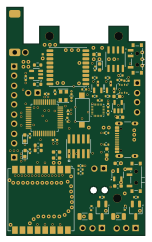 Microchip SAM
StratoSoar-MK3.0
crnicholson
36.6 × 60.3 mm76 parts4LNo license42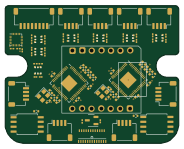 RP2040/RP2350
TundraIOExpansion
ras-marques
46 × 36.5 mm89 parts4LMIT29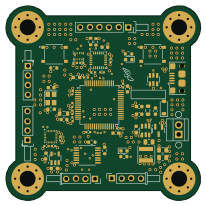 STM32
Hermes-FlightController
aadilnaji
51.4 × 51.4 mm64 parts4LMIT16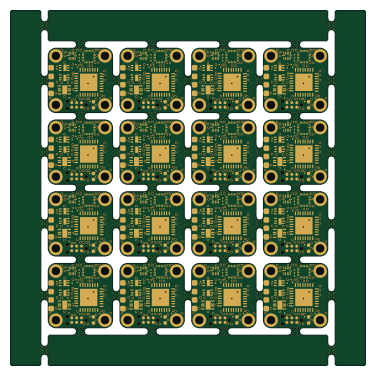 AVR/Arduino
Imu panelized
olin-electric-motorsports
94 × 94 mm639 parts4LNo license14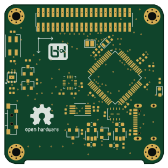 Microchip SAM
Dynossat edu obc
BHDynamics
42 × 42 mm52 parts4LCERN-OHL-1.214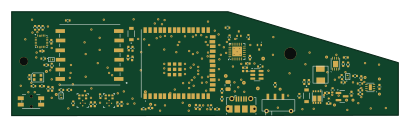 ESP32
GLARE
RR-CREATOR
102.4 × 27.5 mm86 parts4LMIT10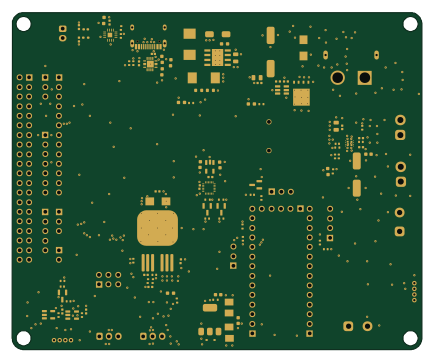
MARS Dev Board
innate-inc
108.4 × 89.2 mm126 parts6LCERN-OHL-S-2.08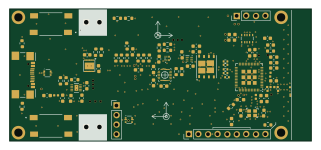 ESP32
Synchronisation-Wand
YuxuanHan0326
80 × 35 mm90 parts4LApache-2.06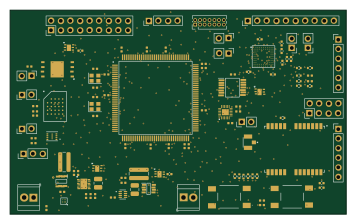 STM32
OBCProto
Kmshanley
89 × 54 mm110 parts4LGPL-3.03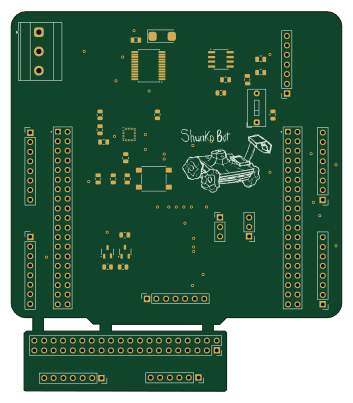
ShunkoBot Shield
Phersax
87.5 × 100.5 mm37 parts2LCC-BY-NC-4.03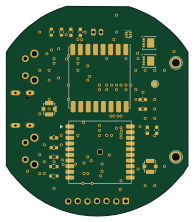 ESP32
Minimap
lucapoulos
48 × 55.4 mm74 parts4LNo license2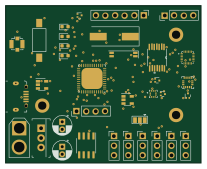 STM32
PayloadPrototypeBoard2021
Case-Rocket-Team
51.8 × 41.7 mm71 parts2LNo license2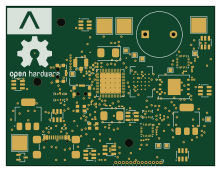 ESP32
Project Skyfall
Melih2123
55.3 × 42.3 mm51 parts4LNo license2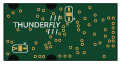
TFASPDIMU02
ThunderFly-aerospace
30 × 15 mm40 parts2LGPL-3.02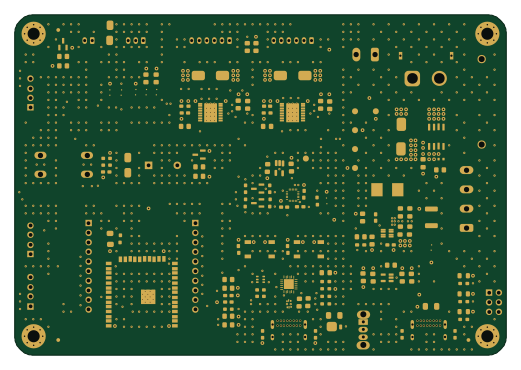 ESP32
LizardBot1 ProjectFiles
lizard-electronics
130 × 90 mm125 parts4LApache-2.01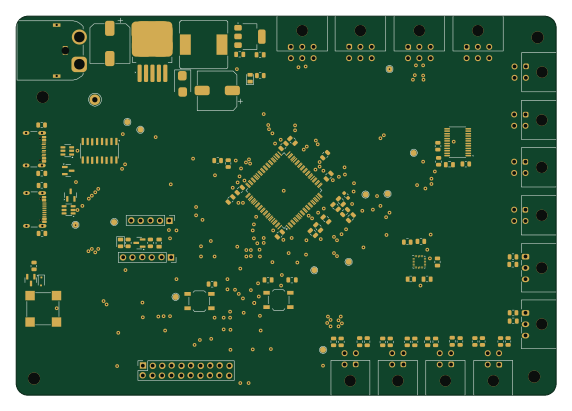 STM32
PCB AMR
ManuelOrtizCamacho
142.9 × 100.3 mm103 parts2LNo license1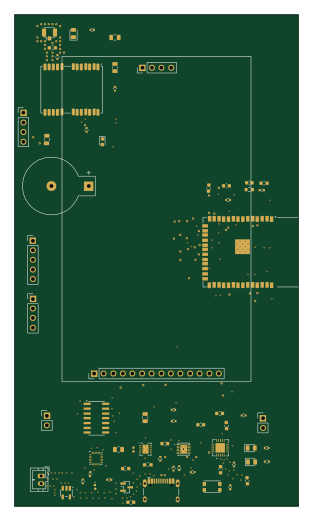 ESP32
ESP32 Offline GPS MAPS
uzzambutt
75 × 130 mm67 parts4LNo license1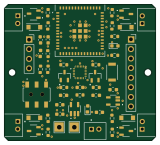 ESP32
Full Scratch Drone
Haruki-Ayukawa
40 × 36 mm55 parts4LMIT1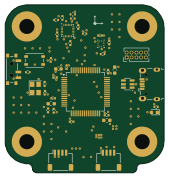 STM32
STM32 FlightController
JLjoestar23
42 × 44.4 mm52 parts4LNo license1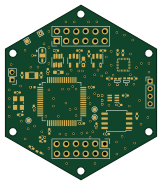 STM32
MCU
Ironman-007
40 × 46.2 mm49 parts2LNo license1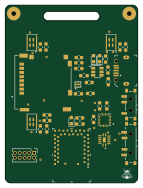 Nordic nRF
Spcl midge hardware
TUDelft-SPC-Lab
35 × 47 mm39 parts2LMIT1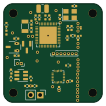 Nordic nRF
Slimevr nrf52810
Sasasu
26 × 26 mm37 parts4LNo license1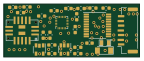
TFASPDIMU01
36 × 14 mm26 parts2LGPL-3.01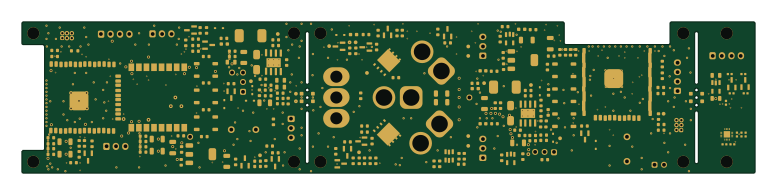 ESP32
NicE-Buoy
pnn69
194 × 40 mm227 parts4LNo license0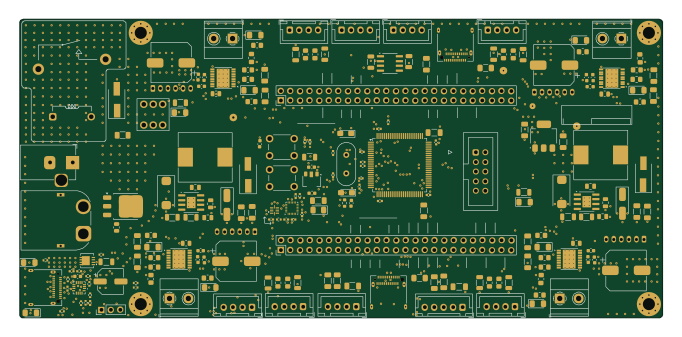 STM32
Int brain stm32
eccentricOrange
170.2 × 79 mm213 parts4LNo license0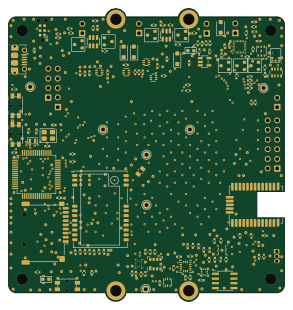 STM32
Ambient pcb dkaiot
LEAT-EDGE
73 × 77.5 mm166 parts2LCERN-OHL-P-2.00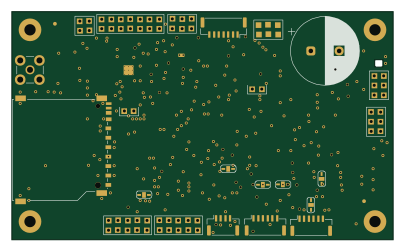 AVR/Arduino
DATALOGGER02
mlab-modules
101.1 × 60.5 mm153 parts2LGPL-3.00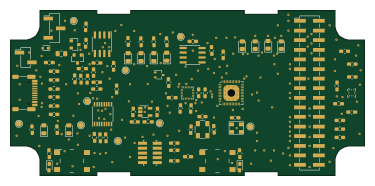 RISC-V
Himudev hw
resset
93.6 × 43.6 mm127 parts4LNo license0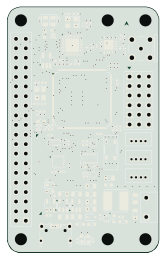 STM32
CC M7
OzanE1
40 × 65 mm126 parts4LLGPL-2.10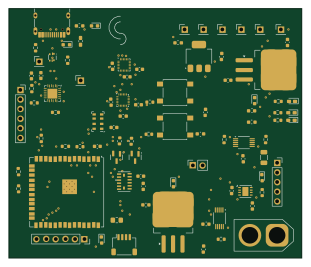 ESP32
Flight Computer V1
colin-skinner
77.5 × 66 mm92 parts2LNo license0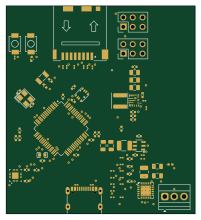 STM32
Pathfinder
Ningheim
50 × 55 mm82 parts2LNo license0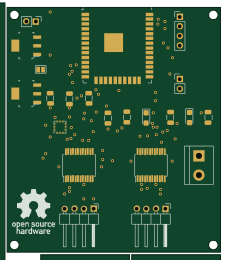 ESP32
Underwater drone
lets-make-something
56.5 × 64.8 mm71 parts2LNo license0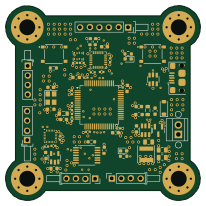 STM32
Hackydrone
0xmanidev
51.4 × 51.4 mm64 parts2LMIT0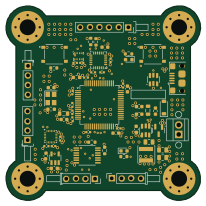 STM32
KickController
Shubhkr08
51.4 × 51.4 mm64 parts4LNo license0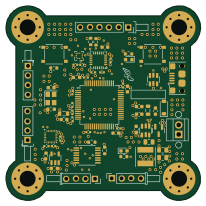 STM32
HermesFC
Daksh-Saksena
51.4 × 51.4 mm64 parts4LMIT0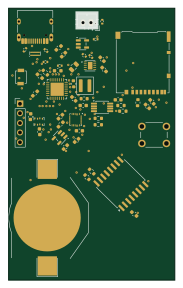 STM32
9-axis-IMU-barometer-Data logger-
Dhruv2212-star
44 × 72 mm59 parts2LNo license0
How designs wire the ICM-20948
Read from the KiCad layouts of 56 open source designs, one per repository: what each pin of the ICM-20948 connects to, and the resistors, capacitors and other passives placed on it.
- The REGOUT pin has a capacitor to GND on 52 of 56 designs, most often 100 nF (then 100 µF).
- The VDD pin has a decoupling capacitor on 47 of 55 designs, most often 100 nF (then 10 µF).
- The VDDIO pin has a decoupling capacitor on 46 of 56 designs, most often 100 nF (then 10 µF).
- The RESV pin is left unconnected on 54 of 55 designs.
| Pin | Connected to | Parts on the pin |
|---|---|---|
| NCpin 1, 2, 3, 4, 5, 6, 14, 15, 16, 17 | Connected to: Not connected 99% | — |
| AUX_CLpin 7 | Connected to: Not connected 95% | — |
| VDDIOpin 8 | Connected to: 1.8V 89% |
|
| REGOUTpin 10 | Connected to: Signal 93% |
|
| VDDpin 13 | Connected to: 3.3V 87% |
|
| GNDpin 18, 20 | Connected to: GND 99% | — |
| RESVpin 19 | Connected to: Not connected 98% | — |
| AUX_DApin 21 | Connected to: Not connected 95% | — |
| SCL/SCLKpin 23 | Connected to: The microcontroller 24% |
|
| SDA/SDIpin 24 | Connected to: The microcontroller 25% |
|
4 more pins vary from design to design. Connections count pins, parts count designs; values in brackets are how many parts had that value. Designs read include Ovc2 stereo by osrf, ImuBreakout by crnicholson, TundraIOExpansion by ras-marques and Hermes-FlightController by aadilnaji.
The ICM-20948 in open source designs
The gallery holds 68 open source boards using the ICM-20948 from 58 GitHub repositories; a typical one measures about 48 × 47 mm and carries around 54 components.
57% use four copper layers or more, and 47% carry an open source license.
The most starred is Ovc2 stereo by osrf.
Parts used alongside the ICM-20948
Microcontrollers on boards using the ICM-20948
What boards using the ICM-20948 are built for
ICM-20948: common questions
Where can I find a ICM-20948 reference design?
Each of the 68 boards on this page is a real design using the ICM-20948. Open one to see how it is wired up, with the full BOM, a render of the layout and links to its KiCad files.
How is the ICM-20948 REGOUT pin connected?
The REGOUT pin has a capacitor to GND on 52 of 56 designs, most often 100 nF (then 100 µF). Counted from the KiCad layouts of 56 open source designs using the ICM-20948.
What decoupling capacitors do designs use on the ICM-20948 VDD pin?
The VDD pin has a decoupling capacitor on 47 of 55 designs, most often 100 nF (then 10 µF). Counted from the KiCad layouts of 56 open source designs using the ICM-20948.
What decoupling capacitors do designs use on the ICM-20948 VDDIO pin?
The VDDIO pin has a decoupling capacitor on 46 of 56 designs, most often 100 nF (then 10 µF). Counted from the KiCad layouts of 56 open source designs using the ICM-20948.
What parts are used alongside the ICM-20948?
The USBLC6-2SC6, BMP280, AP63203WU, LD39015M18R and MIC5504-1.8YM5 appear in the most repositories here.
Which microcontrollers do boards using the ICM-20948 use?
Most are built on ESP32 (20), STM32 (20), AVR/Arduino (4) and Nordic nRF (3).
How big is a typical board using the ICM-20948?
The median is 48 × 47 mm, and 43% are two-layer designs.
What is the most popular open source board using the ICM-20948?
By GitHub stars, Ovc2 stereo by osrf, with 207 stars.
Can I simulate one of these boards using the ICM-20948 before building it?
Yes. HardLabs turns a board's netlist and BOM into a working simulation, so you can boot and test firmware against it with no hardware on your desk.