
137 open source boards using the STM32F405RGTx
Real designs built with the STM32F405RGTx, from public GitHub projects: a quick way to see how others power, decouple and connect it. Each board comes with its KiCad files, full parts list and a render — and you can simulate its firmware on HardLabs.
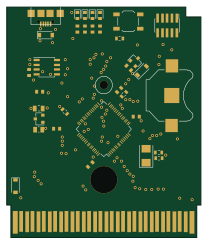 STM32
Stm32gbcart
Emeryth
51.4 × 61 mm36 parts2LCC-BY-4.0118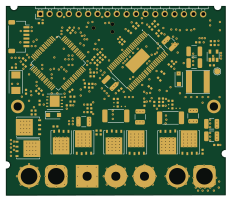 STM32
Bldc motor cntroller
azmat-bilal
58 × 50 mm130 parts4LMIT112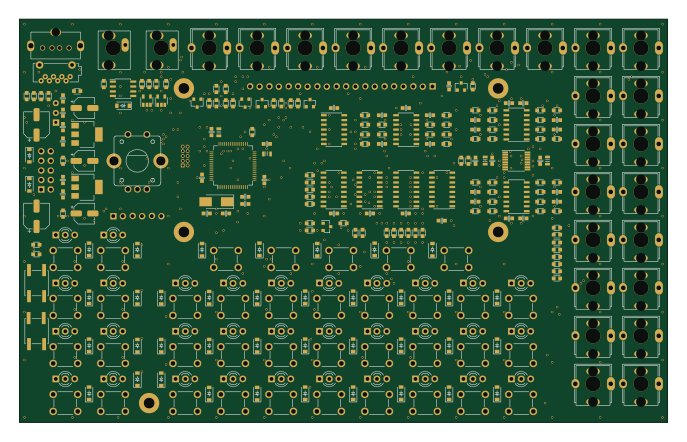 STM32
PER|FORMER eurorack sequencer
westlicht
171.5 × 106.7 mm304 parts2LCC-BY-NC-4.0110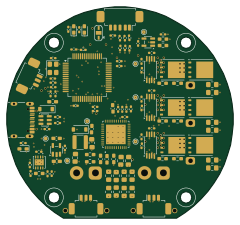 STM32
Sf motion
sirojudinMunir
60 × 56 mm123 parts2LMIT95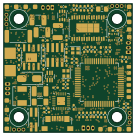 STM32
OpenDrone HW AIO FC F405
phonght32
34 × 34 mm211 parts8LMIT50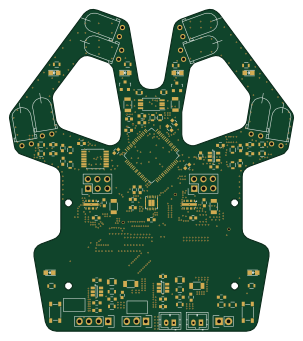 STM32
MIZUHO
idt12312
75.1 × 85.2 mm106 parts2LNo license28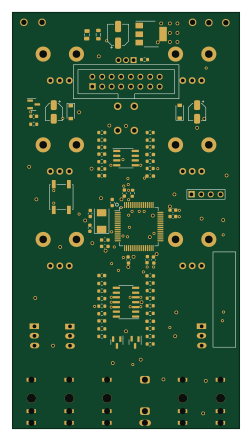 STM32
DisPhaze Components
dchwebb
60 × 110 mm89 parts2LApache-2.021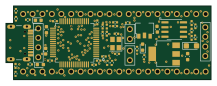 STM32
F405 pill
davidmolony
54.1 × 19.4 mm46 parts4LBSD-3-Clause21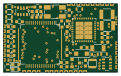 STM32
VESC-Modul-Hardware
FabianViermetz
30 × 18 mm53 parts4LNo license19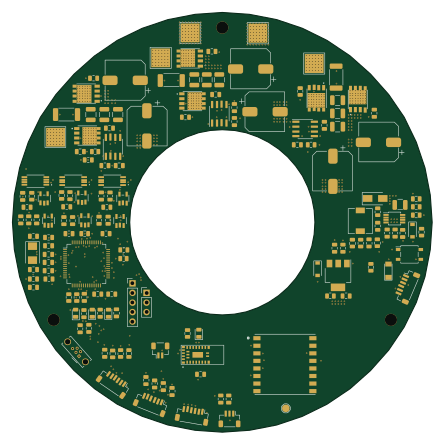 STM32
Gesc
CTSchorsch
111 × 111 mm150 parts4LNo license17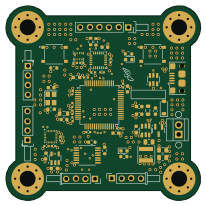 STM32
Hermes-FlightController
aadilnaji
51.4 × 51.4 mm64 parts4LMIT16 STM32
ChibiESC
joewa
143.5 × 14 mm187 parts4LGPL-3.010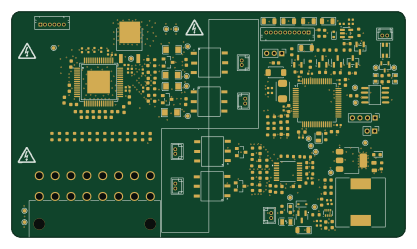 STM32
Custom BMS
SCFormulaElectric
104.2 × 59.7 mm192 parts4LNo license9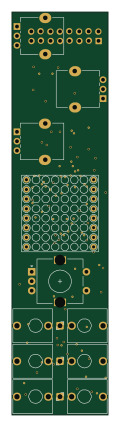 STM32
Wagyu
mmalex
25.4 × 106.7 mm95 parts4LCC0-1.09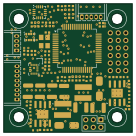 STM32
OpenDrone HW FC F405
34 × 34 mm79 parts2LMIT8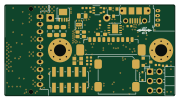 STM32
Alturia
rckTom
45 × 24 mm96 parts4LCC-BY-NC-4.07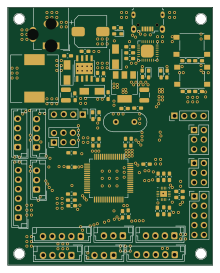 STM32
OpenSTM32F4 LQFP64
54 × 68 mm77 parts2LMIT7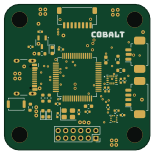 STM32
Cobalt f405
msaribekyan
38.5 × 38.5 mm68 parts2LGPL-3.06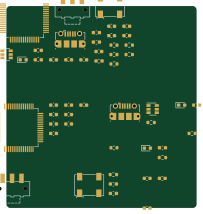 STM32
Stm32
ThanabordeeN
50.4 × 53.5 mm27 parts2LMIT6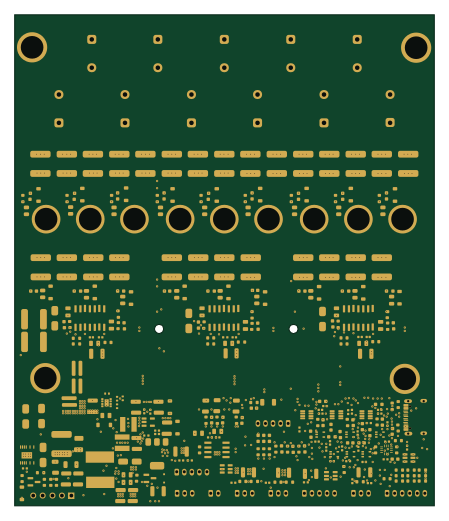 ESP32
Bigtolt
LJBoxx
111.1 × 130.1 mm396 parts6LCERN-OHL-S-2.05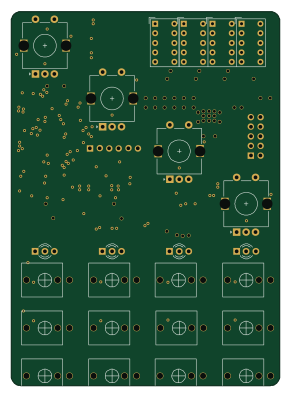 STM32
Quad adsr
JordanAceto
71.1 × 99.1 mm197 parts2LNo license5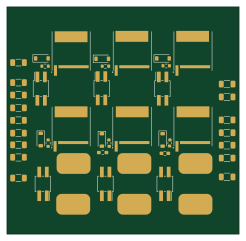 STM32
Vesc
61.5 × 60 mm196 parts4LCERN-OHL-S-2.05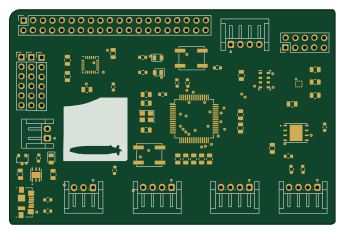 STM32
Harpia FC
gabs911
86 × 56.7 mm62 parts2LNo license5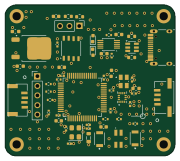 STM32
Hardware
leelili444
45 × 40 mm56 parts4LNo license5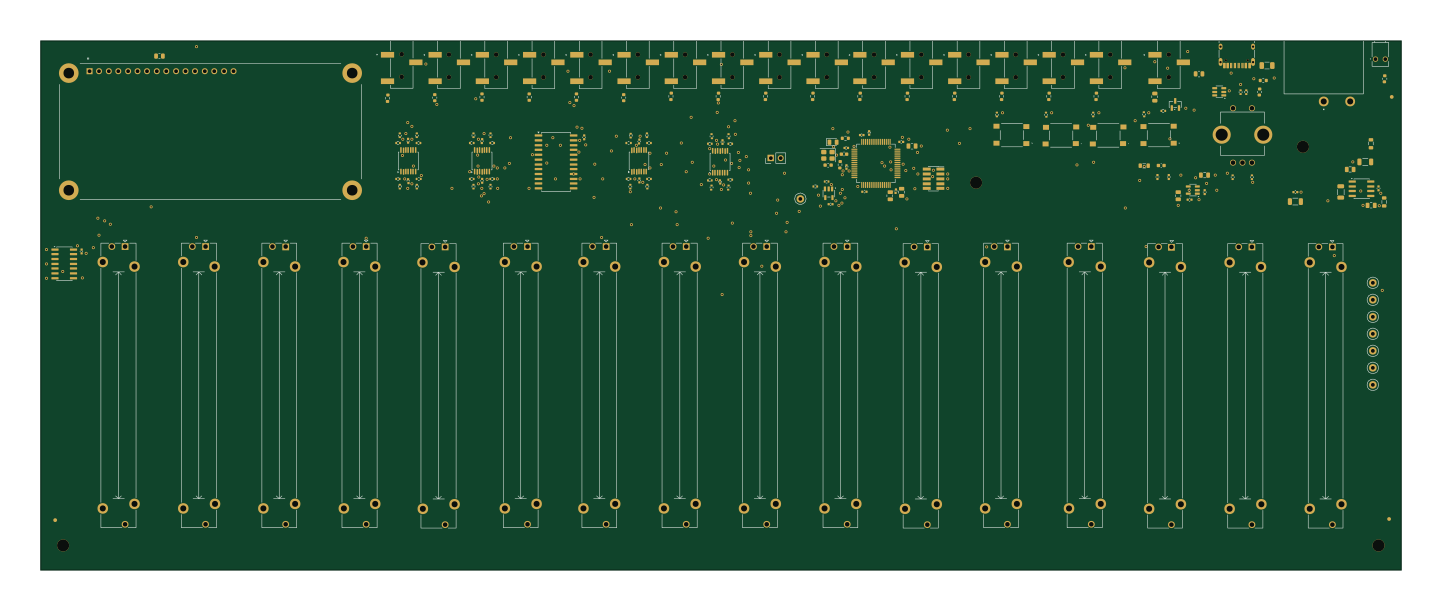 STM32
Faderbay
vonmartins
360 × 140 mm174 parts4LNo license4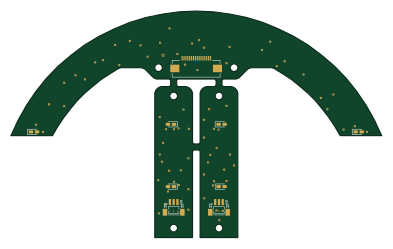 STM32
Robotrace sensorV4
shimotoriharuki
98.2 × 60 mm89 parts2LBSD-3-Clause4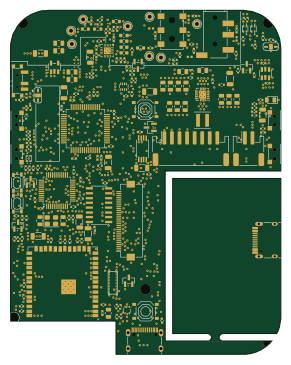 ESP32
Hactar PCB - Finn Berg & Brett Regnier
Quicr
71.5 × 91 mm203 parts4LBSD-2-Clause3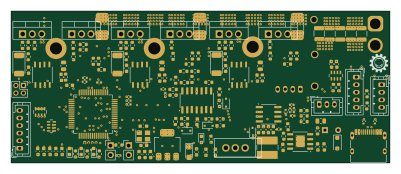 STM32
VESX
NormalHuman-Anything
100 × 40 mm177 parts4LCERN-OHL-W-2.03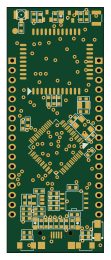 STM32
Gsm iot core hw
iotmakervn
25.4 × 64.8 mm92 parts2LNo license3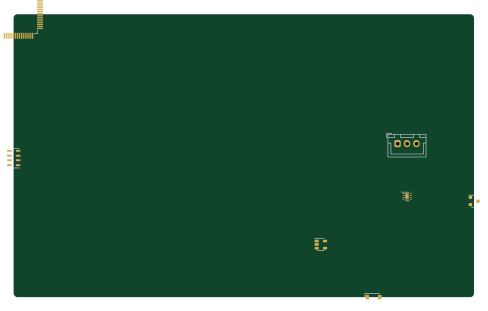 STM32
Rocket
scottzach1
121.9 × 74.9 mm7 parts2LMIT3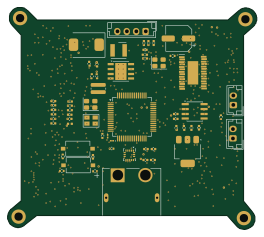 STM32
Dragonfly
Broccoliux
66 × 58.8 mm226 parts4LMIT2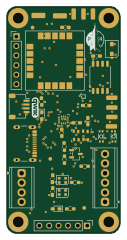 STM32
Flight-Computer
Pioneer-Rocketry
30 × 60 mm100 parts6LNo license2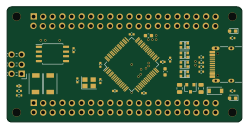 STM32
Stm32dev
lbthomsen
62.2 × 30.5 mm40 parts2LNo license2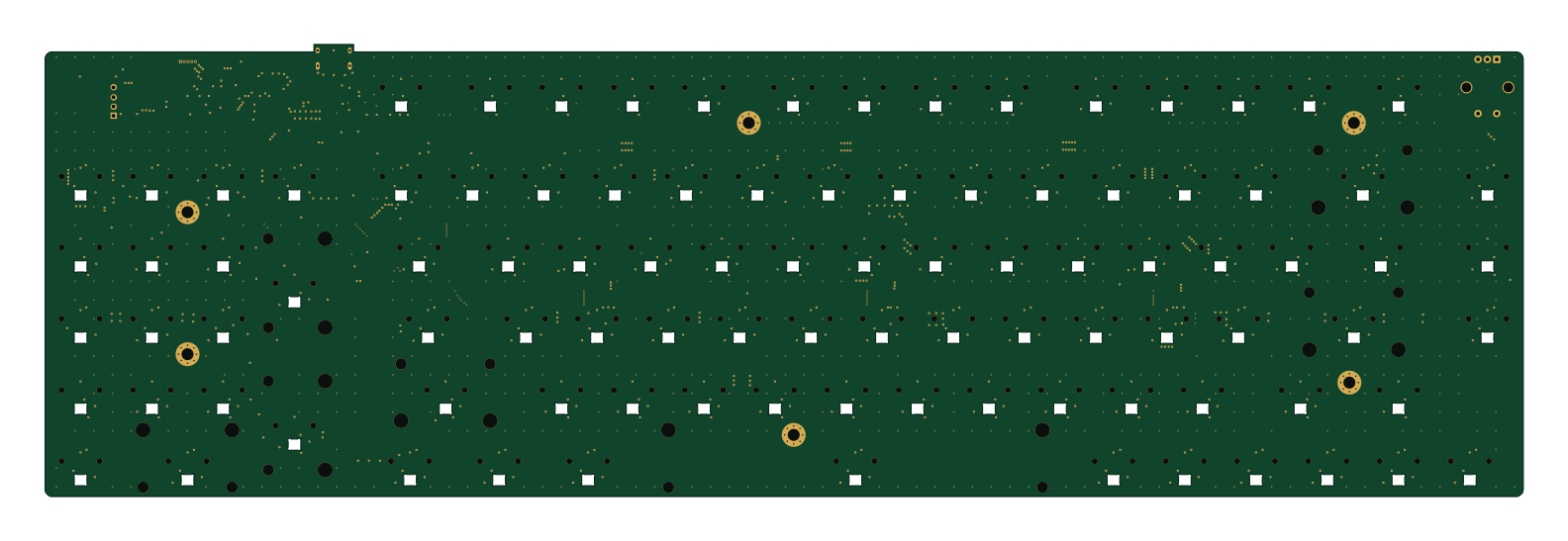 STM32
MK98-Key
MondeCok
395.3 × 121.1 mm368 parts2LNo license1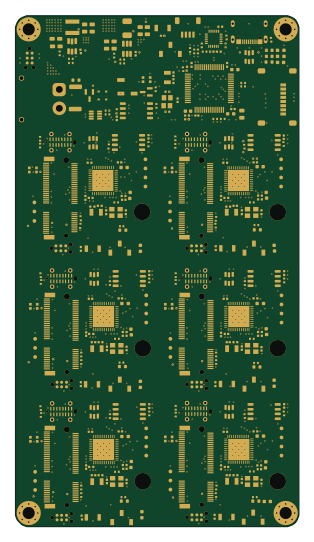 STM32
Dumpling Main
nyuad-space
75 × 135.2 mm296 parts6LNo license1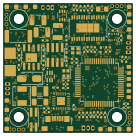 STM32
Qnot1
SushEdge
34 × 34 mm211 parts8LNo license1
How designs wire the STM32F405RGTx
Read from the KiCad layouts of 108 open source designs, one per repository: what each pin of the STM32F405RGTx connects to, and the resistors, capacitors and other passives placed on it.
- The VCAP_2 pin has a capacitor to GND on 99 of 106 designs, most often 2.2 µF (then 100 nF).
- The VCAP_1 pin has a capacitor to GND on 98 of 106 designs, most often 2.2 µF (then 100 nF).
- The VDD pins have a decoupling capacitor on 97 of 106 designs, most often 100 nF (then 2.2 µF).
- The VDDA pin has a decoupling capacitor on 87 of 106 designs, most often 100 nF (then 1 µF).
| Pin | Connected to | Parts on the pin |
|---|---|---|
| VBATpin 1 | Connected to: 3.3V 83% |
|
| PC15pin 4 | Connected to: Not connected 65% · a signal 35% | — |
| PH0pin 5 | Connected to: Signal 90% |
|
| PH1pin 6 | Connected to: Signal 88% |
|
| NRSTpin 7 | Connected to: A connector 47% |
|
| VSSApin 12 | Connected to: GND 97% | — |
| VDDApin 13 | Connected to: 3.3V 79% · a signal 21% |
|
| VSSpin 18, 63 | Connected to: GND 97% | — |
| VDDpin 19, 32, 48, 64 | Connected to: 3.3V 95% |
|
| VCAP_1pin 31 | Connected to: Signal 95% |
|
| VCAP_2pin 47 | Connected to: Signal 95% |
|
| PD2pin 54 | Connected to: Not connected 62% · a signal 38% | — |
| BOOT0pin 60 | Connected to: Signal 90% |
|
47 more pins vary from design to design. Connections count pins, parts count designs; values in brackets are how many parts had that value. Designs read include MBO by shanteacontrols, F9p board by vedderb, Stm32gbcart by Emeryth and Bldc motor cntroller by azmat-bilal.
The STM32F405RGTx in open source designs
The gallery holds 137 open source boards using the STM32F405RGTx from 114 GitHub repositories; a typical one measures about 60.5 × 56 mm and carries around 89 components.
55% use four copper layers or more, and 40% carry an open source license.
The most starred is MBO by shanteacontrols.
Parts used alongside the STM32F405RGTx
What boards using the STM32F405RGTx are built for
STM32F405RGTx: common questions
Where can I find a STM32F405RGTx reference design?
Each of the 137 boards on this page is a real design using the STM32F405RGTx. Open one to see how it is wired up, with the full BOM, a render of the layout and links to its KiCad files.
How is the STM32F405RGTx VCAP_2 pin connected?
The VCAP_2 pin has a capacitor to GND on 99 of 106 designs, most often 2.2 µF (then 100 nF). Counted from the KiCad layouts of 108 open source designs using the STM32F405RGTx.
How is the STM32F405RGTx VCAP_1 pin connected?
The VCAP_1 pin has a capacitor to GND on 98 of 106 designs, most often 2.2 µF (then 100 nF). Counted from the KiCad layouts of 108 open source designs using the STM32F405RGTx.
What decoupling capacitors do designs use on the STM32F405RGTx VDD pin?
The VDD pins have a decoupling capacitor on 97 of 106 designs, most often 100 nF (then 2.2 µF). Counted from the KiCad layouts of 108 open source designs using the STM32F405RGTx.
What parts are used alongside the STM32F405RGTx?
The USBLC6-2SC6, AMS1117-3.3, ICM-42688-P, BMP280 and MPU-6050 appear in the most repositories here.
Which microcontrollers do boards using the STM32F405RGTx use?
Most are built on STM32 (130) and ESP32 (7).
How big is a typical board using the STM32F405RGTx?
The median is 60.5 × 56 mm, and 45% are two-layer designs.
What is the most popular open source board using the STM32F405RGTx?
By GitHub stars, MBO by shanteacontrols, with 956 stars.
Can I simulate one of these boards using the STM32F405RGTx before building it?
Yes. HardLabs turns a board's netlist and BOM into a working simulation, so you can boot and test firmware against it with no hardware on your desk.