
36 open source boards using the SN74LVC1G126DBVR
Real designs built with the SN74LVC1G126DBVR, from public GitHub projects: a quick way to see how others power, decouple and connect it. Each board comes with its KiCad files, full parts list and a render — and you can simulate its firmware on HardLabs.
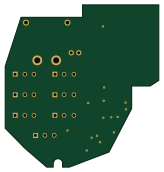 ESP32
Aero-Hand-Open-Left
Chestnut-Robotics
40.8 × 43 mm23 parts2LCustom license1.1k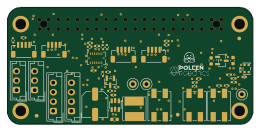
Elec RPI Robot HAT
pollen-robotics
65 × 30.9 mm122 parts4LApache-2.0108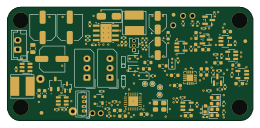
Grippette - USB hub and Dynamixel device
65 × 30 mm113 parts4LApache-2.010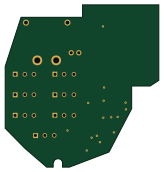 ESP32
Aero-Hand-Open-Left
ss1-ops
40.8 × 43 mm23 parts2LMIT6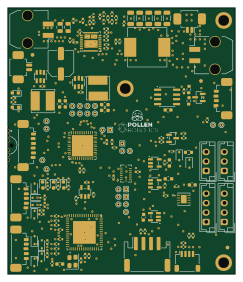 STM32
Elec Anything2EtherCAT
60 × 70.3 mm200 parts4LApache-2.04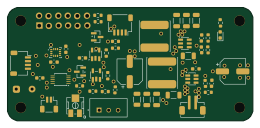
Gripper hat
nhnifong
65 × 30 mm52 parts4LNo license3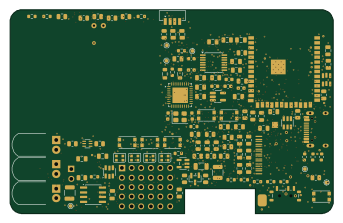 ESP32
PocketLab-Card
 Jebroa77485.6 × 54 mm250 parts4LNo license2
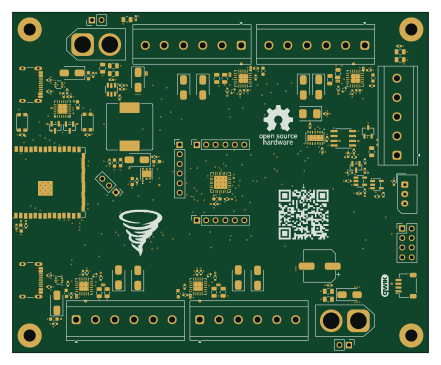 ESP32
URC
spikonado
110 × 90 mm150 parts4LCERN-OHL-W-2.02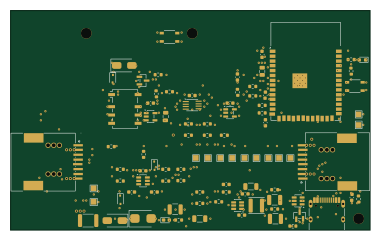 ESP32
Esp32Tap - ESP32-S3 Precor serial bus tap
scottmsilver
95 × 58 mm76 parts4LNo license2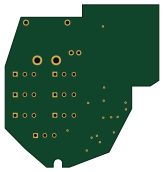 ESP32
Aero-Hand-Open-Left
Akatosh6DW
40.8 × 43 mm23 parts2LCustom license2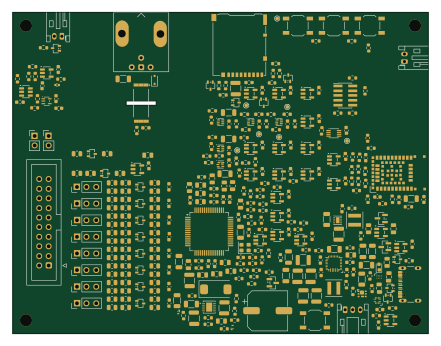
EEG
MariusFauteux
110 × 85 mm370 parts4LNo license1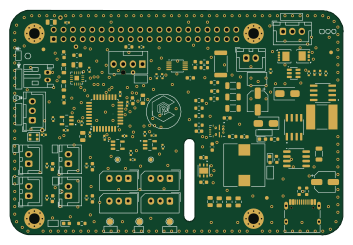 STM32
Chromapi motherboard
Mowibox
88.1 × 59.4 mm105 parts4LApache-2.01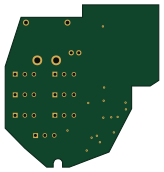 ESP32
Aero-Hand-Open-Left
UNR-RoboticsResearchLab
40.8 × 43 mm23 parts2LCustom license1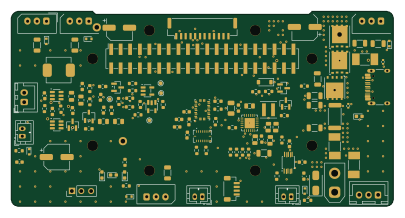
Quack core
HeyPCB
101 × 51.5 mm126 parts4LCERN-OHL-S-2.00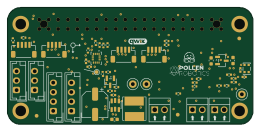
Indieduck
armature-ai-labs
65 × 30.9 mm125 parts4LApache-2.00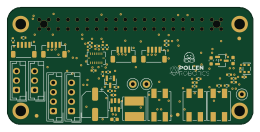
Microduck project
Ngalalalekhaaa
65 × 30.9 mm122 parts4LNo license0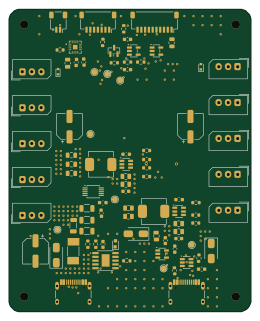
Iris brainstem
64 × 80 mm85 parts4LCERN-OHL-S-2.00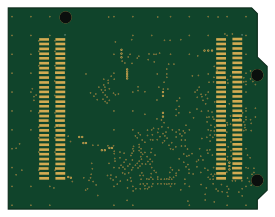
Unoq hat
Leif-Rydenfalk
68.6 × 53.3 mm77 parts4LApache-2.00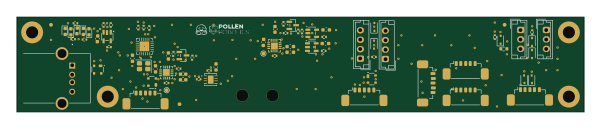
Elec Maroilles
150 × 25 mm75 parts4LApache-2.00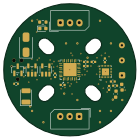 STM32
Knuckle
35 × 35 mm44 parts6LCERN-OHL-S-2.00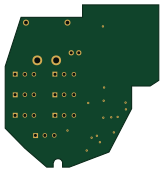 ESP32
Aero-Hand-Open-Left
Parmar-Krunal
40.8 × 43 mm23 parts2LNo license0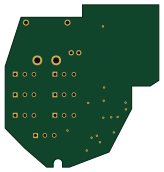 ESP32
Aero-Hand-Open-Left
MrNanliu
40.8 × 43 mm23 parts2LMIT0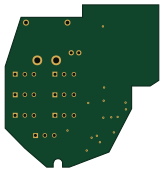 ESP32
Aero-Hand-Open-Left
ParticleWorld-CalvinXing
40.8 × 43 mm23 parts2LCustom license0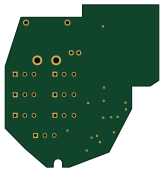 ESP32
Aero-Hand-Open-Left
what2004
40.8 × 43 mm23 parts2LCustom license0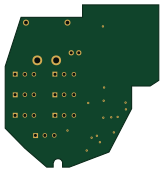 ESP32
Aero-Hand-Open-Left
yxmhello
40.8 × 43 mm23 parts2LCustom license0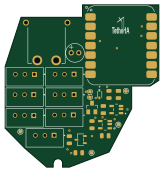 ESP32
Aero-Hand-Open-Right
40.8 × 43 mm23 parts2LCustom license1.1k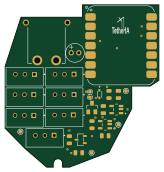 ESP32
Aero-Hand-Open-Right
40.8 × 43 mm23 parts2LMIT6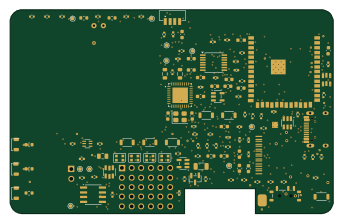 ESP32
PocketLab-Card pcba routing wip
Jebroa77485.6 × 54 mm246 parts4LNo license2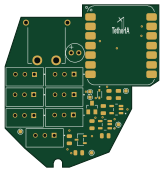 ESP32
Aero-Hand-Open-Right
40.8 × 43 mm23 parts2LCustom license2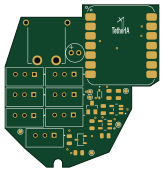 ESP32
Aero-Hand-Open-Right
40.8 × 43 mm23 parts2LCustom license1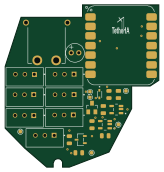 ESP32
Aero-Hand-Open-Right
40.8 × 43 mm23 parts2LNo license0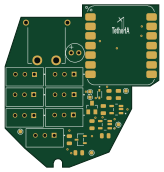 ESP32
Aero-Hand-Open-Right
40.8 × 43 mm23 parts2LMIT0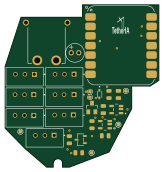 ESP32
Aero-Hand-Open-Right
40.8 × 43 mm23 parts2LCustom license0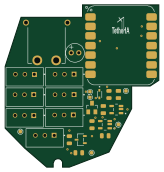 ESP32
Aero-Hand-Open-Right
40.8 × 43 mm23 parts2LCustom license0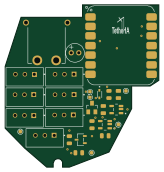 ESP32
Aero-Hand-Open-Right
40.8 × 43 mm23 parts2LCustom license0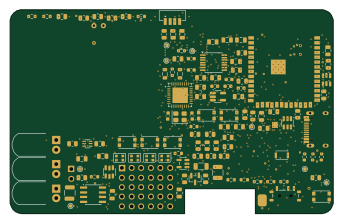 ESP32
PocketLab-Card routing working
Jebroa77485.6 × 54 mm243 parts4LNo license2
How designs wire the SN74LVC1G126DBVR
Read from the KiCad layouts of 25 open source designs, one per repository: what each pin of the SN74LVC1G126DBVR connects to, and the resistors, capacitors and other passives placed on it.
- The VDD pin has a decoupling capacitor on 24 of 25 designs, most often 100 nF.
- The OE pin has a resistor to GND on 20 of 25 designs, most often 3.3 kΩ (then 20 kΩ).
- The A pin has a series resistor on 20 of 25 designs, most often 10 kΩ (then 1 kΩ).
- The Y pin has a pull-up to 3.3V on 20 of 25 designs, most often 10 kΩ (then 2.2 kΩ).
| Pin | Connected to | Parts on the pin |
|---|---|---|
| OEpin 1 | Connected to: SN74LVC1G125DBVR 64%, SN74LVC1G125DBV 24% |
|
| Apin 2 | Connected to: The microcontroller 52%, a connector 28% |
|
| GNDpin 3 | Connected to: GND 100% | — |
| Ypin 4 | Connected to: SN74LVC1G125DBVR 64%, SN74LVC1G125DBV 24% |
|
| VDDpin 5 | Connected to: 3.3V 100% |
|
Connections count pins, parts count designs; values in brackets are how many parts had that value. Designs read include Aero-Hand-Open-Left by Chestnut-Robotics, Elec RPI Robot HAT by pollen-robotics, Grippette - USB hub and Dynamixel device by pollen-robotics and Aero-Hand-Open-Left by ss1-ops.
The SN74LVC1G126DBVR in open source designs
The gallery holds 36 open source boards using the SN74LVC1G126DBVR from 25 GitHub repositories; a typical one measures about 40.8 × 43 mm and carries around 34 components.
50% are two-layer designs, the rest use four layers or more, and 42% carry an open source license.
The most starred is Aero-Hand-Open-Left by Chestnut-Robotics.
Parts used alongside the SN74LVC1G126DBVR
What boards using the SN74LVC1G126DBVR are built for
SN74LVC1G126DBVR: common questions
Where can I find a SN74LVC1G126DBVR reference design?
Each of the 36 boards on this page is a real design using the SN74LVC1G126DBVR. Open one to see how it is wired up, with the full BOM, a render of the layout and links to its KiCad files.
What decoupling capacitors do designs use on the SN74LVC1G126DBVR VDD pin?
The VDD pin has a decoupling capacitor on 24 of 25 designs, most often 100 nF. Counted from the KiCad layouts of 25 open source designs using the SN74LVC1G126DBVR.
What resistor goes on the SN74LVC1G126DBVR OE pin?
The OE pin has a resistor to GND on 20 of 25 designs, most often 3.3 kΩ (then 20 kΩ). Counted from the KiCad layouts of 25 open source designs using the SN74LVC1G126DBVR.
What resistor goes on the SN74LVC1G126DBVR A pin?
The A pin has a series resistor on 20 of 25 designs, most often 10 kΩ (then 1 kΩ). Counted from the KiCad layouts of 25 open source designs using the SN74LVC1G126DBVR.
What parts are used alongside the SN74LVC1G126DBVR?
The SN74LVC1G125DBVR, XIAO-ESP32-S3-DIP, SN74LVC1G125DBV, AP63205 and BMI088 appear in the most repositories here.
Which microcontrollers do boards using the SN74LVC1G126DBVR use?
Most are built on ESP32 (23) and STM32 (3).
How big is a typical board using the SN74LVC1G126DBVR?
The median is 40.8 × 43 mm, and 50% are two-layer designs.
What is the most popular open source board using the SN74LVC1G126DBVR?
By GitHub stars, Aero-Hand-Open-Left by Chestnut-Robotics, with 1,054 stars.
Can I simulate one of these boards using the SN74LVC1G126DBVR before building it?
Yes. HardLabs turns a board's netlist and BOM into a working simulation, so you can boot and test firmware against it with no hardware on your desk.