
63 open source boards using the FT231XS
Real designs built with the FT231XS, from public GitHub projects: a quick way to see how others power, decouple and connect it. Each board comes with its KiCad files, full parts list and a render — and you can simulate its firmware on HardLabs.
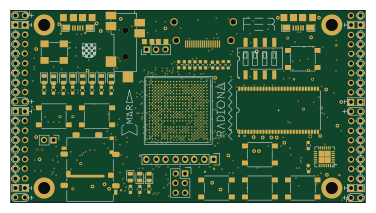 ESP32
Ulx3s
emard
94 × 50.8 mm212 parts4LMIT470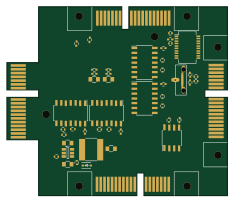
Pinpoint core
lab11
58.4 × 50 mm111 parts2LApache-2.0144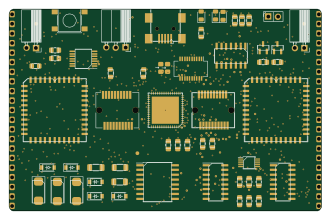
BreadControlV3
Architeuthis-Flux
82.6 × 53.3 mm69 parts2LGPL-3.050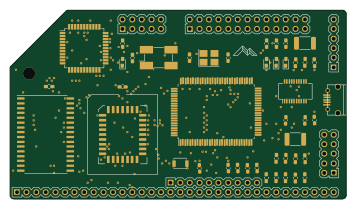
Tiny z80
skiselev
88.9 × 49.9 mm72 parts2LGPL-3.048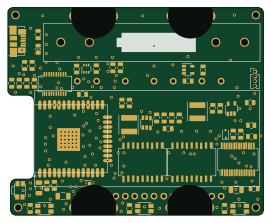 ESP32
VFD Watch
Pakue95
67.8 × 55 mm59 parts2LNo license41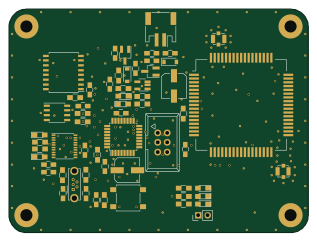 AVR/Arduino
Gpstracker
blemasle
79.3 × 59.2 mm65 parts2LMIT33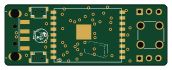 ESP32
Deauther andromeda
SpacehuhnTech
43 × 16 mm31 parts2LCERN-OHL-P-2.032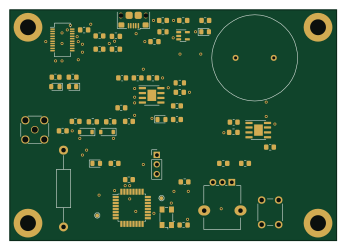
Talking counter
swharden
86.4 × 61 mm54 parts2LMIT25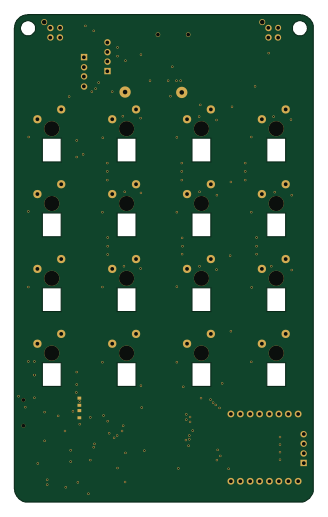 ESP32
KeyGridBadge
dczia
79.1 × 129 mm94 parts2LUnlicense22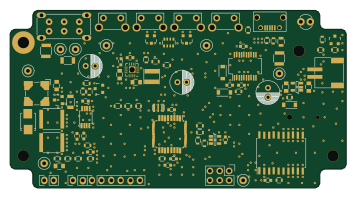 AVR/Arduino
Divergence Meter Control Board
q61org
89 × 47 mm102 parts2LNo license21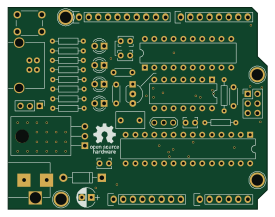 AVR/Arduino
Arduino
aspro648
68.6 × 53.3 mm43 parts2LNo license12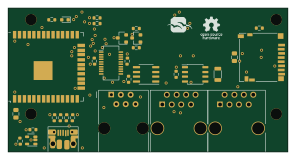 ESP32
Data manager
LibreSolar
74 × 38 mm32 parts2LCC-BY-SA-4.04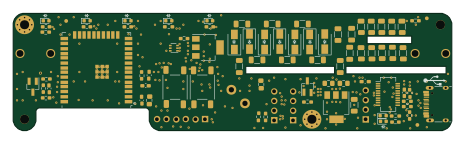 ESP32
Eikgeiger
fredriknk
116 × 31 mm85 parts2LMIT3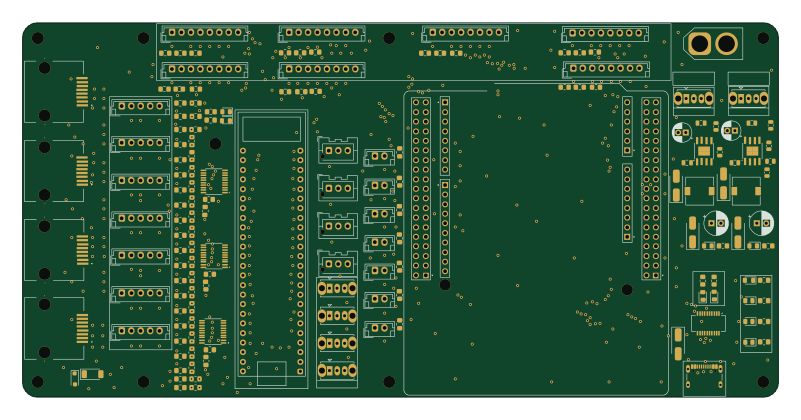
MRIRobot
biomimetics
200 × 99 mm330 parts4LNo license2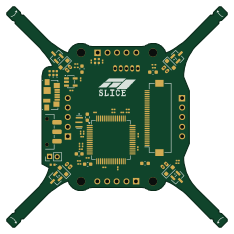 ESP32
Riskybirdv3
ucb-bar
58.3 × 58.3 mm172 parts4LNo license2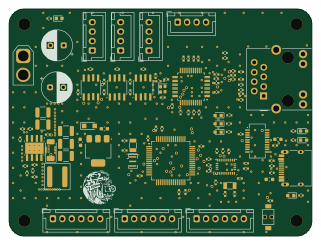 STM32
GN10Mainboard
ararobo
80 × 60 mm124 parts4LNo license2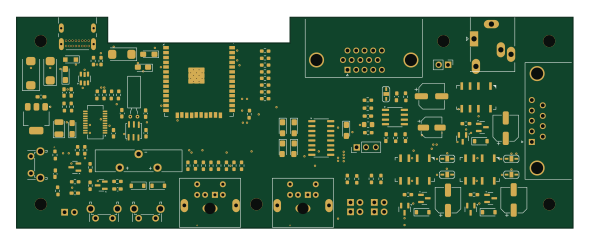 ESP32
NTerm2-S-FT231
RetepV
147.3 × 55.9 mm117 parts2LNo license2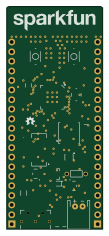 ESP32
Smart-Air-Filter-Project
ZanzyTHEbar
25.4 × 58.9 mm67 partsNo license2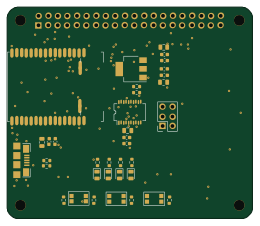 ESP32
ULX4M-CM4-HAT
intergalaktik
65 × 56 mm37 parts4LGPL-3.02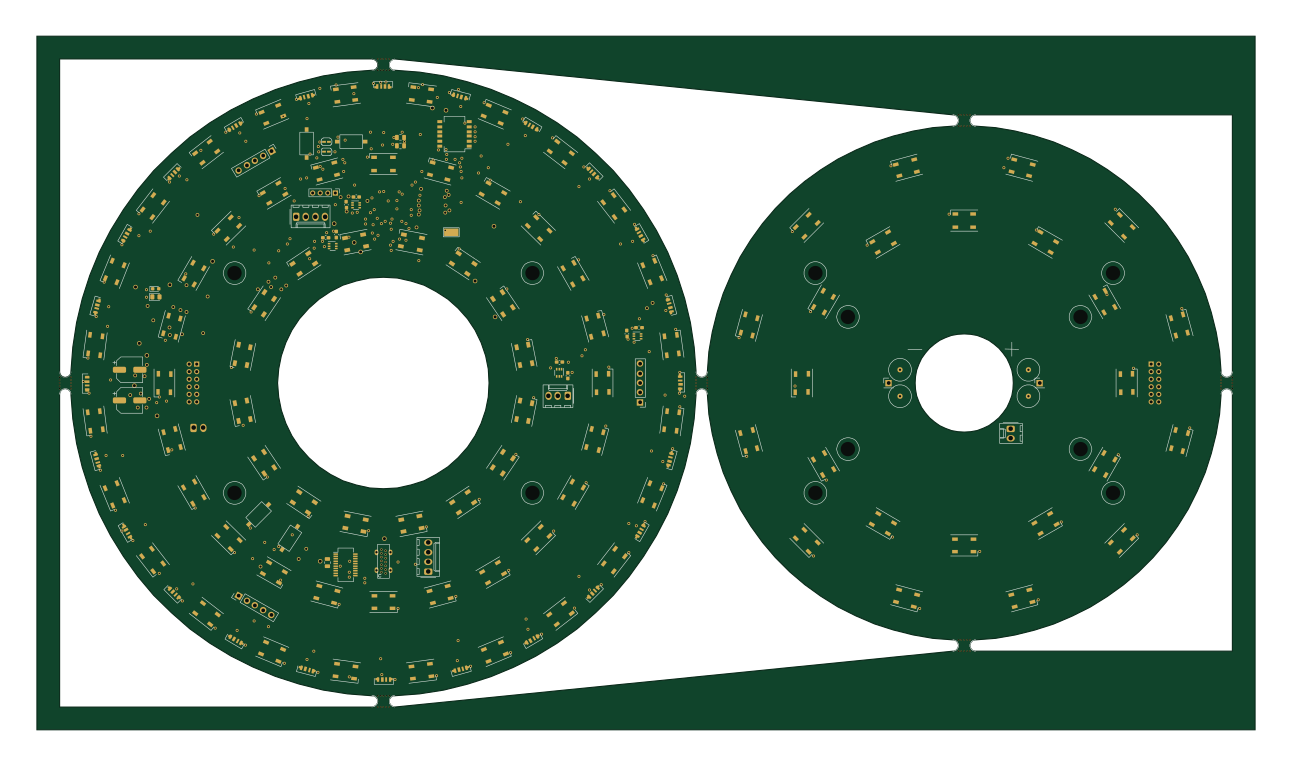 ESP32
Dancing forest
sequoia-hope
322.5 × 183.5 mm216 parts4LCustom license1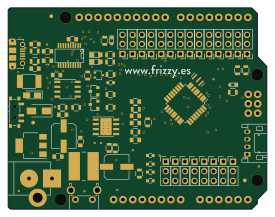 AVR/Arduino
Grape
FrizzyElectronics
68.6 × 53.3 mm84 parts2LCustom license1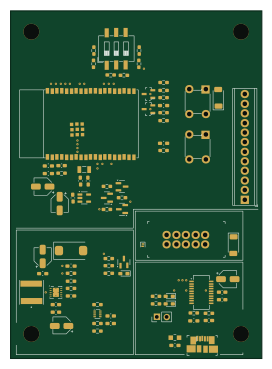 ESP32
Bike embedded app
nicolaeandreivasile
66.5 × 92 mm82 parts2LNo license1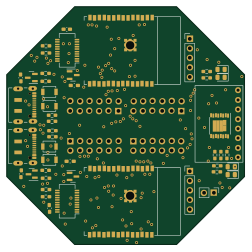 ESP32
Spider Upper
63 × 63 mm74 parts2LNo license1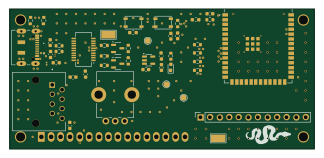 ESP32
SnakeTank
vpolda
80.8 × 37.1 mm46 parts4LNo license1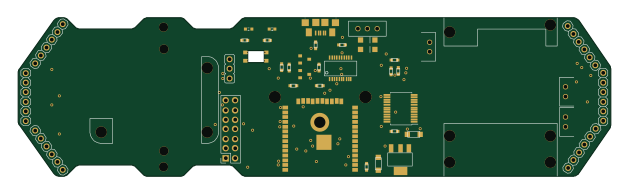 ESP32
DigiCar
kjsugi77
157 × 42 mm38 parts2LBSD-3-Clause1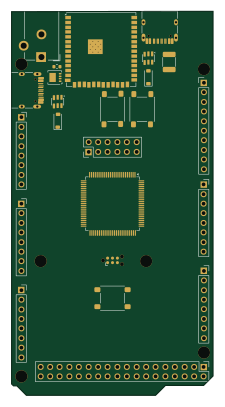 ESP32
Mega2560plus
sneakylizard123-4
53.3 × 101.6 mm138 parts4LNo license0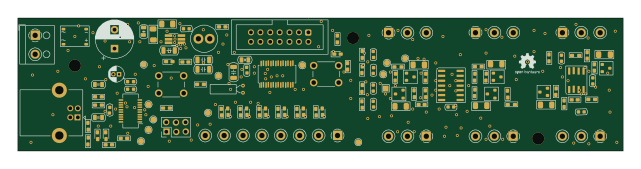 TI MSP430/CC
Ir train detector
MarkusFischer
160 × 35 mm111 parts2LGPL-3.00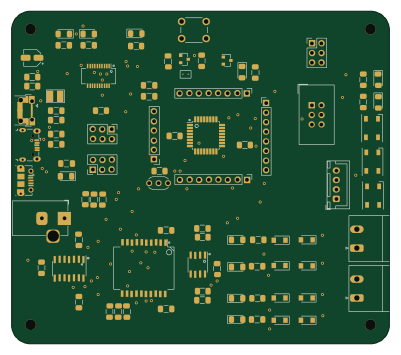 AVR/Arduino
Arduino DCC++
danielvilas
100 × 88 mm89 parts2LMIT0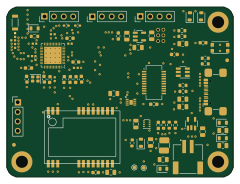 Nordic nRF
-NRF LoRa
JBeeBK
60 × 45 mm78 parts4LNo license0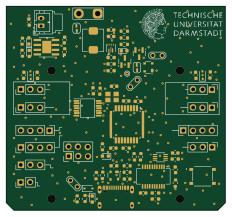 AVR/Arduino
Otto-DIY-MUST
TUDA-MUST
58 × 54 mm76 parts4LCC-BY-SA-4.00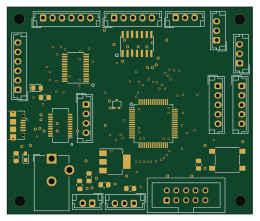 STM32
MainMicro
CameronMccutcheon02
64.8 × 54.6 mm64 parts2LNo license0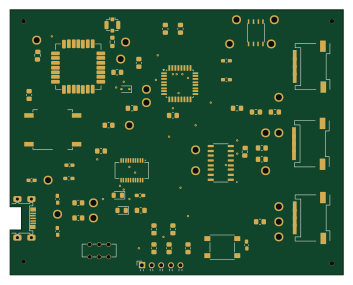 STM32
Projet ETRS 528
B1jam1-74
88.1 × 70 mm52 parts2LMIT0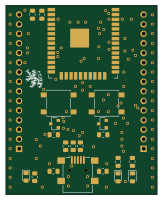 ESP32
ESP32EvalBoard
FordPrfkt
40 × 50 mm32 parts2LGPL-3.00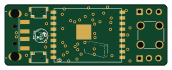 ESP32
Deauther andromeda
OS-Q
43 × 16 mm31 parts2LNo license0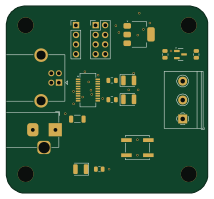
ESP01LEDDriver
aslak3
53.3 × 49.5 mm28 parts2LGPL-2.00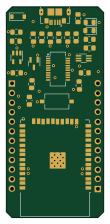 ESP32
Esp32-dev board
noahwhite07
25.9 × 55.9 mm28 parts4LNo license0
How designs wire the FT231XS
Read from the KiCad layouts of 46 open source designs, one per repository: what each pin of the FT231XS connects to, and the resistors, capacitors and other passives placed on it.
- The USBDP pin has a series resistor on 38 of 45 designs, most often 27 Ω (then 22 Ω).
- The USBDM pin has a series resistor on 36 of 45 designs, most often 27 Ω (then 22 Ω).
- The RI pin is left unconnected on 40 of 45 designs (a signal on 4).
- The DSR pin is left unconnected on 39 of 45 designs (a signal on 5).
| Pin | Connected to | Parts on the pin |
|---|---|---|
| DTRpin 1 | Connected to: Signal 70% · not connected 28% |
|
| RTSpin 2 | Connected to: Signal 59% · not connected 39% |
|
| VCCIOpin 3 | Connected to: Signal 52% · 3.3V 41% |
|
| RIpin 5 | Connected to: Not connected 89% | — |
| GNDpin 6, 16 | Connected to: GND 93% | — |
| DSRpin 7 | Connected to: Not connected 87% | — |
| DCDpin 8 | Connected to: Not connected 87% | — |
| CTSpin 9 | Connected to: Not connected 73% · a signal 22% | — |
| USBDPpin 11 | Connected to: Signal 100% |
|
| USBDMpin 12 | Connected to: Signal 98% |
|
| 3V3OUTpin 13 | Connected to: Signal 49% · not connected 24% · 3.3V 22% |
|
| RESETpin 14 | Connected to: Signal 62% · 3.3V 29% |
|
| VCCpin 15 | Connected to: 5V 84% |
|
| CBUS0pin 18 | Connected to: Not connected 78% · a signal 20% | — |
| CBUS3pin 19 | Connected to: Not connected 78% · a signal 20% | — |
4 more pins vary from design to design. Connections count pins, parts count designs; values in brackets are how many parts had that value. Designs read include Ulx3s by emard, Pinpoint core by lab11, BreadControlV3 by Architeuthis-Flux and Tiny z80 by skiselev.
The FT231XS in open source designs
The gallery holds 63 open source boards using the FT231XS from 48 GitHub repositories; a typical one measures about 69.3 × 55.9 mm and carries around 54 components.
68% are two-layer designs, the rest use four layers or more, and 49% carry an open source license.
The most starred is Ulx3s by emard.
Parts used alongside the FT231XS
Microcontrollers on boards using the FT231XS
What boards using the FT231XS are built for
FT231XS: common questions
Where can I find a FT231XS reference design?
Each of the 63 boards on this page is a real design using the FT231XS. Open one to see how it is wired up, with the full BOM, a render of the layout and links to its KiCad files.
What resistor goes on the FT231XS USBDP pin?
The USBDP pin has a series resistor on 38 of 45 designs, most often 27 Ω (then 22 Ω). Counted from the KiCad layouts of 46 open source designs using the FT231XS.
What resistor goes on the FT231XS USBDM pin?
The USBDM pin has a series resistor on 36 of 45 designs, most often 27 Ω (then 22 Ω). Counted from the KiCad layouts of 46 open source designs using the FT231XS.
How is the FT231XS RI pin connected?
The RI pin is left unconnected on 40 of 45 designs (a signal on 4). Counted from the KiCad layouts of 46 open source designs using the FT231XS.
What parts are used alongside the FT231XS?
The ESP32-WROOM-32D, MCP73831-2-OT, NCP1117-3.3_SOT223, TP4056 and USBLC6-2SC6 appear in the most repositories here.
Which microcontrollers do boards using the FT231XS use?
Most are built on ESP32 (32), AVR/Arduino (8), STM32 (4) and TI MSP430/CC (1).
How big is a typical board using the FT231XS?
The median is 69.3 × 55.9 mm, and 68% are two-layer designs.
What is the most popular open source board using the FT231XS?
By GitHub stars, Ulx3s by emard, with 470 stars.
Can I simulate one of these boards using the FT231XS before building it?
Yes. HardLabs turns a board's netlist and BOM into a working simulation, so you can boot and test firmware against it with no hardware on your desk.