
35 open source boards using the IP5306
Real designs built with the IP5306, from public GitHub projects: a quick way to see how others power, decouple and connect it. Each board comes with its KiCad files, full parts list and a render — and you can simulate its firmware on HardLabs.
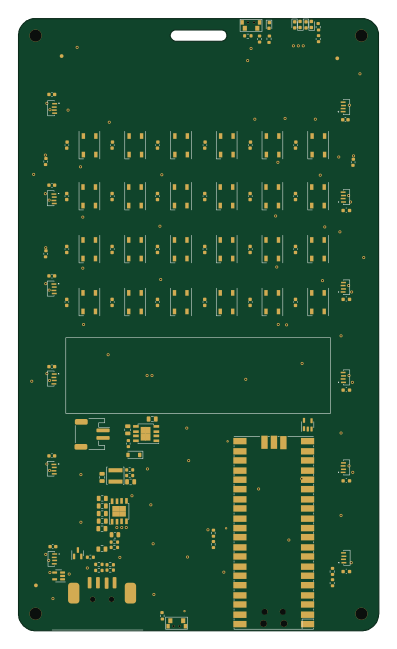 RP2040/RP2350
Dfh badge
tanaes
95.3 × 161.9 mm123 parts2LGPL-3.0781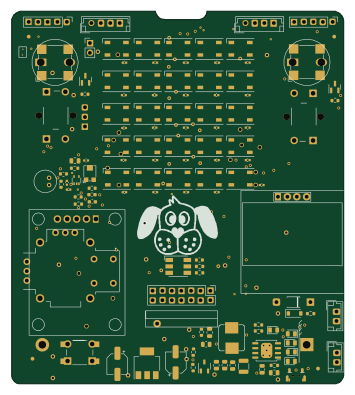 Raspberry Pi
BitDogLab Main SMD version
BitDogLab
87.9 × 98.7 mm124 parts2LCERN-OHL-S-2.0204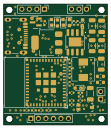 ESP32
FunHomeSwitch
ZhiFun
27.5 × 32 mm42 parts2LMIT29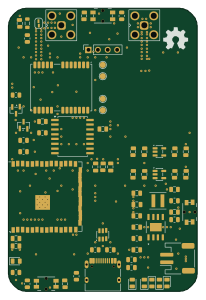 ESP32
Mesh hand
sneakylizard123-4
50 × 75 mm67 parts4LNo license8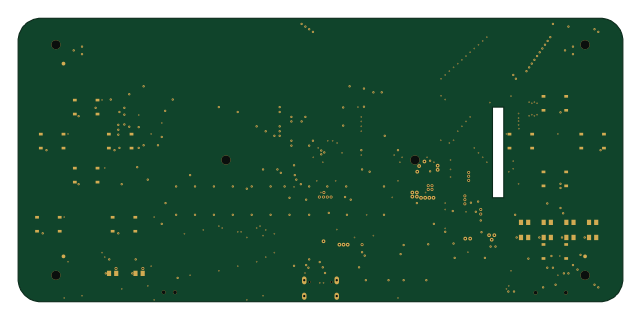 ESP32
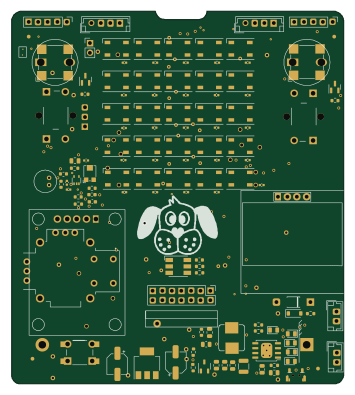
Esp32-emu turbo
 pjcau160 × 75 mm102 parts4LNo license4
 Raspberry Pi
BitDogLab Main SMD version
BitDogLab-Escola4-0
87.9 × 98.7 mm124 parts2LNo license2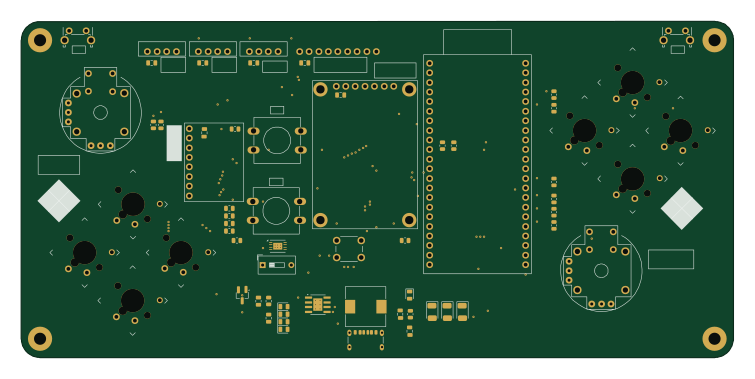 ESP32
Esp gamepad v2
Reiko0908
188.5 × 88.9 mm66 parts2LApache-2.02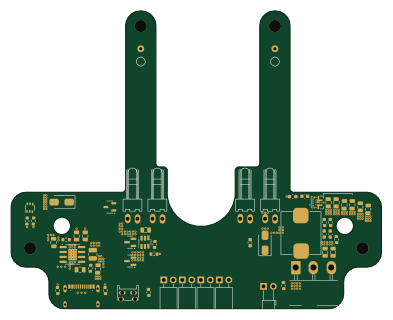
Poweroid
Prismary
98 × 78.8 mm56 parts2LCC-BY-NC-4.02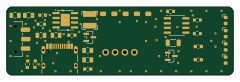
Xteink x3-backlight
IllyaChuhalo
60 × 18 mm31 parts2LMIT2- schematic only · 40 partsESP32
Moto Audio
bacnbit
40 partsNo license2 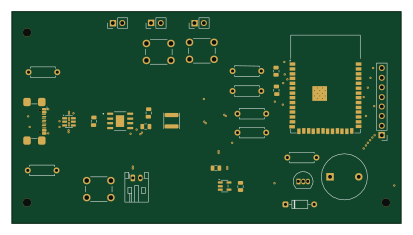 ESP32
Esp32-alarm clock
jeremy341
103 × 56 mm31 parts4LMIT1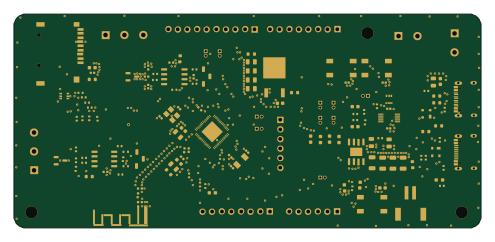 ESP32
ESP32-S3 Dev Board
hw-tinkerers
123.5 × 56.5 mm146 parts4LNo license0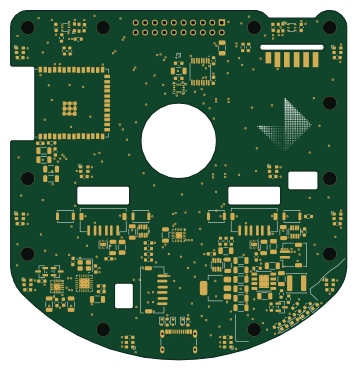 ESP32
Kabot
kabot-io
89 × 92.5 mm137 parts2LCC-BY-NC-4.00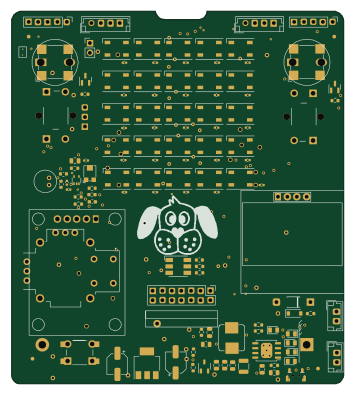 Raspberry Pi
BitDogLab Main SMD version
LuanaaRuteeee
87.9 × 98.7 mm124 parts2LCERN-OHL-S-2.00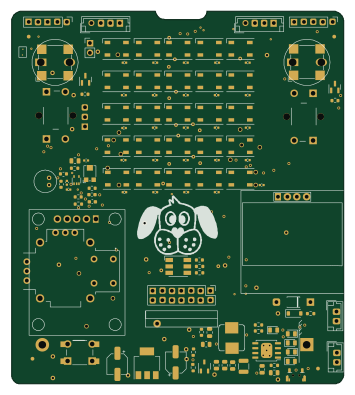 Raspberry Pi
BitDogLab Main SMD version
hobsonbreno
87.9 × 98.7 mm124 parts2LCERN-OHL-S-2.00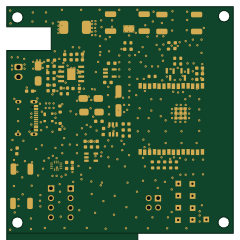 ESP32
Hard-EnvSens
IgorFJensen
60 × 60 mm102 parts2LNo license0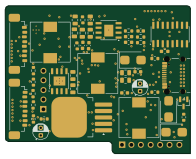 AVR/Arduino
Mobile Monitor Redesign
deogratius2phantom
49 × 39.1 mm90 parts4LNo license0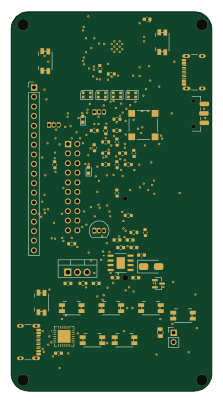 ESP32
Jammer
aryakaithal8
53.1 × 100.5 mm90 parts2LNo license0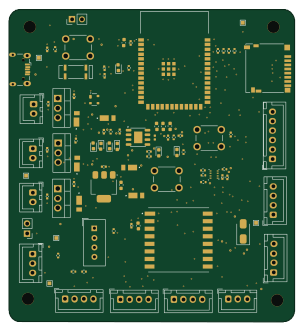 ESP32
SDR-IOT-project
AfriOrbit
75.5 × 82.7 mm88 parts4LNo license0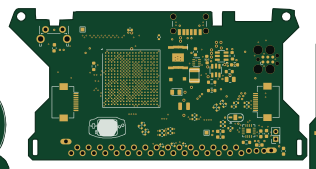 FPGA
FPGBA
teejaytiger
78.8 × 40 mm65 parts2LNo license0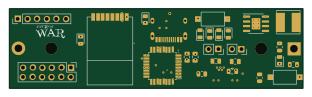 AVR/Arduino
BlanceCarProject
Andy-Cheng1017
77.9 × 21.1 mm55 parts2LNo license0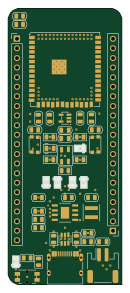 ESP32
ESP32-S3 Module
30 × 73 mm48 parts4LNo license0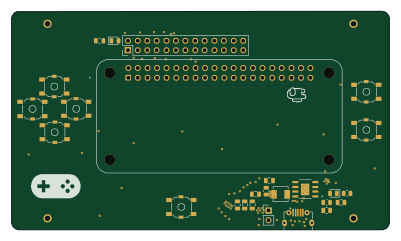 Raspberry Pi
Zero console
redwoodsteve
100 × 57.8 mm28 parts2LNo license0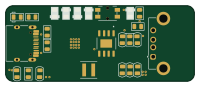
IP5306 Module
50 × 20 mm26 parts2LNo license0- schematic only · 102 partsSTM32
ForestFireGuard
wezhike
102 partsMIT0 - schematic only · 21 parts
Vara
VirajSanghani
21 partsCustom license0 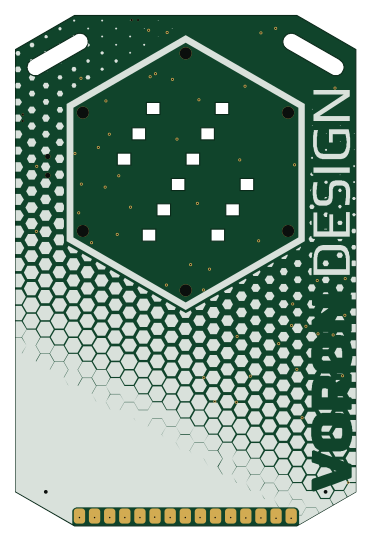 RP2040/RP2350
Voron badge
90 × 135 mm84 parts2LGPL-3.0781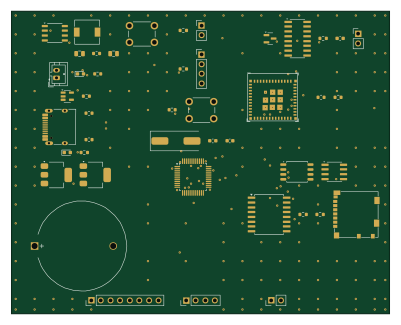 ESP32
Main board
denorath-sys
100 × 80 mm46 parts2LCERN-OHL-W-2.05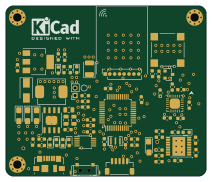 STM32
Project stander elec
Yongxin-Lu
53 × 45 mm71 parts2LNo license3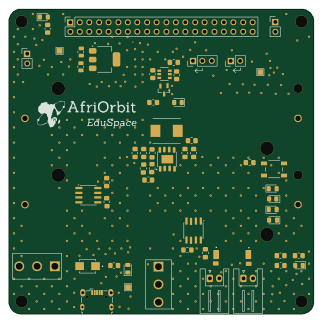
EPSV4
80.5 × 80.5 mm56 parts2LNo license0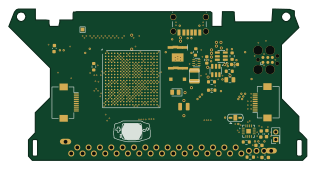 FPGA
Mainboard
78.8 × 40 mm55 parts4LNo license0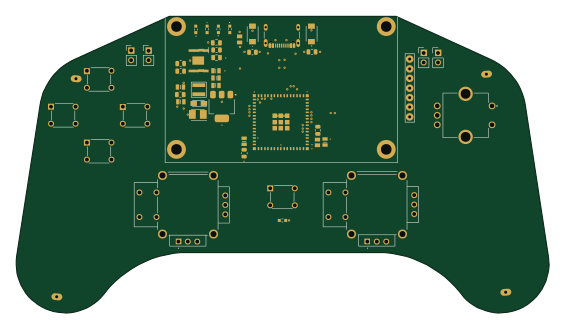 ESP32
HexControllerV3 larger
TH4R4V3N1324
141 × 78.5 mm48 parts4LNo license0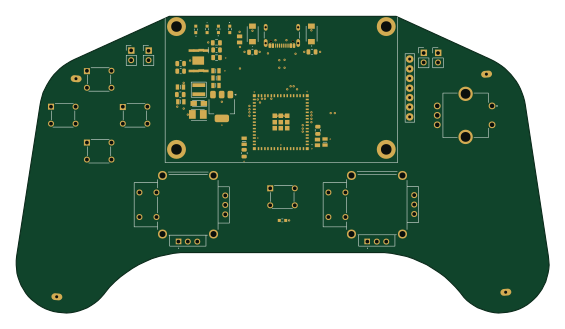 ESP32
HexControllerV3 larger
141 × 78.5 mm48 parts4LNo license0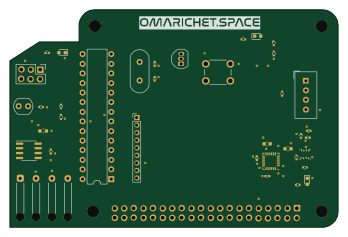 AVR/Arduino
Omarichet Sensor Shield 2
86.8 × 57.5 mm38 parts2LNo license0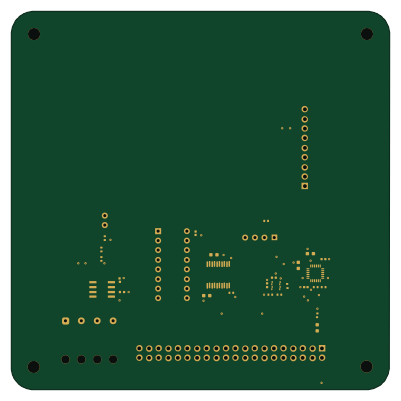
Omarichet Sensor Shield 1.2
100 × 100 mm33 parts2LNo license0
How designs wire the IP5306
Read from the KiCad layouts of 28 open source designs, one per repository: what each pin of the IP5306 connects to, and the resistors, capacitors and other passives placed on it.
- The SW pin has a inductor on 27 of 27 designs, most often 1 µH (then 2.2 µH).
- The VIN pin has a decoupling capacitor on 22 of 28 designs, most often 10 µF (then 100 nF).
- The BAT pin has a capacitor to GND on 22 of 27 designs, most often 10 µF (then 22 µF).
- The VOUT pin has a decoupling capacitor on 22 of 27 designs, most often 22 µF (then 100 nF).
| Pin | Connected to | Parts on the pin |
|---|---|---|
| VINpin 1 | Connected to: VBUS 79% |
|
| KEYpin 5 | Connected to: Signal 82% |
|
| BATpin 6 | Connected to: Signal 70% · BATT 30% |
|
| SWpin 7 | Connected to: Signal 100% |
|
| VOUTpin 8 | Connected to: 5V 56% · a signal 44% |
|
| EPpin 9 | Connected to: GND 100% | — |
3 more pins vary from design to design. Connections count pins, parts count designs; values in brackets are how many parts had that value. Designs read include Dfh badge by tanaes, BitDogLab Main SMD version by BitDogLab, FunHomeSwitch by ZhiFun and Mesh hand by sneakylizard123-4.
The IP5306 in open source designs
The gallery holds 35 open source boards using the IP5306 from 31 GitHub repositories; a typical one measures about 87.9 × 76.8 mm and carries around 65 components.
69% are two-layer designs, the rest use four layers or more, and 31% carry an open source license.
The most starred is Dfh badge by tanaes.
Parts used alongside the IP5306
Microcontrollers on boards using the IP5306
What boards using the IP5306 are built for
IP5306: common questions
Where can I find a IP5306 reference design?
Each of the 35 boards on this page is a real design using the IP5306. Open one to see how it is wired up, with the full BOM, a render of the layout and links to its KiCad files.
How is the IP5306 SW pin connected?
The SW pin has a inductor on 27 of 27 designs, most often 1 µH (then 2.2 µH). Counted from the KiCad layouts of 28 open source designs using the IP5306.
What decoupling capacitors do designs use on the IP5306 VIN pin?
The VIN pin has a decoupling capacitor on 22 of 28 designs, most often 10 µF (then 100 nF). Counted from the KiCad layouts of 28 open source designs using the IP5306.
How is the IP5306 BAT pin connected?
The BAT pin has a capacitor to GND on 22 of 27 designs, most often 10 µF (then 22 µF). Counted from the KiCad layouts of 28 open source designs using the IP5306.
What parts are used alongside the IP5306?
The AMS1117-3.3, ESP32-S3-WROOM-1, MAX4466EXK+T, SC0918 and USBLC6-2SC6 appear in the most repositories here.
Which microcontrollers do boards using the IP5306 use?
Most are built on ESP32 (15), Raspberry Pi (5), AVR/Arduino (3) and FPGA (2).
How big is a typical board using the IP5306?
The median is 87.9 × 76.8 mm, and 69% are two-layer designs.
What is the most popular open source board using the IP5306?
By GitHub stars, Dfh badge by tanaes, with 781 stars.
Can I simulate one of these boards using the IP5306 before building it?
Yes. HardLabs turns a board's netlist and BOM into a working simulation, so you can boot and test firmware against it with no hardware on your desk.