
34 open source boards using the TPS63001
Real designs built with the TPS63001, from public GitHub projects: a quick way to see how others power, decouple and connect it. Each board comes with its KiCad files, full parts list and a render — and you can simulate its firmware on HardLabs.
 ESP32
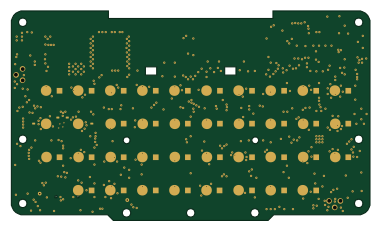
EinkPDA keyboard
TalismanDesign
95 × 55.5 mm128 parts4LApache-2.02.0k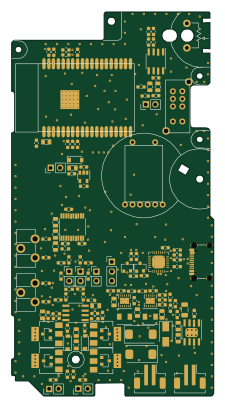 ESP32
Sony scopeman
lucysrausch
53.5 × 101.8 mm135 parts2LNo license69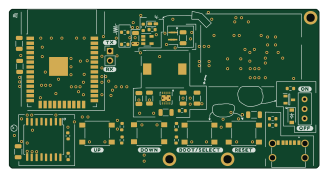 ESP32
Hardware design
Open-Authenticator
82 × 42 mm56 parts2LMIT42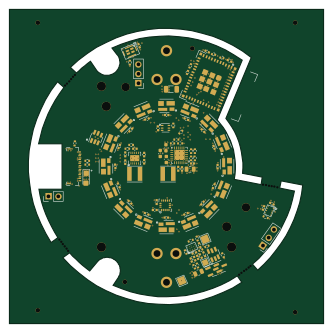 ESP32
Blinkekatze
TobleMiner
83 × 83 mm106 parts4LNo license34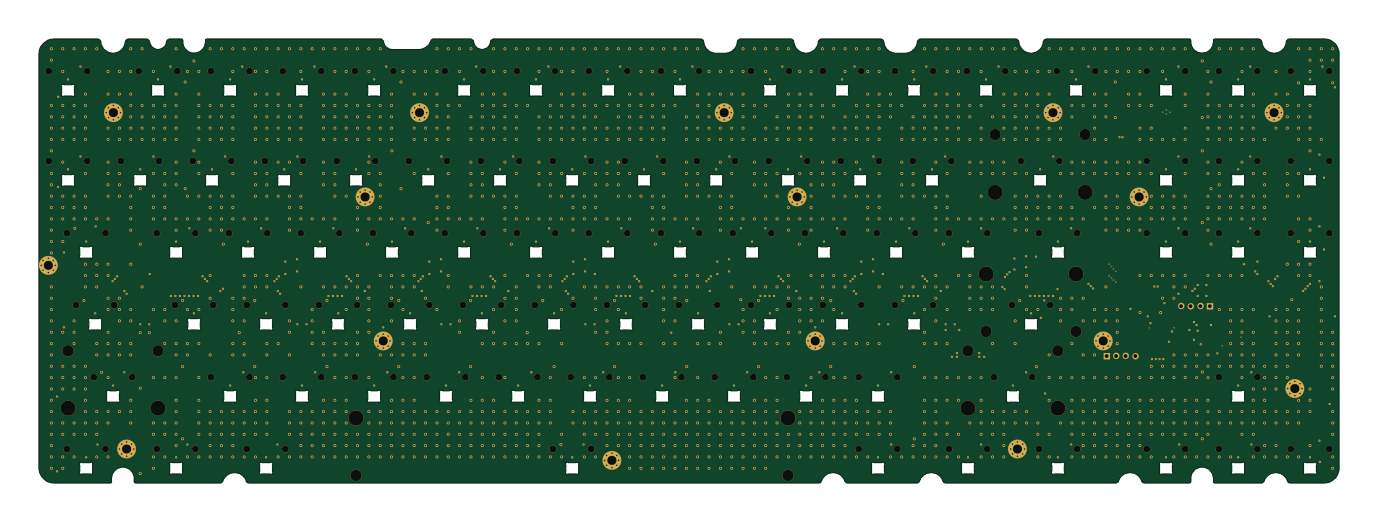 STM32
Zellia80-HE
mhdimo
344 × 117.5 mm479 parts4LLGPL-2.124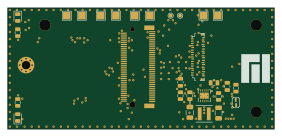
PBP-NGFF-A-E-adapter
70.5 × 32 mm17 parts2LMIT16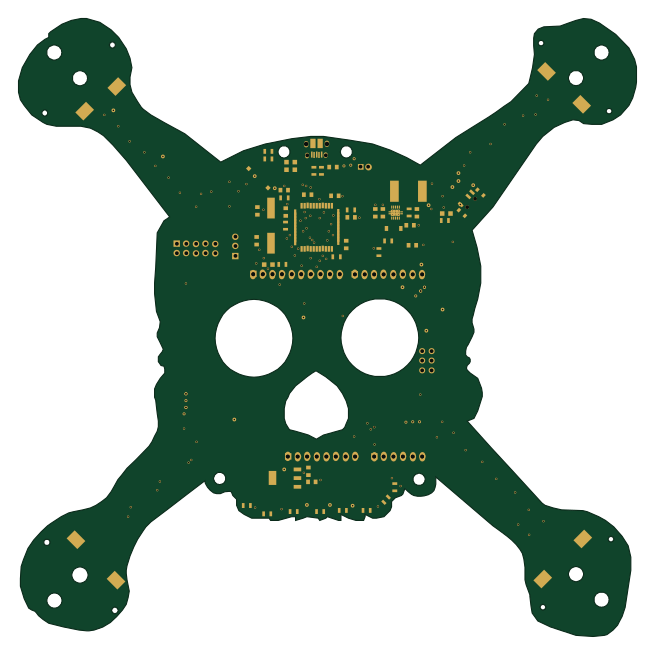 AVR/Arduino
Skull badge
b1uN7
163.5 × 163.5 mm101 parts2LNo license15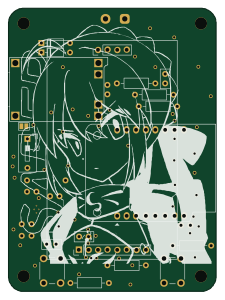
Aniweather
hackclub
55 × 75 mm31 parts2LMIT11 RP2040/RP2350
Trhw
nimitvijayvargee
210 × 31 mm55 parts2LNo license7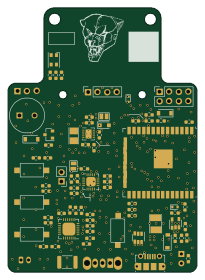 ESP32
Time2time
Resaj
50 × 70 mm80 parts2LNo license5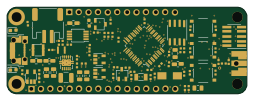 STM32
LoRaWAN-Feather-Hardware
svcguy
63.5 × 22.9 mm82 parts2LNo license4
Lipo-Charger and-3.3v-Regulator
stuenkels
14.1 × 33.3 mm21 parts2LNo license2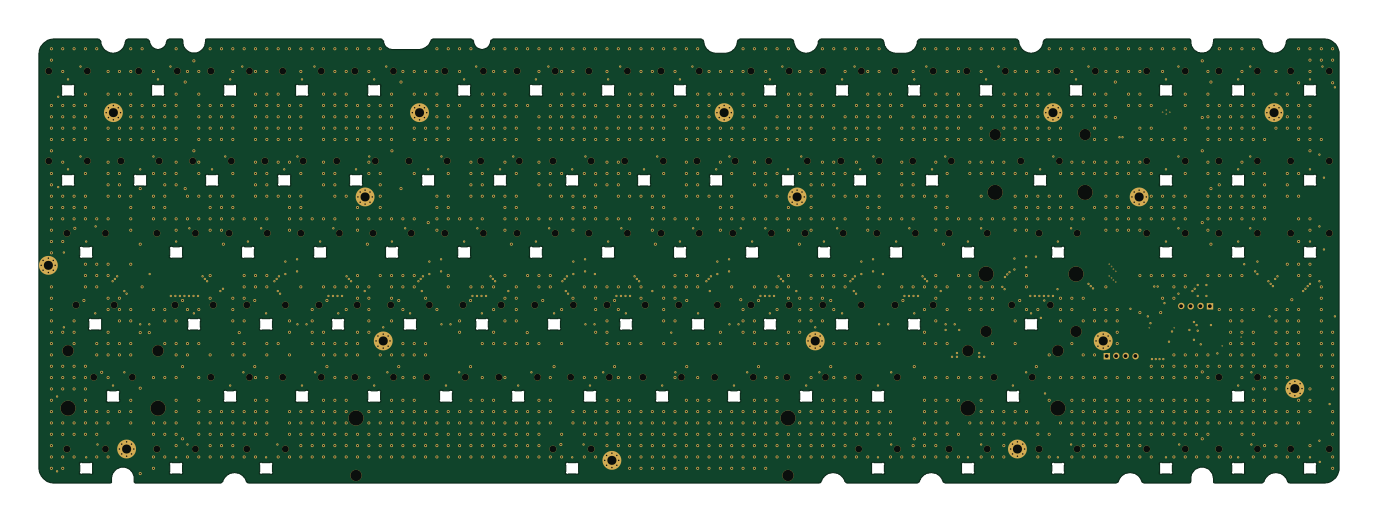 STM32
Zellia80-HE
Zellia-Keyboards
344 × 117.5 mm479 parts4LLGPL-2.11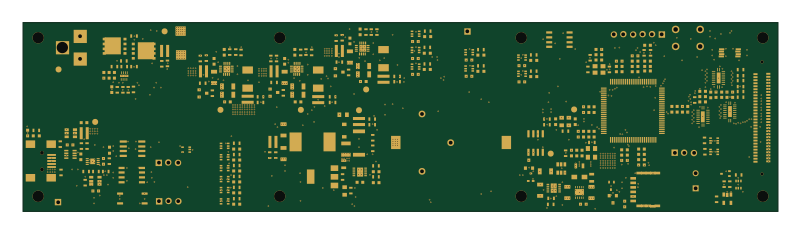 PIC
VFD Clock
drewsum
200 × 50 mm458 parts2LNo license1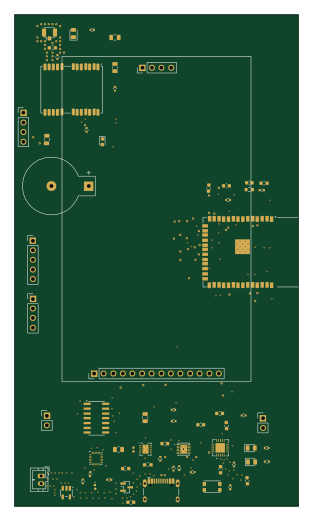 ESP32
ESP32 Offline GPS MAPS
uzzambutt
75 × 130 mm67 parts4LNo license1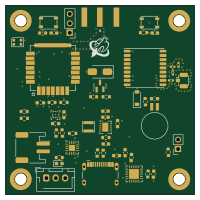
Sending Pebble
CohenMurray
50 × 50 mm60 parts4LNo license1- schematic only · 49 partsRP2040/RP2350
Oapogee.space
Xaxis
49 partsCC-BY-SA-4.01 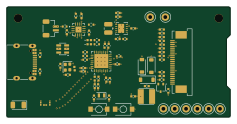 ESP32
ESP32-Eink
Outdatedcandy92
59.2 × 29.2 mm81 parts4LCERN-OHL-W-2.00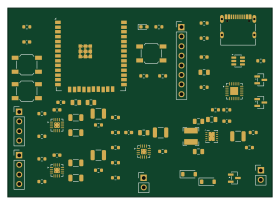 ESP32
Isc motorbeep
ISC-HEI
70 × 50 mm69 parts4LNo license0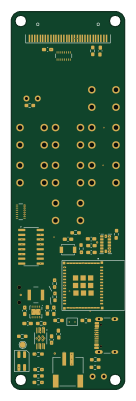 ESP32
LED remote
CodedSakura
30 × 100 mm55 parts2LNo license0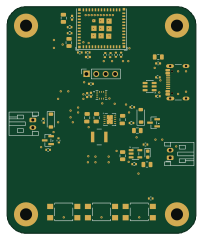 ESP32
Curl tracker
terryzhw
50 × 60 mm51 parts2LMIT0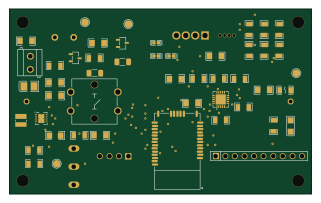 Nordic nRF
Onboard
Georg-code
80 × 49 mm50 parts2LNo license0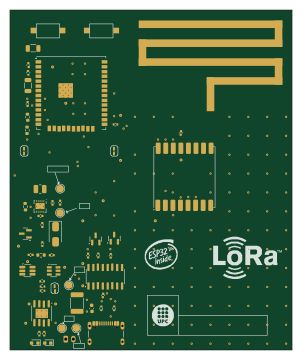 ESP32
Tfg hardware
alcaaron
74.5 × 89.8 mm48 parts2LNo license0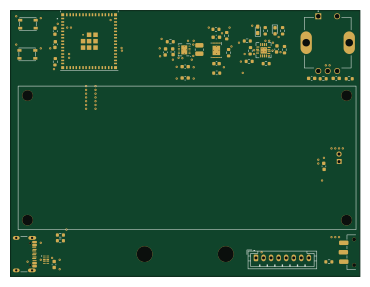 ESP32
SilentAlarmClockPCB V1
remus4444
92.5 × 70.4 mm46 parts4LNo license0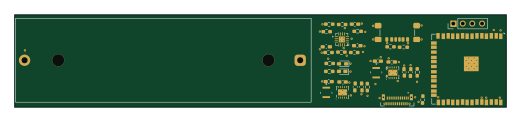 ESP32
Kbd bt adapter
GuyOnWifi
130 × 24.4 mm37 parts4LNo license0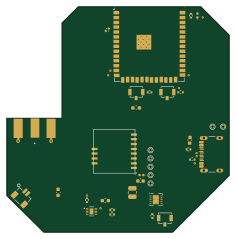 ESP32
Kiku
SoanGlengan
58.8 × 59.6 mm35 parts2LNo license0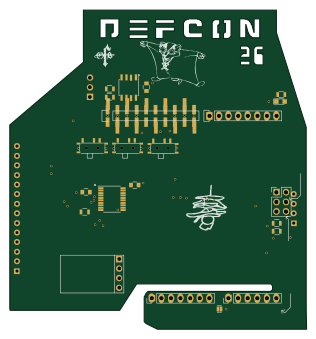 AVR/Arduino
Addon board
78.6 × 84.6 mm22 parts2LNo license15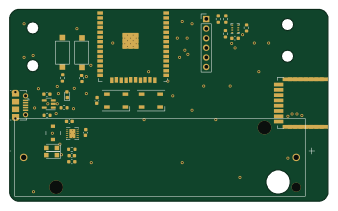 ESP32
Base
rmingon
84.3 × 50.8 mm32 parts2LNo license12
Watch
jeffc
41 × 23 mm42 parts2LNo license6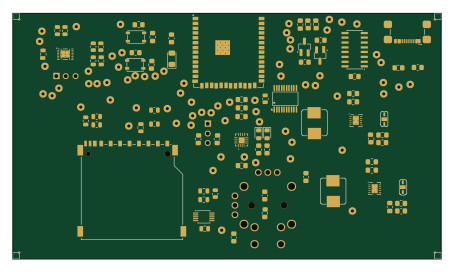 ESP32
Rt hw v1
ahsanu123
113.4 × 65.1 mm81 parts2LMIT0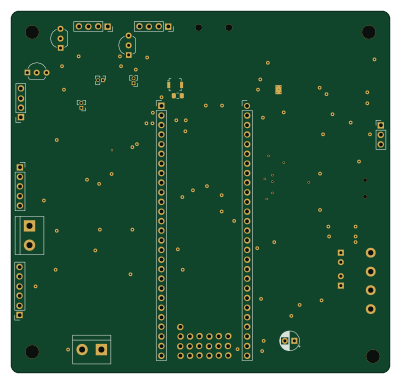
Prototipo 1 : Base LPCXpresso1769 - VOP24
brengi
100 × 95.5 mm112 parts2LNo license7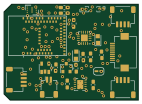
Watch old
35.6 × 25.4 mm38 parts2LNo license6
Panel
25.4 × 25.4 mm35 parts2LNo license6
Watch power
25.4 × 16.3 mm17 parts2LNo license6
How designs wire the TPS63001
Read from the KiCad layouts of 29 open source designs, one per repository: what each pin of the TPS63001 connects to, and the resistors, capacitors and other passives placed on it.
- The L2 pin has a inductor on 28 of 29 designs, most often 2.2 µH (then 22 µH).
- The L1 pin has a inductor on 28 of 29 designs, most often 2.2 µH (then 22 µH).
- The VOUT pin has a decoupling capacitor on 26 of 29 designs, most often 10 µF (then 100 nF).
- The VINA pin has a capacitor to GND on 25 of 28 designs, most often 100 nF (then 10 µF).
| Pin | Connected to | Parts on the pin |
|---|---|---|
| VOUTpin 1 | Connected to: 3.3V 100% |
|
| L2pin 2 | Connected to: Signal 97% |
|
| PGNDpin 3, 11 | Connected to: GND 98% | — |
| L1pin 4 | Connected to: Signal 97% |
|
| VINpin 5 | Connected to: VSYS 50% · a signal 50% |
|
| ENpin 6 | Connected to: Signal 86% |
|
| PS/SYNCpin 7 | Connected to: Signal 79% |
|
| VINApin 8 | Connected to: Signal 86% |
|
| GNDpin 9 | Connected to: GND 100% | — |
| FBpin 10 | Connected to: 3.3V 86% | — |
Connections count pins, parts count designs; values in brackets are how many parts had that value. Designs read include EinkPDA keyboard by TalismanDesign, Sony scopeman by lucysrausch, Hardware design by Open-Authenticator and Blinkekatze by TobleMiner.
The TPS63001 in open source designs
The gallery holds 34 open source boards using the TPS63001 from 30 GitHub repositories; a typical one measures about 74.5 × 55.5 mm and carries around 55 components.
70% are two-layer designs, the rest use four layers or more, and 29% carry an open source license.
The most starred is EinkPDA keyboard by TalismanDesign.
Parts used alongside the TPS63001
Microcontrollers on boards using the TPS63001
What boards using the TPS63001 are built for
TPS63001: common questions
Where can I find a TPS63001 reference design?
Each of the 34 boards on this page is a real design using the TPS63001. Open one to see how it is wired up, with the full BOM, a render of the layout and links to its KiCad files.
How is the TPS63001 L2 pin connected?
The L2 pin has a inductor on 28 of 29 designs, most often 2.2 µH (then 22 µH). Counted from the KiCad layouts of 29 open source designs using the TPS63001.
How is the TPS63001 L1 pin connected?
The L1 pin has a inductor on 28 of 29 designs, most often 2.2 µH (then 22 µH). Counted from the KiCad layouts of 29 open source designs using the TPS63001.
What decoupling capacitors do designs use on the TPS63001 VOUT pin?
The VOUT pin has a decoupling capacitor on 26 of 29 designs, most often 10 µF (then 100 nF). Counted from the KiCad layouts of 29 open source designs using the TPS63001.
What parts are used alongside the TPS63001?
The USBLC6-2SC6, MCP73831-2-OT, ESP32-S3-WROOM-1, ESP32-WROOM-32 and BMP390 appear in the most repositories here.
Which microcontrollers do boards using the TPS63001 use?
Most are built on ESP32 (16), STM32 (3), AVR/Arduino (2) and RP2040/RP2350 (2).
How big is a typical board using the TPS63001?
The median is 74.5 × 55.5 mm, and 70% are two-layer designs.
What is the most popular open source board using the TPS63001?
By GitHub stars, EinkPDA keyboard by TalismanDesign, with 2,025 stars.
Can I simulate one of these boards using the TPS63001 before building it?
Yes. HardLabs turns a board's netlist and BOM into a working simulation, so you can boot and test firmware against it with no hardware on your desk.