
63 open source boards using the 40106
Real designs built with the 40106, from public GitHub projects: a quick way to see how others power, decouple and connect it. Each board comes with its KiCad files, full parts list and a render — and you can simulate its firmware on HardLabs.
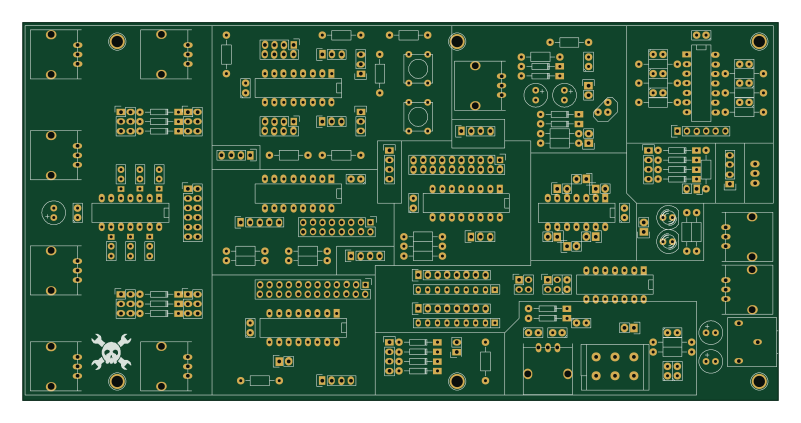
Klangorium
hexagon5un
200 × 100 mm152 parts2LNo license65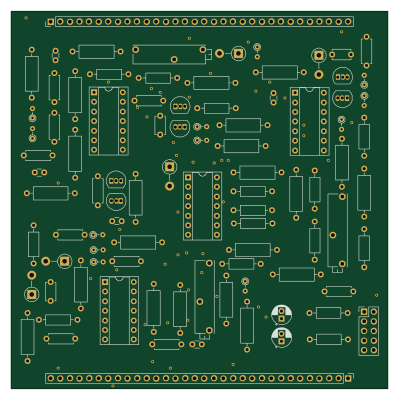
MAIN
aliqut
99.6 × 99.8 mm92 parts4LGPL-3.039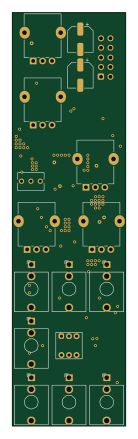
MiniOSC v2.0 - Main
benjiaomodular
30 × 109.5 mm68 parts2LCC-BY-SA-4.036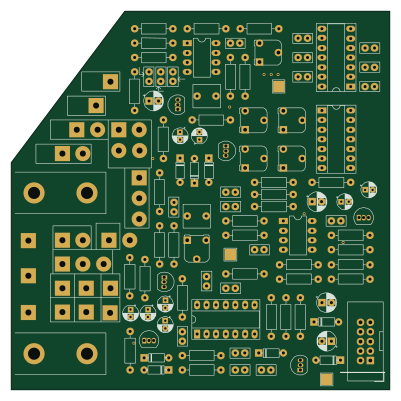
Drum H v2
Pl0p
100 × 100 mm96 parts2LNo license33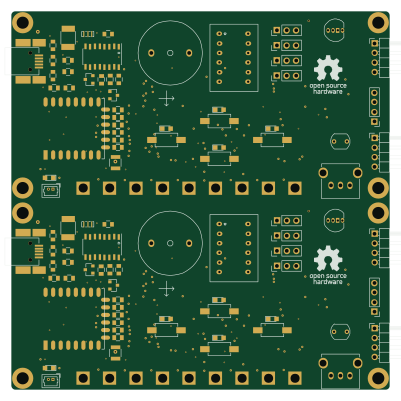 ESP8266
Wifi PB panel
AntonioMR
100 × 100 mm162 parts2LNo license29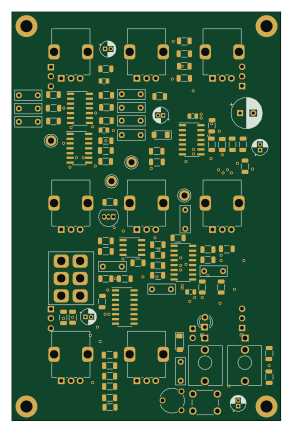
Synbal
Bad-Dog-Designs
71 × 108 mm105 parts2LGPL-2.014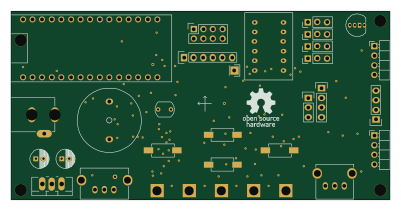
Nano-Play-Board
100 × 49.7 mm107 parts2LNo license12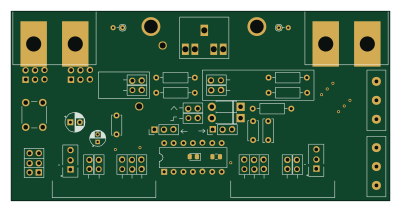
Digisynth
kzalesak
100 × 50 mm44 parts2LNo license11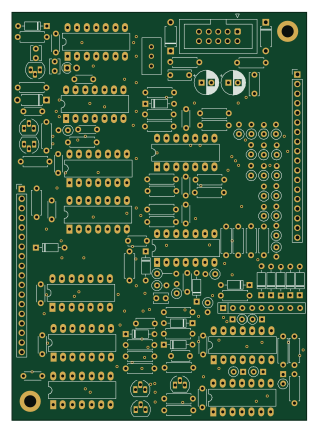
Euclid Main Board
m0xpd
78 × 108 mm128 parts2LCC-BY-SA-4.07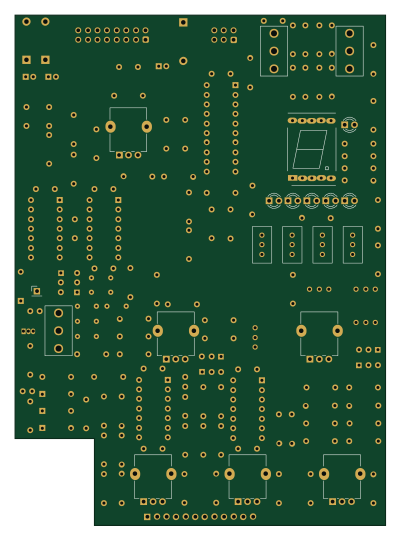 AVR/Arduino
DMH VCO 40106
DeMarco
98 × 135 mm147 parts2LNo license5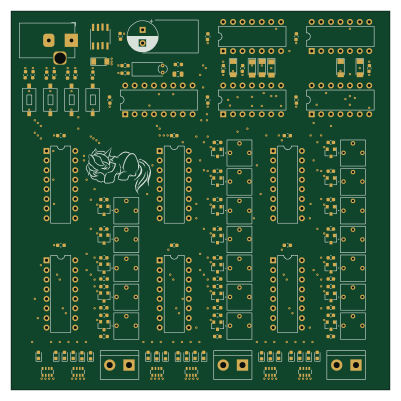
Ampmeter clock
Sirawit7205
100 × 100 mm147 parts4LCERN-OHL-S-2.04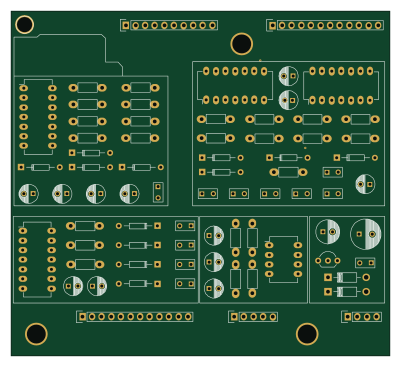
UM-TSS
cmos-droner
100 × 91 mm74 parts2LMIT4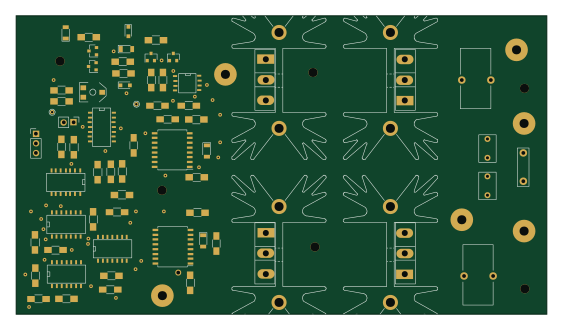
Class D Amp
zerberros
140.5 × 79 mm77 parts2LNo license3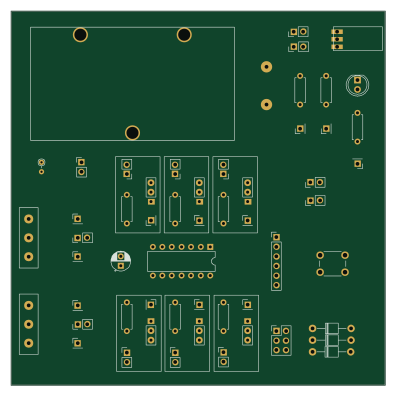
Schmittsynth
99 × 99 mm55 parts2LNo license3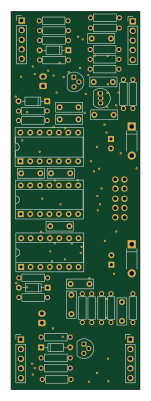
4gates
Alloyed
34 × 100 mm80 parts2LMIT2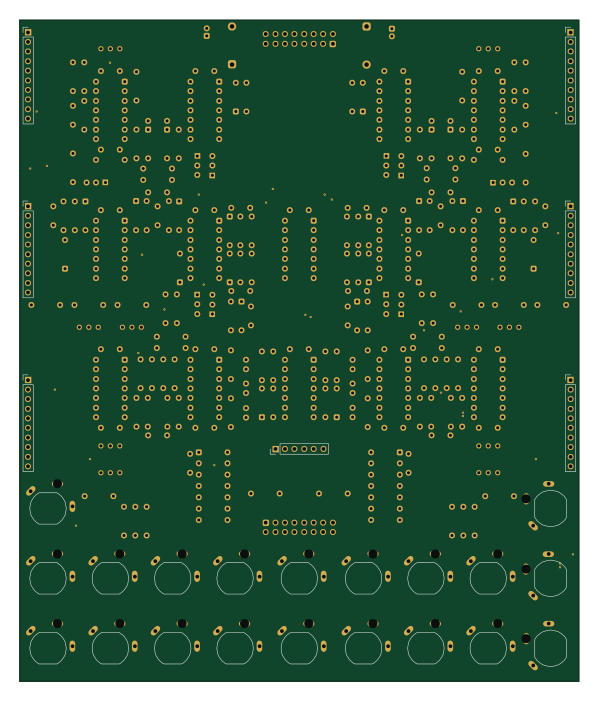
DMH VCEG PCB 1 Mk1 1
148 × 175 mm241 parts2LCC0-1.01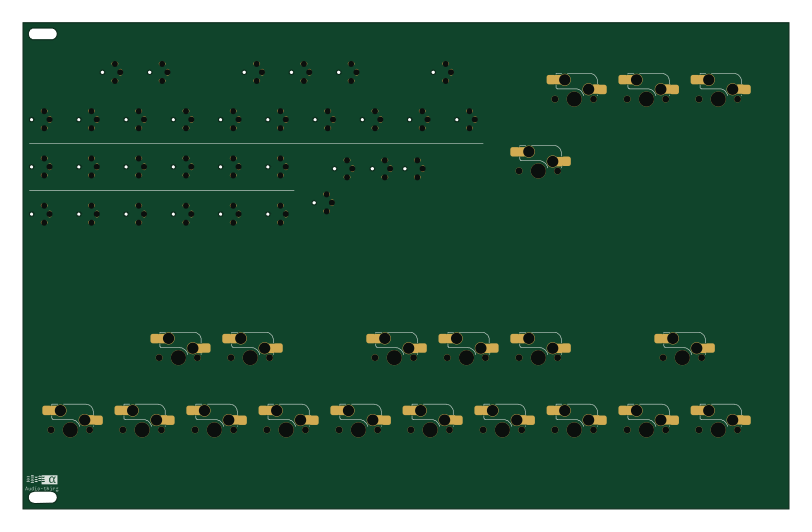
MXKeys
velvia-fifty
202.6 × 128.5 mm164 parts2LCC-BY-NC-4.01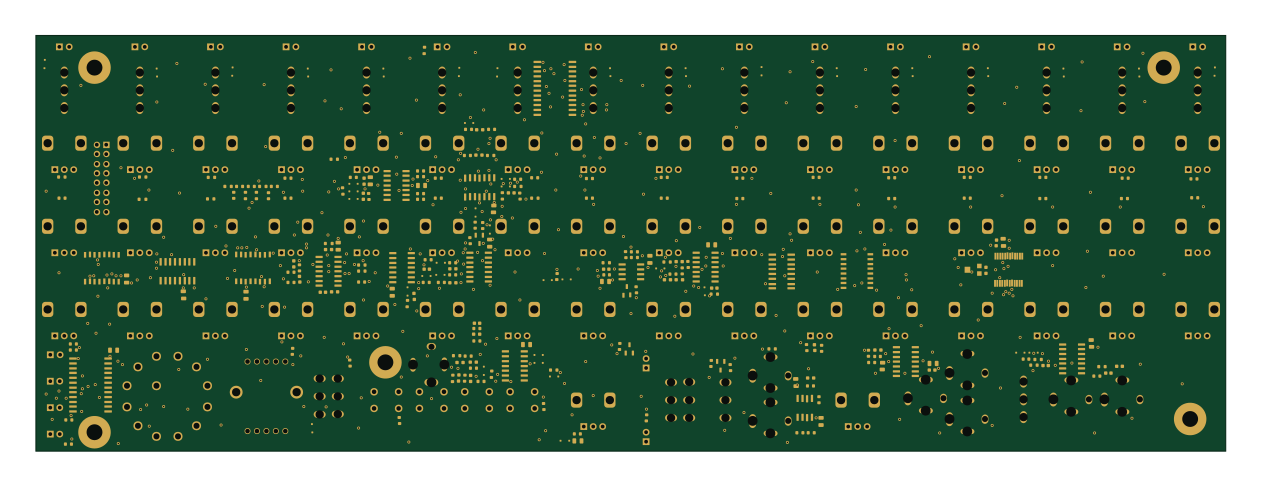
SoundLab16StepSequencer
JakeBoothy
314.9 × 110 mm348 parts4LNo license0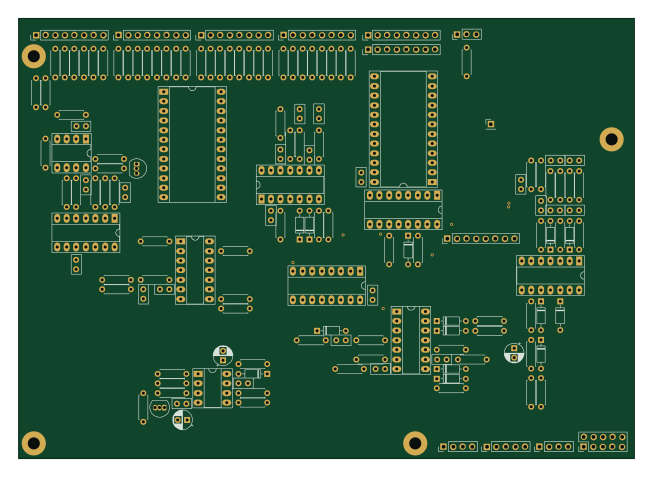
Sequencer
gehel
163 × 116.5 mm154 parts4LNo license0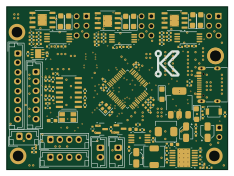 STM32
TorqController
JoaoWMHentz
58.5 × 43.1 mm129 parts2LNo license0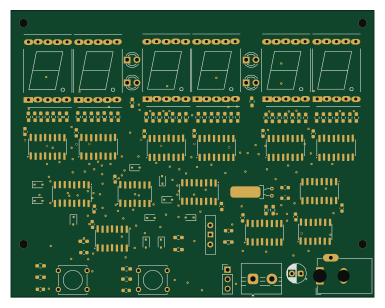
LogicICClock
nanamitm
96 × 75.8 mm96 parts2LNo license0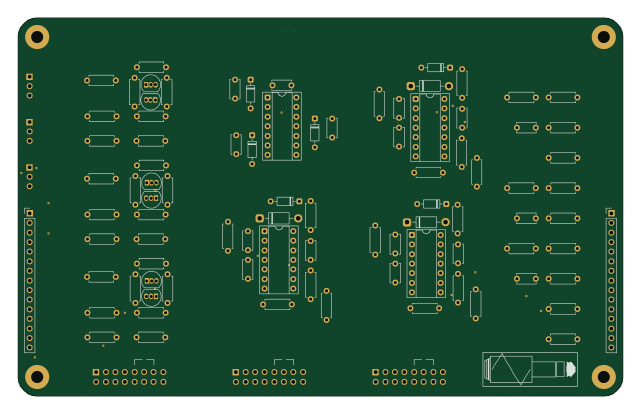
Vco bottom
PurestSeaSalt
160 × 100 mm92 parts2LNo license0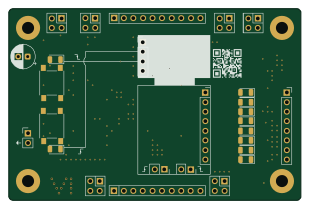
Osr
0x007E
77.5 × 50.8 mm85 parts2LCC-BY-NC-4.00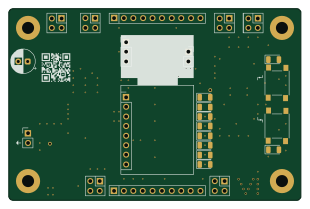
Isr
77.5 × 50.8 mm83 parts2LCC-BY-NC-4.00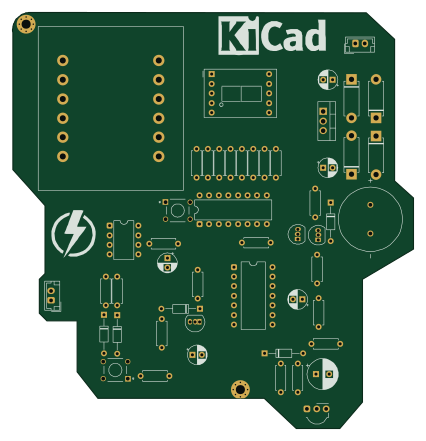
Https github.com bejaouihamza-IR-Interruption-Detector
bejaouihamza
106.1 × 110.1 mm71 parts2LNo license0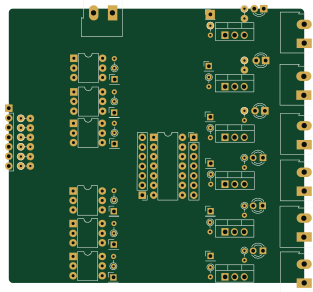
Control and power extended
maticas-tech-sas
78.1 × 72.5 mm65 parts2LNo license0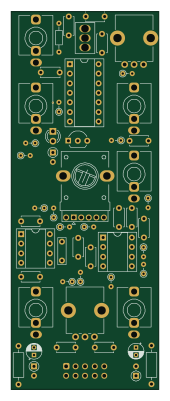
Snh
xdylanm
39 × 100 mm54 parts2LMIT0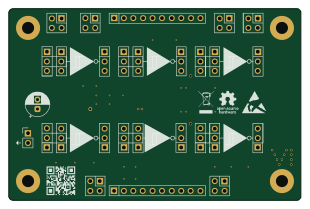
Idb
77.5 × 50.8 mm52 parts2LCC-BY-NC-4.00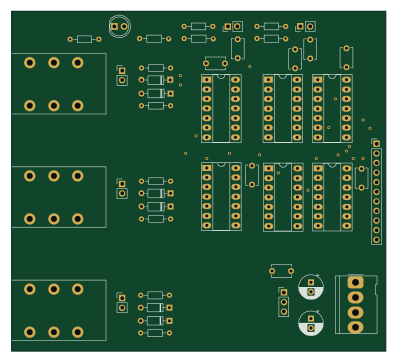
Sequence One - Control Board
dwilliams
99.1 × 90 mm46 parts2LBSD-2-Clause0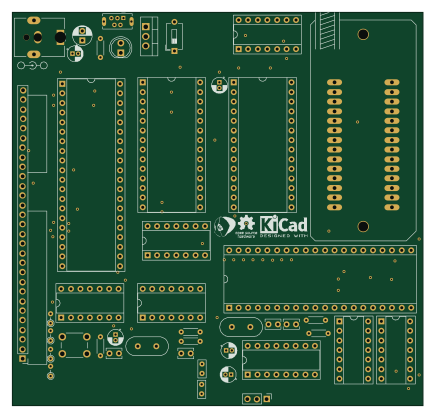
RED 80
assoRED
108.7 × 104.1 mm44 parts4LNo license0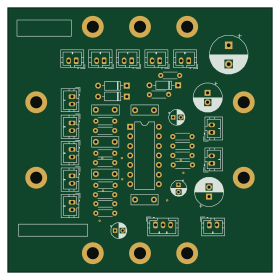
Cacophonator
phastmike
70 × 70 mm43 parts2LNo license0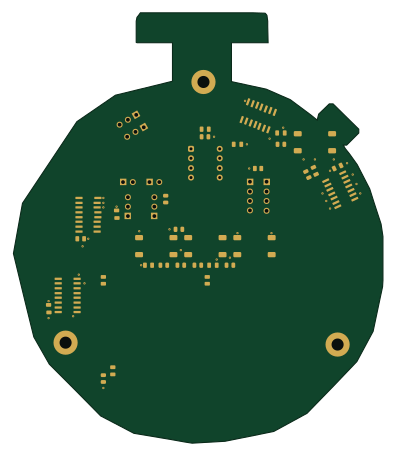
555friend
harrisoncbrammell
97.9 × 113.9 mm38 parts2LNo license0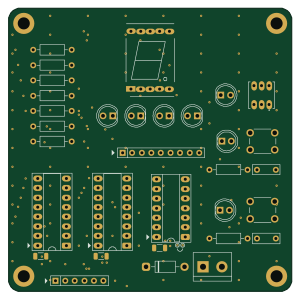
UP-Down Counter with 4029 -
Gilbert-box
75 × 75 mm32 parts2LMIT0- schematic only · 28 partsRP2040/RP2350
Jarrutin
TuningSweeper
28 partsNo license0 - schematic only · 20 parts
Clock input-3
carr-james
20 parts2LNo license0 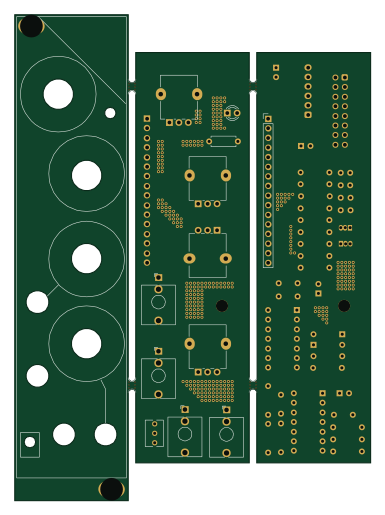
MiniOSC
94.1 × 128.5 mm51 parts2LCC-BY-SA-4.036
How designs wire the 40106
Read from the KiCad layouts of 46 open source designs, one per repository: what each pin of the 40106 connects to, and the resistors, capacitors and other passives placed on it.
- The VDD pin has a decoupling capacitor on 30 of 45 designs, most often 100 nF (then 4.7 µF).
- The TXCAN pin has a capacitor to GND on 23 of 46 designs, most often 10 nF (then 100 nF).
| Pin | Connected to | Parts on the pin |
|---|---|---|
| TXCANpin 1 | Connected to: Signal 91% |
|
| RXCANpin 2 | Connected to: Signal 85% |
|
| CLKOUT/SOFpin 3 | Connected to: Signal 76% · not connected 17% |
|
| TX1RTSpin 5 | Connected to: Signal 72% · not connected 24% |
|
| NCpin 6 | Connected to: Signal 68% · not connected 32% |
|
| OSC2pin 8 | Connected to: Signal 76% · not connected 24% |
|
| OSC1pin 9 | Connected to: Signal 69% · not connected 22% |
|
| VDDpin 14 | Connected to: 12V 78% · a signal 15% |
|
5 more pins vary from design to design. Connections count pins, parts count designs; values in brackets are how many parts had that value. Designs read include Klangorium by hexagon5un, Half bridge by profdc9, MAIN by aliqut and MiniOSC by benjiaomodular.
The 40106 in open source designs
The gallery holds 63 open source boards using the 40106 from 48 GitHub repositories; a typical one measures about 97.2 × 99.9 mm and carries around 75 components.
90% are two-layer designs, the rest use four layers or more, and 27% carry an open source license.
The most starred is Klangorium by hexagon5un.
Microcontrollers on boards using the 40106
What boards using the 40106 are built for
40106: common questions
Where can I find a 40106 reference design?
Each of the 63 boards on this page is a real design using the 40106. Open one to see how it is wired up, with the full BOM, a render of the layout and links to its KiCad files.
What decoupling capacitors do designs use on the 40106 VDD pin?
The VDD pin has a decoupling capacitor on 30 of 45 designs, most often 100 nF (then 4.7 µF). Counted from the KiCad layouts of 46 open source designs using the 40106.
How is the 40106 TXCAN pin connected?
The TXCAN pin has a capacitor to GND on 23 of 46 designs, most often 10 nF (then 100 nF). Counted from the KiCad layouts of 46 open source designs using the 40106.
What parts are used alongside the 40106?
The TL074, TL072, 4070, 4013 and 4011 appear in the most repositories here.
Which microcontrollers do boards using the 40106 use?
Most are built on AVR/Arduino (4), STM32 (4), ESP8266 (2) and ESP32 (1).
How big is a typical board using the 40106?
The median is 97.2 × 99.9 mm, and 90% are two-layer designs.
What is the most popular open source board using the 40106?
By GitHub stars, Klangorium by hexagon5un, with 65 stars.
Can I simulate one of these boards using the 40106 before building it?
Yes. HardLabs turns a board's netlist and BOM into a working simulation, so you can boot and test firmware against it with no hardware on your desk.