
45 open source boards using the MCP23017_SP
Real designs built with the MCP23017_SP, from public GitHub projects: a quick way to see how others power, decouple and connect it. Each board comes with its KiCad files, full parts list and a render — and you can simulate its firmware on HardLabs.
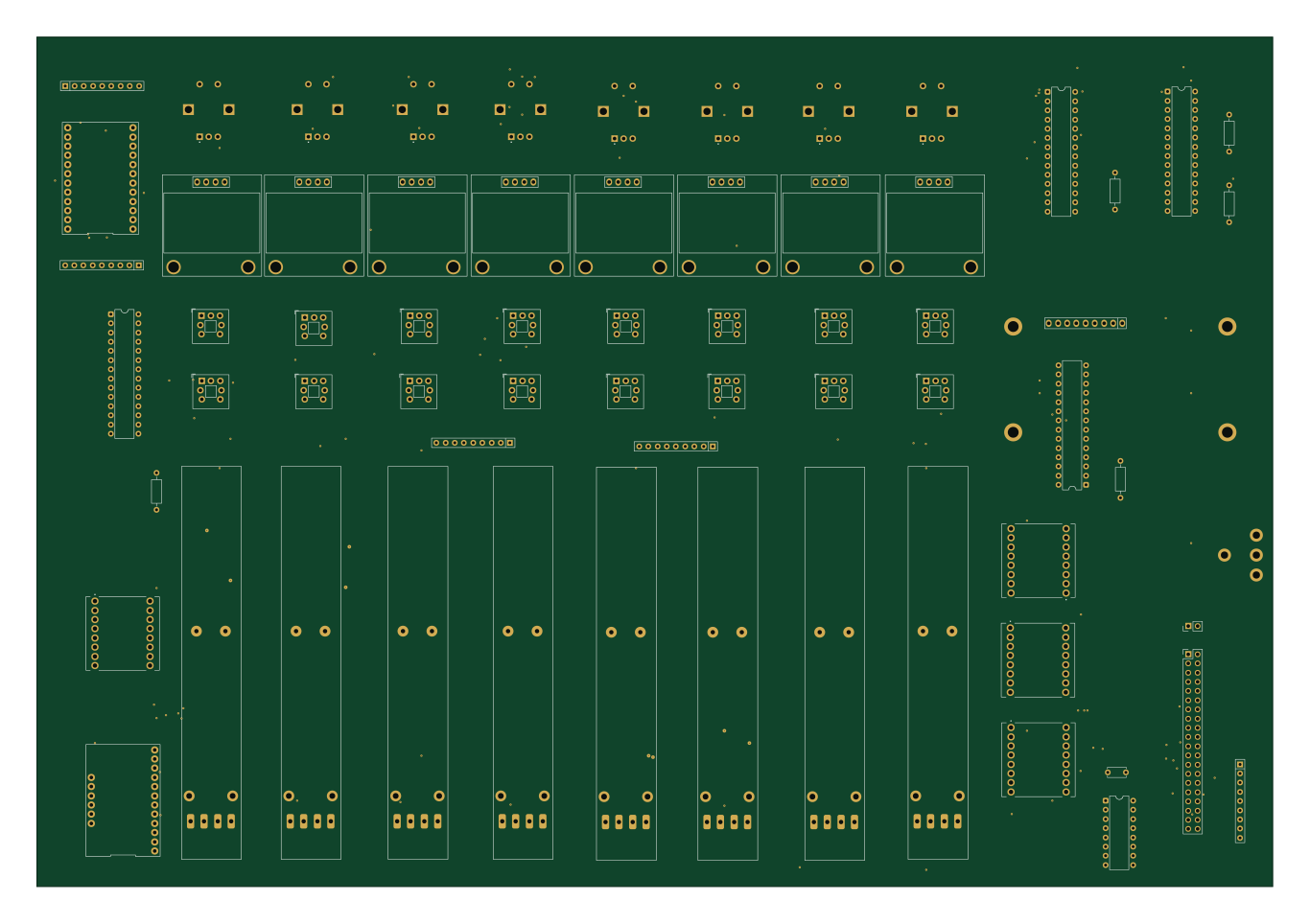
Fpga audio mixer
brockbyte
341 × 234.5 mm66 parts2LCERN-OHL-P-2.019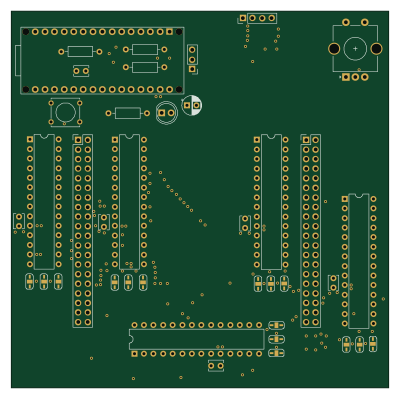 AVR/Arduino
Misc file bin
GadgetReboot
100 × 99.7 mm38 parts2LNo license15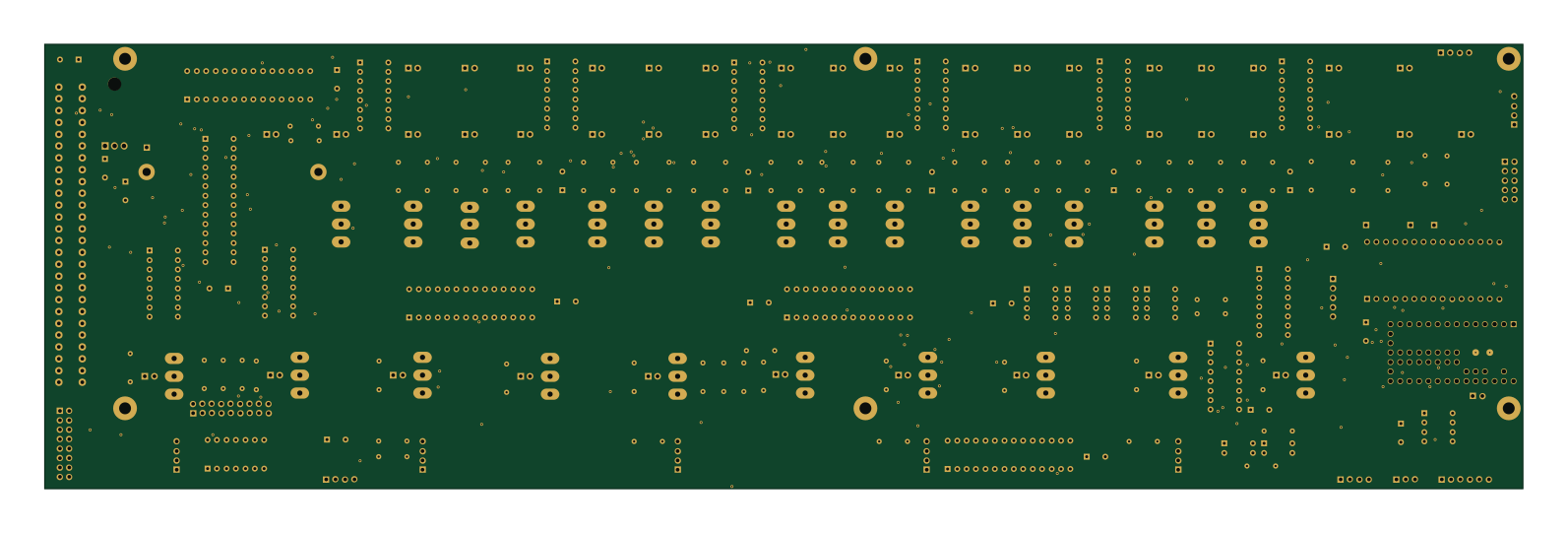 AVR/Arduino
Nova 1200 front panel
ForgottenMachines
397.5 × 119.4 mm203 parts2LNo license5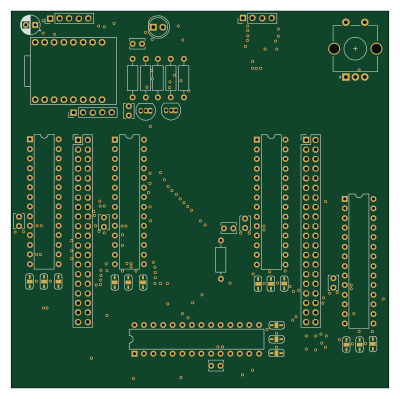 ESP32
Super Mini Mega Tester
100 × 99.7 mm44 parts2LGPL-3.04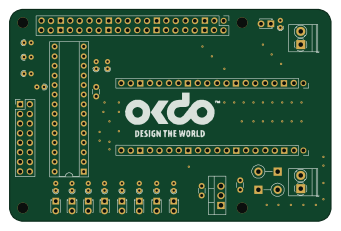
Pico base
milnepe
85 × 56 mm37 parts2LGPL-3.04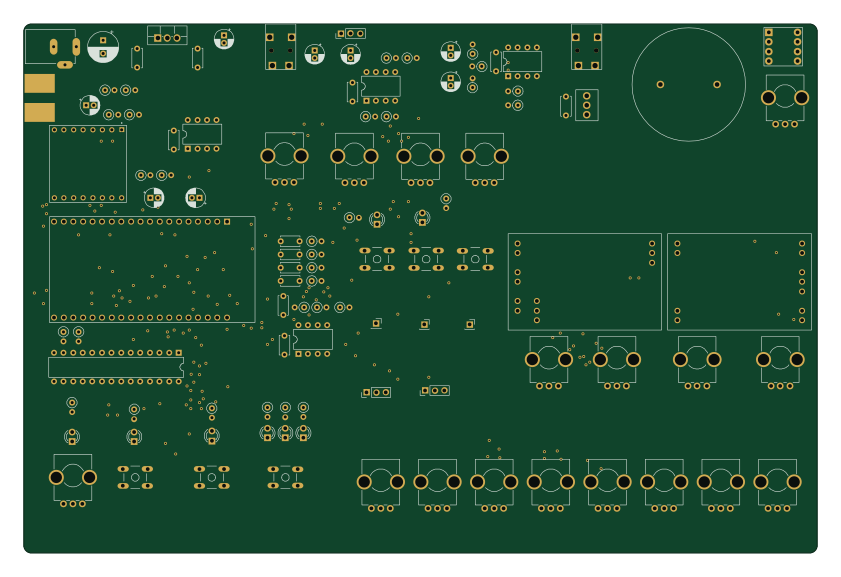 ESP32
Gifu Creation Koubou Teaching Material
kinoshita-lab
210 × 140 mm109 parts2LMIT3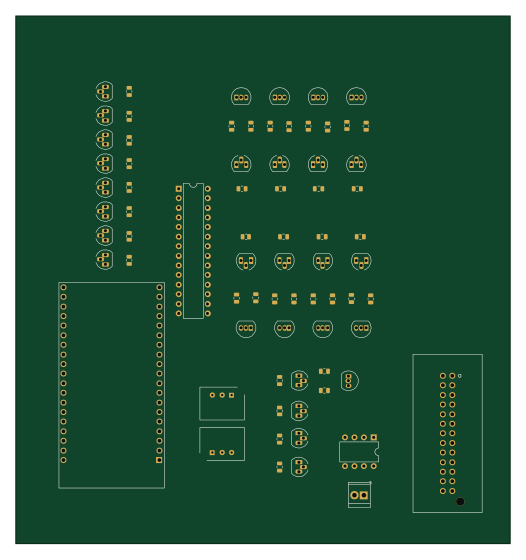 ESP32
E28-cluster
dowster
130.8 × 139.7 mm74 parts2LNo license3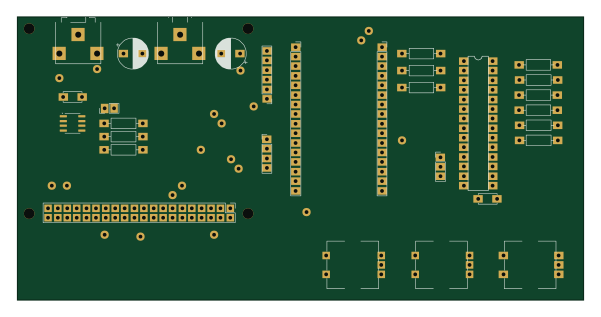
RTEP Pedal
Can-Bot
150 × 75 mm30 parts2LMIT3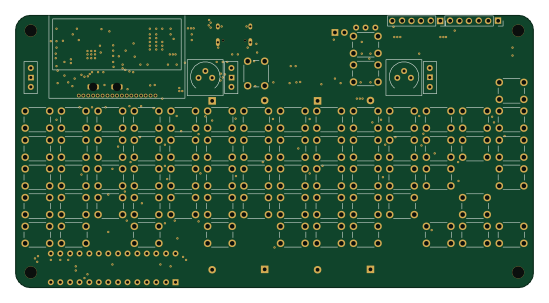 RP2040/RP2350
NERD-HPC
TTtensan
137 × 72 mm153 parts4LGPL-3.02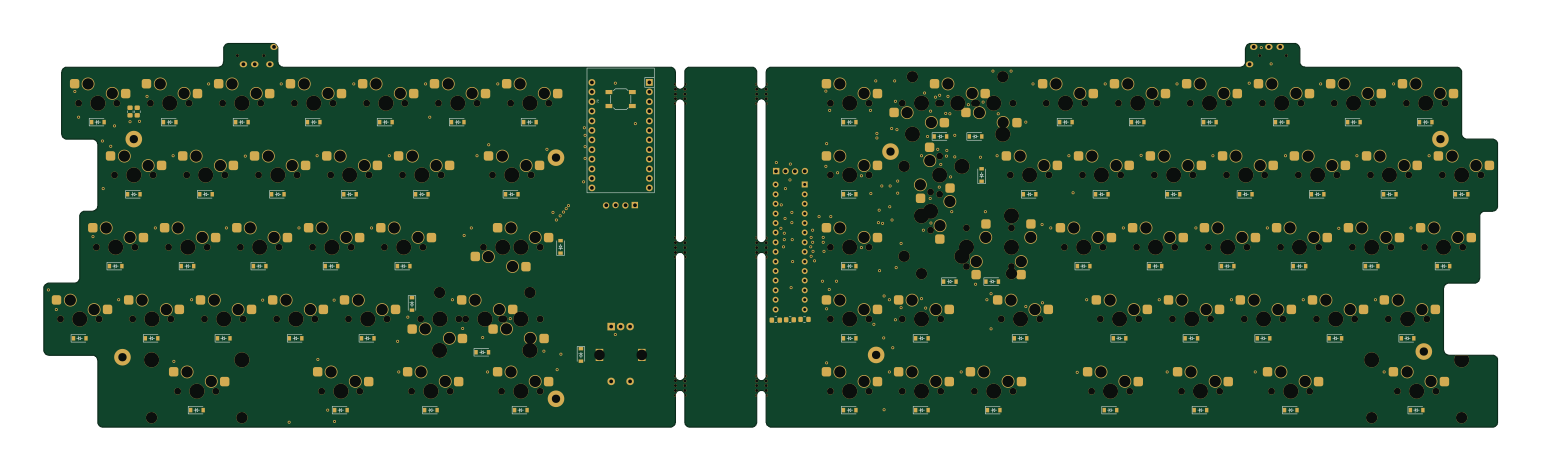 AVR/Arduino
Kintsugi v2
apaydev
384.7 × 101.5 mm176 parts2LMIT1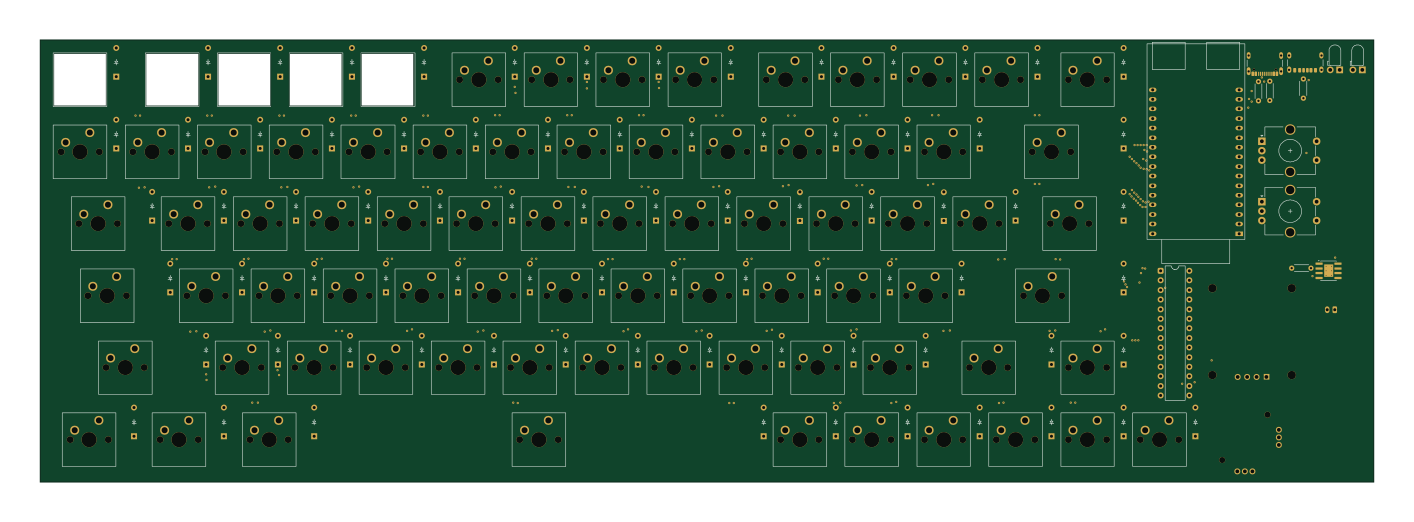 ESP32
Nexus.terminal
Ekam-wadhwa1
353 × 117 mm170 parts4LGPL-3.01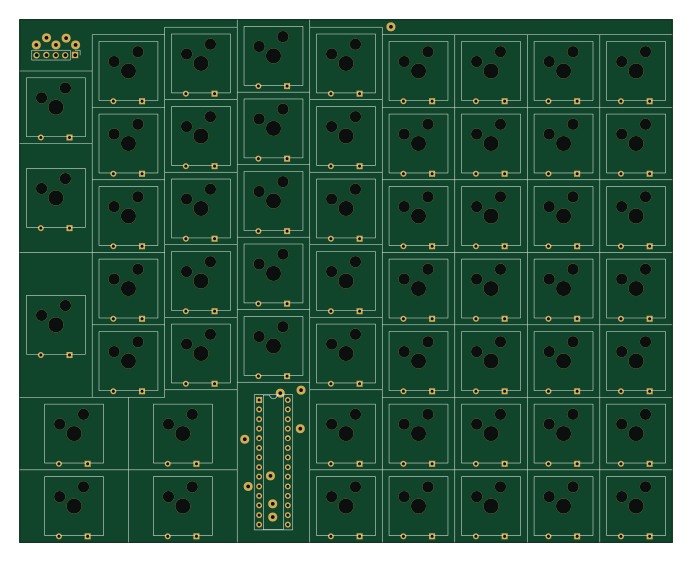
Right side
fornellas
172.8 × 138.4 mm116 parts2LNo license1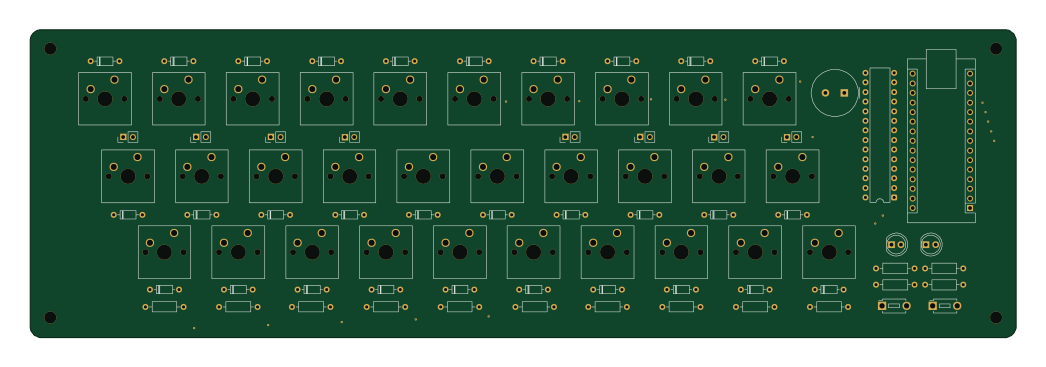 AVR/Arduino
TYPING TRAINER v5
cuprice
261.1 × 81.5 mm89 parts2LMIT1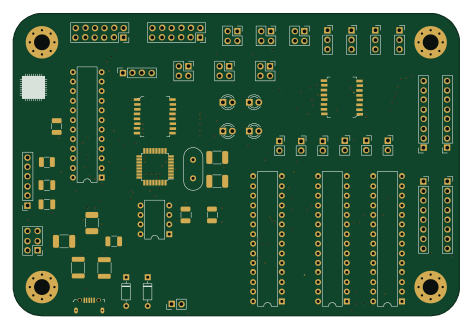 AVR/Arduino
Switch Panel
Plasmarobo
118.1 × 80 mm55 parts2LCC-BY-NC-4.01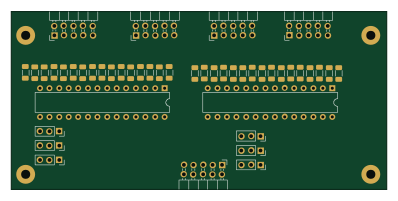
32 GPIO Board
BrentSeidel
99.4 × 47.1 mm45 parts2LGPL-3.01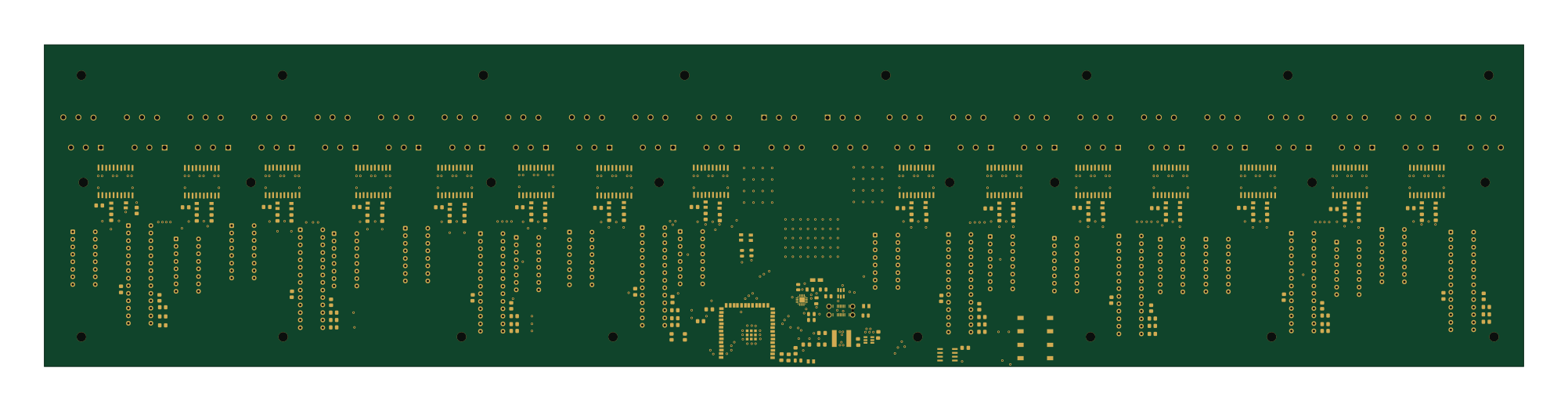 ESP32
Ekspander 100x i2c
kanaboid
500 × 108.8 mm264 parts4LNo license0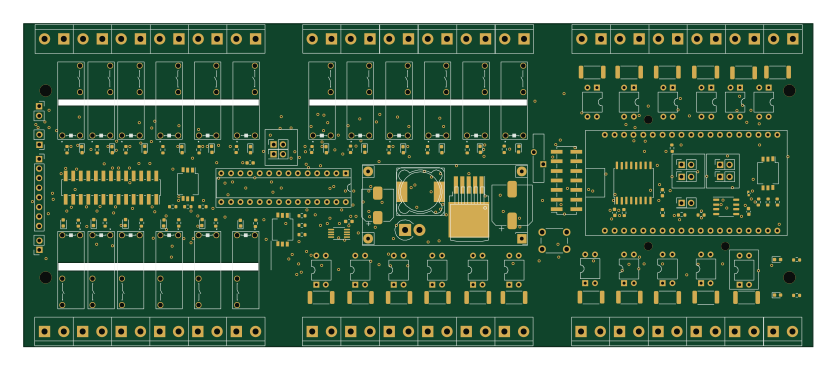 ESP32
Supla ESP32 LAN
jaku2019
209 × 85.5 mm211 parts2LNo license0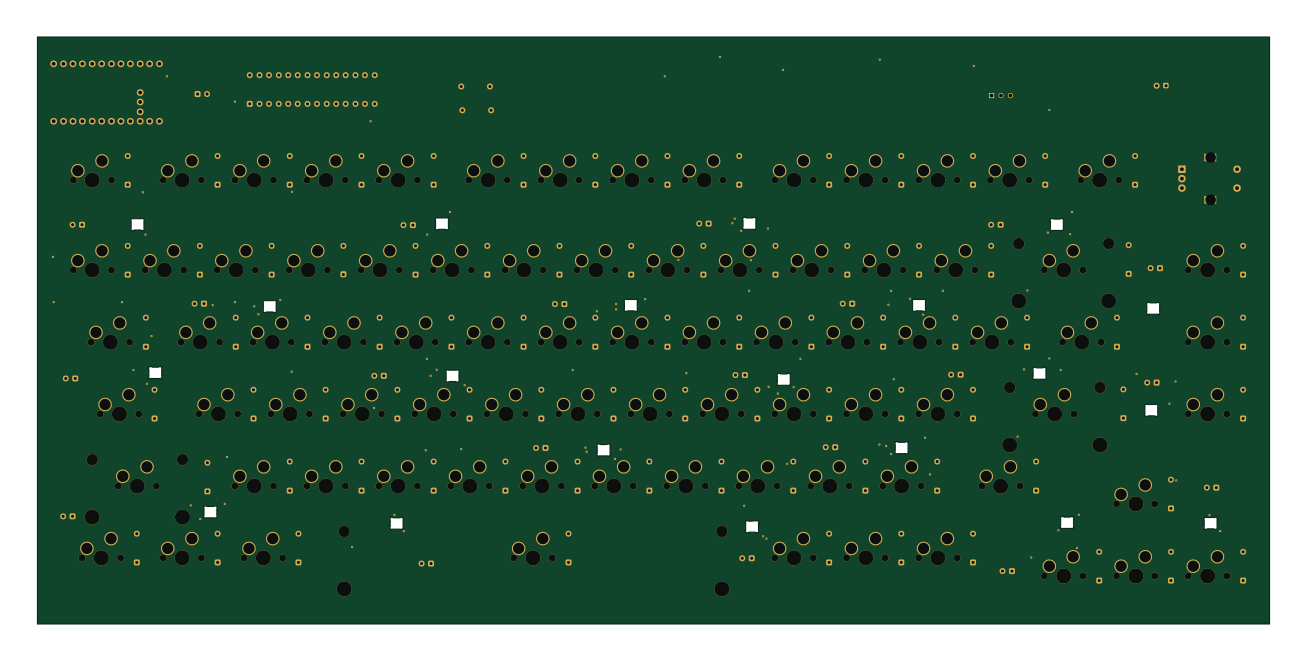
Clackintosh
parimoksha
326.2 × 155.4 mm210 parts2LNo license0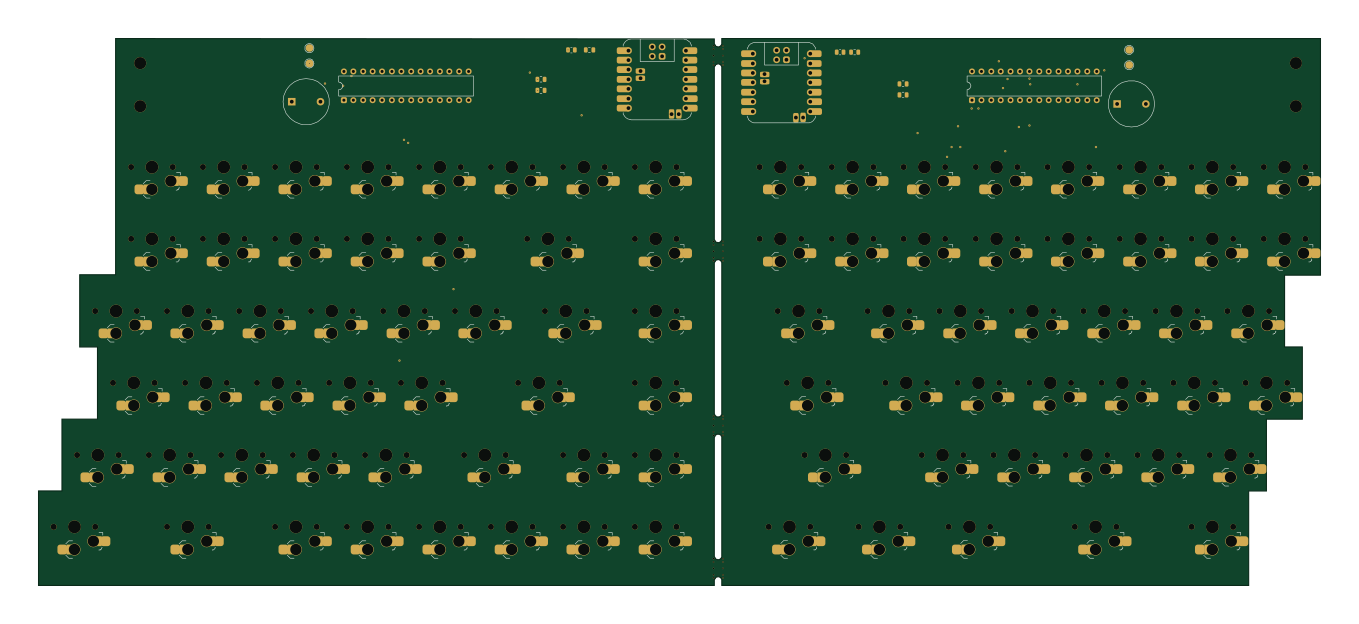
Sumqz s-Split-Keyboard
Sumqz
339.2 × 144.7 mm188 parts2LNo license0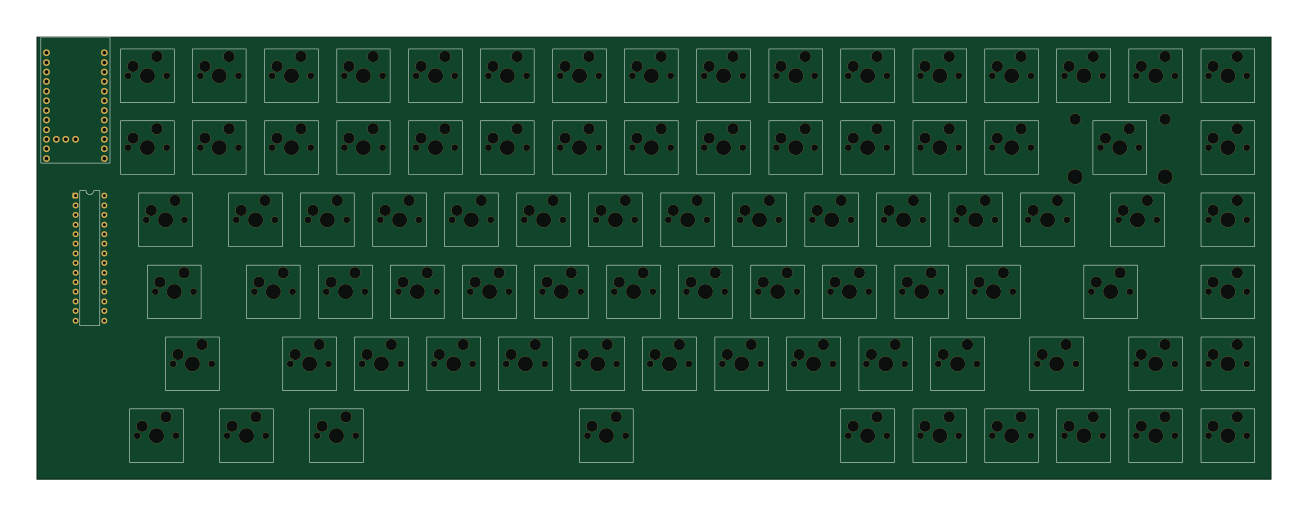
Wind75
Las-Vejas
326.4 × 116.8 mm170 parts2LNo license0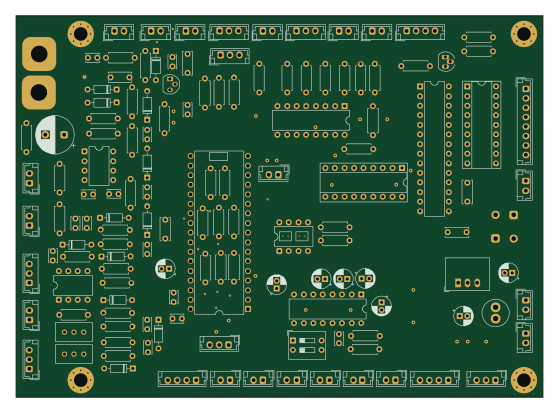 AVR/Arduino
All band amp-April-2026
satspares
139.5 × 101 mm142 parts4LMIT0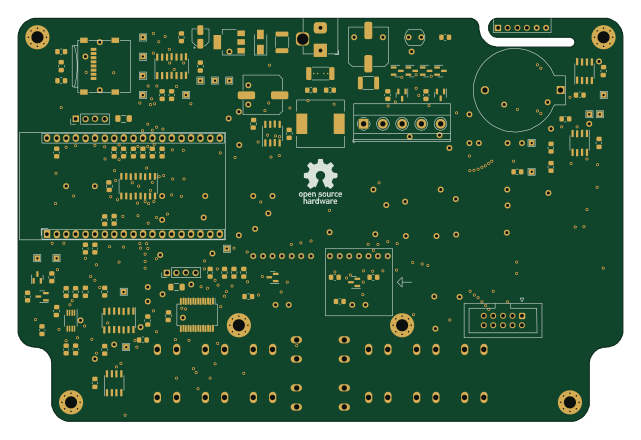 ESP32
Sunrise clock main board
atoomnetmarc
160 × 106.7 mm124 parts2LApache-2.00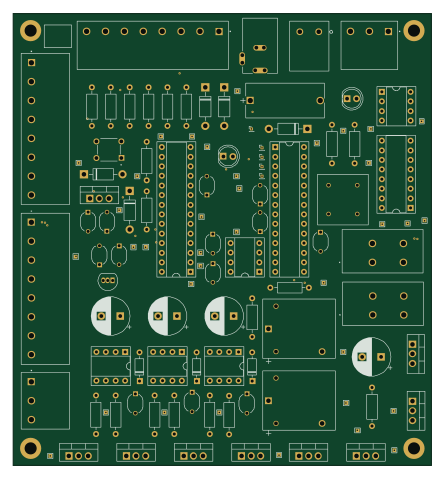 AVR/Arduino
The-SuperCap-Bike-Project
Fischer-Andrew
110.5 × 119.5 mm119 parts2LCC0-1.00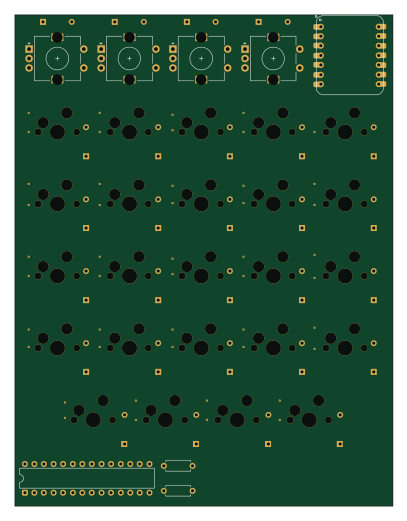 RP2040/RP2350
HexadecipadV2
pakkid
100 × 130 mm60 parts2LMIT0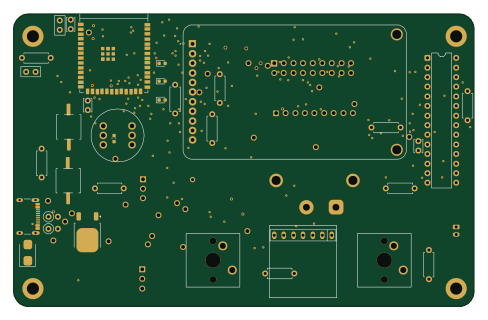 ESP32
Life in pocket
PuurfectDev-MD
121.7 × 77.3 mm58 parts2LNo license0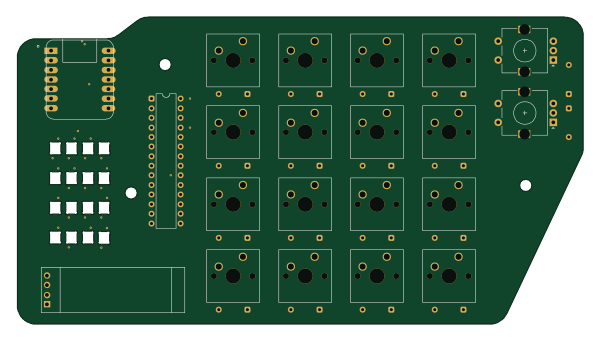
Hackclub keypad
pui4
149.9 × 81.3 mm55 parts2LNo license0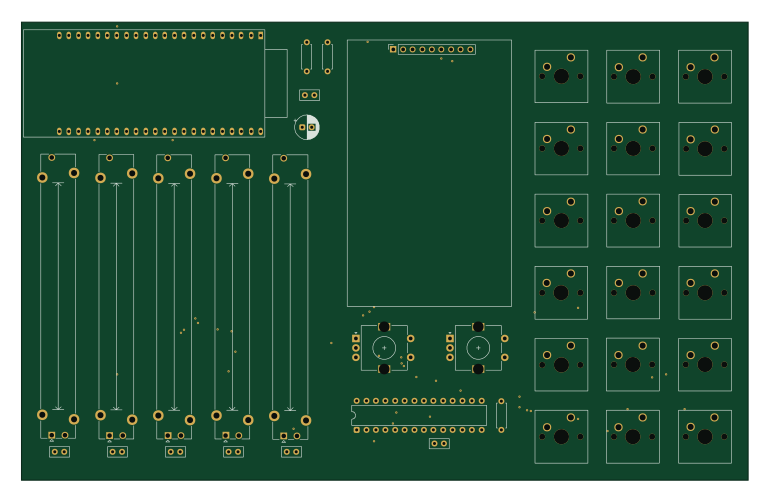 ESP32
Custom-Mixer-ESP32
3aks
192.3 × 121.2 mm39 parts2LMIT0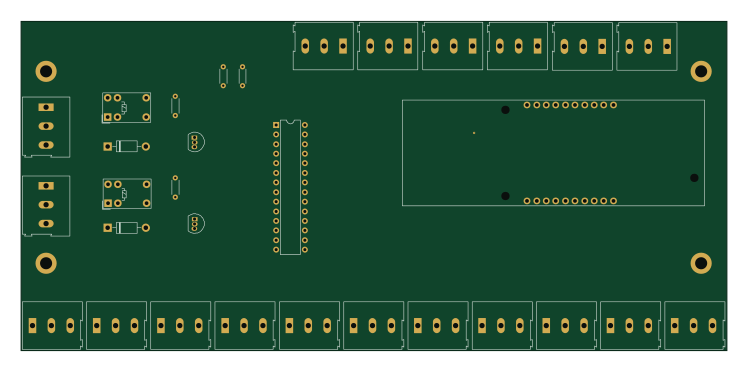 ESP32
ESP32PoEAlarm
AlexTischer
186.8 × 87.1 mm31 parts2LNo license0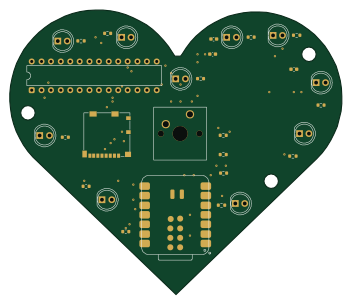 ESP32
Sme
robertshepherdcpp
87.9 × 75.3 mm31 parts2LNo license0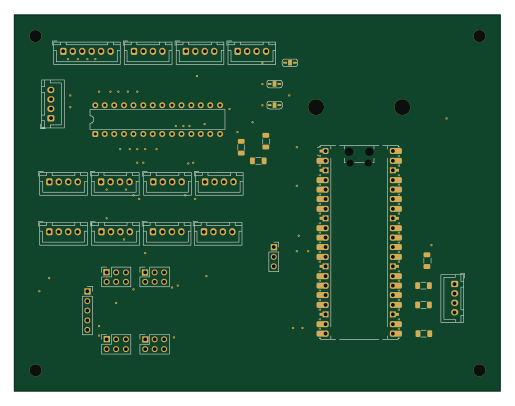 RP2040/RP2350
Blast
tbreckle
128.5 × 99.6 mm29 parts2LMIT0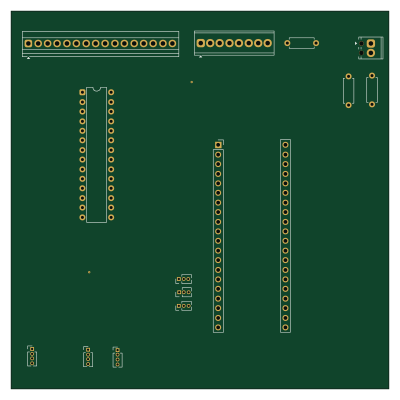 RP2040/RP2350
SomaCombo
graysonarts
99.8 × 99.8 mm27 parts4LNo license0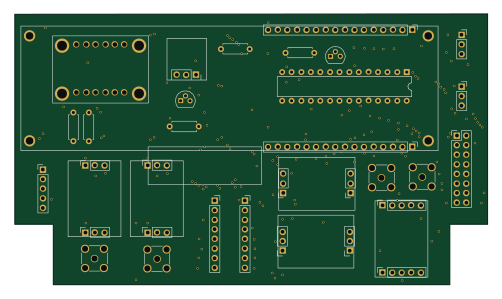
Pcb files
CrystalCoasts
125.2 × 71.7 mm25 parts4LNo license0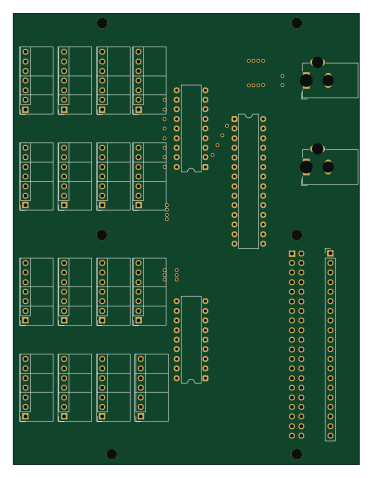
TowerForagingPark Hardware
robbe-neuroteam
91.4 × 119.4 mm23 parts2LCERN-OHL-S-2.00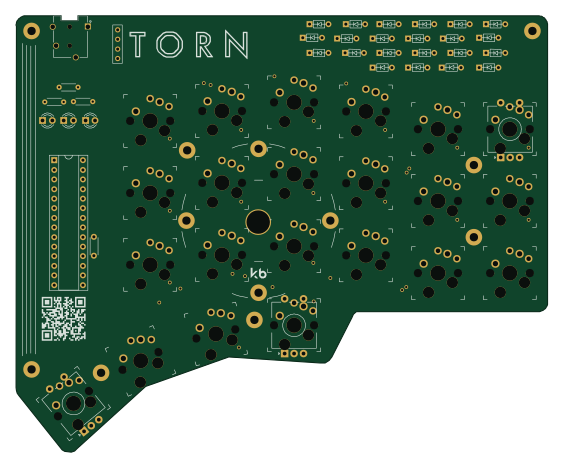
Torn Keyboard - Right
rtitmuss
140.7 × 115.5 mm56 parts2LCC-BY-NC-4.0691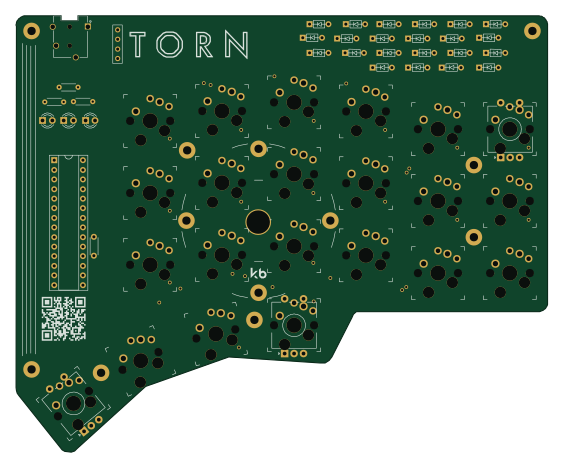
Torn Keyboard - Right
EanNewton
140.7 × 115.5 mm56 parts2LMIT178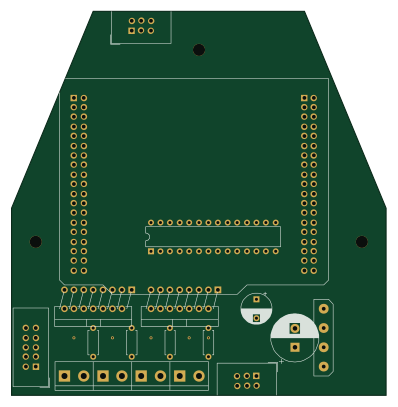 STM32
Driving module
schuhumi
99.1 × 101.6 mm69 partsGPL-3.038
How designs wire the MCP23017_SP
Read from the KiCad layouts of 40 open source designs, one per repository: what each pin of the MCP23017_SP connects to, and the resistors, capacitors and other passives placed on it.
- The INTB pin is left unconnected on 32 of 40 designs (a signal on 8).
- The INTA pin is left unconnected on 30 of 40 designs (a signal on 10).
- The A2 pin is tied to GND on 26 of 40 designs (5V on 2, a signal on 11).
- The SDA pin has a pull-up to 3.3V on 21 of 40 designs, most often 4.7 kΩ (then 10 kΩ).
| Pin | Connected to | Parts on the pin |
|---|---|---|
| VDDpin 9 | Connected to: 3.3V 95% | — |
| VSSpin 10 | Connected to: GND 90% | — |
| NCpin 11, 14 | Connected to: Not connected 100% | — |
| SCKpin 12 | Connected to: A connector 58%, the microcontroller 48% |
|
| SDApin 13 | Connected to: A connector 58%, the microcontroller 50% |
|
| A0pin 15 | Connected to: GND 60% · a signal 28% | — |
| A1pin 16 | Connected to: GND 60% · a signal 28% | — |
| A2pin 17 | Connected to: GND 65% · a signal 28% | — |
| INTBpin 19 | Connected to: Not connected 80% · a signal 20% | — |
| INTApin 20 | Connected to: Not connected 75% · a signal 25% | — |
17 more pins vary from design to design. Connections count pins, parts count designs; values in brackets are how many parts had that value. Designs read include Torn Keyboard - Right by rtitmuss, Torn Keyboard - Right by EanNewton, Driving module by schuhumi and Fpga audio mixer by brockbyte.
The MCP23017_SP in open source designs
The gallery holds 45 open source boards using the MCP23017_SP from 40 GitHub repositories; a typical one measures about 137 × 99.8 mm and carries around 56 components.
84% are two-layer designs, the rest use four layers or more, and 49% carry an open source license.
The most starred is Torn Keyboard - Right by rtitmuss.
Parts used alongside the MCP23017_SP
Microcontrollers on boards using the MCP23017_SP
What boards using the MCP23017_SP are built for
MCP23017_SP: common questions
Where can I find a MCP23017_SP reference design?
Each of the 45 boards on this page is a real design using the MCP23017_SP. Open one to see how it is wired up, with the full BOM, a render of the layout and links to its KiCad files.
How is the MCP23017_SP INTB pin connected?
The INTB pin is left unconnected on 32 of 40 designs (a signal on 8). Counted from the KiCad layouts of 40 open source designs using the MCP23017_SP.
How is the MCP23017_SP INTA pin connected?
The INTA pin is left unconnected on 30 of 40 designs (a signal on 10). Counted from the KiCad layouts of 40 open source designs using the MCP23017_SP.
How is the MCP23017_SP A2 pin connected?
The A2 pin is tied to GND on 26 of 40 designs (5V on 2, a signal on 11). Counted from the KiCad layouts of 40 open source designs using the MCP23017_SP.
What parts are used alongside the MCP23017_SP?
The L7805, ESP32-DEVKITC-32D, LTV-847, Nice_Nano_V2 and ULN2803A appear in the most repositories here.
Which microcontrollers do boards using the MCP23017_SP use?
Most are built on ESP32 (14), AVR/Arduino (9), RP2040/RP2350 (4) and STM32 (1).
How big is a typical board using the MCP23017_SP?
The median is 137 × 99.8 mm, and 84% are two-layer designs.
What is the most popular open source board using the MCP23017_SP?
By GitHub stars, Torn Keyboard - Right by rtitmuss, with 691 stars.
Can I simulate one of these boards using the MCP23017_SP before building it?
Yes. HardLabs turns a board's netlist and BOM into a working simulation, so you can boot and test firmware against it with no hardware on your desk.