
42 open source boards using the PCF8563T
Real designs built with the PCF8563T, from public GitHub projects: a quick way to see how others power, decouple and connect it. Each board comes with its KiCad files, full parts list and a render — and you can simulate its firmware on HardLabs.
 ESP32
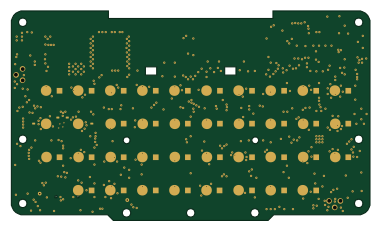
EinkPDA keyboard
TalismanDesign
95 × 55.5 mm128 parts4LApache-2.02.0k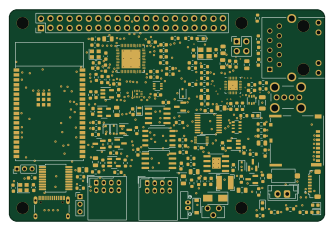 ESP32
EsPiFF
MDCservice
83.5 × 56 mm168 parts6LGPL-3.0224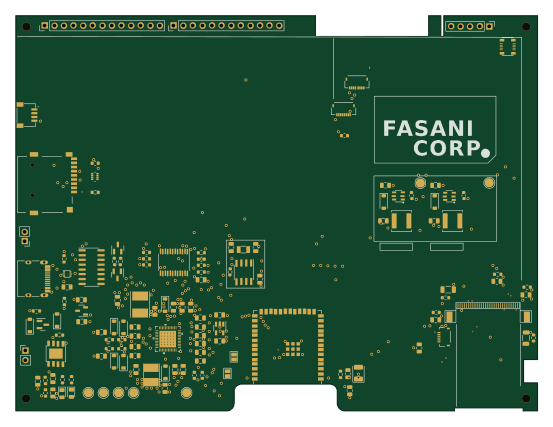 ESP32
Kaleido 6" controller based on epdiy v7
vroland
138.1 × 104.6 mm121 parts4LCC-BY-SA-4.074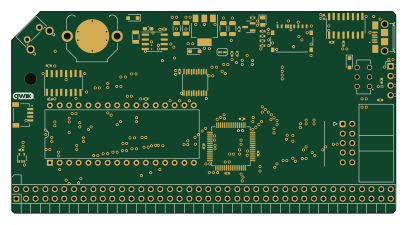
Z80ctrlng
jblang
101.6 × 53.3 mm63 parts4LMIT73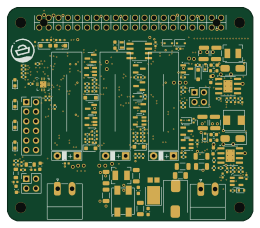 AVR/Arduino
SH-RPi hardware
hatlabs
65 × 56.5 mm153 parts4LCC-BY-4.056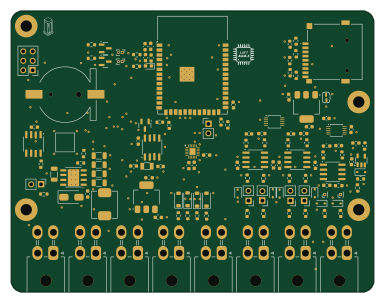 ESP32
Monolith
luftaquila
96 × 74.4 mm112 parts2LCustom license43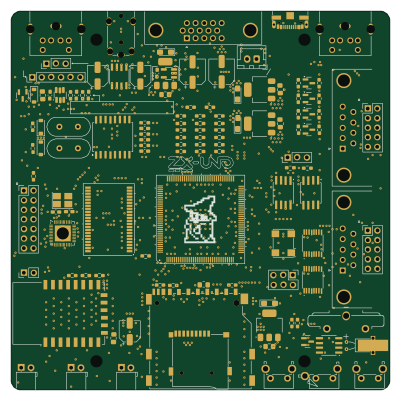 ESP8266
ZXUNO.1010
UzixLS
100 × 100 mm215 parts2LMIT23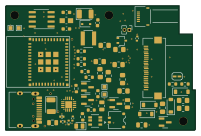 ESP32
154-watch
martinberlin
50.3 × 33 mm60 parts4LCERN-OHL-W-2.023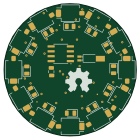 AVR/Arduino
LumiTimeV2
techn0man1ac
35 × 35 mm53 parts2LMIT4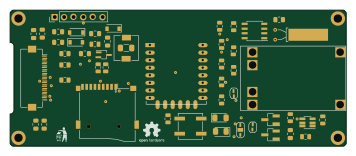 ESP8266
Shihen
likeablob
89 × 36 mm50 parts2LMIT3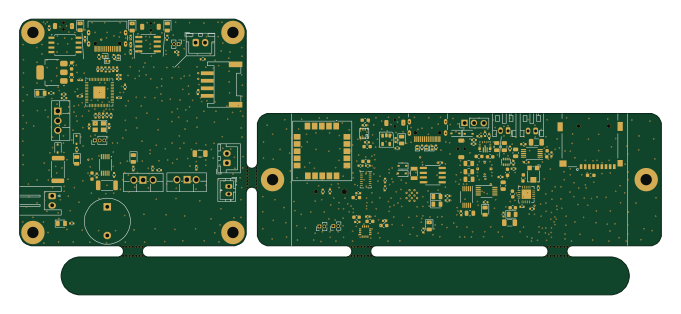 RP2040/RP2350
IGNRocketOrderFile
wasa-rockoon
170 × 73 mm182 parts2LMIT1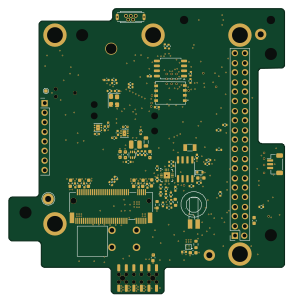 RP2040/RP2350
Tc2-main
TheCacophonyProject
73 × 75.5 mm161 parts6LCERN-OHL-W-2.00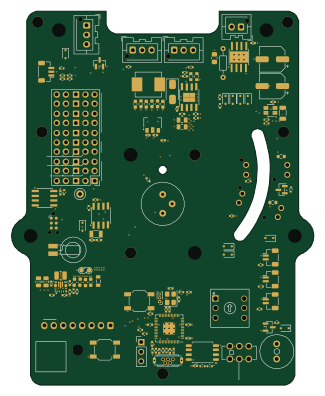 RP2040/RP2350
Spool
80 × 99 mm133 parts4LCERN-OHL-W-2.00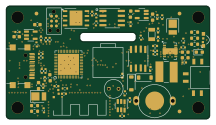 ESP32
Trap mini v2
smaohua
54 × 30 mm100 parts4LNo license0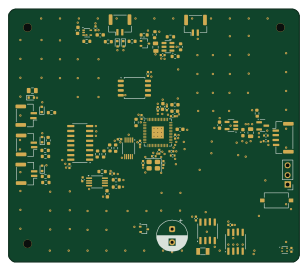 RP2040/RP2350
Leakwatch
lewipewi
77 × 67 mm90 parts4LNo license0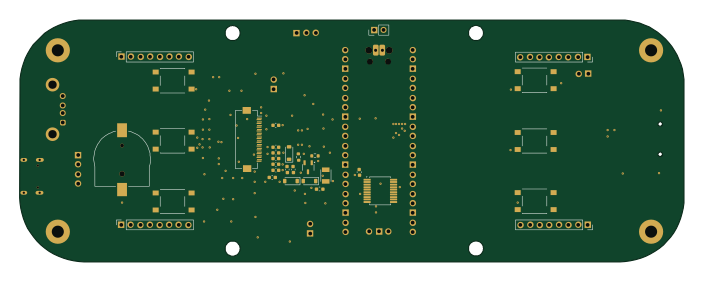 RP2040/RP2350
Picoclock
locked
175.8 × 64 mm86 parts2LNo license0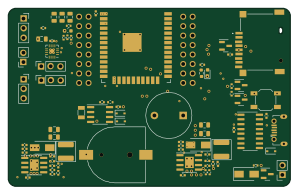 ESP32
Bluetooth beacon pcbs
74.5 × 47 mm80 parts2LGPL-3.00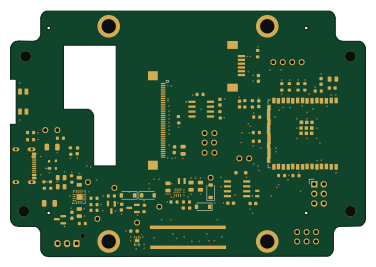 ESP32
Link Base Board
semtronik
94 × 65 mm78 parts4LCERN-OHL-S-2.00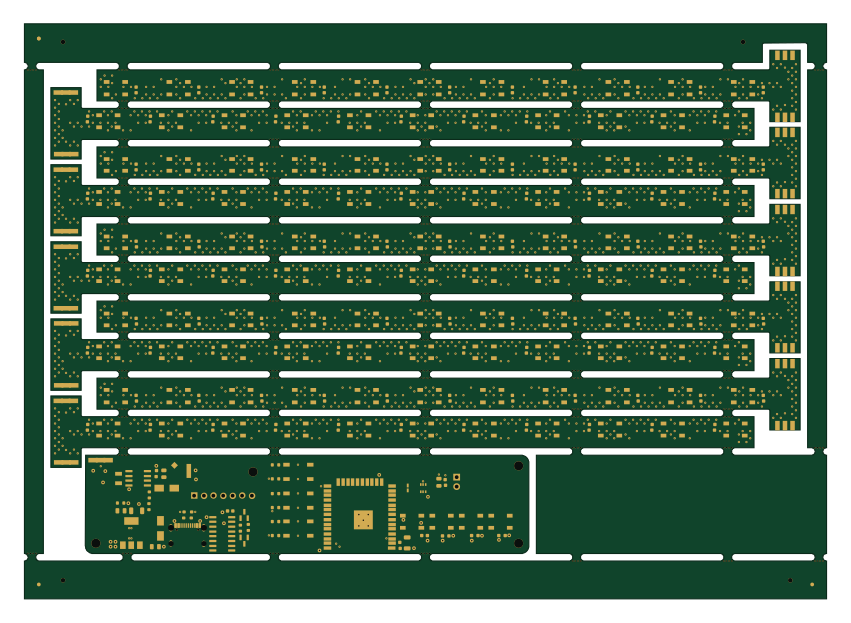 ESP32
Wordclock
matty337s
212.4 × 152.2 mm73 parts4LGPL-3.00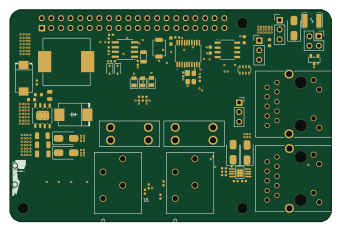 Raspberry Pi
Fsae pihat
picafe
85 × 56 mm65 parts4LNo license0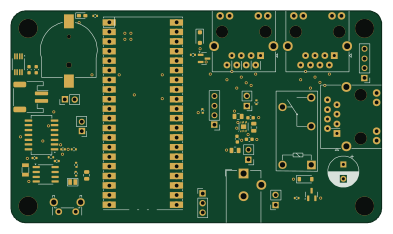 RP2040/RP2350
Picowater
98 × 56 mm50 parts2LNo license0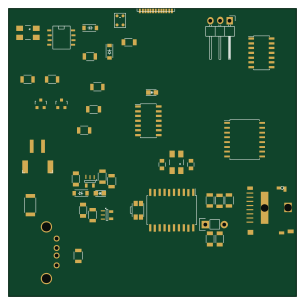 ESP8266
Jotter RevC
SpatialExperienceGroup
76.2 × 76.2 mm46 parts2LMIT0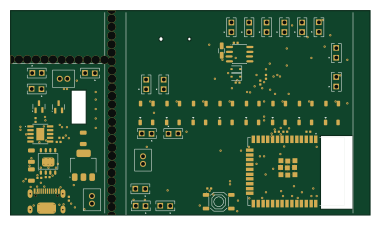 ESP32
Node-Smart-Clock
martinsram3k
95 × 54 mm41 parts2LNo license0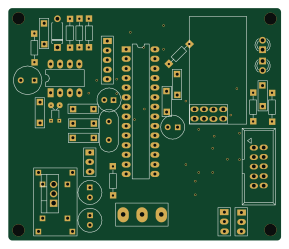 AVR/Arduino
2024.03.15 AVR SCORE BOARD RCV v2
jarwyg
72.2 × 61.5 mm39 parts2LMIT0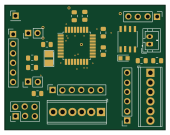 AVR/Arduino
GMote Small
hackdaworld
42.6 × 33 mm28 parts2LGPL-3.00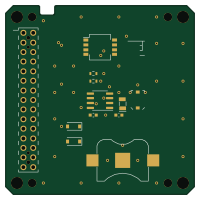
PCB-MBUS-RTC
botanicfields
50 × 50 mm12 parts2LCC0-1.00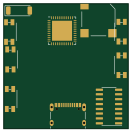 RP2040/RP2350
Xterminal
lithiumice
33 × 33 mm67 parts2LNo license92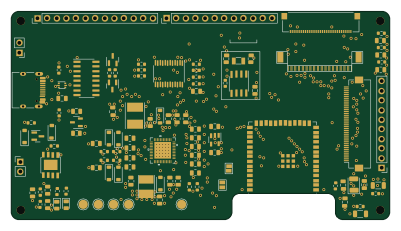 ESP32
Epdiy v7
100 × 55 mm108 parts4LCC-BY-SA-4.074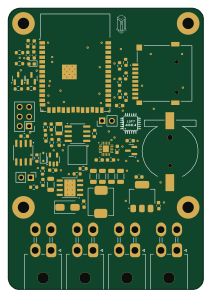 ESP32
Monolith mini
51.6 × 74.4 mm58 parts2LCustom license43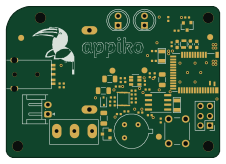 Nordic nRF
SensePi rev5 main
Appiko
56.5 × 40 mm53 parts2LCERN-OHL-1.22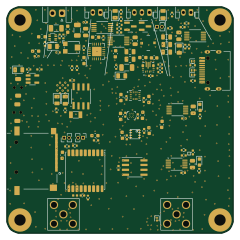 ESP32
MissionBus
60 × 60 mm136 parts2LMIT1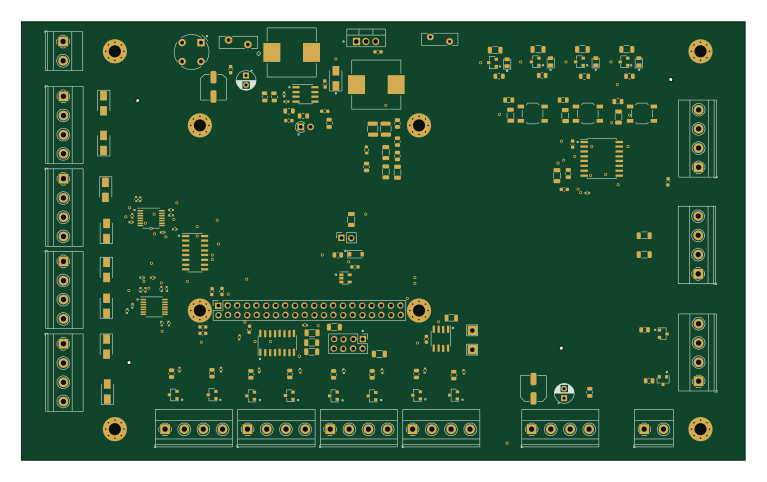 Raspberry Pi
PiDaughterBoard
mekatrol
191.5 × 116 mm165 parts2LNo license0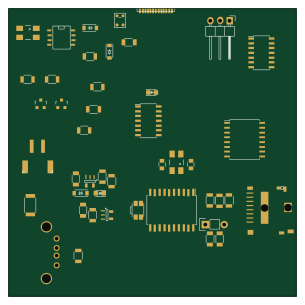 ESP8266
Jotter RevD
76.2 × 76.2 mm46 parts2LMIT0 AVR/Arduino
GMote Mini
33.8 × 24.6 mm21 parts2LGPL-3.00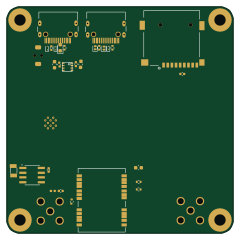 ESP32
TrackerOld
60 × 60 mm122 parts2LMIT1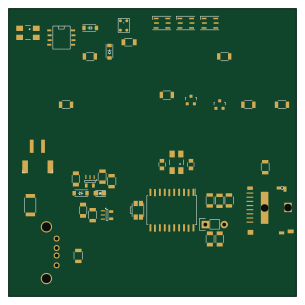 Microchip SAM
Jotter RevB
76.2 × 76.2 mm42 parts2LMIT0
How designs wire the PCF8563T
Read from the KiCad layouts of 29 open source designs, one per repository: what each pin of the PCF8563T connects to, and the resistors, capacitors and other passives placed on it.
- The OSCI pin has a crystal on 28 of 29 designs, most often 32.768 kHz (then 32 kHz).
- The OSCO pin has a crystal on 28 of 29 designs, most often 32.768 kHz (then 32 kHz).
- The VDD pin has a capacitor to GND on 26 of 29 designs, most often 100 nF (then 1 µF).
- The SDA pin has a pull-up to 3.3V on 21 of 29 designs, most often 10 kΩ (then 4.7 kΩ).
| Pin | Connected to | Parts on the pin |
|---|---|---|
| OSCIpin 1 | Connected to: Signal 100% |
|
| OSCOpin 2 | Connected to: Signal 100% |
|
| INTpin 3 | Connected to: The microcontroller 41% · not connected 28% |
|
| VSSpin 4 | Connected to: GND 97% | — |
| SDApin 5 | Connected to: The microcontroller 72%, a connector 34% |
|
| SCLpin 6 | Connected to: The microcontroller 72%, a connector 34% |
|
| CLKOpin 7 | Connected to: Not connected 66% · a signal 34% | — |
| VDDpin 8 | Connected to: Signal 72% · 3.3V 28% |
|
Connections count pins, parts count designs; values in brackets are how many parts had that value. Designs read include EinkPDA keyboard by TalismanDesign, EsPiFF by MDCservice, Xterminal by lithiumice and Epdiy v7 by vroland.
The PCF8563T in open source designs
The gallery holds 42 open source boards using the PCF8563T from 30 GitHub repositories; a typical one measures about 76.2 × 60 mm and carries around 83 components.
67% are two-layer designs, the rest use four layers or more, and 74% carry an open source license.
The most starred is EinkPDA keyboard by TalismanDesign.
Parts used alongside the PCF8563T
Microcontrollers on boards using the PCF8563T
What boards using the PCF8563T are built for
PCF8563T: common questions
Where can I find a PCF8563T reference design?
Each of the 42 boards on this page is a real design using the PCF8563T. Open one to see how it is wired up, with the full BOM, a render of the layout and links to its KiCad files.
How is the PCF8563T OSCI pin connected?
The OSCI pin has a crystal on 28 of 29 designs, most often 32.768 kHz (then 32 kHz). Counted from the KiCad layouts of 29 open source designs using the PCF8563T.
How is the PCF8563T OSCO pin connected?
The OSCO pin has a crystal on 28 of 29 designs, most often 32.768 kHz (then 32 kHz). Counted from the KiCad layouts of 29 open source designs using the PCF8563T.
How is the PCF8563T VDD pin connected?
The VDD pin has a capacitor to GND on 26 of 29 designs, most often 100 nF (then 1 µF). Counted from the KiCad layouts of 29 open source designs using the PCF8563T.
What parts are used alongside the PCF8563T?
The AMS1117-3.3, CH340C, RP2040, W25Q128JVS and ESP32-S3-WROOM-1 appear in the most repositories here.
Which microcontrollers do boards using the PCF8563T use?
Most are built on ESP32 (18), RP2040/RP2350 (7), AVR/Arduino (5) and ESP8266 (4).
How big is a typical board using the PCF8563T?
The median is 76.2 × 60 mm, and 67% are two-layer designs.
What is the most popular open source board using the PCF8563T?
By GitHub stars, EinkPDA keyboard by TalismanDesign, with 2,025 stars.
Can I simulate one of these boards using the PCF8563T before building it?
Yes. HardLabs turns a board's netlist and BOM into a working simulation, so you can boot and test firmware against it with no hardware on your desk.