
57 open source boards using the STM32F103CBTx
Real designs built with the STM32F103CBTx, from public GitHub projects: a quick way to see how others power, decouple and connect it. Each board comes with its KiCad files, full parts list and a render — and you can simulate its firmware on HardLabs.
 STM32
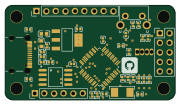
Dap stm32f103
balanceTWK
45 × 25 mm39 parts2LApache-2.096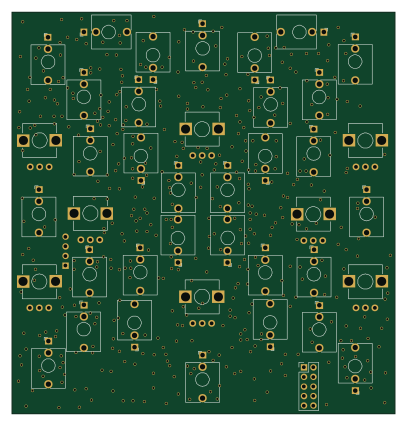 STM32
Allcolours
microresearch
101.3 × 106.2 mm246 partsNo license15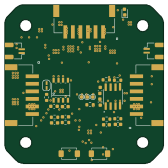 STM32
Motor42
zhbi98
42 × 42 mm82 parts4LMIT8 STM32
Inav osd
iNavFlight
16.9 × 21.7 mm40 parts2LMPL-2.06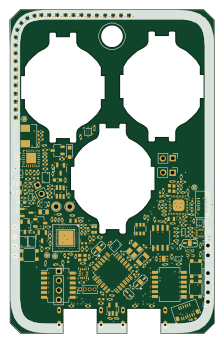 Nordic nRF
Revolutetestboard
tongtongwang86
54 × 85.7 mm254 parts4LCC-BY-NC-4.05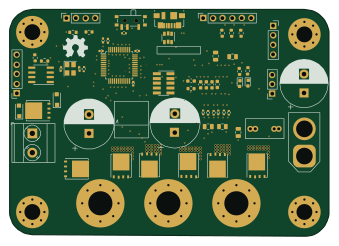 STM32
Spel bldc esc
koson
84.5 × 60 mm91 parts4LNo license4 STM32
6U5 MCU Board
donpivo
20 × 52 mm27 parts2LNo license3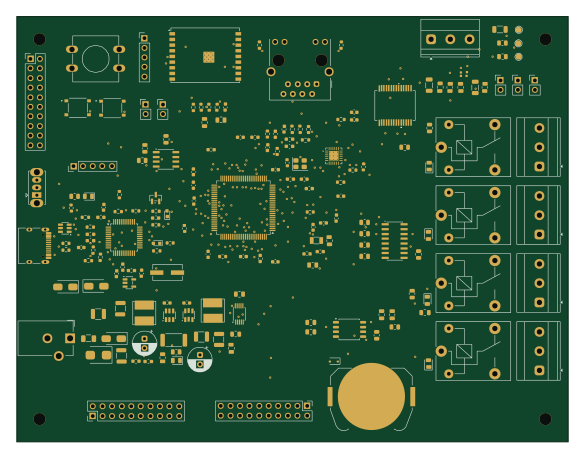 ESP32
IoT Gateway STM32F407VGTx
minhtenlado
146.1 × 112.6 mm184 parts6LNo license2 STM32
Motor35
35 × 35 mm71 parts4LMIT2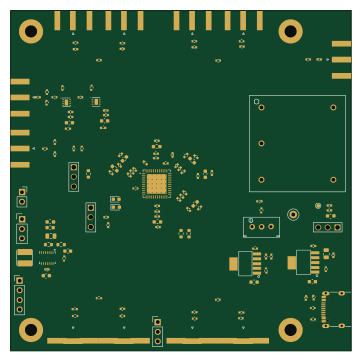 STM32
CLOCK
Han-ZenX
90 × 90 mm157 parts4LCustom license1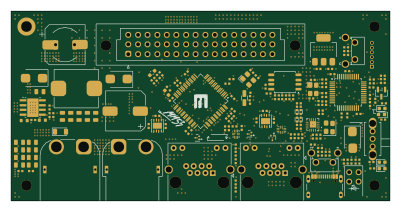 STM32
MMS3
ArthorH
100 × 50 mm156 parts4LNo license1 STM32
Front panel
WiseLord
248.5 × 36 mm80 parts2LNo license1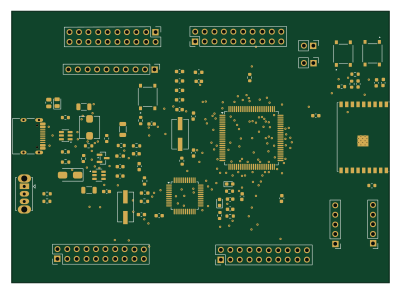 ESP32
STM32F407VGTx-Connect
100 × 71.9 mm80 parts4LNo license1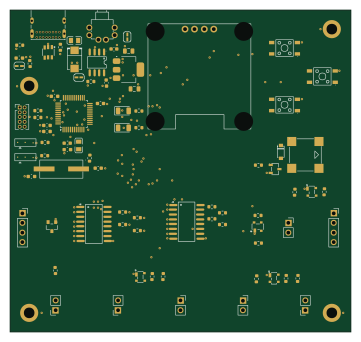 STM32
MultiBench
M-Mrk
90 × 85 mm78 parts2LNo license1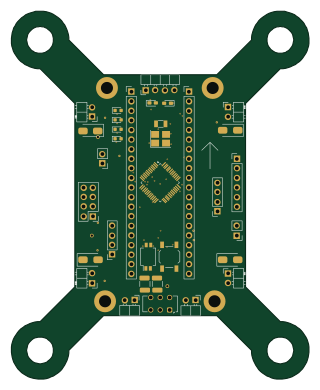 STM32
Minidrone
g951753321
78.9 × 97.5 mm70 parts2LApache-2.01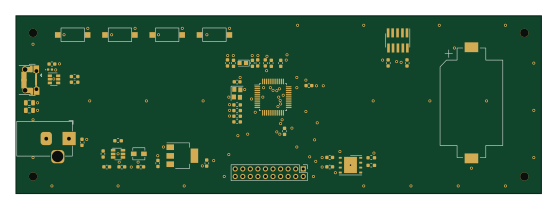 STM32
EL-Calendar
zephray
139 × 47 mm51 parts2LNo license1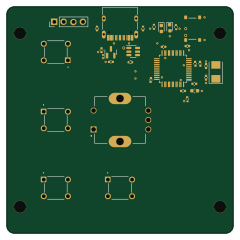 STM32
Embedded playground
charypar
60 × 60 mm32 parts2LNo license1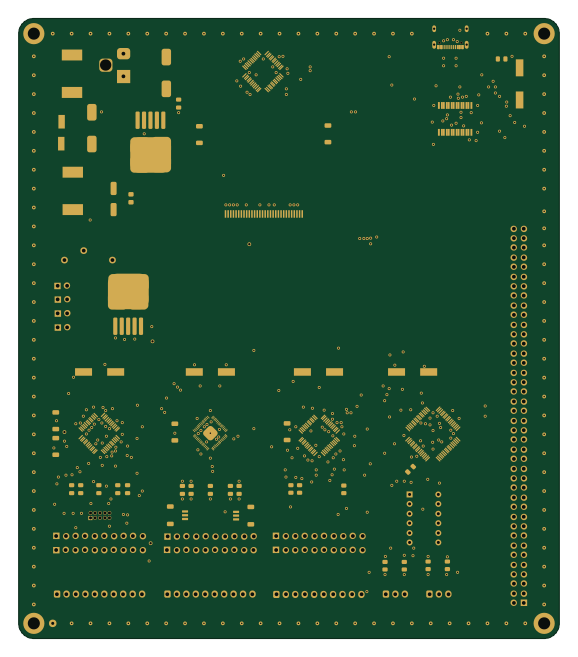 RP2040/RP2350
UniDebug
shreyask21
143 × 164 mm273 parts2LNo license0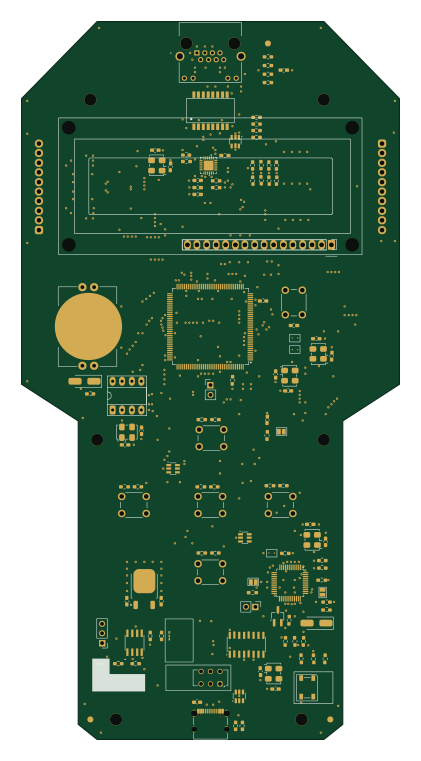 STM32
PCB Tarjeta DevOps
Kolicks
100 × 190 mm182 parts2LCC0-1.00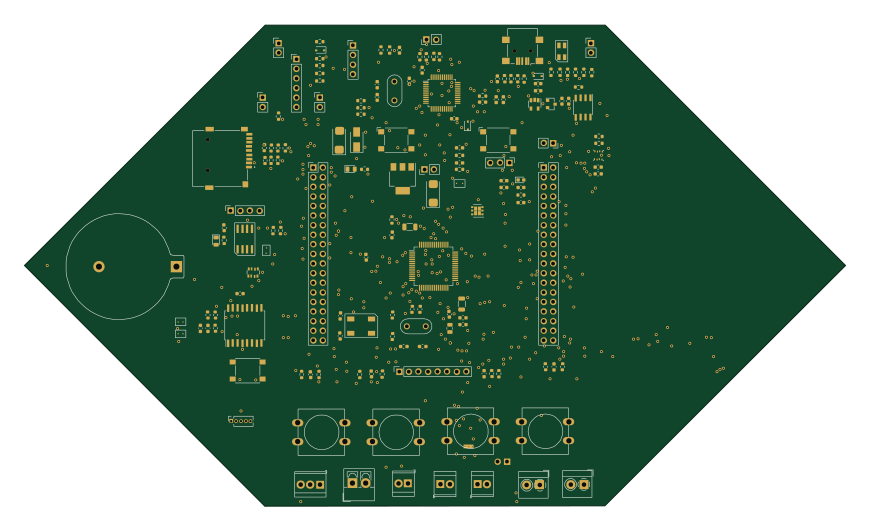 STM32
PCB ApiaryWaterDispensingSystem
Mateuszworo97
217.3 × 127.3 mm182 parts2LNo license0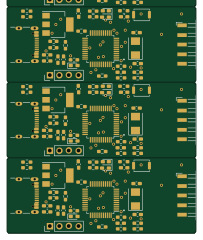 STM32
Array
andy666chang
50 × 60 mm175 parts2LNo license0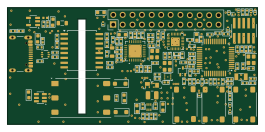 STM32
Uni dap v3
Reutronix
66.2 × 30.9 mm147 parts4LNo license0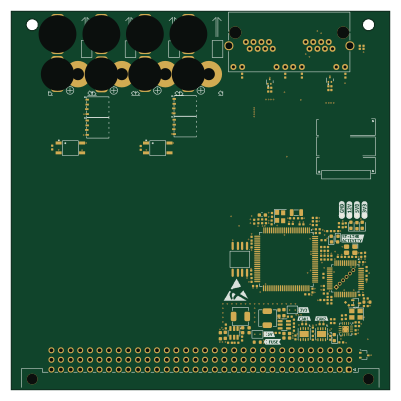 STM32
ModuCard mms extension pdw board
X-Lemon-X
100 × 100 mm136 parts4LNo license0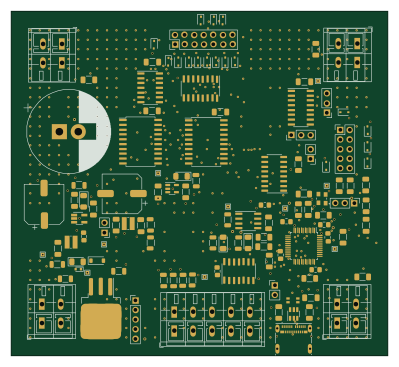 STM32
Menelaos rev-4
acastles91
99.5 × 91 mm124 parts4LNo license0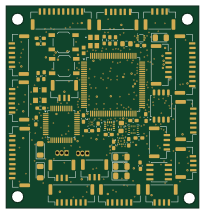 STM32
Custom flight controller
Ekta-Gupta27
51 × 53.5 mm122 parts6LNo license0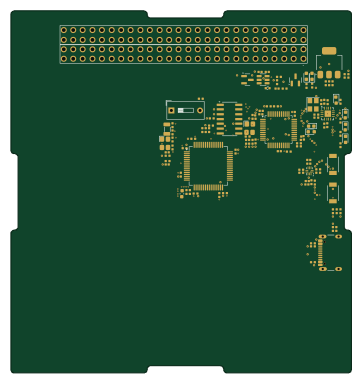 STM32
Template board
Wust-Sat
90.2 × 95.9 mm117 parts4LMIT0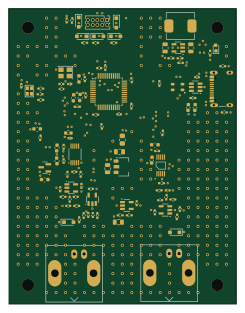 STM32
Mixed-Signal STM32
cipher8-0
60.1 × 78 mm110 parts4LNo license0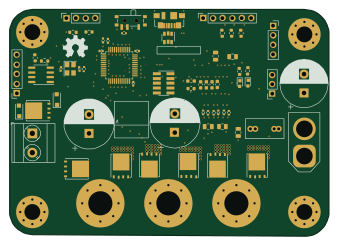 STM32
Amt bldc motor controller
miodine
84.5 × 60 mm91 parts4LNo license0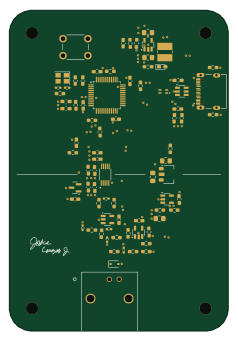 STM32
Fatigue-Measurement-Board
JJ80901
58 × 85 mm79 parts4LNo license0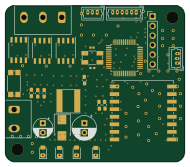 STM32
Roomlight hw
MG-5
47.4 × 41.4 mm68 parts2LGPL-3.00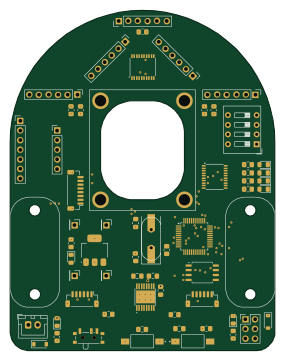 STM32
Micromouse
Andy46
70 × 90 mm61 parts4LNo license0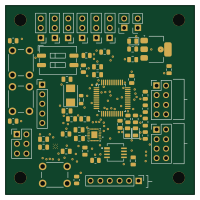 STM32
Flight controller
epicgrowl
50 × 50 mm59 parts4LNo license0 STM32
Hw sense
MaxBaex
47.8 × 23.1 mm58 parts4LCC-BY-SA-4.00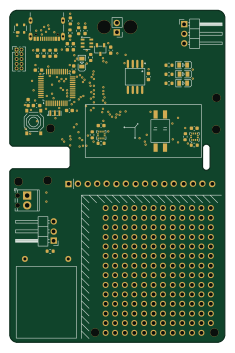 STM32
Ares parachute
hslu-ares
57 × 88 mm49 parts2LNo license0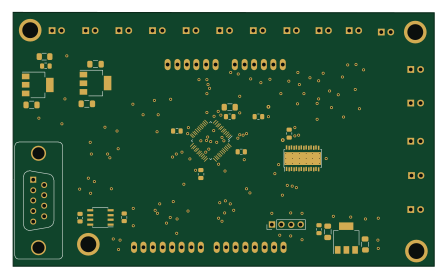 STM32
EV19-Dashboard
ASURacingTeam
111.6 × 67.3 mm41 parts2LNo license0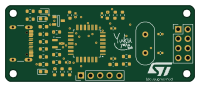 STM32
ST-LINK-V2 1
zukki4123
50 × 20 mm36 parts2LMIT0
How designs wire the STM32F103CBTx
Read from the KiCad layouts of 50 open source designs, one per repository: what each pin of the STM32F103CBTx connects to, and the resistors, capacitors and other passives placed on it.
- The PD0 pin has a crystal on 49 of 50 designs, most often 8 MHz (then 16 MHz).
- The VDD pins have a decoupling capacitor on 45 of 50 designs, most often 100 nF (then 1 µF).
- The PD0 pin has a capacitor to GND on 43 of 50 designs, most often 20 pF (then 22 pF).
- The PD1 pin has a crystal on 41 of 50 designs, most often 8 MHz (then 16 MHz).
| Pin | Connected to | Parts on the pin |
|---|---|---|
| VBATpin 1 | Connected to: 3.3V 86% |
|
| PC15pin 4 | Connected to: Not connected 68% · a signal 32% | — |
| PD0pin 5 | Connected to: Signal 98% |
|
| PD1pin 6 | Connected to: Signal 98% |
|
| NRSTpin 7 | Connected to: A connector 48% |
|
| VSSApin 8 | Connected to: GND 94% | — |
| VDDApin 9 | Connected to: 3.3V 82% · a signal 16% |
|
| PA0pin 10 | Connected to: Signal 58% · not connected 40% |
|
| VSSpin 23, 35, 47 | Connected to: GND 94% | — |
| VDDpin 24, 36, 48 | Connected to: 3.3V 96% |
|
| PB12pin 25 | Connected to: A connector 24% · not connected 34% |
|
| PA11pin 32 | Connected to: A connector 22% · not connected 24% |
|
| PA12pin 33 | Connected to: A connector 20% · not connected 22% |
|
| BOOT0pin 44 | Connected to: Signal 86% |
|
30 more pins vary from design to design. Connections count pins, parts count designs; values in brackets are how many parts had that value. Designs read include Dap stm32f103 by balanceTWK, LnBMP stm32 by mean00, Allcolours by microresearch and Stm32 esc by dragonlock2.
The STM32F103CBTx in open source designs
The gallery holds 57 open source boards using the STM32F103CBTx from 50 GitHub repositories; a typical one measures about 69.5 × 59 mm and carries around 78 components.
60% are two-layer designs, the rest use four layers or more, and 30% carry an open source license.
The most starred is Dap stm32f103 by balanceTWK.
Parts used alongside the STM32F103CBTx
Microcontrollers on boards using the STM32F103CBTx
What boards using the STM32F103CBTx are built for
STM32F103CBTx: common questions
Where can I find a STM32F103CBTx reference design?
Each of the 57 boards on this page is a real design using the STM32F103CBTx. Open one to see how it is wired up, with the full BOM, a render of the layout and links to its KiCad files.
How is the STM32F103CBTx PD0 pin connected?
The PD0 pin has a crystal on 49 of 50 designs, most often 8 MHz (then 16 MHz). Counted from the KiCad layouts of 50 open source designs using the STM32F103CBTx.
What decoupling capacitors do designs use on the STM32F103CBTx VDD pin?
The VDD pins have a decoupling capacitor on 45 of 50 designs, most often 100 nF (then 1 µF). Counted from the KiCad layouts of 50 open source designs using the STM32F103CBTx.
How is the STM32F103CBTx PD1 pin connected?
The PD1 pin has a crystal on 41 of 50 designs, most often 8 MHz (then 16 MHz). Counted from the KiCad layouts of 50 open source designs using the STM32F103CBTx.
What parts are used alongside the STM32F103CBTx?
The AMS1117-3.3, USBLC6-2SC6, SRV05-4, XC6206P332MR and CH334P appear in the most repositories here.
Which microcontrollers do boards using the STM32F103CBTx use?
Most are built on STM32 (52), ESP32 (3), Nordic nRF (1) and RP2040/RP2350 (1).
How big is a typical board using the STM32F103CBTx?
The median is 69.5 × 59 mm, and 60% are two-layer designs.
What is the most popular open source board using the STM32F103CBTx?
By GitHub stars, Dap stm32f103 by balanceTWK, with 96 stars.
Can I simulate one of these boards using the STM32F103CBTx before building it?
Yes. HardLabs turns a board's netlist and BOM into a working simulation, so you can boot and test firmware against it with no hardware on your desk.