
40 open source boards using the RaspberryPi_Pico
Real designs built with the RaspberryPi_Pico, from public GitHub projects: a quick way to see how others power, decouple and connect it. Each board comes with its KiCad files, full parts list and a render — and you can simulate its firmware on HardLabs.
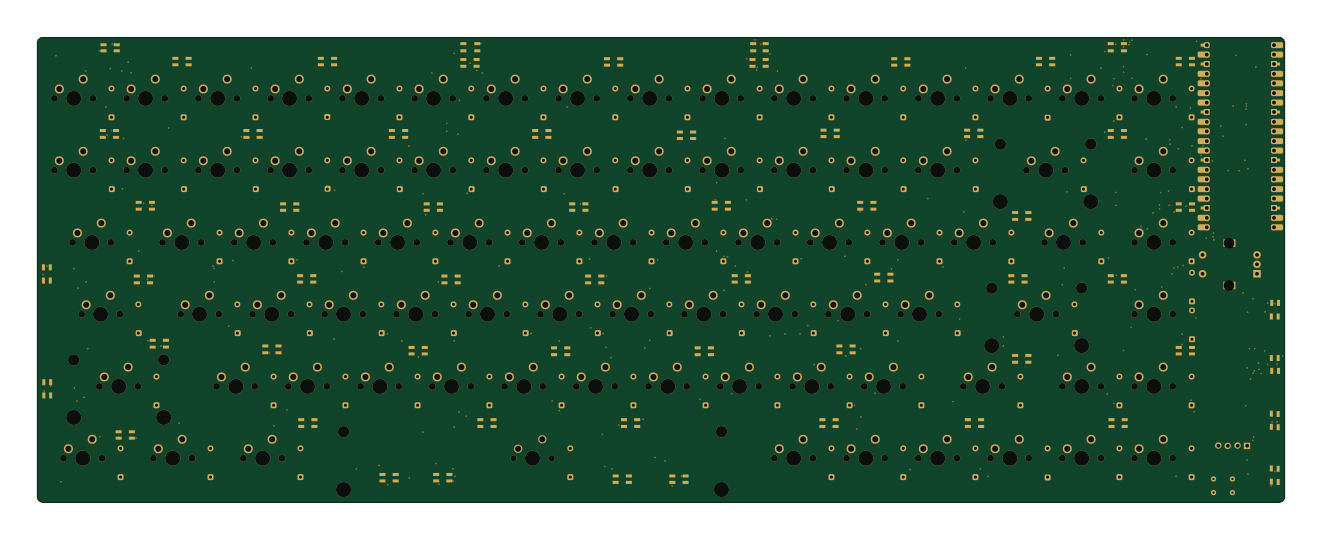 RP2040/RP2350
Riptide
SharKingStudios
330 × 123 mm250 parts2LMIT18- schematic only · 9 partsRP2040/RP2350
Bionix
Araadh3111
9 partsNo license10 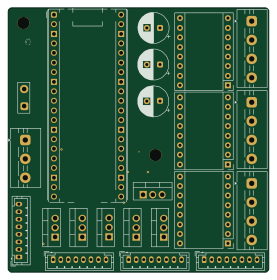 RP2040/RP2350
Supp board
RedBigz
69 × 70 mm21 parts4LNo license6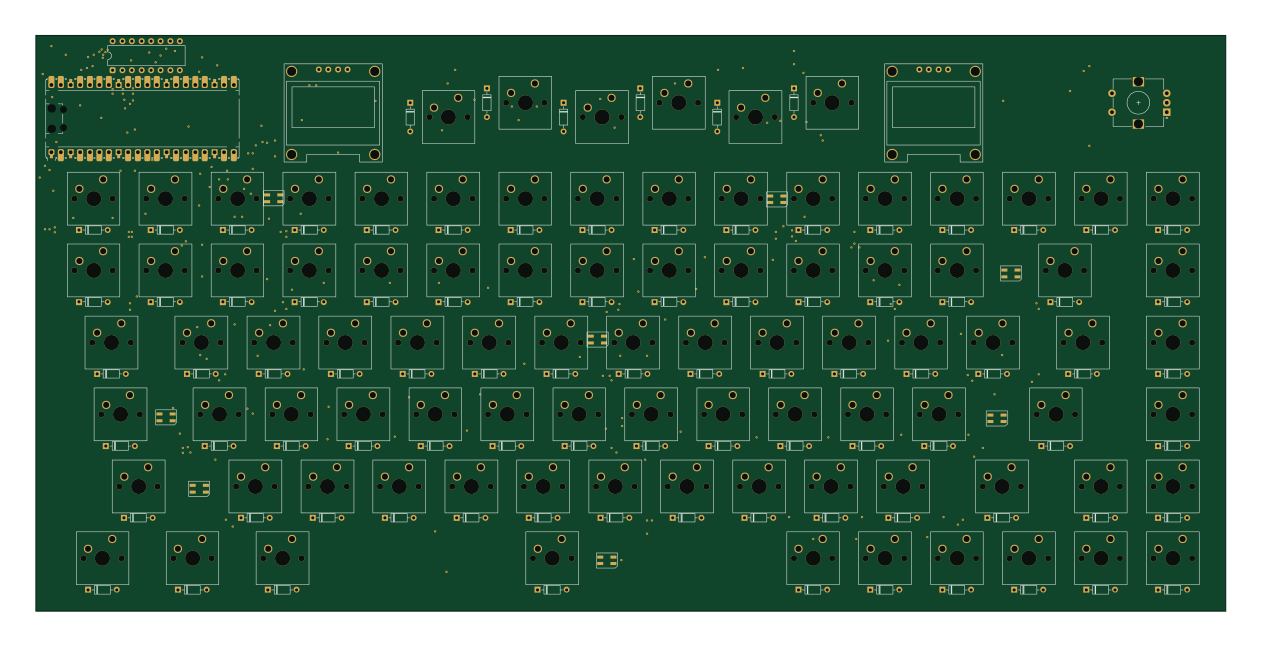 RP2040/RP2350
SnakeBoard
Nadoooor
315 × 152.4 mm193 parts2LMIT5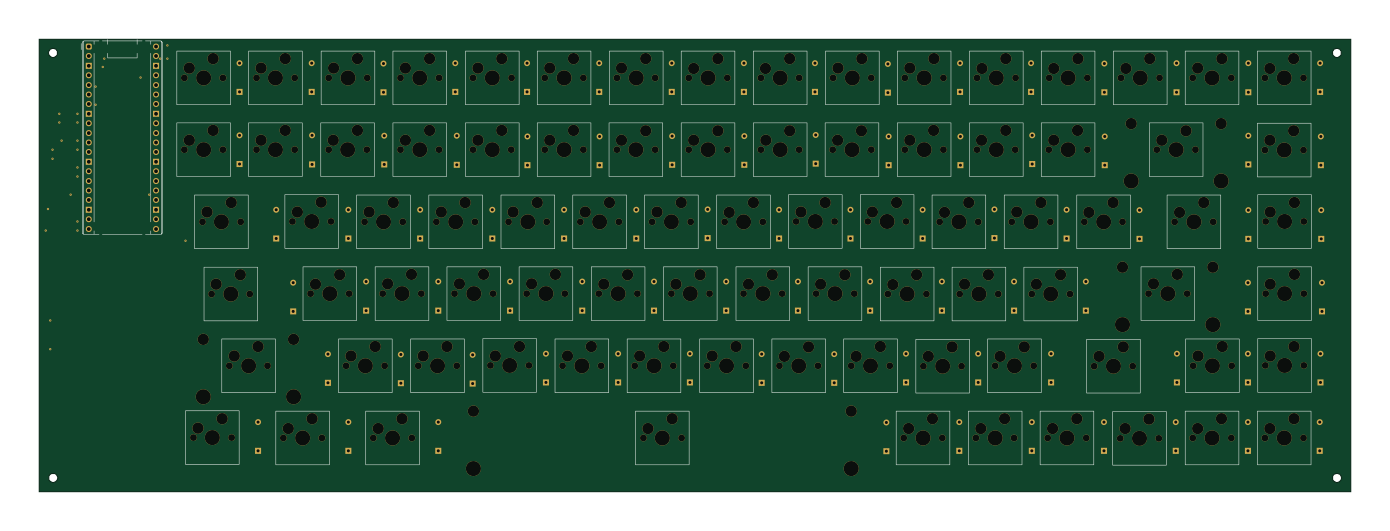 RP2040/RP2350
Keyboard
ayaangrover
347.1 × 119.7 mm169 parts2LNo license5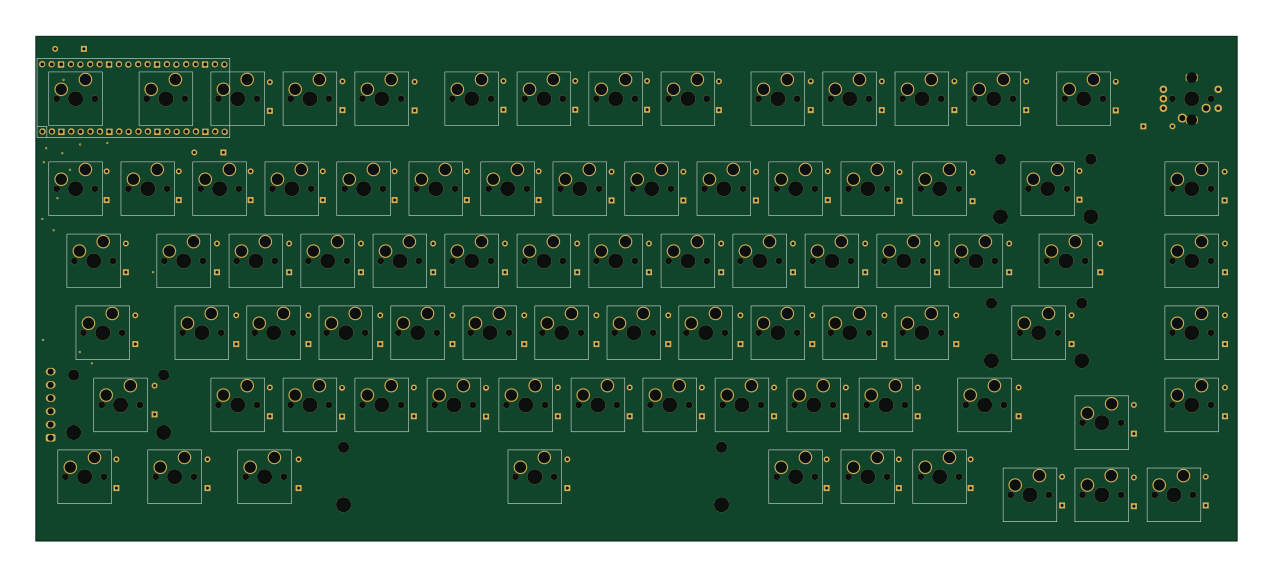 RP2040/RP2350
Seed75
ikrishagarwal
317.8 × 133.5 mm168 parts2LAGPL-3.03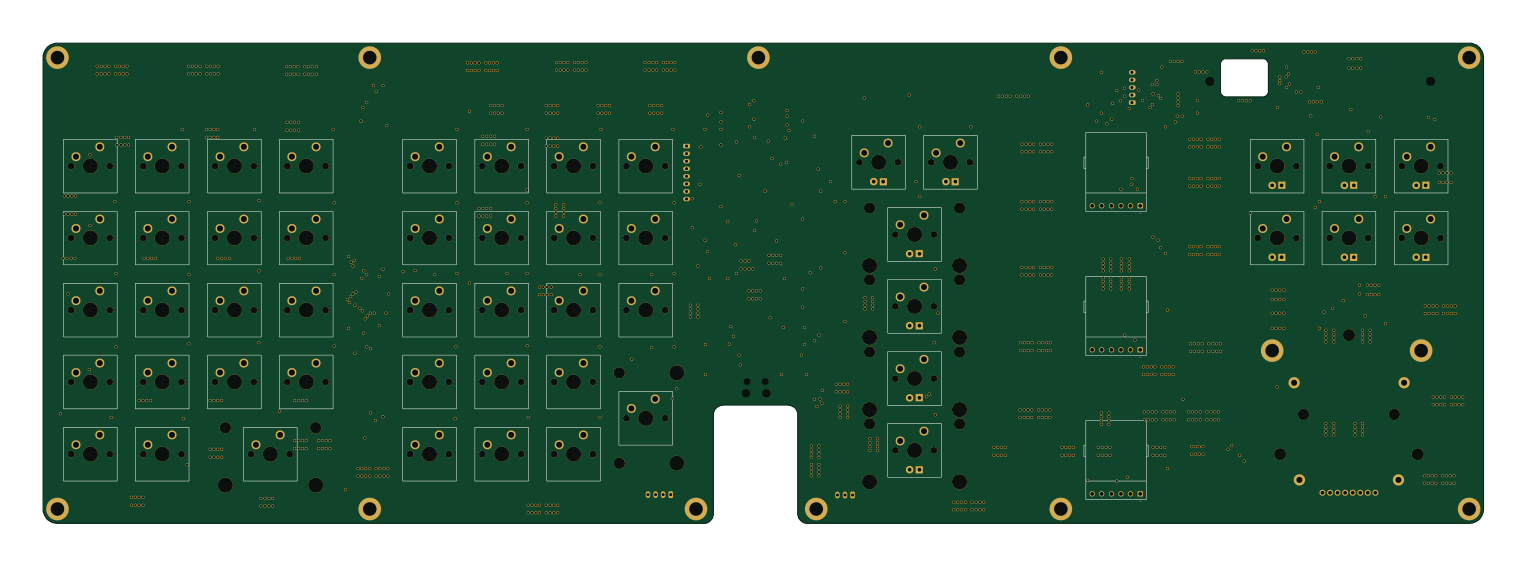 RP2040/RP2350
Cnc hmi
tangentaudio
381 × 127 mm160 parts2LNo license3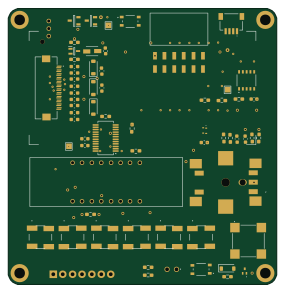 RP2040/RP2350
Alarm
bbokser
71 × 73 mm64 parts2LMIT3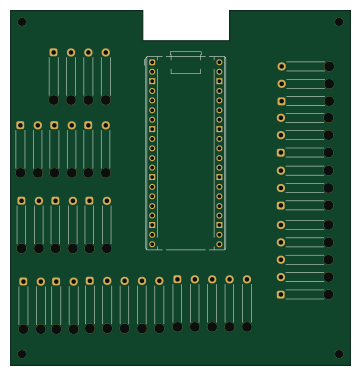 RP2040/RP2350
Rota Pi
AmmarSyamil
90 × 94 mm16 parts2LNo license3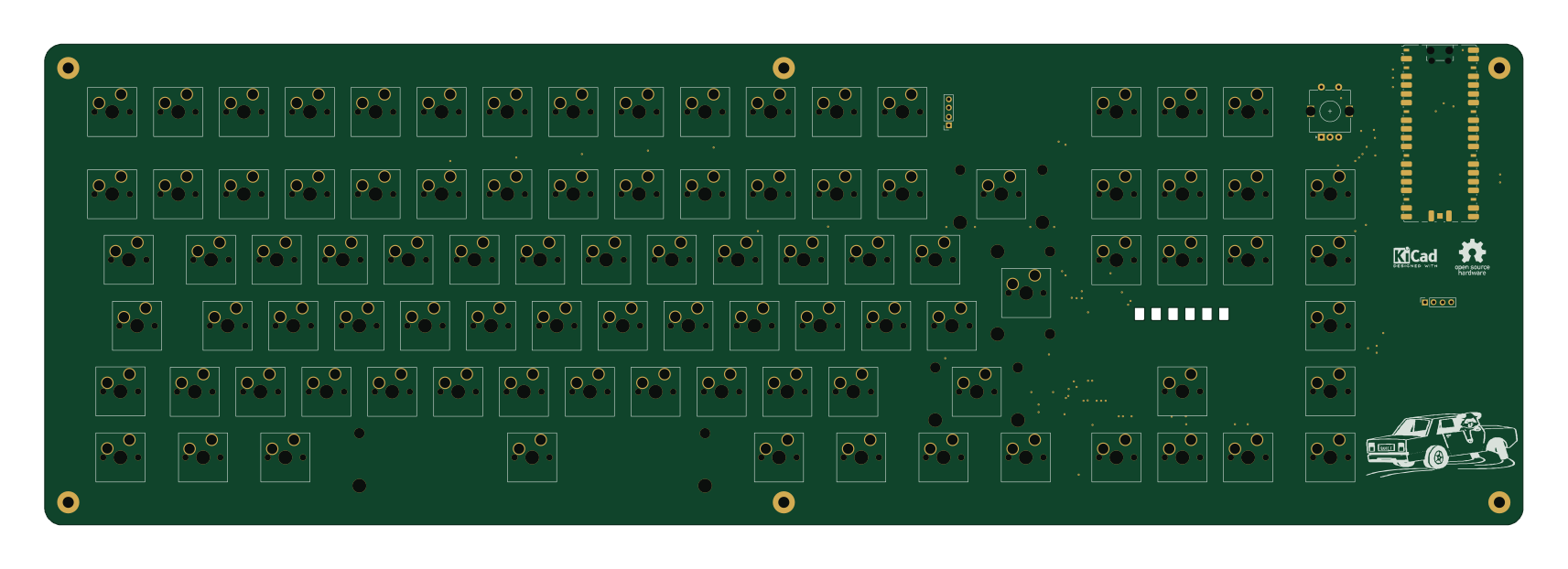 RP2040/RP2350
Krunchboard
krunchiekrunch
427.6 × 139.1 mm200 parts2LCustom license2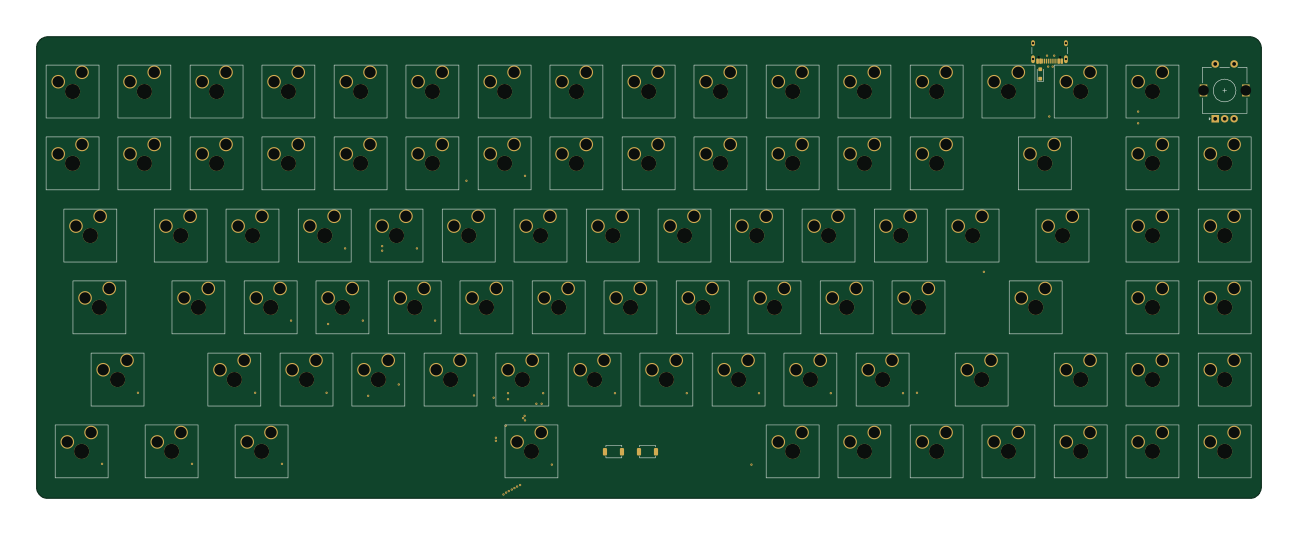 RP2040/RP2350
Krunchboard-90
324 × 122.1 mm187 parts2LCustom license2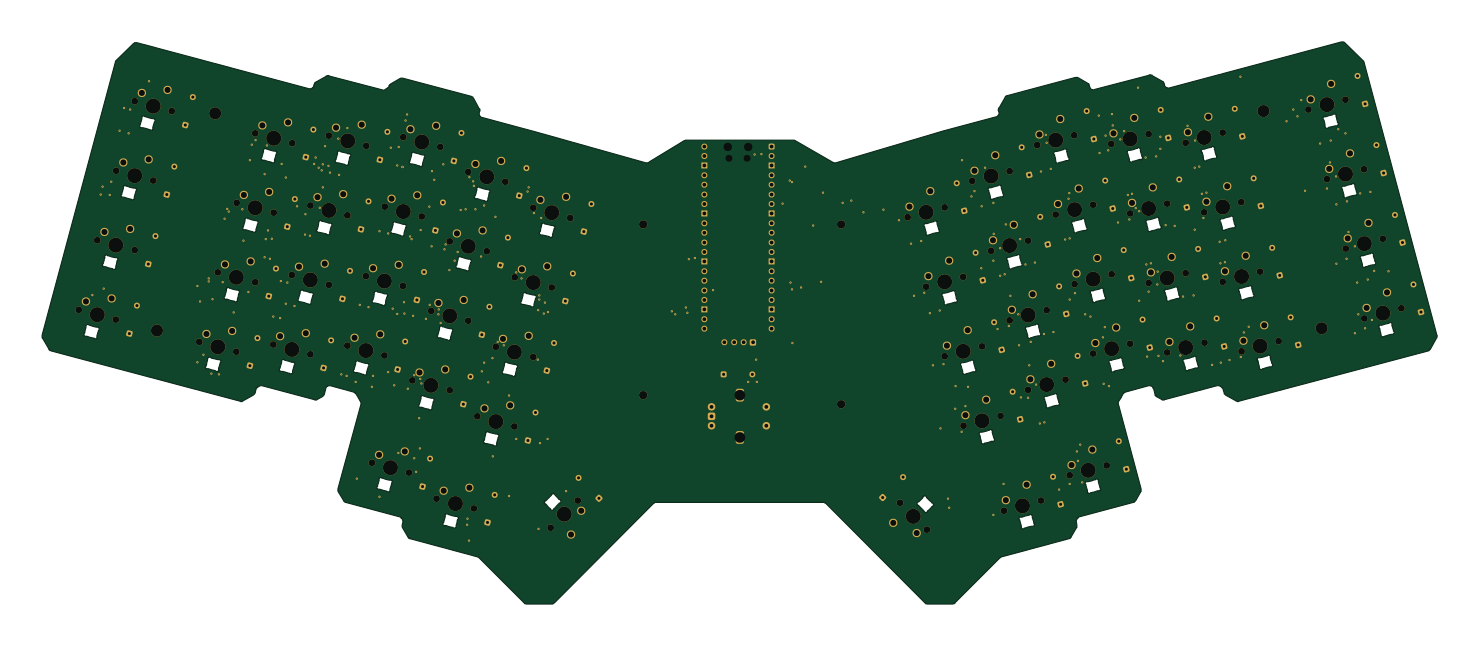 RP2040/RP2350
Keeb colon three
BananerCatter
369.3 × 148.8 mm166 parts2LNo license2- schematic only · 61 partsRP2040/RP2350
Sten0
pizzalover125
61 partsNo license2 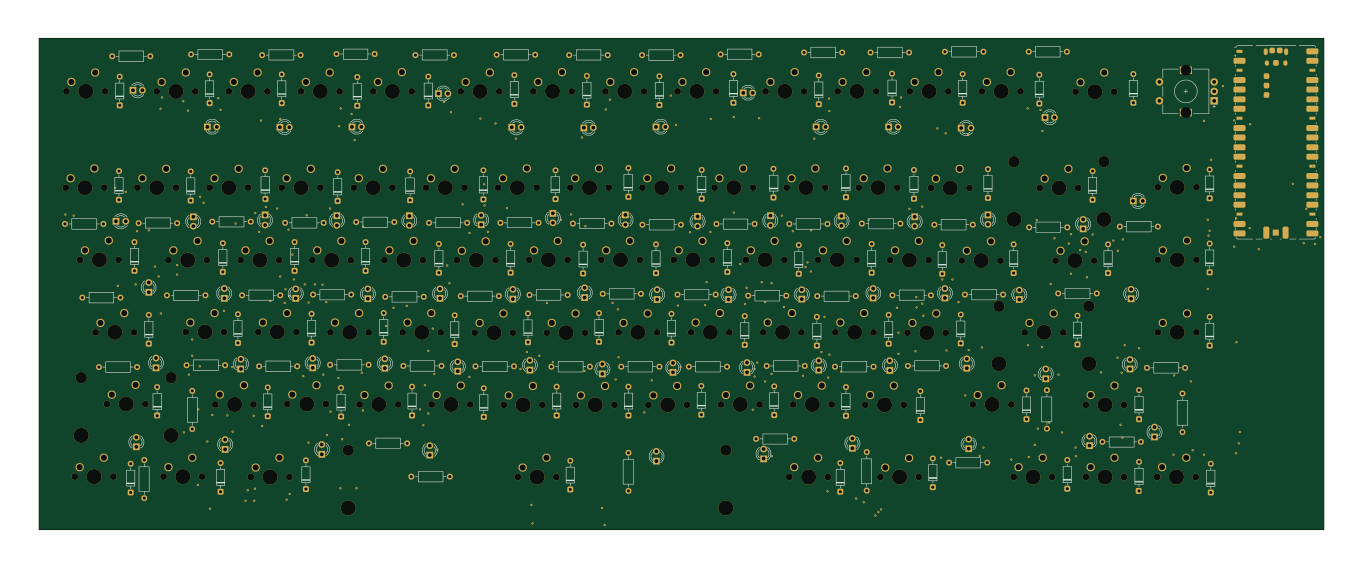 RP2040/RP2350
New-Keeb
Osaidii
340.1 × 130 mm298 parts2LApache-2.01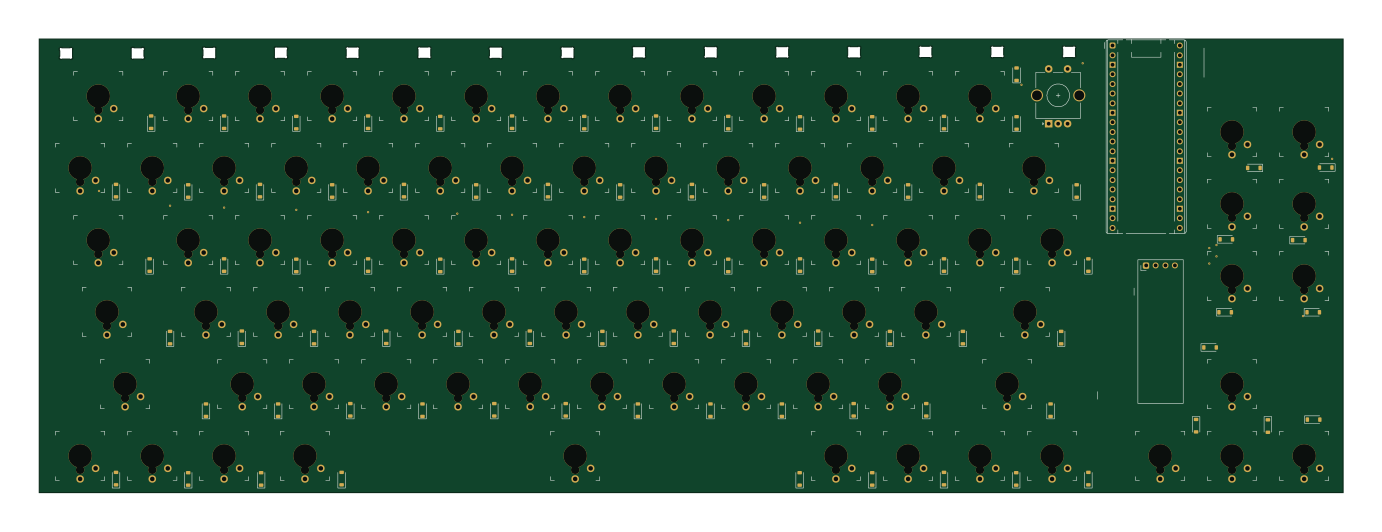 RP2040/RP2350
Keeb
qubixal
345 × 120 mm203 parts2LNo license1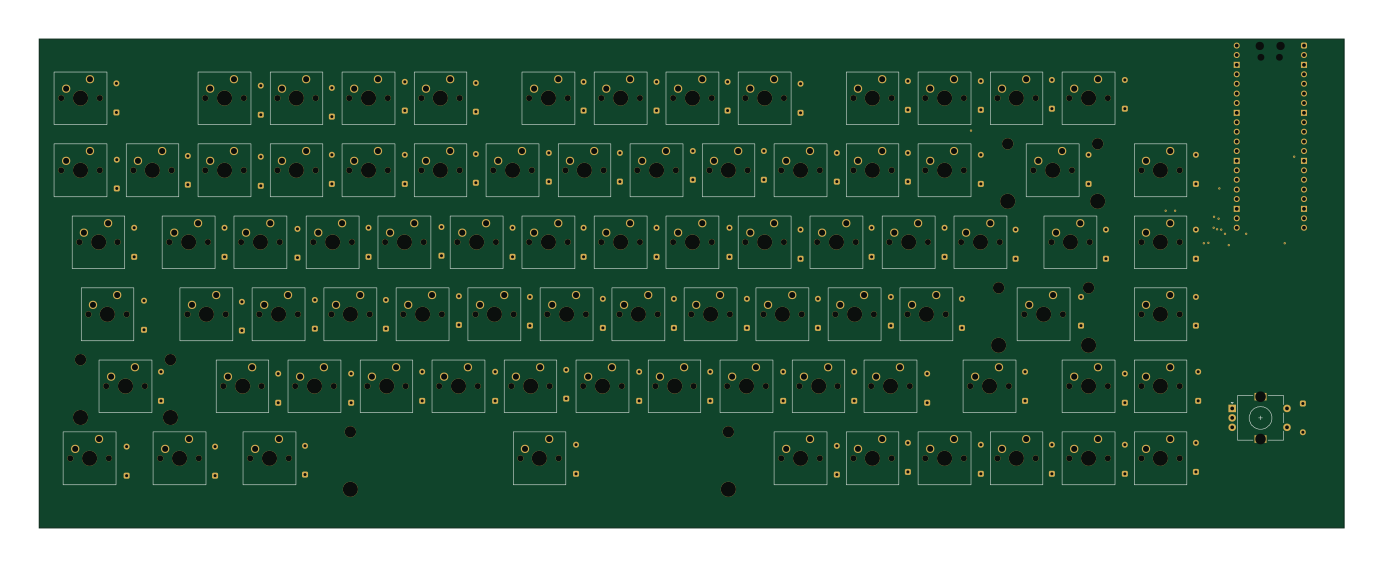 RP2040/RP2350
Chaney--Board
Anayjain1129
345.2 × 129.2 mm165 parts2LNo license1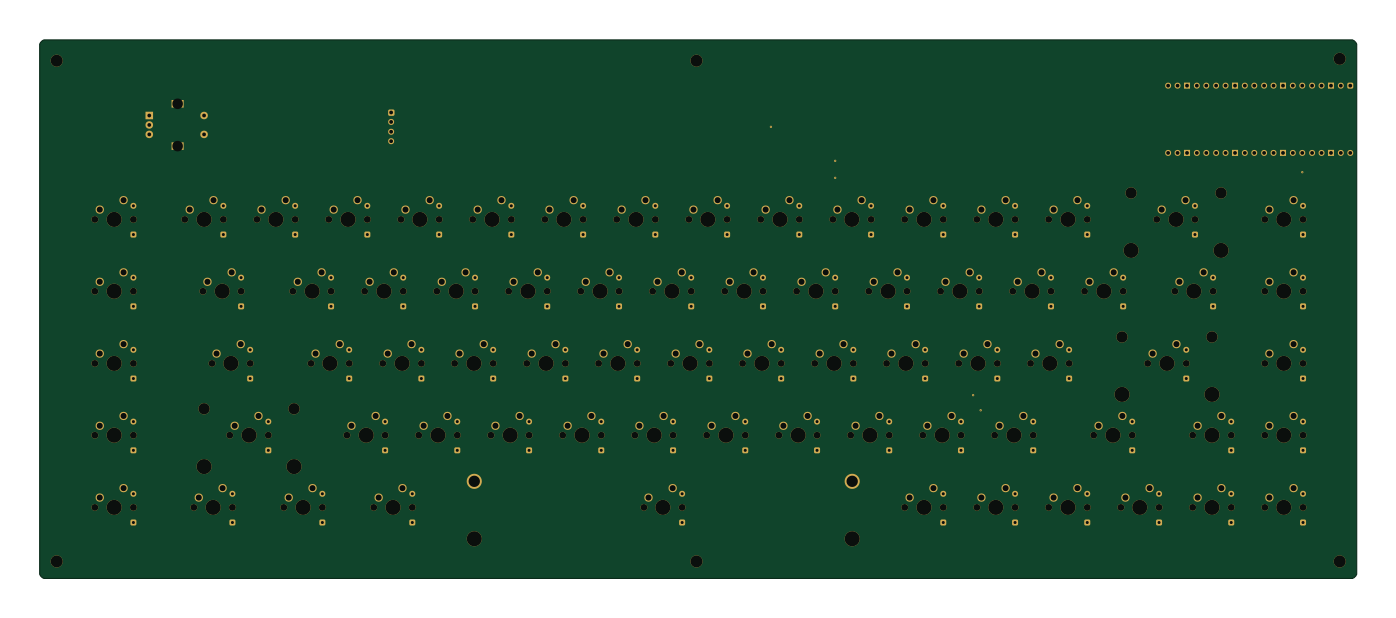 RP2040/RP2350
MochaDeck
FabioCanavarro
348.5 × 142.5 mm153 parts2LNo license1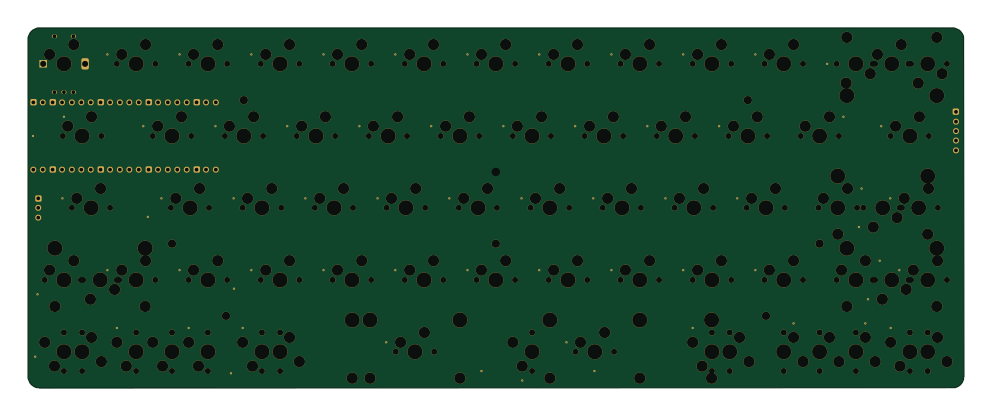 RP2040/RP2350
LK56HS
lambdakb
247.7 × 95.3 mm143 parts2LCERN-OHL-S-2.01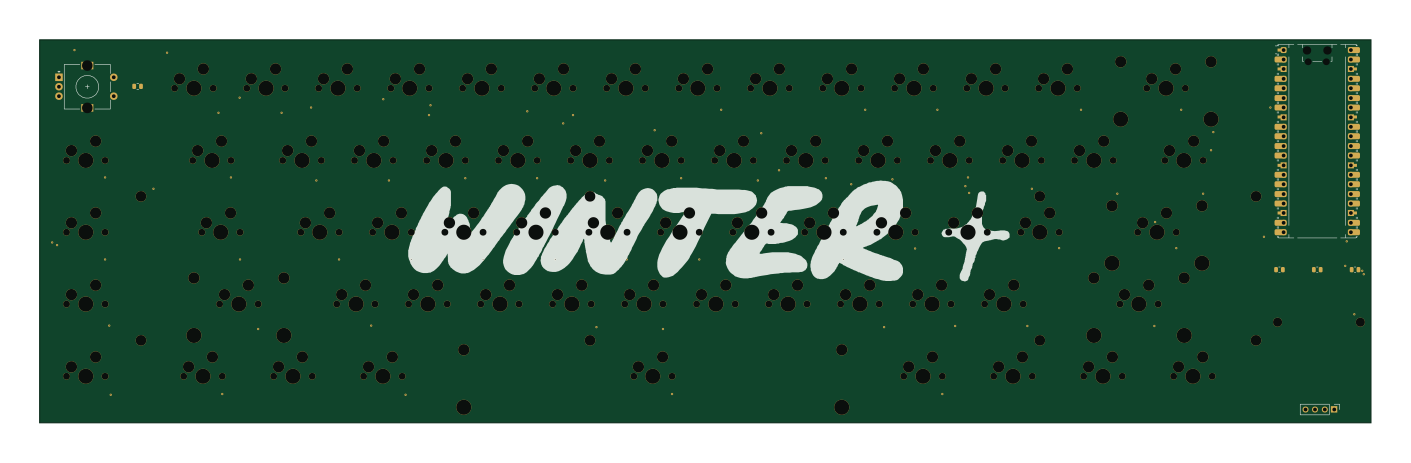 RP2040/RP2350
Winter60
aryan-madan
352.2 × 101.3 mm137 parts2LGPL-3.01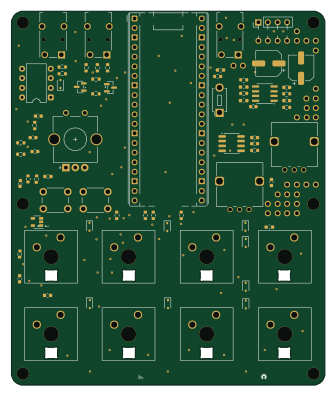 RP2040/RP2350
SumaShield
hugelton
83 × 99 mm83 parts2LMIT1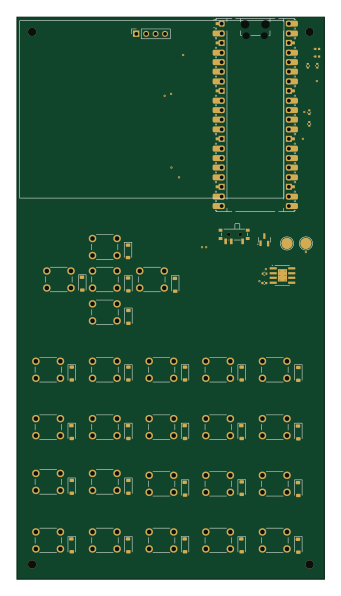 RP2040/RP2350
Totally a calculator
0x62b
81.4 × 148.8 mm63 parts2LNo license1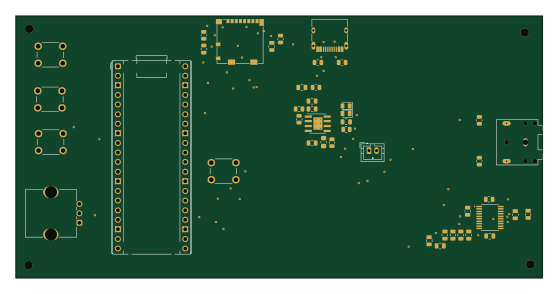 RP2040/RP2350
Minimal-Player
tharejarehan0-a11y
139.3 × 69.3 mm44 parts2LNo license1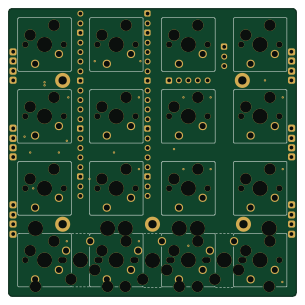 RP2040/RP2350
LK16C
76.2 × 76.2 mm38 parts2LCERN-OHL-S-2.01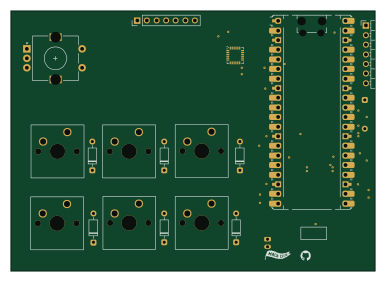 RP2040/RP2350
CTRL-AI-Macropad
RishabhMewada
96.3 × 68.8 mm22 parts2LMIT1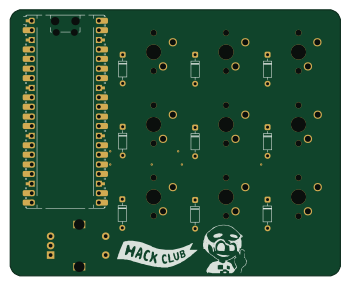 RP2040/RP2350
Macropad
RedstoneGuy9248
87.5 × 70.5 mm20 parts2LNo license1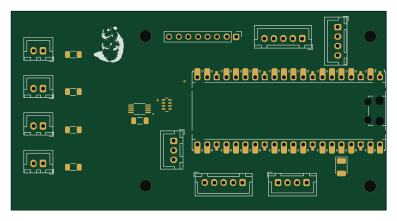 RP2040/RP2350
MainBoard
mathe-mmr
99.1 × 52.5 mm19 parts2LGPL-3.01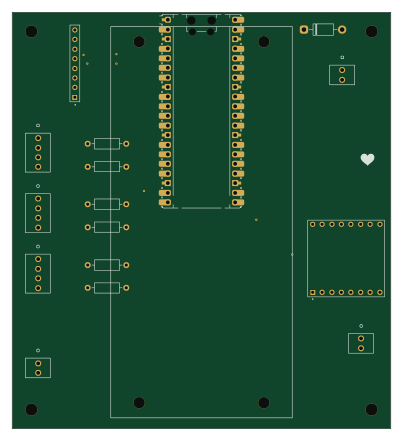 RP2040/RP2350
Sonibox
trappitsch
100 × 110 mm16 parts2LMIT1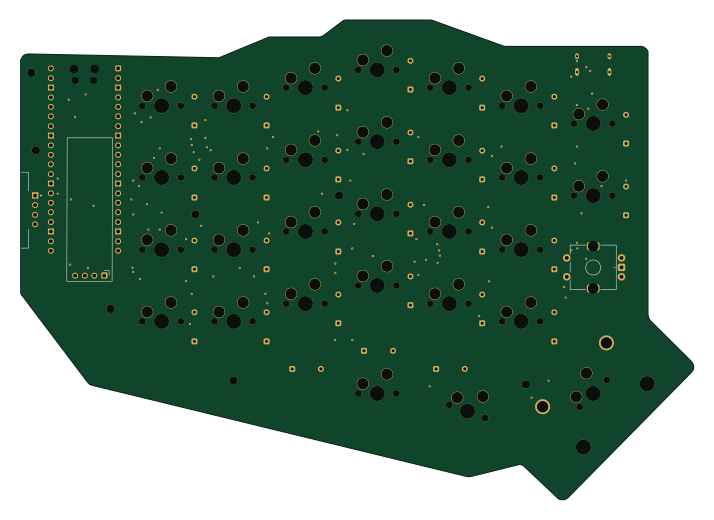 RP2040/RP2350
Custom keyboard
HACKERHSB1453
178.2 × 127.1 mm267 parts2LNo license0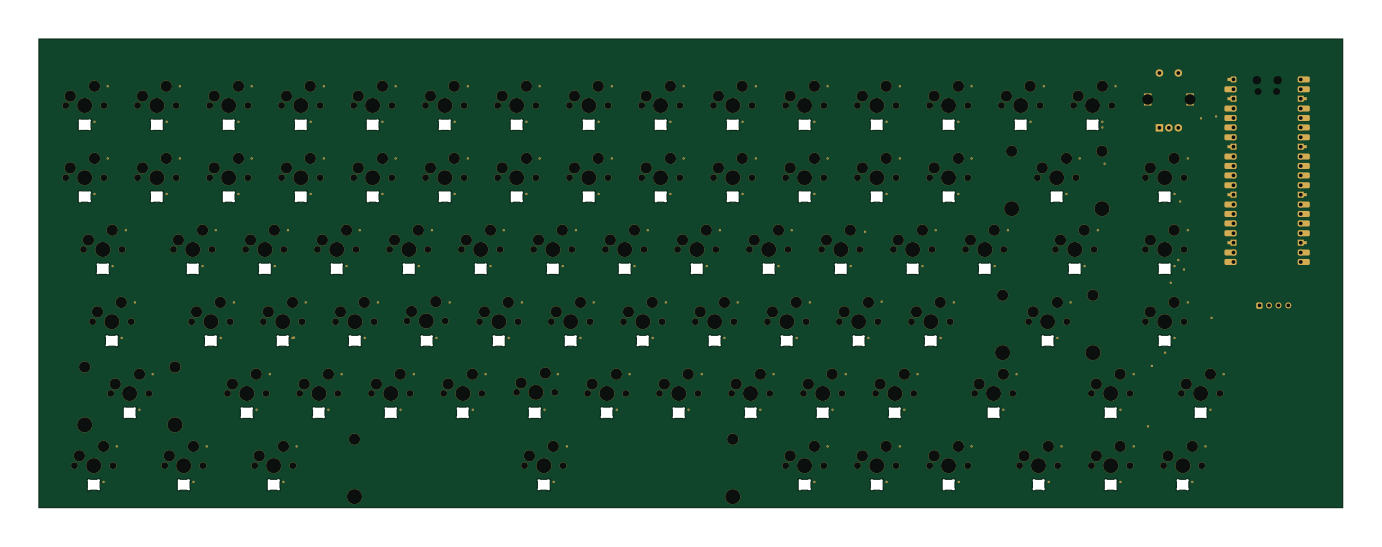 RP2040/RP2350
FlexKey
dushyantyadav0303
345 × 124 mm253 parts2LMIT0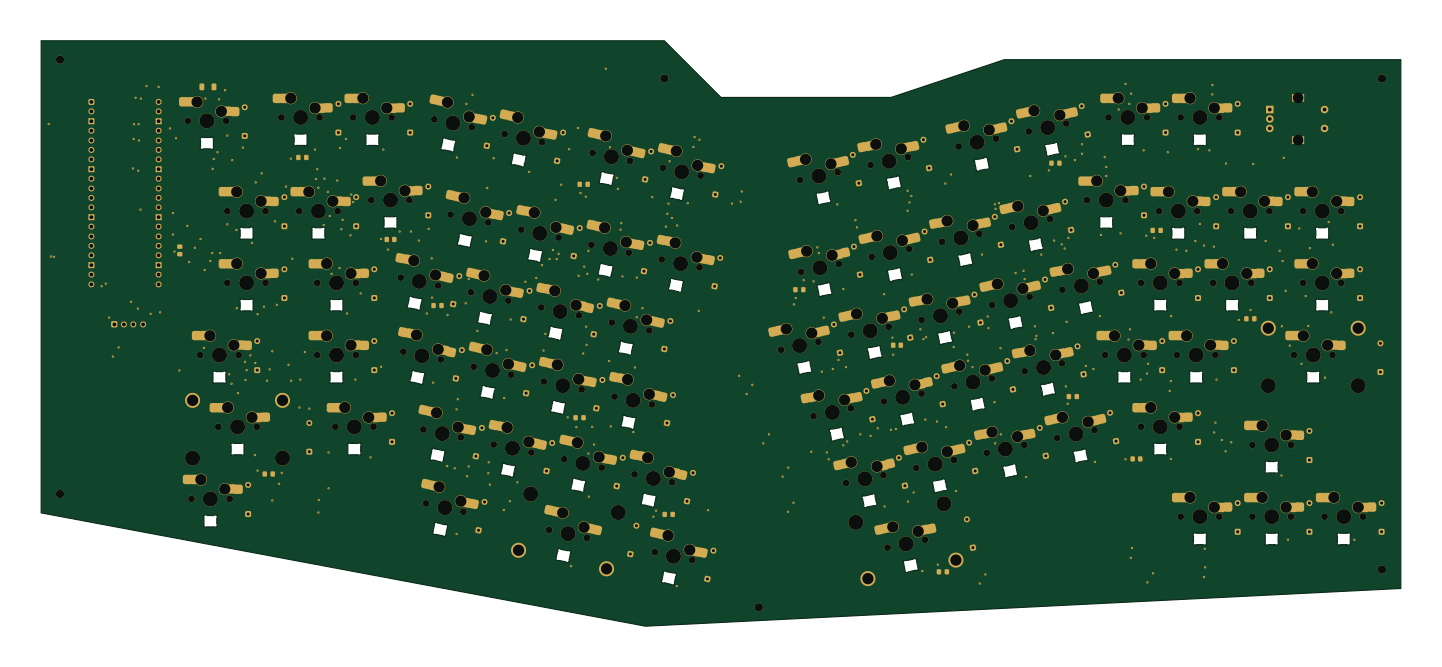 RP2040/RP2350
Mechanical-Keyboard
Bihyungbetter
360 × 155 mm249 parts2LNo license0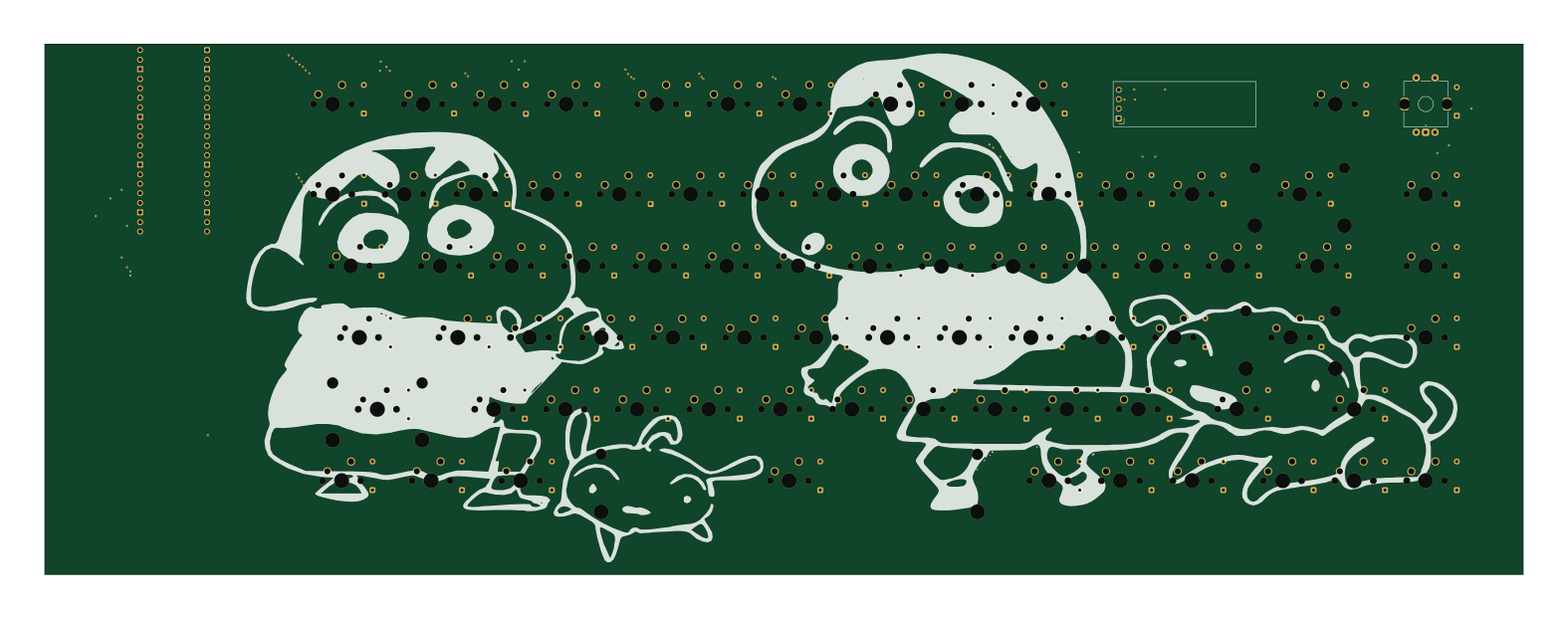 RP2040/RP2350
Ketchuboard
Ketchupism
393.2 × 141.1 mm164 parts2LNo license0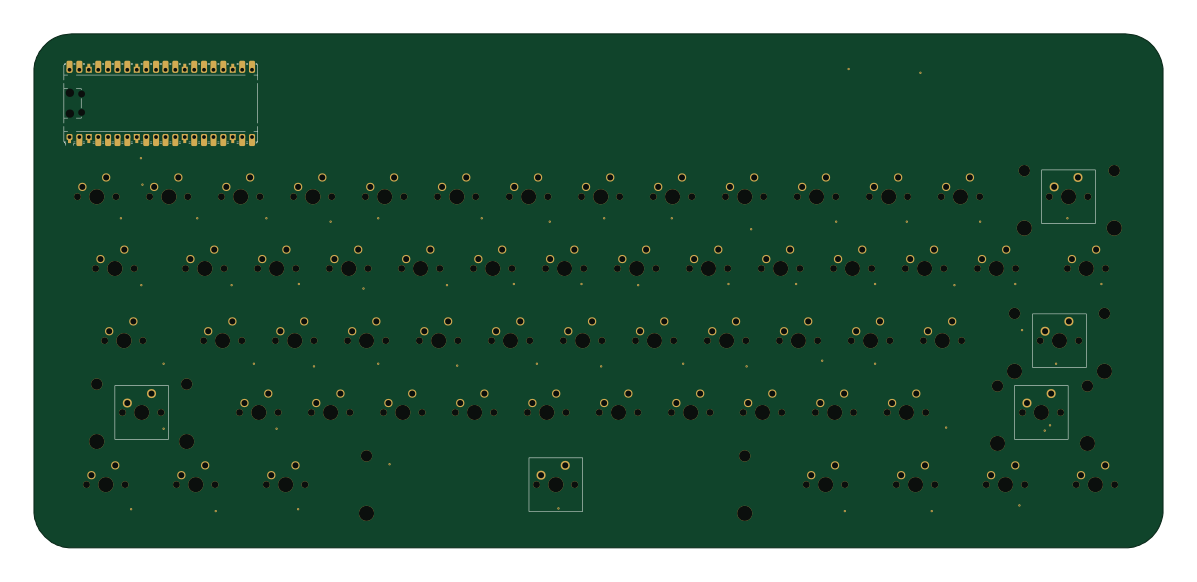 RP2040/RP2350
MechaCore
aryanprabhuin-ship-it
298.8 × 136 mm128 parts2LNo license0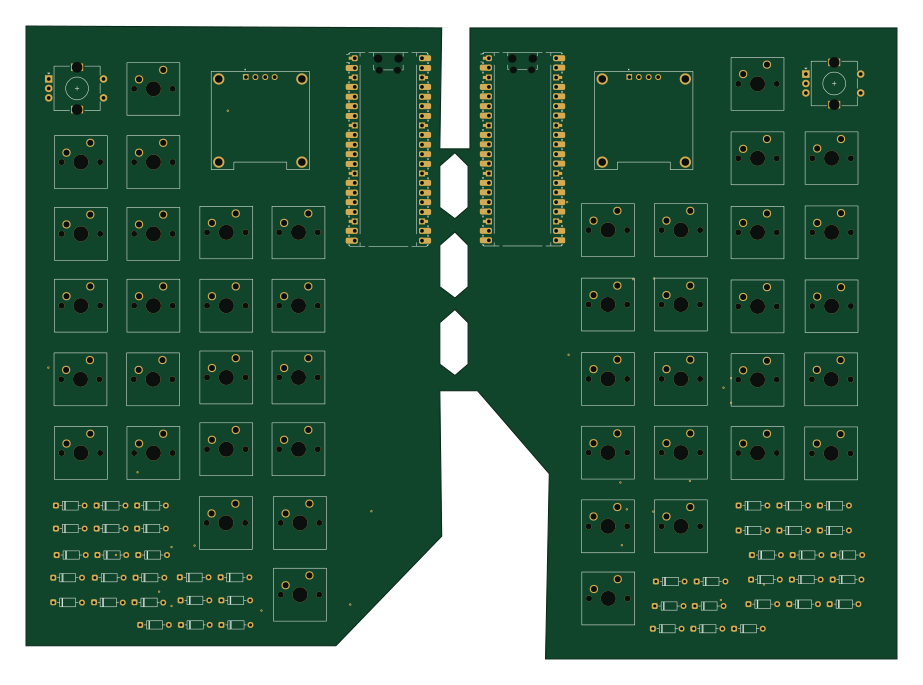 RP2040/RP2350
Split keyboard
AYUSH-pro-grammer
230.5 × 167.5 mm94 parts2LNo license0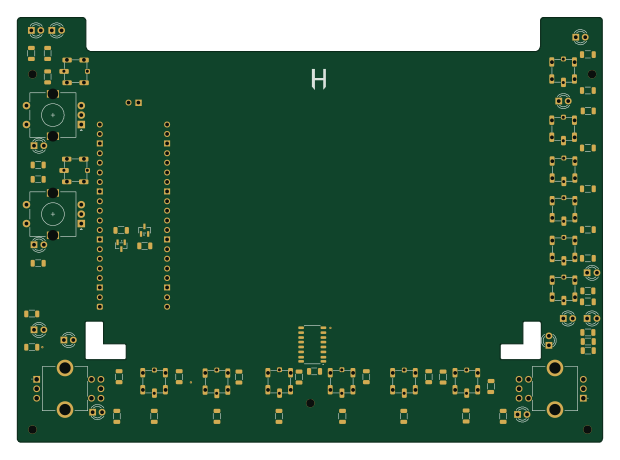 RP2040/RP2350
Mobiflight gns530
JorgHendriks
154.8 × 112.3 mm76 parts2LNo license0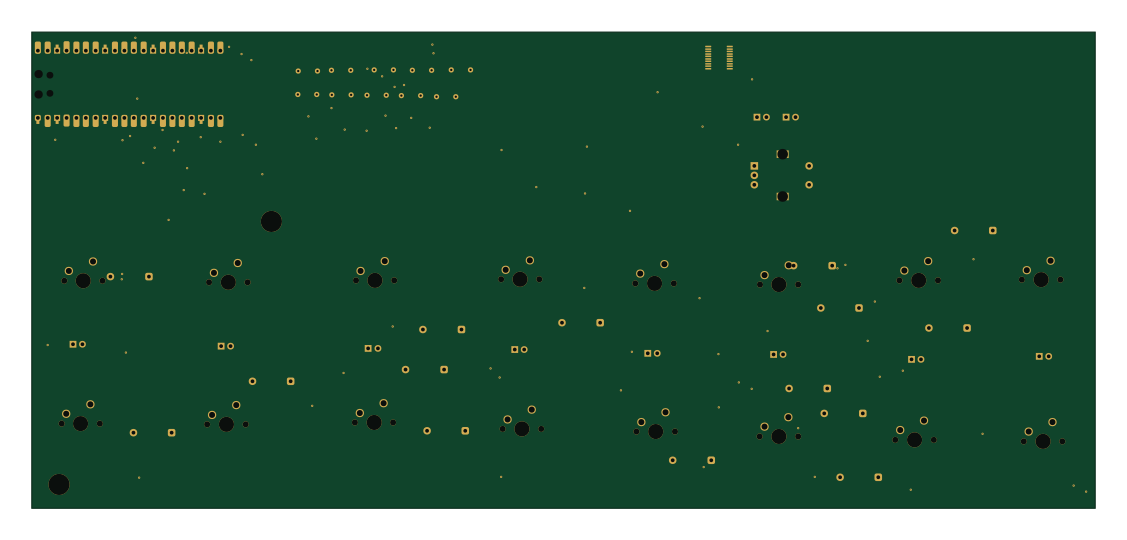 RP2040/RP2350
Learnboard
bobis1
281.4 × 126 mm55 parts2LNo license0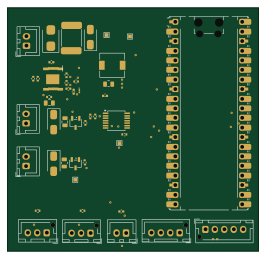 RP2040/RP2350
Qx rp2040-carrier
manhoosbilli1
66.4 × 64.4 mm42 parts2LNo license0
The RaspberryPi_Pico in open source designs
The gallery holds 40 open source boards using the RaspberryPi_Pico from 39 GitHub repositories; a typical one measures about 241.3 × 121 mm and carries around 117 components.
92% are two-layer designs, the rest use four layers or more, and 35% carry an open source license.
The most starred is Riptide by SharKingStudios.
Parts used alongside the RaspberryPi_Pico
Microcontrollers on boards using the RaspberryPi_Pico
What boards using the RaspberryPi_Pico are built for
RaspberryPi_Pico: common questions
Where can I find a RaspberryPi_Pico reference design?
Each of the 40 boards on this page is a real design using the RaspberryPi_Pico. Open one to see how it is wired up, with the full BOM, a render of the layout and links to its KiCad files.
What parts are used alongside the RaspberryPi_Pico?
The ER_OLEDM0.91_1x-I2C, 74HC165 and TP4056-42-ESOP8 appear in the most repositories here.
Which microcontrollers do boards using the RaspberryPi_Pico use?
Most are built on RP2040/RP2350 (40).
How big is a typical board using the RaspberryPi_Pico?
The median is 241.3 × 121 mm, and 92% are two-layer designs.
What is the most popular open source board using the RaspberryPi_Pico?
By GitHub stars, Riptide by SharKingStudios, with 18 stars.
Can I simulate one of these boards using the RaspberryPi_Pico before building it?
Yes. HardLabs turns a board's netlist and BOM into a working simulation, so you can boot and test firmware against it with no hardware on your desk.