
70 open source boards using the ESP32-S3-MINI-1-N8
Real designs built with the ESP32-S3-MINI-1-N8, from public GitHub projects: a quick way to see how others power, decouple and connect it. Each board comes with its KiCad files, full parts list and a render — and you can simulate its firmware on HardLabs.
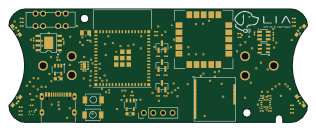 ESP32
LIA
JGAguado
79 × 30 mm66 parts2LCC-BY-NC-4.015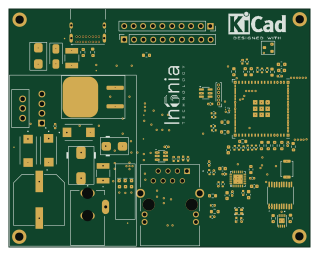 ESP32
PCB-Modular-Multi-Protocol-Hub
MbFredys
79.7 × 63.1 mm208 parts4LCERN-OHL-W-2.07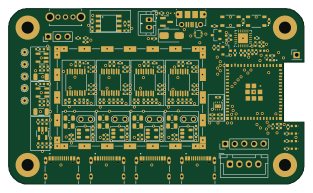 ESP32
ChrisBox
TUDA-MUST
78 × 46.3 mm177 parts4LCC-BY-4.06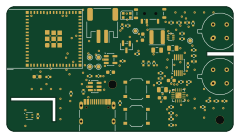 ESP32
Phone board
JamesTwallin
60 × 33 mm62 parts4LMIT6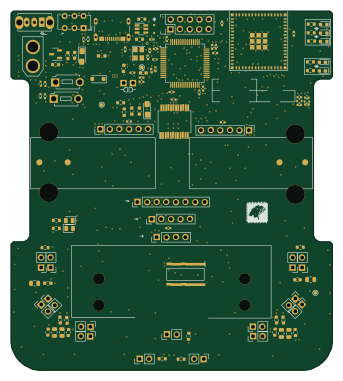 ESP32
Micromouse
aiwachow
85 × 95 mm139 parts2LNo license5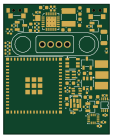 ESP32
GlowBand
LEDs-by-glowingkitty
27.9 × 34.3 mm76 parts2LMIT4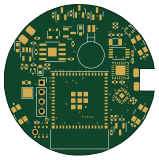 ESP32
Nebula
Thecactusman0
39.7 × 39.9 mm59 parts2LNo license4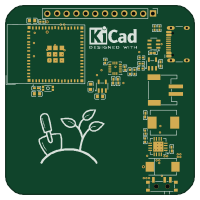 ESP32
Tiny2048
thip
50 × 50 mm51 parts2LCC-BY-NC-4.04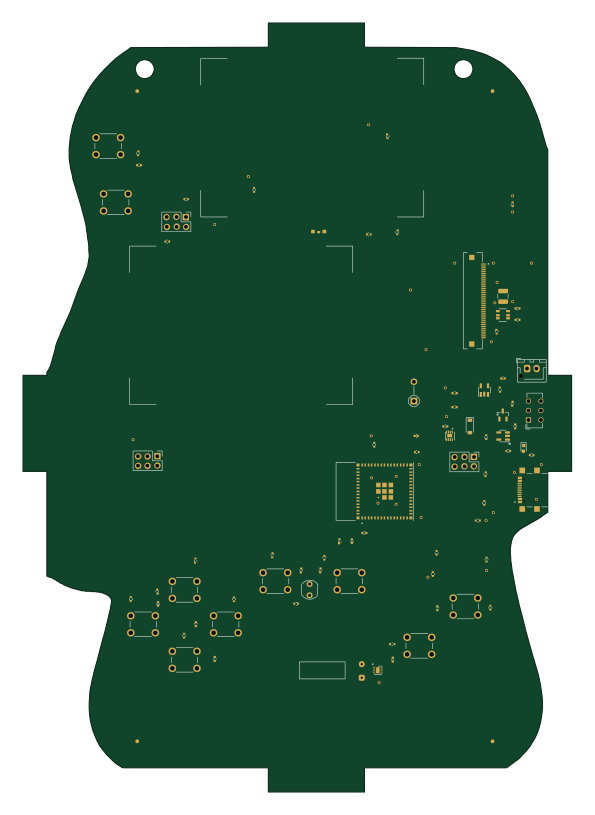 ESP32
DC-34-Badge
Cyber-Professionals-Enthusiast-Club
145.2 × 203.4 mm87 parts2LNo license3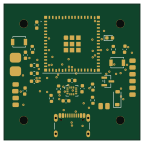 ESP32
Esp32-drone fcu
burakbasdere
36 × 36 mm66 parts4LNo license3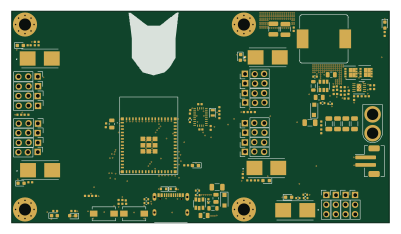 ESP32
SmallKat-Motherboard
OperationSmallKat
100 × 56 mm123 parts2LNo license2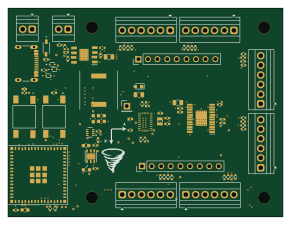 ESP32
ESP32-S3 6 Motor Driver IMU
Amronos
72.5 × 55 mm92 parts4LNo license2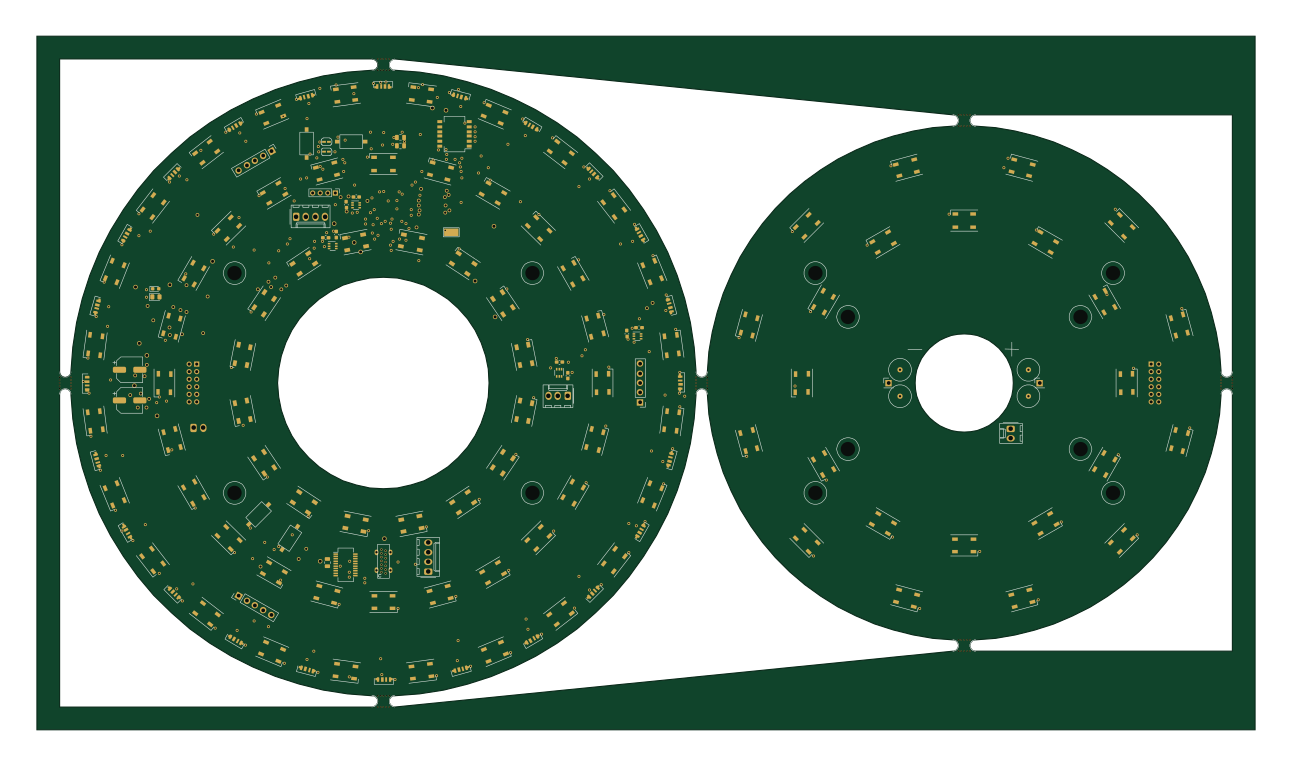 ESP32
Dancing forest
sequoia-hope
322.5 × 183.5 mm216 parts4LCustom license1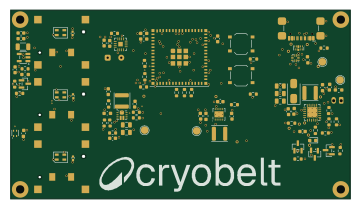 ESP32
Cryobelt
michael201110
90 × 50 mm92 parts4LNo license1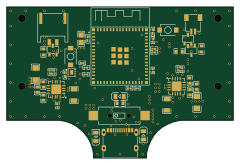 ESP32
Roadster course
jeffreydthompson
60 × 40 mm79 parts4LCC-BY-4.01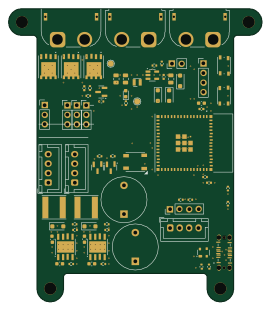 ESP32
148-winter-2025-final project team-11
UCSD-Silberman-Classes-and-Projects
67 × 77.5 mm72 parts4LNo license1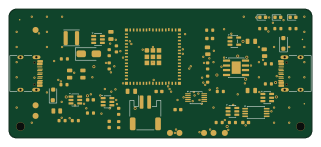 ESP32
Dji fcc esp32
nikolaus018
80 × 34 mm56 parts2LMIT1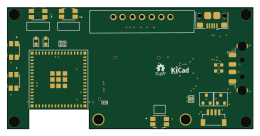 ESP32
USBHIDKey
mikegoelzer
65 × 32 mm50 parts4LNo license1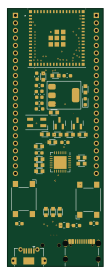 ESP32
ESP32S3-DEVKIT-MINI
Zektopic
25.4 × 68.6 mm45 parts2LNo license1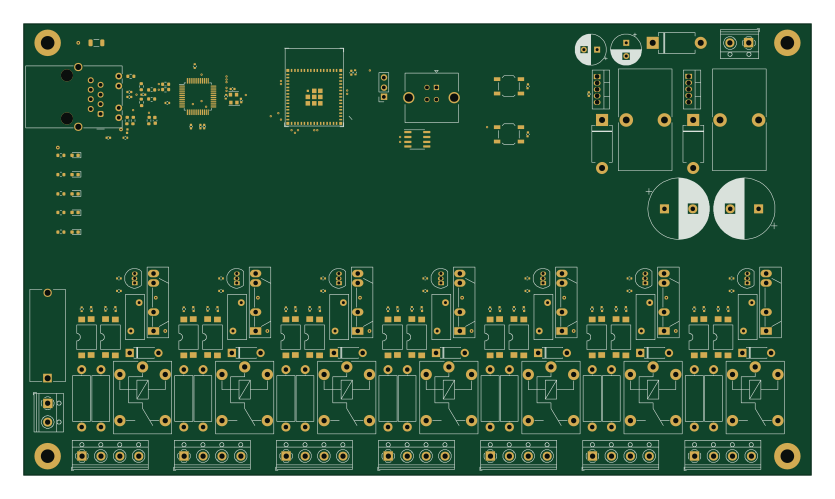 ESP32
RaffstoreControlSystem
Rhynaz
208.3 × 119.4 mm176 parts2LGPL-3.00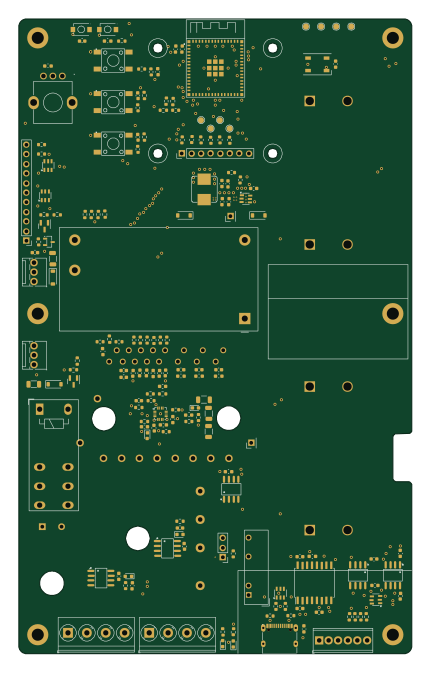 ESP32
MecProInverter
Eg0st
104 × 168 mm172 parts4LNo license0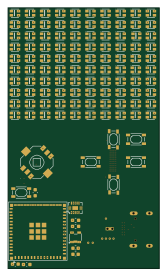 ESP32
MateRix
FBIopeningUPP
40 × 69 mm145 parts4LNo license0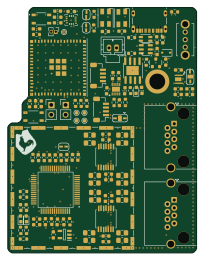 ESP32
Multi-Ferro-DAQ
50 × 65 mm116 parts4LNo license0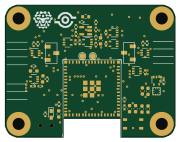 ESP32
ESPLionV1
Angus-McIntyre
45 × 35 mm114 parts4LCC-BY-SA-4.00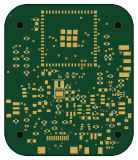 ESP32
Smartwatch
CopperPilot
34 × 40 mm107 parts2LCERN-OHL-S-2.00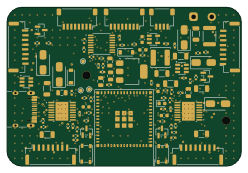 ESP32
Hybrid-Controller HC-1
DesignStraub
62 × 42 mm97 parts4LCC-BY-NC-4.00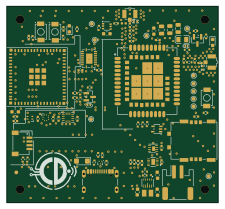 ESP32
EdgeLink S3 Cellular
CDonohoe-Designs
56 × 52 mm93 parts4LNo license0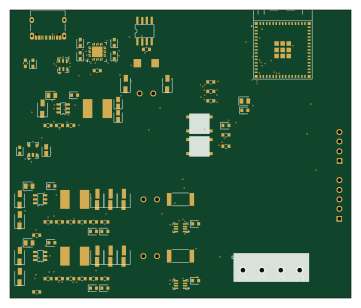 ESP32
VibePCB-bench psu
PaulBichl
90 × 76 mm87 parts4LNo license0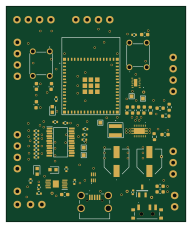 ESP32
DeskCleanerRobot2
rudebacon
47.5 × 57 mm84 parts4LNo license0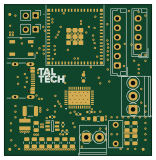 ESP32
Sensorless Coreless motor ESC SimpleFOC
Sp1kys
39 × 40 mm76 parts4LMIT0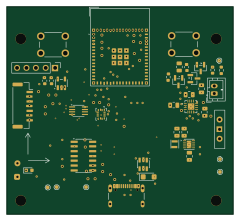 ESP32
BalancerREF
natehorst240-sketch
60 × 55.1 mm75 parts4LNo license0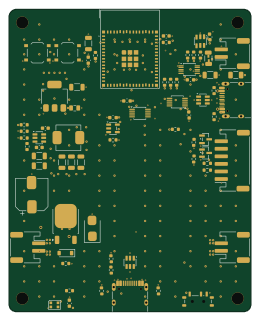 ESP32
Bay node
kartben
64 × 80 mm74 parts4LApache-2.00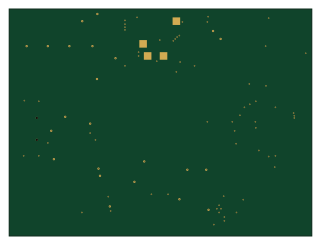 ESP32
BardAssistant
jaylingelbach
80 × 60 mm68 parts4LNo license0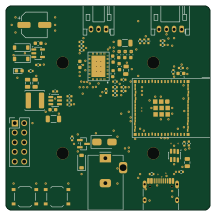 ESP32
SmartKnob
aryanthomare
54 × 54 mm65 parts4LNo license0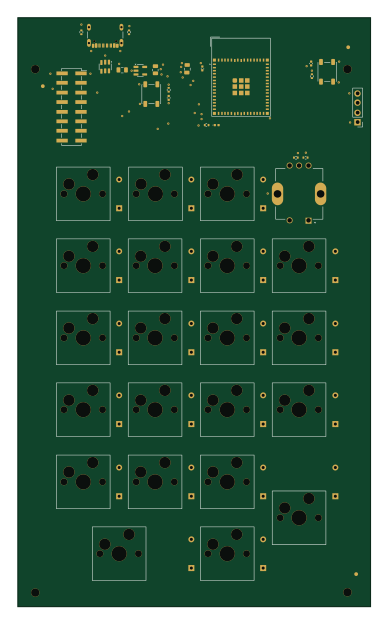 ESP32
KiCAD Keypad
EesaWithTheShot
93.3 × 155.8 mm65 parts4LNo license0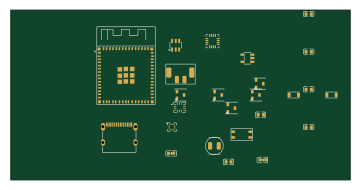 ESP32
Flysys test
nejcokorn
90 × 45 mm64 parts2LNo license0
How designs wire the ESP32-S3-MINI-1-N8
Read from the KiCad layouts of 55 open source designs, one per repository: what each pin of the ESP32-S3-MINI-1-N8 connects to, and the resistors, capacitors and other passives placed on it.
- The EN pin has a pull-up to 3.3V on 49 of 53 designs, most often 10 kΩ (then 5.1 kΩ).
- The EN pin has a capacitor to GND on 45 of 53 designs, most often 1 µF (then 100 nF).
- The 3V3 pin is tied to 3.3V on 50 of 55 designs (a signal on 5).
- The IO46 pin is left unconnected on 38 of 53 designs (a signal on 15).
| Pin | Connected to | Parts on the pin |
|---|---|---|
| GNDpin 1, 2, 42, 43, 46, 47, 48, 49, 50, 51, 52, 53, 54, 55, 56, 57, 58, 59, 60, 61, 62, 63, 64, 65 | Connected to: GND 97% | — |
| 3V3pin 3 | Connected to: 3.3V 91% | — |
| IO0pin 4 | Connected to: Signal 95% |
|
| IO26pin 26 | Connected to: Not connected 67% · a signal 33% | — |
| IO45pin 41 | Connected to: Not connected 65% · a signal 33% | — |
| IO46pin 44 | Connected to: Not connected 72% · a signal 28% | — |
| ENpin 45 | Connected to: Signal 98% |
|
35 more pins vary from design to design. Connections count pins, parts count designs; values in brackets are how many parts had that value. Designs read include Neurband main by jlcjak, LIA by JGAguado, PCB-Modular-Multi-Protocol-Hub by MbFredys and Phone board by JamesTwallin.
The ESP32-S3-MINI-1-N8 in open source designs
The gallery holds 70 open source boards using the ESP32-S3-MINI-1-N8 from 59 GitHub repositories; a typical one measures about 60 × 55 mm and carries around 65 components.
70% use four copper layers or more, and 29% carry an open source license.
The most starred is Neurband main by jlcjak.
Parts used alongside the ESP32-S3-MINI-1-N8
Microcontrollers on boards using the ESP32-S3-MINI-1-N8
What boards using the ESP32-S3-MINI-1-N8 are built for
ESP32-S3-MINI-1-N8: common questions
Where can I find a ESP32-S3-MINI-1-N8 reference design?
Each of the 70 boards on this page is a real design using the ESP32-S3-MINI-1-N8. Open one to see how it is wired up, with the full BOM, a render of the layout and links to its KiCad files.
What pull-up resistor is used on the ESP32-S3-MINI-1-N8 EN pin?
The EN pin has a pull-up to 3.3V on 49 of 53 designs, most often 10 kΩ (then 5.1 kΩ). Counted from the KiCad layouts of 55 open source designs using the ESP32-S3-MINI-1-N8.
How is the ESP32-S3-MINI-1-N8 3V3 pin connected?
The 3V3 pin is tied to 3.3V on 50 of 55 designs (a signal on 5). Counted from the KiCad layouts of 55 open source designs using the ESP32-S3-MINI-1-N8.
How is the ESP32-S3-MINI-1-N8 IO46 pin connected?
The IO46 pin is left unconnected on 38 of 53 designs (a signal on 15). Counted from the KiCad layouts of 55 open source designs using the ESP32-S3-MINI-1-N8.
What parts are used alongside the ESP32-S3-MINI-1-N8?
The USBLC6-2SC6, AP2112K-3.3TRG1, TLV75801PDRV, MAX17048G+T10 and TP4056 appear in the most repositories here.
Which microcontrollers do boards using the ESP32-S3-MINI-1-N8 use?
Most are built on ESP32 (70).
How big is a typical board using the ESP32-S3-MINI-1-N8?
The median is 60 × 55 mm, and 30% are two-layer designs.
What is the most popular open source board using the ESP32-S3-MINI-1-N8?
By GitHub stars, Neurband main by jlcjak, with 32 stars.
Can I simulate one of these boards using the ESP32-S3-MINI-1-N8 before building it?
Yes. HardLabs turns a board's netlist and BOM into a working simulation, so you can boot and test firmware against it with no hardware on your desk.