
49 open source boards using the TLV62569DBV
Real designs built with the TLV62569DBV, from public GitHub projects: a quick way to see how others power, decouple and connect it. Each board comes with its KiCad files, full parts list and a render — and you can simulate its firmware on HardLabs.
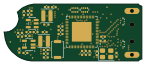
Phantomdrive
o7-machinehum
36.4 × 15 mm47 parts4LMIT878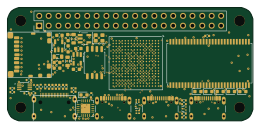 FPGA
Icepi zero
cheyao
65 × 30 mm143 parts4LSHL-2.1865 ESP32
Nlink stick
nspired-Hackers
60 × 12.5 mm45 parts4LNo license50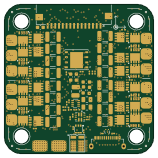 ESP32
P4eregrine
anticitizn
39.5 × 39.5 mm314 parts6LNo license15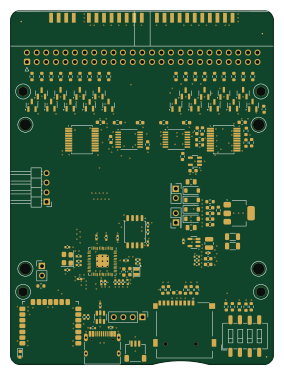 RP2040/RP2350
GBSCSI2 2.5N 235x
GeorgeRudolf
69.5 × 93.6 mm141 parts4LCERN-OHL-S-2.015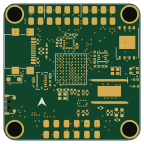 STM32
NewSkyH7-Air
kuku-199
36 × 36 mm157 parts6LApache-2.010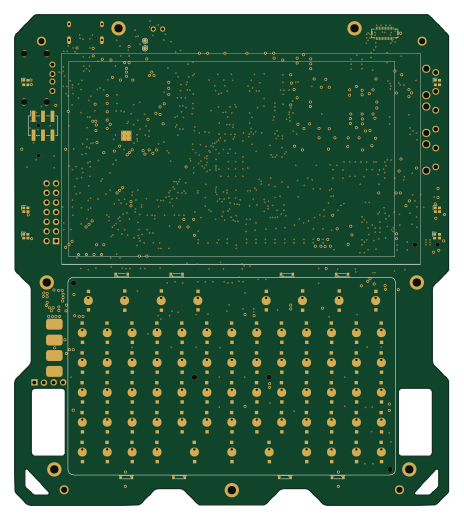 ESP32
Tanmatsu hardware
Nicolai-Electronics
114.9 × 129.9 mm320 parts4LCERN-OHL-P-2.09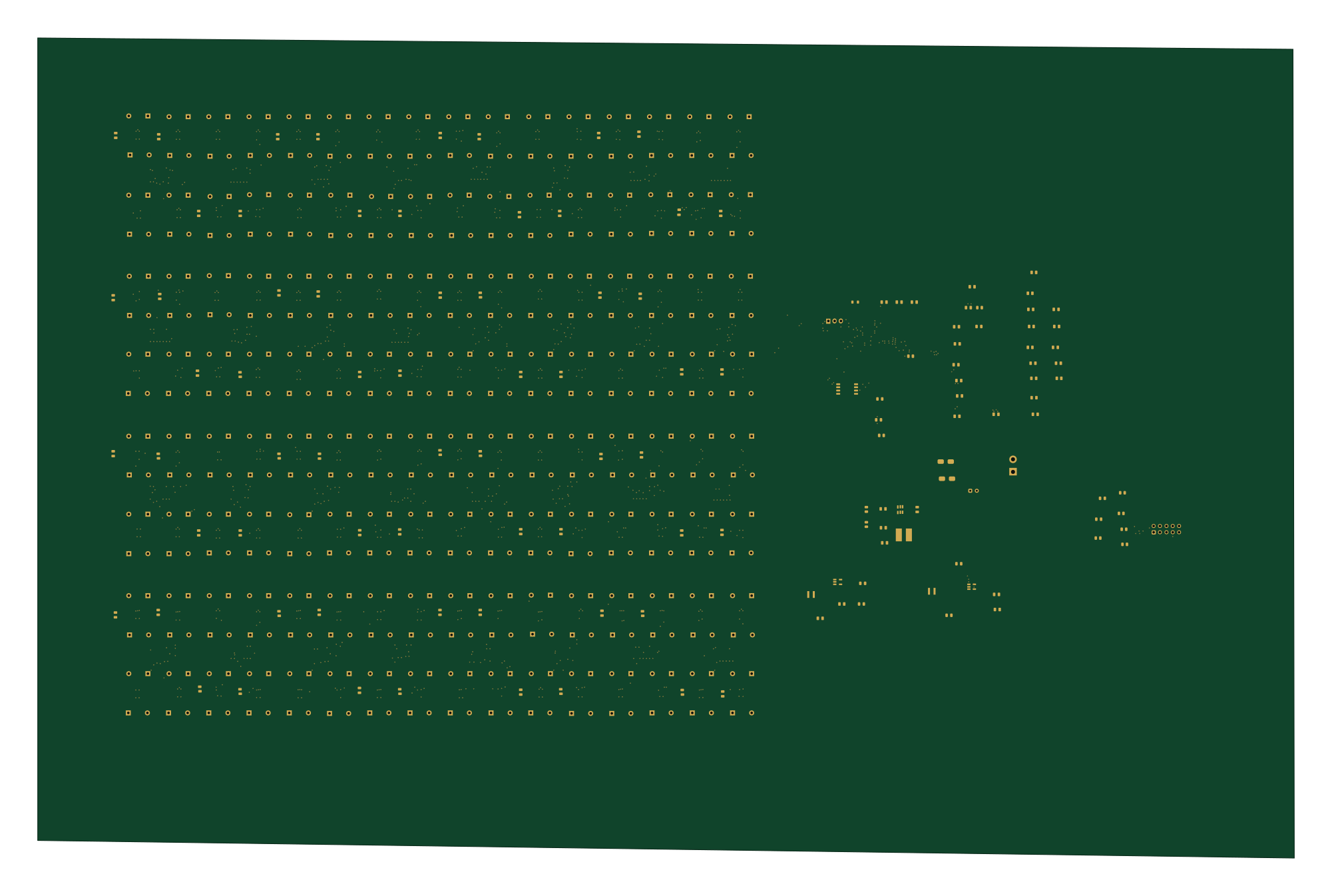 FPGA
Link
Jeo0
499.5 × 326 mm548 parts6LNo license2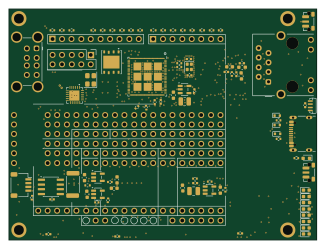 ESP32
P4hil
tannewt
81.3 × 61 mm206 parts4LNo license2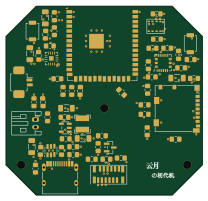 ESP32
VoxConductor
LighthouseXy
52 × 50 mm61 parts4LMIT2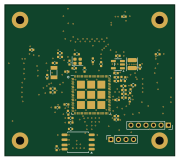 ESP32
Soulcore
huming2207
45 × 40 mm51 parts4LNo license2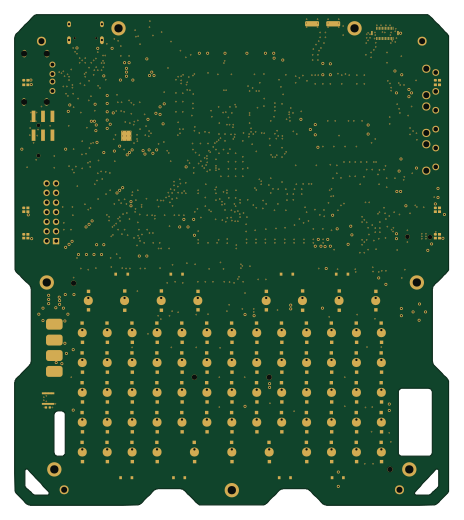 ESP32
Why2025
ranzbak
114.9 × 129.9 mm327 parts4LNo license1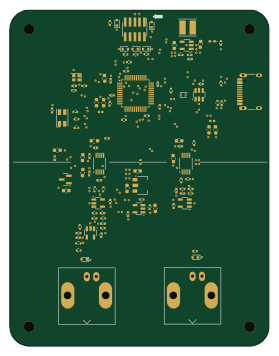 STM32
Adacus
AoToS
68.6 × 88.9 mm111 parts4LNo license1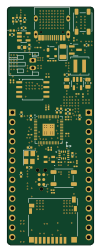 RP2040/RP2350
RP2040 Motion Logger
rishikesh2715
22.9 × 63 mm69 parts4LMIT1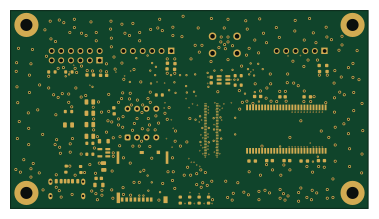
Gf180mcu kianv
splinedrive
94.7 × 52.4 mm60 parts4LNo license1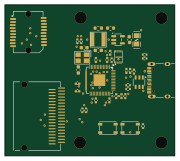 RP2040/RP2350
SFP-Flasher
nxzz
45 × 40 mm41 parts4LNo license1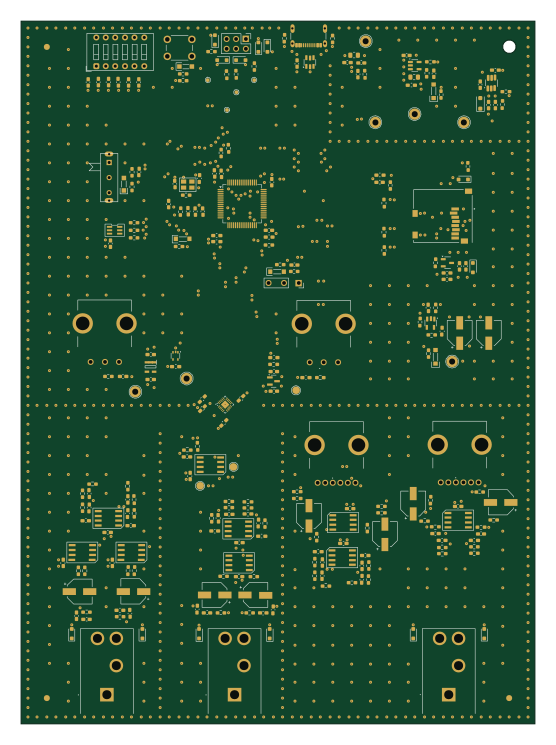 STM32
Audio-DSP-Guitar-Pedal
Jonkaphi
136 × 186 mm260 parts4LNo license0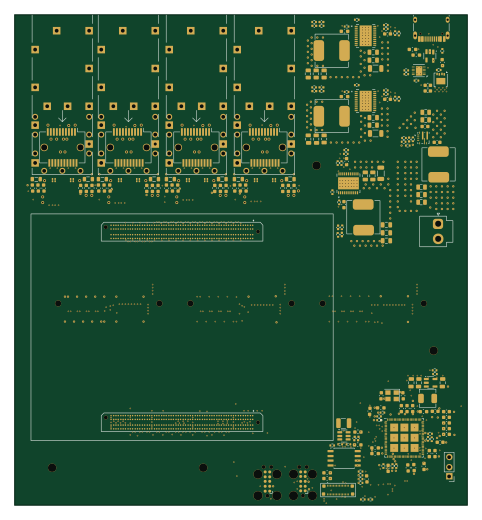 ESP32
Base board
jorisplusplus
119.8 × 129.8 mm230 parts6LNo license0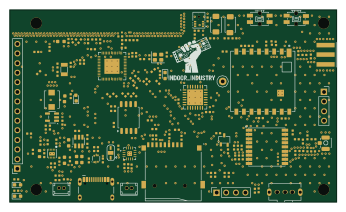 ESP32
Mercurio-RevB
indoor-industry
86.4 × 50.8 mm162 parts4LGPL-3.00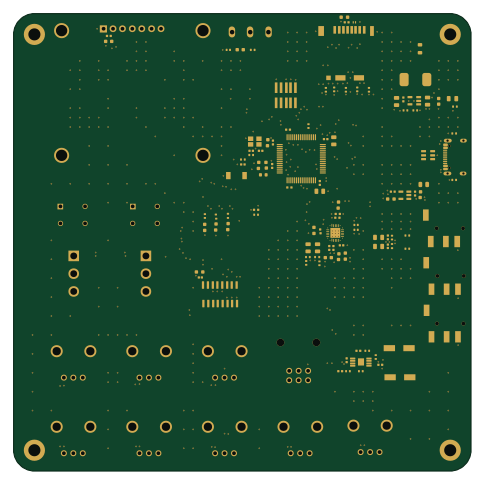 STM32
GalernaDsp
mirrorganger
121 × 121 mm125 parts4LNo license0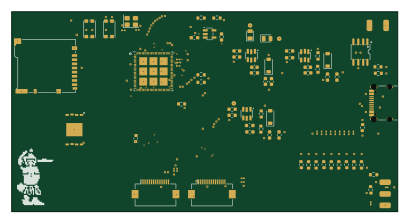 ESP32
Fotaoparát
Kybernetika-SPSE
102 × 52.8 mm116 parts4LNo license0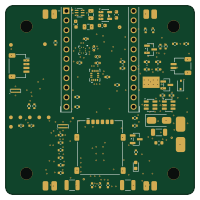 RP2040/RP2350
LFX FC R2
nguyencanhanh
50 × 50 mm113 parts4LMIT0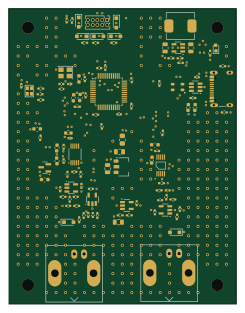 STM32
Mixed-Signal STM32
cipher8-0
60.1 × 78 mm110 parts4LNo license0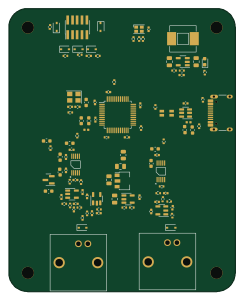 STM32
Mxed Signal
cristobalcuevas
60 × 75 mm110 parts4LNo license0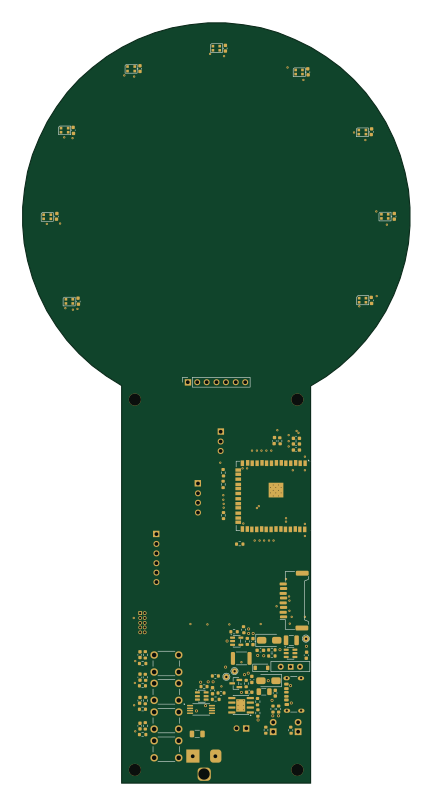 ESP32
Aqi monitor
wngxp
102.5 × 201.2 mm95 parts2LNo license0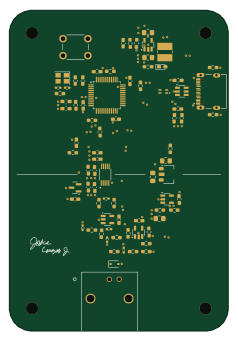 STM32
Fatigue-Measurement-Board
JJ80901
58 × 85 mm79 parts4LNo license0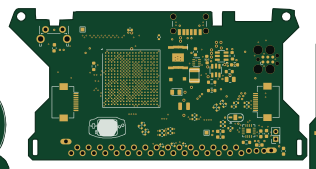 FPGA
FPGBA
teejaytiger
78.8 × 40 mm65 parts2LNo license0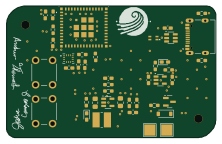 ESP32
GSP-Motion-Board-Rev.-C
55.5 × 34.9 mm40 parts4LNo license0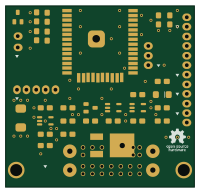 ESP32
Pax-DLED
CalinRadoni
50 × 48 mm39 parts2LGPL-3.00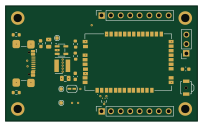
Rak4630 interface
pashamray
50.8 × 30.5 mm18 parts2LMIT0- schematic only · 124 partsFPGA
5150uvc
clacktronics
124 partsNo license0 - schematic only · 44 partsESP32
Single sampler pcb v2
DNAir-AG
44 partsNo license0  RP2040/RP2350
Nlink cam
60 × 12.5 mm40 parts4LNo license50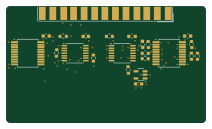 RP2040/RP2350
GBSCSI2 DB25 2354A
53 × 31 mm118 parts4LCERN-OHL-S-2.015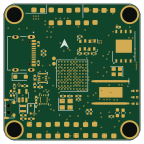 STM32
NewSkyF7-Air
36 × 36 mm145 parts4LApache-2.010 FPGA
OLD-obfuscated-DontUse link
499.5 × 326 mm548 parts6LNo license2
How designs wire the TLV62569DBV
Read from the KiCad layouts of 35 open source designs, one per repository: what each pin of the TLV62569DBV connects to, and the resistors, capacitors and other passives placed on it.
- The SW pin has a inductor on 34 of 35 designs, most often 2.2 µH (then 10 µH).
- The FB pin has a resistor to GND on 34 of 35 designs, most often 100 kΩ (then 22 kΩ).
- The VIN pin has a decoupling capacitor on 32 of 35 designs, most often 22 µF (then 100 nF).
- The FB pin has a pull-up to 3.3V on 30 of 35 designs, most often 100 kΩ (then 442 kΩ).
| Pin | Connected to | Parts on the pin |
|---|---|---|
| ENpin 1 | Connected to: 5V 66% · a signal 34% | — |
| GNDpin 2 | Connected to: GND 100% | — |
| SWpin 3 | Connected to: Signal 100% |
|
| VINpin 4 | Connected to: 5V 94% |
|
| FBpin 5 | Connected to: Signal 100% |
|
Connections count pins, parts count designs; values in brackets are how many parts had that value. Designs read include Phantomdrive by o7-machinehum, Icepi zero by cheyao, Nlink lite by nspired-Hackers and Control v4.1-stm32 by RoboJackets.
The TLV62569DBV in open source designs
The gallery holds 49 open source boards using the TLV62569DBV from 37 GitHub repositories; a typical one measures about 60 × 50.8 mm and carries around 95 components.
87% use four copper layers or more, and 41% carry an open source license.
The most starred is Phantomdrive by o7-machinehum.
Parts used alongside the TLV62569DBV
Microcontrollers on boards using the TLV62569DBV
What boards using the TLV62569DBV are built for
TLV62569DBV: common questions
Where can I find a TLV62569DBV reference design?
Each of the 49 boards on this page is a real design using the TLV62569DBV. Open one to see how it is wired up, with the full BOM, a render of the layout and links to its KiCad files.
How is the TLV62569DBV SW pin connected?
The SW pin has a inductor on 34 of 35 designs, most often 2.2 µH (then 10 µH). Counted from the KiCad layouts of 35 open source designs using the TLV62569DBV.
What resistor goes on the TLV62569DBV FB pin?
The FB pin has a resistor to GND on 34 of 35 designs, most often 100 kΩ (then 22 kΩ). Counted from the KiCad layouts of 35 open source designs using the TLV62569DBV.
What decoupling capacitors do designs use on the TLV62569DBV VIN pin?
The VIN pin has a decoupling capacitor on 32 of 35 designs, most often 22 µF (then 100 nF). Counted from the KiCad layouts of 35 open source designs using the TLV62569DBV.
What parts are used alongside the TLV62569DBV?
The USBLC6-2SC6, W25Q128JVS, ESP32-P4, BMI270 and HT7533-1 appear in the most repositories here.
Which microcontrollers do boards using the TLV62569DBV use?
Most are built on ESP32 (18), RP2040/RP2350 (9), STM32 (9) and FPGA (6).
How big is a typical board using the TLV62569DBV?
The median is 60 × 50.8 mm, and 13% are two-layer designs.
What is the most popular open source board using the TLV62569DBV?
By GitHub stars, Phantomdrive by o7-machinehum, with 878 stars.
Can I simulate one of these boards using the TLV62569DBV before building it?
Yes. HardLabs turns a board's netlist and BOM into a working simulation, so you can boot and test firmware against it with no hardware on your desk.