
60 open source boards using the AMS1117
Real designs built with the AMS1117, from public GitHub projects: a quick way to see how others power, decouple and connect it. Each board comes with its KiCad files, full parts list and a render — and you can simulate its firmware on HardLabs.
 AVR/Arduino
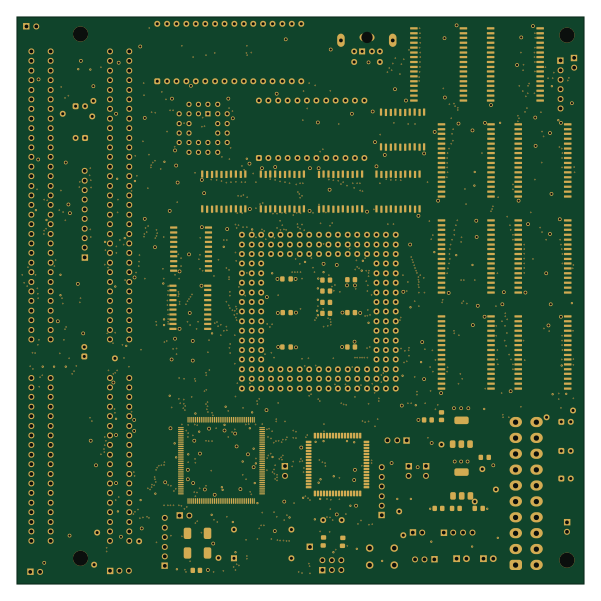
M8SBC-486
maniekx86
150 × 150 mm123 parts4LNo license253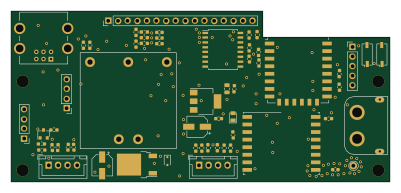 ESP8266
TranspOtterNG
Jana-Marie
100 × 45 mm59 parts2LNo license51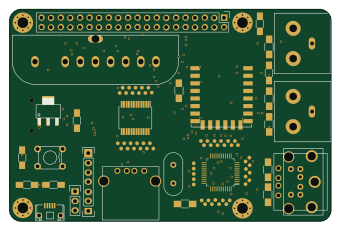 ESP8266
Basicengine
uli
85 × 56 mm44 parts2LNo license48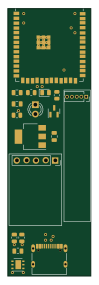 ESP32
ESP32Tiny sensor
larry-wong
22 × 71 mm18 parts2LNo license34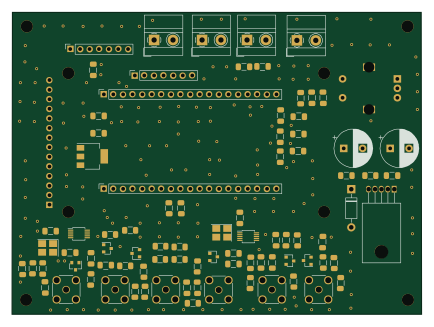 ESP32
ESP32VFO-ESP32-Si5351
paulh002
108.4 × 79.9 mm95 parts2LNo license29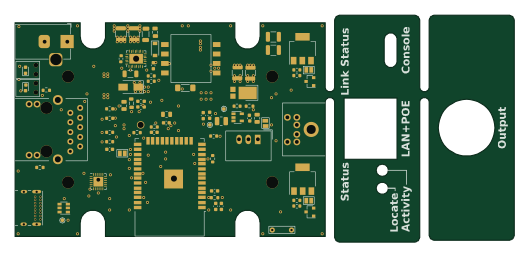 ESP32
ESP32Stacklight hardware
Tyler-Ward
132 × 60 mm115 parts2LCC-BY-SA-4.019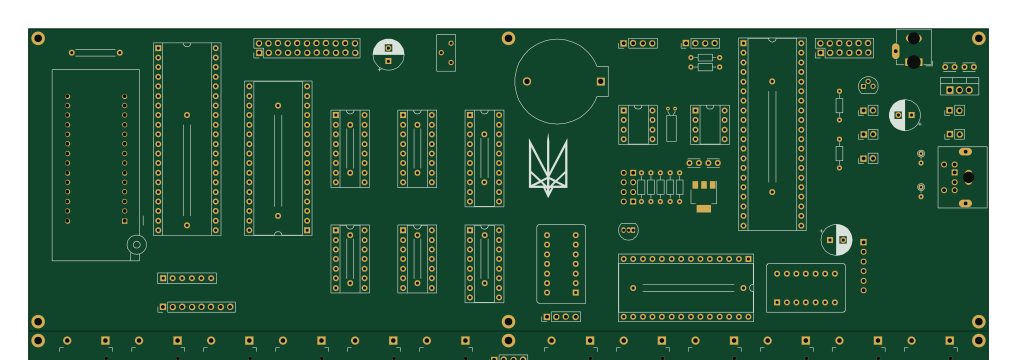 ESP8266
Deck65
and3rson
254 × 80 mm183 parts2LGPL-3.015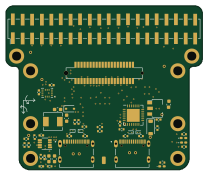
Expansion
kuku-199
52 × 43.4 mm52 parts2LNo license14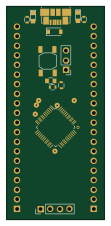 STM32
STM32RSTM32F030C8T6 ProMiniPlus
r-pv
25.9 × 56.4 mm27 parts2LGPL-3.014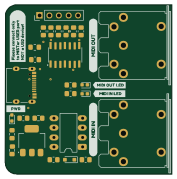
MIDI4MiSTer
KabukiFlux
44 × 44.8 mm27 parts2LMIT13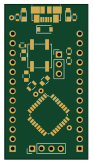 STM32
STM32STM32F030K6
22 × 41 mm23 parts2LGPL-3.011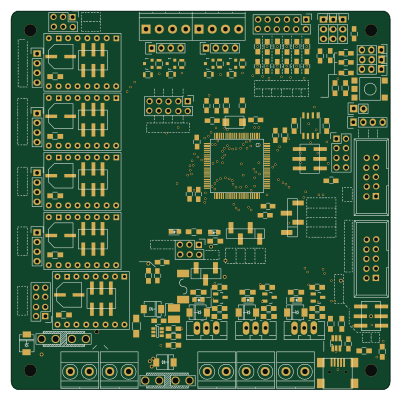 STM32
STM32ReST32 Main
berryelectronics
100 × 100 mm168 parts2LNo license7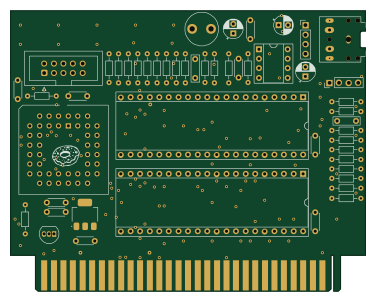
TS Ext EPM3032
ponchick
94 × 74.3 mm50 parts2LNo license3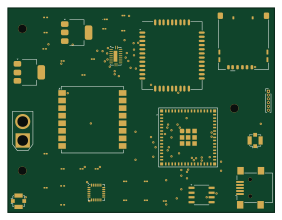 ESP32
ESP32OpenAV
JIBSIL
70.3 × 53.9 mm35 parts2LMIT2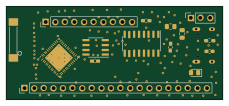 RP2040/RP2350
Jackco esp32-pico
huming2207
57.2 × 24.6 mm29 parts2LNo license2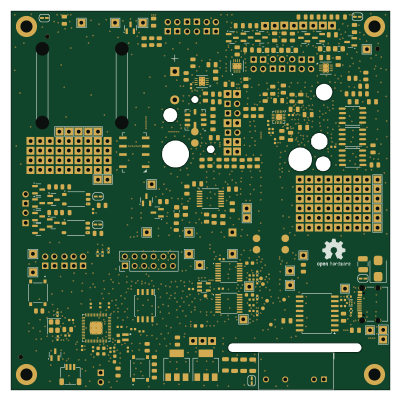 RP2040/RP2350
Ad low noise float 2023 git
petermaerki
100 × 100 mm237 parts2LNo license1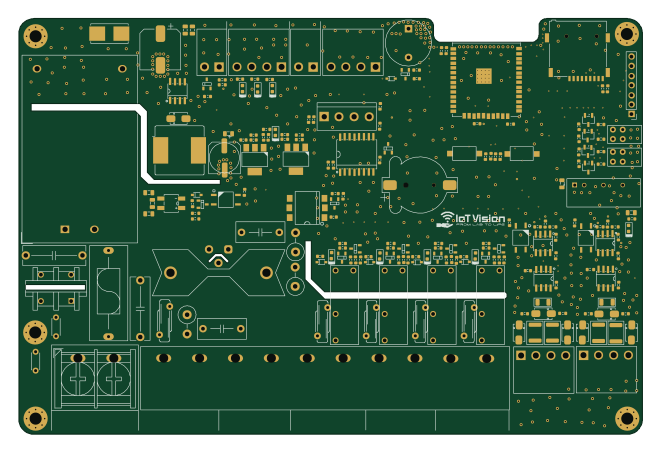 ESP32
ESP32Clean room slave
trieuhuyduc
165 × 110 mm207 parts2LNo license1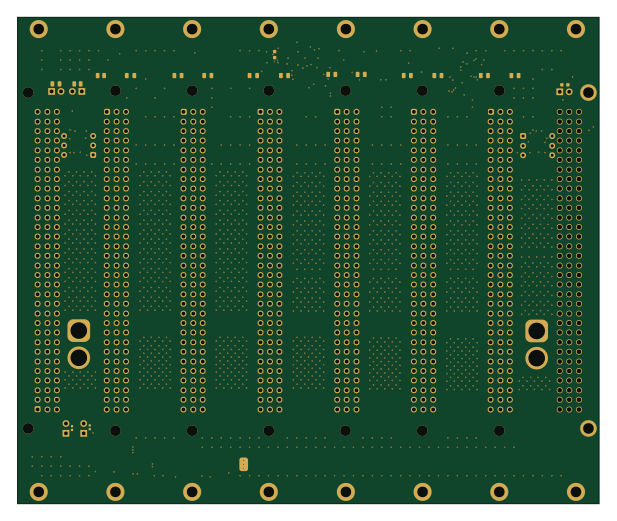
ModuCard-Backplane-Sixth-Sense
ArthorH
153.9 × 128.7 mm113 parts4LNo license1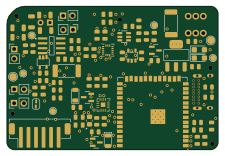 ESP32
ESP32Nerf-ATG-Electronics
nico25112005
56 × 38 mm87 parts4LCC-BY-NC-4.01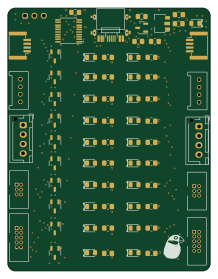 RISC-V
Wire connect checker
74th
53.5 × 69.5 mm72 parts2LMIT1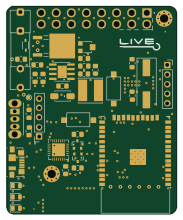 ESP32
ESP32Dongle eaLIVE
joaogabrielsantosD
45 × 55 mm69 parts2LNo license1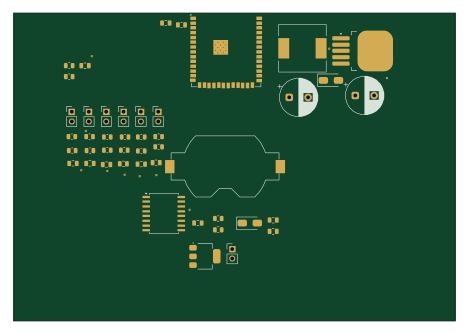 ESP32
ESP32PressLog
bansalsaksham
117 × 81.5 mm45 parts2LNo license1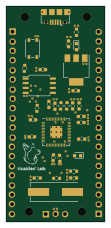 RP2040/RP2350
Siberian-01
luispa12
26 × 56.9 mm34 parts2LNo license1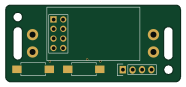 ESP8266
Wifi lamp
damianmoore
46.4 × 20.3 mm8 parts2LGPL-3.01- schematic only · 8 partsESP32
Routeur solaire
aginies
8 parts2LNo license1 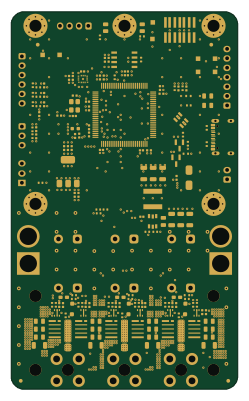 STM32
STM32NanoGaN
eren-akbayin
60 × 100 mm192 parts6LNo license0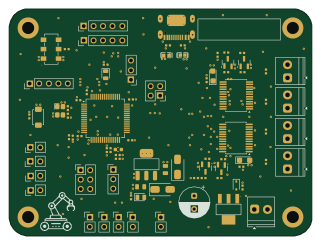 STM32
STM32Mecanum robot board
adammat02
80 × 60 mm83 parts2LNo license0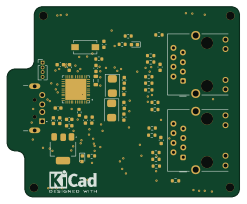 STM32
STM32USB-to-Ethercat-Adapter-Board-
Nithish772
61.6 × 50.4 mm79 parts2LNo license0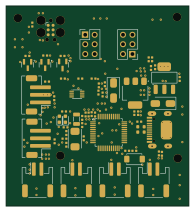 STM32
STM32Dynaboard button controller
manhoosbilli1
48.3 × 52.9 mm62 parts4LNo license0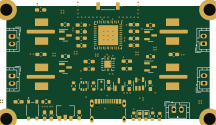 RP2040/RP2350
OpenScent
anxndsgn
54 × 30 mm57 parts4LCC-BY-NC-4.00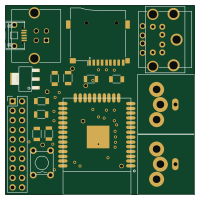 ESP32
ESP32Shuttle
50 × 50 mm19 parts2LNo license48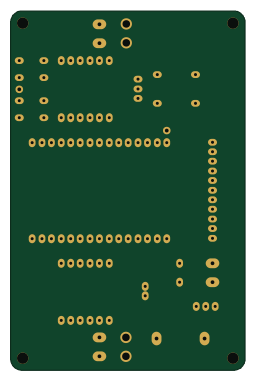 ESP32
ESP32MATRIZ COCHE COMPETENCIA
OttoDotto
62 × 95 mm186 parts2LNo license3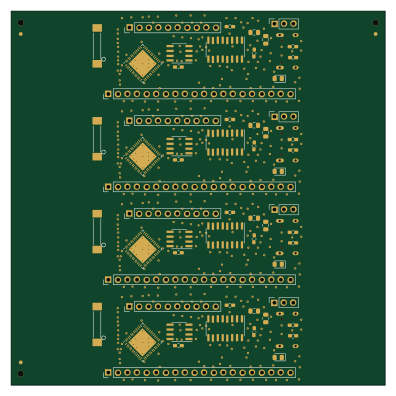 RP2040/RP2350
Jackco esp32-pico panel v2
99 × 99 mm29 parts2LNo license2 ESP32
ESP32ESP8266
agkaminski
20.3 × 25.7 mm18 parts2LCC-BY-NC-4.00 ESP32
ESP32ESP8266
20.3 × 25.7 mm18 parts2LCC-BY-NC-4.00- schematic only · 72 partsESP32
Kicad
goog-yaml
72 parts2LNo license0
The AMS1117 in open source designs
The gallery holds 60 open source boards using the AMS1117 from 46 GitHub repositories; a typical one measures about 57.2 × 55 mm and carries around 44 components.
86% are two-layer designs, the rest use four layers or more, and 42% carry an open source license.
The most starred is M8SBC-486 by maniekx86.
Parts used alongside the AMS1117
Microcontrollers on boards using the AMS1117
What boards using the AMS1117 are built for
AMS1117: common questions
Where can I find a AMS1117 reference design?
Each of the 60 boards on this page is a real design using the AMS1117. Open one to see how it is wired up, with the full BOM, a render of the layout and links to its KiCad files.
What parts are used alongside the AMS1117?
The ESP32-S3-WROOM-1, CH340C, ESP32-WROOM-32, 74HC14 and AMS1117-3.3 appear in the most repositories here.
Which microcontrollers do boards using the AMS1117 use?
Most are built on ESP32 (21), STM32 (9), RISC-V (8) and RP2040/RP2350 (5).
How big is a typical board using the AMS1117?
The median is 57.2 × 55 mm, and 86% are two-layer designs.
What is the most popular open source board using the AMS1117?
By GitHub stars, M8SBC-486 by maniekx86, with 253 stars.
Can I simulate one of these boards using the AMS1117 before building it?
Yes. HardLabs turns a board's netlist and BOM into a working simulation, so you can boot and test firmware against it with no hardware on your desk.