
60 open source boards using the ATmega328-P
Real designs built with the ATmega328-P, from public GitHub projects: a quick way to see how others power, decouple and connect it. Each board comes with its KiCad files, full parts list and a render — and you can simulate its firmware on HardLabs.
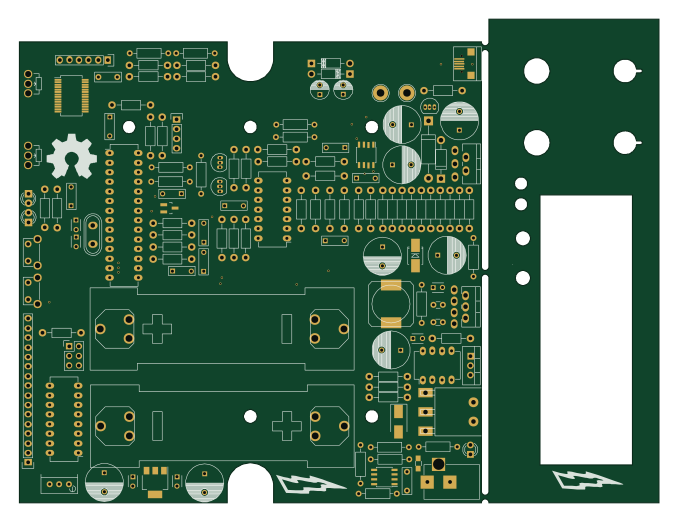 AVR/Arduino
SmartSupply
ThomasVDD
169.3 × 128 mm131 parts2LCustom license96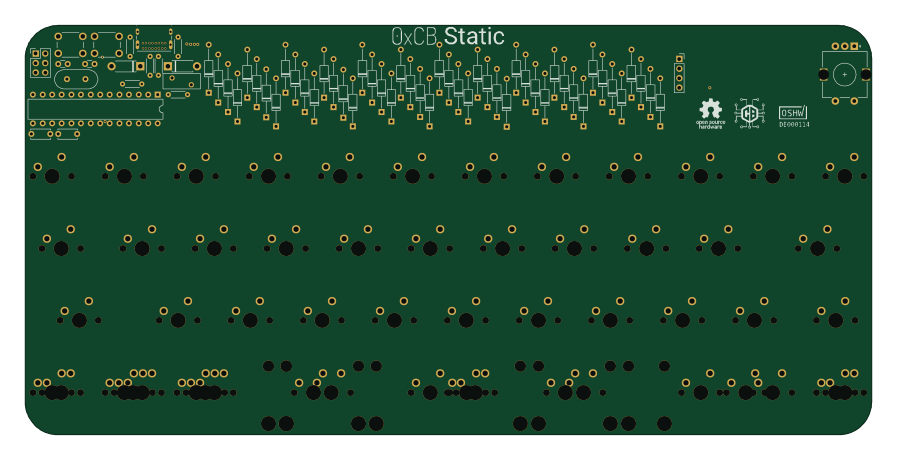 AVR/Arduino
Static AD
0xCB-dev
223.8 × 108.2 mm111 parts2LCustom license66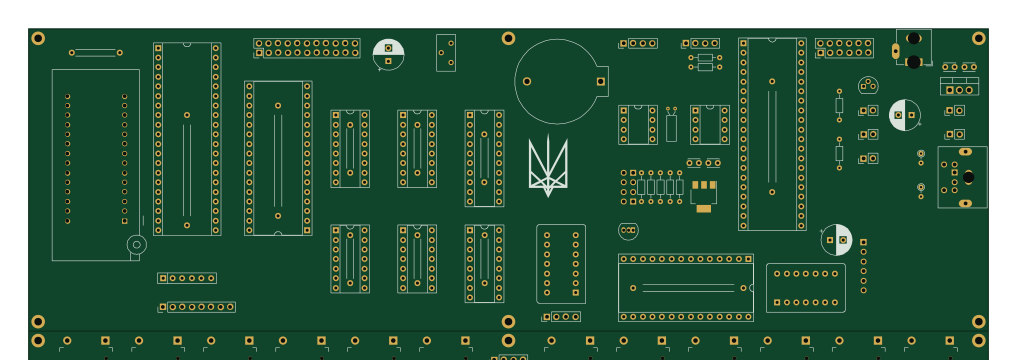 ESP8266
Deck65
and3rson
254 × 80 mm183 parts2LGPL-3.015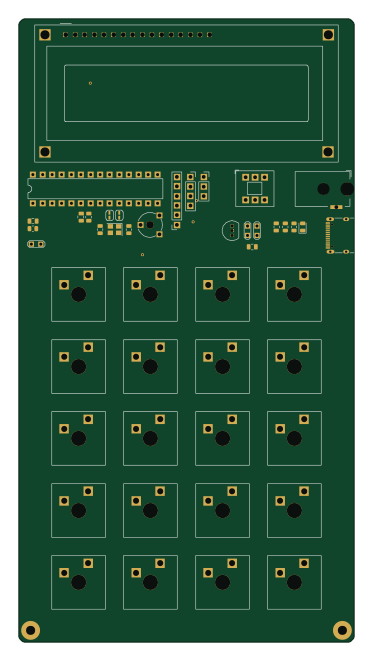 AVR/Arduino
OCMC
gubareve
88.8 × 165 mm47 parts2LBSD-3-Clause6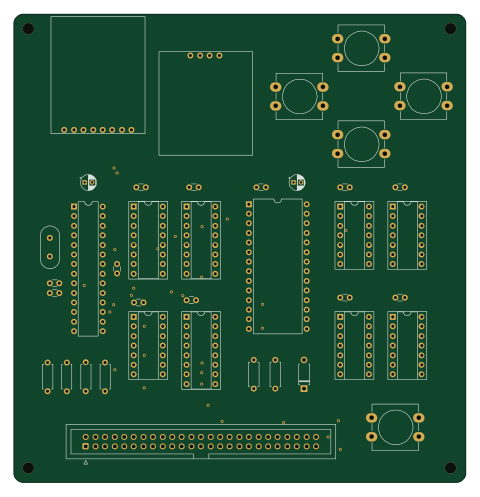 AVR/Arduino
Amstrad cpc6128 romboard
bmpc
119.6 × 123.9 mm40 parts2LNo license6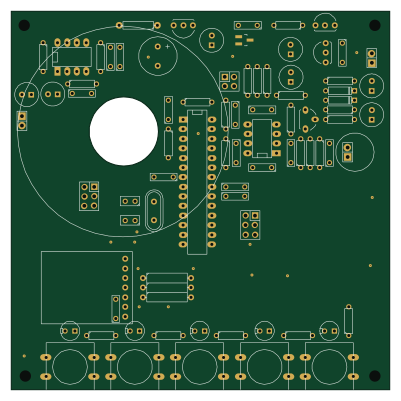 AVR/Arduino
Intercom
ukmaker
100 × 100 mm82 parts2LMIT5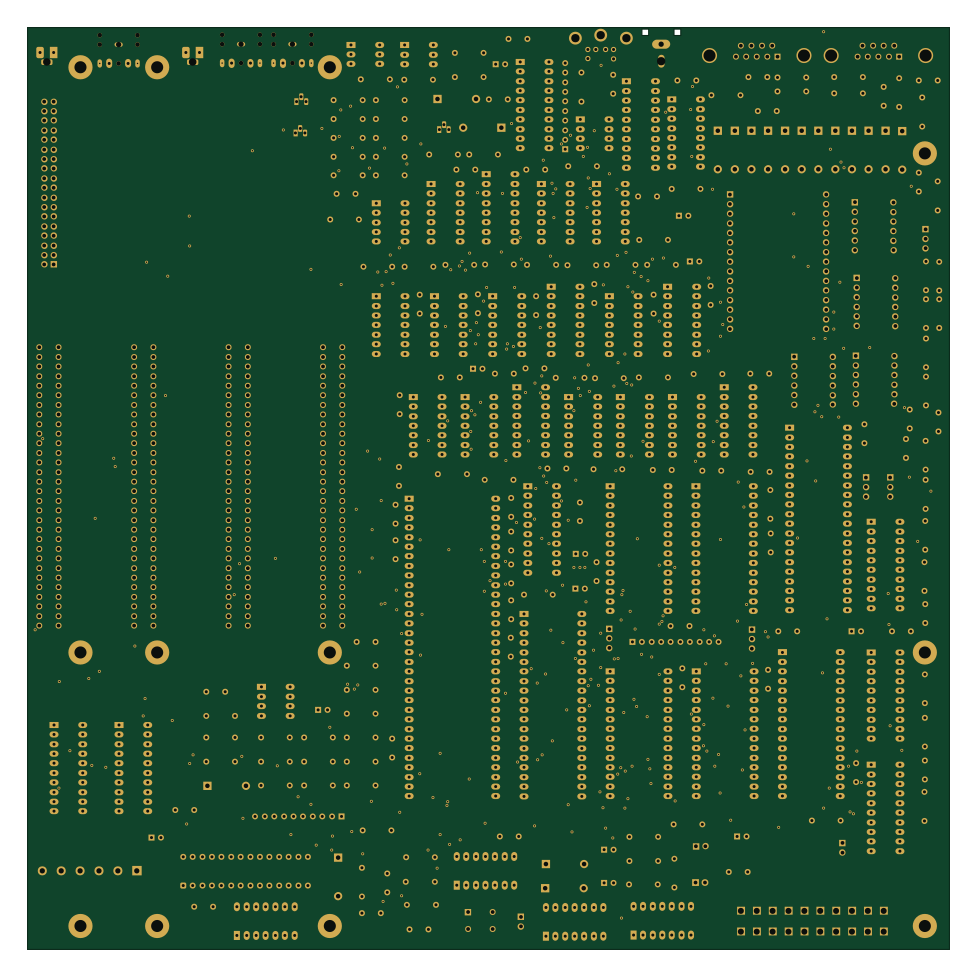 ESP32
TI99 22
danwerner21
244 × 244 mm257 parts4LNo license4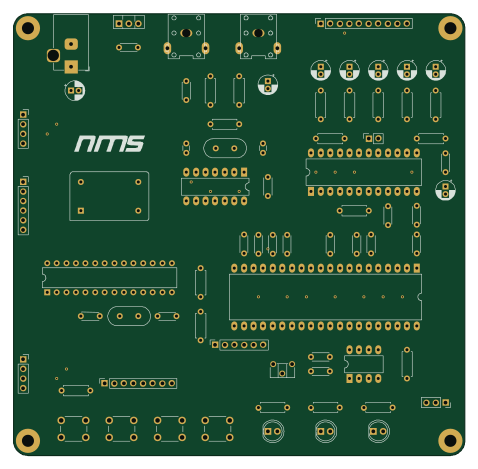 AVR/Arduino
Teletext decoder
avrovulcanxh607
119.4 × 116.8 mm74 parts2LNo license4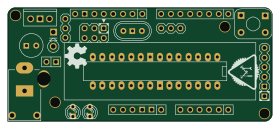 AVR/Arduino
MAPusart - USB to USART Bridge using CP2012
MakersAsylumIndia
70 × 30 mm40 parts2LNo license3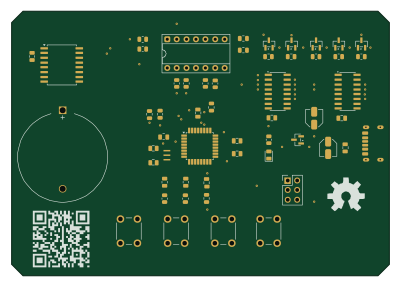 AVR/Arduino
Als311-clock
ugolnikovE
100 × 70 mm55 parts2LMIT2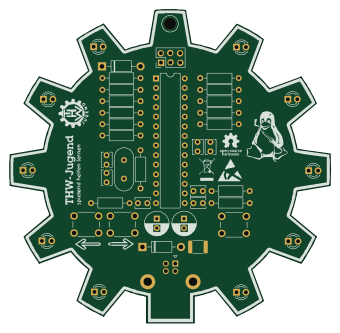 AVR/Arduino
THW-Badge
lugsaar
84.9 × 82.9 mm44 parts2LCC-BY-NC-4.02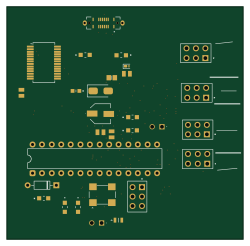 AVR/Arduino
Jeden board
Wojtekb30
62.5 × 61.5 mm29 parts2LCustom license2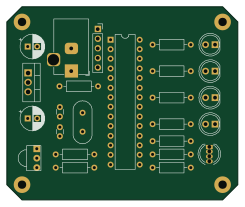 AVR/Arduino
Avr irremote led lamp
QuintusJoyal
61 × 51 mm25 parts2LNo license2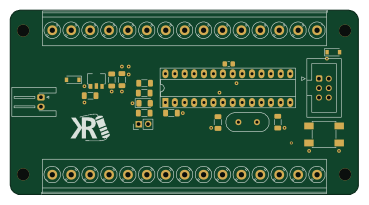 AVR/Arduino
KiCad-ATMega-Board
DoImant
92 × 48.7 mm23 parts4LCC-BY-SA-4.02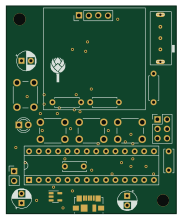 AVR/Arduino
Scrambler
artichoked1
45 × 55 mm20 parts2LNo license2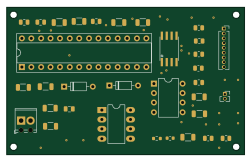 AVR/Arduino
Digital-Stethoscope
Ashley-Ann-Benoy
63 × 39 mm33 parts2LNo license1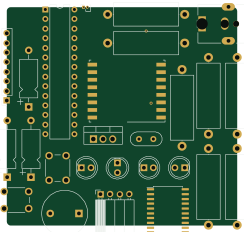 AVR/Arduino
SPEED GOVERNOR TRIAL 1
KaburaJ
61 × 57.8 mm26 parts2LNo license1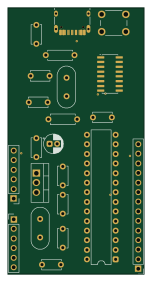 AVR/Arduino
DevBoard
 Apishrana36 × 70.5 mm22 parts2LNo license1
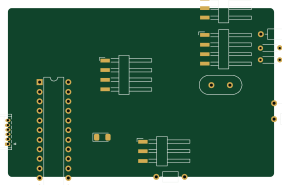 AVR/Arduino
Pcb business card
namberino
70.5 × 44.7 mm14 parts2LApache-2.01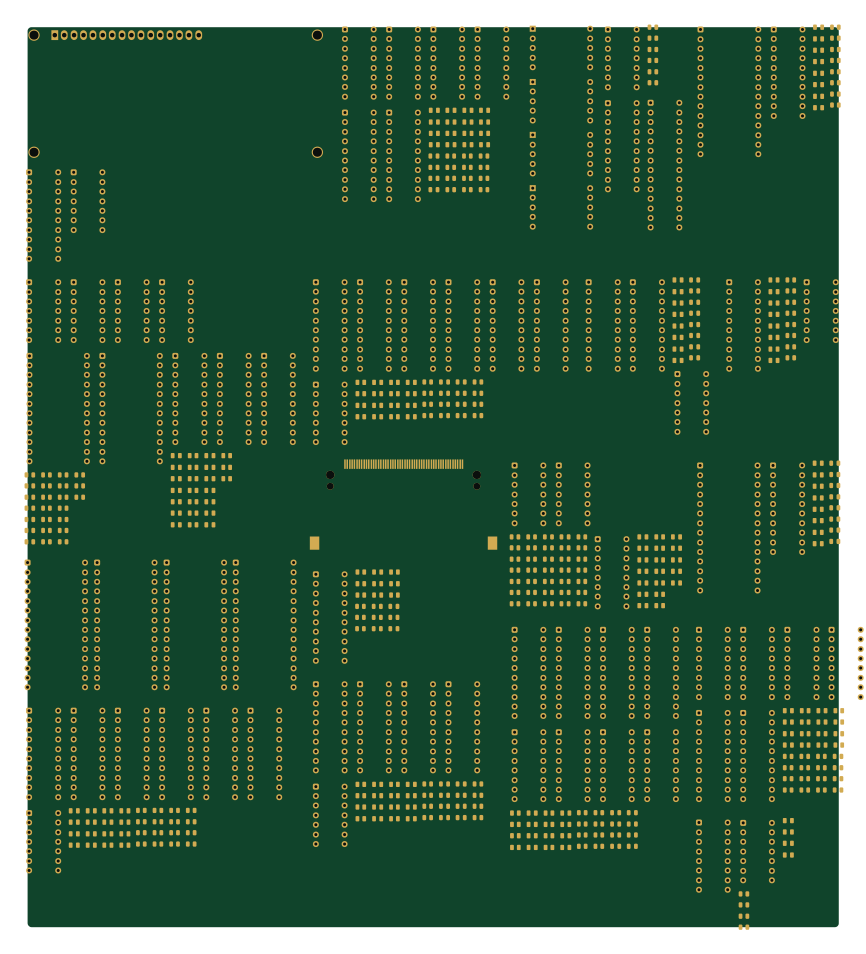 AVR/Arduino
8bit
Haxintosh
214.7 × 238.3 mm468 parts2LCERN-OHL-P-2.00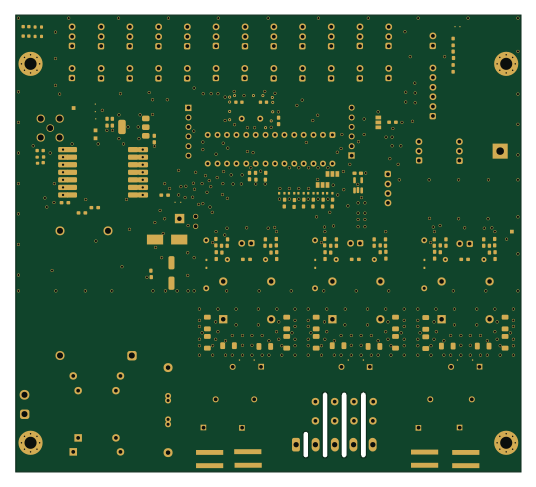 AVR/Arduino
3phaseDiverter
FredM67
133.7 × 120.8 mm150 parts2LCC-BY-SA-4.00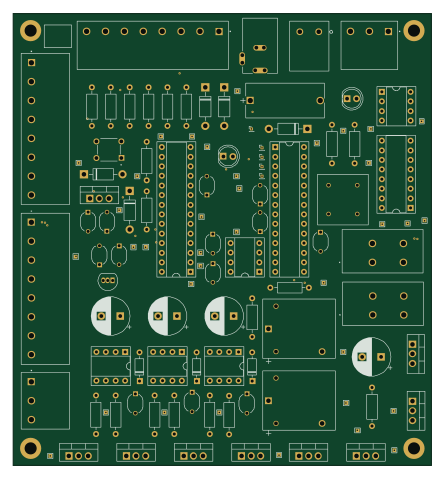 AVR/Arduino
The-SuperCap-Bike-Project
Fischer-Andrew
110.5 × 119.5 mm119 parts2LCC0-1.00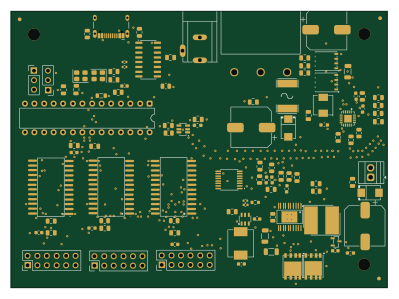 AVR/Arduino
Custom PSU
GodOfStrategy
99.6 × 73.1 mm105 parts2LNo license0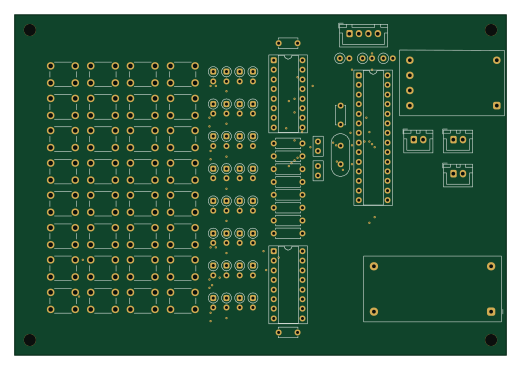 AVR/Arduino
Kicad orchestrator
berjer1e
130 × 90 mm90 parts2LMIT0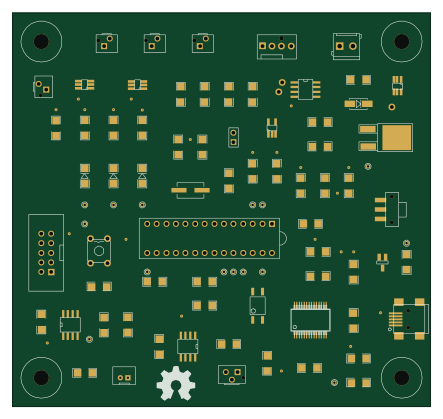 AVR/Arduino
Pjcontroller
jdeguire
110.5 × 104.1 mm87 parts2LGPL-3.00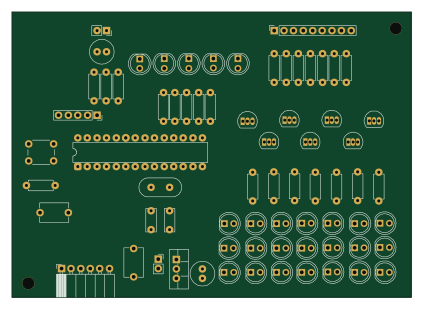 AVR/Arduino
Test 3
TekBot-Robotics-Challenge
105.7 × 75.5 mm71 parts2LNo license0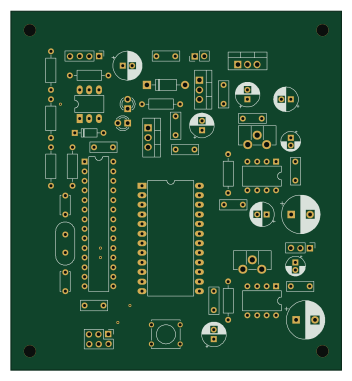 AVR/Arduino
ArduFM2612
rimowals
87.5 × 95 mm51 parts2LNo license0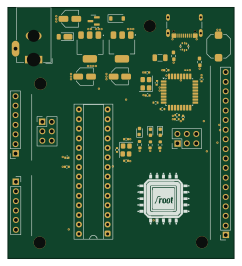 AVR/Arduino
Arduino-Uno
MohamedHassanExp
59.9 × 66.5 mm46 parts4LMIT0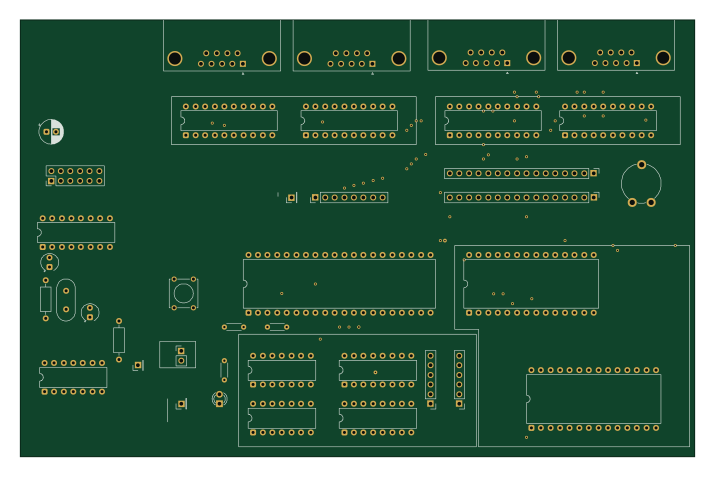 AVR/Arduino
CR2021 CPU v2
derpflanz
178.4 × 115.6 mm43 parts2LNo license0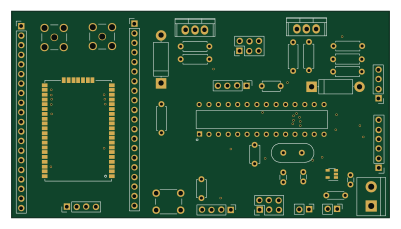 AVR/Arduino
Smart-Garbage-Collection
cs684-2018
100.1 × 54.7 mm38 parts2LNo license0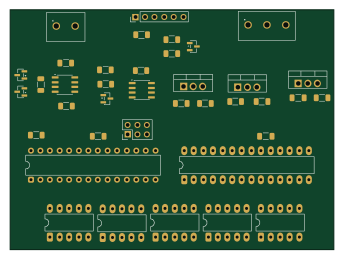 AVR/Arduino
LatheDisplay
eshazen
85.7 × 63.5 mm36 parts2LNo license0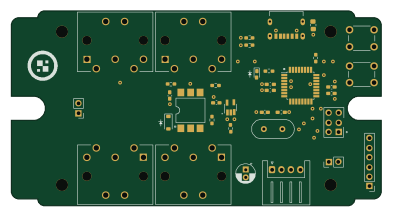 AVR/Arduino
Piano Lights
ddribin
98 × 51.6 mm36 parts2LMIT0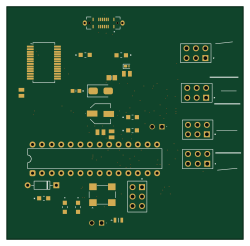 AVR/Arduino
Boardproof
bhuvanprakash
62.5 × 61.5 mm29 parts2LMIT0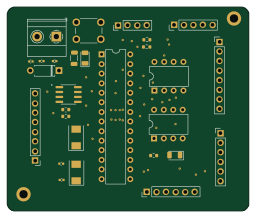 AVR/Arduino
Data-Logger
Eid2512
64 × 54 mm28 parts2LNo license0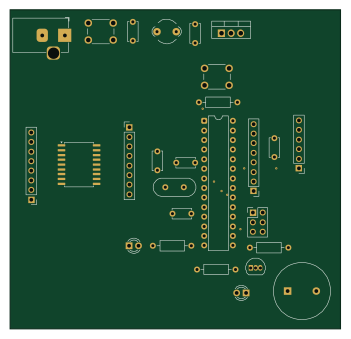 AVR/Arduino
AVR-Controller-Board
Chaitanya-cloud-mac
87.5 × 84.5 mm27 parts2LNo license0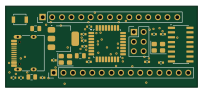 AVR/Arduino
ATmega328p microcontroller board
Abhi90808
50.7 × 21.5 mm26 parts2LNo license0
How designs wire the ATmega328-P
Read from the KiCad layouts of 52 open source designs, one per repository: what each pin of the ATmega328-P connects to, and the resistors, capacitors and other passives placed on it.
- The XTAL1/PB6 pin has a crystal on 36 of 52 designs, most often 16 MHz (then 20 MHz).
- The RESET/PC6 pin has a pull-up to 5V on 35 of 52 designs, most often 10 kΩ (then 22 kΩ).
- The XTAL1/PB6 pin has a capacitor to GND on 35 of 52 designs, most often 22 pF (then 20 pF).
- The XTAL2/PB7 pin has a crystal on 35 of 52 designs, most often 16 MHz (then 20 MHz).
| Pin | Connected to | Parts on the pin |
|---|---|---|
| RESET/PC6pin 1 | Connected to: A connector 53% |
|
| VCCpin 7 | Connected to: 5V 83% · a signal 17% |
|
| GNDpin 8, 22 | Connected to: GND 90% | — |
| XTAL1/PB6pin 9 | Connected to: Signal 88% |
|
| XTAL2/PB7pin 10 | Connected to: Signal 81% · not connected 19% |
|
| AVCCpin 20 | Connected to: 5V 73% · a signal 15% |
|
| AREFpin 21 | Connected to: Not connected 44% · 5V 15% · a signal 37% |
|
20 more pins vary from design to design. Connections count pins, parts count designs; values in brackets are how many parts had that value. Designs read include SmartSupply by ThomasVDD, Static AD by 0xCB-dev, Deck65 by and3rson and Nixie clock by shengwen-tw.
The ATmega328-P in open source designs
The gallery holds 60 open source boards using the ATmega328-P from 53 GitHub repositories; a typical one measures about 85.7 × 63.5 mm and carries around 36 components.
95% are two-layer designs, the rest use four layers or more, and 38% carry an open source license.
The most starred is SmartSupply by ThomasVDD.
Parts used alongside the ATmega328-P
Microcontrollers on boards using the ATmega328-P
What boards using the ATmega328-P are built for
ATmega328-P: common questions
Where can I find a ATmega328-P reference design?
Each of the 60 boards on this page is a real design using the ATmega328-P. Open one to see how it is wired up, with the full BOM, a render of the layout and links to its KiCad files.
How is the ATmega328-P XTAL1/PB6 pin connected?
The XTAL1/PB6 pin has a crystal on 36 of 52 designs, most often 16 MHz (then 20 MHz). Counted from the KiCad layouts of 52 open source designs using the ATmega328-P.
What pull-up resistor is used on the ATmega328-P RESET/PC6 pin?
The RESET/PC6 pin has a pull-up to 5V on 35 of 52 designs, most often 10 kΩ (then 22 kΩ). Counted from the KiCad layouts of 52 open source designs using the ATmega328-P.
How is the ATmega328-P XTAL2/PB7 pin connected?
The XTAL2/PB7 pin has a crystal on 35 of 52 designs, most often 16 MHz (then 20 MHz). Counted from the KiCad layouts of 52 open source designs using the ATmega328-P.
What parts are used alongside the ATmega328-P?
The L7805, LM7805_TO220, 74HC595, CH340G and FT232RL appear in the most repositories here.
Which microcontrollers do boards using the ATmega328-P use?
Most are built on AVR/Arduino (57), ESP8266 (2) and ESP32 (1).
How big is a typical board using the ATmega328-P?
The median is 85.7 × 63.5 mm, and 95% are two-layer designs.
What is the most popular open source board using the ATmega328-P?
By GitHub stars, SmartSupply by ThomasVDD, with 96 stars.
Can I simulate one of these boards using the ATmega328-P before building it?
Yes. HardLabs turns a board's netlist and BOM into a working simulation, so you can boot and test firmware against it with no hardware on your desk.