
42 open source boards using the CAT24C256
Real designs built with the CAT24C256, from public GitHub projects: a quick way to see how others power, decouple and connect it. Each board comes with its KiCad files, full parts list and a render — and you can simulate its firmware on HardLabs.
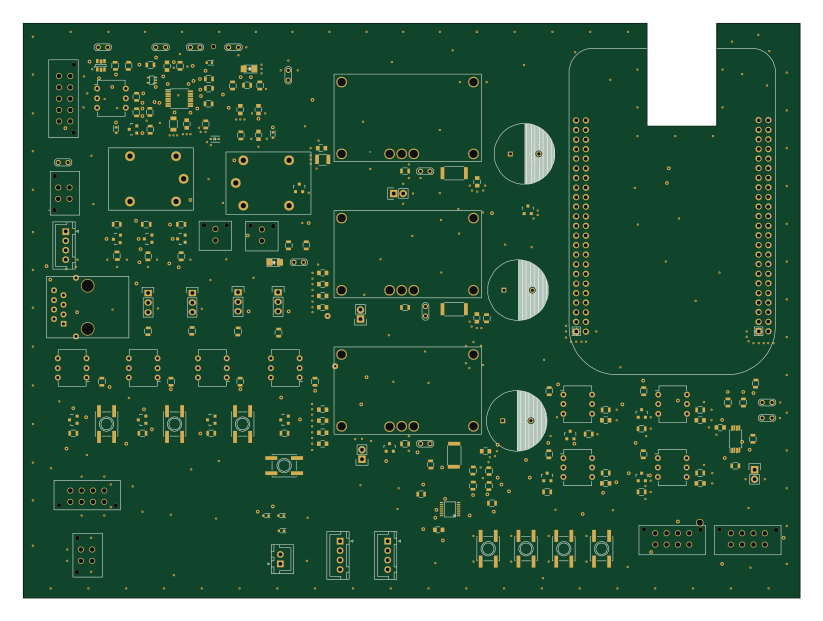
Launch Tower Computer III
psas
205.5 × 152 mm169 parts4LNo license19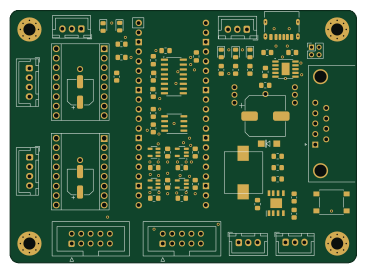 RP2040/RP2350
RaspberryPi-Pico-Motor-Expansion-Board
eamars
91.7 × 66.8 mm63 parts4LGPL-3.018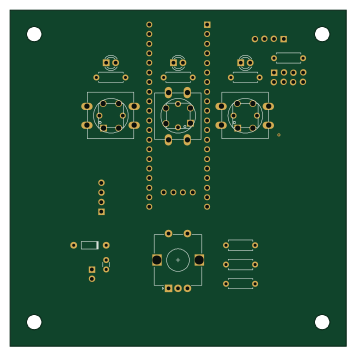
Tuning knob pcboard
bmo
88.9 × 88.9 mm25 parts2LMIT7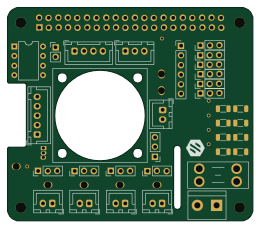
Klipper-Fan-Hat
mikepthomas
65 × 56.5 mm59 parts2LGPL-3.06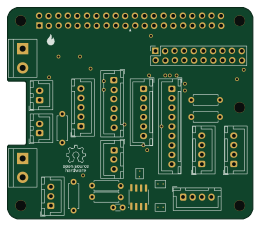
Pifire main module nopwr
nebhead
65 × 56 mm34 parts2LMIT4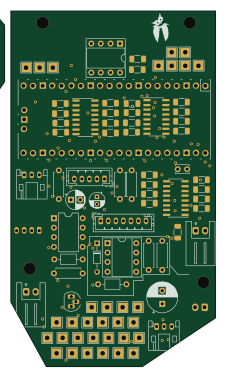 RP2040/RP2350
V4d2 pico
tomcombriat
54.2 × 94.2 mm99 parts2LTAPR-OHL-1.03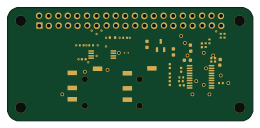
Phonkyo
fabiomsouto
65 × 30 mm31 parts2LCC-BY-NC-4.03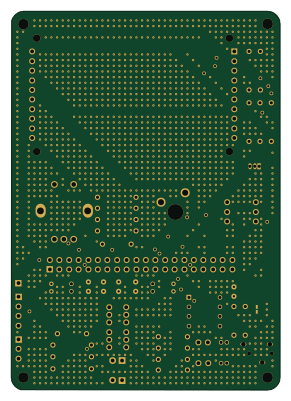
The time machine
TaniWanKenobi
71 × 100.1 mm48 parts2LNo license2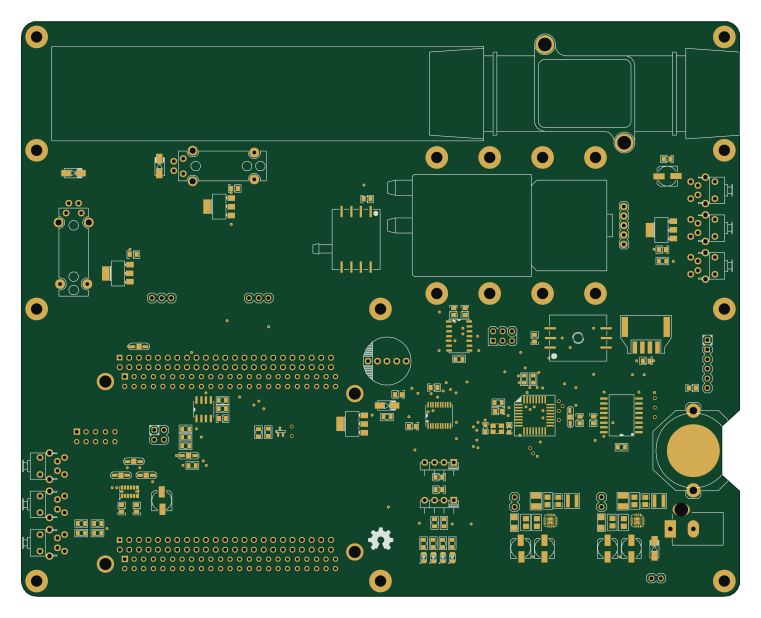 AVR/Arduino
TiNA - Controller for TiM
wyolum
190 × 152 mm147 parts2LNo license1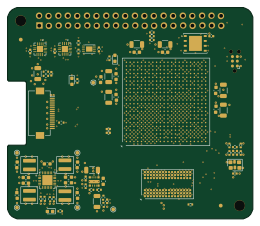 FPGA
RPi-HwAB
prestofuoco
65 × 56 mm137 parts8LMIT1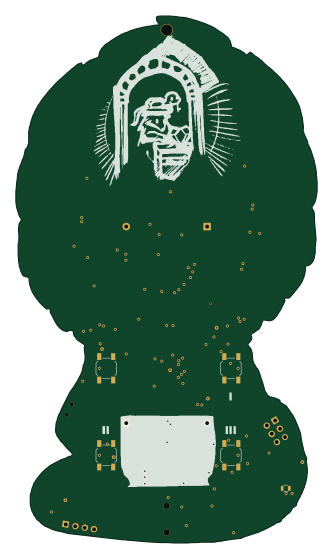 AVR/Arduino
Hackerhotel-2020-hardware
badgeteam
79.7 × 139.5 mm84 parts4LCERN-OHL-P-2.01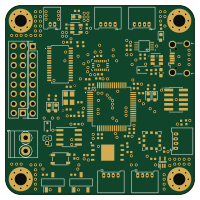
Flight-Controller
AditiLonkadi
50 × 50 mm76 parts4LNo license1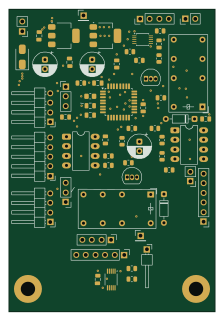 STM32
Electronicload
GM4AJK
54.5 × 80 mm62 parts4LNo license1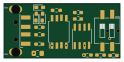 AVR/Arduino
KeystrokeInjectionTool
Tonikiller10000
30.8 × 14.5 mm18 parts2LNo license1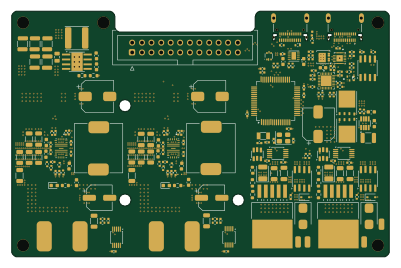 STM32
Ampere
LtBrain
100 × 65 mm208 parts4LMIT0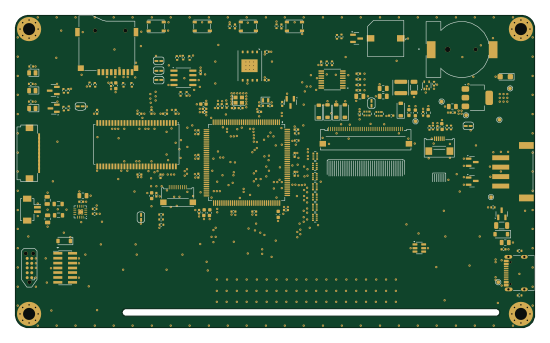 STM32
Lcd standard-5R
rohamid
137.4 × 82.6 mm159 parts4LNo license0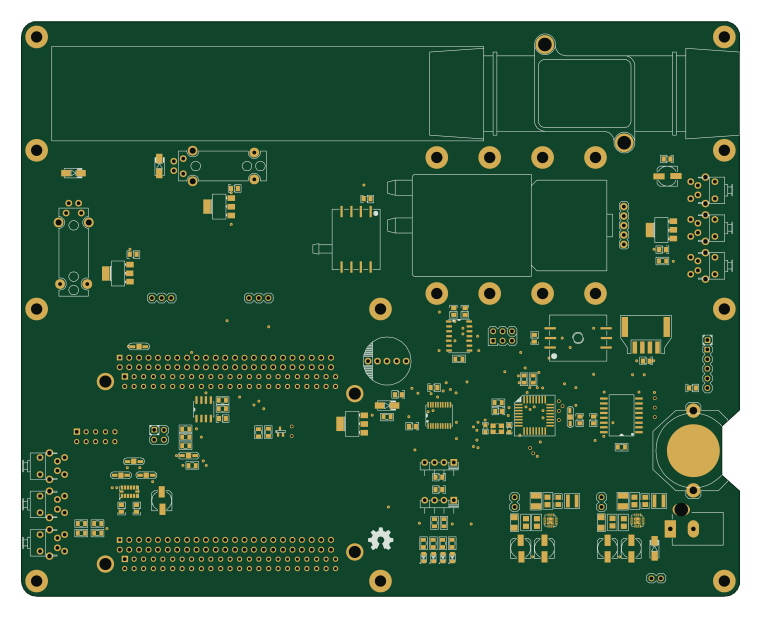 AVR/Arduino
UControl v3
190 × 152 mm147 parts2LMIT0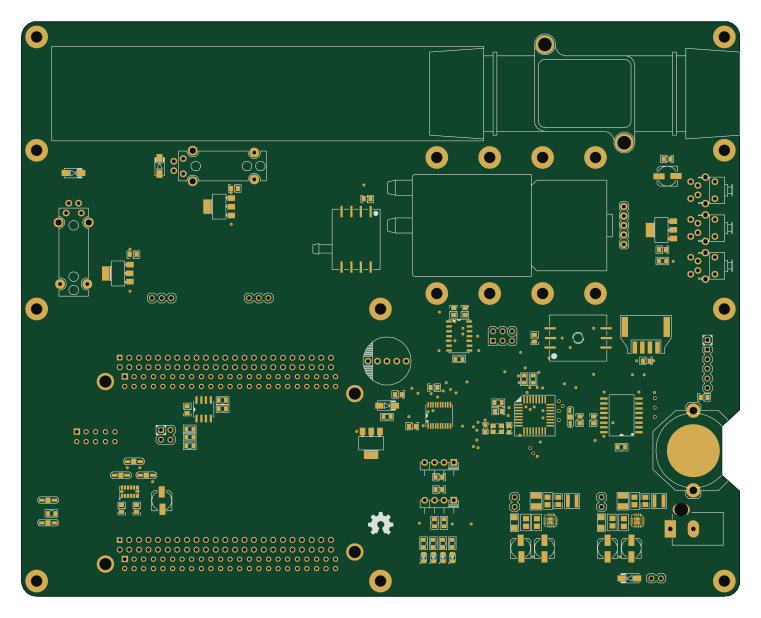 AVR/Arduino
TiNA-append
190 × 152 mm135 parts2LNo license0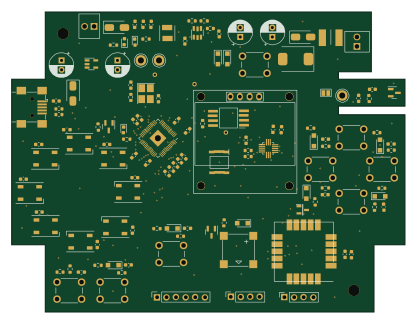 RP2040/RP2350
PPSE Board Code
G10v4nn
104.1 × 79.4 mm132 parts2LNo license0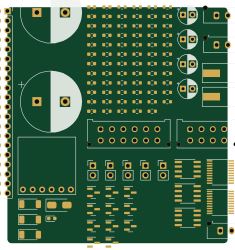
DashShield
GryphonRacingFSAE
58.3 × 62.5 mm112 parts2LNo license0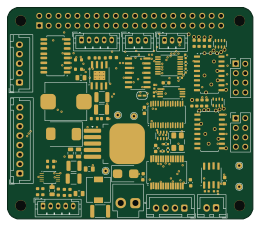
Moxl
perryc
65 × 56 mm88 parts6LApache-2.00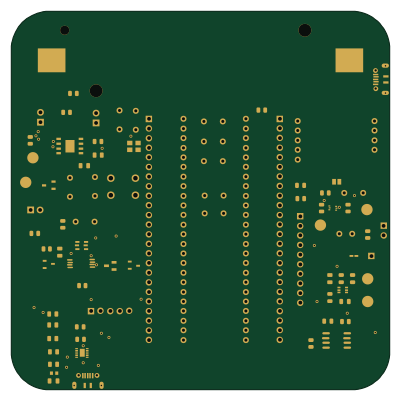 STM32
STM32SESNSEHAT
 Travimadox100 × 100 mm76 parts2LMIT0

Pihat
nickczj
174 × 123 mm69 parts2LCC-BY-SA-4.00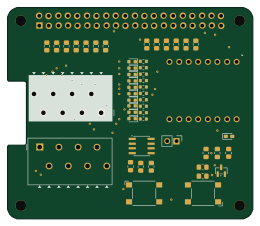 ESP32
RasberryPI-debug-ESP-HAT
abel-msk
65 × 56 mm51 parts2LNo license0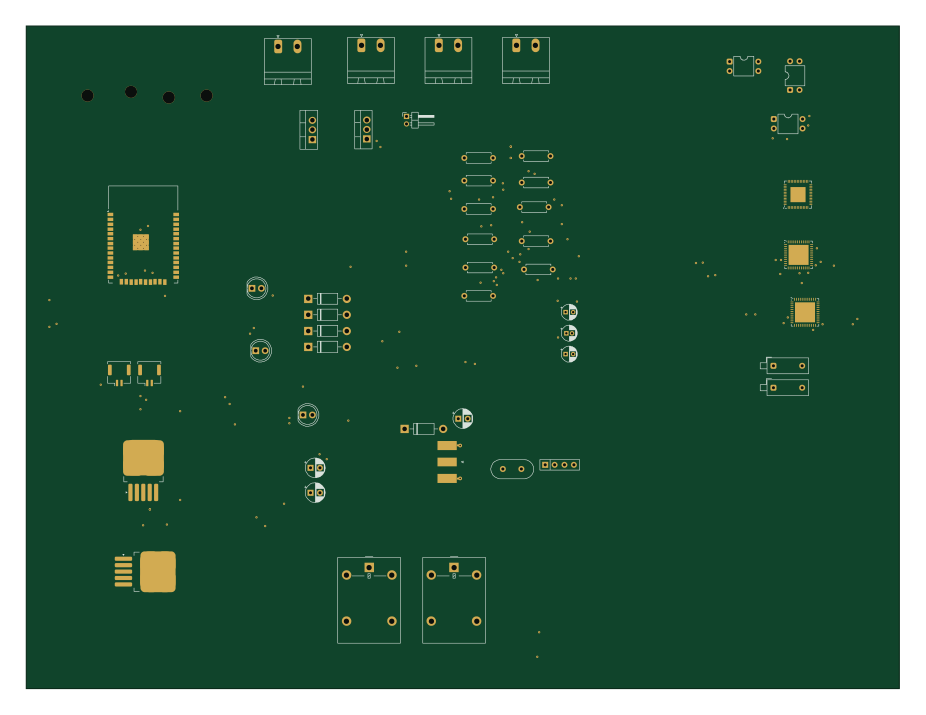 RP2040/RP2350
Smart home automations
Sindhujashree-17
231 × 175.3 mm50 parts2LNo license0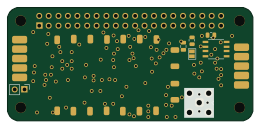
Mohawk
sparques
65 × 30 mm50 parts2LGPL-2.00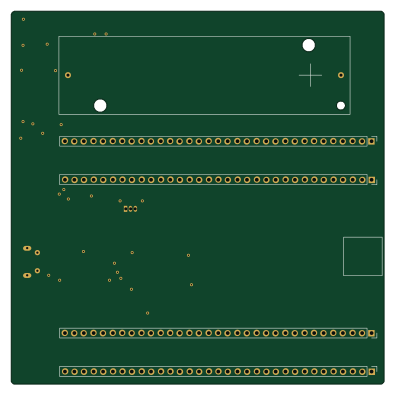
EEE3088F-Team-9
davidbits
98.7 × 98.7 mm49 parts2LCC-BY-4.00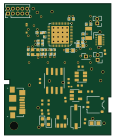 Nordic nRF
MorseCodeWatch
bnezuld
28.2 × 34.8 mm46 parts2LNo license0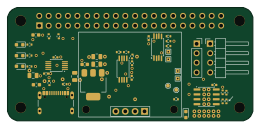
Rpi zero i2c board
4x1md
65 × 30 mm41 parts2LCERN-OHL-W-2.00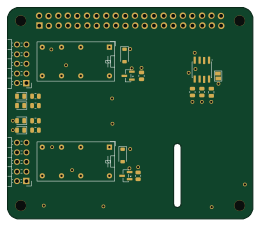
RackPilot
MootSeeker
65 × 56 mm23 parts4LGPL-3.00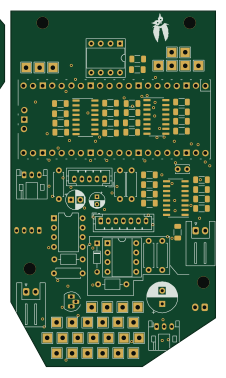 RP2040/RP2350
V4d3 pico
54.2 × 94.2 mm99 parts2LTAPR-OHL-1.03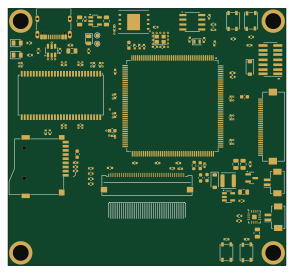 STM32
Lcd square-4inch
73.5 × 68 mm103 parts4LNo license0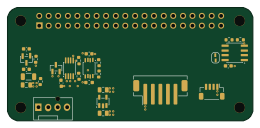
Rpi uHAT
atuleu
65 × 30 mm28 parts2LCERN-OHL-S-2.00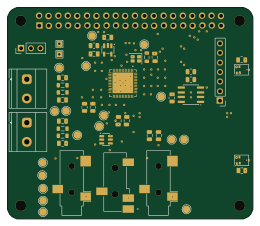
Hat
wang-edward
65 × 56 mm58 parts4LMIT5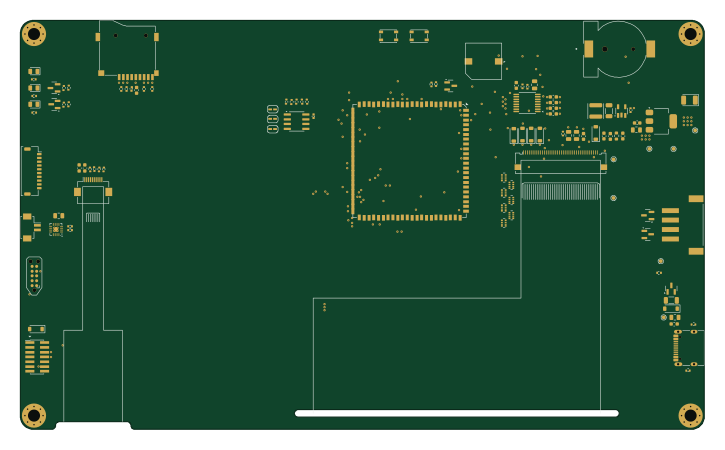
Lcd standard-7R-8048
181 × 108.2 mm98 parts2LNo license0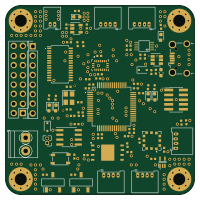
HadesMicroJLC
david-who
50 × 50 mm76 parts4LBSD-3-Clause0
How designs wire the CAT24C256
Read from the KiCad layouts of 36 open source designs, one per repository: what each pin of the CAT24C256 connects to, and the resistors, capacitors and other passives placed on it.
- The SDA pin has a pull-up to 3.3V on 29 of 36 designs, most often 3.9 kΩ (then 4.7 kΩ).
- The SCL pin has a pull-up to 3.3V on 29 of 36 designs, most often 3.9 kΩ (then 4.7 kΩ).
- The VCC pin has a decoupling capacitor on 21 of 36 designs, most often 100 nF (then 1 µF).
| Pin | Connected to | Parts on the pin |
|---|---|---|
| GNDpin 4 | Connected to: GND 97% | — |
| SDApin 5 | Connected to: A connector 58% |
|
| SCLpin 6 | Connected to: A connector 61% |
|
| VCCpin 8 | Connected to: 3.3V 89% |
|
4 more pins vary from design to design. Connections count pins, parts count designs; values in brackets are how many parts had that value. Designs read include Launch Tower Computer III by psas, RaspberryPi-Pico-Motor-Expansion-Board by eamars, VendettaSAO by davedarko and Tuning knob pcboard by bmo.
The CAT24C256 in open source designs
The gallery holds 42 open source boards using the CAT24C256 from 38 GitHub repositories; a typical one measures about 65 × 65.9 mm and carries around 66 components.
62% are two-layer designs, the rest use four layers or more, and 55% carry an open source license.
The most starred is Launch Tower Computer III by psas.
Parts used alongside the CAT24C256
Microcontrollers on boards using the CAT24C256
What boards using the CAT24C256 are built for
CAT24C256: common questions
Where can I find a CAT24C256 reference design?
Each of the 42 boards on this page is a real design using the CAT24C256. Open one to see how it is wired up, with the full BOM, a render of the layout and links to its KiCad files.
What pull-up resistor is used on the CAT24C256 SDA pin?
The SDA pin has a pull-up to 3.3V on 29 of 36 designs, most often 3.9 kΩ (then 4.7 kΩ). Counted from the KiCad layouts of 36 open source designs using the CAT24C256.
What pull-up resistor is used on the CAT24C256 SCL pin?
The SCL pin has a pull-up to 3.3V on 29 of 36 designs, most often 3.9 kΩ (then 4.7 kΩ). Counted from the KiCad layouts of 36 open source designs using the CAT24C256.
What decoupling capacitors do designs use on the CAT24C256 VCC pin?
The VCC pin has a decoupling capacitor on 21 of 36 designs, most often 100 nF (then 1 µF). Counted from the KiCad layouts of 36 open source designs using the CAT24C256.
What parts are used alongside the CAT24C256?
The AMS1117-3.3, ADXL345, AP2112K-3.3, ATMEGA328-AU-ND and BEAGLEBONE appear in the most repositories here.
Which microcontrollers do boards using the CAT24C256 use?
Most are built on STM32 (7), AVR/Arduino (5), RP2040/RP2350 (5) and ESP32 (1).
How big is a typical board using the CAT24C256?
The median is 65 × 65.9 mm, and 62% are two-layer designs.
What is the most popular open source board using the CAT24C256?
By GitHub stars, Launch Tower Computer III by psas, with 19 stars.
Can I simulate one of these boards using the CAT24C256 before building it?
Yes. HardLabs turns a board's netlist and BOM into a working simulation, so you can boot and test firmware against it with no hardware on your desk.