
36 open source boards using the ADXL345
Real designs built with the ADXL345, from public GitHub projects: a quick way to see how others power, decouple and connect it. Each board comes with its KiCad files, full parts list and a render — and you can simulate its firmware on HardLabs.
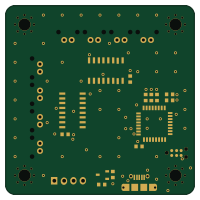 STM32
R1 panel
cuspaceflight
50 × 50 mm176 parts2LNo license93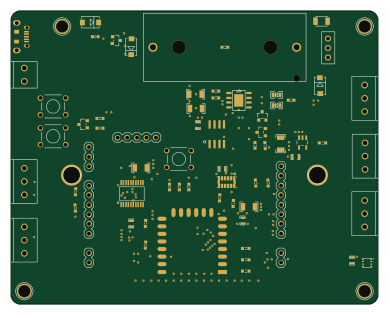 ESP8266
ESPlant
CCHS-Melbourne
97 × 77.5 mm75 parts2LTAPR-OHL-1.037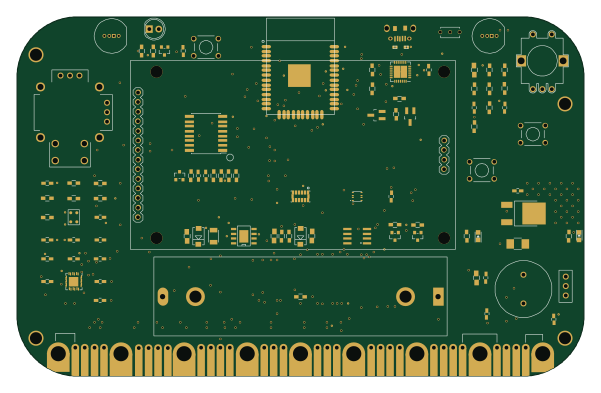 ESP32
Iotuz esp32-hardware
150 × 95 mm97 parts2LTAPR-OHL-1.035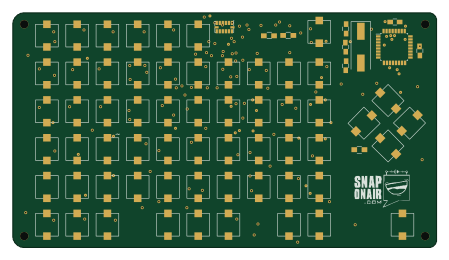 AVR/Arduino
Atmega328kb
ccadic
112 × 62 mm74 parts2LNo license10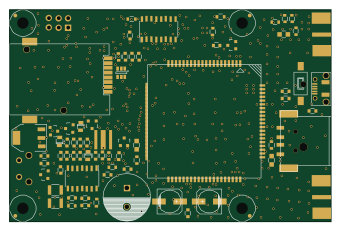 AVR/Arduino
Rvi v2x hardware
PDXostc
85 × 56 mm186 parts2LMPL-2.09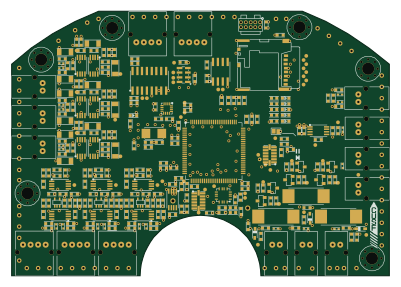 STM32
M2fc
100 × 70 mm348 parts4LNo license5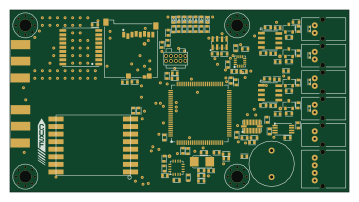 STM32
Avionics14
89.5 × 48 mm110 parts2LNo license4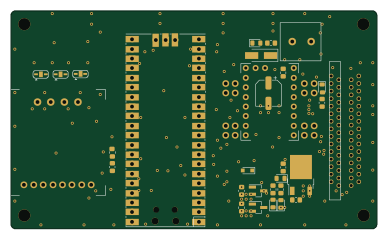 RP2040/RP2350
Mcu2
sadaoikebe
96.8 × 57.7 mm32 parts2LGPL-3.03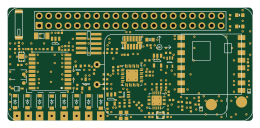 Microchip SAM
Pico pi rel
bristol-seds
65 × 30 mm96 parts4LMIT2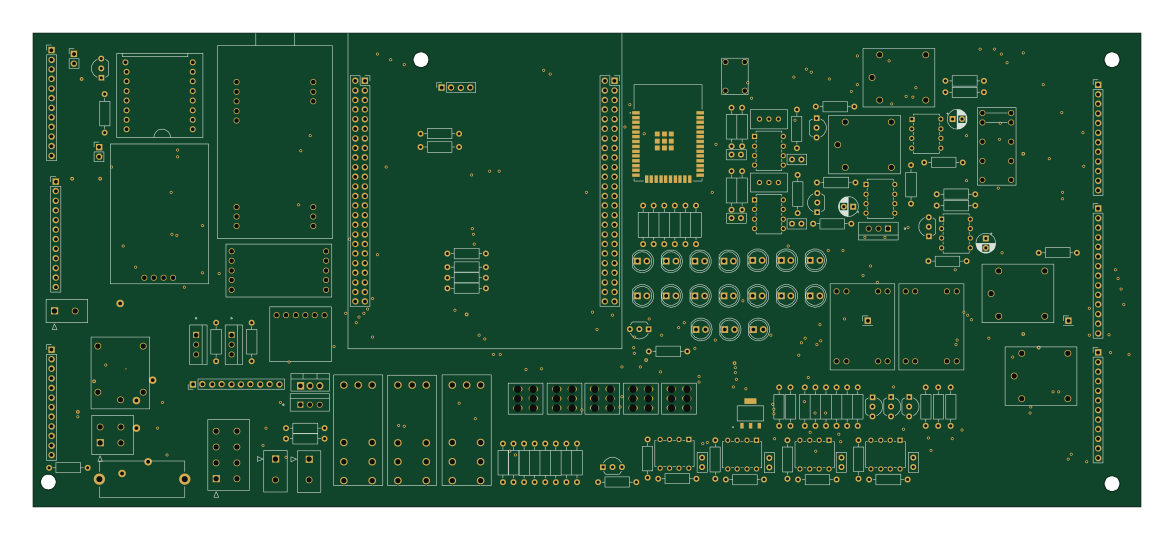 ESP32
LV PCB
luftaquila
293.1 × 125.3 mm159 parts2LNo license1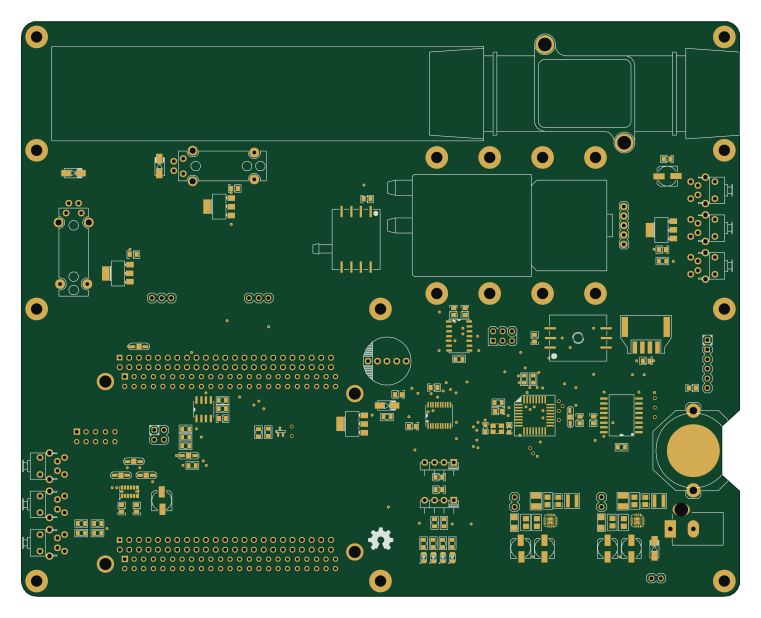 AVR/Arduino
TiNA - Controller for TiM
wyolum
190 × 152 mm147 parts2LNo license1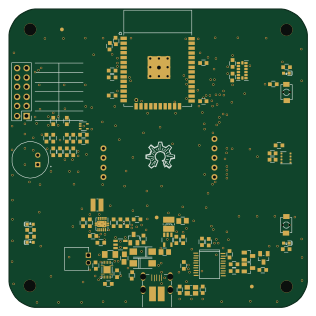 ESP32
Himinds boosting innovation embedded env sensor hw
HiMinds
79 × 79 mm86 parts2LApache-2.01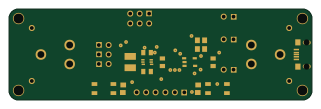 AVR/Arduino
Bebl v2
80 × 24 mm72 parts2LNo license1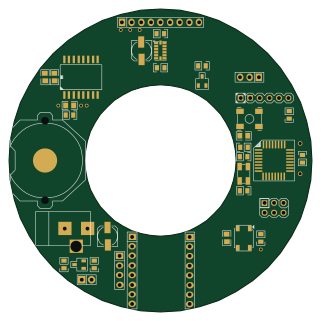 AVR/Arduino
Celeste
80 × 80 mm45 parts2LMIT1
TMP117-ADXL345 section 5cm
BerkeleyLab
228.9 × 5.5 mm38 parts2LCustom license1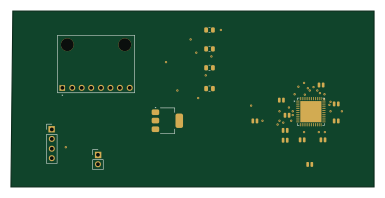 STM32
Stm32-adxl345-carrier board
KrishChalana
96 × 46.5 mm20 parts2LNo license1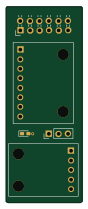
Kicad accl magn pmod
s59mz
20.3 × 52.1 mm16 parts2LGPL-3.01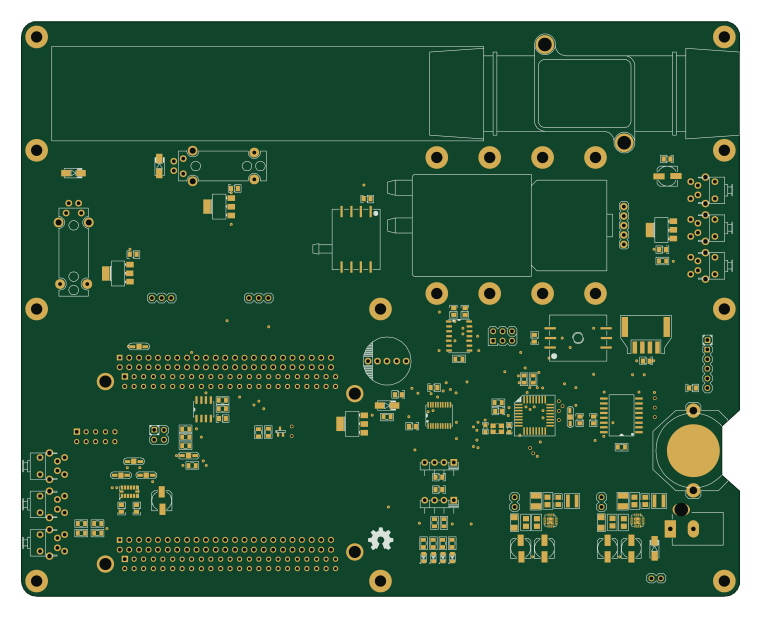 AVR/Arduino
UControl v3
190 × 152 mm147 parts2LMIT0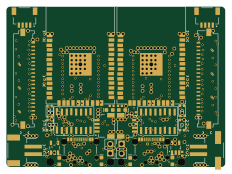 ESP32
Panelization
Hasatio
58 × 42.6 mm146 parts2LNo license0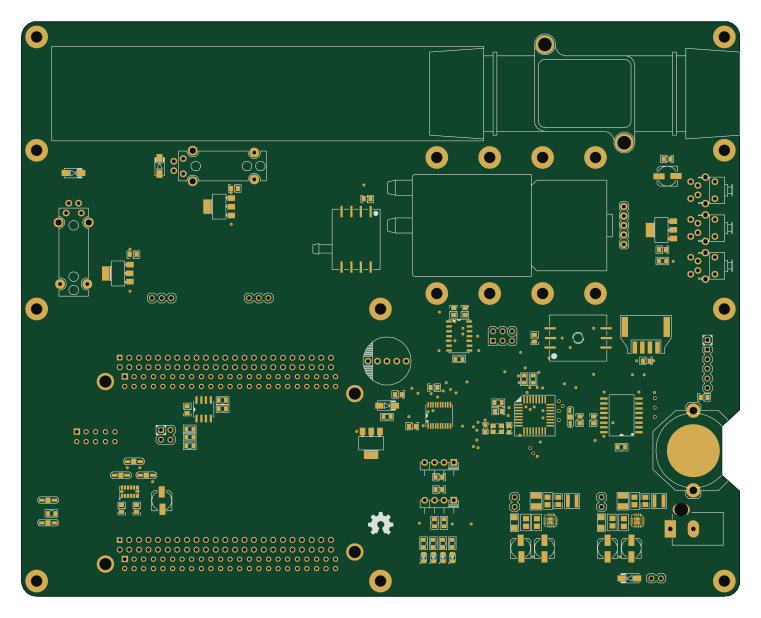 AVR/Arduino
TiNA-append
190 × 152 mm135 parts2LNo license0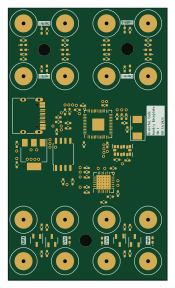 RP2040/RP2350
Generic toolhead
negativeview
42 × 72 mm102 parts2LNo license0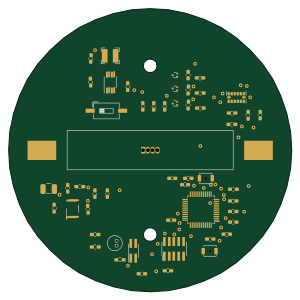 STM32
Angel Night light
jabgrall
75 × 75 mm54 parts2LNo license0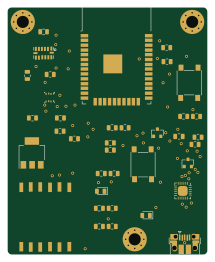 ESP32
KangalBcuCircuit
anilgurses
52.8 × 65.3 mm37 parts2LNo license0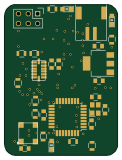 AVR/Arduino
Pigeon
Olin-Rocketry
30 × 40 mm30 parts2LNo license0- schematic only · 13 partsRaspberry Pi
Capstone pdm
ammar0xff
13 partsNo license0 - schematic only · 6 partsESP32
90s handheld game
weiccc24
6 partsNo license0 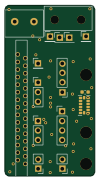
Snakeffc toolhead
23.8 × 45.2 mm12 parts2LGPL-3.03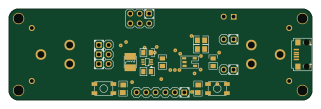 AVR/Arduino
Bebl v2 main
80 × 24 mm51 parts2LNo license1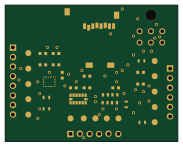
Sensor Board
StudentOrganisationForAerospaceResearch
45.7 × 36.1 mm24 parts2LNo license1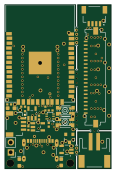 ESP32
ESP32-DEVKIT-S-cp2102
28.1 × 43.3 mm78 parts2LNo license0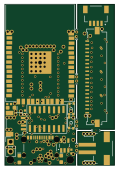 ESP32
L
28.9 × 42.6 mm74 parts2LNo license0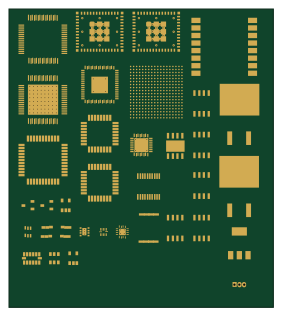 ESP32
Integrated circuits
LilyTronics
70 × 79 mm35 parts2LGPL-3.02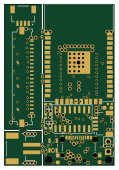 ESP32
R
28.9 × 42.6 mm74 parts2LNo license0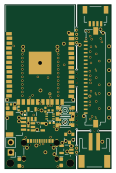 ESP32
Rev0
28.1 × 43.3 mm74 parts2LNo license0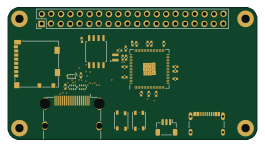 RP2040/RP2350
Radiante-Lite-Gen2
RadianiteComputers
66 × 35 mm58 parts2LNo license0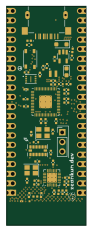 RP2040/RP2350
Pico2350-W-R1
zeankundev
21 × 58 mm58 parts4LNo license1
How designs wire the ADXL345
Read from the KiCad layouts of 27 open source designs, one per repository: what each pin of the ADXL345 connects to, and the resistors, capacitors and other passives placed on it.
- The VS pin has a decoupling capacitor on 20 of 27 designs, most often 100 nF (then 10 µF).
- The RES pins is left unconnected on 94% of them (a signal on 3).
- The VDD_I/O pin has a decoupling capacitor on 19 of 27 designs, most often 100 nF (then 10 µF).
- The SDA/SDI/SDIO pin has a pull-up to 3.3V on 10 of 25 designs, most often 4.7 kΩ (then 10 kΩ).
| Pin | Connected to | Parts on the pin |
|---|---|---|
| VDD_I/Opin 1 | Connected to: 3.3V 85% |
|
| GNDpin 2, 4, 5 | Connected to: GND 88% | — |
| RESpin 3, 11 | Connected to: Not connected 94% | — |
| VSpin 6 | Connected to: 3.3V 78% |
|
| CSpin 7 | Connected to: The microcontroller 30% · 3.3V 41% |
|
| NCpin 10 | Connected to: Not connected 83% | — |
| SDA/SDI/SDIOpin 13 | Connected to: The microcontroller 68%, a connector 28% |
|
| SCL/SCLKpin 14 | Connected to: The microcontroller 68%, a connector 28% |
|
3 more pins vary from design to design. Connections count pins, parts count designs; values in brackets are how many parts had that value. Designs read include R1 panel by cuspaceflight, ESPlant by CCHS-Melbourne, Iotuz esp32-hardware by CCHS-Melbourne and Atmega328kb by ccadic.
The ADXL345 in open source designs
The gallery holds 36 open source boards using the ADXL345 from 30 GitHub repositories; a typical one measures about 77 × 54 mm and carries around 74 components.
91% are two-layer designs, the rest use four layers or more, and 31% carry an open source license.
The most starred is R1 panel by cuspaceflight.
Parts used alongside the ADXL345
Microcontrollers on boards using the ADXL345
What boards using the ADXL345 are built for
ADXL345: common questions
Where can I find a ADXL345 reference design?
Each of the 36 boards on this page is a real design using the ADXL345. Open one to see how it is wired up, with the full BOM, a render of the layout and links to its KiCad files.
What decoupling capacitors do designs use on the ADXL345 VS pin?
The VS pin has a decoupling capacitor on 20 of 27 designs, most often 100 nF (then 10 µF). Counted from the KiCad layouts of 27 open source designs using the ADXL345.
How is the ADXL345 RES pin connected?
The RES pins is left unconnected on 94% of them (a signal on 3). Counted from the KiCad layouts of 27 open source designs using the ADXL345.
What decoupling capacitors do designs use on the ADXL345 VDD_I/O pin?
The VDD_I/O pin has a decoupling capacitor on 19 of 27 designs, most often 100 nF (then 10 µF). Counted from the KiCad layouts of 27 open source designs using the ADXL345.
What parts are used alongside the ADXL345?
The DS3231N, ATMEGA328-AU-ND, BEAGLEBONE, BME280 and CAT24C256 appear in the most repositories here.
Which microcontrollers do boards using the ADXL345 use?
Most are built on ESP32 (11), AVR/Arduino (9), STM32 (5) and RP2040/RP2350 (4).
How big is a typical board using the ADXL345?
The median is 77 × 54 mm, and 91% are two-layer designs.
What is the most popular open source board using the ADXL345?
By GitHub stars, R1 panel by cuspaceflight, with 93 stars.
Can I simulate one of these boards using the ADXL345 before building it?
Yes. HardLabs turns a board's netlist and BOM into a working simulation, so you can boot and test firmware against it with no hardware on your desk.