
83 open source boards using the ESP32-C3-MINI-1-N4
Real designs built with the ESP32-C3-MINI-1-N4, from public GitHub projects: a quick way to see how others power, decouple and connect it. Each board comes with its KiCad files, full parts list and a render — and you can simulate its firmware on HardLabs.
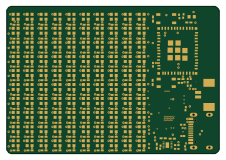 ESP32
Badge
atopile
56.3 × 39 mm239 parts4LMIT4.0k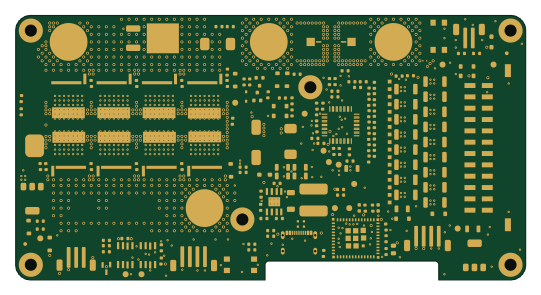 ESP32
Bms c1
LibreSolar
135 × 70 mm167 parts4LCERN-OHL-W-2.0277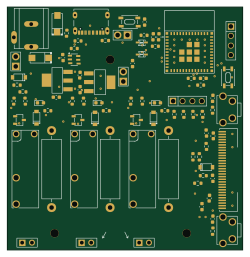 ESP32
Capacitor alarm clock
ArcaEge
62.3 × 64.3 mm81 parts2LMIT146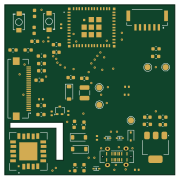 ESP32
Aeroq
EnriqueNeyra
45 × 45 mm51 parts2LCC-BY-NC-4.0130 ESP32
Nlink stick
nspired-Hackers
60 × 12.5 mm45 parts4LNo license50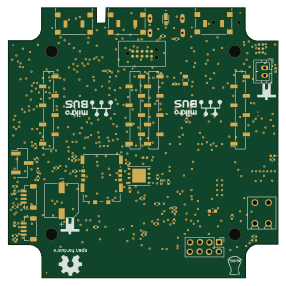 ESP32
Elixir hw
golioth
71.5 × 71.5 mm218 parts4LCERN-OHL-P-2.036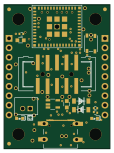 ESP32
ESP32-C3-DevKit-Lipo Rev C
OLIMEX
27.9 × 38.1 mm48 parts2LGPL-3.036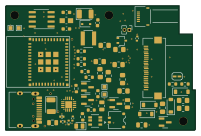 ESP32
154-watch
martinberlin
50.3 × 33 mm60 parts4LCERN-OHL-W-2.023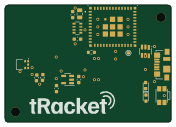 ESP32
TRacket sensor
CivicTechTO
44 × 31 mm17 parts2LNo license11 ESP32
OpenRemoteID
OpenDrone-hw
13.4 × 23.8 mm6 parts2LCERN-OHL-S-2.08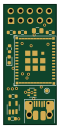 ESP32
Uext esp32-c3
14 × 32 mm13 parts2LCERN-OHL-W-2.05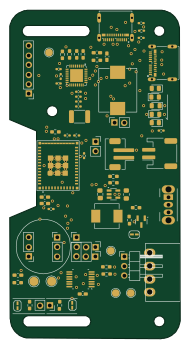 ESP32
MyBikesGotLED
mcqn
45.2 × 87.1 mm65 parts2LCERN-OHL-S-2.04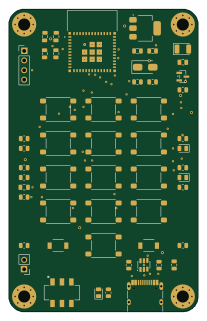 ESP32
Iot classroom
supsenpaii
50 × 80 mm53 parts2LNo license2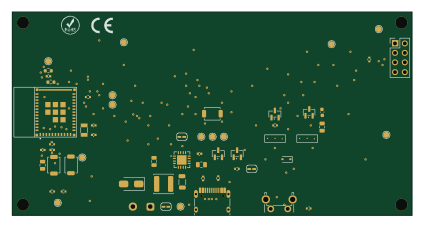 ESP32
Orologio eink
LucaBenzi
105.8 × 53.8 mm36 parts2LMIT2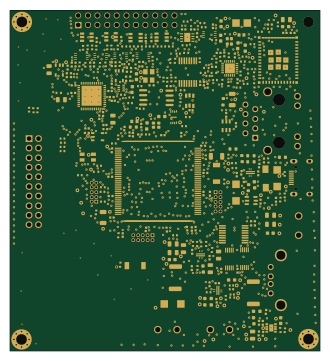 ESP32
Benchpod
embeddedci-com
82 × 90 mm306 parts4LCERN-OHL-W-2.01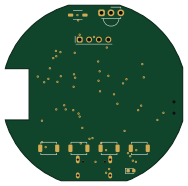 ESP32
DSH-DEX
DSHSTUDIOS
47 × 46.5 mm58 parts2LNo license1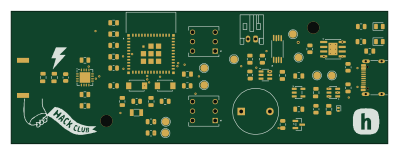 ESP32
Pocket lightning detector
Matyas604
99.7 × 35 mm56 parts2LGPL-3.01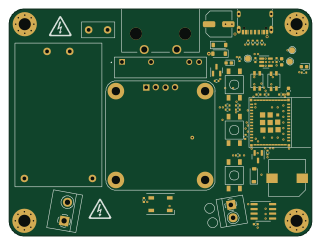 ESP32
PCB-Reflow-Hot-Plate
bjkayani
80 × 60 mm49 parts2LNo license1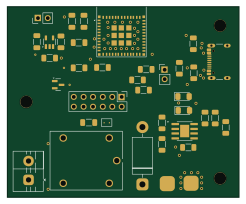 ESP32
Launchy
sanko0112
61.5 × 50.5 mm33 parts2LMIT1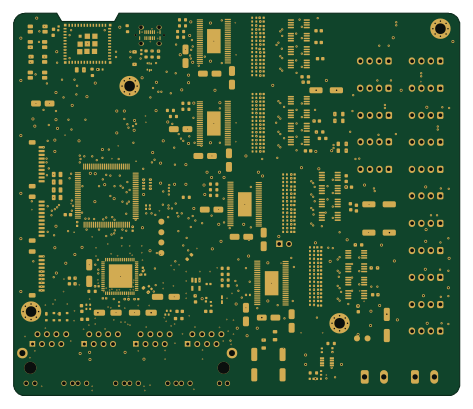 ESP32
DS
bergamifer
118.1 × 101.2 mm607 parts4LNo license0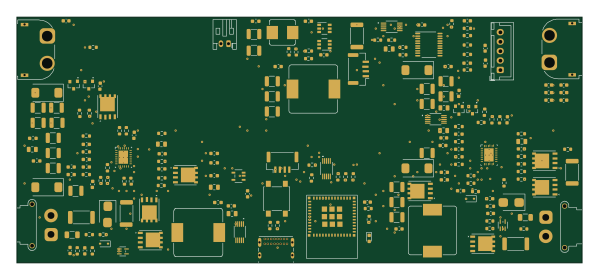 ESP32
Solar
DinosaurPotato534
149.6 × 65 mm201 parts2LNo license0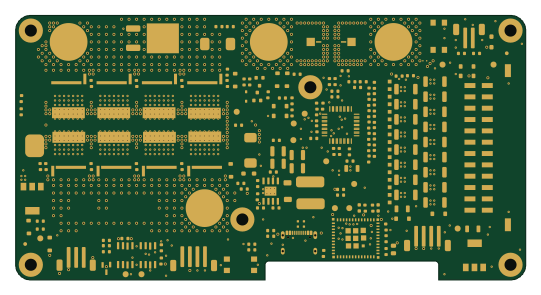 ESP32
Libre Solar BMS C1
PawelSroczynski
135 × 70 mm166 parts4LGPL-3.00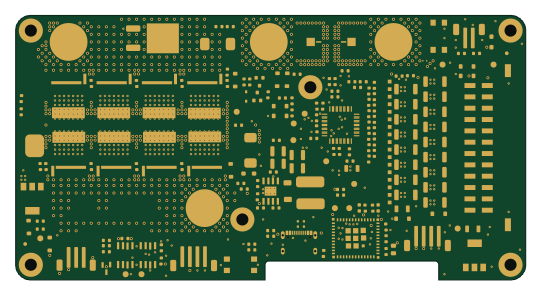 ESP32
Libre Solar BMS C1
shinemohans061
135 × 70 mm166 parts4LNo license0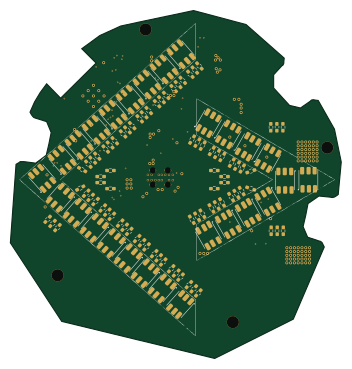 ESP32
Protogen PCB left
Freimor
87.6 × 92.2 mm164 parts2LMIT0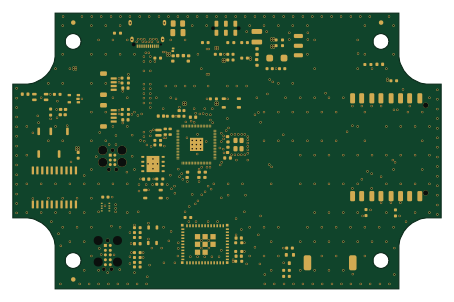 RP2040/RP2350
SUB-00156 REV00
bcdevices
113.4 × 73 mm136 parts4LNo license0 ESP32
FlashKa main
DomPka
24 × 16.5 mm68 parts4LGPL-3.00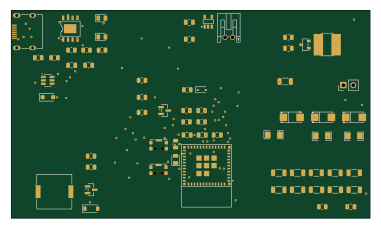 ESP32
Wifi geiger counter
atomicra1n
95 × 55 mm64 parts2LNo license0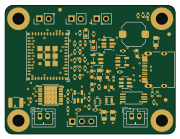 ESP32
Smart latch lock
RobbyV2
45 × 34 mm63 parts4LNo license0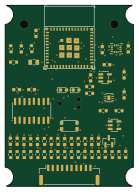 ESP32
NIVA-pod
https-shubhamsahu
34 × 48 mm62 parts4LNo license0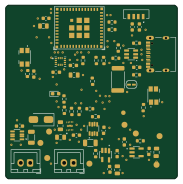 ESP32
Chipsat v1
noellayang
45.5 × 46 mm59 parts2LMIT0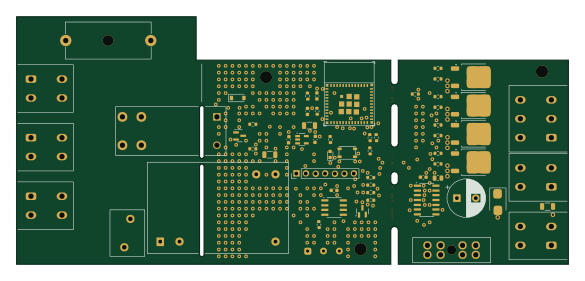 ESP32
Dmxnow
feraudet
146 × 65.5 mm56 parts2LCustom license0 ESP32
Hand minute
Jayweiii
159 × 22 mm55 parts2LNo license0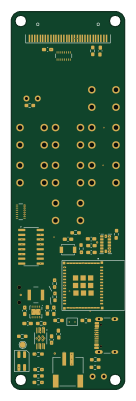 ESP32
LED remote
CodedSakura
30 × 100 mm55 parts2LNo license0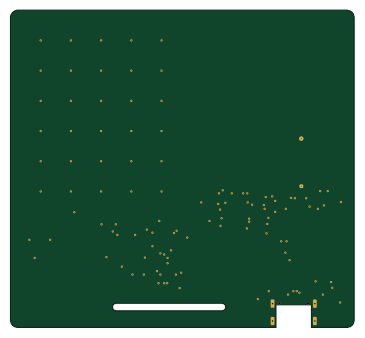 ESP32
Chroma badge
wisdom-km
91 × 84 mm52 parts2LCustom license0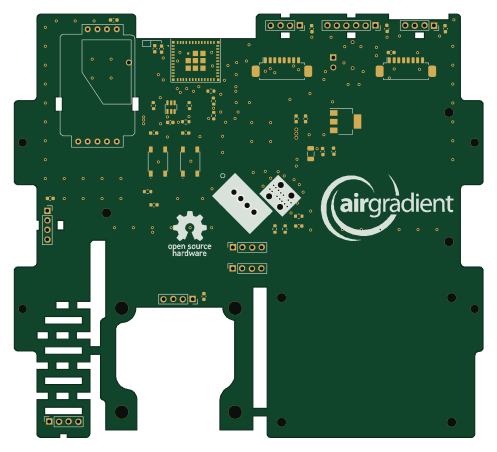 ESP32
Pcb one
Open-Air-Foundation
124.1 × 112 mm48 parts2LCC-BY-SA-4.00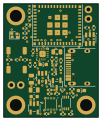 ESP32
Smove r2-main
okbrainhq
25 × 30 mm48 parts4LMIT0
How designs wire the ESP32-C3-MINI-1-N4
Read from the KiCad layouts of 50 open source designs, one per repository: what each pin of the ESP32-C3-MINI-1-N4 connects to, and the resistors, capacitors and other passives placed on it.
- The EN pin has a pull-up to 3.3V on 43 of 49 designs, most often 10 kΩ (then 100 kΩ).
- The EN pin has a capacitor to GND on 42 of 49 designs, most often 1 µF (then 100 nF).
- The 3V3 pin is tied to 3.3V on 46 of 50 designs (a signal on 4).
- The IO8 pin has a pull-up to 3.3V on 33 of 49 designs, most often 10 kΩ (then 2.2 kΩ).
| Pin | Connected to | Parts on the pin |
|---|---|---|
| GNDpin 1, 2, 11, 14, 36, 37, 38, 39, 40, 41, 42, 43, 44, 45, 46, 47, 48, 50, 51, 52, 53 | Connected to: GND 97% | — |
| 3V3pin 3 | Connected to: 3.3V 92% | — |
| NCpin 4, 7, 9, 10, 15, 17, 24, 25, 28, 29, 32, 33, 34, 35 | Connected to: Not connected 100% | — |
| IO2pin 5 | Connected to: Signal 82% · not connected 16% |
|
| ENpin 8 | Connected to: Signal 100% |
|
| IO10pin 16 | Connected to: A connector 20% · not connected 31% |
|
| IO8pin 22 | Connected to: A connector 22% |
|
| IO9pin 23 | Connected to: A connector 22% |
|
| GND_49pin 49 | Connected to: GND 100% | — |
11 more pins vary from design to design. Connections count pins, parts count designs; values in brackets are how many parts had that value. Designs read include Badge by atopile, Bms c1 by LibreSolar, Capacitor alarm clock by ArcaEge and Aeroq by EnriqueNeyra.
The ESP32-C3-MINI-1-N4 in open source designs
The gallery holds 83 open source boards using the ESP32-C3-MINI-1-N4 from 58 GitHub repositories; a typical one measures about 61 × 47.3 mm and carries around 47 components.
65% are two-layer designs, the rest use four layers or more, and 48% carry an open source license.
The most starred is Badge by atopile.
Parts used alongside the ESP32-C3-MINI-1-N4
Microcontrollers on boards using the ESP32-C3-MINI-1-N4
What boards using the ESP32-C3-MINI-1-N4 are built for
ESP32-C3-MINI-1-N4: common questions
Where can I find a ESP32-C3-MINI-1-N4 reference design?
Each of the 83 boards on this page is a real design using the ESP32-C3-MINI-1-N4. Open one to see how it is wired up, with the full BOM, a render of the layout and links to its KiCad files.
What pull-up resistor is used on the ESP32-C3-MINI-1-N4 EN pin?
The EN pin has a pull-up to 3.3V on 43 of 49 designs, most often 10 kΩ (then 100 kΩ). Counted from the KiCad layouts of 50 open source designs using the ESP32-C3-MINI-1-N4.
How is the ESP32-C3-MINI-1-N4 3V3 pin connected?
The 3V3 pin is tied to 3.3V on 46 of 50 designs (a signal on 4). Counted from the KiCad layouts of 50 open source designs using the ESP32-C3-MINI-1-N4.
What pull-up resistor is used on the ESP32-C3-MINI-1-N4 IO8 pin?
The IO8 pin has a pull-up to 3.3V on 33 of 49 designs, most often 10 kΩ (then 2.2 kΩ). Counted from the KiCad layouts of 50 open source designs using the ESP32-C3-MINI-1-N4.
What parts are used alongside the ESP32-C3-MINI-1-N4?
The USBLC6-2SC6, AP2112K-3.3TRG1, AMS1117-3.3, MCP73831T-2ACI/OT and TPS63020DSJR appear in the most repositories here.
Which microcontrollers do boards using the ESP32-C3-MINI-1-N4 use?
Most are built on ESP32 (81) and RP2040/RP2350 (2).
How big is a typical board using the ESP32-C3-MINI-1-N4?
The median is 61 × 47.3 mm, and 65% are two-layer designs.
What is the most popular open source board using the ESP32-C3-MINI-1-N4?
By GitHub stars, Badge by atopile, with 4,032 stars.
Can I simulate one of these boards using the ESP32-C3-MINI-1-N4 before building it?
Yes. HardLabs turns a board's netlist and BOM into a working simulation, so you can boot and test firmware against it with no hardware on your desk.