
82 open source boards using the TPS63070RNMR
Real designs built with the TPS63070RNMR, from public GitHub projects: a quick way to see how others power, decouple and connect it. Each board comes with its KiCad files, full parts list and a render — and you can simulate its firmware on HardLabs.
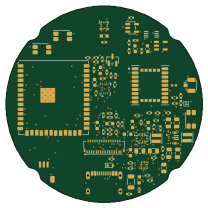 ESP32
Moto gps rev a1
mx3353672833-debug
52 × 52 mm95 parts4LCustom license320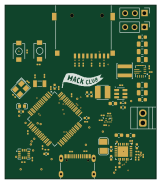 STM32
Simpleflightcontroller
notaroomba
40 × 46 mm79 parts2LNo license19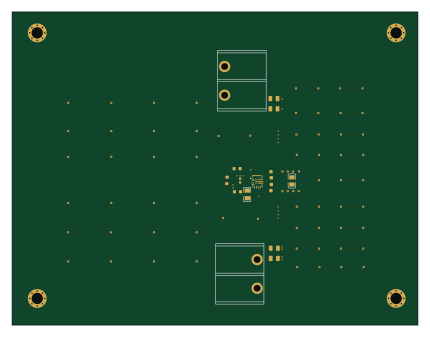
Kicad jlcpcb example
jvanderberg
107.3 × 82.8 mm19 parts2LMIT7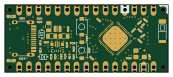 ESP32
Geekble nano-ESP32S3
SooDragon
43.2 × 17.8 mm93 parts4LCC0-1.06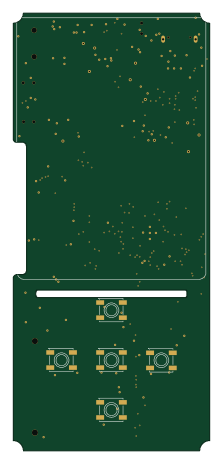 RP2040/RP2350
Mp3-player
espcaa
52 × 115.8 mm141 parts4LCustom license5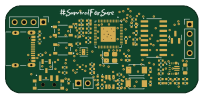 ESP32
The-Surevival
Rishaan2202
51 × 23 mm72 parts2LNo license3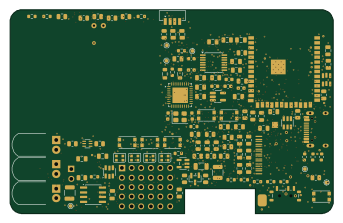 ESP32
PocketLab-Card
 Jebroa77485.6 × 54 mm250 parts4LNo license2
 ESP32
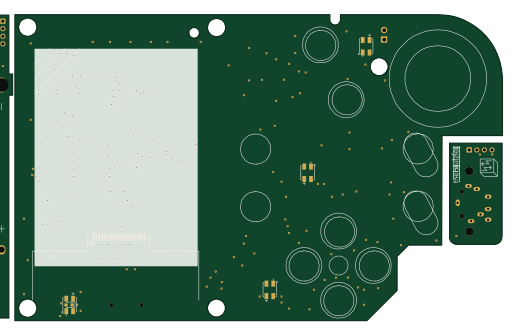
ILI9341 ESP32
theBrutzler
129.1 × 81 mm161 parts2LNo license2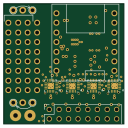 ESP32
RCM-Hardware-BYTE
RCMgames
31.8 × 31.8 mm57 parts4LMIT2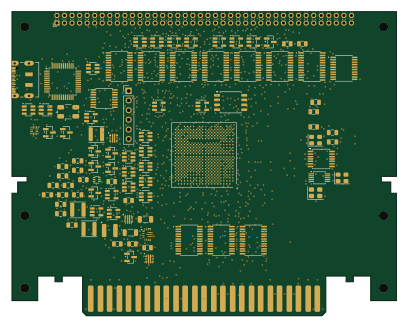 FPGA
SN-64
FantomZap
101.8 × 80.5 mm383 parts6LNo license1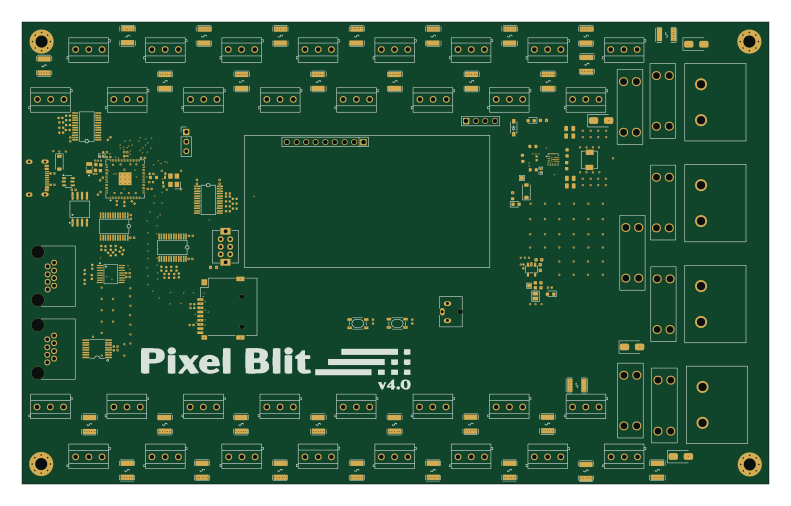 RP2040/RP2350
Pixel blit
197.5 × 122 mm205 parts4LCustom license1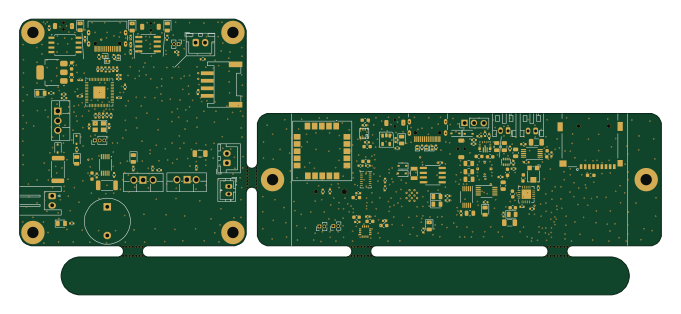 RP2040/RP2350
IGNRocketOrderFile
wasa-rockoon
170 × 73 mm182 parts2LMIT1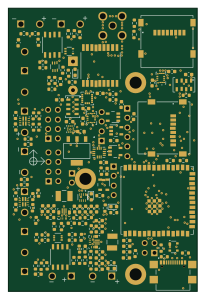 ESP32
OneroiV1
HomeOnDuna
50 × 75 mm160 parts4LNo license1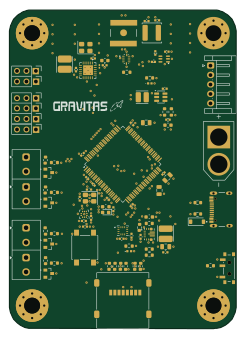 STM32
GRAVITAS
GoTouchGra55
60 × 84.3 mm111 parts4LMIT1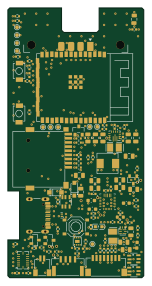 ESP32
Tresvizo main
cadaritre
36 × 71.5 mm106 parts4LNo license1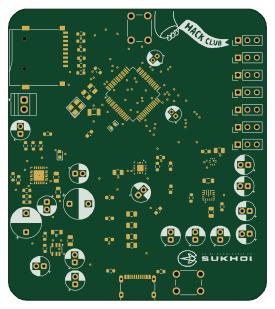 STM32
Flighty
diaxxu
68.2 × 77 mm86 parts2LNo license1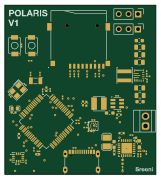 STM32
Polaris
nsreeni07
40 × 44.8 mm79 parts2LMIT1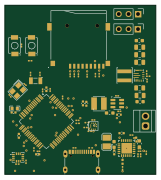 STM32
STM32-FlightController
premvy
40 × 44.8 mm79 parts2LMIT1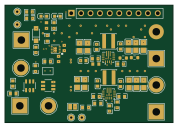
3v3-charger psu
44.3 × 31 mm63 parts4LNo license1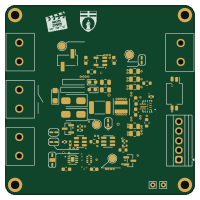
Power Management Unit Tesi
EmaNeg
50 × 50 mm49 parts2LMIT1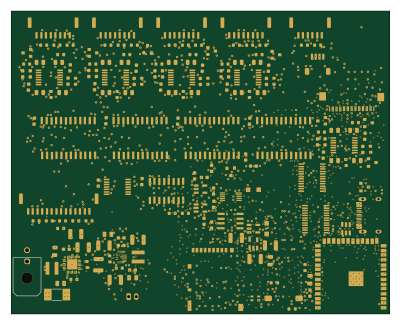 ESP32
Glove v4-routing candidate
latintzar
100 × 80 mm561 parts8LMIT0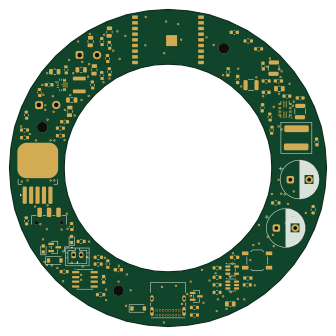 ESP32
Custom round pcb led flash
xmyoot
84 × 84 mm224 parts4LNo license0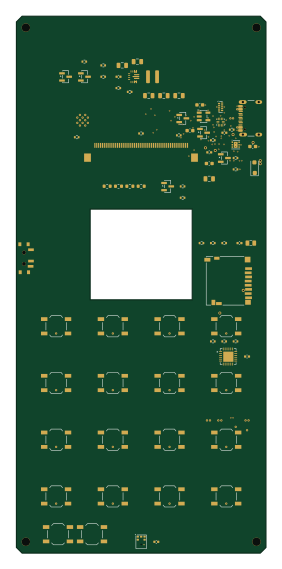 ESP32
Handset
JeremyLakeyJr
66 × 142 mm217 parts4LNo license0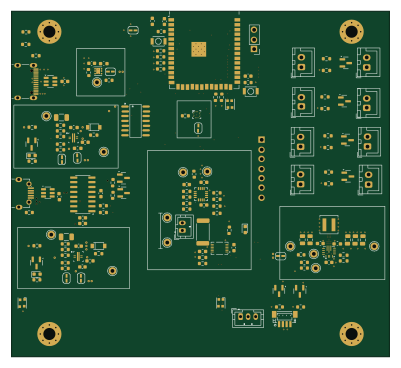 ESP32
Surprise
marmbrus
100 × 91.4 mm146 parts4LNo license0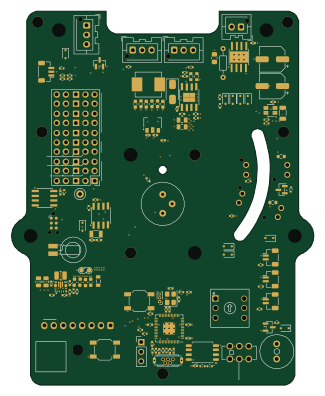 RP2040/RP2350
Spool
TheCacophonyProject
80 × 99 mm133 parts4LCERN-OHL-W-2.00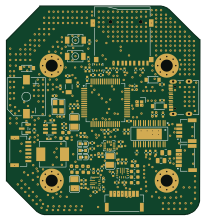 STM32
Quadcopter-Flight-Controller
Ari-Hetti
51.3 × 55.3 mm119 parts2LMIT0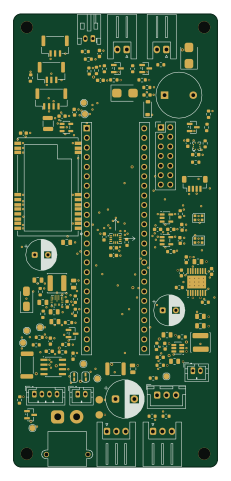 NXP
Mission space
Jan-Philipp-Munsch
54 × 120 mm118 parts4LMIT0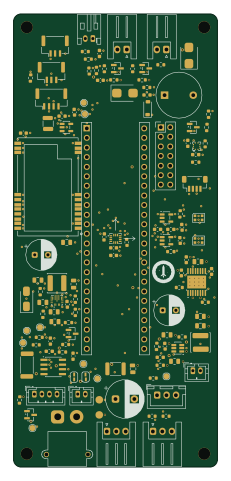 NXP
Kartonaut
54 × 120 mm118 parts4LMIT0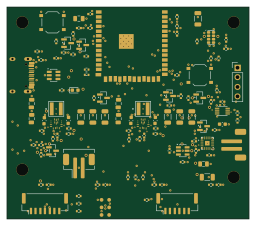 ESP32
Alec main
eshelton328
64 × 56 mm112 parts4LNo license0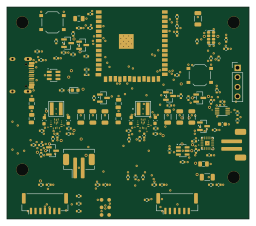 ESP32
Alec main
64 × 56 mm112 parts4LNo license0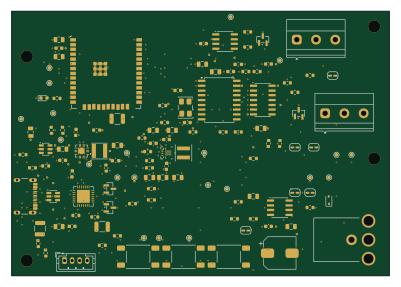 ESP32
A3-control center
Axsel
100 × 70 mm109 parts4LNo license0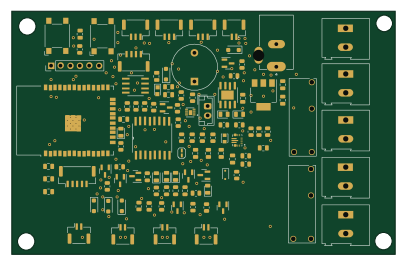 ESP32
Hardware
Capibator
101.5 × 64.4 mm108 parts2LNo license0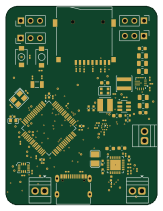 STM32
Flight-Controller for rockets
epicgamer720
40 × 52.5 mm101 parts2LNo license0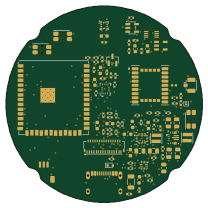 ESP32
Moto gps rev a1
tang003
52 × 52 mm95 parts4LCustom license0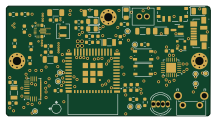 RP2040/RP2350
ECE 477
seanboltjes
54 × 29 mm94 parts4LNo license0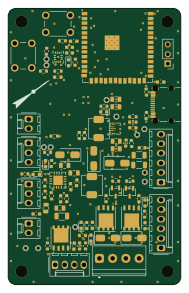 ESP32
Rcs controller
psas
45.6 × 73 mm92 parts2LNo license0
How designs wire the TPS63070RNMR
Read from the KiCad layouts of 60 open source designs, one per repository: what each pin of the TPS63070RNMR connects to, and the resistors, capacitors and other passives placed on it.
- The L2 pin has a inductor on 59 of 59 designs, most often 1.5 µH (then 1 µH).
- The L1 pin has a inductor on 59 of 59 designs, most often 1.5 µH (then 1 µH).
- The VAUX pin has a capacitor to GND on 57 of 59 designs, most often 100 nF (then 10 µF).
- The VOUT pins have a decoupling capacitor on 50 of 58 designs, most often 22 µF (then 10 µF).
| Pin | Connected to | Parts on the pin |
|---|---|---|
| PS/SYNCpin 1 | Connected to: Signal 82% |
|
| PGpin 2 | Connected to: Signal 85% |
|
| VAUXpin 3 | Connected to: Signal 100% |
|
| GNDpin 4 | Connected to: GND 94% | — |
| FBpin 5 | Connected to: Signal 78% · 5V 22% |
|
| FB2pin 6 | Connected to: GND 76% · not connected 19% | — |
| VOUTpin 7, 8 | Connected to: 5V 77% · a signal 22% |
|
| L2pin 9 | Connected to: Signal 97% |
|
| PGNDpin 10 | Connected to: GND 92% | — |
| L1pin 11 | Connected to: Signal 97% |
|
| VINpin 12, 13 | Connected to: VSYS 72% · a signal 28% |
|
| ENpin 14 | Connected to: Signal 98% |
|
| VSELpin 15 | Connected to: GND 95% | — |
Connections count pins, parts count designs; values in brackets are how many parts had that value. Designs read include Moto gps rev a1 by mx3353672833-debug, Simpleflightcontroller by notaroomba, Kicad jlcpcb example by jvanderberg and Geekble nano-ESP32S3 by SooDragon.
The TPS63070RNMR in open source designs
The gallery holds 82 open source boards using the TPS63070RNMR from 59 GitHub repositories; a typical one measures about 60 × 56 mm and carries around 92 components.
51% use four copper layers or more, and 35% carry an open source license.
The most starred is Moto gps rev a1 by mx3353672833-debug.
Parts used alongside the TPS63070RNMR
Microcontrollers on boards using the TPS63070RNMR
What boards using the TPS63070RNMR are built for
TPS63070RNMR: common questions
Where can I find a TPS63070RNMR reference design?
Each of the 82 boards on this page is a real design using the TPS63070RNMR. Open one to see how it is wired up, with the full BOM, a render of the layout and links to its KiCad files.
How is the TPS63070RNMR L2 pin connected?
The L2 pin has a inductor on 59 of 59 designs, most often 1.5 µH (then 1 µH). Counted from the KiCad layouts of 60 open source designs using the TPS63070RNMR.
How is the TPS63070RNMR L1 pin connected?
The L1 pin has a inductor on 59 of 59 designs, most often 1.5 µH (then 1 µH). Counted from the KiCad layouts of 60 open source designs using the TPS63070RNMR.
How is the TPS63070RNMR VAUX pin connected?
The VAUX pin has a capacitor to GND on 57 of 59 designs, most often 100 nF (then 10 µF). Counted from the KiCad layouts of 60 open source designs using the TPS63070RNMR.
What parts are used alongside the TPS63070RNMR?
The BMP580, ICM-45686, LMR51430, BQ25883RGER and STM32F722RETX appear in the most repositories here.
Which microcontrollers do boards using the TPS63070RNMR use?
Most are built on ESP32 (38), STM32 (19), RP2040/RP2350 (7) and NXP (2).
How big is a typical board using the TPS63070RNMR?
The median is 60 × 56 mm, and 49% are two-layer designs.
What is the most popular open source board using the TPS63070RNMR?
By GitHub stars, Moto gps rev a1 by mx3353672833-debug, with 320 stars.
Can I simulate one of these boards using the TPS63070RNMR before building it?
Yes. HardLabs turns a board's netlist and BOM into a working simulation, so you can boot and test firmware against it with no hardware on your desk.