
64 open source boards using the ESP32-S3-WROOM-1-N8
Real designs built with the ESP32-S3-WROOM-1-N8, from public GitHub projects: a quick way to see how others power, decouple and connect it. Each board comes with its KiCad files, full parts list and a render — and you can simulate its firmware on HardLabs.
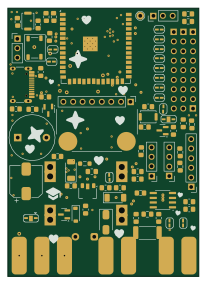 ESP32
Open-ESPilot
Tomas-Kuchta-FPV
50.6 × 71.1 mm98 parts2LCERN-OHL-W-2.018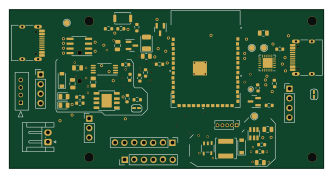 ESP32
Cinread-IT8951 S3 HAT
martinberlin
83.2 × 42.1 mm54 parts2LCERN-OHL-W-2.012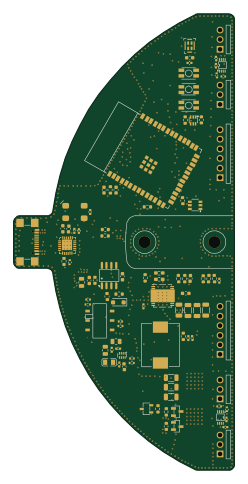 ESP32
Main
LEDs-by-glowingkitty
58.5 × 120.9 mm117 parts4LGPL-3.05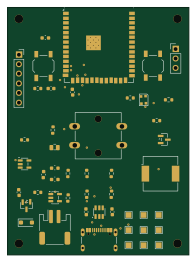 ESP32
Open telegraph
animesh-chouhan
48 × 65.5 mm39 parts2LCERN-OHL-S-2.05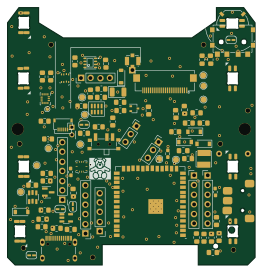 ESP32
WifiWallSwitch
Uspizig
65.4 × 68 mm141 parts2LGPL-3.04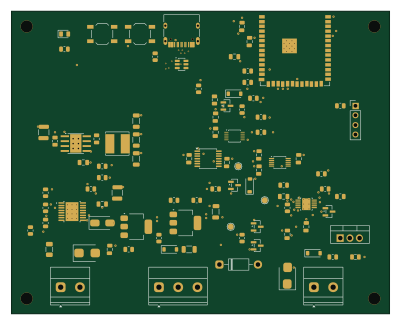 ESP32
Chatgpt astra test2
fredriknk
100 × 80 mm90 parts4LMIT3 ESP32
Esp32-joystick2trainer
RobertoD91
22 × 62 mm61 parts2LMIT3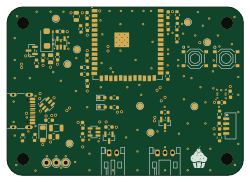 ESP32
Esp32s3-plant monitor
MuffinByteLabs
62.5 × 44.5 mm51 parts4LCERN-OHL-P-2.03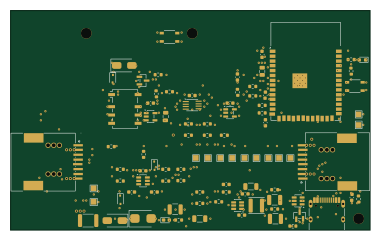 ESP32
Esp32Tap - ESP32-S3 Precor serial bus tap
scottmsilver
95 × 58 mm76 parts4LNo license2- schematic only · 40 partsESP32
Moto Audio
bacnbit
40 partsNo license2 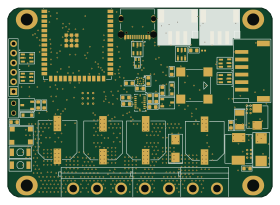 ESP32
CAN-HBC-S3
ViktorNfa
70 × 50 mm160 parts4LNo license1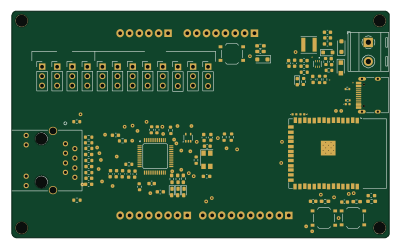 ESP32
ARCHINET
NewsanLab
100 × 60 mm99 parts2LNo license1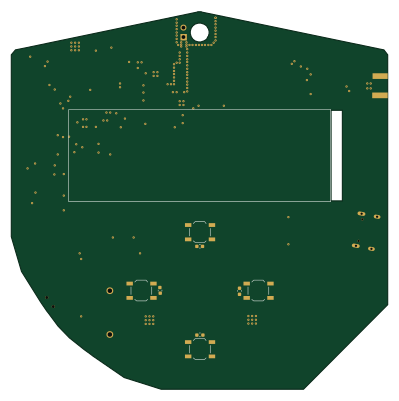 ESP32
Badge Tropicon 2026
ElectronicCats
99.7 × 100 mm63 parts2LNo license1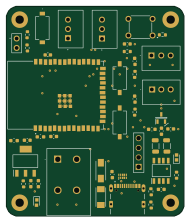 ESP32
Motor master
PaulBailey-1
47 × 55.5 mm48 parts2LNo license1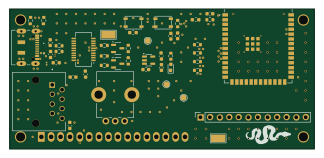 ESP32
SnakeTank
vpolda
80.8 × 37.1 mm46 parts4LNo license1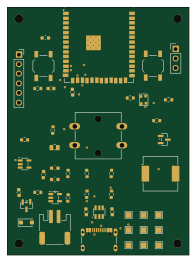 ESP32
Open telegraph
chouhanindustries
48 × 65.5 mm39 parts2LCERN-OHL-S-2.01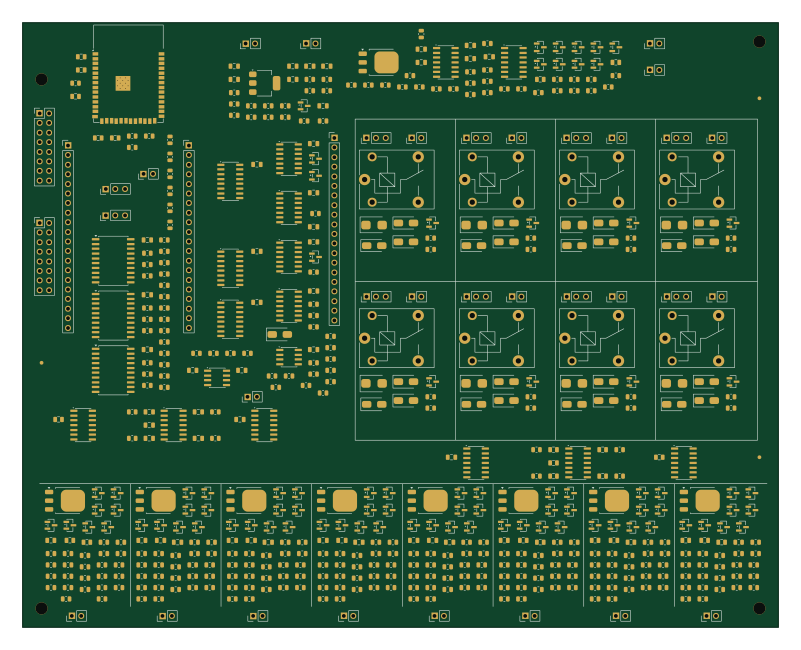 ESP32
Universal-Poofer-Control
NOVA-Cluster
200 × 160 mm577 parts4LNo license0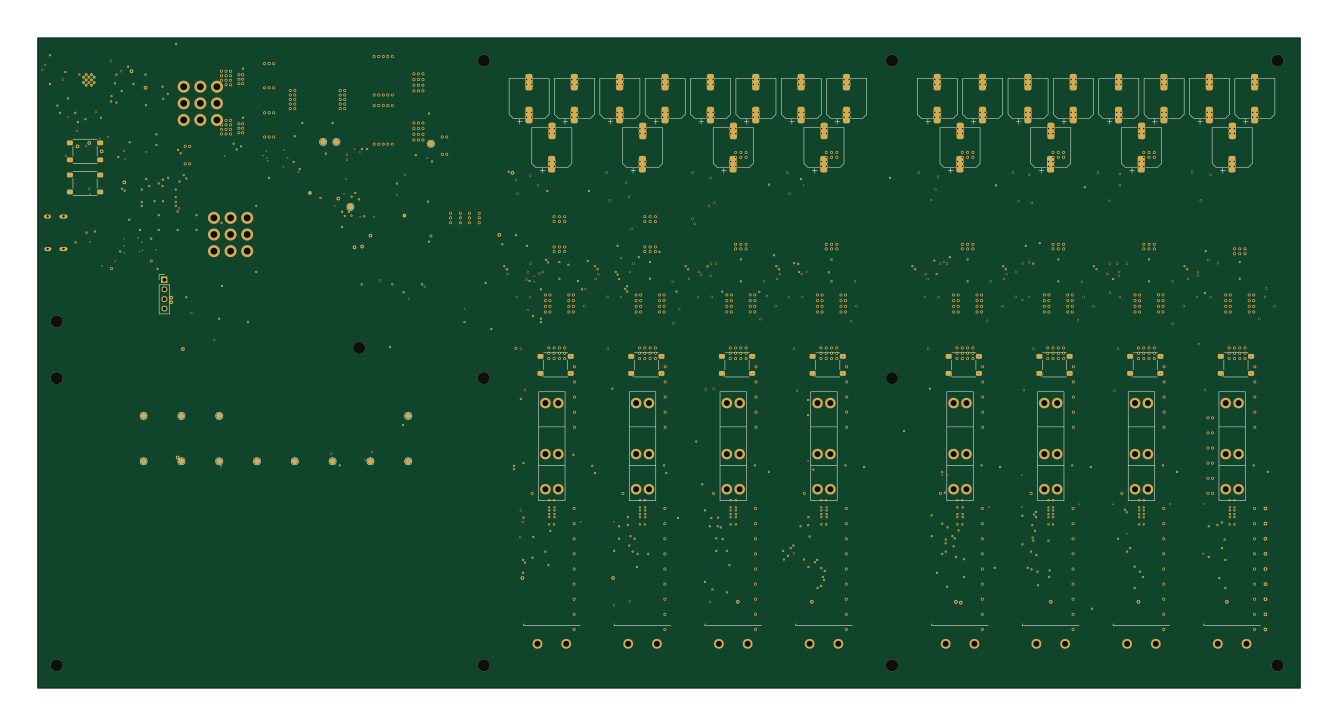 ESP32
Eswitch
dpeckham
334 × 172 mm378 parts4LNo license0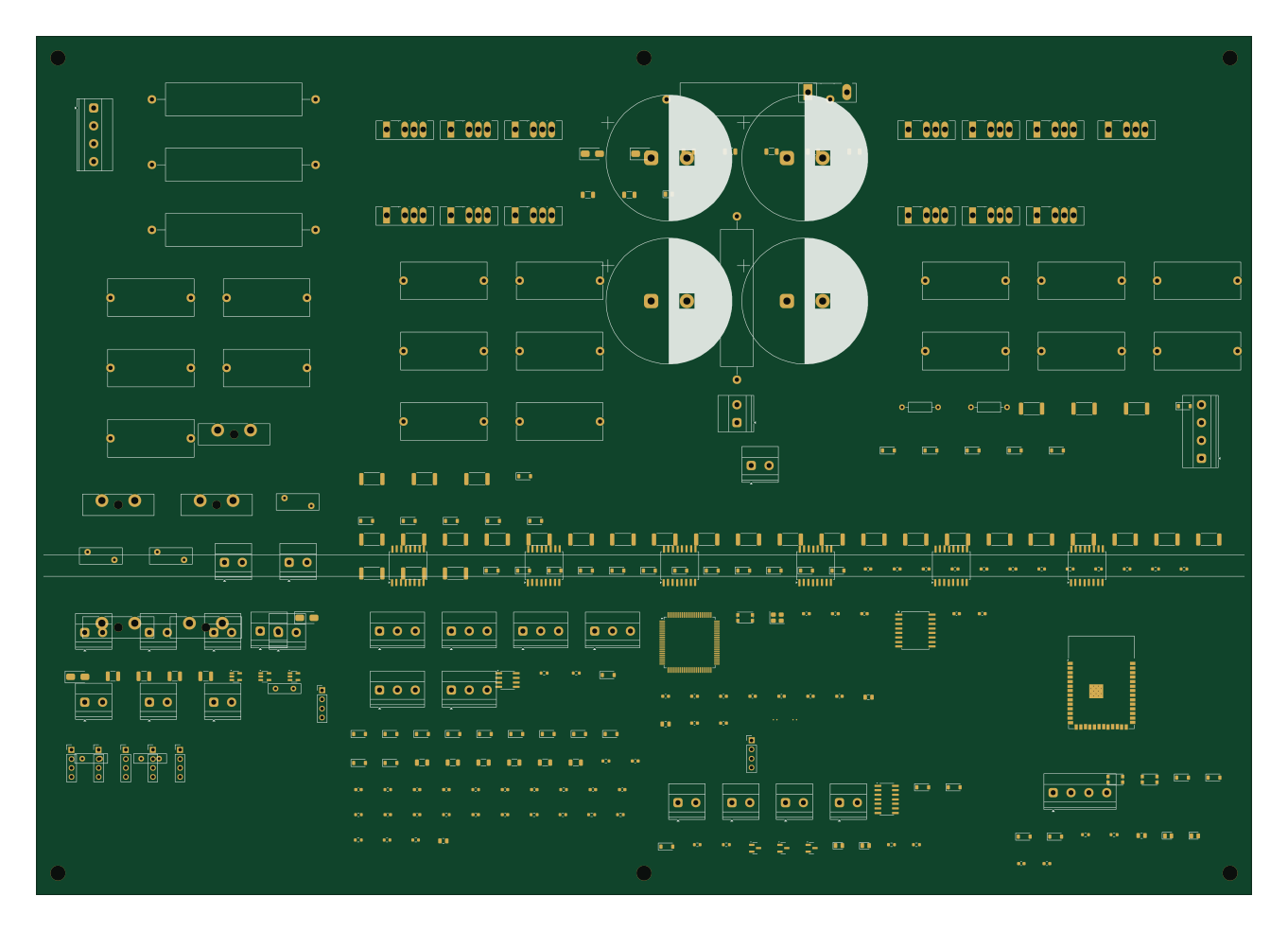 ESP32
Back To Back-Convertidor-Bidireccional-AC-AC-
FernandoVB01
340 × 240 mm239 parts4LNo license0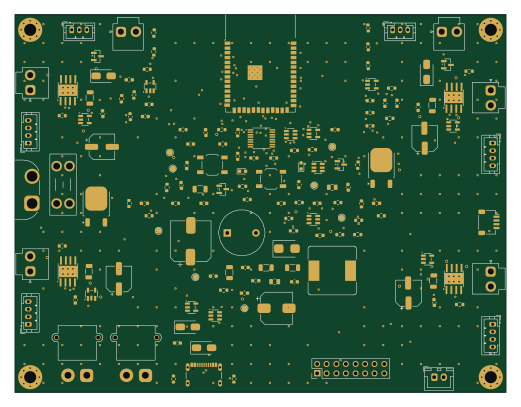 ESP32
Atlas carrier ctrl
md-sazzad-eee
130 × 100 mm145 parts4LNo license0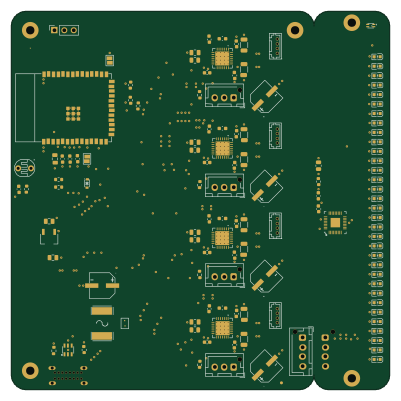 ESP32
DrumTime
M-Mrk
100 × 100 mm120 parts2LGPL-3.00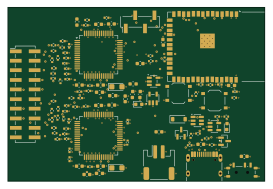 ESP32
Utter
IFAKA
68 × 46 mm107 parts4LNo license0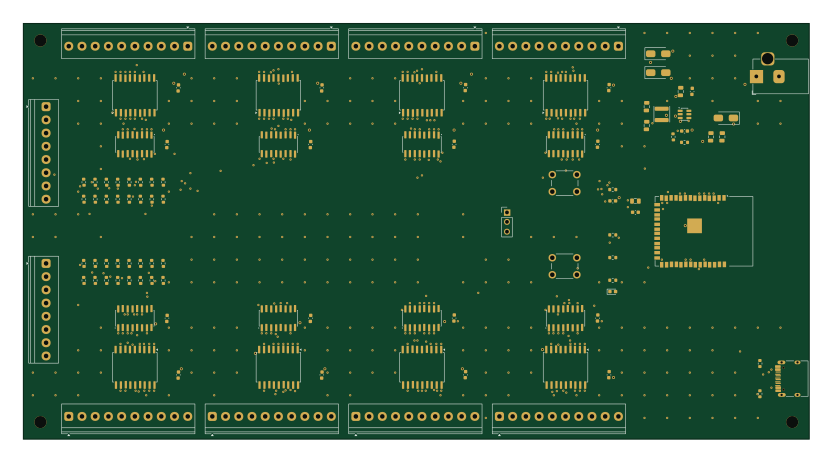 ESP32
Button grid
paulsonnentag
208 × 110 mm104 parts2LNo license0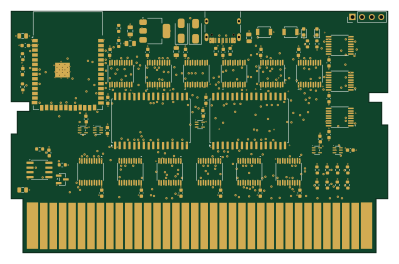 ESP32
Nescart
Keitark
99.7 × 63.9 mm84 parts6LMIT0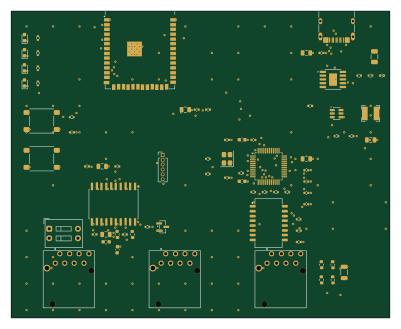 ESP32
Canary
stoatworks-labs
100 × 81 mm76 parts4LCERN-OHL-S-2.00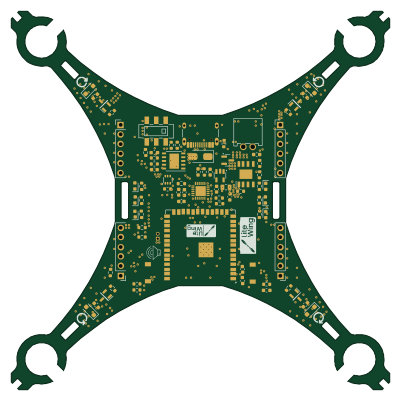 ESP32
Lite wing drone
Omern187
100 × 100 mm76 parts2LNo license0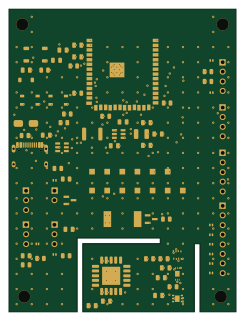 ESP32
Wisp
huulanka
60 × 80 mm74 parts4LMIT0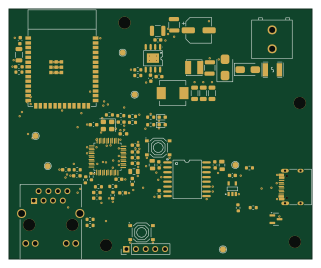 ESP32
Hardware esp32-ethernet
dnd-global
80 × 66 mm73 parts2LNo license0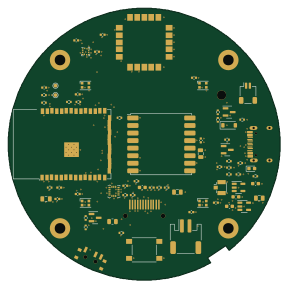 ESP32
Finder puck
lucy-chapar
72 × 72 mm70 parts4LNo license0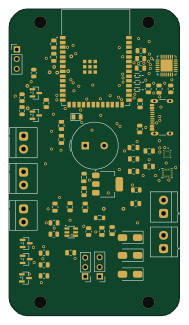 ESP32
Bedroom-Engineering-Propulsive-Landing-Project
nimishcoder1232
45 × 81 mm70 parts4LNo license0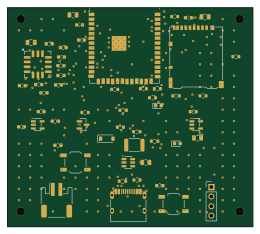 ESP32
Quake sensor
ismailcelik-tr
65 × 58 mm54 parts2LNo license0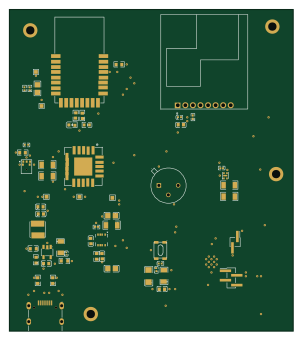 ESP32
SuperNice
laemo10
75 × 85 mm54 parts4LNo license0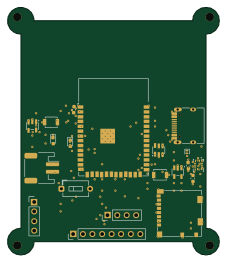 ESP32
Race tracker
jonaschramm
56.1 × 65.5 mm49 parts4LNo license0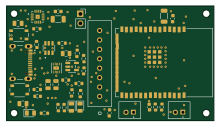 ESP32
GlucoBit
jdharcourt
55 × 30.4 mm43 parts4LNo license0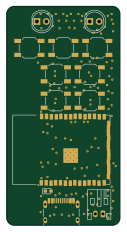 ESP32
Ir remote
Koontzie
30 × 58 mm42 parts2LMIT0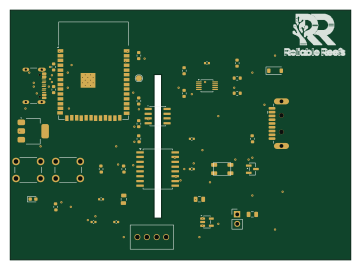 ESP32
Can modbus tap
reliablereefs
90 × 66 mm40 parts2LNo license0
How designs wire the ESP32-S3-WROOM-1-N8
Read from the KiCad layouts of 46 open source designs, one per repository: what each pin of the ESP32-S3-WROOM-1-N8 connects to, and the resistors, capacitors and other passives placed on it.
- The EN pin has a capacitor to GND on 40 of 46 designs, most often 1 µF (then 100 nF).
- The EN pin has a pull-up to 3.3V on 39 of 46 designs, most often 10 kΩ (then 1 kΩ).
- The 3V3 pin is tied to 3.3V on 41 of 46 designs (a signal on 5).
- The IO46 pin is left unconnected on 37 of 45 designs (a signal on 8).
| Pin | Connected to | Parts on the pin |
|---|---|---|
| GNDpin 1, 40, 41 | Connected to: GND 98% | — |
| 3V3pin 2 | Connected to: 3.3V 89% | — |
| ENpin 3 | Connected to: A connector 22% |
|
| IO3pin 15 | Connected to: Not connected 63% · a signal 37% | — |
| IO46pin 16 | Connected to: Not connected 82% · a signal 18% | — |
| IO45pin 26 | Connected to: Not connected 78% · a signal 22% | — |
| IO0pin 27 | Connected to: A connector 26% |
|
| IO35pin 28 | Connected to: Not connected 64% · a signal 36% | — |
| IO36pin 29 | Connected to: Not connected 69% · a signal 31% | — |
| IO37pin 30 | Connected to: Not connected 67% · a signal 33% | — |
| IO39pin 32 | Connected to: Not connected 60% · a signal 40% | — |
| IO40pin 33 | Connected to: Not connected 62% · a signal 38% | — |
| IO42pin 35 | Connected to: Not connected 60% · a signal 40% | — |
26 more pins vary from design to design. Connections count pins, parts count designs; values in brackets are how many parts had that value. Designs read include Open-ESPilot by Tomas-Kuchta-FPV, Cinread-IT8951 S3 HAT by martinberlin, Open telegraph by animesh-chouhan and MainPCB by LEDs-by-glowingkitty.
The ESP32-S3-WROOM-1-N8 in open source designs
The gallery holds 64 open source boards using the ESP32-S3-WROOM-1-N8 from 52 GitHub repositories; a typical one measures about 77.5 × 60 mm and carries around 50 components.
59% are two-layer designs, the rest use four layers or more, and 34% carry an open source license.
The most starred is Open-ESPilot by Tomas-Kuchta-FPV.
Parts used alongside the ESP32-S3-WROOM-1-N8
Microcontrollers on boards using the ESP32-S3-WROOM-1-N8
What boards using the ESP32-S3-WROOM-1-N8 are built for
ESP32-S3-WROOM-1-N8: common questions
Where can I find a ESP32-S3-WROOM-1-N8 reference design?
Each of the 64 boards on this page is a real design using the ESP32-S3-WROOM-1-N8. Open one to see how it is wired up, with the full BOM, a render of the layout and links to its KiCad files.
How is the ESP32-S3-WROOM-1-N8 EN pin connected?
The EN pin has a capacitor to GND on 40 of 46 designs, most often 1 µF (then 100 nF). Counted from the KiCad layouts of 46 open source designs using the ESP32-S3-WROOM-1-N8.
How is the ESP32-S3-WROOM-1-N8 3V3 pin connected?
The 3V3 pin is tied to 3.3V on 41 of 46 designs (a signal on 5). Counted from the KiCad layouts of 46 open source designs using the ESP32-S3-WROOM-1-N8.
How is the ESP32-S3-WROOM-1-N8 IO46 pin connected?
The IO46 pin is left unconnected on 37 of 45 designs (a signal on 8). Counted from the KiCad layouts of 46 open source designs using the ESP32-S3-WROOM-1-N8.
What parts are used alongside the ESP32-S3-WROOM-1-N8?
The USBLC6-2SC6, MCP73831T-2ACI/OT, AMS1117-3.3, AP2112K-3.3 and AP2112K-3.3TRG1 appear in the most repositories here.
Which microcontrollers do boards using the ESP32-S3-WROOM-1-N8 use?
Most are built on ESP32 (64).
How big is a typical board using the ESP32-S3-WROOM-1-N8?
The median is 77.5 × 60 mm, and 59% are two-layer designs.
What is the most popular open source board using the ESP32-S3-WROOM-1-N8?
By GitHub stars, Open-ESPilot by Tomas-Kuchta-FPV, with 18 stars.
Can I simulate one of these boards using the ESP32-S3-WROOM-1-N8 before building it?
Yes. HardLabs turns a board's netlist and BOM into a working simulation, so you can boot and test firmware against it with no hardware on your desk.