
69 open source boards using the MCP2515-xSO
Real designs built with the MCP2515-xSO, from public GitHub projects: a quick way to see how others power, decouple and connect it. Each board comes with its KiCad files, full parts list and a render — and you can simulate its firmware on HardLabs.
 RP2040/RP2350
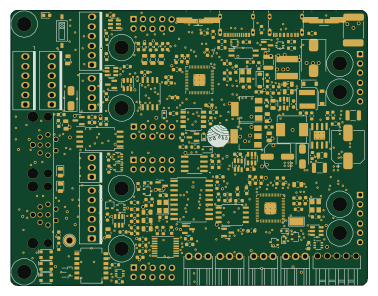
Dual CPU Base Board
Twisted-Fields
94.4 × 72.8 mm247 parts4LCustom license419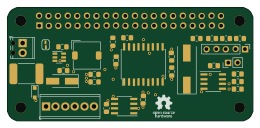 Raspberry Pi
Canhat
onitake
65 × 30 mm37 parts2LCERN-OHL-1.214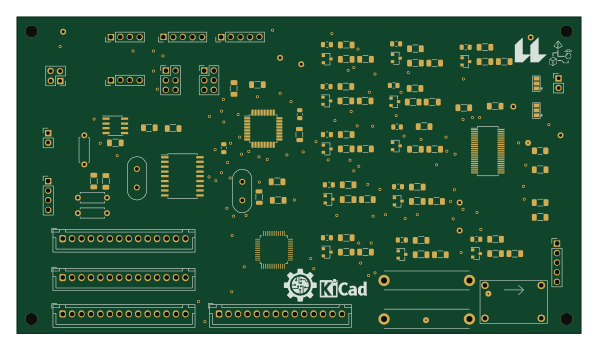 AVR/Arduino
Nodo BMS
AugustoS97
149.2 × 83.7 mm107 parts2LGPL-3.07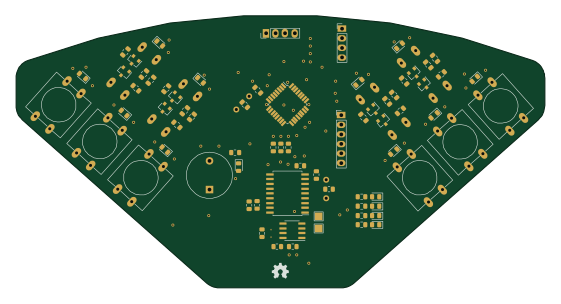 AVR/Arduino
MSWI19
ZeniteSolar
140 × 72.1 mm147 parts2LGPL-3.03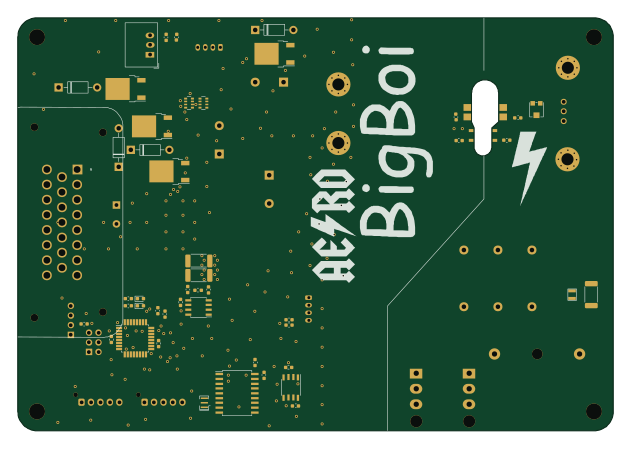 AVR/Arduino
Interface board
uvmaero
157.5 × 109.2 mm70 parts2LCC-BY-SA-4.03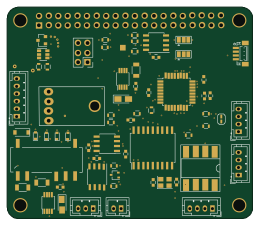 Raspberry Pi
Chart plotter hat
gpgreen
65 × 56 mm68 parts4LNo license3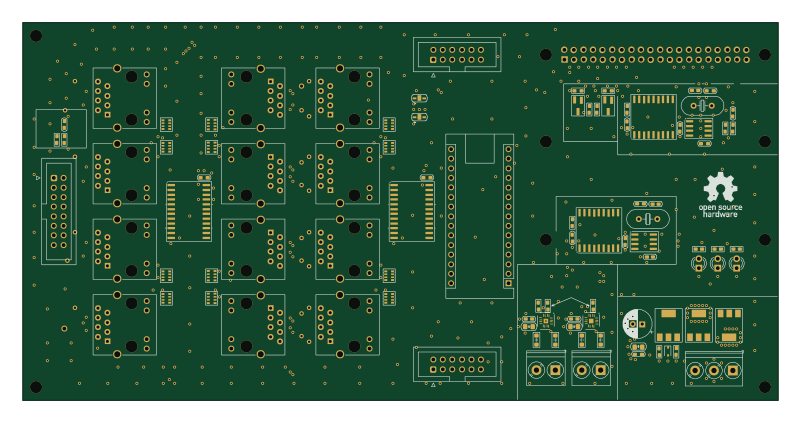 AVR/Arduino
Backplane
PurkkaKoodari
200 × 100 mm96 parts2LMIT2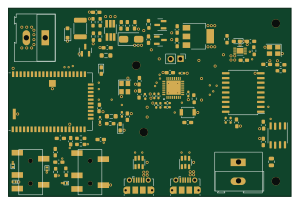 ESP32
E9X-CAN-BT
Christian-Ristevski
74.8 × 49.8 mm88 parts2LNo license2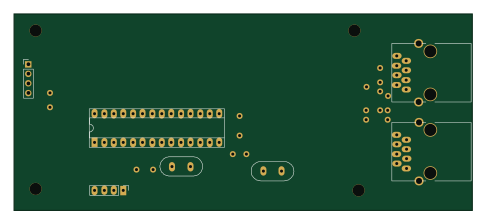 AVR/Arduino
Basicsensormodule
121.3 × 52.1 mm50 parts2LGPL-3.02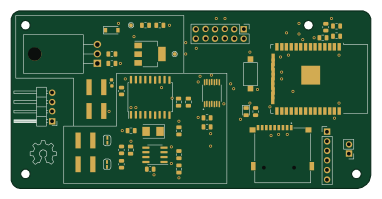 ESP32
SLKCAN
czmorris
95.3 × 47 mm42 parts4LMIT2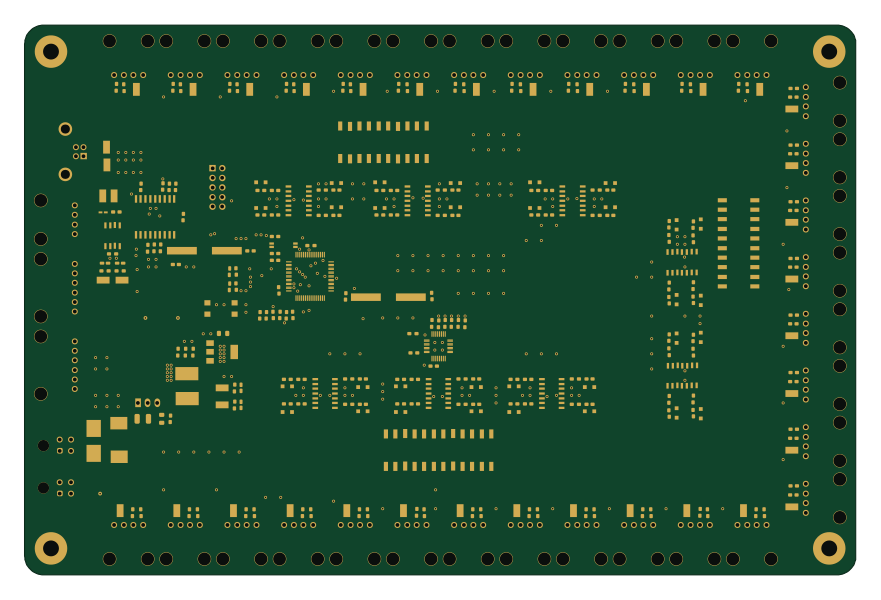 Microchip SAM
Testing hardware
ParadigmHyperloop
220 × 145.5 mm336 parts2LCustom license1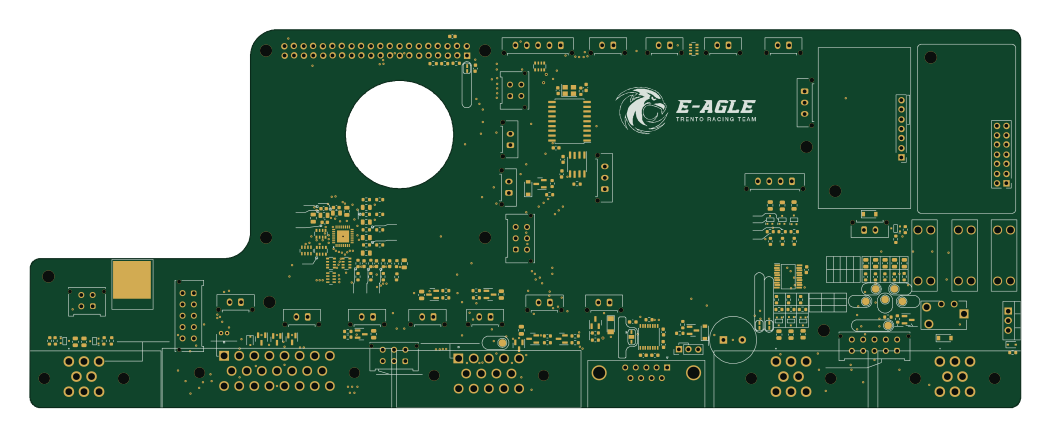 Raspberry Pi
Handcart hw
eagletrt
262.2 × 100 mm196 parts2LNo license1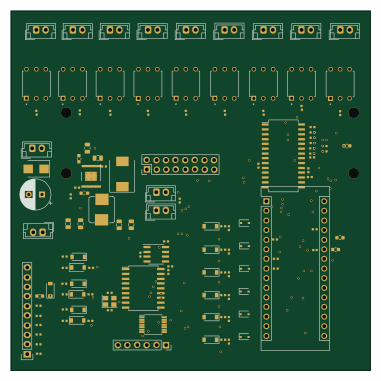 AVR/Arduino
EngineDataLogger-FrontControls
techie66
95 × 95 mm130 parts2LGPL-2.01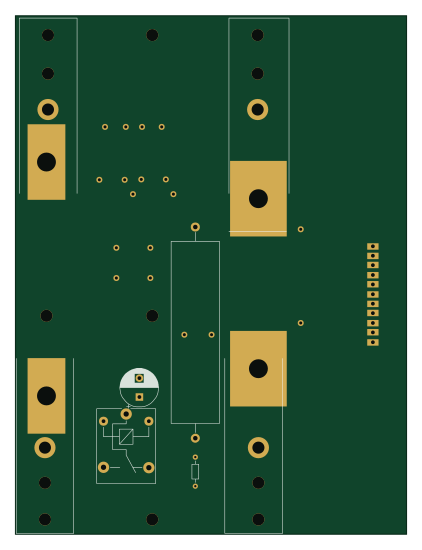 AVR/Arduino
Main
103.5 × 137.2 mm120 parts2LGPL-3.01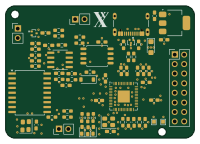 RP2040/RP2350
PixApple
mrkingseasheep
50 × 35 mm66 parts4LGPL-3.01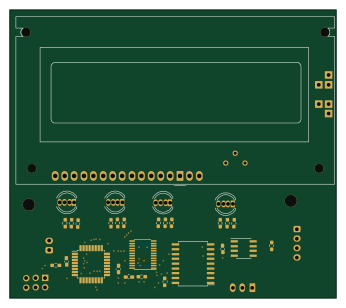 AVR/Arduino
Dash Left
86.4 × 76.2 mm42 parts2LNo license1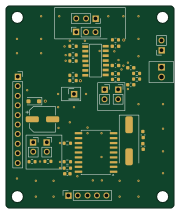
TJA1055-3-Breakout-Board
korni92
44.5 × 53.5 mm38 parts2LNo license1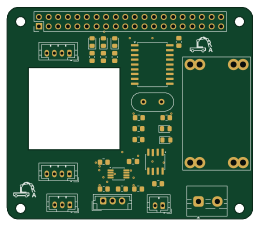 Raspberry Pi
LARA hat
LuHer10
65 × 56 mm31 parts2LCC-BY-NC-4.01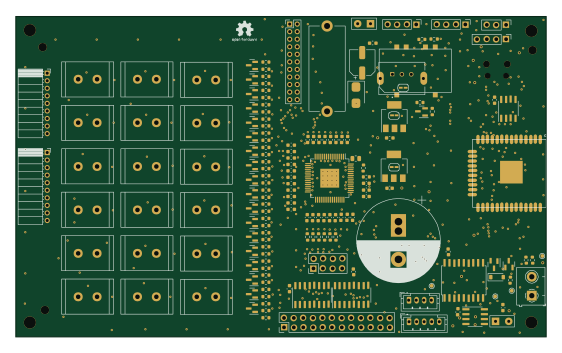 RP2040/RP2350
Base18
M-o-a-T
140.4 × 84.9 mm162 parts2LNo license0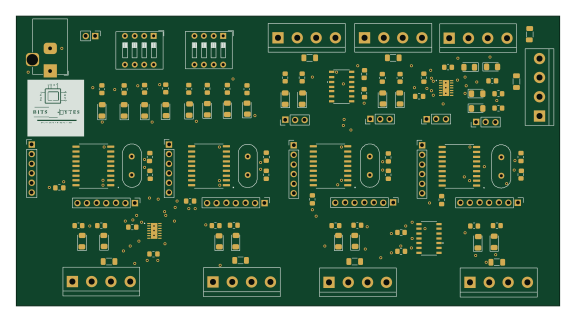
8-channel-CAN-module
Shubham8-hub
143.7 × 76.6 mm112 parts2LNo license0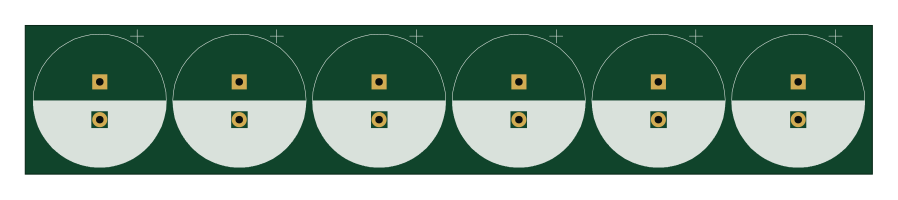 AVR/Arduino
MAM19
224.2 × 39.4 mm92 parts2LGPL-3.00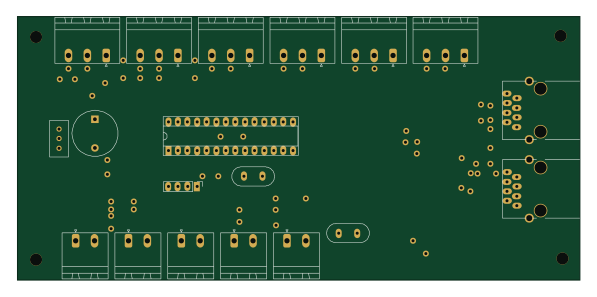 AVR/Arduino
MIC19
149 × 69.8 mm87 parts2LGPL-3.00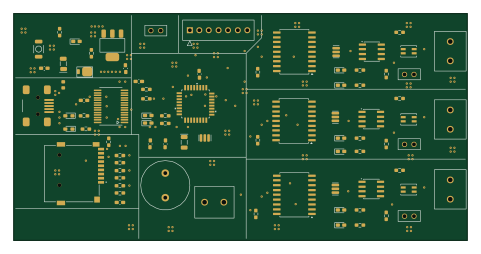 AVR/Arduino
UDS-logger
rkhvrnen
120 × 60 mm82 parts2LMIT0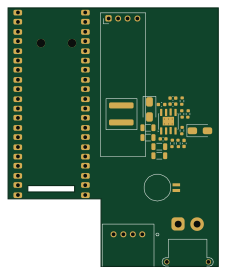
Luckhead
baden
55.6 × 68.4 mm75 parts2LNo license0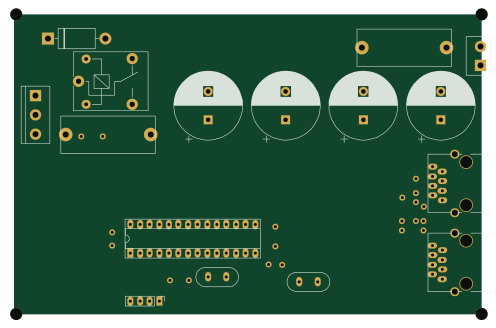 AVR/Arduino
MAB19
123.8 × 79.4 mm66 parts2LNo license0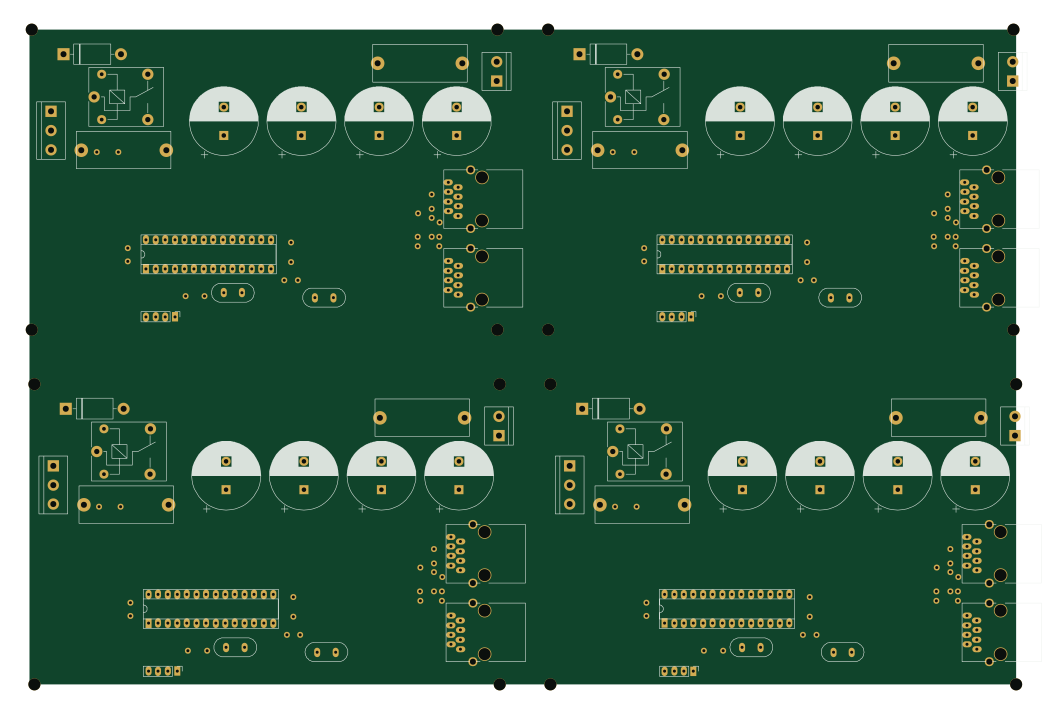 AVR/Arduino
MAB19 PANEL
261 × 173.2 mm66 parts2LGPL-3.00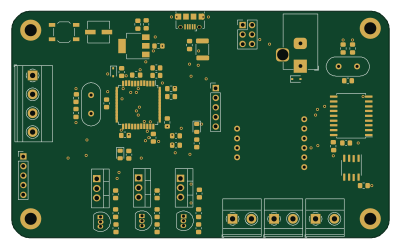 AVR/Arduino
ORA Control Board Rev 1
oaklandrobotics
100 × 60 mm65 parts2LNo license0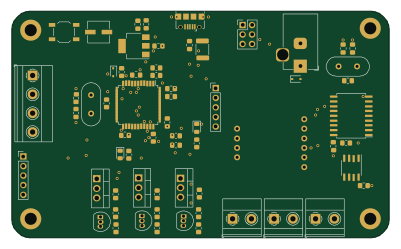 AVR/Arduino
ORA Control Board Rev 1
gtrupiano
100 × 60 mm65 parts2LNo license0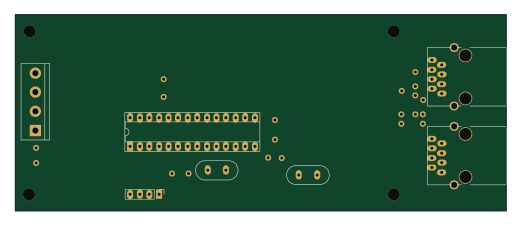 AVR/Arduino
Basicsensormodule
130.2 × 52.1 mm56 parts2LGPL-3.00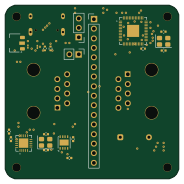 RP2040/RP2350
MHIPS
mrk-fox
46 × 46 mm46 parts4LCERN-OHL-S-2.00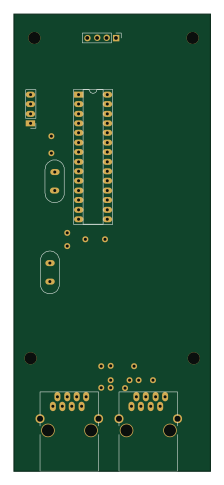 AVR/Arduino
MVC19
52.1 × 121 mm40 parts2LGPL-3.00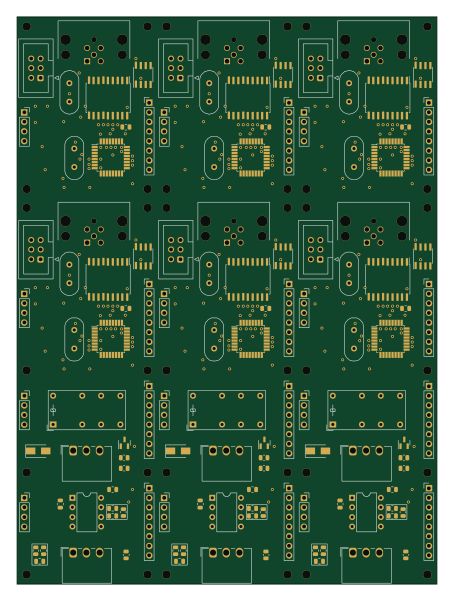 AVR/Arduino
Can atmega layout-2025-07-01
Zwackelmann
111 × 150 mm39 parts2LNo license0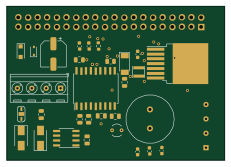
PUTM EV PCB ON RASPBERRY 2022
PUT-Motorsport
57.5 × 40.6 mm39 parts2LNo license0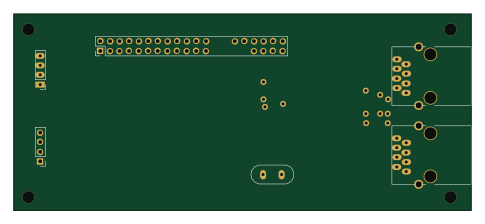 Raspberry Pi
MRPC19
121 × 52.1 mm34 parts2LGPL-3.00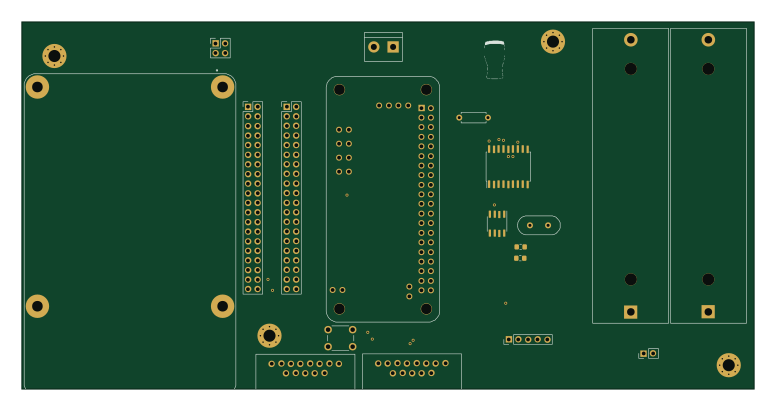 Raspberry Pi
Headunit pi4
Jimbo145
193.7 × 97.1 mm19 parts2LNo license0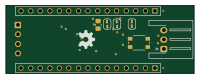
Can nano shield
feastorg
50 × 18 mm18 parts2LGPL-3.00
How designs wire the MCP2515-xSO
Read from the KiCad layouts of 46 open source designs, one per repository: what each pin of the MCP2515-xSO connects to, and the resistors, capacitors and other passives placed on it.
- The OSC1 pin has a crystal on 42 of 46 designs, most often 16 MHz (then 8 MHz).
- The OSC2 pin has a crystal on 41 of 46 designs, most often 16 MHz (then 8 MHz).
- The OSC2 pin has a capacitor to GND on 40 of 46 designs, most often 22 pF (then 18 pF).
- The OSC1 pin has a capacitor to GND on 40 of 46 designs, most often 22 pF (then 18 pF).
| Pin | Connected to | Parts on the pin |
|---|---|---|
| CLKOUT/SOFpin 3 | Connected to: Not connected 98% | — |
| TX0RTSpin 4 | Connected to: Not connected 96% | — |
| TX1RTSpin 5 | Connected to: Not connected 96% | — |
| TX2RTSpin 6 | Connected to: Not connected 96% | — |
| OSC2pin 7 | Connected to: Signal 96% |
|
| OSC1pin 8 | Connected to: Signal 100% |
|
| VSSpin 9 | Connected to: GND 98% | — |
| RX1BFpin 10 | Connected to: Not connected 96% | — |
| RX0BFpin 11 | Connected to: Not connected 93% | — |
| RESETpin 17 | Connected to: Signal 89% |
|
| VDDpin 18 | Connected to: 5V 91% |
|
7 more pins vary from design to design. Connections count pins, parts count designs; values in brackets are how many parts had that value. Designs read include Dual CPU Base Board by Twisted-Fields, EverestCM4 by PionixPublic, Canhat by onitake and CAN2Serial by AugustoS97.
The MCP2515-xSO in open source designs
The gallery holds 69 open source boards using the MCP2515-xSO from 48 GitHub repositories; a typical one measures about 84 × 60 mm and carries around 48 components.
87% are two-layer designs, the rest use four layers or more, and 43% carry an open source license.
The most starred is Dual CPU Base Board by Twisted-Fields.
Parts used alongside the MCP2515-xSO
Microcontrollers on boards using the MCP2515-xSO
What boards using the MCP2515-xSO are built for
MCP2515-xSO: common questions
Where can I find a MCP2515-xSO reference design?
Each of the 69 boards on this page is a real design using the MCP2515-xSO. Open one to see how it is wired up, with the full BOM, a render of the layout and links to its KiCad files.
How is the MCP2515-xSO OSC1 pin connected?
The OSC1 pin has a crystal on 42 of 46 designs, most often 16 MHz (then 8 MHz). Counted from the KiCad layouts of 46 open source designs using the MCP2515-xSO.
How is the MCP2515-xSO OSC2 pin connected?
The OSC2 pin has a crystal on 41 of 46 designs, most often 16 MHz (then 8 MHz). Counted from the KiCad layouts of 46 open source designs using the MCP2515-xSO.
How is the MCP2515-xSO CLKOUT/SOF pin connected?
The CLKOUT/SOF pin is left unconnected on 45 of 46 designs. Counted from the KiCad layouts of 46 open source designs using the MCP2515-xSO.
What parts are used alongside the MCP2515-xSO?
The MCP2551-I-SN, ATmega328P-PU, LM7805, MCP2562-E-SN and RP2040 appear in the most repositories here.
Which microcontrollers do boards using the MCP2515-xSO use?
Most are built on AVR/Arduino (35), Raspberry Pi (9), RP2040/RP2350 (7) and ESP32 (5).
How big is a typical board using the MCP2515-xSO?
The median is 84 × 60 mm, and 87% are two-layer designs.
What is the most popular open source board using the MCP2515-xSO?
By GitHub stars, Dual CPU Base Board by Twisted-Fields, with 419 stars.
Can I simulate one of these boards using the MCP2515-xSO before building it?
Yes. HardLabs turns a board's netlist and BOM into a working simulation, so you can boot and test firmware against it with no hardware on your desk.