
84 open source boards using the AMS1117-3.3
Real designs built with the AMS1117-3.3, from public GitHub projects: a quick way to see how others power, decouple and connect it. Each board comes with its KiCad files, full parts list and a render — and you can simulate its firmware on HardLabs.
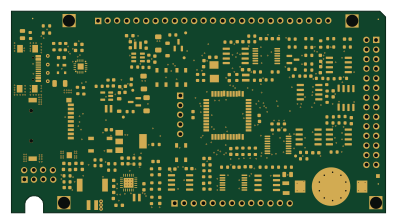 PIC
PICPslab hardware
fossasia
99 × 53.3 mm187 parts4LApache-2.01.7k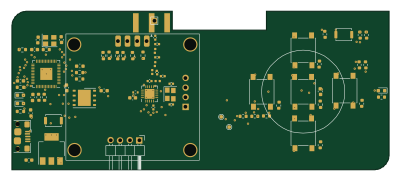 RP2040/RP2350
Hackbat
controlpaths
100 × 42 mm78 parts4LCC0-1.01.0k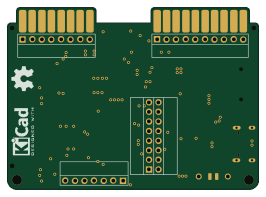 ESP32
ESP32ESP32
Chrismettal
66.4 × 48.1 mm70 parts2LCC-BY-SA-4.0446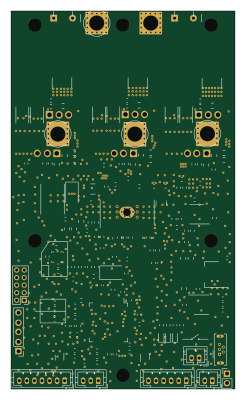 STM32
STM32Cheap-FOCer-2
shamansystems
59.1 × 99.9 mm165 partsNo license405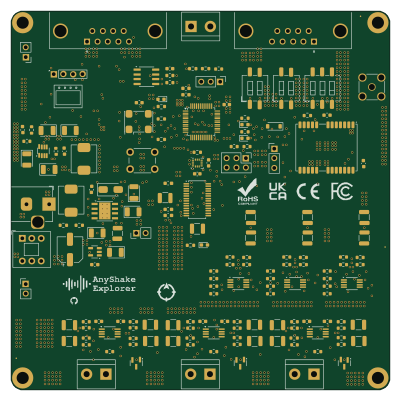 STM32
STM32Explorer
anyshake
100 × 100 mm244 parts2LCustom license95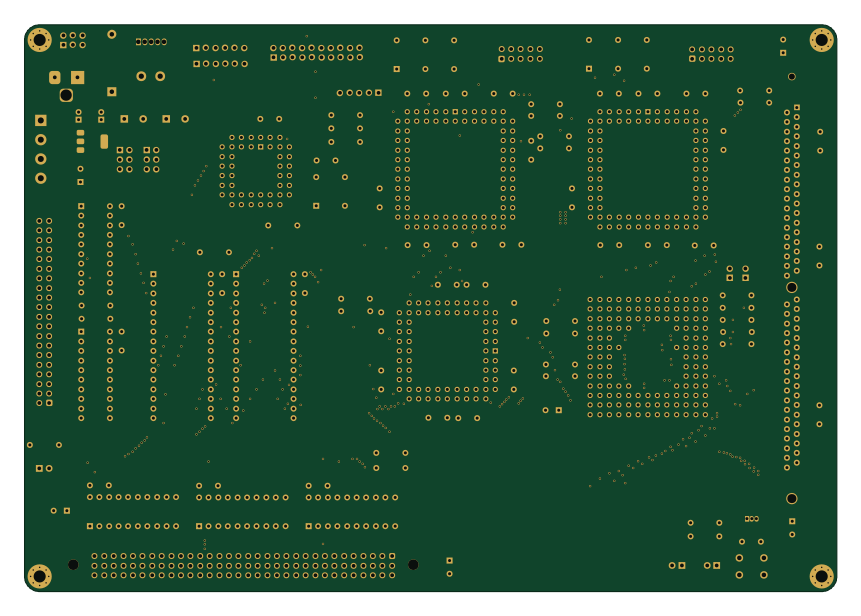
Mackerel-30
crmaykish
215 × 150 mm127 parts4LMIT94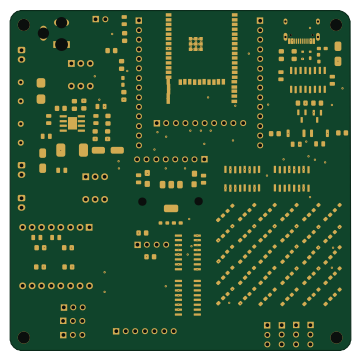 ESP32
ESP32Sra dev board 2026
SRA-VJTI
90.2 × 90 mm145 parts2LMIT80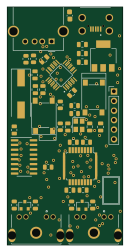 AVR/Arduino
Adbuino
akuker
30.5 × 63 mm43 parts2LGPL-2.060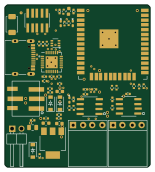 ESP32
ESP32Ble stepper motor analyzer
zapta
38.5 × 43 mm58 parts2LNo license58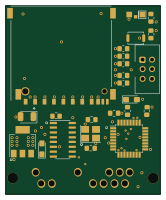 AVR/Arduino
SmartPortSD SMD
djtersteegc
41 × 50 mm24 parts2LMIT54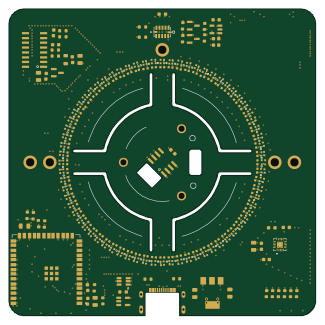 ESP32
ESP32SmartKnob DevKit Base
SeedLabs-it
81.2 × 81.2 mm222 parts4LApache-2.046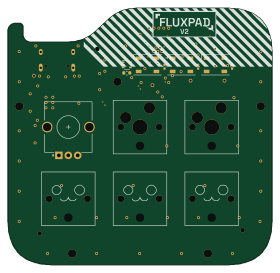 RP2040/RP2350
Fluxpad
sssata
70 × 68 mm68 parts4LGPL-3.043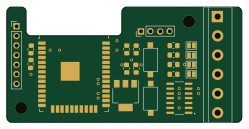 ESP32
ESP32WLED ESP32 Controller
Hasenpups
62.2 × 30.5 mm22 parts2LCC-BY-NC-4.043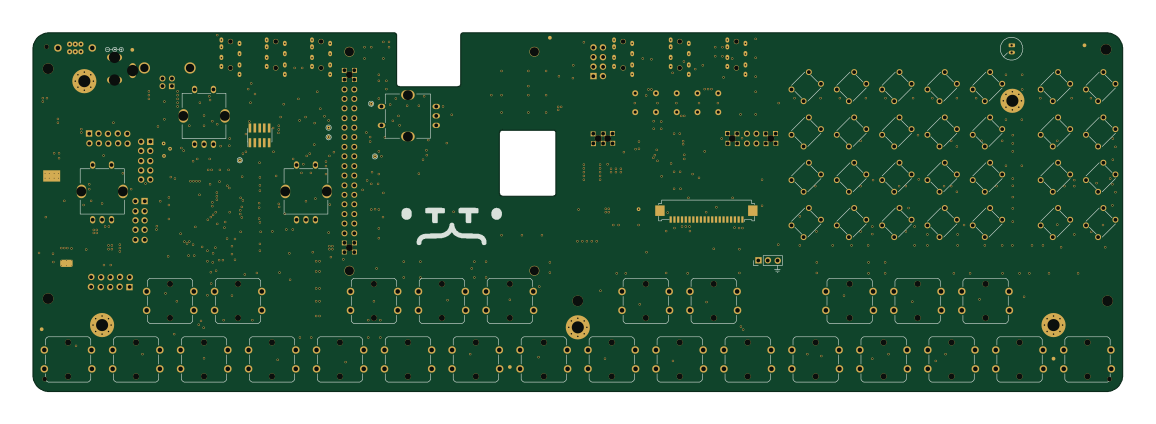 STM32
STM32OTTO-Beta-Main
bitfieldaudio
288.5 × 95 mm303 parts4LCC-BY-NC-4.037- schematic only · 37 partsRP2040/RP2350
Boardsmith
ForestHubAI
37 partsAGPL-3.034 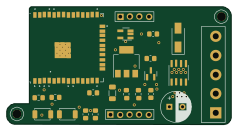 ESP32
ESP32ESP-32 WLED-Controller
der-pw
59.5 × 31.2 mm19 parts2LNo license30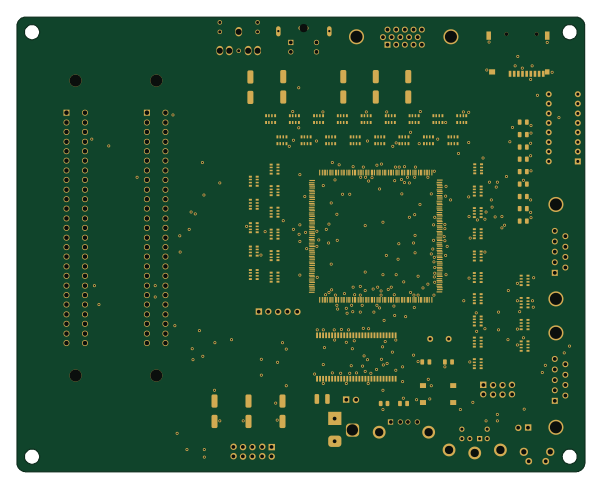 WCH CH32/CH55x
Trhmsx
cristianoag
150.4 × 120.4 mm127 parts4LNo license29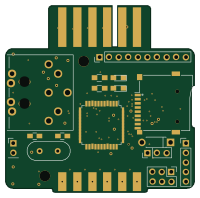 AVR/Arduino
SD2IEC Pluggable
hackup
50 × 49.4 mm44 parts2LNo license29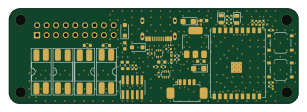 ESP32
ESP32Esp atx power
valletw
76.6 × 25.1 mm51 parts4LMIT28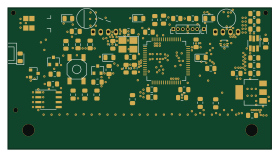 STM32
STM32Overnumpad controller 1xb
purdeaandrei
69.6 × 37.3 mm65 parts2LCERN-OHL-P-2.027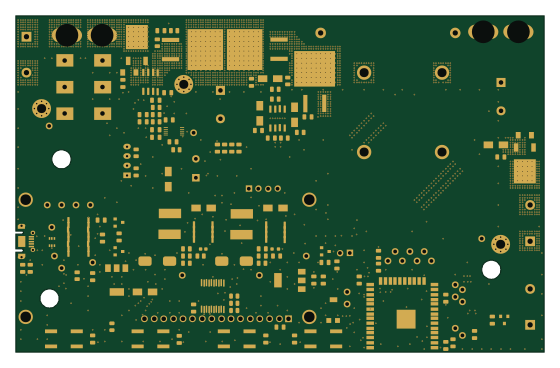 ESP32
ESP32Charge Controller
jharvey
139.7 × 88.9 mm157 parts2LNo license24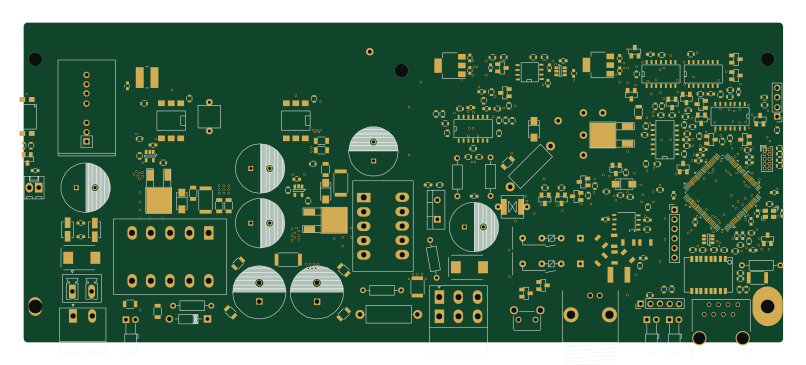
IONPAK V2
m-labs
201.2 × 84.7 mm259 parts4LNo license23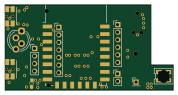 ESP8266
Ikea fyrtur
mjuhanne
44.5 × 22.5 mm42 parts4LMIT22
FreeDSP-OCTAVIA
freeDSP
178 × 99 mm505 parts4LCC-BY-SA-4.019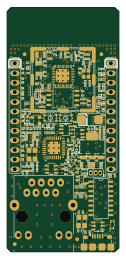 ESP32
ESP32Iot esp eth com
uysan
29.5 × 64.5 mm146 parts4LCERN-OHL-P-2.019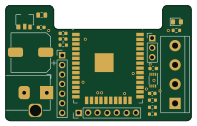 ESP32
ESP32WLED All in one ESP32 Controller
49.3 × 30.5 mm21 parts2LCC-BY-NC-4.019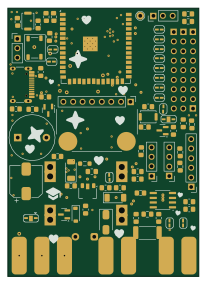 ESP32
ESP32Open-ESPilot
Tomas-Kuchta-FPV
50.6 × 71.1 mm98 parts2LCERN-OHL-W-2.018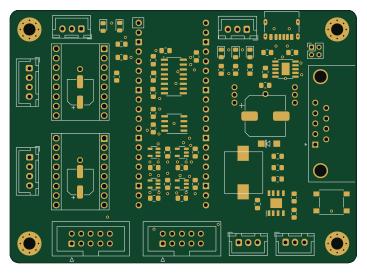 RP2040/RP2350
RaspberryPi-Pico-Motor-Expansion-Board
eamars
91.7 × 66.8 mm63 parts4LGPL-3.018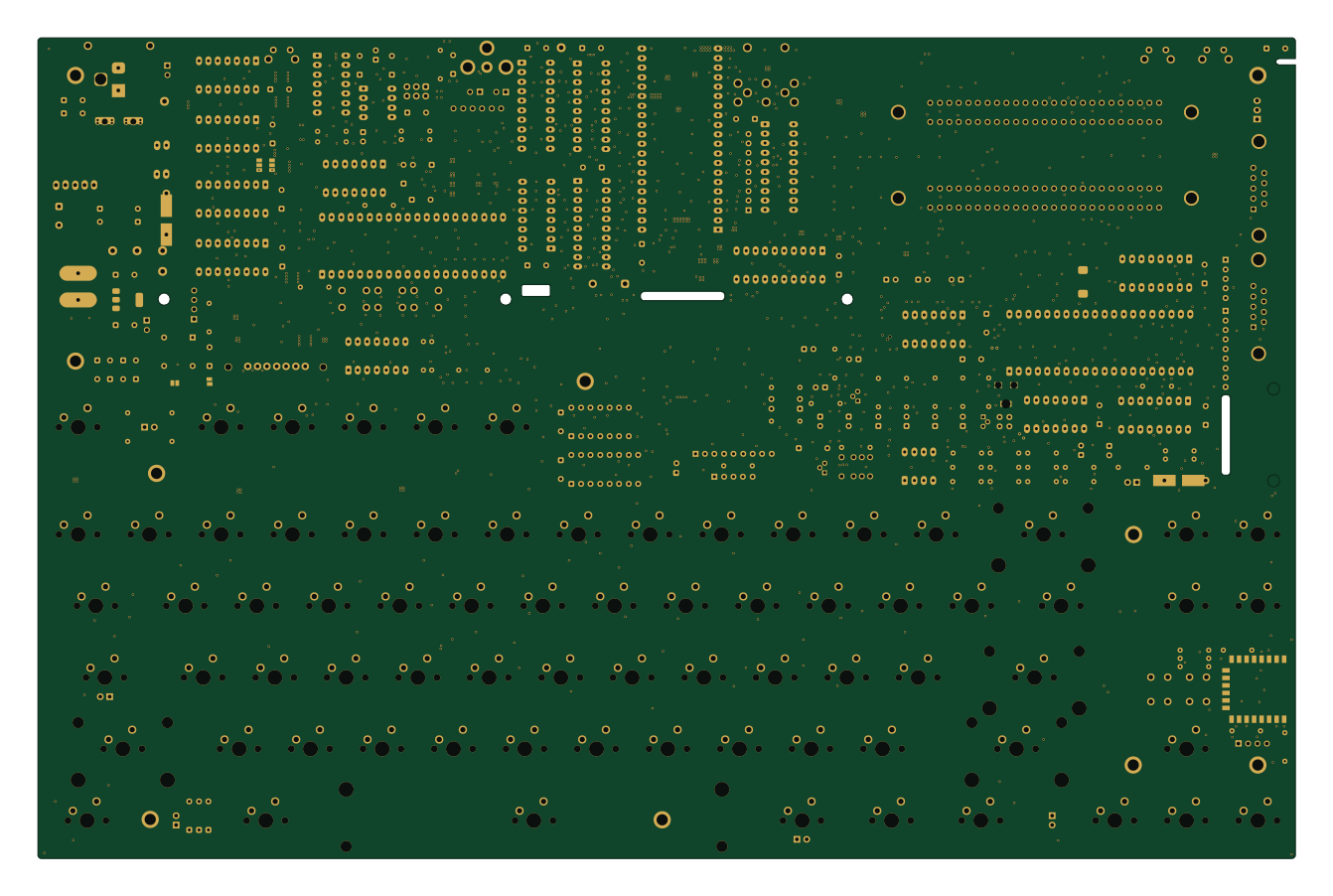 ESP8266
Stargate
leomanes
335 × 218.6 mm274 parts2LGPL-3.017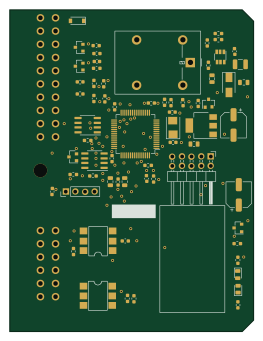 STM32
STM32Bms hardware
jsphuebner
64.5 × 85.1 mm68 parts4LGPL-3.014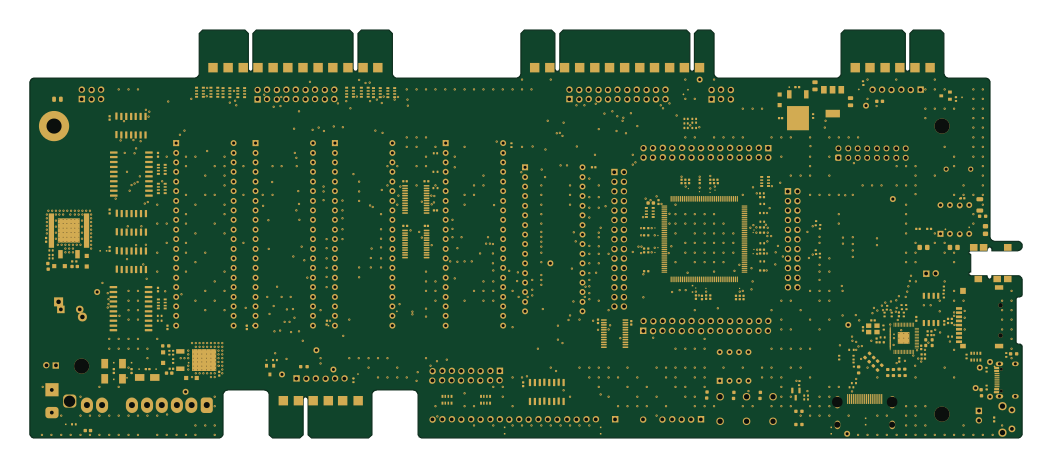 RP2040/RP2350
Commodore pet clone
DLehenbauer
262.5 × 108 mm258 parts2LCC0-1.013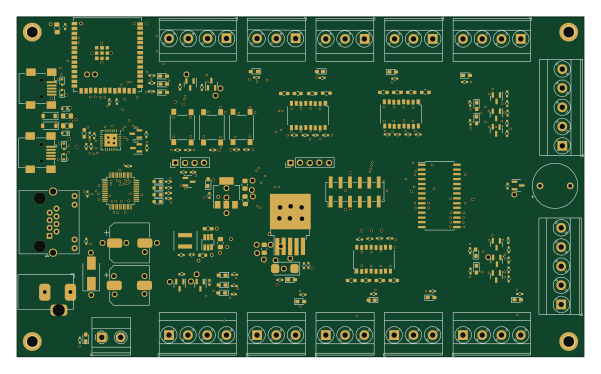 ESP32
ESP32Access controller
physiii
150 × 90 mm186 parts4LNo license13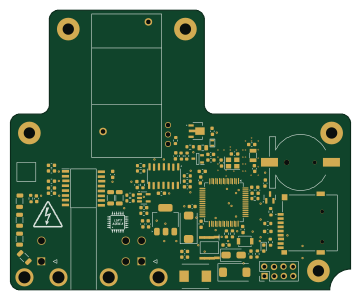 STM32
STM32Fsk energymeter
luftaquila
90 × 74 mm79 parts2LCustom license13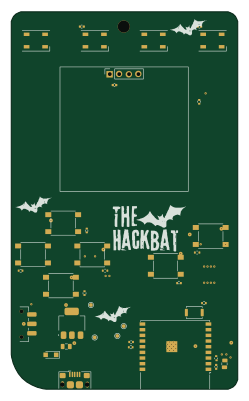 ESP32
ESP32Defcon32 badge
thehackbat
60 × 100 mm36 parts2LGPL-3.013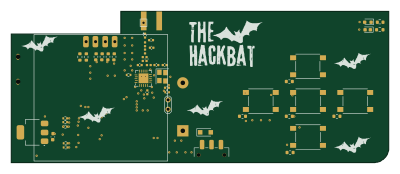 ESP32
ESP32Hackbat esp32
100 × 40 mm59 parts2LNo license12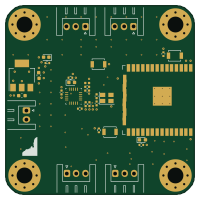 ESP32
ESP32STM32L0-ESP32-Breakout-Board
mohamedyanis
50 × 50 mm31 parts4LBSD-3-Clause12
The AMS1117-3.3 in open source designs
The gallery holds 84 open source boards using the AMS1117-3.3 from 54 GitHub repositories; a typical one measures about 84.9 × 66.8 mm and carries around 69 components.
68% are two-layer designs, the rest use four layers or more, and 74% carry an open source license.
The most starred is Pslab hardware by fossasia.
Parts used alongside the AMS1117-3.3
Microcontrollers on boards using the AMS1117-3.3
What boards using the AMS1117-3.3 are built for
AMS1117-3.3: common questions
Where can I find a AMS1117-3.3 reference design?
Each of the 84 boards on this page is a real design using the AMS1117-3.3. Open one to see how it is wired up, with the full BOM, a render of the layout and links to its KiCad files.
What parts are used alongside the AMS1117-3.3?
The RP2040, USBLC6-2SC6, ESP32-WROOM-32, ESP32-S3-WROOM-1 and W25Q128JVS appear in the most repositories here.
Which microcontrollers do boards using the AMS1117-3.3 use?
Most are built on ESP32 (32), RP2040/RP2350 (21), STM32 (10) and AVR/Arduino (3).
How big is a typical board using the AMS1117-3.3?
The median is 84.9 × 66.8 mm, and 68% are two-layer designs.
What is the most popular open source board using the AMS1117-3.3?
By GitHub stars, Pslab hardware by fossasia, with 1,699 stars.
Can I simulate one of these boards using the AMS1117-3.3 before building it?
Yes. HardLabs turns a board's netlist and BOM into a working simulation, so you can boot and test firmware against it with no hardware on your desk.