
101 open source boards using the TPS5430DDA
Real designs built with the TPS5430DDA, from public GitHub projects: a quick way to see how others power, decouple and connect it. Each board comes with its KiCad files, full parts list and a render — and you can simulate its firmware on HardLabs.
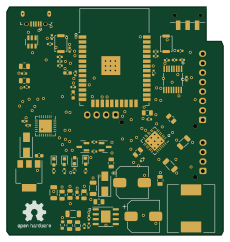 ESP32
SmartSpin2k
doudar
57.2 × 60.3 mm79 parts2LGPL-2.0291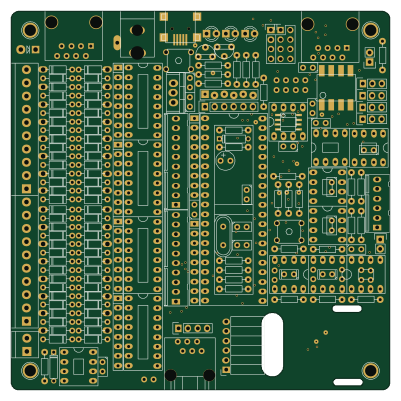 PIC
CANBuster
GBert
100 × 100 mm177 parts2LNo license99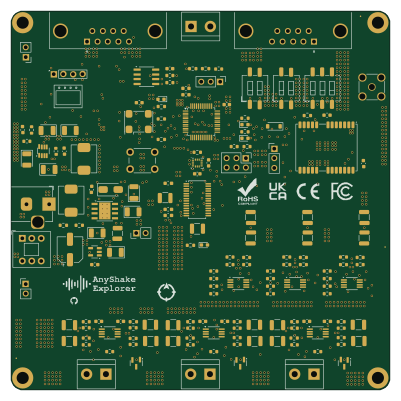 STM32
Explorer
anyshake
100 × 100 mm244 parts2LCustom license98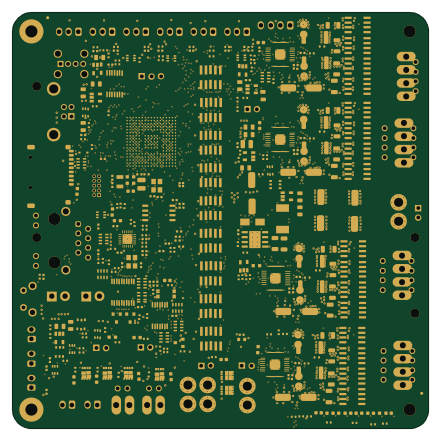 STM32
Smoothiev2-prime
Smoothieware
110 × 110 mm409 parts4LNo license69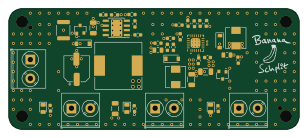
BananaSchplit
pms67
77 × 32 mm46 parts2LMIT65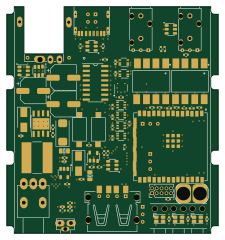 ESP32
PCBA-KNOT
intechstudio
56 × 60 mm110 parts4LGPL-3.057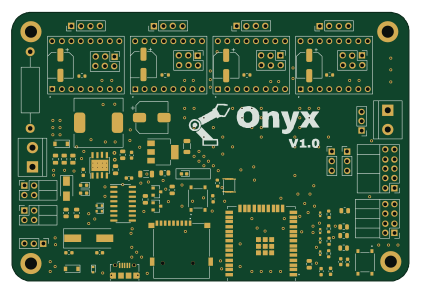 ESP32
Onyx-Stepper-Motherboard
CuriousMotor
105.2 × 71.1 mm90 parts2LMIT56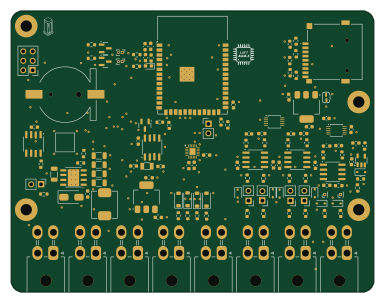 ESP32
Monolith
luftaquila
96 × 74.4 mm112 parts2LCustom license43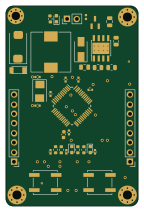 STM32
GPS-Tracker
mohamedboubaker
35 × 53 mm53 parts2LNo license40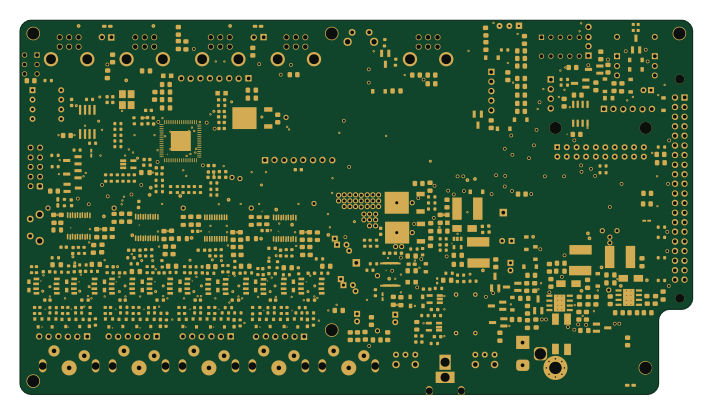
FreeDSP-OCTAVIA
freeDSP
178 × 99 mm505 parts4LCC-BY-SA-4.019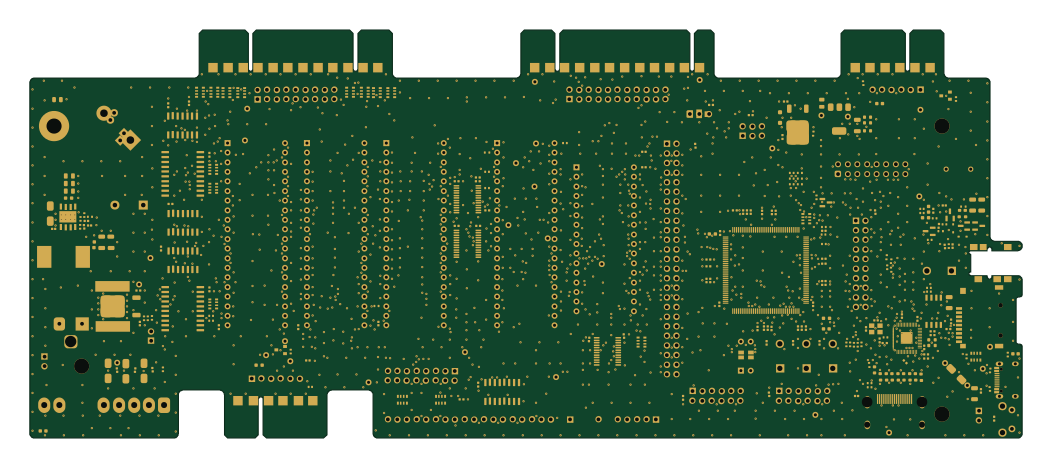 RP2040/RP2350
Econopet
DLehenbauer
262.5 × 108 mm284 parts2LCC0-1.018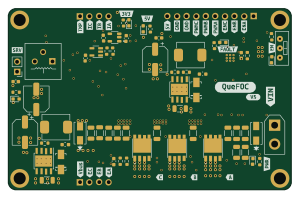
QueDriver
Zen-and-the-Art-of-Balanced-Bike
75 × 48 mm131 parts4LGPL-3.017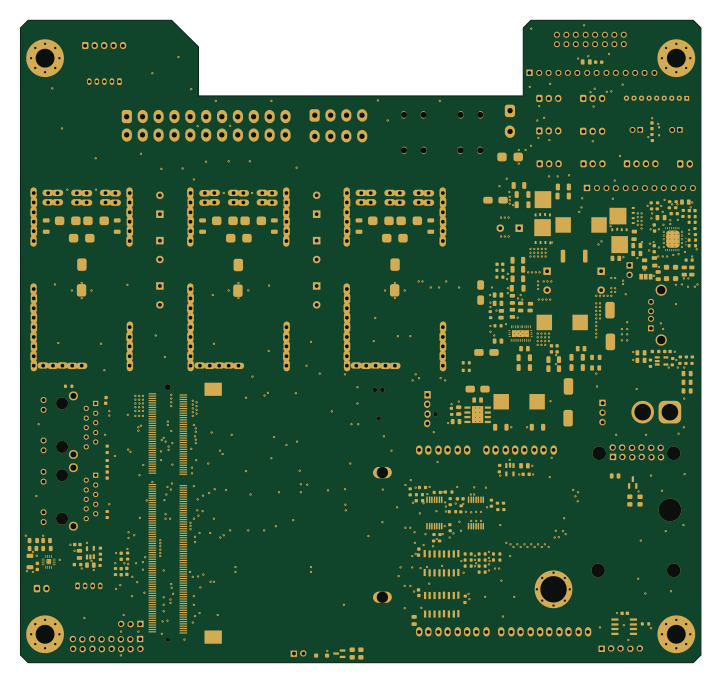 AVR/Arduino
Hw openmower yardforce
xtech
180 × 170 mm275 parts4LCC-BY-4.012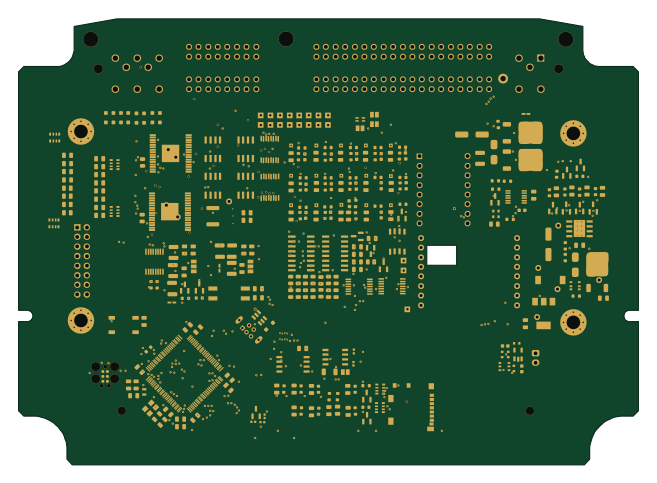 STM32
OpenEFI rev4 bkp
Churrosoft
164 × 118 mm317 parts4LCERN-OHL-S-2.08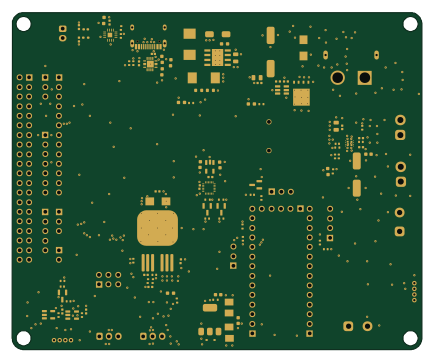
MARS Dev Board
innate-inc
108.4 × 89.2 mm126 parts6LCERN-OHL-S-2.08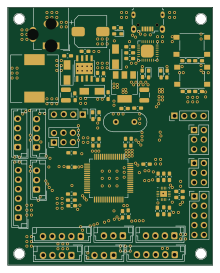 STM32
OpenSTM32F4 LQFP64
phonght32
54 × 68 mm77 parts2LMIT7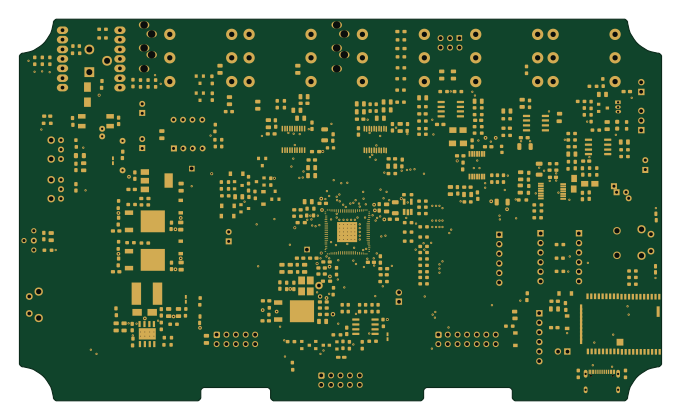
FreeDSP-G
170 × 101 mm367 parts4LCC0-1.06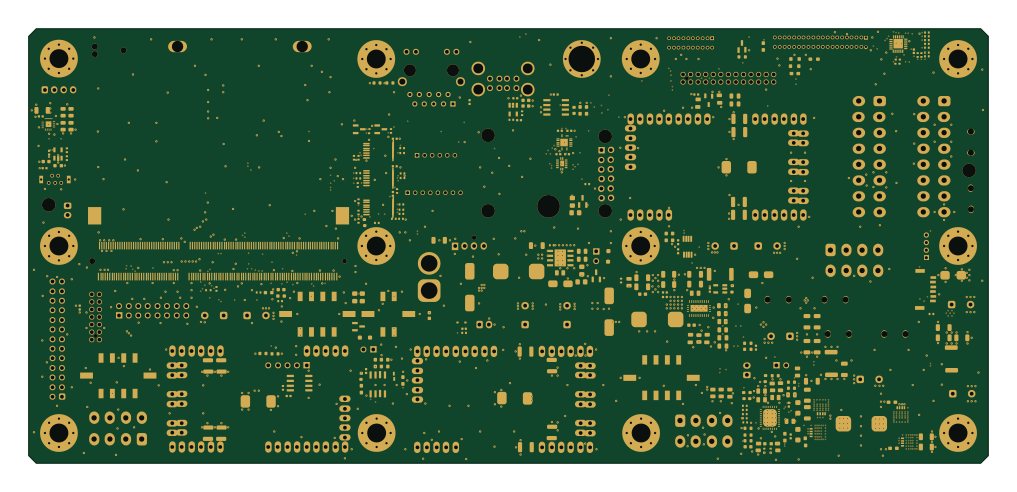
Hw openmower sabo
254 × 115 mm322 parts6LCC-BY-NC-4.05 RP2040/RP2350
Thermostat pico
kelvie
50 × 36 mm44 parts2LApache-2.04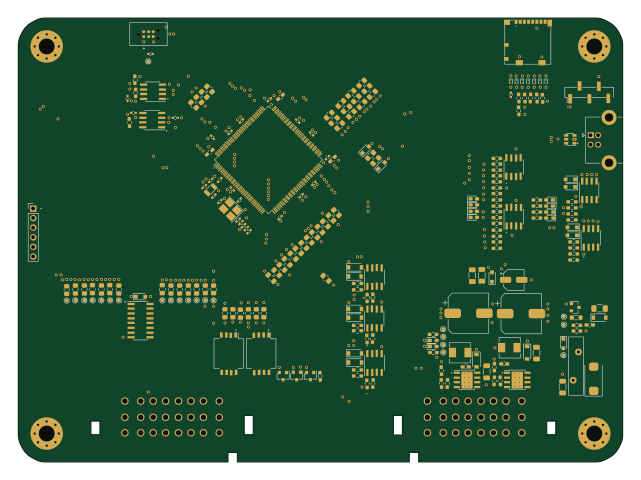 STM32
Daveecu2
miata-bot
160 × 117.5 mm223 parts4LNo license3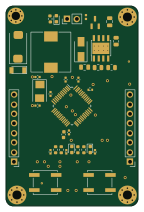 STM32
GPS-Tracker
ibfarhat
35 × 53 mm53 parts2LNo license3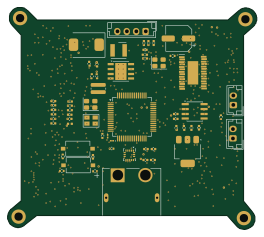 STM32
Dragonfly
Broccoliux
66 × 58.8 mm226 parts4LMIT2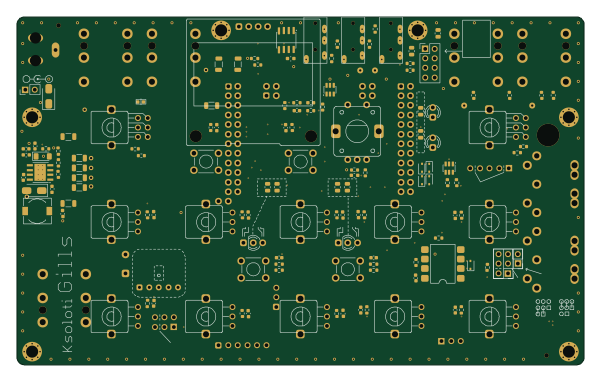
Ksoloti gills
ksoloti
150 × 92 mm206 parts2LCC-BY-4.02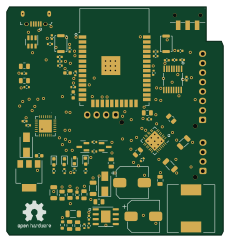 ESP32
SmartSpin2k
57.2 × 60.3 mm79 parts2LNo license2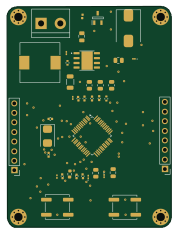 STM32
KICAD-STM32-GPS-Tracker-Project
Saie12
43.5 × 58.5 mm55 parts4LNo license2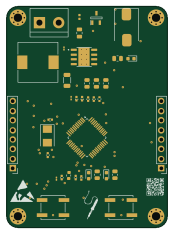 STM32
Project-09
ampnics
42.5 × 58.5 mm51 parts4LNo license2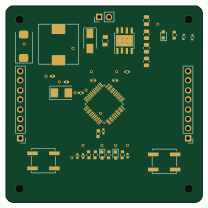 STM32
Custom-STM32-PCB-With
52 × 52 mm37 parts2LNo license2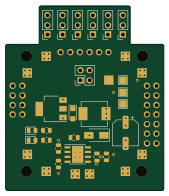
Kratos pdb
nnarain
41.9 × 48.9 mm24 parts4LNo license2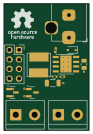 ESP8266
Esp led dimmer
julianschuler
22.5 × 33.5 mm14 parts2LMIT2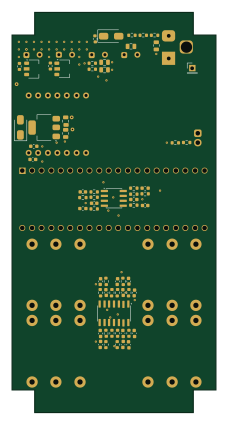 ESP32
Seed pedal
TMANTsmith
54 × 106 mm67 parts4LNo license1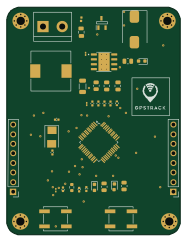 STM32
STM32 gps tracker
hammadurrehman2006
46 × 60.3 mm53 parts4LNo license1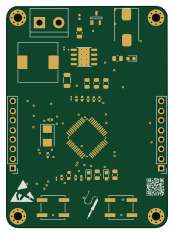 STM32
STM32 GPS Tracking Module
tejashviraj19
42.5 × 58.5 mm51 parts4LNo license1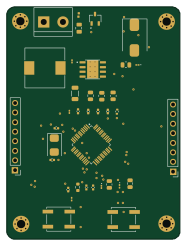 STM32
GPS tracker with STM32
shubham31637
45.9 × 61.5 mm50 parts4LNo license1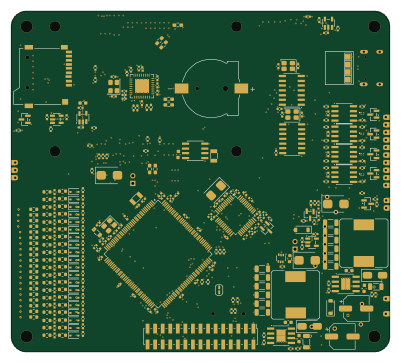 STM32
VCU CM4
NTURacingTeam
100 × 90 mm445 parts4LNo license0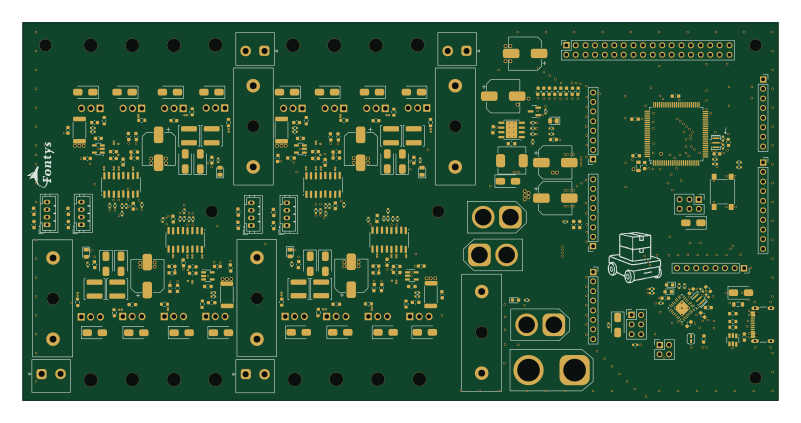 AVR/Arduino
Adaptive agv platform
vantalane
200 × 100 mm289 parts4LMIT0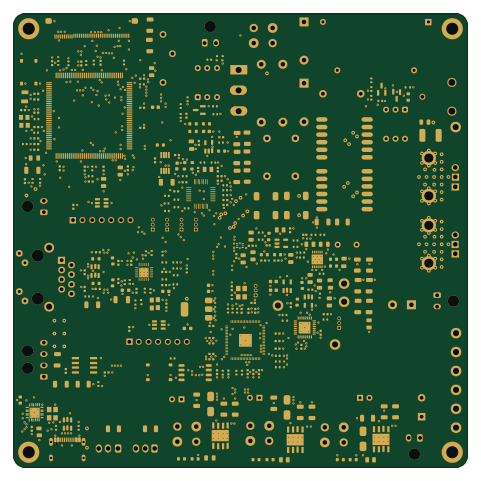 RP2040/RP2350
HVDC test board
MECSEM
120 × 120 mm287 parts4LGPL-3.00
How designs wire the TPS5430DDA
Read from the KiCad layouts of 72 open source designs, one per repository: what each pin of the TPS5430DDA connects to, and the resistors, capacitors and other passives placed on it.
- The PH pin has a inductor on 67 of 72 designs, most often 15 µH (then 22 µH).
- The PH pin has a series capacitor on 65 of 72 designs, most often 10 nF (then 100 nF).
- The BOOT pin has a series capacitor on 62 of 72 designs, most often 10 nF (then 100 nF).
- The VSENSE pin has a pull-up to 3.3V on 54 of 72 designs, most often 10 kΩ (then 8.2 kΩ).
| Pin | Connected to | Parts on the pin |
|---|---|---|
| BOOTpin 1 | Connected to: Signal 99% |
|
| NCpin 2, 3 | Connected to: Not connected 96% | — |
| VSENSEpin 4 | Connected to: Signal 93% |
|
| ENpin 5 | Connected to: Not connected 67% · a signal 29% | — |
| GNDpin 6 | Connected to: GND 92% | — |
| VINpin 7 | Connected to: 12V 50% · a signal 49% |
|
| PHpin 8 | Connected to: Signal 94% |
|
| GNDPADpin 9 | Connected to: GND 93% | — |
Connections count pins, parts count designs; values in brackets are how many parts had that value. Designs read include SmartSpin2k by doudar, Output by CrashOverride85, BPi-CAN by GBert and Explorer by anyshake.
The TPS5430DDA in open source designs
The gallery holds 101 open source boards using the TPS5430DDA from 74 GitHub repositories; a typical one measures about 80 × 70 mm and carries around 77 components.
52% are two-layer designs, the rest use four layers or more, and 50% carry an open source license.
The most starred is SmartSpin2k Panelized by doudar.
Parts used alongside the TPS5430DDA
Microcontrollers on boards using the TPS5430DDA
What boards using the TPS5430DDA are built for
TPS5430DDA: common questions
Where can I find a TPS5430DDA reference design?
Each of the 101 boards on this page is a real design using the TPS5430DDA. Open one to see how it is wired up, with the full BOM, a render of the layout and links to its KiCad files.
How is the TPS5430DDA PH pin connected?
The PH pin has a inductor on 67 of 72 designs, most often 15 µH (then 22 µH). Counted from the KiCad layouts of 72 open source designs using the TPS5430DDA.
How is the TPS5430DDA BOOT pin connected?
The BOOT pin has a series capacitor on 62 of 72 designs, most often 10 nF (then 100 nF). Counted from the KiCad layouts of 72 open source designs using the TPS5430DDA.
What pull-up resistor is used on the TPS5430DDA VSENSE pin?
The VSENSE pin has a pull-up to 3.3V on 54 of 72 designs, most often 10 kΩ (then 8.2 kΩ). Counted from the KiCad layouts of 72 open source designs using the TPS5430DDA.
What parts are used alongside the TPS5430DDA?
The AMS1117-3.3, SMF05CT1G, SIM808, STM32F030C8TX and 100N appear in the most repositories here.
Which microcontrollers do boards using the TPS5430DDA use?
Most are built on STM32 (37), ESP32 (16), RP2040/RP2350 (10) and AVR/Arduino (4).
How big is a typical board using the TPS5430DDA?
The median is 80 × 70 mm, and 52% are two-layer designs.
What is the most popular open source board using the TPS5430DDA?
By GitHub stars, SmartSpin2k Panelized by doudar, with 291 stars.
Can I simulate one of these boards using the TPS5430DDA before building it?
Yes. HardLabs turns a board's netlist and BOM into a working simulation, so you can boot and test firmware against it with no hardware on your desk.